7 Days Machame Route
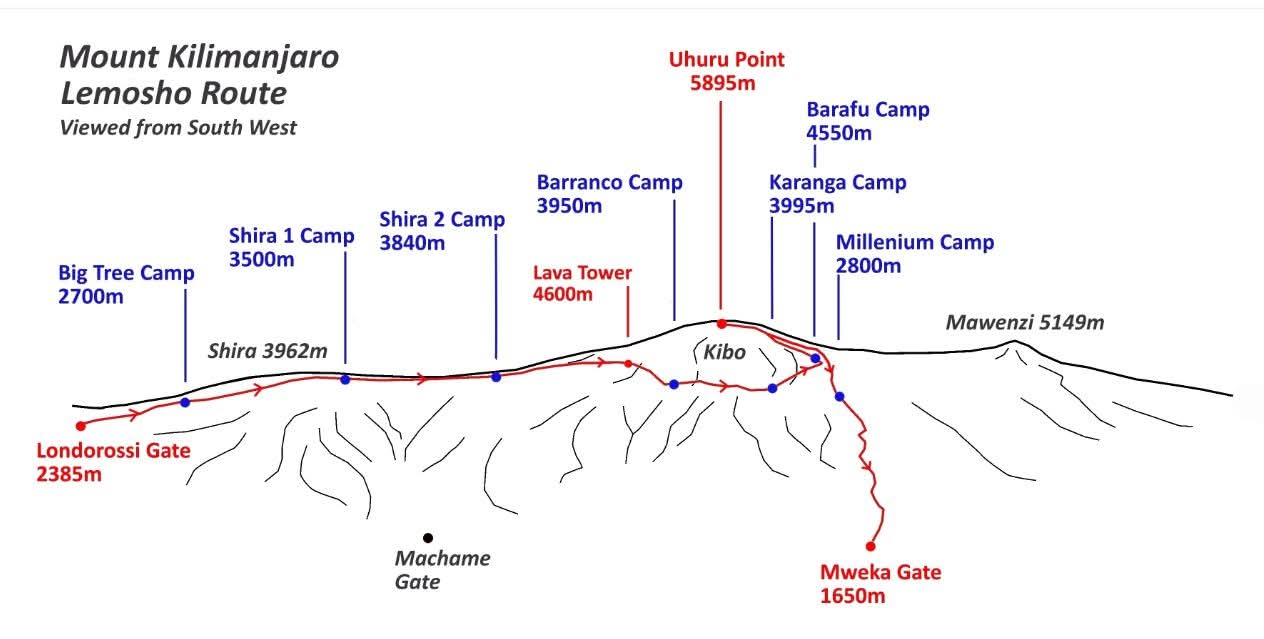
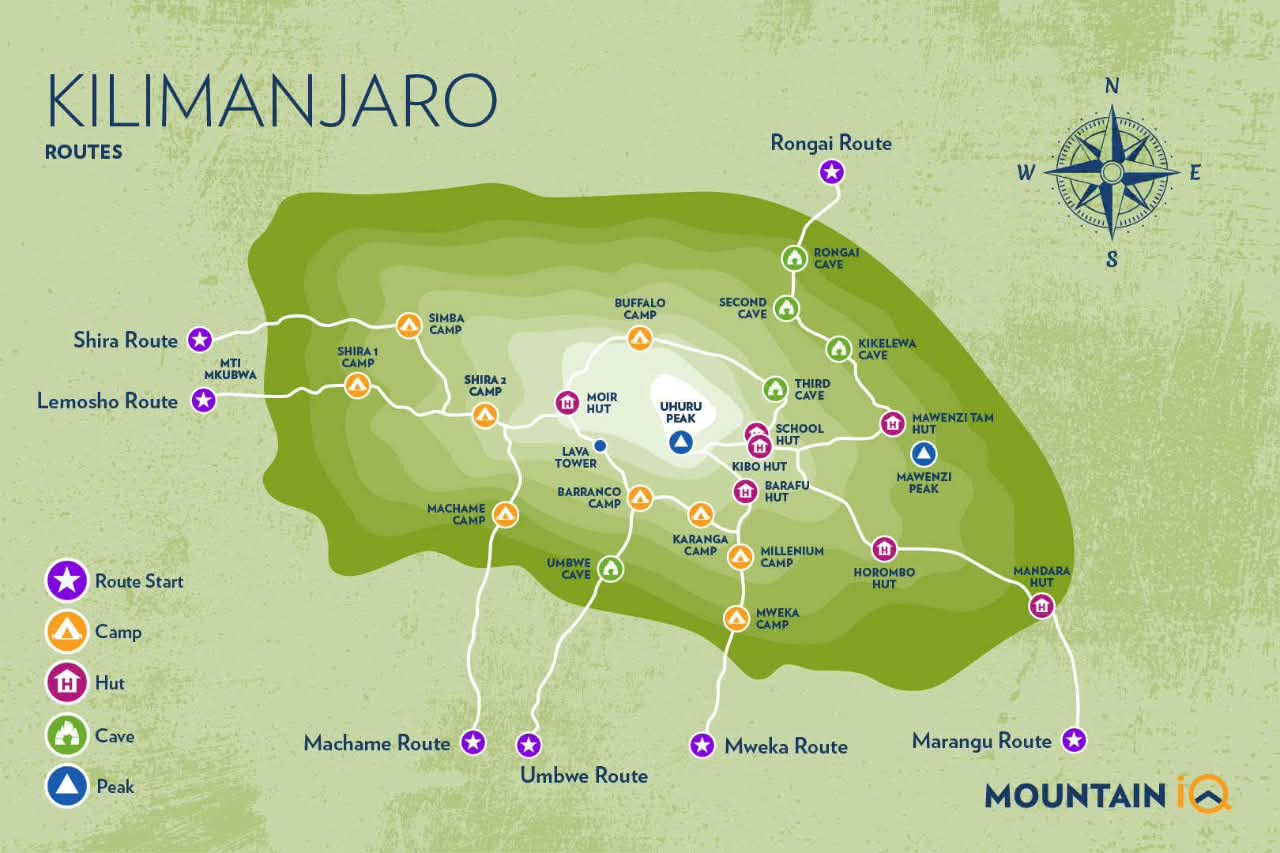
The 7 Days Machame Route is one of the most popular and scenic routes for climbing Mount Kilimanjaro. Often called the “Whiskey Route,” it approaches Kilimanjaro from the southern side and takes trekkers through several distinct ecological zones, from lush rainforest to alpine desert and finally the snow-covered summit.
Unlike shorter Kilimanjaro routes, the 7-day Machame itinerary provides a better opportunity for acclimatization, with a carefully structured route that allows your body more time to adjust to increasing altitude. The trek also follows the important principle of “climb high, sleep low,” particularly around Lava Tower and Barranco Camp.
The journey begins at Machame Gate, where you enter Kilimanjaro National Park and start hiking through the montane rainforest. As you gain altitude, the vegetation gradually changes into moorland and high-altitude terrain before reaching the dramatic southern slopes of Kilimanjaro.
One of the highlights of this route is the spectacular Barranco Wall, followed by the traverse toward Karanga and Barafu Camps. The final challenge is summit night, when you climb toward Uhuru Peak at 5,895 meters (19,341 feet), the highest point in Africa.
The 7-day Machame Route is suitable for trekkers looking for a scenic and rewarding Kilimanjaro experience with more acclimatization time than the shorter 5- or 6-day versions.
Trip Highlights
- Climb Mount Kilimanjaro via the scenic Machame Route
- Trek through five major ecological zones
- Experience the beautiful Kilimanjaro rainforest
- Cross the spectacular Shira Plateau
- Enjoy the Lava Tower acclimatization experience
- Climb the famous Barranco Wall
- Trek through Karanga Valley toward Barafu Camp
- Summit Mount Kilimanjaro at Uhuru Peak – 5,895 m
- Watch sunrise from the summit of Africa
- Descend through the scenic Mweka Route
- Enjoy professional mountain guides, porters and mountain crew
7 Days Machame Route Itinerary – Day by Day
The 7 Days Machame Route is one of the most popular and scenic routes for climbing Mount Kilimanjaro. Often called the “Whiskey Route,” it approaches Kilimanjaro from the southern side and takes trekkers through several distinct ecological zones, from lush rainforest to alpine desert and finally the snow-covered summit.
Unlike shorter Kilimanjaro routes, the 7-day Machame itinerary provides a better opportunity for acclimatization, with a carefully structured route that allows your body more time to adjust to increasing altitude. The trek also follows the important principle of “climb high, sleep low,” particularly around Lava Tower and Barranco Camp.
The journey begins at Machame Gate, where you enter Kilimanjaro National Park and start hiking through the montane rainforest. As you gain altitude, the vegetation gradually changes into moorland and high-altitude terrain before reaching the dramatic southern slopes of Kilimanjaro.
One of the highlights of this route is the spectacular Barranco Wall, followed by the traverse toward Karanga and Barafu Camps. The final challenge is summit night, when you climb toward Uhuru Peak at 5,895 meters (19,341 feet), the highest point in Africa.
The 7-day Machame Route is suitable for trekkers looking for a scenic and rewarding Kilimanjaro experience with more acclimatization time than the shorter 5- or 6-day versions.
Elevation: 1,800 m to 3,000 m
Distance: Approximately 11 km
Hiking Time: 5–7 hours
Habitat: Montane Rainforest
Meals: Lunch & Dinner
Accommodation: Machame Camp
Your Kilimanjaro adventure begins with a drive from your hotel in Moshi or Arusha to Machame Gate, the starting point of the Machame Route. After completing park registration and meeting your mountain crew, you begin your trek through the lush rainforest.
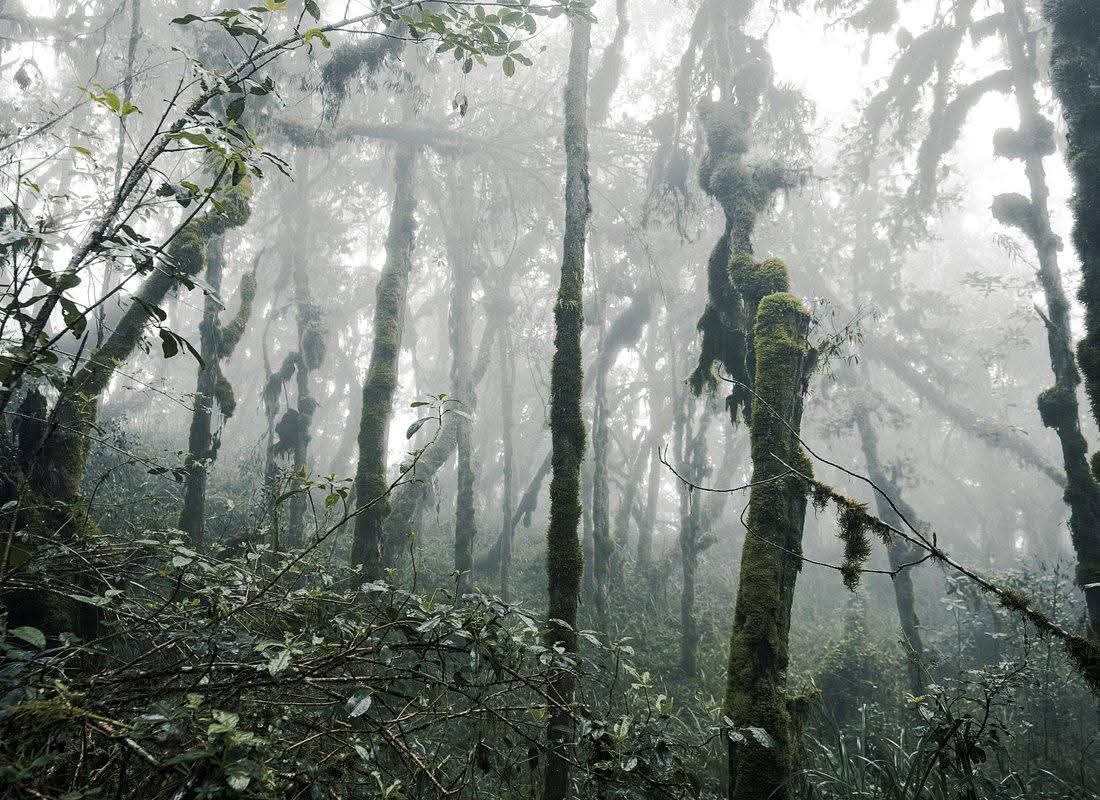
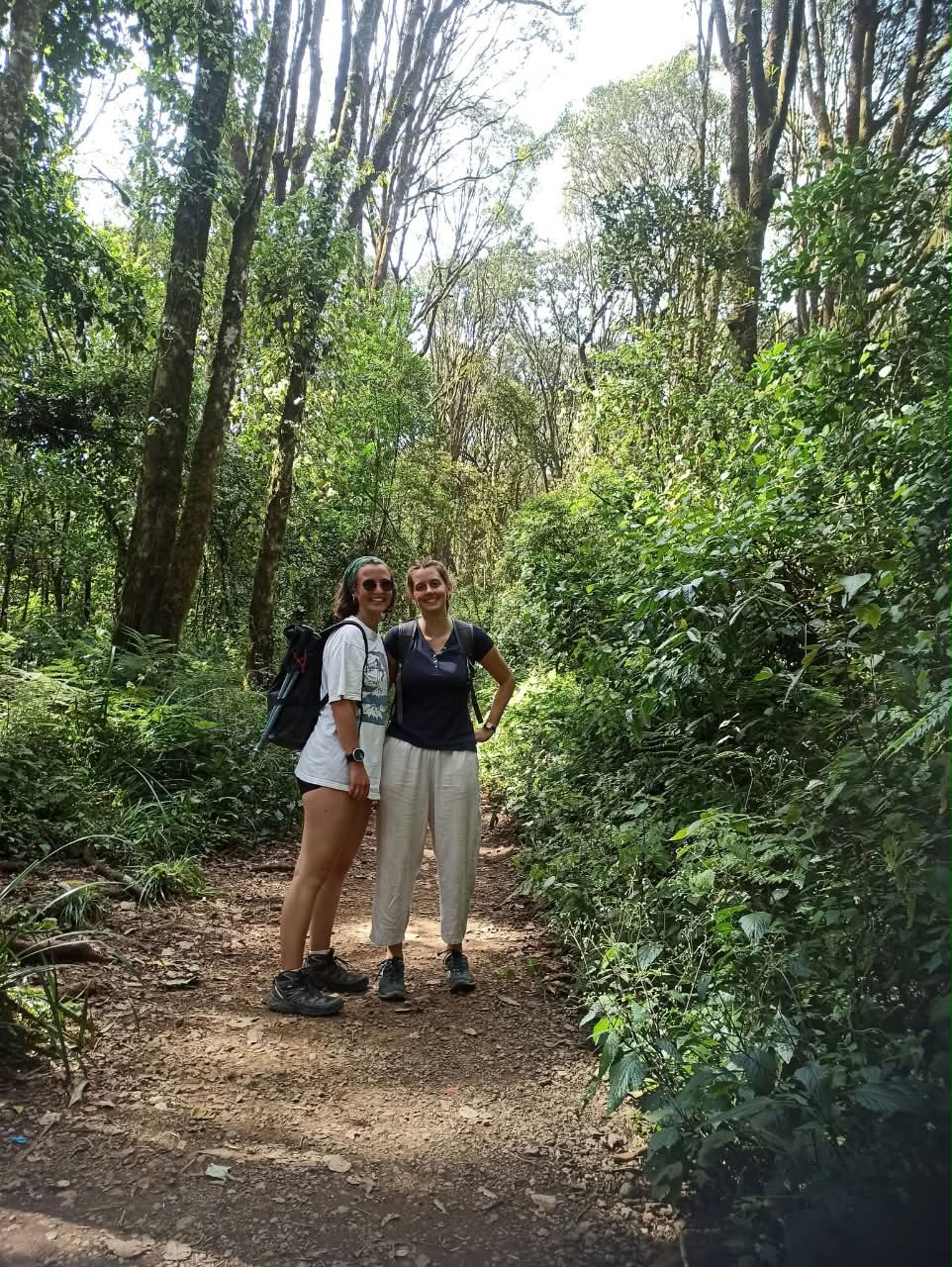
The trail is surrounded by tall trees, moss-covered vegetation and the sounds of tropical birds. The first section is relatively gradual, although the trail can become muddy and slippery, especially during periods of rain.
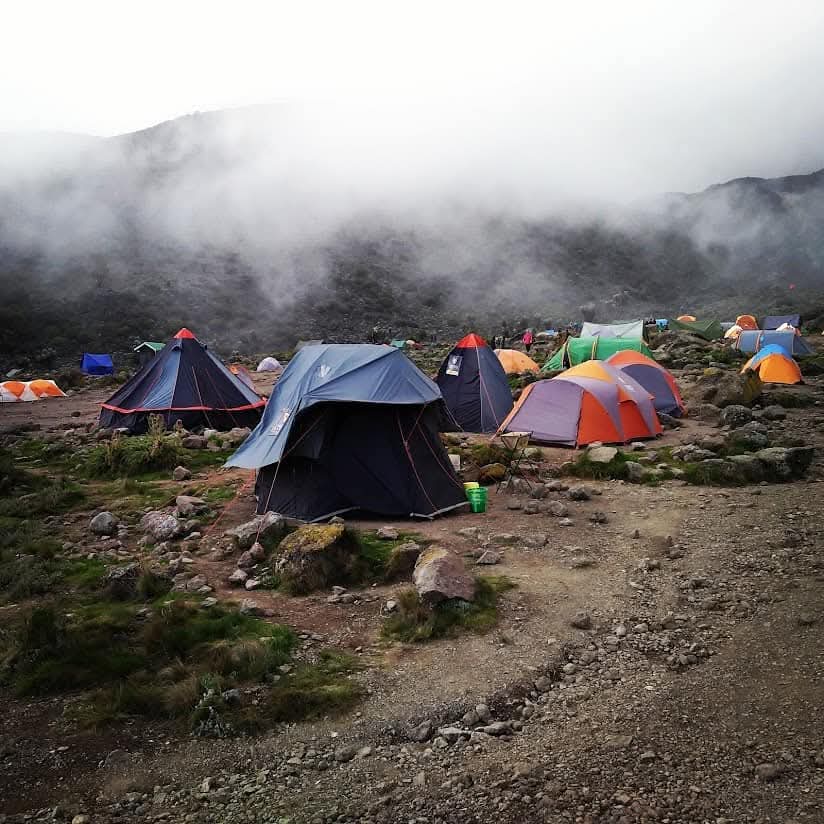
You will gradually gain elevation as you make your way toward Machame Camp. Your mountain crew will normally arrive ahead of you and prepare the campsite.
After reaching camp, you can relax, enjoy dinner and prepare for the next day of trekking.
Overnight: Machame Camp
Elevation: 3,000 m to 3,840 m
Distance: Approximately 5 km
Hiking Time: 4–6 hours
Habitat: Moorland
Meals: Breakfast, Lunch & Dinner
Accommodation: Shira Camp
After breakfast, you leave the rainforest behind and begin climbing toward the moorland zone.
The trail becomes steeper as you ascend through lower alpine vegetation. As you gain altitude, the forest gradually disappears and the landscape opens up, providing impressive views of Mount Meru and the surrounding Tanzanian landscape when weather conditions are clear.
The trek eventually reaches the Shira Plateau, one of the most impressive areas on the Machame Route. Shira is an ancient volcanic caldera that forms part of Kilimanjaro's western side.
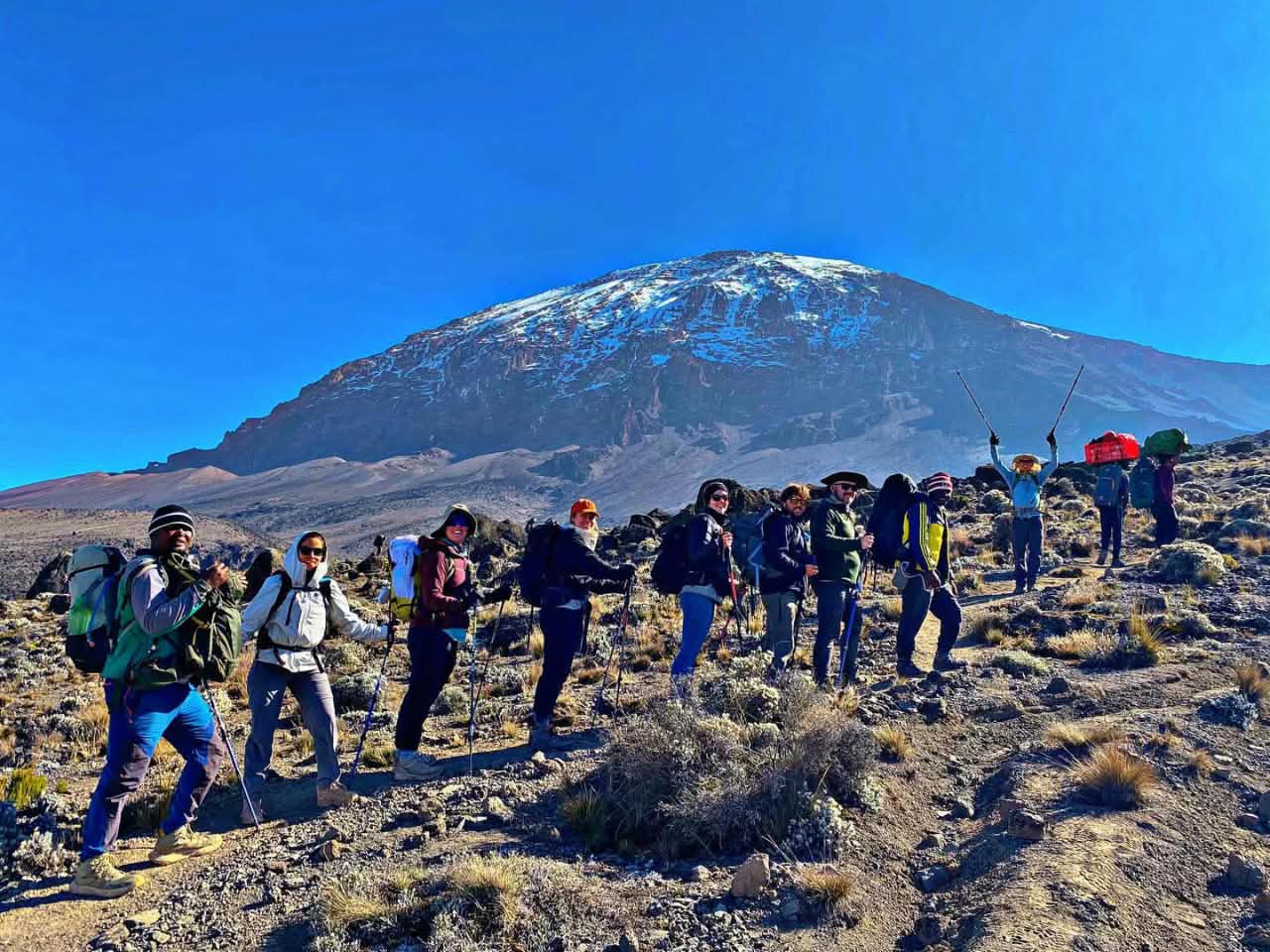
You arrive at Shira Camp in the afternoon and have time to rest, explore the surroundings and enjoy views of Kibo, the main volcanic cone of Kilimanjaro.
Overnight: Shira Camp
Elevation: 3,840 m → 4,630 m → 3,960 m
Distance: Approximately 10–11 km
Hiking Time: 6–8 hours
Habitat: Semi-Desert
Meals: Breakfast, Lunch & Dinner
Accommodation: Barranco Camp
Today is one of the most important acclimatization days of the trek.
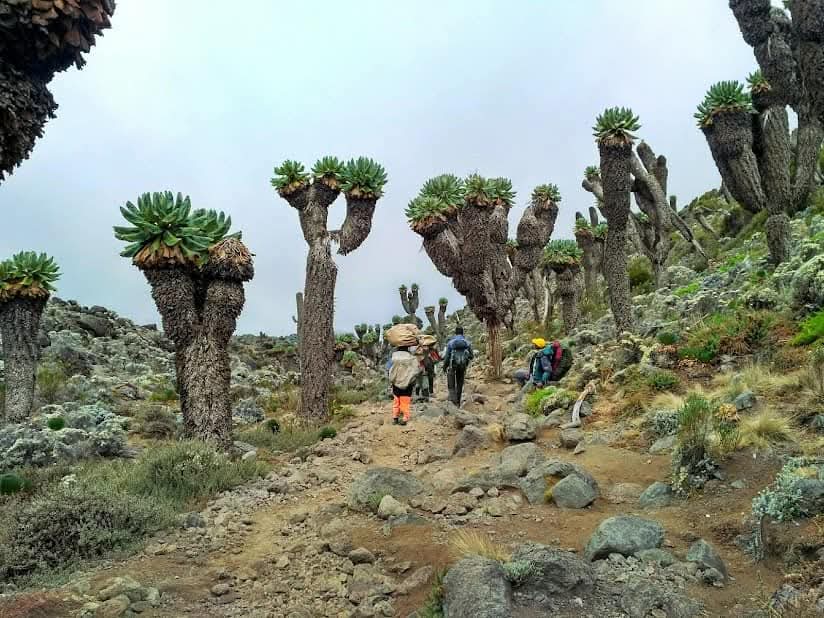
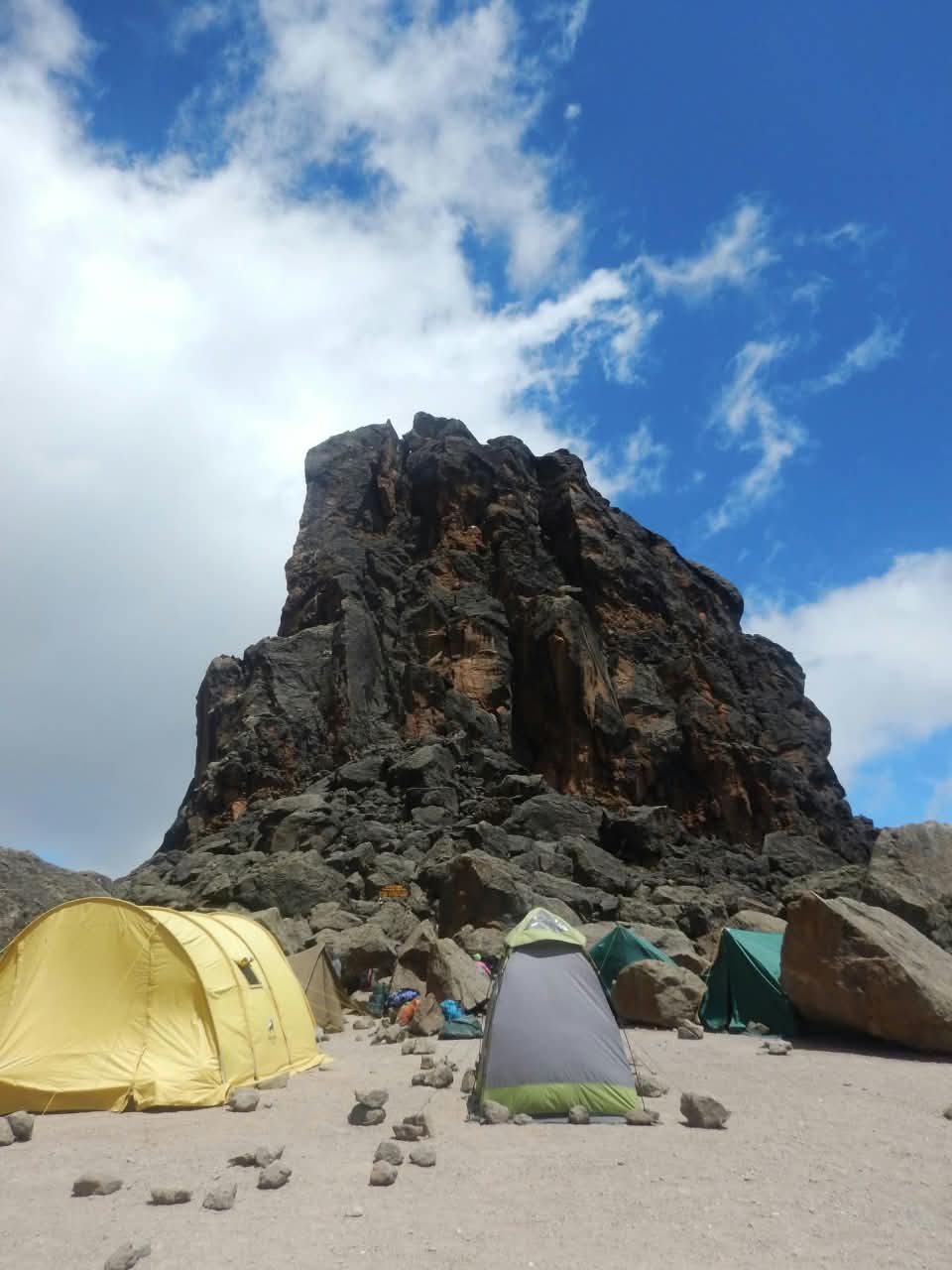
You leave Shira Camp and begin a gradual ascent toward Lava Tower, reaching approximately 4,630 meters above sea level. The landscape becomes increasingly rocky and sparse as you enter the high-altitude desert zone.
At Lava Tower, you will spend some time resting and having lunch. This higher elevation gives your body an important opportunity to experience altitude before descending to sleep at Barranco Camp.
After Lava Tower, the trail descends toward Barranco Valley. This descent is an important part of the acclimatization strategy commonly known as “climb high, sleep low.”
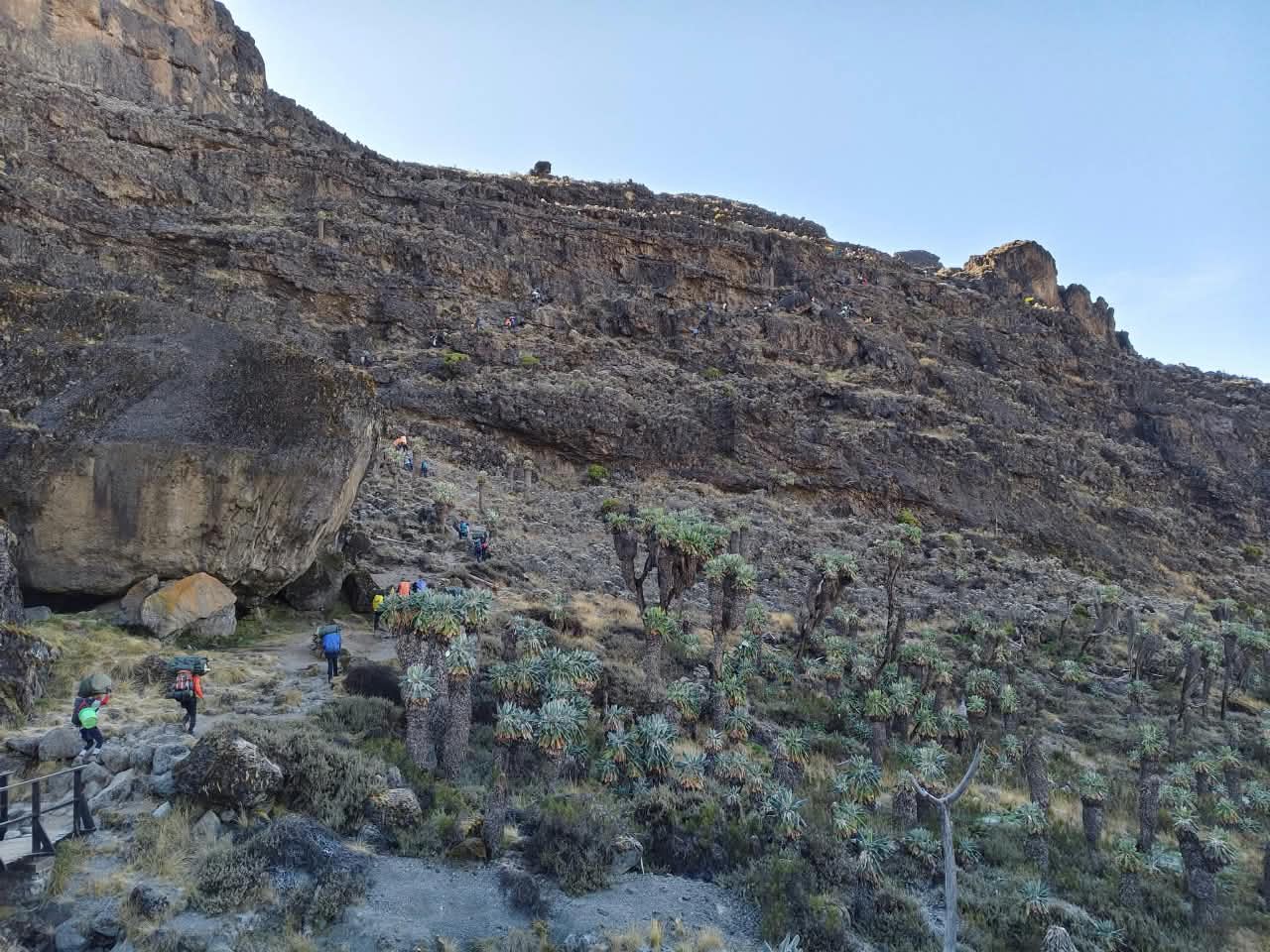
As you approach Barranco Camp, you will see the impressive Barranco Wall rising dramatically above the valley.
Overnight: Barranco Camp
Elevation: 3,960 m to 4,035 m
Distance: Approximately 5 km
Hiking Time: 4–5 hours
Habitat: Alpine Desert
Meals: Breakfast, Lunch & Dinner
Accommodation: Karanga Camp
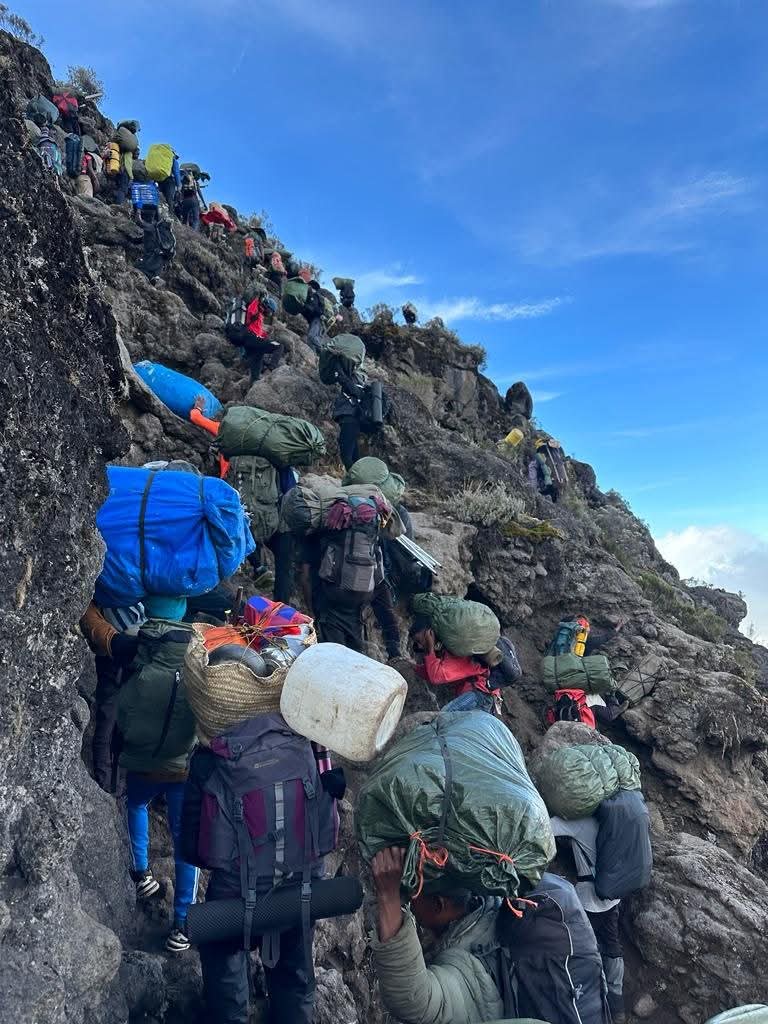
Your day begins with one of the most exciting sections of the Machame Route—the ascent of the Barranco Wall.
Although the wall looks intimidating from camp, the climb is primarily a scrambling experience rather than technical rock climbing. Your guide will help you choose the safest route while porters move carefully with the equipment.
Once at the top, you will be rewarded with spectacular views across the Barranco Valley and toward the mountain's southern slopes.
The trail then continues through a series of ridges and valleys before reaching Karanga Camp.
This is a relatively short trekking day, allowing you to rest and conserve energy for the more demanding summit stages ahead.
Overnight: Karanga Camp
Elevation: 4,035 m to 4,640 m
Distance: Approximately 4 km
Hiking Time: 4–5 hours
Habitat: Alpine Desert
Meals: Breakfast, Lunch & Dinner
Accommodation: Barafu Camp
After breakfast, you leave Karanga Camp and continue toward Barafu Camp.
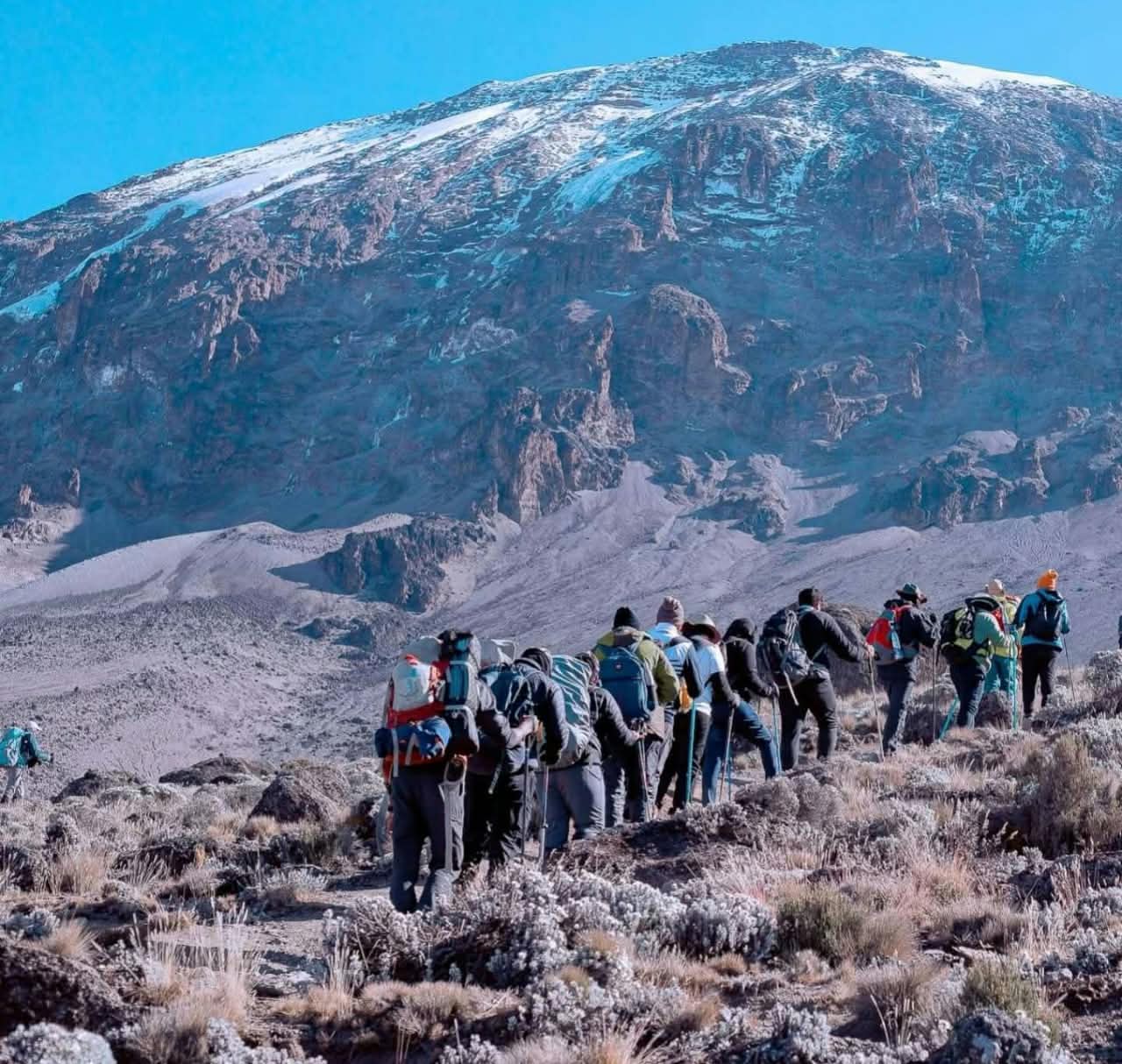
The trail becomes increasingly rocky and barren as you enter the upper alpine desert zone. Vegetation is now very limited, and the effects of altitude become more noticeable.
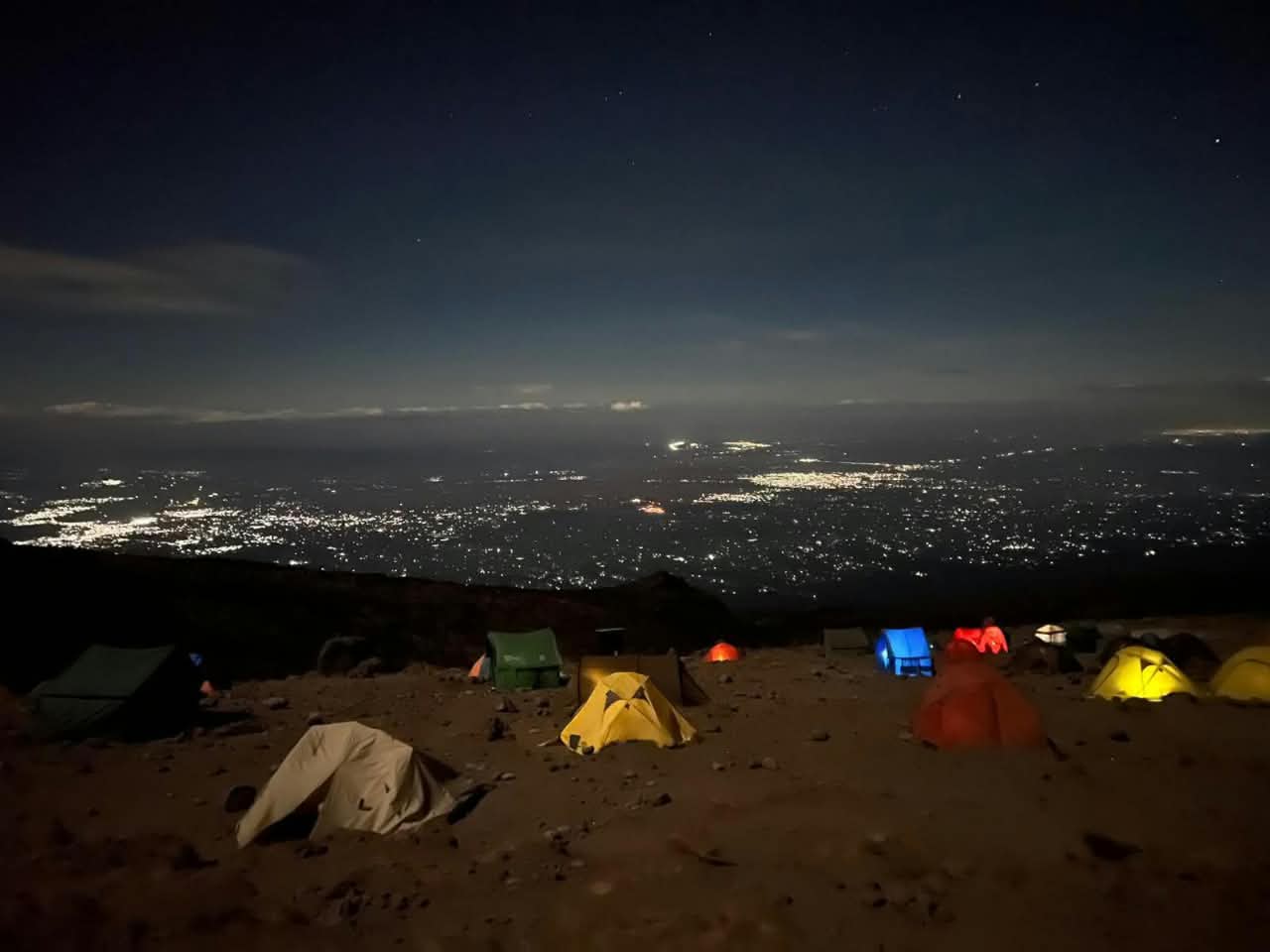
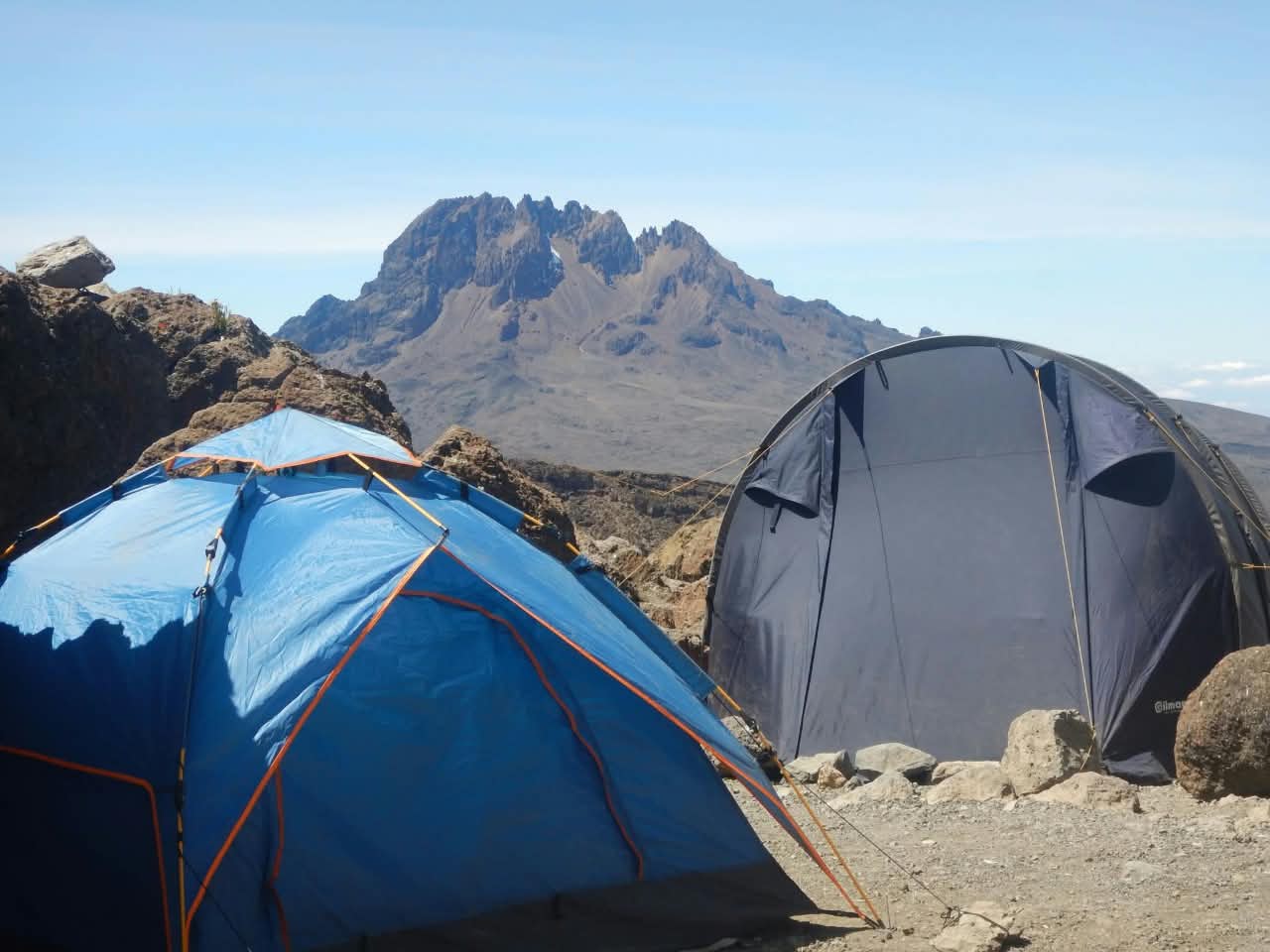
Barafu means “ice” in Swahili, and the camp sits on a rocky ridge overlooking the southern slopes of Kilimanjaro.
After reaching camp, your guides will brief you about the upcoming summit attempt. You will have an early dinner and should try to get as much rest as possible because the summit climb begins around midnight.
Prepare your summit clothing, headlamp, water and other essential equipment before going to sleep.
Overnight: Barafu Camp
Elevation: 4,640 m → 5,895 m → 3,080 m
Distance: Approximately 14–17 km
Hiking Time: 12–15 hours
Habitat: Arctic / Alpine Desert
Meals: Breakfast, Lunch & Dinner
Accommodation: Mweka Camp
Summit Day
This is the most challenging and rewarding day of your Kilimanjaro climb.
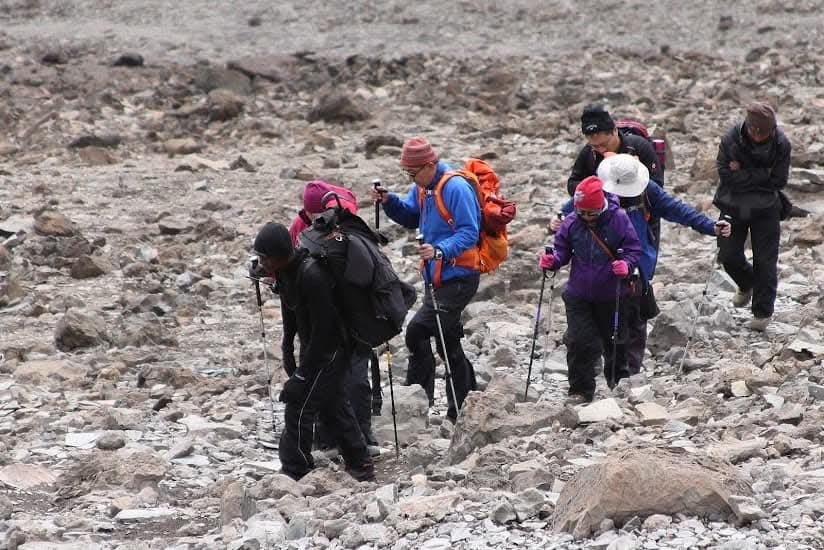
You will wake around midnight and begin your ascent toward Uhuru Peak. The climb starts in darkness, with your headlamp illuminating the rocky trail ahead.
The pace is intentionally slow because of the extreme altitude. Your guide will encourage you to walk “pole pole”, the Swahili expression for slowly, helping you conserve energy for the final ascent.
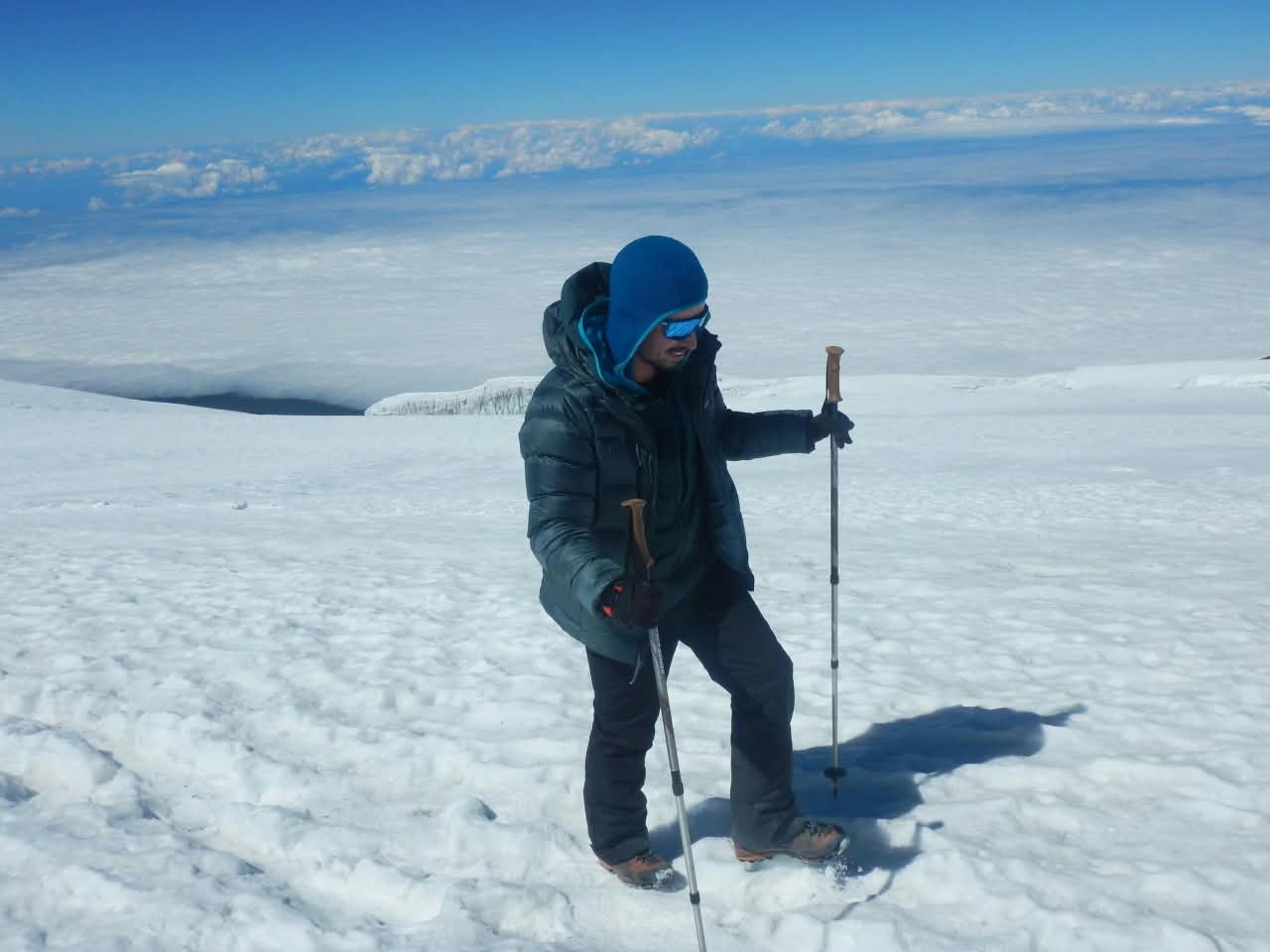
The trail leads toward Stella Point on the crater rim. From there, you continue along the crater rim toward Uhuru Peak, the highest point on Mount Kilimanjaro and the highest elevation in Africa.
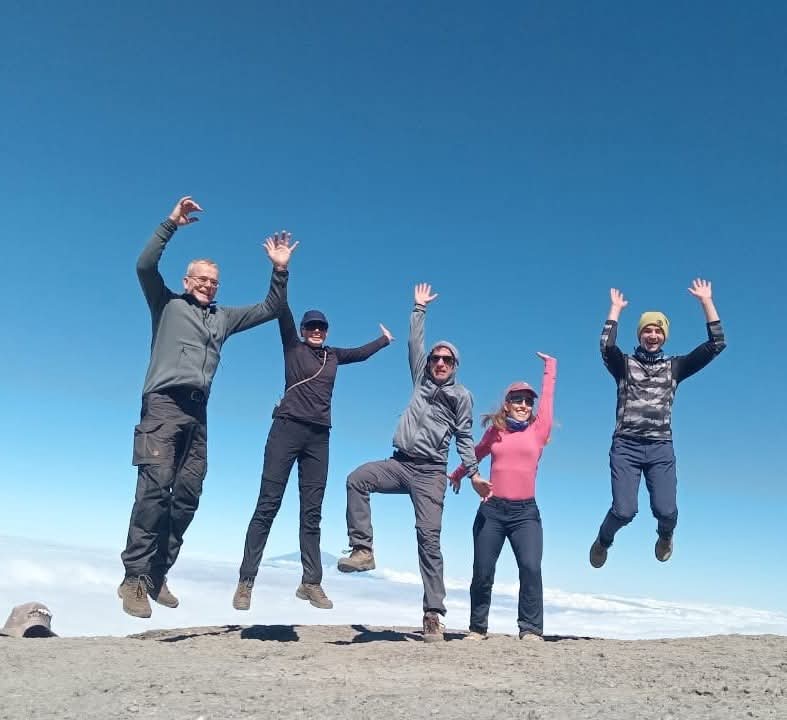
After reaching Uhuru Peak, you will have time to celebrate, take photographs and enjoy the incredible views when weather conditions permit.
You then begin your descent toward Barafu Camp, where you will have a short rest before continuing down toward Mweka Camp.
The descent provides a dramatic change in scenery as you leave the high alpine environment behind.
After arriving at Mweka Camp, enjoy dinner and a well-earned rest.
Overnight: Mweka Camp
Elevation: 3,080 m to 1,640 m
Distance: Approximately 10 km
Hiking Time: 3–4 hours
Habitat: Montane Rainforest
Meals: Breakfast & Lunch
After breakfast, you begin your final descent through the lush rainforest toward Mweka Gate.
The trail becomes greener and more humid as you lose elevation. This final section is usually much easier compared with the summit day.
At Mweka Gate, you will complete the park exit procedures and receive your Kilimanjaro summit certificate if you successfully reached the required summit point.
Your vehicle will then be waiting to transfer you back to your hotel in Moshi or Arusha, marking the end of your 7-day Machame Route adventure.
Trip Includes & Excludes
What's Included
- Kilimanjaro National Park entry fees
- Kilimanjaro camping fees
- Park rescue fees
- Professional and experienced mountain guides
- Professional mountain porters
- Professional mountain cook
- Accommodation in mountain tents
- Quality four-season mountain tents
- Sleeping mats
- All meals during the trek
- Drinking water throughout the climb
- National Park permits
- Government taxes and park fees
- Summit certificate
- Transportation to and from the mountain gate
What's Excluded
- International flights
- Tanzania visa
- Travel insurance
- Personal trekking equipment
- Sleeping bag
- Tips for guides, porters and cook
- Personal expenses
- Hotel accommodation before or after the trek
- Alcoholic and soft drinks
- Laundry services
- Emergency evacuation beyond the standard park rescue arrangement
- Any additional services not specifically mentioned under inclusions
Frequently Asked Questions
FAQs
Yes. The Machame Route is considered a challenging Kilimanjaro route, mainly because of the increasing altitude and the demanding summit day. However, the 7-day itinerary provides more acclimatization time than shorter versions of the route.
Yes. Seven days is generally considered a good duration for the Machame Route because it allows more time for acclimatization while keeping the overall trek relatively efficient.
Summit success varies between operators and individual trekkers. A major factor is proper acclimatization, pacing, fitness, weather and how well the trekker responds to altitude.
No. Previous mountaineering experience is not required for the Machame Route. However, good physical fitness, preparation and a positive mindset are important.
The most popular periods are generally the drier months, particularly January–February and June–October. Kilimanjaro can be climbed throughout the year, although weather conditions vary by season.
You should pack layered clothing, waterproof hiking gear, trekking boots, warm summit clothing, gloves, a hat, headlamp, water bottles or hydration system, sleeping bag and other essential personal equipment.
The trek starts at Machame Gate on the southern side of Kilimanjaro and finishes at Mweka Gate after descending from the summit.
The highest point is Uhuru Peak at 5,895 meters (19,341 feet) above sea level.
Yes. The itinerary can be operated as a group climb or as a private trek, depending on the tour operator and your preferred travel arrangements.
Your guide will prioritize your safety. If altitude sickness, exhaustion or another serious issue prevents you from continuing, the mountain crew will assist you in descending to a safer elevation. The summit should never be attempted at the expense of your health and safety.