6 Days Marangu Route
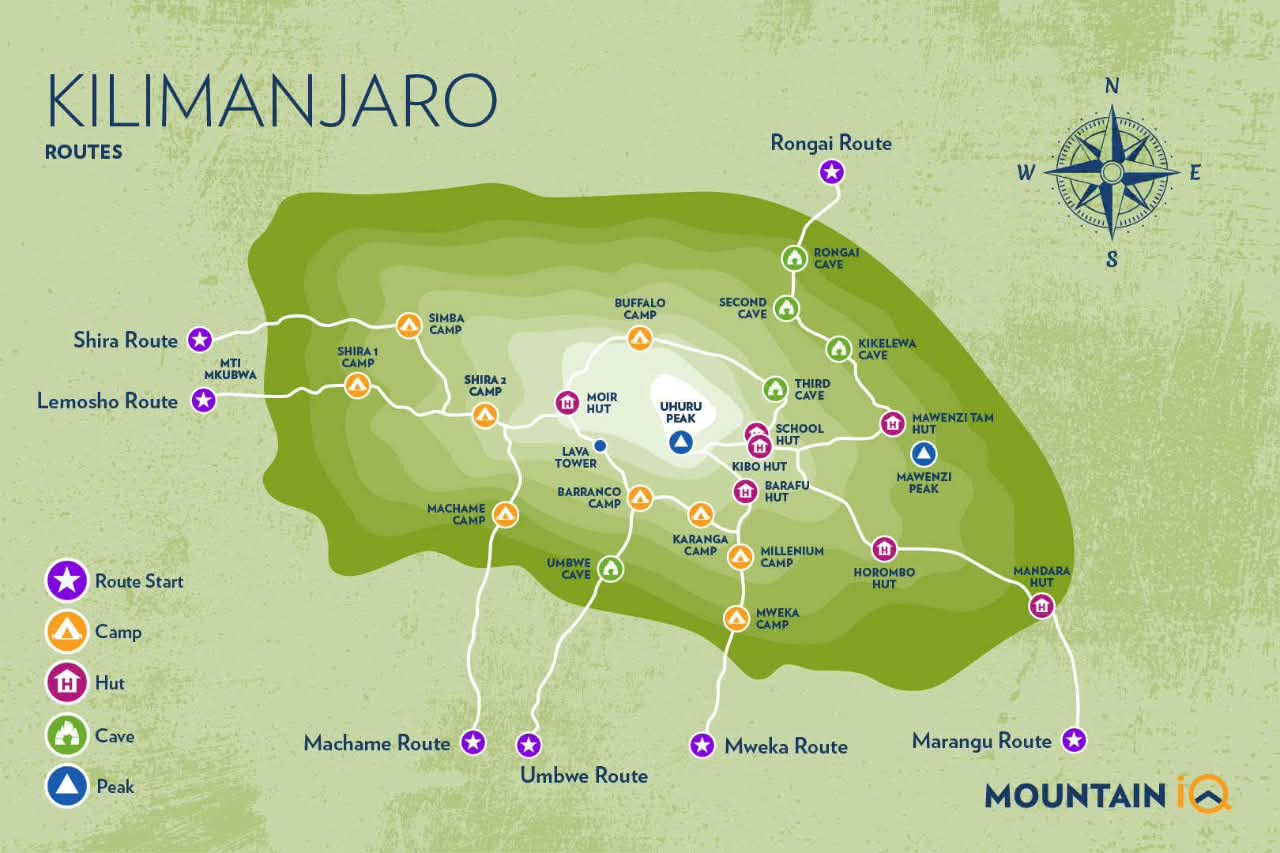
The 6 Days Marangu Route is one of the most popular ways to climb Mount Kilimanjaro and is often known as the “Coca-Cola Route.” Unlike most Kilimanjaro routes, Marangu uses comfortable mountain huts for overnight accommodation rather than camping, making it an appealing choice for trekkers who prefer a more structured trekking experience.
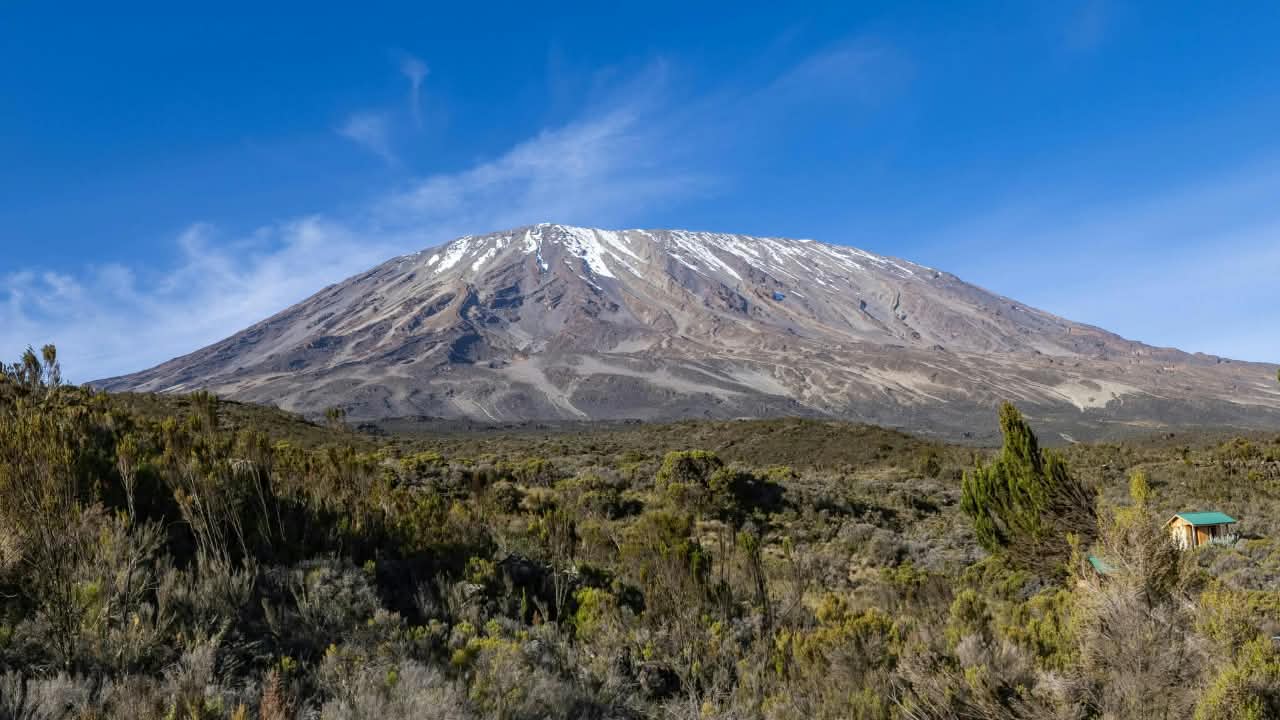
This 6-day itinerary follows the classic Marangu trail from the southeastern side of Mount Kilimanjaro. The route passes through several distinct ecological zones, beginning in the lush montane rainforest before continuing through the heath and moorland zones toward the alpine desert and summit.
The extra acclimatization day at Horombo Hut gives trekkers more time to adjust to increasing altitude before the summit attempt. From Horombo, the route continues toward Kibo Hut, followed by an early-morning summit attempt to Uhuru Peak at 5,895 meters (19,341 feet), the highest point in Africa.
After reaching the summit, trekkers descend through the Marangu trail to complete the climb at Marangu Gate.
Trek Highlights
- Climb Mount Kilimanjaro via the classic Marangu Route
- Experience the famous Coca-Cola Route
- Stay overnight in mountain huts instead of tents
- Walk through Kilimanjaro's rainforest and moorland
- Enjoy an additional acclimatization day at Horombo Hut
- Experience spectacular views of Mawenzi Peak
- Cross the alpine desert toward Kibo Hut
- Attempt the summit of Uhuru Peak – 5,895m
- Watch the sunrise from the summit area
- Descend through the beautiful Marangu forest
- Receive a Kilimanjaro summit certificate after successful completion
- Trek with an experienced mountain guide and professional support crew
6 Days Marangu Route Itinerary – Day by Day
The 6 Days Marangu Route is one of the most popular ways to climb Mount Kilimanjaro and is often known as the “Coca-Cola Route.” Unlike most Kilimanjaro routes, Marangu uses comfortable mountain huts for overnight accommodation rather than camping, making it an appealing choice for trekkers who prefer a more structured trekking experience.
This 6-day itinerary follows the classic Marangu trail from the southeastern side of Mount Kilimanjaro. The route passes through several distinct ecological zones, beginning in the lush montane rainforest before continuing through the heath and moorland zones toward the alpine desert and summit.
The extra acclimatization day at Horombo Hut gives trekkers more time to adjust to increasing altitude before the summit attempt. From Horombo, the route continues toward Kibo Hut, followed by an early-morning summit attempt to Uhuru Peak at 5,895 meters (19,341 feet), the highest point in Africa.
After reaching the summit, trekkers descend through the Marangu trail to complete the climb at Marangu Gate.
Elevation: 1,860m to 2,720m
Distance: Approximately 8 km
Hiking Time: 4–5 hours
Habitat: Montane Forest
After breakfast in Moshi, you will drive to Marangu Gate, where the registration and park entry procedures are completed. Once ready, your Kilimanjaro adventure begins.
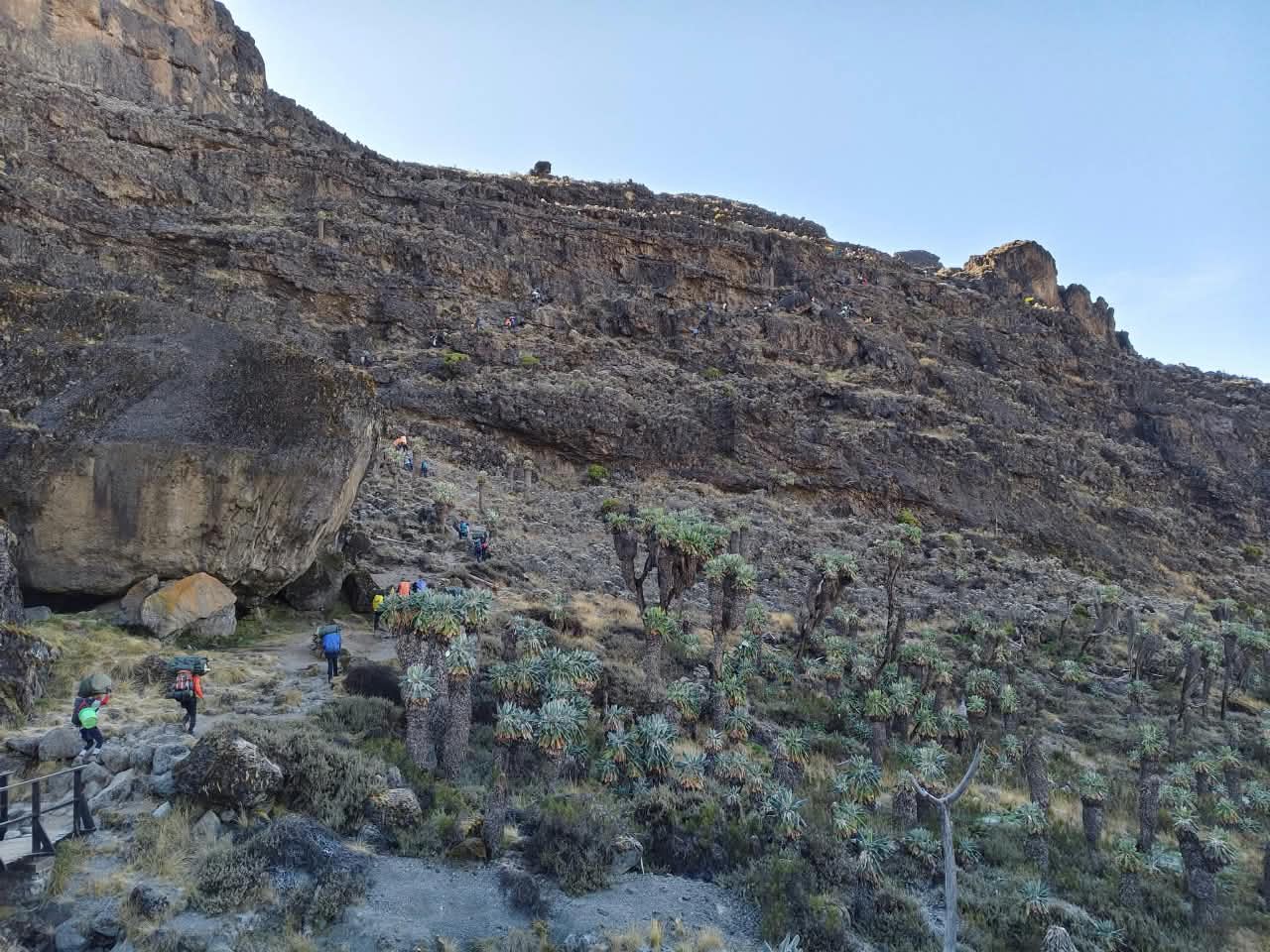
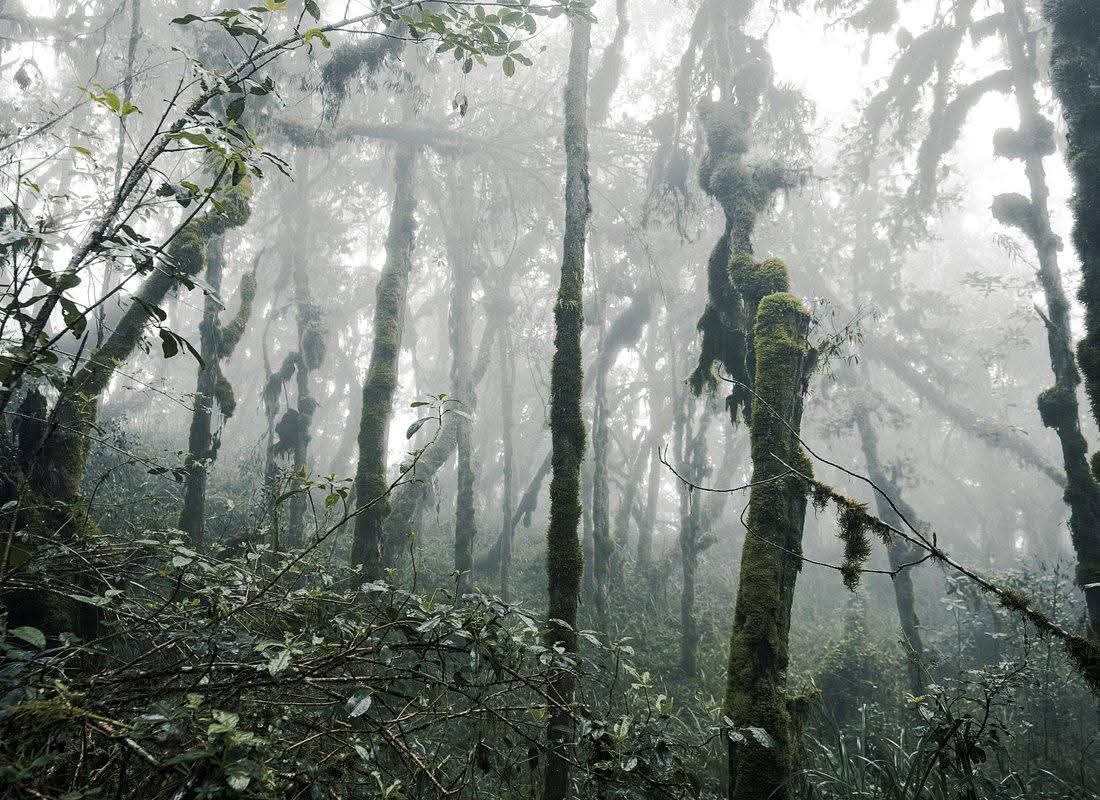
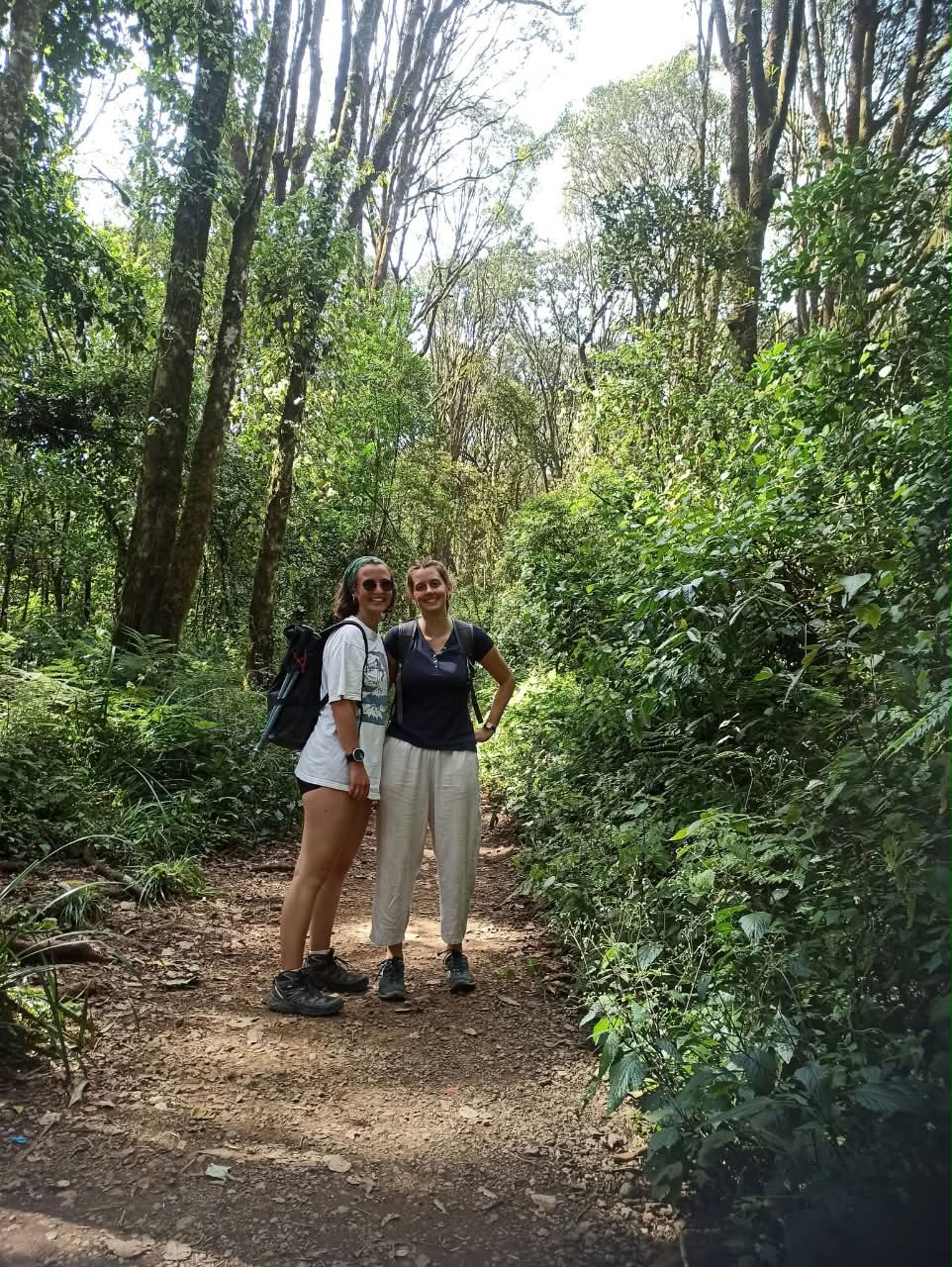
The trail starts through the lush montane rainforest, where the environment is cool, green, and often misty. Along the way, you may encounter different species of birds and, occasionally, monkeys.
The gradual ascent makes this a relatively comfortable first day, allowing your body to begin adjusting to the altitude.
You will arrive at Mandara Hut in the afternoon, where you will have dinner and spend the night.
Overnight: Mandara Hut
Meals: Lunch & Dinner
Elevation: 2,720m to 3,720m
Distance: Approximately 12 km
Hiking Time: 6–8 hours
Habitat: Heath and Moorland
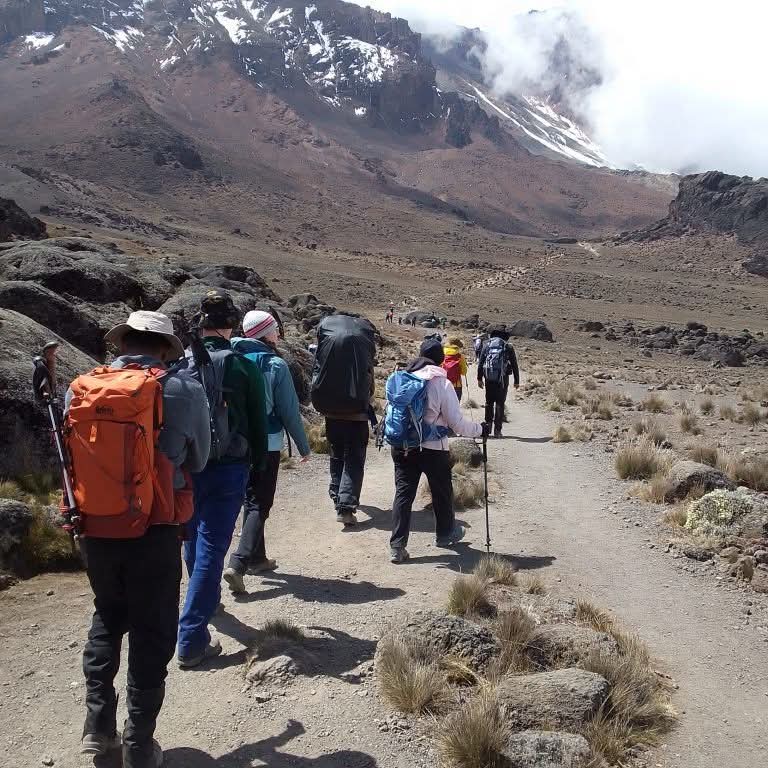
After breakfast, you leave Mandara Hut and continue upward through the heath and moorland zone.
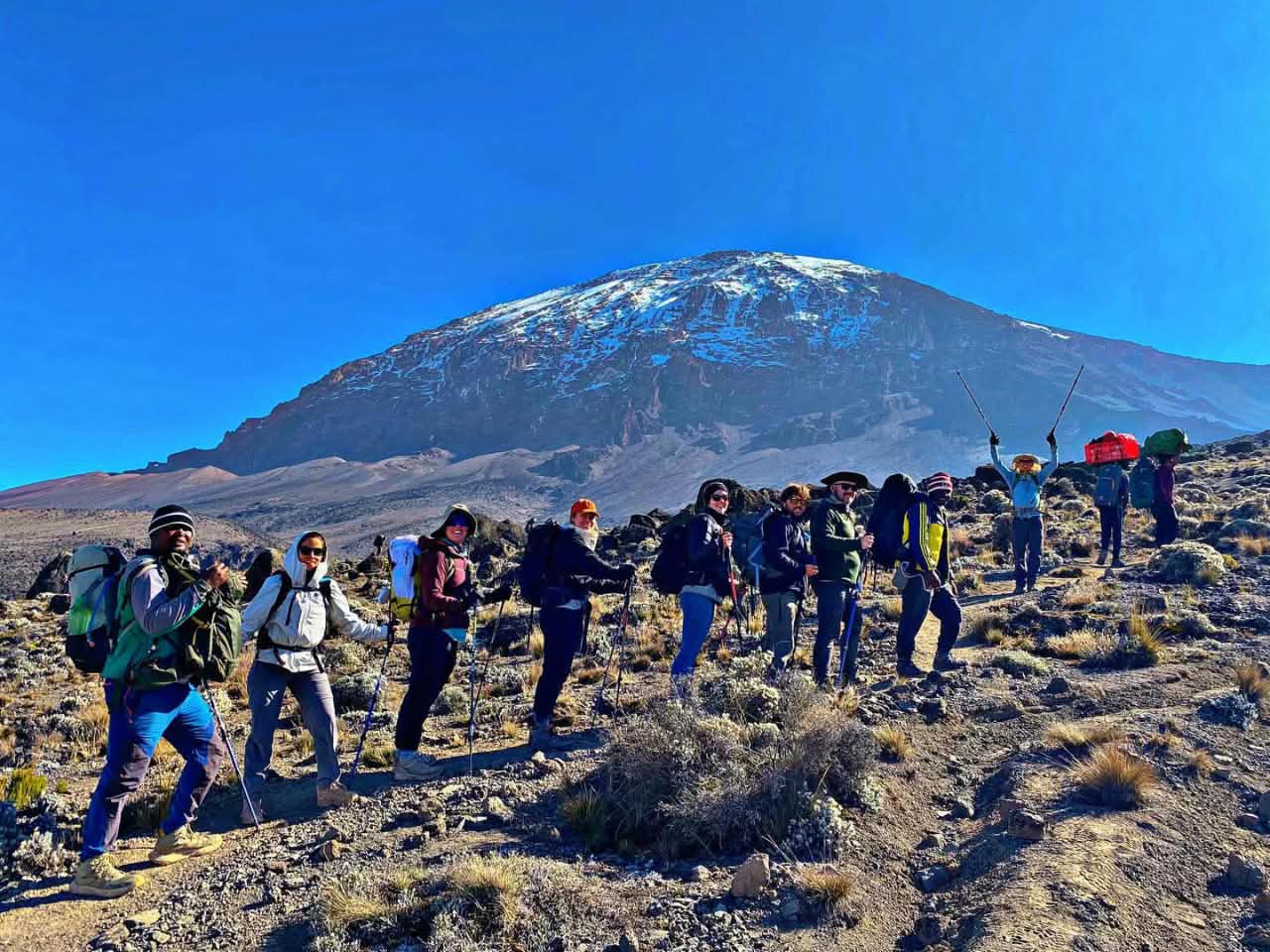
As the dense rainforest disappears behind you, the landscape becomes more open, with giant heathers, grasses, and distinctive Kilimanjaro vegetation. On clear days, you may also begin to see impressive views of Kibo and Mawenzi, two of Kilimanjaro's three volcanic cones.
The trail gradually climbs toward Horombo Hut, situated at around 3,720 meters.
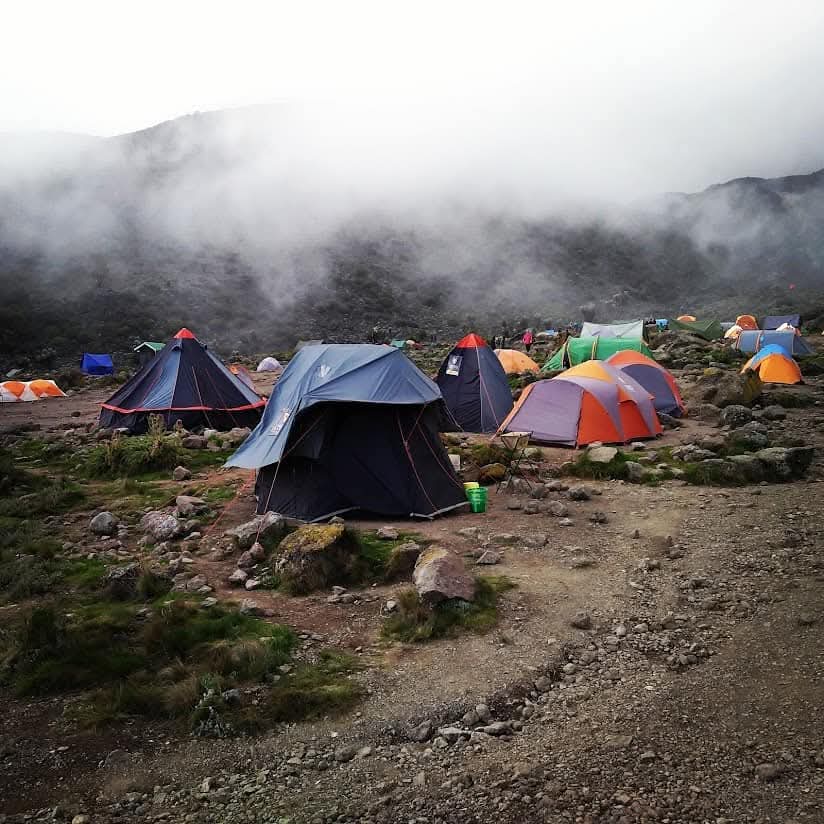
After reaching camp, you will have time to rest, eat, and enjoy the mountain scenery.
Overnight: Horombo Hut
Meals: Breakfast, Lunch & Dinner
Elevation: 3,720m
Acclimatization: Day hike to approximately 4,000–4,300m
Habitat: Moorland / Alpine Zone
Today is dedicated to acclimatization, an important part of the 6-day Marangu Route.
Instead of moving to a higher sleeping altitude, you will take a shorter hike toward the higher elevations around Zebra Rocks or Mawenzi Ridge, depending on the guide's recommended acclimatization plan and trail conditions.
The principle is “climb high, sleep low.” You gain elevation during the day and return to Horombo Hut to sleep, giving your body additional time to adapt to the thinner air.
This day is also an opportunity to rest, take photographs, and enjoy spectacular views of Mawenzi Peak and the surrounding Kilimanjaro landscape.
Your guide will monitor your condition and provide advice on hydration, pacing, nutrition, and altitude awareness.
Overnight: Horombo Hut
Meals: Breakfast, Lunch & Dinner
Elevation: 3,720m to 4,703m
Distance: Approximately 9–10 km
Hiking Time: 6–8 hours
Habitat: Alpine Desert
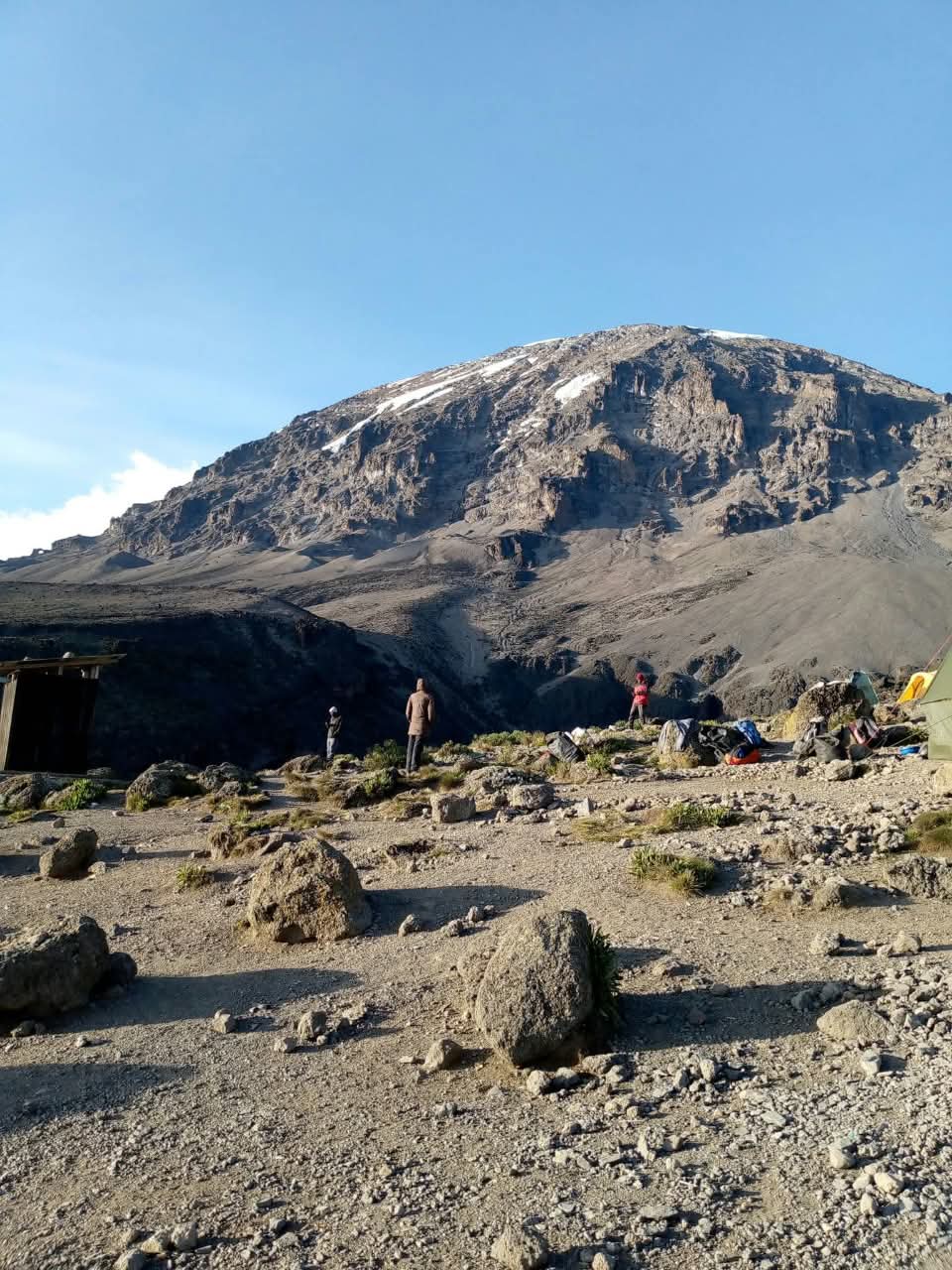
After breakfast, you begin the trek toward Kibo Hut, your final overnight stop before the summit.
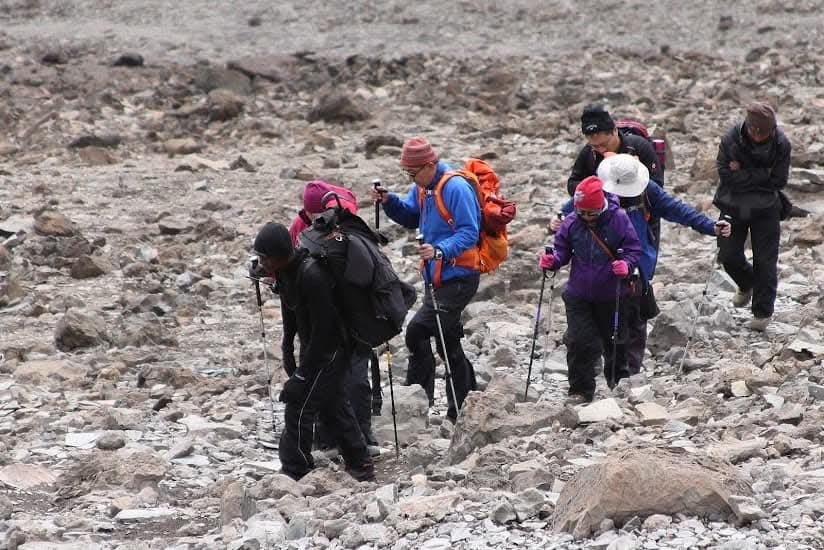
The trail crosses the Saddle, a broad and relatively barren area between Kibo and Mawenzi Peak. Vegetation becomes increasingly sparse as you enter the alpine desert environment.
The hike is steady rather than extremely steep, but the increasing altitude makes the pace slower. It is important to walk slowly, drink plenty of water, and conserve energy for the summit attempt.
You will arrive at Kibo Hut in the afternoon and have an early dinner. After receiving a briefing from your guide, you will rest as much as possible.
An early wake-up is planned for the summit attempt, usually around midnight.
Overnight: Kibo Hut
Meals: Breakfast, Lunch & Dinner
Elevation: 4,703m → 5,895m → 3,720m
Distance: Approximately 14–16 km
Hiking Time: 12–15 hours
Habitat: Alpine Desert / Arctic Zone
Today is the most demanding and rewarding day of your Kilimanjaro climb.
You will wake around midnight, have a light breakfast, and begin the ascent toward the summit in darkness.
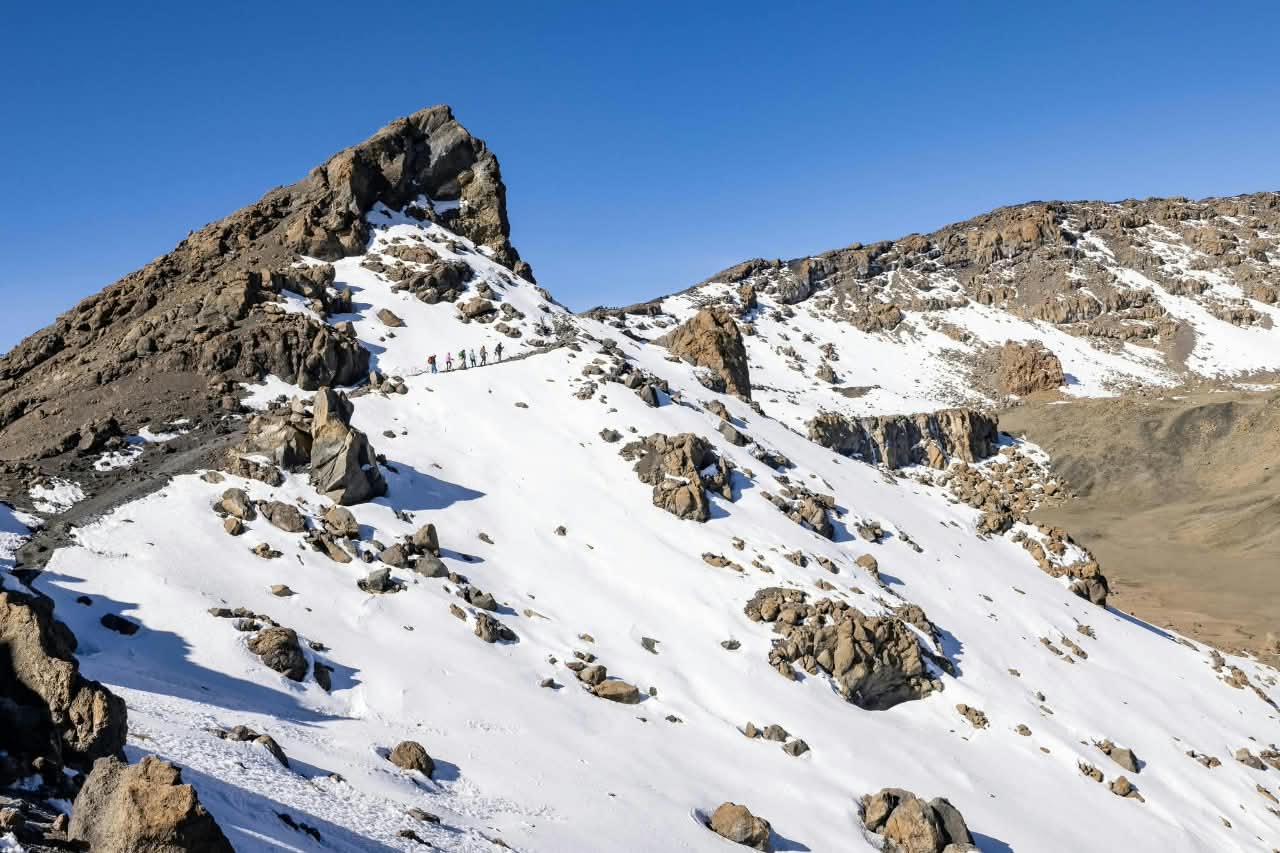
The trail climbs gradually toward Gilman's Point at approximately 5,685m, located on the crater rim. From there, the route continues along the crater rim toward Stella Point, before progressing toward the highest point of Mount Kilimanjaro.
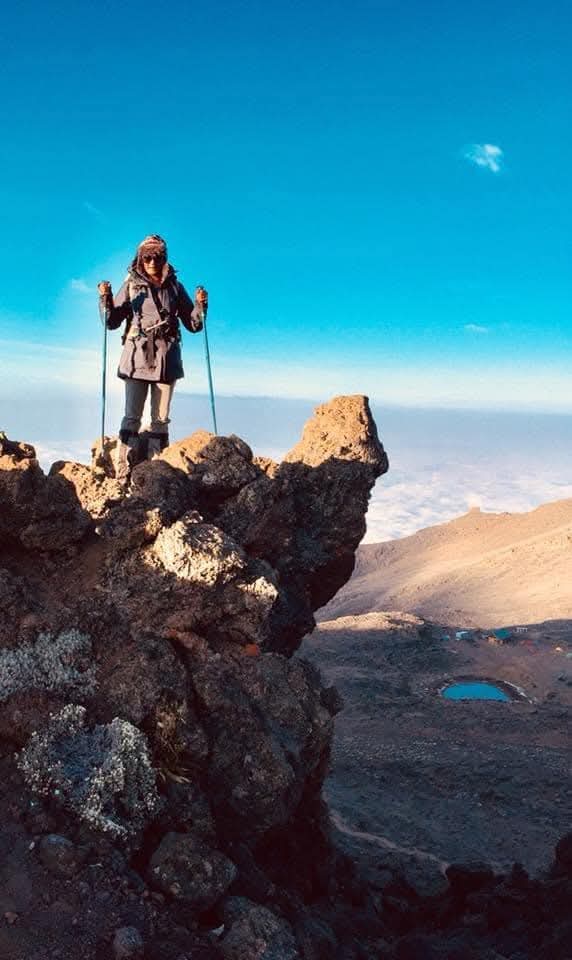
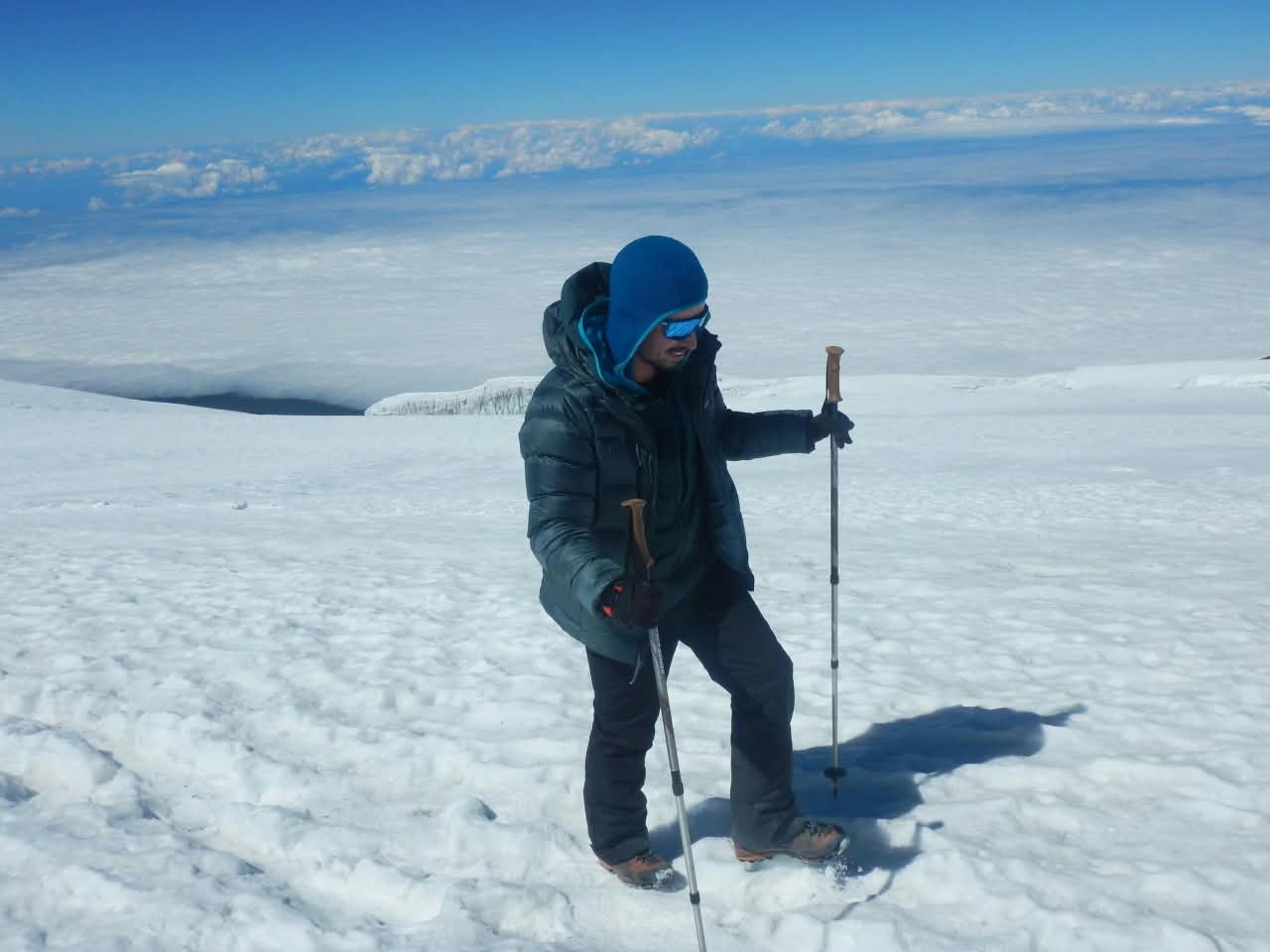
After several hours of climbing, you will reach Uhuru Peak at 5,895 meters, the highest point in Africa.
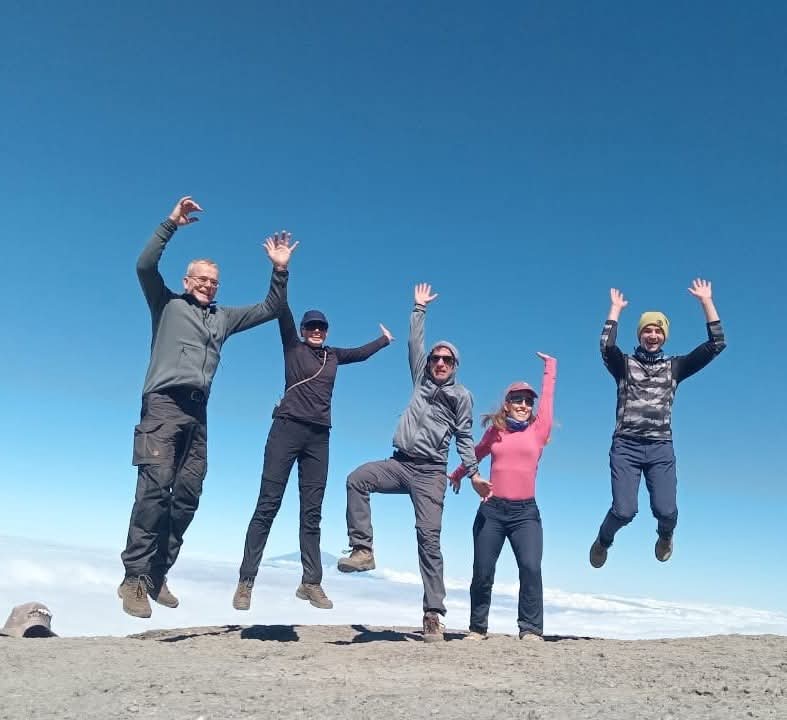
At the summit, you will have time to celebrate your achievement, take photographs, and enjoy the spectacular views when weather conditions allow.
After the summit, you begin the descent back toward Kibo Hut for a short rest before continuing down to Horombo Hut.
Although descending is generally easier than ascending, this is a long and physically demanding day, so maintaining a controlled pace is important.
Overnight: Horombo Hut
Meals: Breakfast, Lunch & Dinner
Elevation: 3,720m to 1,860m
Distance: Approximately 20 km
Hiking Time: 5–7 hours
Habitat: Moorland / Montane Forest
After breakfast, you begin your final descent from Horombo Hut.
The trail passes through the moorland before returning into the lush montane rainforest. As you descend, the air becomes warmer and richer in oxygen, making the final section more comfortable.
After several hours of hiking, you will arrive at Marangu Gate, where you complete the official exit procedures.
Successful climbers receive their Kilimanjaro summit certificates before meeting the transfer vehicle.
You will then be transferred back to Moshi for a well-earned rest at your hotel.
Meals: Breakfast & Lunch
Trek Includes & Excludes
Trek Includes
- Private transportation from Moshi to Marangu Gate and back
- Kilimanjaro National Park entry fees
- Kilimanjaro camping/hut fees
- Rescue fees
- Park conservation and government taxes
- Professional, English-speaking Kilimanjaro mountain guide
- Assistant guides depending on group size
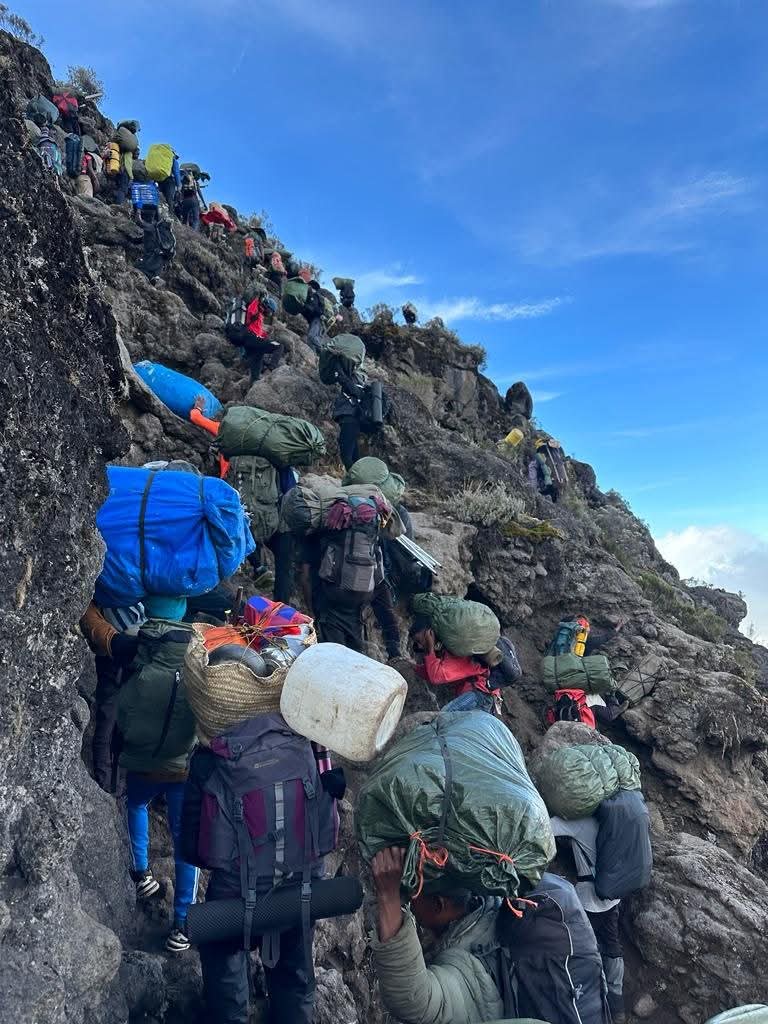
- Professional mountain porters
- Professional mountain cook
- Accommodation in mountain huts along the Marangu Route
- All meals during the mountain trek
- Adequate drinking water during the trek
- Hot water for washing when available
- Kilimanjaro summit certificate
- Crew wages and applicable park permits
- Safety and mountain briefing before the climb
- Emergency communication and standard park rescue support
Trek Excludes
- International flights
- Tanzania visa fees
- Travel and medical insurance
- Personal hiking and climbing equipment
- Sleeping bag
- Trekking poles
- Personal clothing and footwear
- Tips for guides, porters, and other crew
- Hotel accommodation before and after the trek unless specified
- Alcoholic and soft drinks
- Snacks and personal food items
- Laundry services
- Personal expenses
- Additional accommodation caused by early arrival or delayed departure
- Emergency evacuation beyond standard park rescue services
- Any activities or services not specifically mentioned under “Trip Includes”
Frequently Asked Questions
FAQs
Yes. The Marangu Route is considered one of the more straightforward Kilimanjaro routes in terms of trail profile. However, reaching 5,895m is still physically demanding, and proper preparation and acclimatization are essential.
Six days provides a better acclimatization schedule than the shorter Marangu itineraries because it includes an additional acclimatization day at Horombo Hut. However, spending more days on the mountain can further improve altitude adaptation.
Unlike routes such as Machame and Lemosho, the Marangu Route uses mountain huts for overnight accommodation. Trekkers generally sleep in shared dormitory-style rooms with bunk beds.
The summit day is by far the most challenging. The climb from Kibo Hut to Uhuru Peak involves several hours of hiking at high altitude, followed by a long descent to Horombo Hut.
The highest point is Uhuru Peak at 5,895 meters (19,341 feet) above sea level.
The generally preferred periods are the drier seasons, particularly January–February and June–October. However, Kilimanjaro can be climbed throughout much of the year, and weather conditions can change quickly on the mountain.
No. Previous technical climbing experience is not required. What matters most is good physical preparation, appropriate equipment, a sensible pace, and following your guide's altitude and safety advice.
Essential items include layered clothing, a waterproof jacket and trousers, warm summit clothing, hiking boots, gloves, hat, sunglasses, sunscreen, headlamp, water bottles or hydration system, personal medication, and a suitable sleeping bag.
The trek starts at Marangu Gate on the southeastern side of Mount Kilimanjaro and also finishes at Marangu Gate after descending from Horombo Hut.
The itinerary is designed to give you a structured approach to the summit, but reaching Uhuru Peak depends on individual fitness, acclimatization, weather, and how your body responds to altitude. Your mountain guide will make safety decisions throughout the climb.
Yes. The 6-day Marangu Route can be arranged as a private climb, allowing your trekking pace, daily schedule, and support to be managed around your group.
Absolutely. Many travelers combine their Kilimanjaro climb with a Tanzania wildlife safari in destinations such as Serengeti, Ngorongoro, Tarangire, or Lake Manyara, followed by a Zanzibar beach holiday.