
Learn what to pack for Mount Meru with this complete trekking guide. Discover essential gear, clothing, safety equipment, and expert packing tips for a successful Mount Meru adventure in Tanzania.
Quick Summary
If you are planning to climb Mount Meru in Tanzania, packing correctly is one of the most important factors that will influence your trekking experience. Understanding what to pack for Mount Meru helps trekkers stay comfortable, safe, and prepared for changing weather conditions, altitude, and long hiking days. The mountain rises to 4,566 meters above sea level and passes through several climate zones, making proper preparation essential. This guide explains what to pack for Mount Meru, including clothing, footwear, accessories, health supplies, and expert recommendations for a successful summit.
| Category | Essential Items |
|---|---|
| Clothing | Base layers, fleece, waterproof jacket |
| Footwear | Trekking boots, hiking socks |
| Hydration | Water bottles, hydration bladder |
| Accessories | Headlamp, sunglasses, trekking poles |
| Health | First aid kit, medication, sunscreen |
| Electronics | Camera, power bank, chargers |
| Weather Protection | Rain gear, gloves, warm hat |
Why Knowing What to Pack for Mount Meru Matters
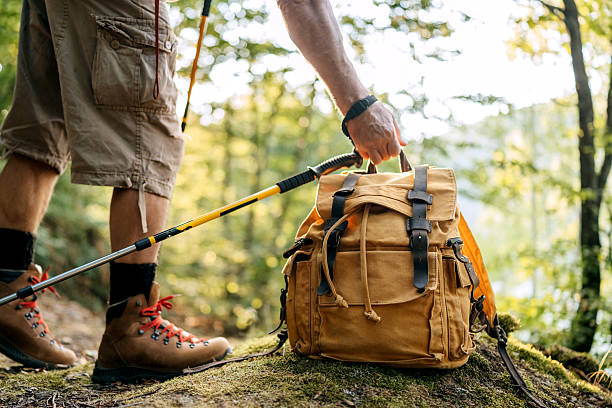
Many trekkers spend months training physically for their adventure but dedicate very little time to planning their equipment. However, experienced mountain guides consistently emphasize that understanding what to pack for Mount Meru is just as important as physical fitness. The right gear can improve comfort, increase safety, and significantly enhance your chances of enjoying the trek.
Mount Meru offers a unique trekking experience because hikers move through several ecological zones during the climb. The lower slopes are often warm and humid, while higher elevations can become cold, windy, and unpredictable. Trekkers who fail to prepare for these changing conditions frequently experience unnecessary discomfort.
One of the biggest mistakes travelers make is assuming that Tanzania’s generally warm climate means they only need lightweight clothing. In reality, summit temperatures on Mount Meru can drop significantly during the night ascent. Understanding what to pack for Mount Meru allows climbers to remain comfortable regardless of weather changes.
Another reason proper packing matters is energy conservation. Carrying inappropriate gear can increase fatigue and reduce hiking efficiency. Every item in your backpack should serve a purpose. The goal is not to pack as much as possible but to bring the right combination of essential equipment.
Professional trekking guides often explain that successful mountain expeditions begin before travelers even arrive in Tanzania. Careful planning, strategic packing, and understanding what to pack for Mount Meru can help eliminate many common problems experienced during the climb.
Trekkers who arrive fully prepared can focus on enjoying wildlife encounters, scenic landscapes, volcanic features, and spectacular summit views instead of worrying about missing equipment. This preparation contributes significantly to a positive trekking experience.
Understanding Mount Meru’s Weather and Terrain
Before deciding what to pack for Mount Meru, it is important to understand the mountain’s environment. Unlike many standard hiking trails, Mount Meru presents a variety of weather conditions and terrain types throughout the trek.
The journey begins within Arusha National Park, where temperatures are often mild and comfortable. As trekkers gain elevation, temperatures gradually decrease. Wind exposure becomes more significant, and summit conditions can feel dramatically colder than lower elevations.
Rain is another important factor. Even during the dry season, occasional showers can occur. This is why waterproof equipment remains an essential part of what to pack for Mount Meru.
The terrain also changes throughout the route. Trekkers encounter:
- Forest trails.
- Rocky paths.
- Volcanic ridges.
- Steep ascents.
- Uneven ground.
Each environment places different demands on footwear, clothing, and trekking equipment.
Because of these variations, experienced climbers recommend adopting a layered clothing system. This strategy allows trekkers to adjust their clothing throughout the day without carrying excessive weight.
The Layering System: The Foundation of What to Pack for Mount Meru
Among all recommendations regarding what to pack for Mount Meru, the layering system is perhaps the most important. Instead of relying on one heavy jacket, climbers wear multiple layers that can be added or removed depending on conditions.
Base Layers
Base layers help regulate body temperature and manage moisture.
Recommended options include:
- Moisture-wicking shirts.
- Thermal tops.
- Thermal leggings.
- Merino wool clothing.
Avoid cotton whenever possible because it retains moisture and dries slowly.
Mid Layers
Mid layers provide insulation and warmth.
Popular choices include:
- Fleece jackets.
- Lightweight insulated jackets.
- Thermal pullovers.
These items become increasingly important at higher elevations.
Outer Layers
Outer layers protect against wind and rain.
Examples include:
- Waterproof shell jackets.
- Windproof jackets.
- Waterproof trekking pants.
When deciding what to pack for Mount Meru, investing in reliable waterproof protection is highly recommended.
Essential Clothing Checklist
Many travelers ask guides what to pack for Mount Meru when it comes to clothing. The following items are considered essential for most trekking itineraries.
Upper Body Clothing
- Moisture-wicking hiking shirts.
- Long-sleeve trekking shirts.
- Thermal base layer.
- Fleece jacket.
- Insulated jacket.
- Waterproof jacket.
Lower Body Clothing
- Trekking pants.
- Thermal leggings.
- Waterproof overtrousers.
- Comfortable camp clothing.
Headwear
- Sun hat.
- Warm beanie.
- Buff or neck gaiter.
Hand Protection
- Lightweight gloves.
- Insulated summit gloves.
Socks
- Multiple pairs of hiking socks.
- Warm socks for sleeping.
Proper clothing selection forms the foundation of what to pack for Mount Meru because weather conditions can change rapidly throughout the trek.
Common Packing Mistakes First-Time Trekkers Make
One of the best ways to understand what to pack for Mount Meru is by learning from common mistakes made by previous climbers.
Frequent packing errors include:
- Bringing too many clothes.
- Wearing new hiking boots.
- Ignoring rain protection.
- Forgetting warm layers.
- Packing unnecessary electronics.
- Carrying excessive weight.
- Using cotton clothing.
- Underestimating summit temperatures.
Experienced trekking leaders often remind climbers that simplicity and functionality should guide every packing decision.
As you continue preparing for your adventure, remember that understanding what to pack for Mount Meru is not about purchasing the most expensive equipment. Instead, success comes from selecting practical, reliable, and appropriate gear that matches the mountain’s unique conditions. The next section will explore trekking boots, backpacks, hydration systems, safety equipment, and the essential accessories every climber should bring to Mount Meru.
Essential Trekking Gear and Equipment: What to Pack for Mount Meru for Maximum Comfort and Safety
After understanding the importance of clothing and weather preparation, the next step is identifying the essential trekking equipment required for a successful climb. Many travelers researching what to pack for Mount Meru focus primarily on jackets and hiking clothes, but the right gear is equally important. Proper equipment improves safety, enhances comfort, and helps trekkers manage the physical demands of the mountain.
Mount Meru is not a technical climb, but it still requires several days of hiking through varying terrain and changing weather conditions. Knowing what to pack for Mount Meru ensures that climbers are prepared for long trekking hours, steep sections, cold temperatures, and altitude-related challenges.
Professional mountain guides often explain that many avoidable problems on the mountain result from poor equipment choices rather than poor fitness. Selecting reliable gear before departure can significantly improve the overall trekking experience.
Choosing the Right Trekking Boots
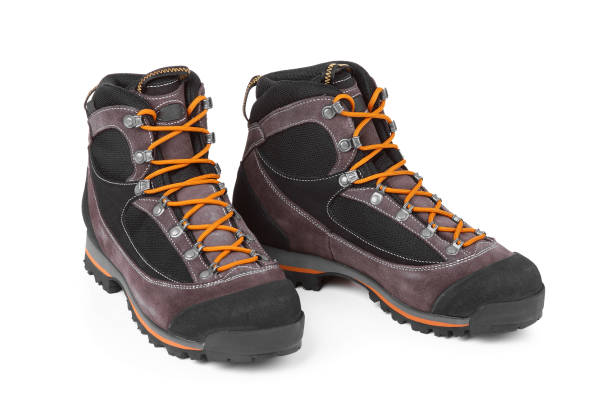
One of the most important decisions when considering what to pack for Mount Meru is selecting the right footwear. Your trekking boots will be used for multiple days on uneven terrain, making comfort and durability essential.
A quality pair of trekking boots should provide:
- Strong ankle support.
- Reliable grip on rocky trails.
- Water resistance or waterproof protection.
- Long-distance comfort.
- Stability during descents.
Many experienced climbers recommend mid-cut or high-cut hiking boots because they offer better support on uneven ground.
One of the most common mistakes made by first-time trekkers is bringing brand-new boots to the mountain. When deciding what to pack for Mount Meru, always prioritize boots that have already been tested during training hikes. Well-broken-in footwear significantly reduces the risk of blisters and discomfort.
Hiking Socks Matter More Than Most Trekkers Realize
Foot comfort depends not only on boots but also on sock quality. A complete guide to what to pack for Mount Meru should always include proper hiking socks.
Recommended options include:
- Merino wool socks.
- Moisture-wicking trekking socks.
- Thermal socks for cold conditions.
Avoid standard cotton socks because they retain moisture and increase friction.
Many guides suggest carrying several pairs of socks to ensure dry replacements are available throughout the trek.
Selecting the Right Backpack
Another important part of understanding what to pack for Mount Meru involves choosing an appropriate backpack.
Most trekkers carry a daypack while porters transport larger duffel bags containing extra gear. The daypack should contain items required during daily hiking activities.
A suitable trekking daypack typically offers:
- Comfortable shoulder straps.
- Adjustable waist belt.
- Water-resistant materials.
- Multiple storage compartments.
- Hydration compatibility.
Most climbers find that a 25–35-liter backpack provides sufficient space without becoming unnecessarily heavy.
What Should Go Inside Your Daypack?
When planning what to pack for Mount Meru, your daypack should include:
- Water.
- Snacks.
- Rain jacket.
- Camera.
- Sunscreen.
- Sunglasses.
- Personal medication.
- Headlamp.
- Gloves.
- Warm layer.
Organizing these items efficiently allows easy access throughout the day.
Duffel Bags and Porter Support
Most organized trekking expeditions provide porter services. This means trekkers only carry their daypack while the majority of equipment remains in a larger duffel bag.
When deciding what to pack for Mount Meru, selecting a durable duffel bag is highly recommended.
Important features include:
- Water resistance.
- Durable construction.
- Strong zippers.
- Lightweight design.
Many tour operators recommend waterproof duffel bags to protect clothing and electronics from unexpected rain.
Hydration Systems: A Critical Part of What to Pack for Mount Meru
Hydration plays a major role in both trekking performance and altitude adaptation. As a result, hydration equipment is an essential component of what to pack for Mount Meru.
Trekkers generally choose between:
Water Bottles
Advantages:
- Easy to refill.
- Durable.
- Simple to clean.
Hydration Bladders
Advantages:
- Convenient drinking access.
- Encourages frequent hydration.
- Reduces stopping time.
Many experienced climbers carry both options for added flexibility.
Professional guides consistently rank hydration among the most important aspects of successful trekking. Trekkers should aim to drink regularly throughout the climb.
Trekking Poles: Are They Necessary?
Many travelers researching what to pack for Mount Meru wonder whether trekking poles are worth bringing.
Although not mandatory, trekking poles provide several important benefits:
- Improved balance.
- Reduced knee strain.
- Enhanced stability.
- Better support during descents.
- Increased confidence on uneven terrain.
Mount Meru includes sections where trekking poles can significantly improve comfort and efficiency.
Adjustable poles are generally preferred because they can be modified to match changing terrain conditions.
Headlamps and Lighting Equipment
One item frequently overlooked when planning what to pack for Mount Meru is a reliable headlamp.
The summit ascent usually begins before sunrise, often around midnight. Climbers depend heavily on headlamps during this stage of the trek.
Important considerations include:
- Bright LED lighting.
- Comfortable head strap.
- Long battery life.
- Spare batteries.
A high-quality headlamp improves visibility and safety during early morning hiking.
Electronics and Photography Equipment
Mount Meru offers exceptional opportunities for photography. Wildlife encounters, volcanic landscapes, and summit views make camera equipment an important consideration when deciding what to pack for Mount Meru.
Popular electronics include:
- Digital cameras.
- Smartphones.
- Power banks.
- Charging cables.
- Extra batteries.
Cold temperatures can reduce battery performance, so carrying backup power sources is strongly recommended.
Protecting Electronics
Weather conditions can change rapidly on the mountain.
To protect devices:
- Use waterproof storage bags.
- Carry protective cases.
- Keep batteries warm.
- Store electronics securely.
These precautions help ensure equipment remains functional throughout the trek.
Personal Safety Equipment
Safety preparation remains an essential part of understanding what to pack for Mount Meru.
Recommended safety items include:
- Small first-aid kit.
- Personal medications.
- Emergency contact information.
- Blister treatment supplies.
- Hand sanitizer.
- Emergency whistle.
Although guides and trekking crews provide support, carrying personal safety items adds an extra layer of preparedness.
Gear Comparison Table
| Equipment | Essential | Recommended |
|---|---|---|
| Trekking Boots | Yes | Mandatory |
| Hiking Socks | Yes | Mandatory |
| Daypack | Yes | Mandatory |
| Duffel Bag | Yes | Highly Recommended |
| Trekking Poles | No | Recommended |
| Headlamp | Yes | Mandatory |
| Water Bottles | Yes | Mandatory |
| Hydration Bladder | No | Recommended |
| Camera | No | Optional |
| Power Bank | No | Recommended |
| First Aid Kit | Yes | Highly Recommended |
Expert Recommendations from Mount Meru Guides
Experienced guides frequently emphasize that successful trekkers focus on practicality rather than luxury. When considering what to pack for Mount Meru, every item should have a clear purpose.
Guide recommendations typically include:
- Prioritize comfort over appearance.
- Test gear before departure.
- Keep your daypack organized.
- Avoid unnecessary weight.
- Carry backup batteries.
- Invest in quality footwear.
- Protect gear from rain.
- Stay hydrated throughout the trek.
Many mountain professionals agree that preparation is one of the biggest factors influencing a climber’s overall experience. Understanding what to pack for Mount Meru allows trekkers to avoid common equipment mistakes and approach the mountain with greater confidence.
By carefully selecting footwear, backpacks, hydration systems, safety supplies, and trekking accessories, climbers create a strong foundation for a successful adventure. The next section will focus on health essentials, altitude-related preparation, personal care items, weather protection strategies, and expert packing recommendations that can further improve comfort and safety during the climb.
Health Essentials, Personal Care Items, and Altitude Preparation: What to Pack for Mount Meru to Stay Safe and Comfortable
As trekkers continue planning their adventure, one of the most overlooked aspects of preparation is health and personal care. While many packing guides focus on clothing and trekking equipment, understanding what to pack for Mount Meru should also include medical supplies, hygiene products, altitude preparation items, and weather protection essentials. These items may seem small compared to boots or backpacks, but they often have a major impact on comfort, safety, and overall trekking success.
Mount Meru reaches an elevation of 4,566 meters, which means climbers are exposed to changing temperatures, strong sunlight, dry air, and the effects of altitude. Proper planning allows trekkers to address these challenges before they become problems. This is why experienced guides emphasize that a complete understanding of what to pack for Mount Meru extends beyond clothing and gear.
Personal Medical Supplies: A Key Part of What to Pack for Mount Meru
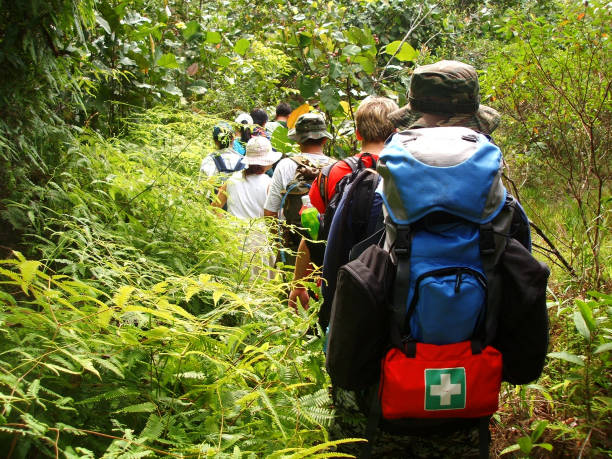
Even though professional guides carry emergency equipment and first-aid supplies, every trekker should bring personal medical essentials. Individual health needs vary, and having immediate access to necessary items can improve both comfort and peace of mind.
When deciding what to pack for Mount Meru, consider including:
- Prescription medications.
- Pain relievers.
- Anti-inflammatory medication.
- Blister treatment supplies.
- Antiseptic wipes.
- Adhesive bandages.
- Personal allergy medication.
- Motion sickness tablets if needed.
- Rehydration salts.
- Basic wound care supplies.
It is important to pack medications in their original containers and carry enough supplies for the entire trip, including extra doses in case of travel delays.
Professional trekking leaders often advise climbers to review personal medical needs several weeks before departure. This approach reduces the risk of forgetting important items and helps ensure that all medications remain valid throughout the journey.
Altitude Sickness Prevention and Preparation
One of the most important reasons people research what to pack for Mount Meru is to prepare for altitude exposure. While Mount Meru is lower than Mount Kilimanjaro, climbers can still experience symptoms associated with high elevation.
Common symptoms may include:
- Headaches.
- Fatigue.
- Dizziness.
- Nausea.
- Reduced appetite.
- Difficulty sleeping.
Physical fitness alone does not prevent altitude sickness. Even highly trained athletes can experience symptoms.
When planning what to pack for Mount Meru, some trekkers discuss altitude medication options with their healthcare provider before travel. Any medication should only be used according to professional medical advice.
In addition to medication, several practical strategies help support acclimatization:
- Maintain proper hydration.
- Eat regular meals.
- Follow guide instructions.
- Walk at a steady pace.
- Avoid rushing the ascent.
- Report symptoms early.
These habits often contribute more to successful altitude adaptation than many trekkers realize.
Sun Protection Essentials
Many travelers underestimate the intensity of mountain sunlight. At higher elevations, ultraviolet radiation becomes stronger, increasing the risk of sunburn and skin damage.
As a result, effective sun protection is an essential part of what to pack for Mount Meru.
Recommended items include:
- High-SPF sunscreen.
- UV-protection sunglasses.
- Lip balm with SPF.
- Wide-brimmed hat.
- Neck gaiter or buff.
Applying sunscreen regularly throughout the trek helps protect exposed skin, especially during long periods of hiking above the cloud line.
Sunglasses are equally important. Snow is generally not a concern on Mount Meru, but bright sunlight and reflective surfaces can still strain the eyes. Quality sunglasses improve comfort and visibility during daytime trekking.
Personal Hygiene Supplies
Maintaining personal hygiene on the mountain contributes significantly to overall comfort. One of the most practical aspects of what to pack for Mount Meru involves selecting lightweight hygiene products that are easy to carry and use.
Suggested items include:
- Toothbrush.
- Toothpaste.
- Wet wipes.
- Hand sanitizer.
- Biodegradable soap.
- Travel towel.
- Tissues.
- Moisturizer.
Because mountain environments can be dry, moisturizer and lip balm often become more useful than expected.
Trekkers should prioritize environmentally responsible products whenever possible to help preserve the natural beauty of Mount Meru and Arusha National Park.
Water Purification and Hydration Support
Hydration remains one of the most important factors affecting trekking performance. This is why many guides consider hydration supplies a critical part of what to pack for Mount Meru.
While organized treks generally provide treated drinking water, some travelers choose to carry additional purification options such as:
- Water purification tablets.
- Portable filtration systems.
- UV purification devices.
These items provide additional peace of mind, particularly for trekkers who prefer extra water treatment measures.
Electrolyte supplements can also be beneficial. Long hiking days and altitude exposure may increase fluid and mineral loss. Replacing electrolytes helps support hydration and overall performance during the climb.
Weather Protection Strategies
Weather conditions on Mount Meru can change unexpectedly. Understanding what to pack for Mount Meru requires preparing for both favorable and challenging weather.
Trekkers may experience:
- Bright sunshine.
- Strong winds.
- Cool temperatures.
- Rain showers.
- Fog.
- Cold summit conditions.
Several items provide valuable weather protection:
- Waterproof jacket.
- Waterproof backpack cover.
- Insulated gloves.
- Thermal hat.
- Windproof layers.
Many experienced climbers emphasize that weather preparedness is one of the most important factors influencing overall comfort during the trek.
Sleeping Comfort and Recovery Essentials
Quality rest plays a major role in trekking performance. Although mountain huts provide shelter, several personal items can improve sleeping comfort significantly.
When considering what to pack for Mount Meru, many trekkers include:
- Earplugs.
- Sleep mask.
- Lightweight sleeping liner.
- Travel pillow.
- Comfortable sleepwear.
Good sleep helps support recovery between trekking days and contributes to better physical and mental performance.
Recovery becomes especially important before summit day, which often begins shortly after midnight.
Personal Documents and Travel Essentials
A complete guide to what to pack for Mount Meru should also include important travel documents and organizational items.
Recommended essentials include:
- Passport.
- Travel insurance information.
- Emergency contact details.
- Flight confirmations.
- Trekking permits if required.
- Copies of important documents.
Many experienced travelers keep digital backups stored securely on their phone or cloud storage platform.
Having easy access to important information can simplify logistics and reduce stress during the trip.
Common Health and Personal Care Mistakes
Many climbers make avoidable errors when preparing for Mount Meru. Understanding these mistakes can help improve your packing strategy.
Common problems include:
- Forgetting prescription medication.
- Bringing insufficient sunscreen.
- Ignoring lip protection.
- Packing oversized first-aid kits.
- Carrying unnecessary toiletries.
- Neglecting hydration support.
- Underestimating dry mountain air.
- Failing to prepare for altitude.
Avoiding these mistakes can improve comfort and help trekkers focus on enjoying the mountain experience.
Expert Packing Advice for Health and Safety
Professional guides consistently recommend creating a dedicated health and personal care checklist before departure. This helps ensure that essential items are not forgotten during the final stages of packing.
Some of the most valuable recommendations include:
- Carry medications in your daypack.
- Keep sunscreen accessible.
- Bring extra lip balm.
- Stay hydrated throughout the trek.
- Prioritize lightweight products.
- Protect important documents.
- Monitor altitude symptoms carefully.
- Inform guides about any medical concerns.
Ultimately, understanding what to pack for Mount Meru involves much more than selecting clothing and trekking gear. Personal health supplies, hygiene products, hydration tools, altitude preparation items, and weather protection equipment all contribute to a safer and more enjoyable experience. Trekkers who prepare thoroughly are better positioned to handle mountain conditions, maintain comfort during the climb, and fully appreciate the remarkable landscapes that make Mount Meru one of Tanzania’s most rewarding trekking destinations.