
Discover the ultimate Beginners Guide on Mount Meru. Learn about routes, fitness requirements, packing lists, altitude preparation, costs, safety tips, and expert advice for first-time trekkers in Tanzania
Quick Summary
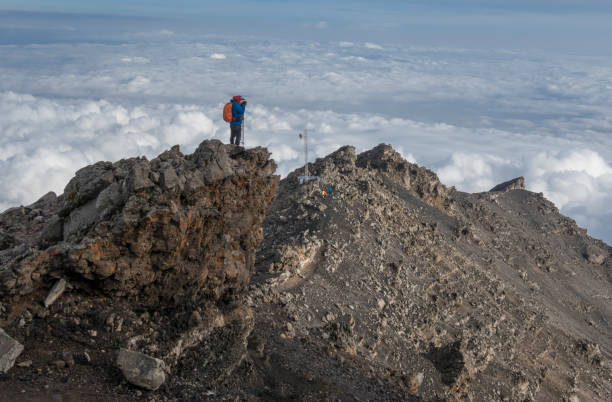
Canon EOS 760D, 1/160, f/14, 24 mm.
Mount Meru is Tanzania’s second-highest mountain and one of East Africa’s most rewarding trekking destinations. Located within Arusha National Park, the mountain rises to 4,566 meters above sea level and offers breathtaking scenery, diverse wildlife, volcanic landscapes, and excellent opportunities for first-time trekkers. This Beginners Guide on Mount Meru provides an introduction to the mountain, explains why it is ideal for beginners, and outlines what travelers should expect before beginning their adventure. Whether you are preparing for your first mountain trek or considering Mount Meru as training for Kilimanjaro, this guide will help you start with confidence.
| Feature | Details |
|---|---|
| Location | Arusha National Park, Tanzania |
| Elevation | 4,566 meters |
| Trek Duration | 3–4 Days |
| Difficulty Level | Moderate |
| Wildlife Viewing | Excellent |
| Best For | First-Time Trekkers |
| Summit | Socialist Peak |
Why Mount Meru Is Perfect for First-Time Trekkers
One of the reasons many travel experts recommend Mount Meru is its suitability for beginners. A well-planned Beginners Guide on Mount Meru should start by explaining why the mountain is often considered one of the best trekking destinations for those with limited mountain experience.
Unlike some high-altitude expeditions that require advanced technical skills, Mount Meru does not involve climbing ropes, specialized mountaineering equipment, or technical rock climbing. Instead, trekkers follow established trails while being supported by professional guides, park rangers, and mountain crews.
This accessibility makes Mount Meru an attractive option for travelers who want to experience mountain trekking without the complexities associated with more technical climbs.
Another reason the Beginners Guide on Mount Meru is valuable for first-time climbers is that the mountain provides an excellent balance between challenge and achievement. The trek requires effort and determination, but it remains achievable for many individuals with reasonable fitness levels.
Trekkers who successfully complete Mount Meru often gain confidence for future adventures, including climbs of Mount Kilimanjaro and other high-altitude mountains around the world.
The mountain’s location inside Arusha National Park adds another advantage. Unlike many trekking routes where wildlife is absent, Mount Meru offers regular opportunities to see animals during the early stages of the climb.
Visitors frequently encounter:
- Giraffes.
- Buffaloes.
- Zebras.
- Warthogs.
- Bushbucks.
- Colobus monkeys.
- Various bird species.
This combination of trekking and wildlife viewing creates a unique experience that few mountains can offer.
Understanding Mount Meru’s Location and Environment
Any comprehensive Beginners Guide on Mount Meru should help travelers understand where the mountain is located and what makes its environment special.
Mount Meru stands within Arusha National Park in northern Tanzania. The mountain is situated near the city of Arusha, making it easily accessible for international travelers arriving through nearby airports.
Because of its volcanic origin, Mount Meru features dramatic landscapes shaped by geological activity over thousands of years. Trekkers encounter a variety of ecosystems as they ascend the mountain.
These include:
- Grasslands.
- Montane forests.
- Heath and moorland zones.
- Alpine environments.
- Volcanic ridges.
One of the most fascinating aspects highlighted in any Beginners Guide on Mount Meru is the ecological diversity found along the route. Each altitude zone presents unique scenery and wildlife, ensuring that every day of the trek feels different.
Many visitors are surprised by how quickly the environment changes as elevation increases. This diversity contributes significantly to the mountain’s popularity among photographers and nature enthusiasts.
What Makes Mount Meru Different from Kilimanjaro?
A common question addressed in a Beginners Guide on Mount Meru involves comparisons with Mount Kilimanjaro.
While both mountains are located in Tanzania, they offer distinct experiences.
Mount Meru
- Lower visitor numbers.
- More wildlife encounters.
- Greater sense of wilderness.
- Excellent preparation for Kilimanjaro.
- Quieter trekking environment.
Mount Kilimanjaro
- Higher altitude.
- Larger international reputation.
- More route options.
- Greater visitor numbers.
- Longer expeditions.
Many experienced guides recommend Mount Meru before Kilimanjaro because it introduces trekkers to altitude, mountain conditions, and multi-day hiking without the extreme elevation challenges associated with Africa’s highest peak.
For first-time climbers, this Beginners Guide on Mount Meru often emphasizes that Meru provides a more intimate and less crowded mountain experience.
The Standard Mount Meru Trekking Route
The primary route used for climbing Mount Meru is known as the Momella Route.
This trail is specifically designed to provide gradual altitude gain while allowing trekkers to experience the mountain’s diverse landscapes.
Typical stages include:
Day One
- Momella Gate to Miriakamba Hut.
- Wildlife viewing opportunities.
- Forest hiking.
Day Two
- Miriakamba Hut to Saddle Hut.
- Moorland scenery.
- Crater views.
Day Three
- Summit attempt to Socialist Peak.
- Sunrise views.
- Descent begins.
Day Four
- Final descent.
- Return to Momella Gate.
One of the key lessons in any Beginners Guide on Mount Meru is understanding that pacing is more important than speed. Successful trekkers focus on maintaining a steady rhythm throughout the climb.
Fitness Requirements for Beginners
Many first-time climbers worry about whether they are fit enough for Mount Meru.
A realistic Beginners Guide on Mount Meru should reassure travelers that elite athletic ability is not required. However, a moderate level of fitness significantly improves the experience.
Recommended preparation includes:
- Regular walking.
- Hiking practice.
- Stair climbing.
- Cardiovascular exercise.
- Basic strength training.
The goal is not to become an endurance athlete but rather to prepare the body for several consecutive days of hiking.
Professional guides often explain that mental determination and consistency are just as important as physical fitness.
Why Preparation Matters
Perhaps the most important message in this Beginners Guide on Mount Meru is that preparation influences success more than natural ability.
Trekkers who prepare properly typically enjoy:
- Better comfort.
- Improved confidence.
- Easier adaptation to altitude.
- Greater overall enjoyment.
- Higher summit success rates.
Preparation includes:
- Physical training.
- Gear selection.
- Understanding the route.
- Learning about altitude.
- Following professional guidance.
By investing time in preparation, beginners can approach the mountain with realistic expectations and greater confidence.
Mount Meru remains one of Tanzania’s most rewarding trekking destinations for first-time adventurers. Its combination of wildlife, scenery, moderate challenge, and professional support makes it an excellent introduction to mountain trekking. In the next section of this Beginners Guide on Mount Meru, we will explore fitness preparation, altitude adaptation, training plans, and the practical steps beginners should take before arriving in Tanzania.
Fitness Preparation, Altitude Training, and Mental Readiness: A Complete Beginners Guide on Mount Meru
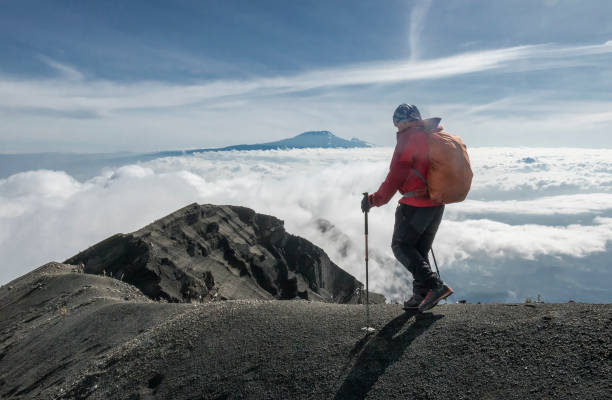
Canon EOS 760D, 1/400, f/20, 18 mm.
One of the most important aspects of any Beginners Guide on Mount Meru is understanding how to prepare physically and mentally for the trek. While Mount Meru is considered one of the best mountains for first-time trekkers in Africa, it still presents challenges that require preparation. Trekkers who arrive ready for the demands of the mountain often enjoy a safer, more comfortable, and more successful experience.
Many people reading a Beginners Guide on Mount Meru assume that climbing the mountain requires advanced athletic ability. In reality, most healthy individuals can complete the trek if they prepare properly. The key is developing endurance, understanding altitude, and maintaining a positive mindset throughout the journey.
Professional mountain guides consistently explain that preparation begins weeks before arriving in Tanzania. The more effort invested before departure, the easier it becomes to enjoy the climb itself.
Understanding the Physical Demands of Mount Meru
A realistic Beginners Guide on Mount Meru should explain that the trek involves several consecutive days of hiking at increasing elevations. While the terrain is generally non-technical, hikers must walk for extended periods, navigate uneven trails, and manage changing weather conditions.
The trek typically includes:
- Long uphill sections.
- Rocky pathways.
- Forest trails.
- Volcanic terrain.
- High-altitude hiking.
Because of these conditions, endurance becomes more important than speed. Trekkers who focus on steady, consistent movement often perform better than those who rely solely on strength or athletic ability.
One of the most valuable lessons in a Beginners Guide on Mount Meru is understanding that mountain trekking is not a race. Maintaining a sustainable pace helps conserve energy and supports altitude acclimatization.
Why Fitness Matters for First-Time Trekkers
Many first-time climbers wonder whether they are fit enough for the mountain. A comprehensive Beginners Guide on Mount Meru should emphasize that fitness preparation improves comfort rather than simply increasing summit success.
Benefits of good fitness include:
- Reduced fatigue.
- Better recovery between trekking days.
- Improved endurance.
- Greater confidence.
- Enhanced enjoyment of the experience.
- Better adaptation to altitude.
Trekkers with stronger cardiovascular fitness often find it easier to maintain a steady pace during long ascents.
However, even individuals with average fitness can successfully climb Mount Meru when they prepare properly and follow guide recommendations.
Recommended Training Plan Before Your Trek
A practical Beginners Guide on Mount Meru should provide a simple training framework for first-time climbers.
Ideally, training should begin eight to twelve weeks before departure.
Cardiovascular Training
Cardiovascular exercise helps strengthen the heart and lungs, both of which are important during mountain trekking.
Recommended activities include:
- Hiking.
- Running.
- Cycling.
- Swimming.
- Fast walking.
- Stair climbing.
Aim for three to five cardio sessions per week.
Many experienced guides recommend increasing training duration gradually to build endurance safely.
Strength Training
Strength training helps support joints, improve balance, and reduce fatigue during the trek.
Focus on:
- Squats.
- Lunges.
- Step-ups.
- Core exercises.
- Calf raises.
A well-rounded Beginners Guide on Mount Meru should remind trekkers that strong legs are particularly important during descents, which can place significant pressure on knees and ankles.
Practice Hikes
One of the best ways to prepare is by completing practice hikes before traveling to Tanzania.
Practice hikes help you:
- Build endurance.
- Test equipment.
- Improve confidence.
- Identify potential problems.
- Become familiar with carrying a backpack.
Many successful climbers consider practice hiking one of the most effective preparation strategies discussed in any Beginners Guide on Mount Meru.
Understanding Altitude and Acclimatization
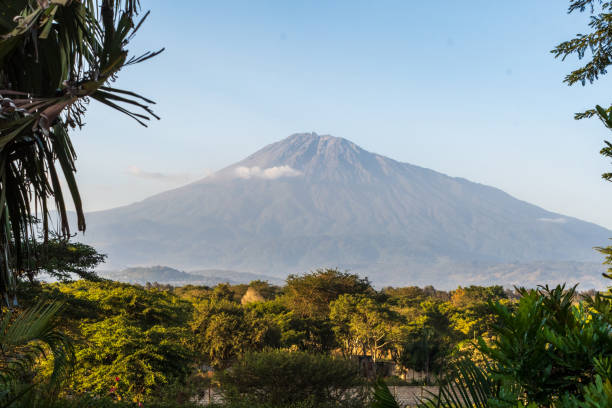
Altitude is one of the most important topics covered in a Beginners Guide on Mount Meru.
Although Mount Meru is lower than Mount Kilimanjaro, it still reaches 4,566 meters above sea level. At these elevations, oxygen availability decreases, making physical activity more demanding.
Some trekkers may experience:
- Headaches.
- Dizziness.
- Nausea.
- Fatigue.
- Difficulty sleeping.
These symptoms are associated with altitude exposure and can affect individuals regardless of fitness level.
Understanding how altitude works helps trekkers prepare realistically for the experience.
Effective Acclimatization Strategies
Every quality Beginners Guide on Mount Meru should explain that acclimatization is the body’s natural process of adapting to higher elevations.
Successful acclimatization strategies include:
Walking Slowly
Mountain guides in Tanzania often use the phrase “pole pole,” which means slowly.
A slower pace helps:
- Conserve energy.
- Improve breathing efficiency.
- Support altitude adaptation.
- Reduce fatigue.
Staying Hydrated
Hydration plays a major role in altitude management.
Trekkers should:
- Drink water regularly.
- Avoid dehydration.
- Use electrolyte supplements when appropriate.
Hydration is frequently highlighted in every expert-approved Beginners Guide on Mount Meru because it supports both performance and recovery.
Eating Regularly
Maintaining energy intake is essential during the trek.
Recommended foods include:
- Complex carbohydrates.
- Fruits.
- Vegetables.
- Protein-rich meals.
Even when appetite decreases at higher elevations, consistent nutrition remains important.
Mental Preparation for Mount Meru
While physical fitness receives significant attention, a complete Beginners Guide on Mount Meru should also address mental preparation.
Mountain trekking often involves:
- Early wake-up times.
- Changing weather.
- Physical fatigue.
- Long hiking days.
- Altitude discomfort.
Maintaining a positive mindset can make a significant difference during challenging moments.
Strategies for mental preparation include:
- Setting realistic expectations.
- Focusing on gradual progress.
- Celebrating small achievements.
- Remaining flexible.
- Trusting your guides.
Many experienced climbers report that mental resilience becomes especially important during summit day.
Common Beginner Mistakes to Avoid
One of the most valuable sections of a Beginners Guide on Mount Meru involves learning from mistakes made by previous trekkers.
Common errors include:
- Beginning training too late.
- Wearing new hiking boots.
- Ignoring hydration.
- Carrying unnecessary gear.
- Hiking too quickly.
- Underestimating altitude.
- Neglecting recovery.
- Failing to follow guide instructions.
Avoiding these mistakes can improve comfort and increase the likelihood of a successful experience.
Expert Advice from Mount Meru Guides
Professional guides who lead climbers on Mount Meru consistently share similar recommendations.
Their most common advice includes:
- Train consistently before the trek.
- Focus on endurance rather than speed.
- Stay hydrated.
- Walk slowly.
- Pack appropriate gear.
- Listen to your guides.
- Respect altitude.
- Enjoy the journey.
These recommendations appear repeatedly in every trusted Beginners Guide on Mount Meru because they have proven effective for thousands of climbers.
Guides also emphasize that Mount Meru is not simply a physical challenge. It is an opportunity to experience wildlife, mountain scenery, and personal achievement in one of Tanzania’s most beautiful environments.
Building Confidence Before Your Adventure
A major goal of this Beginners Guide on Mount Meru is helping first-time trekkers build confidence before arriving in Tanzania.
Preparation does not eliminate every challenge, but it significantly improves readiness. Trekkers who understand the physical demands, altitude considerations, and mental aspects of the climb are better equipped to enjoy the experience.
By following the training recommendations, acclimatization strategies, and expert advice outlined in this Beginners Guide on Mount Meru, first-time climbers can approach the mountain with realistic expectations and greater confidence. With proper preparation, Mount Meru becomes an achievable and incredibly rewarding adventure that introduces travelers to the excitement of mountain trekking while showcasing some of Tanzania’s most spectacular natural landscapes.