
Discover how difficult is Kilimanjaro trekking for beginners and experienced hikers. Learn about altitude, fitness requirements, routes, preparation tips, and expert advice before climbing Mount Kilimanjaro with GoaccessAfrica Safaris.
How Difficult Is Kilimanjaro Trekking? Understanding the Real Challenge
One of the most common questions asked by travelers planning an African adventure is: how difficult is Kilimanjaro trekking? The answer is not as straightforward as many people expect. Mount Kilimanjaro is the highest mountain in Africa, standing at 5,895 meters (19,341 feet) above sea level. While it does not require technical climbing skills, the mountain presents unique physical and mental challenges that every trekker should understand before starting the journey.
When discussing how difficult is Kilimanjaro trekking, it is important to separate hiking difficulty from mountaineering difficulty. Unlike mountains such as Everest, Kilimanjaro does not require ropes, ice axes, crampons, or advanced climbing techniques on standard routes. This makes the mountain accessible to thousands of people every year, including beginners with no prior mountaineering experience.
However, accessibility should not be confused with ease. Many hikers underestimate the challenge because Kilimanjaro is often marketed as a “walkable mountain.” The reality is that reaching Uhuru Peak requires determination, proper preparation, and the ability to handle high-altitude conditions over several consecutive days.
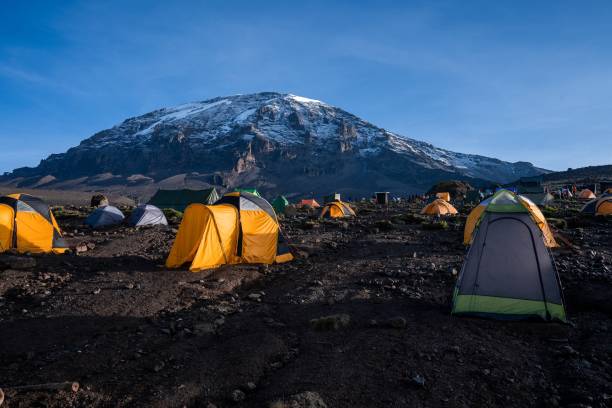
Why Kilimanjaro Is Challenging
The biggest factor affecting how difficult is Kilimanjaro trekking is altitude. Most climbers can physically walk the daily distances required on the mountain. The real obstacle is the decreasing oxygen level as elevation increases.
At sea level, oxygen is abundant, allowing the body to function efficiently. As trekkers climb higher on Kilimanjaro, oxygen levels decrease significantly. By the time climbers approach the summit, oxygen availability is approximately half of what it is at sea level. This reduction can lead to altitude sickness, fatigue, headaches, nausea, dizziness, and reduced physical performance.
Even highly trained athletes can struggle with altitude. A marathon runner may find the summit push more difficult than an average hiker who acclimatizes properly. This is why altitude adaptation often determines success more than fitness alone.
Physical Fitness Requirements
Another important aspect of understanding how difficult is Kilimanjaro trekking involves physical fitness. While technical climbing skills are unnecessary, climbers should have a reasonable fitness level before attempting the trek.
A typical day on Kilimanjaro involves hiking for four to eight hours, depending on the route and stage of the climb. Summit night can require ten to sixteen hours of continuous movement. Trekkers must therefore prepare their bodies for long periods of walking at varying elevations.
Recommended fitness activities include:
- Hiking on local trails
- Stair climbing workouts
- Cardiovascular training
- Running or jogging
- Cycling
- Strength training
- Endurance exercises
- Long-distance walking with a backpack
The stronger and more conditioned a climber becomes before the trek, the more enjoyable the experience is likely to be.
Mental Toughness Matters
When people ask how difficult is Kilimanjaro trekking, they often focus only on physical challenges. Yet mental strength plays an equally important role.
Weather conditions can change rapidly. Temperatures may be warm and sunny during the day but drop below freezing near the summit. Climbers may experience discomfort, fatigue, poor sleep, and physical exhaustion.
Summit night is often described as the toughest part of the entire journey. Most groups begin climbing around midnight in darkness, cold temperatures, and strong winds. Reaching the summit requires determination and resilience.
Successful climbers frequently report that mindset and perseverance were more important than raw athletic ability. Maintaining a positive attitude and focusing on one step at a time can make a significant difference during challenging moments.
How Route Selection Affects Difficulty
Not all Kilimanjaro routes offer the same level of difficulty. Route selection significantly influences a climber’s chances of success.
Longer routes generally provide better acclimatization opportunities. More time on the mountain allows the body to adapt gradually to increasing altitude.
Popular routes include:
- Machame Route
- Lemosho Route
- Marangu Route
- Rongai Route
- Northern Circuit Route
- Umbwe Route
The Northern Circuit and Lemosho routes are often considered excellent choices because they offer longer itineraries and higher summit success rates. In contrast, shorter routes may seem attractive due to lower costs but often result in lower success rates because climbers have less time to acclimatize.
Common Challenges Trekkers Face
Several challenges contribute to perceptions about how difficult is Kilimanjaro trekking.
Altitude Sickness
Altitude sickness remains the primary reason climbers fail to reach the summit. Symptoms can range from mild headaches to severe complications requiring immediate descent.
Cold Temperatures
Near the summit, temperatures can fall well below freezing. Proper clothing and layering systems are essential for comfort and safety.
Fatigue
Multiple days of hiking can create cumulative fatigue. Adequate nutrition, hydration, and rest become increasingly important throughout the trek.
Sleep Difficulties
Many climbers find it difficult to sleep at higher elevations. Poor sleep can affect energy levels and overall performance.
Psychological Pressure
The anticipation of summit day and the physical demands of the mountain can create emotional stress. Staying focused and maintaining confidence are critical factors for success.
Is Kilimanjaro Suitable for Beginners?
The encouraging news for first-time adventurers is that many beginners successfully climb Kilimanjaro every year. Prior mountaineering experience is not required.
Beginners who invest time in training, choose an appropriate route, follow guide instructions, and allow sufficient acclimatization often achieve excellent results. The mountain rewards preparation rather than experience alone.
Working with a professional operator such as GoaccessAfrica Safaris can further improve the experience by providing expert guides, safety monitoring, logistical support, and proper acclimatization strategies throughout the climb.
Final Thoughts
So, how difficult is Kilimanjaro trekking? The mountain is challenging but achievable. The primary obstacles are altitude, endurance, and mental resilience rather than technical climbing skills. With proper preparation, realistic expectations, and a carefully planned itinerary, climbers from diverse backgrounds can successfully reach Africa’s highest point.
Understanding these challenges is the first step toward planning a safe and memorable Kilimanjaro adventure. In the next section, we will examine the specific factors that determine trekking difficulty, including altitude zones, weather conditions, route profiles, and acclimatization strategies that directly impact summit success rates.
Factors That Determine How Difficult Is Kilimanjaro Trekking
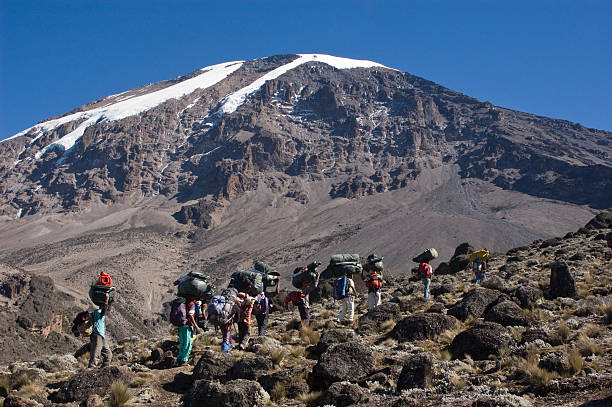
Understanding how difficult is Kilimanjaro trekking requires a closer look at the specific factors that influence a climber’s experience on Africa’s highest mountain. While many people focus on the distance or elevation alone, the reality is that several interconnected elements determine whether the trek feels manageable or extremely challenging.
The difficulty of Kilimanjaro is not the same for every traveler. Age, fitness level, route selection, acclimatization schedule, weather conditions, and personal health all contribute to the overall experience. This is why two climbers on the same route can have completely different perceptions of the mountain.
Altitude: The Number One Challenge
When discussing how difficult is Kilimanjaro trekking, altitude is consistently the most important factor. Mount Kilimanjaro rises to 5,895 meters (19,341 feet), making it one of the tallest free-standing mountains in the world.
As elevation increases, atmospheric pressure decreases. This means less oxygen is available with every breath. Although the percentage of oxygen in the air remains roughly the same, the body receives significantly less usable oxygen at higher elevations.
The impact of altitude can include:
- Headaches
- Nausea
- Fatigue
- Loss of appetite
- Dizziness
- Difficulty sleeping
- Shortness of breath
These symptoms can affect anyone regardless of fitness level. Even elite athletes may struggle if they ascend too quickly. For this reason, altitude adaptation is often more important than physical strength when evaluating how difficult is Kilimanjaro trekking.
Kilimanjaro Altitude Zones
| Zone | Elevation Range | Environment | Difficulty Level |
|---|---|---|---|
| Cultivation Zone | 800–1,800 m | Farmland and villages | Easy |
| Rainforest Zone | 1,800–2,800 m | Dense forest | Easy to Moderate |
| Heath and Moorland Zone | 2,800–4,000 m | Open landscapes | Moderate |
| Alpine Desert Zone | 4,000–5,000 m | Dry and rocky terrain | Difficult |
| Arctic Summit Zone | Above 5,000 m | Snow, ice, and cold conditions | Very Difficult |
As climbers move through these zones, the effects of altitude become increasingly noticeable.
Route Selection and Its Impact on Difficulty
Another major factor affecting how difficult is Kilimanjaro trekking is the route chosen for the ascent. Each route has unique characteristics that influence acclimatization, daily hiking distances, scenery, and summit success rates.
Comparison of Popular Kilimanjaro Routes
| Route | Typical Duration | Difficulty | Acclimatization Quality |
|---|---|---|---|
| Lemosho Route | 7–8 Days | Moderate | Excellent |
| Machame Route | 6–7 Days | Moderate to Challenging | Very Good |
| Northern Circuit | 8–9 Days | Moderate | Excellent |
| Rongai Route | 6–7 Days | Moderate | Good |
| Marangu Route | 5–6 Days | Moderate | Fair |
| Umbwe Route | 5–6 Days | Challenging | Poor |
Longer routes generally provide better acclimatization opportunities. Climbers who spend additional days on the mountain often achieve higher summit success rates and experience fewer altitude-related complications.
For first-time trekkers wondering how difficult is Kilimanjaro trekking, experts frequently recommend the Lemosho Route or Northern Circuit because they maximize acclimatization while offering spectacular scenery.
Weather Conditions Throughout the Trek
Weather is another critical factor influencing how difficult is Kilimanjaro trekking. One of the unique characteristics of Mount Kilimanjaro is that trekkers pass through multiple climate zones during a single expedition.
At lower elevations, temperatures may be warm and humid. Near the summit, conditions can become extremely cold.
Typical weather challenges include:
- Heavy rain in the rainforest zone
- Strong winds at higher elevations
- Freezing temperatures during summit night
- Intense sunlight during the day
- Rapid weather changes
Preparing for these conditions requires proper clothing and equipment. Layering systems help climbers adapt to changing temperatures while maintaining comfort and safety.
Physical Endurance Requirements
Many people researching how difficult is Kilimanjaro trekking are concerned about physical fitness. Although the mountain does not require technical climbing skills, it demands sustained endurance over several days.
Trekkers typically walk:
- 5–15 kilometers per day
- 4–8 hours on regular trekking days
- Up to 16 hours on summit day
The combination of long hiking hours and high altitude creates a unique challenge that differs from ordinary hiking experiences.
Recommended preparation includes:
- Cardiovascular training
- Long-distance walking
- Stair climbing
- Strength training
- Hiking with a backpack
- Multi-day trekking practice
The goal is not to become an elite athlete but to develop sufficient endurance for consecutive days of activity.
The Importance of Acclimatization
Acclimatization is one of the strongest predictors of summit success. In fact, when discussing how difficult is Kilimanjaro trekking, acclimatization strategy may be the single most important controllable factor.
Most experienced guides follow the principle:
“Climb high, sleep low.”
This strategy allows the body to gradually adapt to altitude before moving to higher camps.
Effective acclimatization techniques include:
- Choosing longer routes
- Maintaining a slow walking pace
- Drinking plenty of water
- Avoiding alcohol
- Following guide instructions
- Taking rest days when necessary
Trekkers who prioritize acclimatization often report a significantly more comfortable climbing experience.
Mental Challenges on Kilimanjaro
While physical preparation is important, mental resilience also influences how difficult is Kilimanjaro trekking. Many climbers discover that psychological challenges become more significant as they approach the summit.
Common mental obstacles include:
- Fatigue
- Lack of sleep
- Cold temperatures
- Self-doubt
- Anxiety about altitude
- Long summit night hours
Maintaining a positive mindset can help climbers overcome temporary discomfort and stay focused on their goal.
Professional guides frequently encourage trekkers to concentrate on small milestones rather than the entire journey. This approach helps make the climb feel more manageable and improves overall motivation.
Why Professional Support Matters
Climbing with an experienced operator such as GoaccessAfrica Safaris can significantly improve safety and comfort during the expedition.
Professional support typically includes:
- Certified mountain guides
- Daily health monitoring
- Emergency procedures
- Quality camping equipment
- Nutritional support
- Route planning
- Acclimatization guidance
These services help climbers manage many of the factors that determine how difficult is Kilimanjaro trekking, increasing the likelihood of a successful summit.
Key Takeaways
Several factors influence how difficult is Kilimanjaro trekking, but altitude remains the most significant challenge. Route selection, acclimatization, weather conditions, physical fitness, and mental strength all play essential roles in determining a climber’s experience.
Understanding these factors before starting the journey allows trekkers to prepare effectively and improve their chances of reaching Uhuru Peak. In the next section, we will explore practical preparation strategies, training plans, gear recommendations, and expert tips that can make Kilimanjaro significantly easier and more enjoyable for first-time climbers.
How to Prepare for Kilimanjaro and Make the Trek Easier
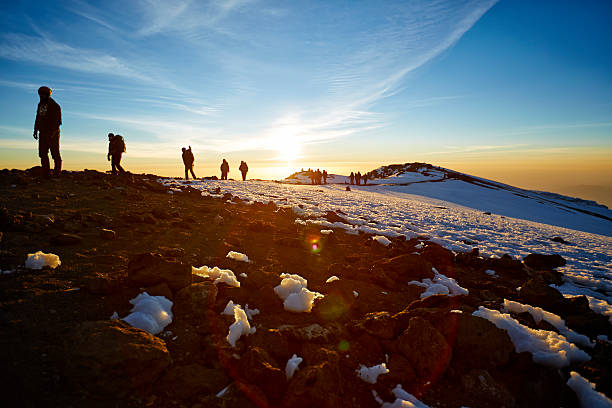
After understanding the factors that influence how difficult is Kilimanjaro trekking, the next step is learning how to prepare effectively. Proper preparation can significantly improve your experience on the mountain and increase your chances of reaching Uhuru Peak successfully. While no preparation can completely eliminate the challenges of high altitude, the right training plan, equipment, and mindset can make the journey much more manageable.
Many successful climbers are not elite athletes. Instead, they are travelers who invested time in training, selected appropriate gear, and followed a structured preparation plan. If you are wondering how difficult is Kilimanjaro trekking for an average person, preparation is often the difference between a difficult struggle and an enjoyable adventure.
Building a Training Plan for Kilimanjaro
One of the most effective ways to reduce concerns about how difficult is Kilimanjaro trekking is to begin training several months before your climb. Ideally, preparation should start at least eight to twelve weeks before departure.
The primary goal is to improve endurance rather than speed. Kilimanjaro is not a race. Climbers spend long hours walking at a slow and steady pace, often referred to by guides as “pole pole,” which means “slowly slowly” in Swahili.
A balanced training plan should include:
Cardiovascular Training
Cardiovascular fitness helps the body use oxygen more efficiently and improves overall endurance.
Recommended activities include:
- Running
- Jogging
- Cycling
- Swimming
- Rowing
- Brisk walking
Aim for three to five sessions per week lasting between thirty and sixty minutes.
Hiking Practice
Nothing prepares climbers for Kilimanjaro better than hiking.
Training hikes should gradually increase in:
- Distance
- Duration
- Elevation gain
- Backpack weight
Weekend hikes are especially useful because they simulate real trekking conditions.
Strength Training
Strong muscles help reduce fatigue during long trekking days.
Focus on:
- Legs
- Core muscles
- Lower back
- Glutes
- Shoulders
Exercises such as squats, lunges, step-ups, planks, and deadlifts can improve overall trekking performance.
Recovery and Flexibility
Recovery is often overlooked when preparing for Kilimanjaro.
Important recovery activities include:
- Stretching
- Yoga
- Mobility exercises
- Adequate sleep
- Proper nutrition
These practices help prevent injuries and support consistent training progress.
Essential Gear for Kilimanjaro
Many travelers underestimate the importance of equipment when evaluating how difficult is Kilimanjaro trekking. The right gear improves comfort, safety, and performance throughout the expedition.
Clothing Layers
Kilimanjaro features multiple climate zones. Climbers may experience warm temperatures in the rainforest and freezing conditions near the summit.
Essential layers include:
- Moisture-wicking base layers
- Insulating mid-layers
- Fleece jackets
- Waterproof outer shell
- Down jacket
- Thermal underwear
Layering allows trekkers to adjust clothing according to changing weather conditions.
Footwear
Proper footwear is critical.
Look for hiking boots that are:
- Waterproof
- Comfortable
- Well broken-in
- Supportive around the ankles
New boots should never be used for the first time on the mountain.
Daypack Essentials
Your daypack should contain:
- Water bottles or hydration bladder
- Rain jacket
- Snacks
- Gloves
- Hat
- Sunglasses
- Sunscreen
- Personal medications
- Camera
A lightweight but organized backpack can improve comfort throughout the climb.
Summit Gear Checklist
Summit night is often the most demanding stage of the expedition.
Recommended summit equipment includes:
- Headlamp with spare batteries
- Warm gloves
- Insulated jacket
- Thermal socks
- Balaclava
- Trekking poles
- Hand warmers
Having the right equipment can significantly reduce discomfort during the final ascent.
Nutrition and Hydration Strategies
Another important factor affecting how difficult is Kilimanjaro trekking is nutrition. The body requires substantial energy during multiple days of hiking.
Climbers should focus on:
- Complex carbohydrates
- Lean proteins
- Healthy fats
- Fruits and vegetables
Meals should provide sustained energy throughout the day.
Hydration is equally important.
Many guides recommend drinking:
- Three to four liters of water daily
- Additional fluids when conditions are hot
Proper hydration supports acclimatization and helps reduce the risk of altitude-related symptoms.
Common Beginner Mistakes
People researching how difficult is Kilimanjaro trekking can learn a great deal from the mistakes of previous climbers.
Starting Too Fast
The most common mistake is hiking too quickly.
A slow pace allows:
- Better acclimatization
- Improved energy conservation
- Reduced fatigue
Ignoring Hydration
Some climbers fail to drink enough water because they do not feel thirsty.
This can increase the likelihood of:
- Headaches
- Fatigue
- Altitude sickness symptoms
Choosing the Shortest Route
Short routes may appear attractive due to lower costs and fewer vacation days.
However, shorter itineraries often result in:
- Poor acclimatization
- Lower summit success rates
- Increased physical stress
Wearing Unfamiliar Gear
New boots or untested equipment can create problems on the mountain.
Always test gear before departure.
Expert Advice from Kilimanjaro Guides
Experienced guides have helped thousands of climbers reach the summit and provide valuable insights into how difficult is Kilimanjaro trekking.
Common expert recommendations include:
- Walk slowly from day one
- Eat even when appetite decreases
- Stay hydrated at all times
- Follow guide instructions carefully
- Focus on one day at a time
- Maintain a positive attitude
- Prioritize acclimatization over speed
These simple practices consistently improve summit success rates.
Customer Experience Example
Many travelers arrive on Kilimanjaro concerned about how difficult is Kilimanjaro trekking, especially if they have never climbed a major mountain before.
A typical first-time climber often reports:
“The altitude was harder than the walking itself. Training beforehand helped a lot, but moving slowly and listening to the guides made the biggest difference.”
This reflects a common experience among successful trekkers. Physical fitness matters, but patience and proper acclimatization are often more important.
Quick Summary: How to Make Kilimanjaro Easier
The following actions can improve your chances of success:
| Preparation Area | Recommended Action |
|---|---|
| Fitness | Train for 8–12 weeks before departure |
| Hiking Practice | Complete regular long-distance hikes |
| Acclimatization | Choose a longer route |
| Hydration | Drink 3–4 liters daily |
| Gear | Invest in quality layered clothing |
| Pace | Walk slowly throughout the climb |
| Nutrition | Eat consistently even when tired |
| Mindset | Stay positive and focused |
Key Takeaways
Preparation has a major influence on how difficult is Kilimanjaro trekking. Climbers who follow a structured training plan, use appropriate equipment, maintain proper hydration, and prioritize acclimatization often enjoy a much smoother experience on the mountain.
While Kilimanjaro remains a significant challenge, it is achievable for many travelers who prepare properly. In the final section, we will answer the most common questions about Kilimanjaro difficulty, compare Kilimanjaro with other famous treks, provide expert recommendations, and conclude with actionable advice for anyone planning their climb with GoaccessAfrica Safaris.