
Can a beginner climb Kilimanjaro? Discover everything first-time climbers need to know about fitness, altitude, routes, training, costs, success rates, and expert tips for reaching the summit with GoaccessAfrica Safaris.
Understanding the Reality for First-Time Trekkers
One of the most frequently asked questions among adventure travelers is: can a beginner climb Kilimanjaro? The simple answer is yes. Every year, thousands of people with little or no mountaineering experience successfully reach the summit of Mount Kilimanjaro. However, success depends on preparation, route selection, physical fitness, mental determination, and proper acclimatization.
Mount Kilimanjaro is the highest mountain in Africa, standing at 5,895 meters (19,341 feet) above sea level. Unlike many famous mountains around the world, Kilimanjaro does not require technical climbing skills. There is no need for ropes, ice axes, rock-climbing experience, or advanced mountaineering knowledge on the standard routes. This unique characteristic makes many travelers wonder, can a beginner climb Kilimanjaro without previous mountain experience?
The answer remains yes, but beginners should understand that although Kilimanjaro is non-technical, it is not easy. The mountain presents challenges that require preparation and commitment. Understanding these challenges is the first step toward a successful summit.
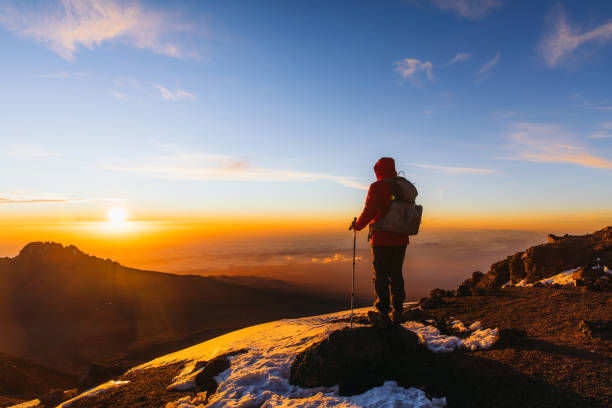
Why Kilimanjaro Is Considered Beginner-Friendly
Many people ask, can a beginner climb Kilimanjaro because they assume that Africa’s highest mountain must be reserved for experienced climbers. In reality, Kilimanjaro is often regarded as one of the most accessible high-altitude mountains in the world.
Several factors make it beginner-friendly:
- No technical climbing required
- Well-established trekking routes
- Professional mountain guides available
- Clearly marked trails
- Multiple route options
- High number of successful first-time climbers
- Strong safety systems on guided expeditions
Unlike mountains that require specialized climbing techniques, Kilimanjaro is essentially a long-distance trek. Most days involve walking at a steady pace while gradually gaining elevation.
Because of this, many first-time hikers successfully complete the climb every year.
The Biggest Challenge for Beginners
When asking can a beginner climb Kilimanjaro, many people focus on physical fitness. While fitness is important, the greatest challenge is usually altitude.
As climbers gain elevation, oxygen levels decrease significantly. The body must adapt to thinner air while continuing to hike for several days.
Common altitude-related symptoms include:
- Headaches
- Fatigue
- Nausea
- Dizziness
- Loss of appetite
- Difficulty sleeping
These symptoms can affect anyone regardless of age, strength, or athletic ability.
In fact, experienced athletes sometimes struggle more than average hikers because they attempt to move too quickly. Kilimanjaro rewards patience rather than speed.
For this reason, acclimatization plays a major role in answering the question, can a beginner climb Kilimanjaro successfully?
Who Can Climb Kilimanjaro?
The majority of healthy adults can climb Kilimanjaro with proper preparation.
Successful climbers often include:
- Office workers
- Teachers
- Students
- Retirees
- Parents
- Business professionals
- Amateur hikers
Many summit participants have never climbed a mountain before.
What matters most is preparation and commitment.
People who train consistently, choose suitable routes, and follow guide instructions typically enjoy much higher success rates.
Physical Fitness Expectations
Another important consideration when asking can a beginner climb Kilimanjaro is physical fitness.
You do not need to be an elite athlete.
However, you should be capable of:
- Walking several hours daily
- Hiking on uneven terrain
- Climbing hills or stairs
- Carrying a light daypack
- Maintaining steady effort for multiple consecutive days
A moderate fitness level is generally sufficient.
Recommended activities before your climb include:
- Walking
- Hiking
- Running
- Cycling
- Swimming
- Stair climbing
- Strength training
Most guides recommend beginning a structured training program at least eight to twelve weeks before departure.
Mental Strength Matters
Many climbers discover that mindset is just as important as physical preparation.
The question can a beginner climb Kilimanjaro often has less to do with muscles and more to do with determination.
Challenges may include:
- Cold temperatures
- Early wake-up times
- Physical fatigue
- Changing weather conditions
- Long summit night hours
Successful climbers typically focus on one step at a time rather than worrying about the entire journey.
Maintaining a positive attitude can make a remarkable difference during difficult moments.
Understanding Summit Success Rates
A useful way to evaluate can a beginner climb Kilimanjaro is by examining summit success statistics.
Success rates vary depending on route length and acclimatization opportunities.
| Route | Average Success Rate |
|---|---|
| Northern Circuit | 95%+ |
| Lemosho Route | 90%+ |
| Machame Route | 85%+ |
| Rongai Route | 80%+ |
| Marangu Route | 65–75% |
| Umbwe Route | Lower than average |
Longer routes generally produce better results because they allow more time for acclimatization.
This is why many beginner climbers choose routes such as Lemosho or Northern Circuit.
Common Fears Among First-Time Climbers
Before booking their adventure, beginners often have concerns about climbing Africa’s highest mountain.
Common fears include:
Fear of Altitude
Many travelers worry about altitude sickness.
While altitude is a serious consideration, proper acclimatization greatly improves success rates.
Fear of Fitness
Some people believe they are not athletic enough.
In reality, consistency and endurance matter more than athletic performance.
Fear of Failure
Many first-time trekkers worry about reaching the summit.
The best strategy is to focus on preparation rather than worrying about outcomes.
Fear of the Unknown
For many travelers, Kilimanjaro represents their first multi-day trekking experience.
Professional guides help manage logistics, safety, and daily routines, making the experience far less intimidating.
Why Guided Climbs Increase Success
A professional operator such as GoaccessAfrica Safaris can significantly improve a beginner’s experience.
Benefits include:
- Experienced mountain guides
- Daily health monitoring
- Emergency response planning
- Quality camping equipment
- Nutritious meals
- Acclimatization support
- Summit strategy guidance
These services help beginners navigate many of the challenges associated with high-altitude trekking.
Key Takeaways
So, can a beginner climb Kilimanjaro? Absolutely. Thousands of first-time climbers successfully reach Uhuru Peak every year. The mountain does not require technical climbing skills, but it does require preparation, patience, and determination.
The most important factors for beginners include choosing the right route, allowing adequate acclimatization, maintaining a reasonable fitness level, and climbing with experienced guides. With proper planning and support from GoaccessAfrica Safaris, even first-time trekkers can transform the dream of standing on Africa’s highest summit into reality.
In the next section, we will explore the specific challenges beginners face on Kilimanjaro, including altitude, weather, route difficulty, and the factors that most influence summit success.
What Makes Kilimanjaro Challenging for Beginners?
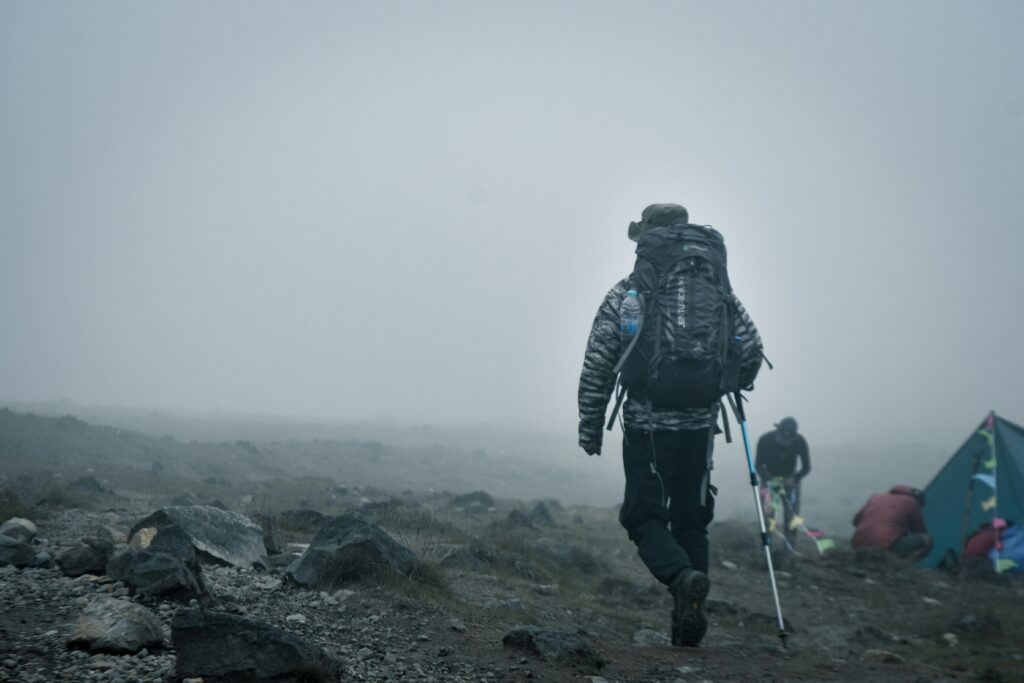
After understanding that the answer to can a beginner climb Kilimanjaro is yes, the next question is usually: what makes the mountain difficult? While Kilimanjaro is considered one of the most beginner-friendly high-altitude mountains in the world, it still presents several challenges that should not be underestimated.
Many first-time climbers assume that reaching the summit is simply a matter of walking uphill for a few days. In reality, the mountain tests endurance, mental resilience, and the body’s ability to adapt to changing environmental conditions. Understanding these challenges helps beginners prepare properly and significantly improves the likelihood of reaching Uhuru Peak.
For anyone researching can a beginner climb Kilimanjaro, knowing what to expect on the mountain is one of the most valuable forms of preparation.
Altitude: The Biggest Obstacle on Kilimanjaro
The most important factor affecting whether can a beginner climb Kilimanjaro becomes a successful reality is altitude.
Mount Kilimanjaro rises to 5,895 meters (19,341 feet), placing climbers in an environment where oxygen levels are dramatically lower than at sea level. As elevation increases, every breath delivers less oxygen to the body.
This reduction in oxygen availability creates the greatest challenge on the mountain.
Common symptoms of altitude exposure include:
- Headaches
- Nausea
- Dizziness
- Fatigue
- Shortness of breath
- Loss of appetite
- Difficulty sleeping
One of the surprising facts about altitude is that fitness alone does not guarantee success. Highly trained athletes can experience altitude sickness just as easily as beginners.
This is why experienced guides often explain that the question can a beginner climb Kilimanjaro depends less on athletic ability and more on acclimatization.
Why Acclimatization Matters
Acclimatization is the process through which the body gradually adapts to lower oxygen levels.
Effective acclimatization helps:
- Improve oxygen utilization
- Reduce altitude sickness risk
- Increase comfort during trekking
- Improve summit success rates
The more time climbers spend adjusting to altitude, the greater their chances of reaching the summit successfully.
Understanding Kilimanjaro’s Climate Zones
Another reason travelers ask can a beginner climb Kilimanjaro is because the mountain contains multiple climate zones.
During a single expedition, climbers pass through environments that feel like different continents.
Climate Zone Comparison
| Zone | Elevation | Environment |
|---|---|---|
| Cultivation Zone | 800–1,800 m | Farms and villages |
| Rainforest Zone | 1,800–2,800 m | Dense tropical forest |
| Heath and Moorland | 2,800–4,000 m | Shrubs and open landscapes |
| Alpine Desert | 4,000–5,000 m | Rocky and dry terrain |
| Arctic Zone | Above 5,000 m | Snow, ice, and freezing temperatures |
These rapid environmental changes contribute to the challenge of climbing Kilimanjaro.
A beginner may start the trek wearing a lightweight shirt and end summit night wearing multiple thermal layers.
Understanding these conditions is essential when evaluating can a beginner climb Kilimanjaro comfortably and safely.
Route Selection Can Make a Huge Difference
Choosing the right route is one of the most important decisions for first-time climbers.
Different routes offer varying levels of difficulty, scenery, and acclimatization opportunities.
For beginners asking can a beginner climb Kilimanjaro, route selection often determines whether the experience feels manageable or extremely challenging.
Popular Kilimanjaro Routes Compared
| Route | Days | Difficulty | Beginner Friendly |
|---|---|---|---|
| Northern Circuit | 8–9 | Moderate | Excellent |
| Lemosho Route | 7–8 | Moderate | Excellent |
| Machame Route | 6–7 | Moderate | Very Good |
| Rongai Route | 6–7 | Moderate | Good |
| Marangu Route | 5–6 | Moderate | Fair |
| Umbwe Route | 5–6 | Difficult | Poor |
Longer routes generally provide more acclimatization time and higher summit success rates.
For this reason, many experts recommend Lemosho Route or Northern Circuit for beginners.
Physical Challenges During the Trek
Many travelers wondering can a beginner climb Kilimanjaro are concerned about fitness.
Although technical climbing skills are not required, climbers should expect several physical challenges.
Long Hiking Days
Most trekking days involve:
- 4–8 hours of walking
- Steady elevation gain
- Uneven terrain
- Variable weather conditions
Summit day is usually much longer.
Some climbers spend:
- 10–16 hours trekking
- Several hours ascending in darkness
- Extended periods exposed to cold temperatures
This combination of factors can be physically demanding even for active individuals.
Energy Management
A common mistake among beginners is using too much energy early in the trek.
Experienced guides encourage climbers to:
- Walk slowly
- Conserve energy
- Maintain a consistent pace
- Avoid rushing uphill
This strategy helps preserve strength for summit day.
Mental Challenges First-Time Climbers Face
An important but often overlooked aspect of can a beginner climb Kilimanjaro involves mental resilience.
The mountain requires patience and determination.
Common psychological challenges include:
- Fear of altitude
- Anxiety about summit day
- Fatigue
- Homesickness
- Lack of sleep
- Self-doubt
Most successful climbers report that mental strength becomes increasingly important as elevation increases.
Maintaining a positive attitude can help trekkers overcome temporary discomfort and remain focused on their goal.
Weather Conditions and Their Impact
Weather is another factor influencing whether can a beginner climb Kilimanjaro feels like a difficult or manageable challenge.
Conditions can change rapidly throughout the expedition.
Climbers may encounter:
- Heavy rainfall
- Strong winds
- Intense sunshine
- Freezing temperatures
- Dusty trails
- Fog and reduced visibility
Being prepared for these conditions improves both comfort and safety.
Essential Weather Protection
Beginners should pack:
- Waterproof jacket
- Waterproof trousers
- Warm gloves
- Thermal clothing
- Insulated jacket
- Sun hat
- Sunglasses
- Sunscreen
Proper layering allows trekkers to adapt quickly to changing weather conditions.
Why Many Beginners Successfully Reach the Summit
Despite the challenges discussed above, the answer to can a beginner climb Kilimanjaro remains overwhelmingly positive.
Thousands of first-time climbers succeed each year because they:
- Train before the trip
- Choose beginner-friendly routes
- Follow guide instructions
- Stay hydrated
- Move slowly
- Prioritize acclimatization
- Maintain a positive mindset
Success on Kilimanjaro is rarely determined by athletic talent alone.
Preparation and consistency are often more important.
Expert Insight
Experienced Kilimanjaro guides frequently share the same advice:
“The mountain is climbed one step at a time.”
This simple philosophy explains why many ordinary travelers successfully reach Uhuru Peak.
The goal is not speed.
The goal is steady progress.
For beginners wondering can a beginner climb Kilimanjaro, this mindset is often the key to success.
Quick Summary
Here are the main challenges beginners should expect:
Biggest Challenges
- High altitude
- Reduced oxygen levels
- Long trekking days
- Cold summit temperatures
- Mental fatigue
- Variable weather
Success Factors
- Proper training
- Longer routes
- Slow pacing
- Adequate hydration
- Positive mindset
- Professional guides
Key Takeaways
Understanding the challenges behind can a beginner climb Kilimanjaro is essential for realistic preparation. Altitude remains the biggest obstacle, while route choice, weather, physical endurance, and mental resilience all influence the overall experience.
The encouraging news is that these challenges can be managed effectively with proper planning and expert support. In the next section, we will explore the exact training plans, fitness requirements, gear recommendations, and preparation strategies that help beginners maximize their chances of reaching the summit with GoaccessAfrica Safaris.
How Beginners Can Prepare Successfully for Kilimanjaro
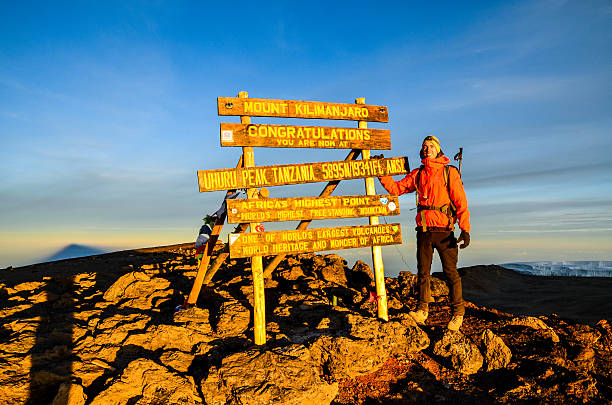
By now, you understand that the answer to can a beginner climb Kilimanjaro is yes, but preparation plays a critical role in determining the overall experience. While thousands of first-time climbers reach the summit every year, the most successful trekkers are usually those who take time to train, select the right equipment, and develop realistic expectations before arriving in Tanzania.
Many people researching can a beginner climb Kilimanjaro worry that they need years of hiking experience or exceptional athletic ability. Fortunately, that is not the case. Kilimanjaro is a mountain that rewards consistency, preparation, patience, and mental determination rather than technical climbing skills.
In this section, we will explore the practical steps every beginner should take before attempting Africa’s highest mountain.
How Fit Do You Need to Be?
One of the most common concerns behind the question can a beginner climb Kilimanjaro is fitness.
The good news is that climbers do not need to be marathon runners, professional athletes, or experienced mountaineers. However, they should be capable of sustained physical activity over multiple days.
A typical Kilimanjaro itinerary involves:
- Hiking for several consecutive days
- Walking between 4 and 8 hours daily
- Climbing steep sections of trail
- Carrying a small daypack
- Trekking at high altitude
For this reason, a moderate level of fitness is strongly recommended.
Signs You Are Physically Ready
You may be ready for Kilimanjaro if you can comfortably:
- Walk 10–15 kilometers in a day
- Hike for several hours without excessive fatigue
- Climb stairs continuously for 30–45 minutes
- Complete regular cardiovascular exercise
- Recover quickly after physical activity
While fitness alone does not determine whether can a beginner climb Kilimanjaro, it certainly improves comfort and endurance throughout the expedition.
Recommended Training Plan for Beginners
A structured training program can significantly improve summit success rates.
Experts generally recommend beginning training at least 8–12 weeks before departure.
Weekly Training Schedule Example
| Activity | Frequency |
|---|---|
| Walking or Hiking | 3–4 times per week |
| Running or Cycling | 2–3 times per week |
| Strength Training | 2 times per week |
| Stretching or Yoga | 2–3 times per week |
| Long Weekend Hike | Once per week |
The goal is to gradually build endurance rather than focusing on speed.
Many successful climbers who once wondered can a beginner climb Kilimanjaro found that consistent training was more effective than intense workouts performed occasionally.
The Importance of Hiking Practice
Nothing prepares trekkers better than actual hiking.
Training hikes help beginners:
- Build stamina
- Strengthen leg muscles
- Improve balance
- Test equipment
- Practice pacing
Whenever possible, hikers should train on:
- Hills
- Mountain trails
- Uneven terrain
- Long-distance routes
Practicing under realistic conditions can make a substantial difference when climbing Kilimanjaro.
Choosing the Best Route for Beginners
Route selection has a major impact on whether can a beginner climb Kilimanjaro becomes a successful experience.
Some routes provide better acclimatization opportunities than others.
Best Routes for First-Time Climbers
| Route | Duration | Beginner Rating |
|---|---|---|
| Northern Circuit | 8–9 Days | Excellent |
| Lemosho Route | 7–8 Days | Excellent |
| Machame Route | 6–7 Days | Very Good |
| Rongai Route | 6–7 Days | Good |
| Marangu Route | 5–6 Days | Average |
Longer routes generally offer:
- Better acclimatization
- Higher success rates
- Reduced altitude stress
- More enjoyable trekking experiences
For beginners, spending an extra day or two on the mountain often increases summit success significantly.
Essential Gear for Kilimanjaro
Another major factor influencing can a beginner climb Kilimanjaro is equipment quality.
The right gear improves:
- Comfort
- Safety
- Warmth
- Energy efficiency
Clothing Checklist
Every climber should pack:
- Moisture-wicking base layers
- Fleece jacket
- Waterproof jacket
- Waterproof trousers
- Thermal underwear
- Insulated down jacket
- Warm hat
- Sun hat
- Gloves
- Hiking socks
Layering is critical because temperatures vary dramatically throughout the trek.
Footwear Recommendations
Proper hiking boots should be:
- Waterproof
- Comfortable
- Broken in before the trip
- Supportive around the ankles
Many trekking problems begin with poor footwear choices.
Daypack Essentials
A beginner’s daypack should include:
- Water
- Snacks
- Sunscreen
- Sunglasses
- Rain gear
- Extra layers
- Personal medications
- Camera
Packing efficiently helps reduce unnecessary strain during hiking days.
Nutrition and Hydration
Nutrition is another important consideration when asking can a beginner climb Kilimanjaro.
The body requires significant energy during multi-day trekking expeditions.
Recommended Foods
Climbers benefit from:
- Complex carbohydrates
- Lean proteins
- Fruits
- Vegetables
- Healthy fats
These foods support endurance and recovery.
Hydration Guidelines
Guides typically recommend:
- Drinking 3–4 liters of water daily
- Increasing intake during warm conditions
- Monitoring hydration consistently
Proper hydration supports acclimatization and overall performance on the mountain.
Mental Preparation for Summit Success
Many people underestimate the mental side of can a beginner climb Kilimanjaro.
The mountain tests patience as much as physical fitness.
Common mental challenges include:
- Fatigue
- Sleep disruption
- Homesickness
- Cold temperatures
- Summit anxiety
The most successful climbers focus on:
- Small daily goals
- Positive thinking
- Consistent pacing
- Trusting the process
Developing mental resilience before the trek can improve confidence and reduce stress during difficult moments.
Common Mistakes Beginners Should Avoid
Understanding common mistakes helps answer can a beginner climb Kilimanjaro more realistically.
Starting Too Fast
Many beginners attempt to hike faster than necessary.
This can:
- Increase fatigue
- Reduce acclimatization effectiveness
- Lower summit success rates
Ignoring Guide Instructions
Professional guides understand altitude and pacing better than most trekkers.
Following their advice is critical.
Underestimating the Weather
Conditions can change quickly.
Climbers should always prepare for:
- Rain
- Wind
- Cold temperatures
- Intense sun exposure
Choosing a Route Based Only on Cost
Cheaper routes are not always the best option.
A route with better acclimatization often provides greater value because it increases the likelihood of reaching the summit.
Customer Experience Example
Many travelers who initially asked can a beginner climb Kilimanjaro later describe the experience as one of the most rewarding achievements of their lives.
A common story from successful first-time climbers is:
“I had never climbed a mountain before. Training consistently, choosing a longer route, and listening to my guides helped me reach the summit. The challenge was real, but it was absolutely achievable.”
Experiences like these demonstrate why Kilimanjaro remains one of the most popular adventure destinations for beginners.
Expert Recommendations from GoaccessAfrica Safaris
Experienced mountain guides consistently recommend the following:
- Train for at least two months before departure
- Choose a longer route whenever possible
- Walk slowly from the first day
- Stay hydrated
- Eat regularly
- Get adequate rest
- Maintain a positive attitude
These simple principles have helped countless climbers successfully answer the question: can a beginner climb Kilimanjaro?
Quick Summary
Preparation Checklist for Beginners
✔ Build fitness gradually
✔ Complete regular hiking practice
✔ Select a beginner-friendly route
✔ Invest in quality gear
✔ Prioritize hydration
✔ Focus on acclimatization
✔ Develop mental resilience
✔ Follow professional guide instructions
Key Takeaways
The answer to can a beginner climb Kilimanjaro becomes much more positive when proper preparation is involved. Physical fitness, route selection, equipment quality, hydration, nutrition, and mental strength all contribute to summit success.
Most importantly, beginners should remember that Kilimanjaro is not a technical climb. With the right preparation and support from GoaccessAfrica Safaris, first-time trekkers can confidently pursue their goal of standing on the Roof of Africa. In the final section, we will cover expert FAQs, compare Kilimanjaro to other famous treks, provide final recommendations, and conclude with a strong call to action for aspiring climbers.