9 Days Northern Circuit Route
The 9 Days Northern Circuit Route is the longest and one of the most scenic trekking routes on Mount Kilimanjaro. It approaches the mountain from the western side before crossing the northern slopes and eventually joining the traditional summit routes on the eastern side of Kibo.
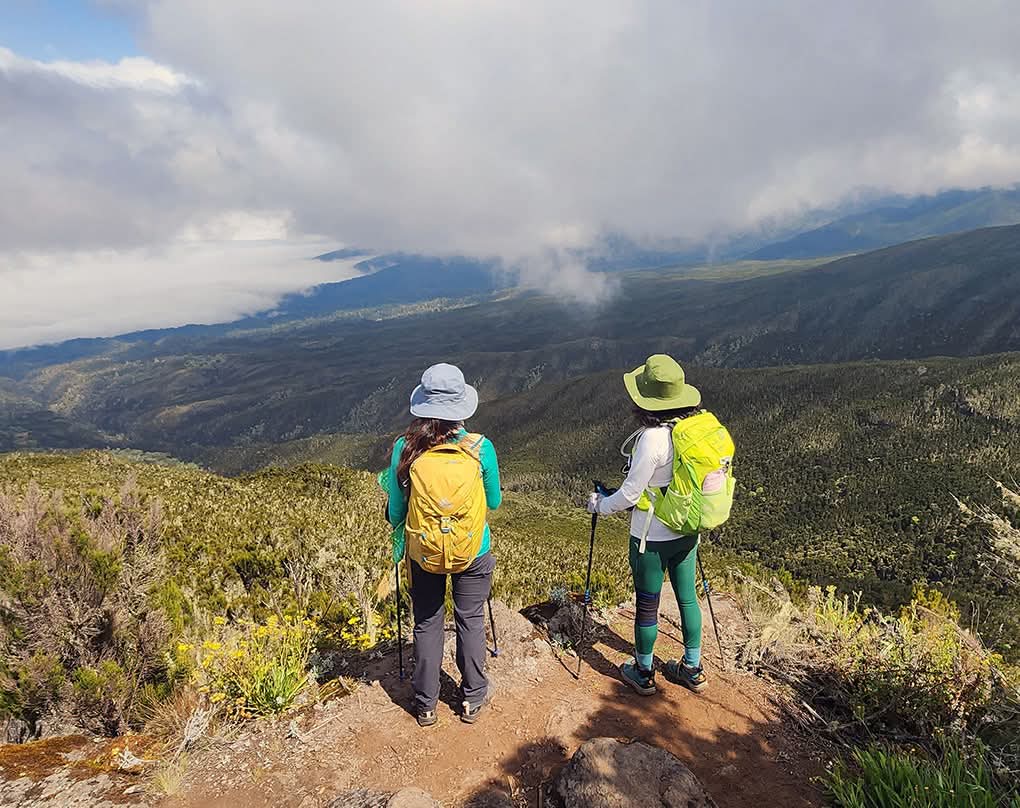
The route is famous for its excellent acclimatization profile, quieter trails, remote wilderness, and panoramic views of Kilimanjaro. With more time spent at different elevations, the 9-day itinerary allows trekkers to gradually adapt to the increasing altitude while exploring a wide variety of landscapes.
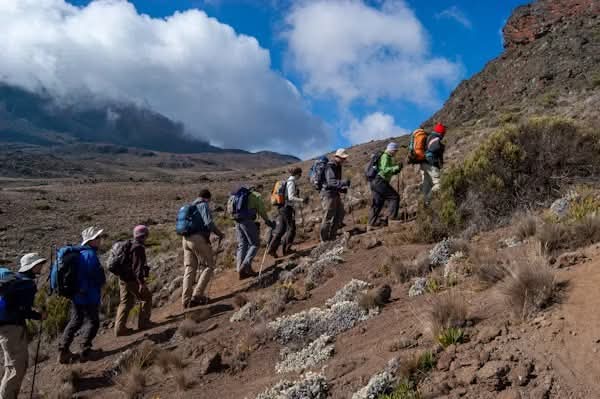
The journey begins at Londorossi Gate and passes through the rainforest toward the Shira Plateau. From Shira, the route continues around the northern side of Kilimanjaro, offering spectacular views toward the Kenyan plains and Mawenzi Peak.
After gradually circling the mountain, the trail approaches Kibo from the east before the final summit attempt. Trekkers ascend to Uhuru Peak at 5,895 meters (19,341 feet) and then descend through the Mweka Route.
With its longer acclimatization schedule and relatively low daily distances on many stages, the Northern Circuit is an excellent choice for trekkers looking for a more gradual and immersive Kilimanjaro experience.
Trek Highlights
- Trek Mount Kilimanjaro via the scenic Northern Circuit
- Enjoy one of Kilimanjaro's longest and best-acclimatized routes
- Approach Kilimanjaro from the western side
- Explore the spectacular Shira Plateau
- Trek across the remote northern slopes
- Experience quieter trails away from the busier southern routes
- Enjoy panoramic views toward Kenya
- See spectacular views of Mawenzi Peak and Kibo
- Experience multiple ecological zones
- Prepare gradually for the high-altitude summit
- Summit Uhuru Peak at 5,895m
- Watch the sunrise from the summit area
- Descend through the Mweka Route
- Trek with a professional mountain crew
9 Days Northern Circuit Route Itinerary – Day by Day
The 9 Days Northern Circuit Route is the longest and one of the most scenic trekking routes on Mount Kilimanjaro. It approaches the mountain from the western side before crossing the northern slopes and eventually joining the traditional summit routes on the eastern side of Kibo.
The route is famous for its excellent acclimatization profile, quieter trails, remote wilderness, and panoramic views of Kilimanjaro. With more time spent at different elevations, the 9-day itinerary allows trekkers to gradually adapt to the increasing altitude while exploring a wide variety of landscapes.
The journey begins at Londorossi Gate and passes through the rainforest toward the Shira Plateau. From Shira, the route continues around the northern side of Kilimanjaro, offering spectacular views toward the Kenyan plains and Mawenzi Peak.
After gradually circling the mountain, the trail approaches Kibo from the east before the final summit attempt. Trekkers ascend to Uhuru Peak at 5,895 meters (19,341 feet) and then descend through the Mweka Route.
With its longer acclimatization schedule and relatively low daily distances on many stages, the Northern Circuit is an excellent choice for trekkers looking for a more gradual and immersive Kilimanjaro experience.
Elevation: 2,100m to 2,780m
Distance: Approximately 6 km
Hiking Time: 3–4 hours
Habitat: Montane Forest
After breakfast in Moshi, you will drive toward Londorossi Gate, located on the western side of Mount Kilimanjaro.
After completing registration and park entry procedures, you begin your trek through the lush montane rainforest.
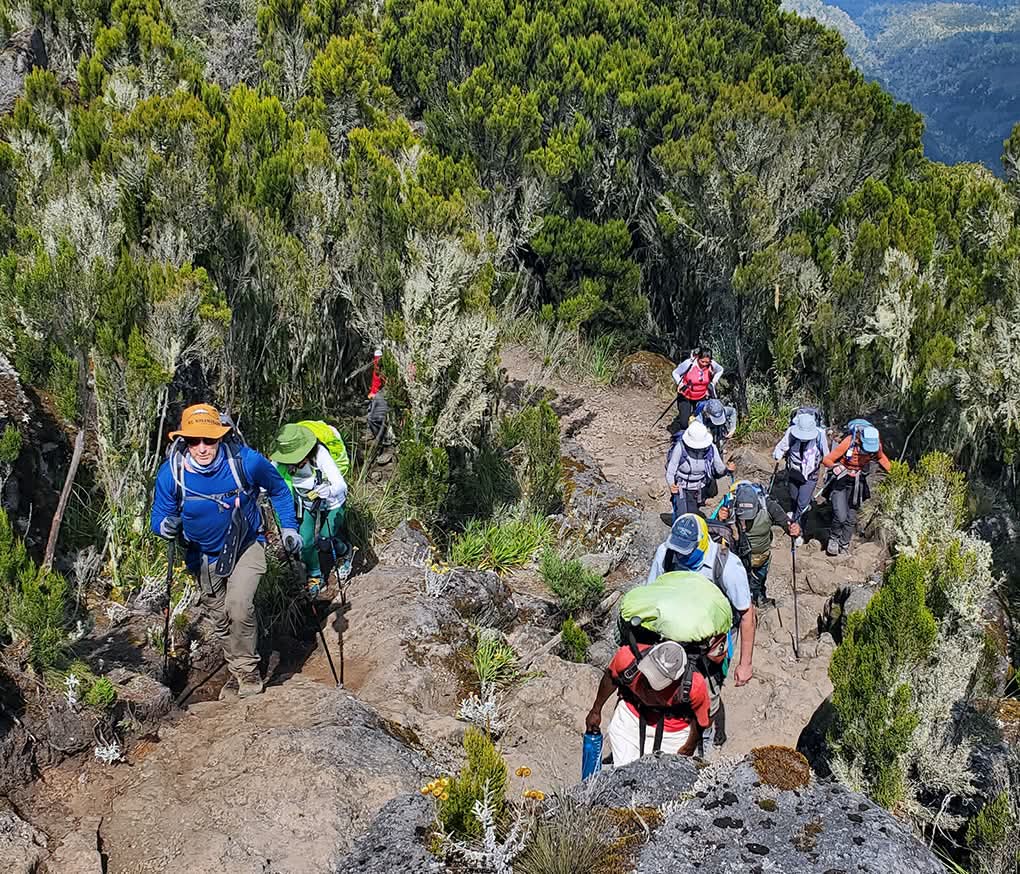
The trail is relatively gentle compared with the steeper routes on Kilimanjaro, allowing you to settle into a comfortable walking rhythm. The forest is rich in vegetation and birdlife, and you may occasionally see monkeys along the trail.
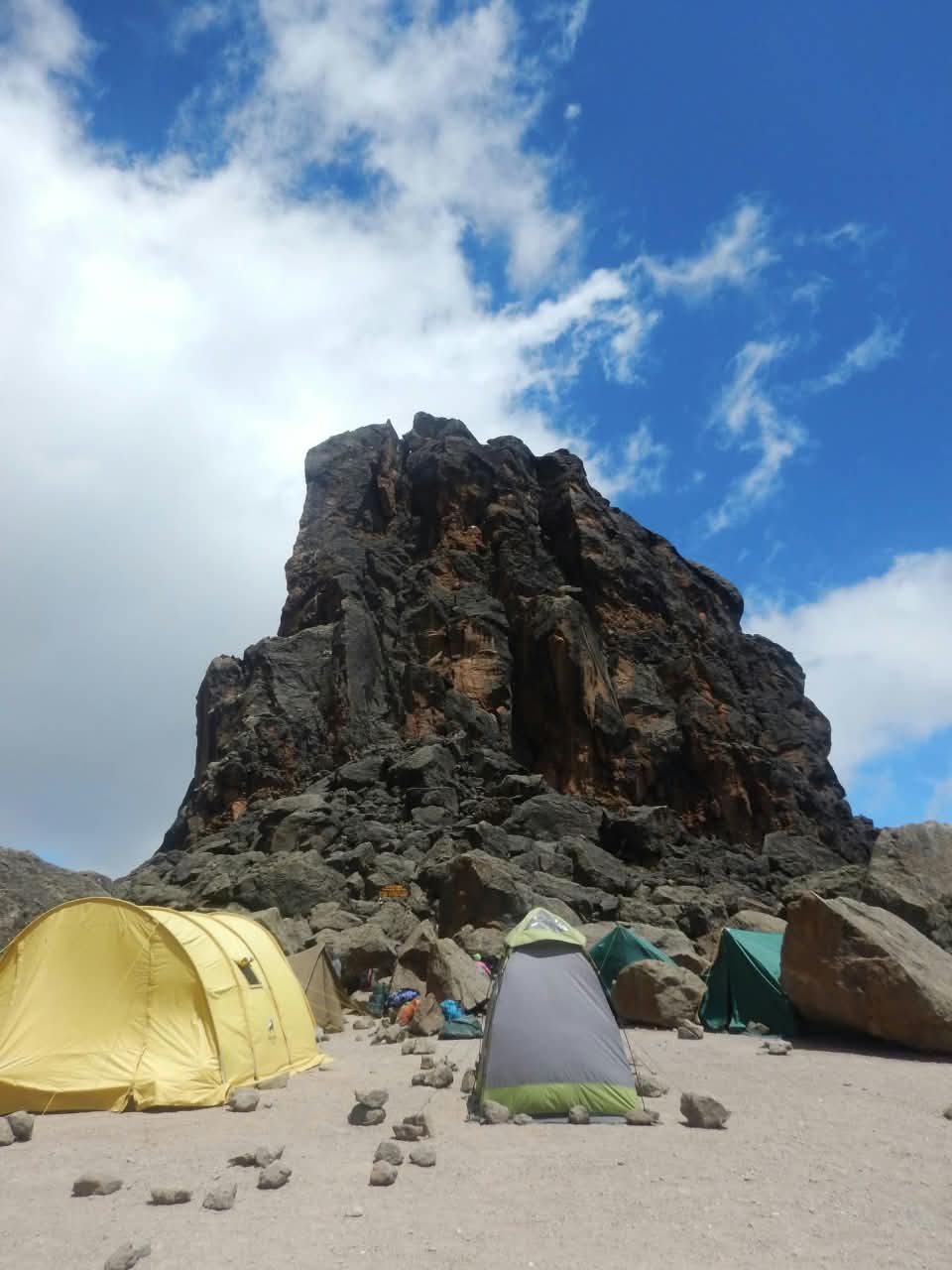
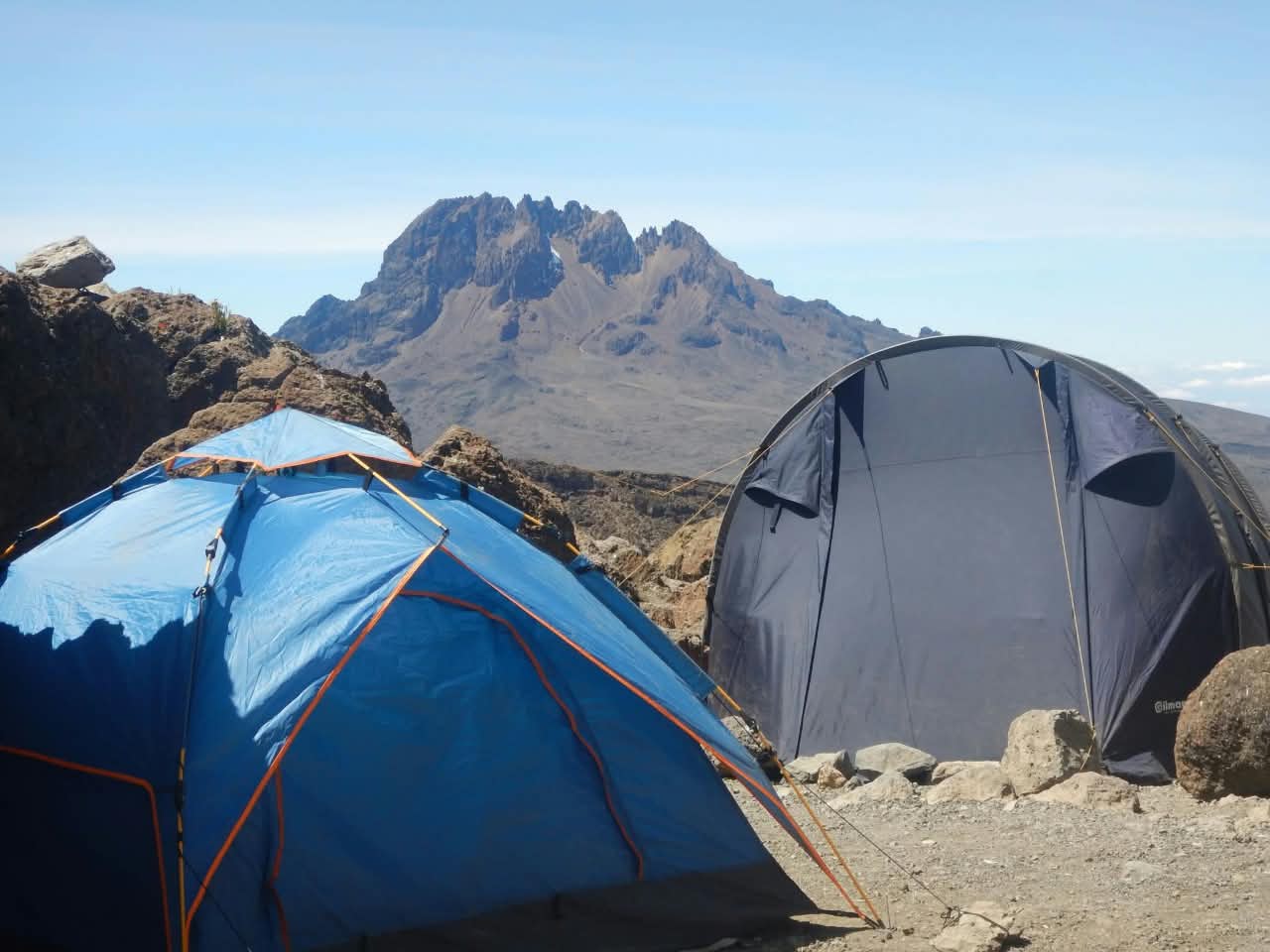
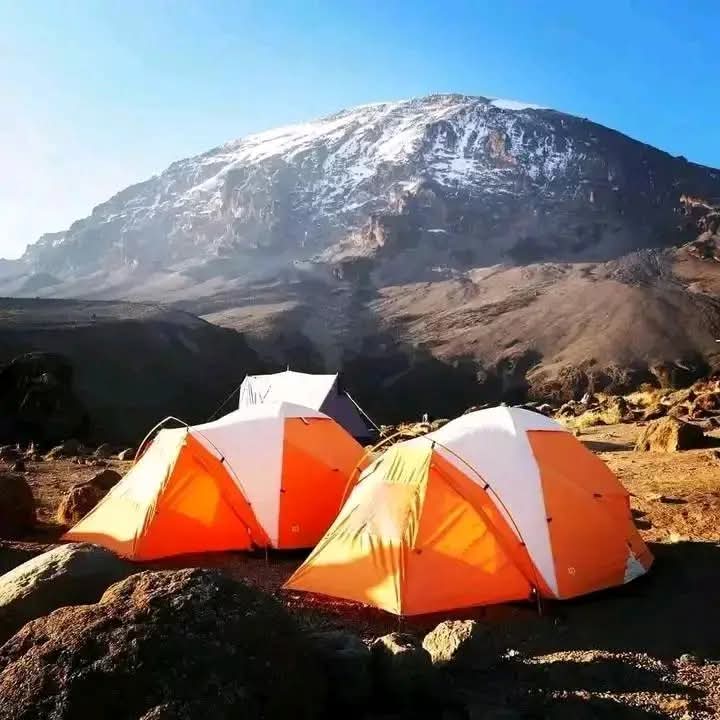
After several hours, you arrive at Mti Mkubwa Camp, where your mountain crew will prepare your campsite and meals.
Overnight: Mti Mkubwa Camp
Meals: Lunch & Dinner
Elevation: 2,780m to 3,500m
Distance: Approximately 8 km
Hiking Time: 5–7 hours
Habitat: Moorland
After breakfast, you leave the rainforest behind and continue into the heath and moorland zone.
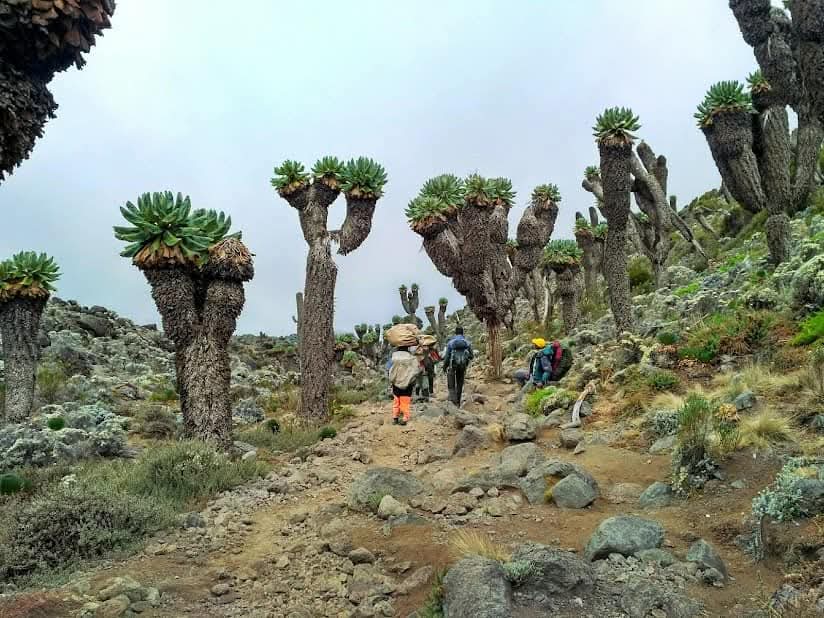
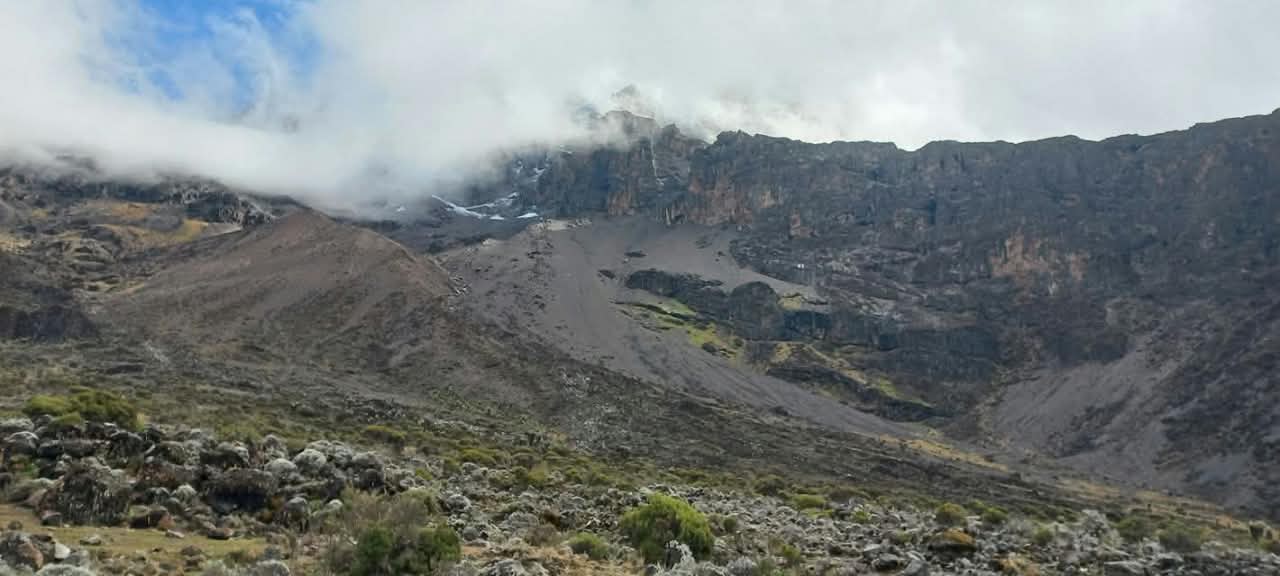
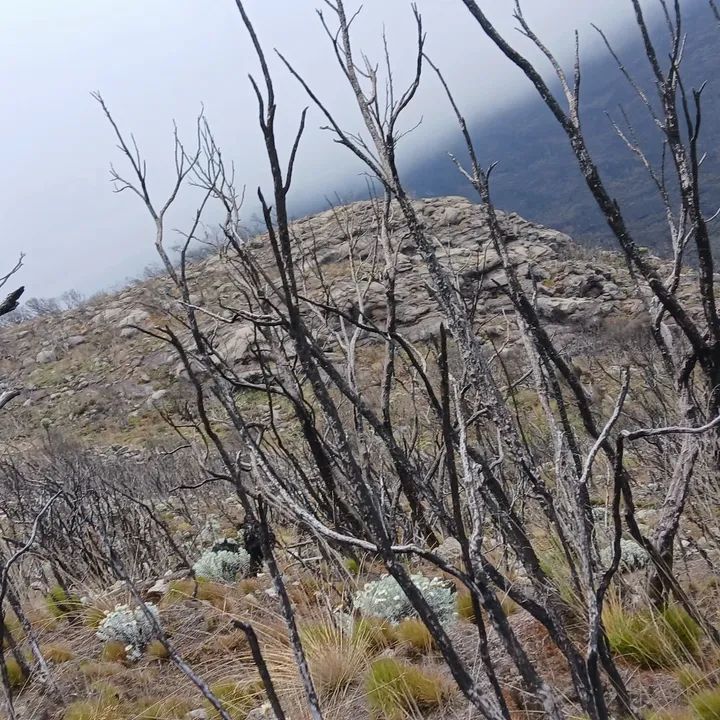
The landscape becomes more open as you climb toward the spectacular Shira Plateau. Giant heathers and other high-altitude vegetation dominate the surroundings, while views of Kibo gradually become more impressive.
The trail continues toward Shira 1 Camp, where you will spend the night.
The steady ascent provides an important opportunity for your body to begin adapting to the higher elevation.
Overnight: Shira 1 Camp
Meals: Breakfast, Lunch & Dinner
Elevation: 3,500m to 3,840m
Distance: Approximately 8 km
Hiking Time: 4–5 hours
Habitat: Moorland / Alpine Desert
Today's trek takes you deeper across the beautiful Shira Plateau.
The trail gradually crosses open high-altitude terrain with dramatic views of Kibo and the surrounding landscape. Depending on weather conditions, you may have excellent views of Mount Meru in the distance.
The relatively short hiking distance allows you to focus on acclimatization while exploring one of Kilimanjaro's most scenic areas.
You arrive at Shira 2 Camp in the afternoon and have time to rest and enjoy the mountain scenery.
Overnight: Shira 2 Camp
Meals: Breakfast, Lunch & Dinner
Elevation: 3,840m to approximately 4,200m
Distance: Approximately 10–12 km
Hiking Time: 5–7 hours
Habitat: Alpine Desert
After breakfast, you leave the Shira Plateau and begin heading toward the northern side of Kilimanjaro.
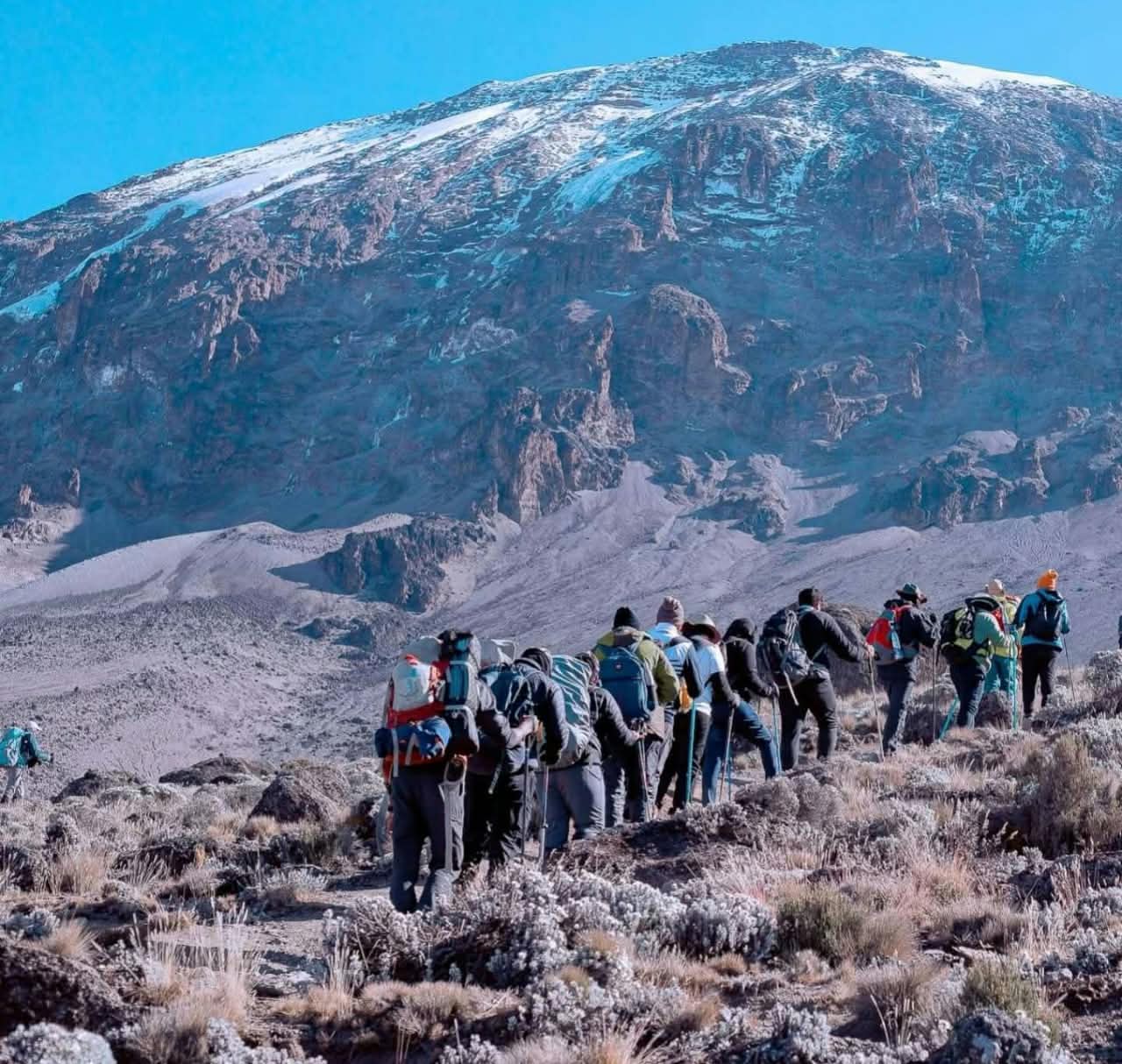
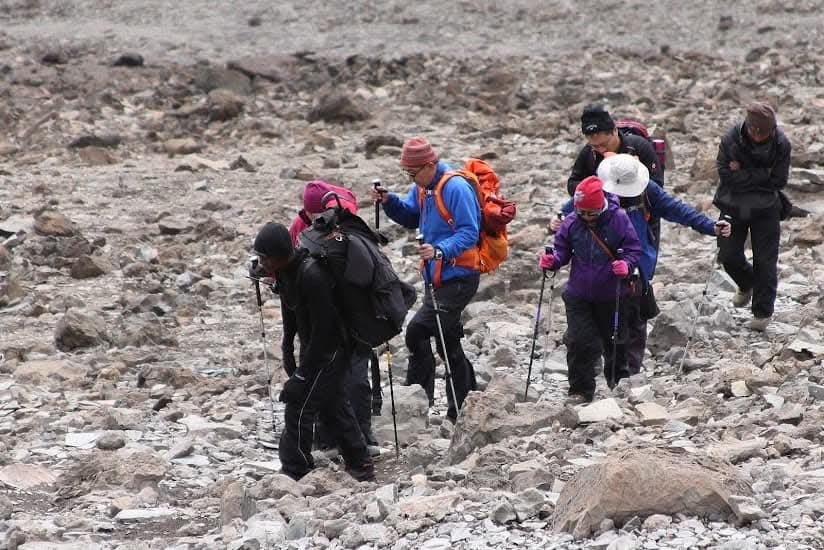
The trail gradually climbs through the alpine desert, with increasingly dramatic volcanic landscapes surrounding you.
Depending on the route conditions and the guide's acclimatization plan, you may take a short acclimatization hike around Moir Valley before settling into camp.
Moir Hut is situated in a relatively remote part of the mountain, giving you a genuine wilderness experience away from the busier sections of Kilimanjaro.
Overnight: Moir Camp
Meals: Breakfast, Lunch & Dinner
Elevation: Approximately 4,200m to 4,020m
Distance: Approximately 8 km
Hiking Time: 4–6 hours
Habitat: Alpine Desert
Today you continue around the northern slopes of Kilimanjaro.
The trail involves gradual ups and downs as you cross remote valleys and high-altitude terrain. Unlike the southern routes, this section is generally quieter, allowing you to experience the mountain in a more peaceful environment.
As you continue eastward, you will begin to appreciate the vast northern landscape and, when conditions are clear, views toward the Kenyan side of the mountain.
You arrive at Pofu Camp, where you spend the night and prepare for the next stage of the northern traverse.
Overnight: Pofu Camp
Meals: Breakfast, Lunch & Dinner
Elevation: Approximately 4,020m to 3,930m
Distance: Approximately 7 km
Hiking Time: 4–5 hours
Habitat: Alpine Desert
After breakfast, you continue eastward along the northern slopes of Kilimanjaro.
The terrain remains relatively dry and open, with striking views of Kibo and, depending on visibility, Mawenzi Peak.
The trail gradually approaches the eastern side of the mountain, bringing you closer to the summit zone.
Today's relatively short distance gives your body more time to recover while continuing the acclimatization process.
You arrive at Third Cave Camp in the afternoon, where you will rest and prepare for the final approach to Kibo.
Overnight: Third Cave Camp
Meals: Breakfast, Lunch & Dinner
Elevation: Approximately 3,930m to 4,800m
Distance: Approximately 5–6 km
Hiking Time: 4–5 hours
Habitat: Alpine Desert
Today you leave the northern circuit and begin the final approach toward the summit zone.
The trail climbs steadily toward School Hut, situated at approximately 4,800 meters.
As you gain elevation, the air becomes noticeably thinner and vegetation almost completely disappears. The landscape becomes rocky, barren, and distinctly high altitude.
Your guide will monitor your condition and provide a detailed briefing for the summit attempt.
After an early dinner, you will rest as much as possible because the summit ascent begins during the night.
Overnight: School Hut Camp
Meals: Breakfast, Lunch & Dinner
Elevation: 4,800m → 5,895m → 3,080m
Distance: Approximately 15–18 km
Hiking Time: 12–15 hours
Habitat: Arctic / Alpine Desert
Today is the most challenging and rewarding day of the entire trek.
You will wake around midnight and begin the summit ascent in darkness.
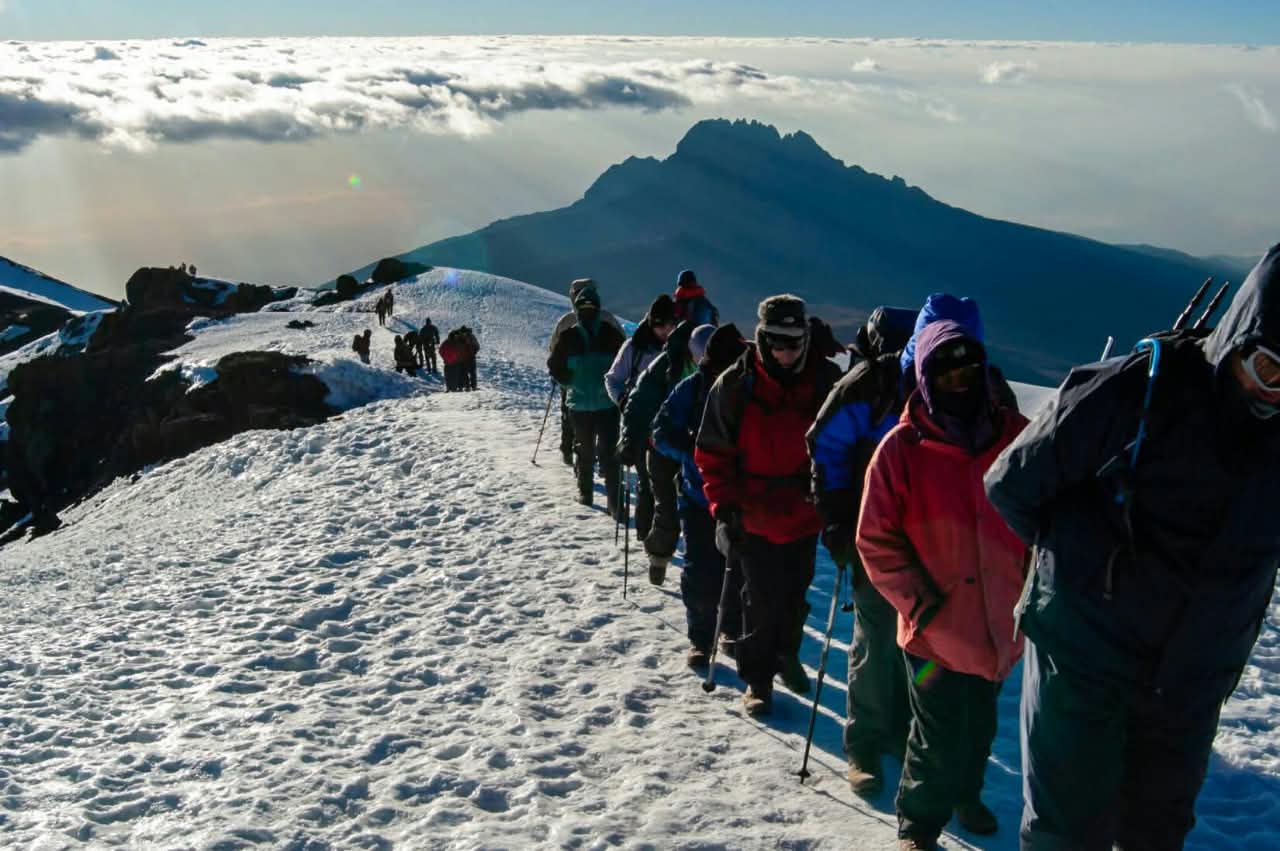
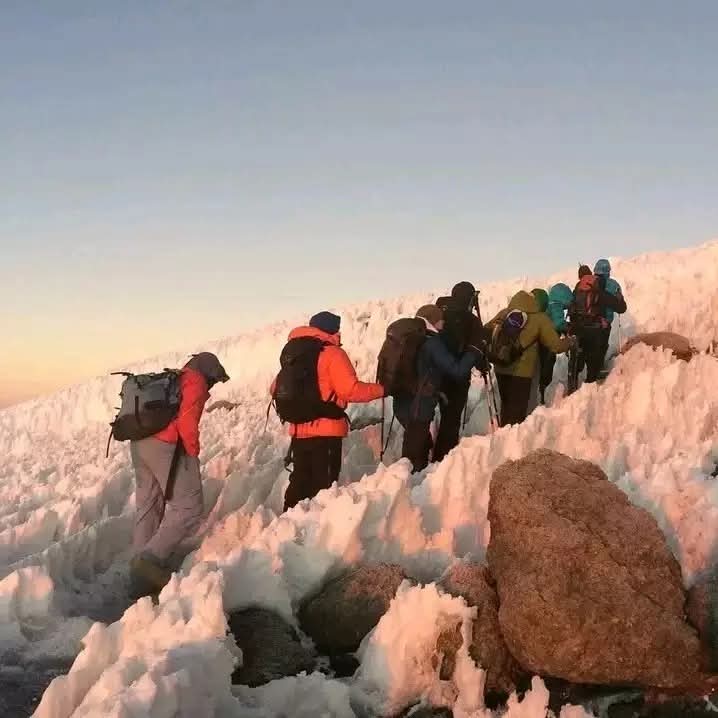
The trail climbs steadily toward the crater rim. The cold temperatures, darkness, steep terrain, and extreme altitude make this section physically demanding.
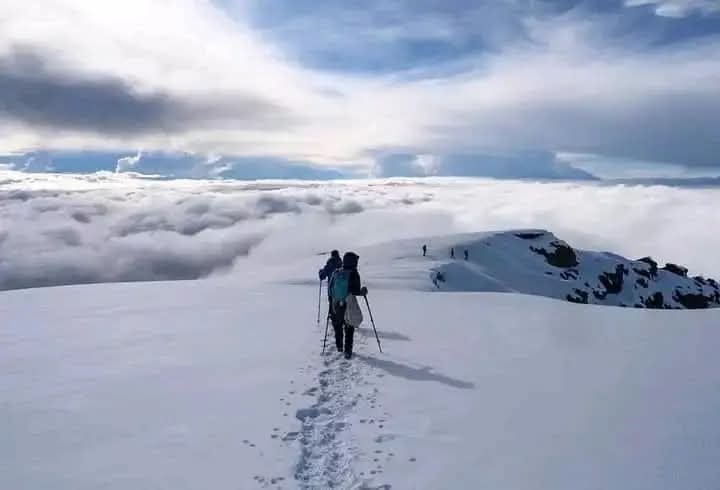
After several hours, you reach the crater rim before continuing toward Uhuru Peak, the highest point on Mount Kilimanjaro.
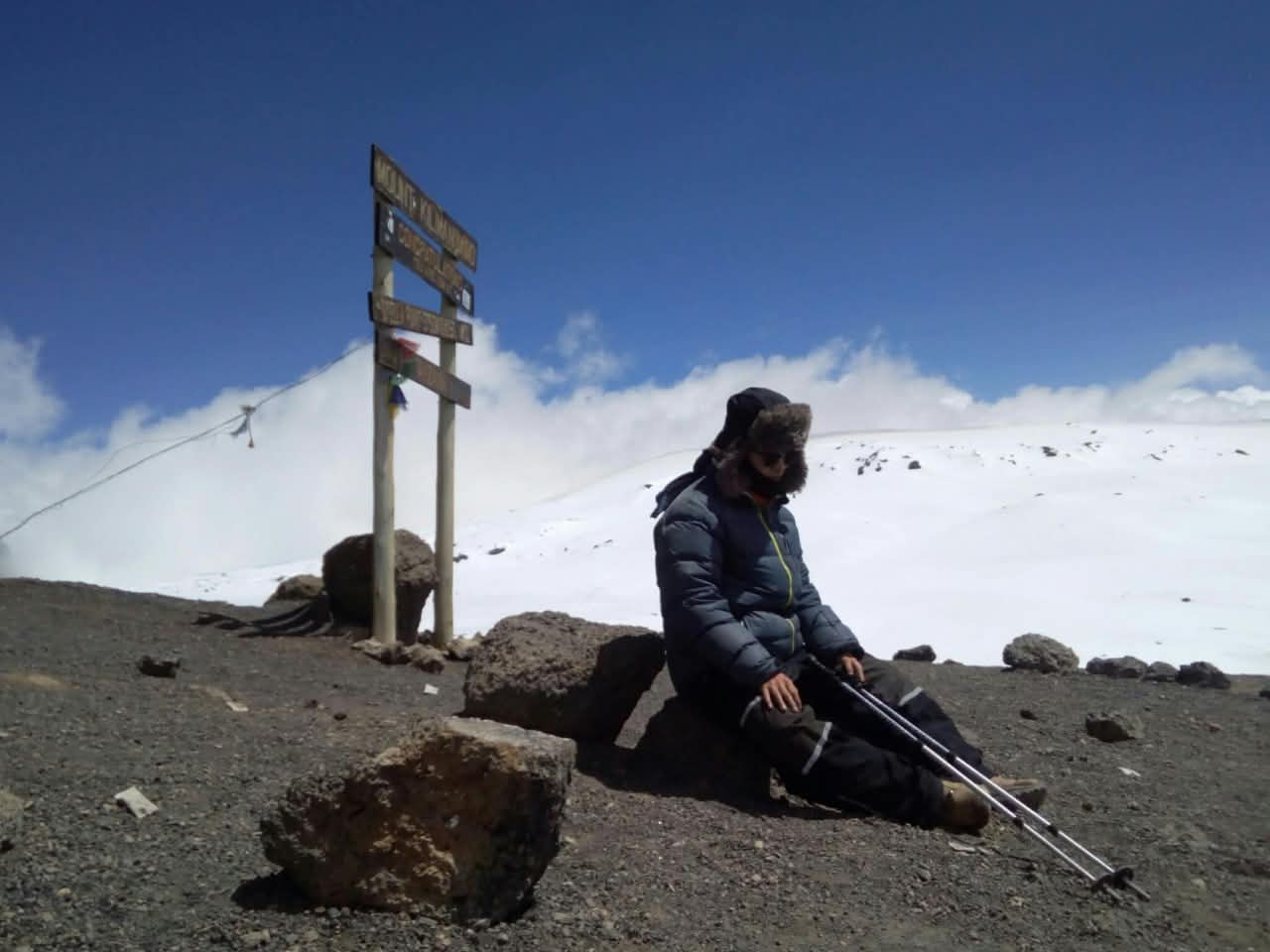
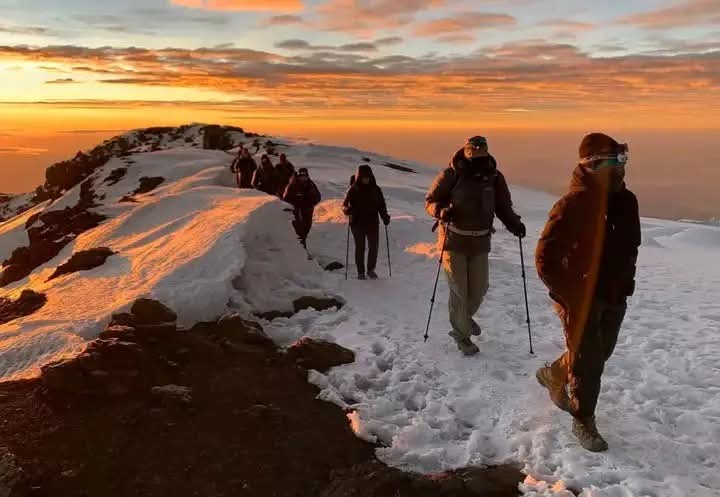
At 5,895 meters (19,341 feet), you will stand at the highest point in Africa.
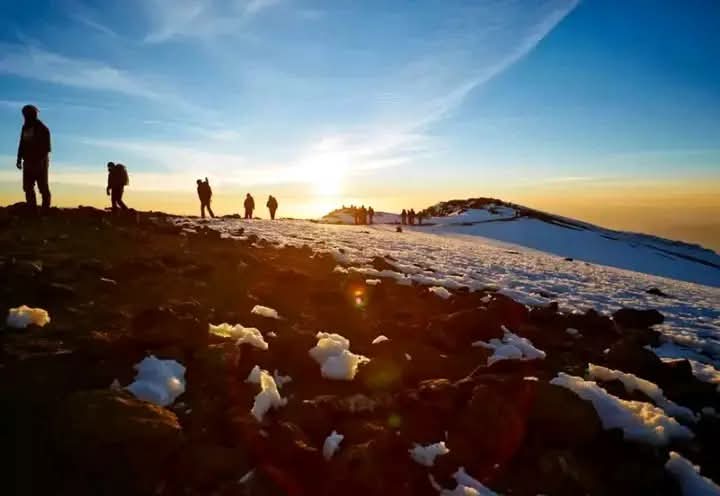
If weather conditions are favorable, you can enjoy spectacular sunrise views and take photographs at the summit.
After celebrating your achievement, you begin the long descent toward Mweka Camp. The descent takes you rapidly through changing landscapes and allows you to return to a lower elevation.
After reaching Mweka Camp, you will have dinner and rest.
Overnight: Mweka Camp
Meals: Breakfast, Lunch & Dinner
Elevation: 3,080m to 1,640m
Distance: Approximately 10 km
Hiking Time: 3–4 hours
Habitat: Montane Forest
After breakfast, you begin your final descent through the beautiful montane rainforest.
The trail becomes increasingly green and shaded as you lose altitude. The warmer temperatures and thicker air provide a welcome change after the high-altitude summit environment.
After several hours of hiking, you reach Mweka Gate, where you complete the official park exit procedures.
Successful climbers receive their Kilimanjaro summit certificates before meeting the transfer vehicle.
You will then be transferred back to Moshi for a well-earned rest.
Meals: Breakfast & Lunch
Trek Includes & Excludes
Trek Includes
- Private transportation from Moshi to Londorossi Gate
- Transportation from Mweka Gate back to Moshi
- Kilimanjaro National Park entry fees
- Park conservation and government taxes
- Camping fees
- Rescue fees
- Professional English-speaking Kilimanjaro mountain guide
- Assistant guides depending on group size
- Professional mountain porters
- Professional mountain cook
- Crew wages and applicable park permits
- Quality mountain tents
- Sleeping/mattress pads as provided by the operator
- Three meals per day during the trek
- Adequate drinking water throughout the trek
- Hot water for washing when available
- Summit certificate
- Pre-climb mountain briefing
- Standard park rescue support
- Safety and altitude monitoring by the mountain crew
Trek Excludes
- International flights
- Tanzania visa fees
- Travel and medical insurance
- Personal hiking and climbing equipment
- Sleeping bag
- Trekking poles
- Personal clothing and footwear
- Tips for guides, porters, and cooks
- Hotel accommodation before or after the climb unless specified
- Alcoholic and soft drinks
- Personal snacks
- Laundry services
- Personal expenses
- Additional accommodation caused by early arrival or delayed departure
- Emergency evacuation beyond standard park rescue services
- Any service not specifically mentioned under “Trip Includes”
Frequently Asked Questions
FAQs
The Northern Circuit is physically demanding because it reaches high altitude, but its longer duration allows for a more gradual ascent. This makes it one of the better routes for acclimatization compared with shorter Kilimanjaro itineraries.
Yes. Although the trek is long and physically demanding, the gradual elevation profile makes it a strong option for well-prepared beginners who want more time to acclimatize.
The route spends several days gradually gaining and losing elevation while circling the mountain. This gives the body more time to adapt before the summit attempt.
The 9-day itinerary takes nine days on the mountain, from the western approach through the northern slopes before reaching the summit and descending via Mweka.
It offers a unique combination of landscapes, including the western rainforest, Shira Plateau, remote northern slopes, alpine desert, and spectacular views of Kibo and Mawenzi.
It is generally quieter than some of the more popular southern approaches, particularly on the northern section of the route.
The Northern Circuit is a camping route. Trekkers sleep in mountain tents at designated campsites.
The highest point is Uhuru Peak at 5,895 meters (19,341 feet) above sea level.
The summit day is the most demanding. You climb from the high-altitude summit camp to Uhuru Peak and then descend all the way to Mweka Camp.
Technical climbing experience is not required. However, good physical preparation and the ability to walk for several hours at a time are important.
The generally preferred periods are the drier seasons, particularly January–February and June–October. However, conditions on Kilimanjaro can change quickly throughout the year.
The itinerary is designed to maximize acclimatization and provide a gradual approach to the summit, but reaching Uhuru Peak cannot be guaranteed. Individual altitude response, health, fitness, weather, and guide safety decisions all affect summit success.
Yes. The 9-day Northern Circuit can be organized as a private trek with a dedicated guide and support crew.
Yes. After completing the climb, you can continue with a Tanzania safari to destinations such as Serengeti, Ngorongoro, Tarangire, or Lake Manyara, or extend your trip with a Zanzibar beach holiday.