Private Safaris · Kilimanjaro · Zanzibar
PLAN YOUR ADVENTURE
Home/ Tanzania Safari Guide/ Best Time to Visit Tanzania
Tanzania Travel Guide · Local Safari Expertise · Updated 2026

Best Time to Visit Tanzania for Safari

Discover when to experience Tanzania at its best. From the Great Migration and dramatic river crossings to the green-season calving months, this guide helps you choose the right time for wildlife, landscapes, photography and your travel budget.

◷ 18 min read ▣ Updated 20 November 2026 ✦ GoAccessAfrica Safaris · Arusha, Tanzania ✓ Local Tanzania Travel Advice
Overall BestJuly – August
Best ValueApril – May
Calving SeasonJanuary – February
River CrossingsJuly – August
KilimanjaroJan–Mar & Jun–Oct
ZanzibarJun–Oct & Jan–Feb
Start Here

The Short Answer: When to Visit Tanzania

Tanzania is a year-round safari destination, but the experience changes with the seasons. The dry months generally offer easier wildlife viewing, while the green months bring dramatic scenery, newborn animals, excellent birdlife and often better-value safari packages.

At-a-Glance Answers

★

Best Overall Months

July or August

Excellent general game viewing and a strong opportunity to witness the northern migration and Mara River crossings.

$

Best Value Months

April or May

Green landscapes, fewer visitors and potentially lower accommodation rates, although some camps and roads may be affected by rain.

✦

Best Calving Season

January – February

The southern Serengeti and Ndutu area become important calving grounds, attracting predators.

↗

Best River Crossing Window

July – August

Migration herds may gather around the Mara River. Crossings are natural events and cannot be guaranteed.

♧

Best Bird Watching

November – April

Migratory birds join resident species, making this a rewarding period for bird enthusiasts.

◎

Best Ngorongoro Period

June – October

Cooler, drier conditions often make crater exploration comfortable and wildlife easier to spot.

▲

Best Kilimanjaro Period

January – March & June – October

These are the principal trekking windows, with weather varying by month and altitude.

☀

Best Zanzibar Period

June – October

Generally drier weather and comfortable beach conditions. January and February are also popular warm months.

✦
GoAccessAfrica Expert Tip

Do not choose your travel month based on the Great Migration alone. Think about the wildlife you want to see, the parks you plan to visit, your budget and the kind of experience you prefer. A well-planned safari can be rewarding in every season.

Understand the Climate

Tanzania’s Four Main Safari Seasons

Tanzania's safari calendar is shaped by rainfall, vegetation, water availability and animal movement. These four broad seasonal periods help explain what travellers can expect across the Northern Circuit.

March – May

Long Rainy Season

The green and quieter months

Safari suitability★★★☆☆

Long rains transform the parks into lush green landscapes. April is typically the wettest part of this period, with afternoon showers and occasional heavy rainfall.

  • Excellent scenery and photography opportunities
  • Fewer visitors and potentially lower lodge rates
  • Strong birdwatching opportunities
  • Some remote tracks can become muddy or difficult
  • Selected seasonal camps may close temporarily
June – October

Long Dry Season

Classic safari and strong wildlife viewing

Safari suitability★★★★★

As rainfall decreases, vegetation becomes thinner and animals often concentrate around permanent water sources. This is the most popular general safari period.

  • Excellent general wildlife viewing
  • Good conditions for game drives and photography
  • Migration activity in the western and northern Serengeti at different times
  • July and August are particularly busy
  • Higher demand and accommodation prices
November – December

Short Rainy Season

Fresh landscapes and returning migratory birds

Safari suitability★★★★☆

Short showers usually refresh the landscape. Rainfall can be irregular, and many days still offer good opportunities for safari activities.

  • Beautiful green scenery and dramatic skies
  • Migratory bird species begin arriving
  • Good photography conditions
  • Often less crowded than peak dry-season months
  • Occasional rain can affect some driving conditions
January – February

Short Dry Season

Calving season and warm conditions

Safari suitability★★★★★

A relatively drier interval between the main rains, although local showers can still occur. The southern Serengeti and Ndutu are especially important during wildebeest calving.

  • Excellent opportunity to see newborn wildebeest
  • Predator activity can be rewarding
  • Good combination of wildlife and green scenery
  • Great time for birdwatching
  • Some areas can be busy around calving hotspots
How to read the star ratings: These are general editorial ratings for overall safari suitability, considering wildlife viewing, accessibility, scenery and visitor experience. Actual conditions differ between parks and can change from year to year.
Plan Month by Month

Month-by-Month Comparison

Use this calendar to compare typical weather patterns, wildlife highlights and overall safari conditions before choosing your travel dates.

MonthSeasonSafari ConditionsWildlife HighlightOverall
JanuaryShort DryGenerally favourableCalving begins in the south★★★★☆
FebruaryShort DryGenerally favourablePeak calving activity★★★★★
MarchLong Rains beginMixed; showers increaseCalving herds may begin moving★★★☆☆
AprilLong RainsWettest period in many areasGreen landscapes and birdlife★★☆☆☆
MayLong Rains easingWet conditions gradually easeMigration movement westward★★★☆☆
JuneLong Dry beginsDrier and improvingWestern corridor migration★★★★☆
JulyLong DryExcellent general viewingNorthern migration movement★★★★★
AugustLong DryExcellent general viewingPossible Mara River crossings★★★★★
SeptemberLong DryExcellent general viewingNorthern Serengeti herds★★★★★
OctoberLong Dry endingGood, with changing conditionsMigration may move south★★★★☆
NovemberShort RainsIntermittent showersMigratory birds return★★★★☆
DecemberShort RainsMixed but often rewardingGreen scenery and birdlife★★★★☆
Very favourable conditions Variable / transitional conditions Rainfall increasing or easing Wetter conditions

Colour key: green indicates generally favourable safari conditions; yellow indicates a transitional or variable period; orange represents changing rainfall patterns; and red indicates a generally wetter period. This is a planning guide, not a daily weather forecast.

A Closer Look

Every Month in Detail

Each month has its own character. Here is what you can typically expect when exploring Tanzania's major safari destinations.

Calving season begins

January

The southern Serengeti and Ndutu plains can offer rewarding wildlife viewing as wildebeest herds gather in the region. Birdlife is also excellent.

Best for: Calving, photography and birding.
Calving highlight

February

One of the most rewarding months for witnessing newborn wildebeest and predator interactions in the southern ecosystem.

Best for: Newborn wildlife and predators.
Season transition

March

Rainfall generally increases as the long rainy season approaches. Early March can still offer good safari opportunities, depending on local weather.

Best for: Flexible travellers and green scenery.
Long rains

April

Rainfall is often at its heaviest. The landscape is lush, visitor numbers can be lower and some seasonal properties may close.

Best for: Value-focused travellers and birding.
Rainfall easing

May

Conditions begin to improve towards the end of the month in many areas. Migration herds often move towards the western Serengeti.

Best for: Green-season scenery and quieter parks.
Dry season begins

June

Dryer weather becomes more established. The western Serengeti can be rewarding as migration herds move through the region.

Best for: General wildlife and western migration.
Peak safari period

July

Excellent general wildlife viewing across the Northern Circuit. Migration herds may be in the north, although their exact position changes.

Best for: Classic safari and migration viewing.
Peak safari period

August

A popular month for northern Serengeti safaris and possible Mara River crossings. Demand is high, so advance planning is important.

Best for: Northern Serengeti and crossing opportunities.
Excellent dry conditions

September

Wildlife viewing remains excellent in many parks. The northern Serengeti can still host substantial migration herds.

Best for: Wildlife photography and dry-season safaris.
Dry season transition

October

Dry conditions may continue, especially early in the month. The migration's southward movement depends on rainfall and grazing conditions.

Best for: Flexible dry-season travel.
Short rains

November

Short showers refresh the landscape, and migratory bird species arrive. Safari conditions can remain rewarding between showers.

Best for: Birdwatching and green landscapes.
Festive season

December

A mixture of sunshine and occasional rain creates attractive scenery. The southern Serengeti may begin receiving returning migration herds.

Best for: Festive safaris and varied experiences.
Wildlife Movement

Great Migration Timing in Tanzania

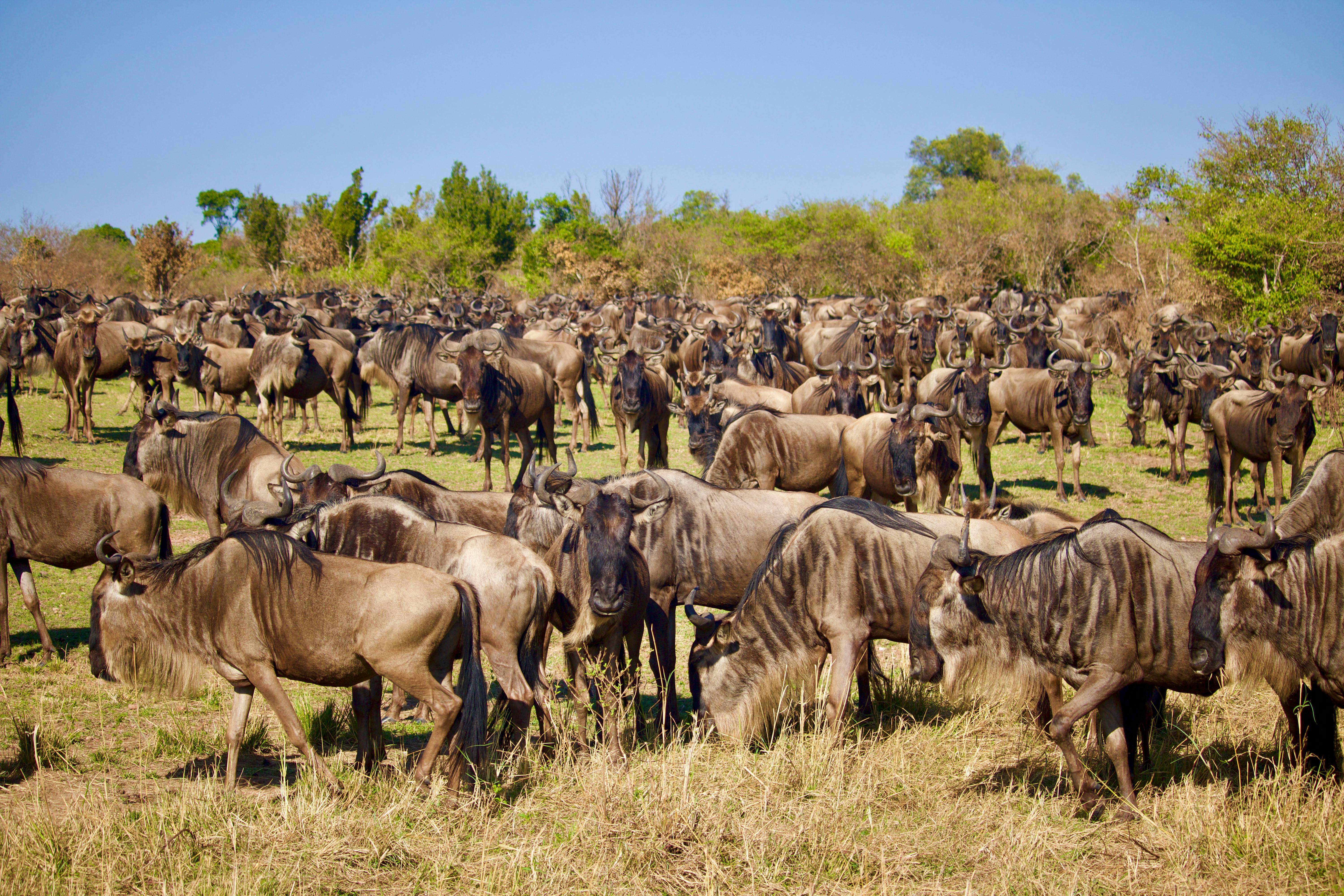
The Great Migration is a continuous movement of wildebeest, zebras and other grazing animals across the Serengeti–Mara ecosystem. Its location changes with rainfall, fresh grass and water availability, rather than following fixed calendar dates.

There is no single month for the entire migration

The best place to see the herds depends on the time of year. Planning around the likely location of the herds gives you a better chance of enjoying the migration without assuming that a particular event will happen on a particular day.

Approx. PeriodLikely AreaWhat to Look ForPlanning Focus
January – MarchSouthern Serengeti & NdutuCalving, newborn wildebeest and predator activityStay near the southern plains
April – MayCentral and Western SerengetiHerds moving north and west; dramatic green sceneryFlexible routing during rains
June – JulyWestern Corridor and Central SerengetiLarge herds moving towards northern grazing areasFollow current herd reports
July – SeptemberNorthern SerengetiPossible Mara River crossing attemptsAllow several days in the north
October – DecemberNorthern to Central and Southern SerengetiHerds gradually moving south as conditions changeTrack seasonal rainfall patterns
✦
Important migration advice

River crossings are unpredictable. Herds may wait, change direction or cross at a different location. Spending more than one day in the relevant area improves your opportunity, but no responsible operator can guarantee a crossing.

Choose Your Destination

Best Time to Visit Each Safari Destination

Different parks offer different experiences throughout the year. The ideal month for one destination may not be the same for another.

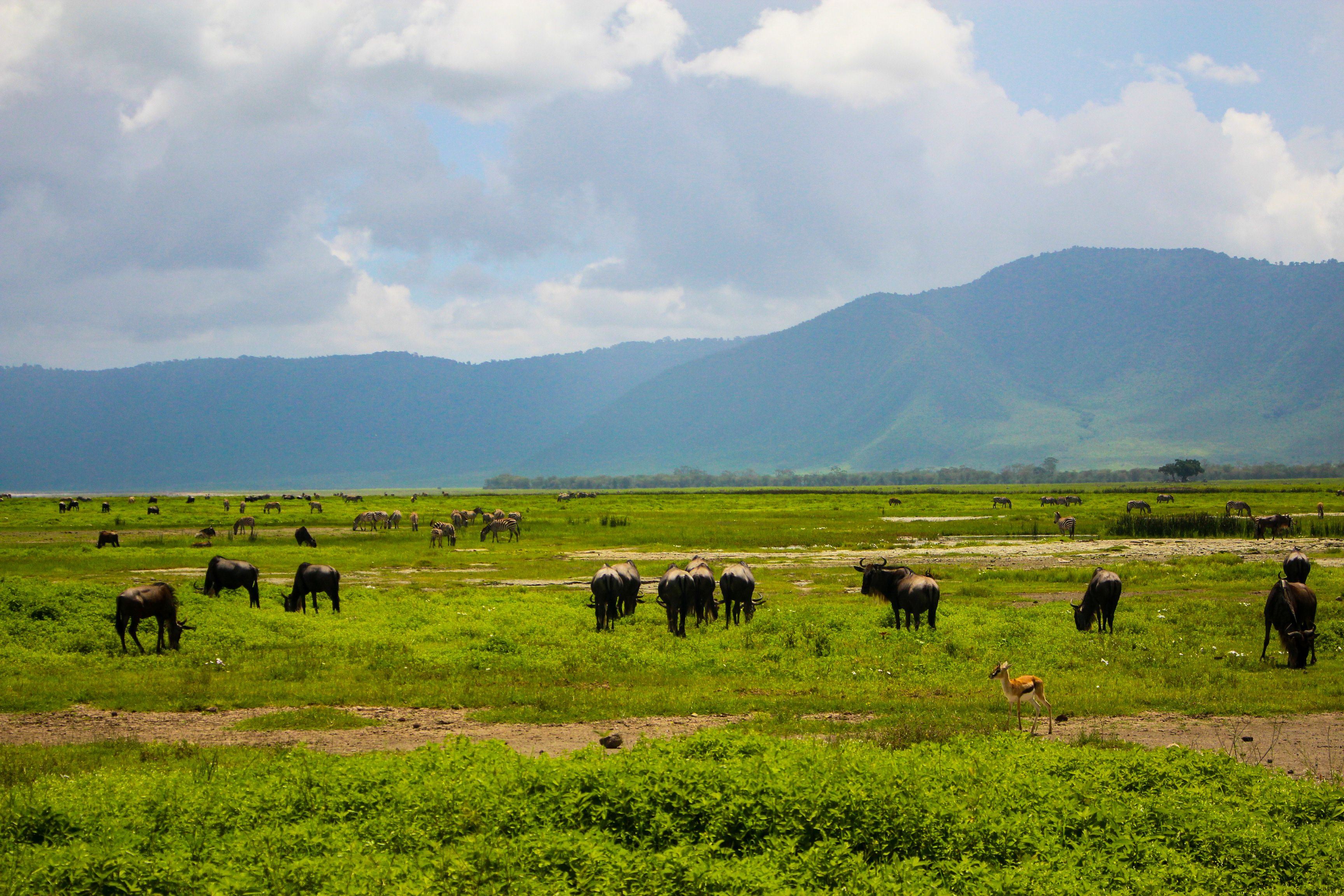
Serengeti National Park wildlife landscape
Wildlife & Migration

Serengeti National Park

Visit January–March for the southern calving season, or June–October for dry-season game viewing and the possibility of northern migration activity.

Recommended: January–March · June–October
Ngorongoro conservation area landscape
Crater Wildlife

Ngorongoro Crater

The crater can be visited throughout the year. June–October is often preferred for drier conditions, while green months offer beautiful scenery.

Recommended: June–October
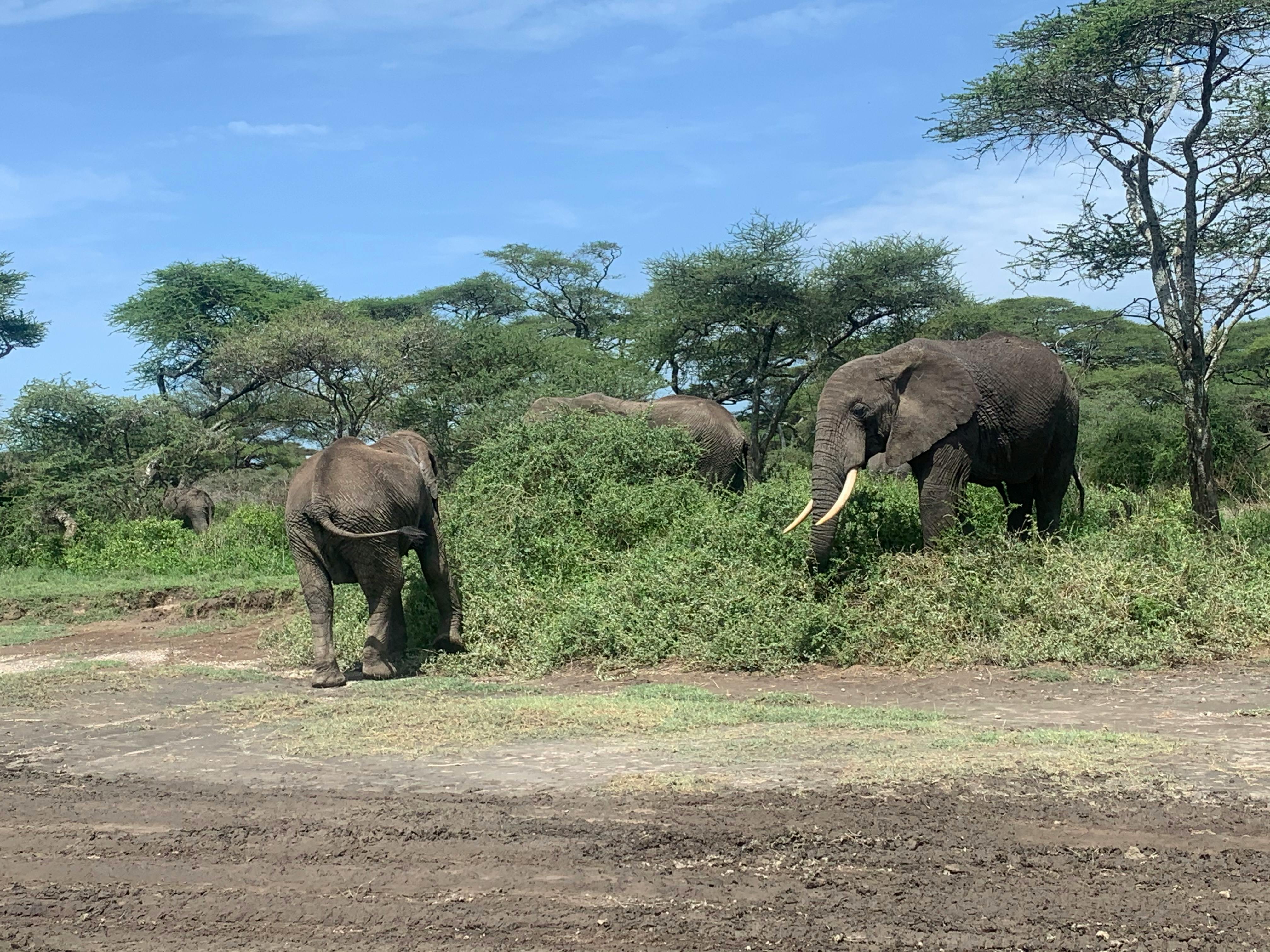
Tarangire elephants in Tanzania
Elephants & Baobabs

Tarangire National Park

The dry season concentrates wildlife around the Tarangire River. Elephant sightings can be especially rewarding from June to October.

Recommended: June–October
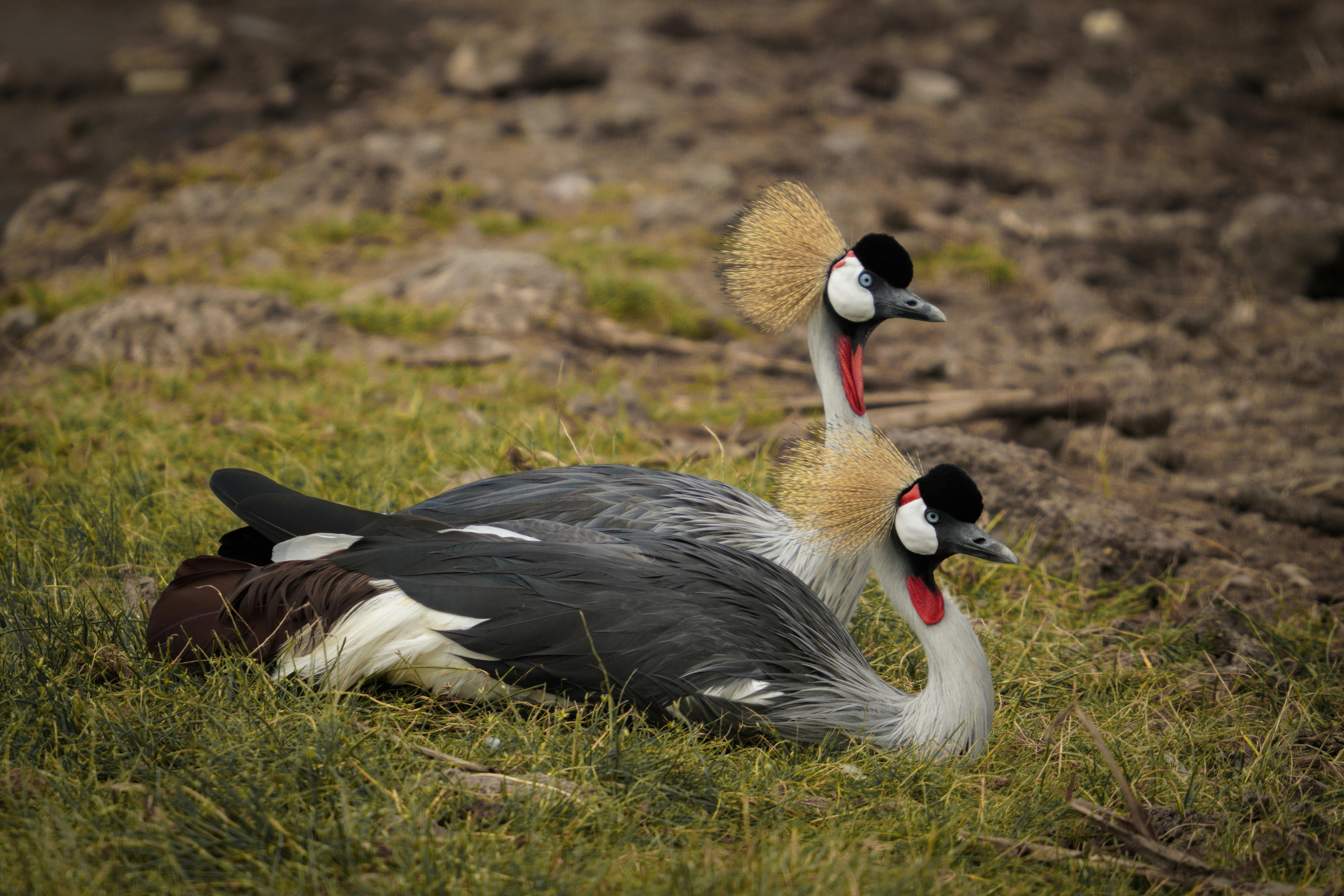
Lake Manyara Tanzania landscape
Birdlife & Forest

Lake Manyara

Lake Manyara offers varied habitats and birdlife throughout the year. November–April can be particularly rewarding for migratory birdwatching.

Recommended: November–April · June–October
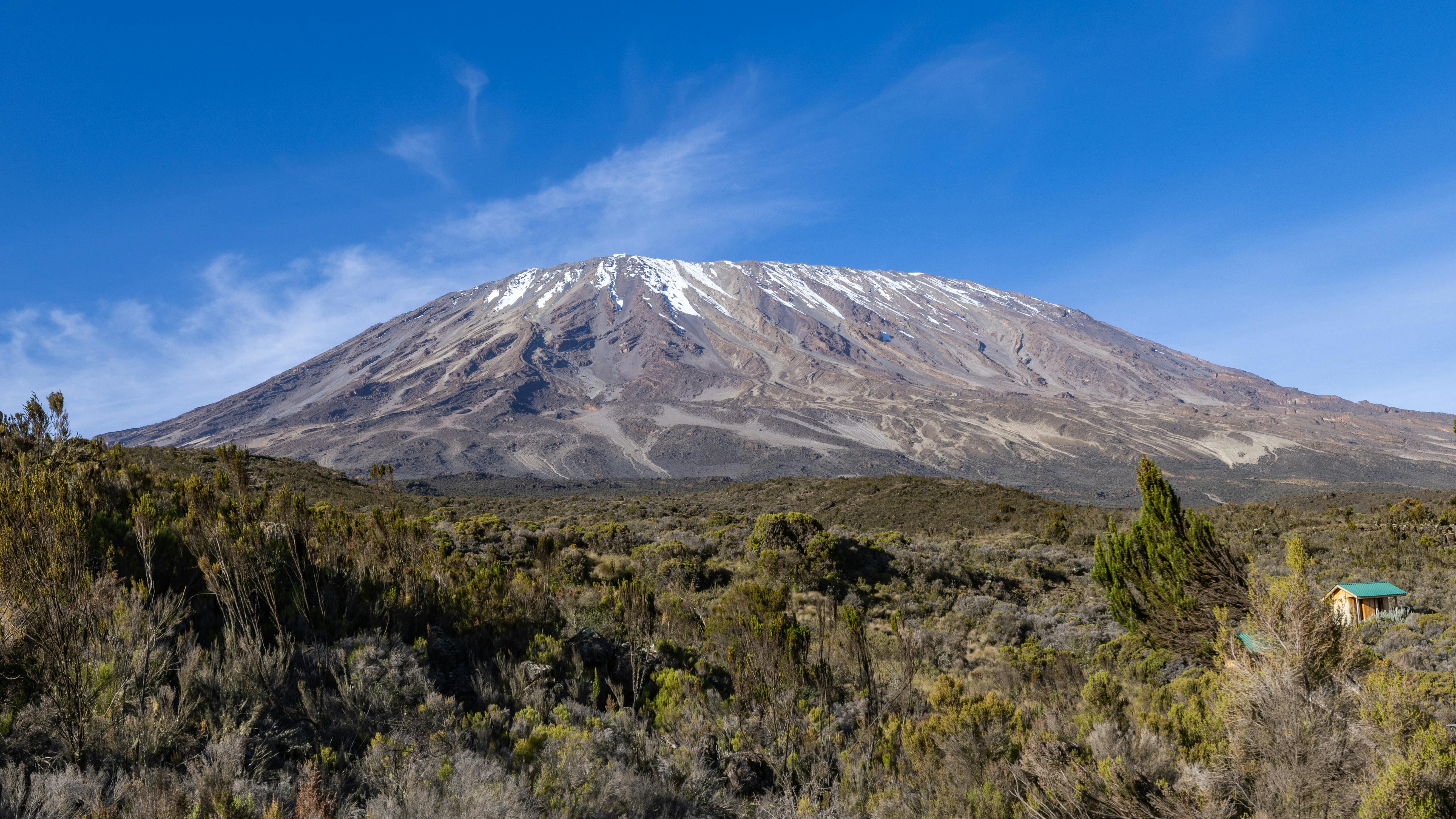
Mount Kilimanjaro mountain landscape
Mountain Trekking

Mount Kilimanjaro

January–March and June–October are the main trekking windows. Weather at the summit remains unpredictable in every season.

Recommended: January–March · June–October
Zanzibar tropical beach
Beach & Culture

Zanzibar

June–October generally brings drier beach weather. January–February is another popular warm period for swimming, relaxation and island activities.

Recommended: June–October · January–February

Destination photographs are illustrative. For final publication, replace them with GoAccessAfrica's own licensed destination photographs wherever available.

Plan Your Budget

Tanzania Safari Costs by Season

Safari prices are influenced by accommodation demand, camp location, transport, park fees and travel dates. The following ranges are indicative planning estimates for a five-day Northern Circuit safari per person, not fixed quotations.

Budget Season

Long Rains

March – May · Especially April

$1,000–1,800
5-day Northern Circuit · per person
  • Potentially 30–40% cheaper than peak season
  • Luxury camps may be available at more accessible rates
  • Fewer visitors in many park areas
  • Outstanding birding and lush landscapes
  • Some roads and seasonal camps may close
Best for flexible budgets
Peak Season

Dry Season Peak

July – September

$2,000–5,000+
5-day Northern Circuit · per person
  • Possible Mara River crossings in July–August
  • Excellent general wildlife viewing conditions
  • Strong demand for sought-after camps
  • Book around 9–12 months ahead for top properties
  • More visitors and vehicles in popular areas
Best for peak-season travel

Prices are illustrative estimates only. Actual costs depend on group size, accommodation category, inclusions, park fees, route, availability and operator. International flights, travel insurance, visas, tips and optional activities may be excluded. Request a written itinerary and itemised quotation before booking.

For Bird Enthusiasts

Best Time for Bird Watching in Tanzania

Tanzania is a rewarding birding destination, with resident species present throughout the year and migratory visitors adding to the diversity during the wetter months. The best season depends on whether you want migratory species, breeding activity, easier photography or a broader safari experience.

Peak Birding Window

November to April

This period is especially rewarding because migratory birds from Europe and northern Asia are present alongside Tanzania's resident species. Fresh vegetation, breeding activity and seasonal wetlands can create excellent birdwatching opportunities.

For dedicated birders, a local specialist guide can help identify species by habitat, call and seasonal behaviour.

  • Best migratory bird periodNov – Apr
  • Resident bird speciesAll year
  • Breeding activityOften during rains
  • Green landscape photographyNov – May
  • Dedicated birding guideRecommended
✦
Professional Birding Advice

Consider combining Lake Manyara, Ngorongoro, Tarangire and selected Serengeti habitats. Each destination has different ecosystems, from alkaline lakes and wetlands to woodland, open grassland and montane forest. A bird-focused itinerary should allow slower game drives and time for identification rather than rushing between parks.

Plan with Confidence

Expert Tips for Planning Your Tanzania Safari

Choosing the right month is only one part of planning a successful safari. These practical considerations can help you get more from your time in Tanzania.

01 / TRAVEL PRIORITY

Choose the experience first

Decide whether your priority is the Great Migration, calving season, big cats, elephants, birdwatching, photography or a combination of experiences.

02 / BOOKING WINDOW

Reserve popular camps early

For July–September and sought-after migration camps, consider planning 9–12 months ahead. Shoulder-season trips may allow more flexibility.

03 / ROUTE DESIGN

Allow enough time in each park

Avoid spending the whole safari driving between destinations. Two nights in a key wildlife area can provide a more relaxed experience.

04 / WEATHER

Expect local variation

Rainfall and wildlife movement are not identical across Tanzania. Check conditions for your actual destinations and dates.

05 / ACCOMMODATION

Match your camp to your plans

Choose accommodation based on location, comfort, access to wildlife areas and whether it operates during your travel season.

06 / LOCAL EXPERTISE

Work with a knowledgeable guide

A professional local guide can adapt game drives to recent wildlife sightings, road conditions and the interests of your group.

07 / TRAVEL PREPARATION

Pack for changing conditions

Bring neutral-coloured clothing, sun protection, comfortable footwear and a light rain layer. Early mornings can be cool even in warmer months.

08 / RESPONSIBLE TRAVEL

Respect wildlife and communities

Follow park regulations, maintain safe viewing distances and support responsible tourism businesses and local communities.

Common Questions

Frequently Asked Questions About Tanzania Safari Seasons

Answers to common questions travellers ask when deciding when to visit Tanzania.

What is the best month to go on safari in Tanzania?

July and August are excellent months for general wildlife viewing, especially during the dry season. However, January and February are particularly rewarding for wildebeest calving in the southern Serengeti, while November to April can be excellent for birdwatching.

Is Tanzania good for safari all year round?

Yes. Tanzania offers safari experiences throughout the year. Dry months generally make wildlife easier to spot around water sources, while rainy months offer lush scenery, fewer visitors in many areas and excellent birdlife.

When is the Great Migration in Tanzania?

The migration is a year-round movement. Calving generally takes place around the southern Serengeti and Ndutu in January and February. Herds move through different parts of the Serengeti during the year, with northern migration activity and possible Mara River crossings often associated with July to September.

Can I see the Mara River crossing in August?

August is within a commonly recommended period for possible crossings in the northern Serengeti. However, river crossings are unpredictable natural events and cannot be guaranteed on specific dates.

Is April a bad month for a Tanzania safari?

April is generally one of the wettest months in many safari areas. It can still be rewarding for travellers who value green landscapes, fewer visitors and birdlife, but some roads and seasonal camps may be affected by rain.

What is the cheapest time to visit Tanzania?

March to May, particularly April, can offer lower accommodation rates and better-value safari options. The trade-off is wetter weather, and some seasonal properties may close.

When is the best time to visit Ngorongoro Crater?

Ngorongoro Crater can be visited year-round. June to October is popular for generally drier conditions, while the greener months offer attractive scenery and rewarding birdlife.

When is the best time to climb Mount Kilimanjaro?

The main trekking windows are January to March and June to October. Conditions vary by route and altitude, and mountain weather can change quickly at any time of year.

When should I visit Zanzibar after a safari?

June to October is generally a favourable dry period for a beach extension. January and February are also popular warm months. The long rains usually occur around March to May.

How many days do I need for a Tanzania safari?

A five-day Northern Circuit safari can cover several major destinations, depending on the route. Six to eight days allow a more relaxed pace and additional time in important wildlife areas such as the Serengeti.

Travel with Confidence

Experiences That Make a Tanzania Safari Unforgettable

The right season creates the setting, but thoughtful planning, knowledgeable guides and meaningful encounters make the journey special.

Your Tanzania Journey

Every season tells a different story

From watching elephants move through Tarangire to exploring the Ngorongoro Crater and following the migration across the Serengeti, Tanzania offers remarkable experiences throughout the year.

At GoAccessAfrica Safaris, our local team helps travellers choose destinations and travel dates based on their interests, available time and budget.

Talk to Our Safari Team
Your Journey Starts Here

Let’s Find the Best Time for Your Tanzania Safari

Tell us when you plan to travel, what wildlife experiences interest you and your preferred budget. Our Arusha-based team can help you build a safari itinerary around the season that suits you best.

Scroll to Top