7 Days Rongai Route
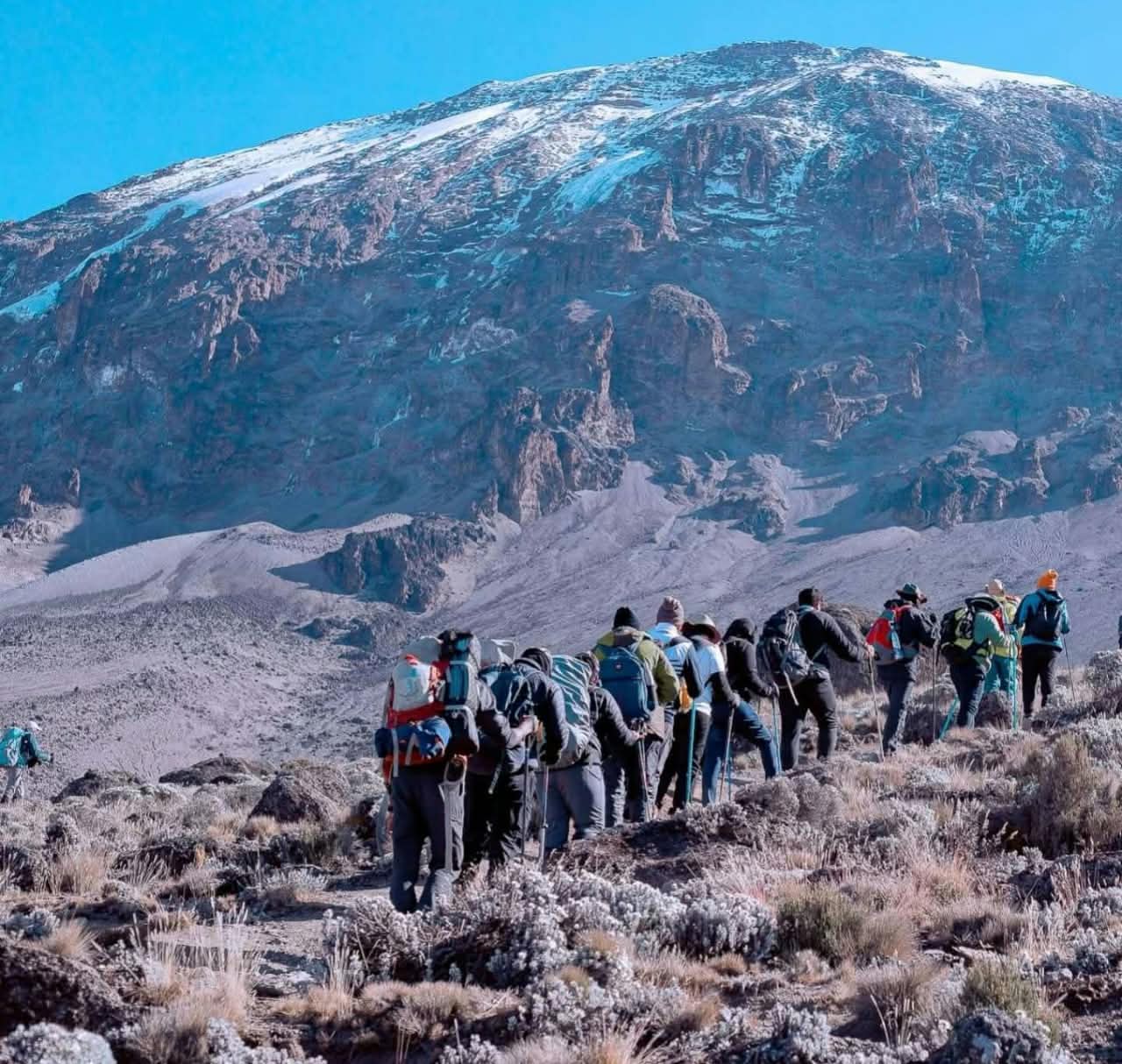
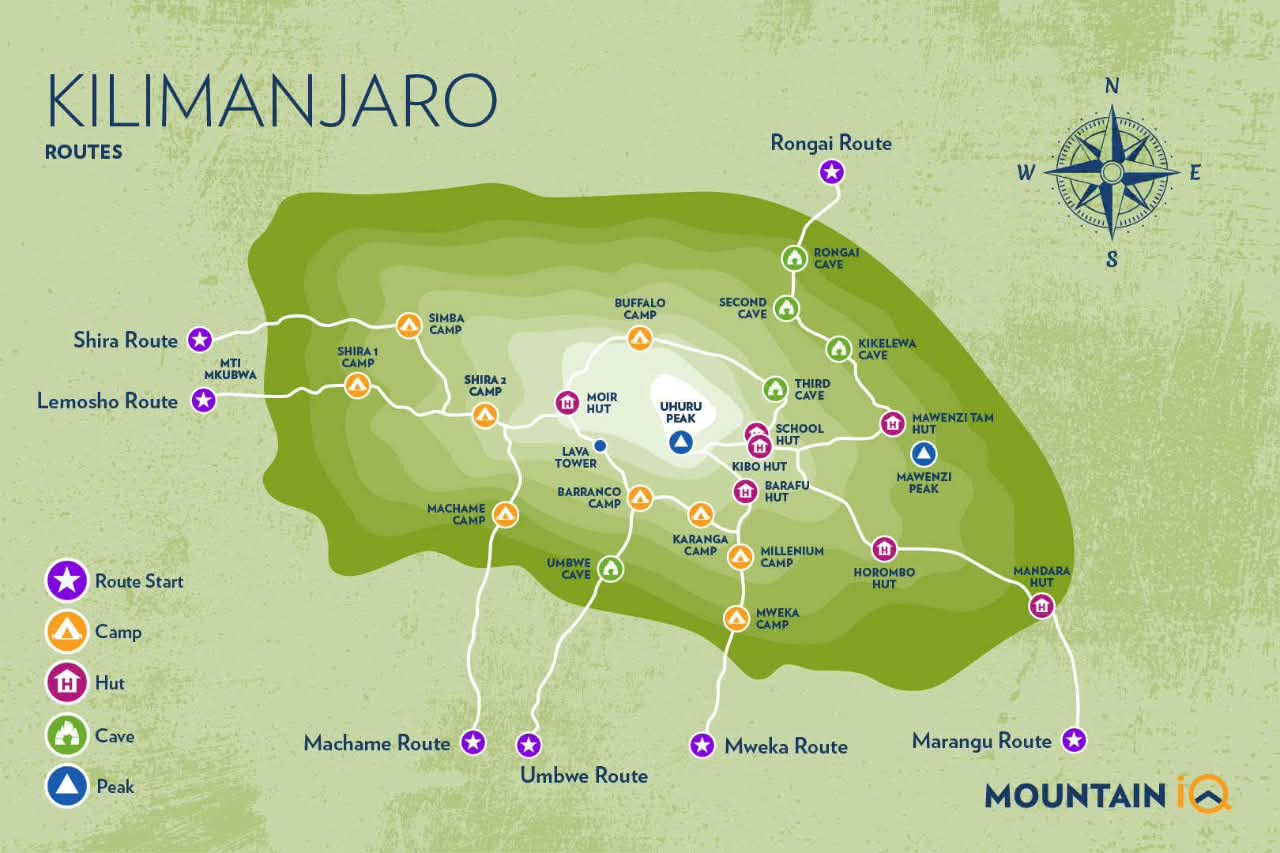
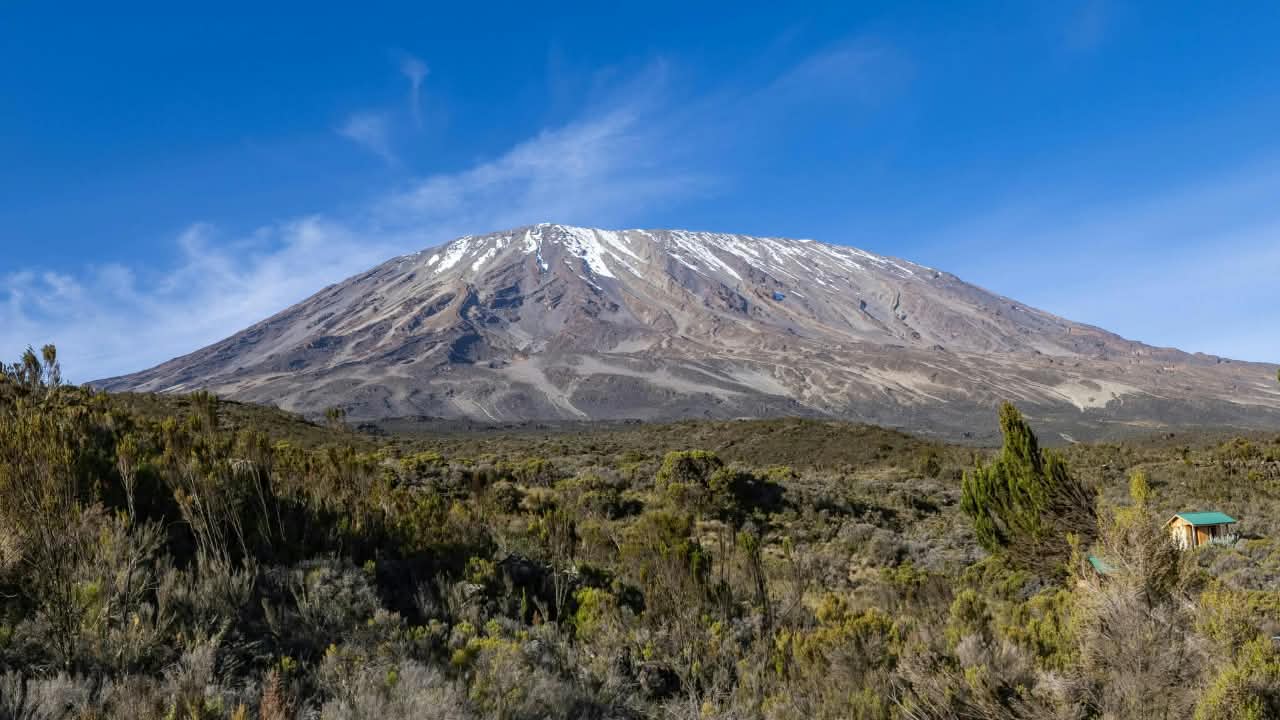
The 7 Days Rongai Route is a scenic and less crowded way to climb Mount Kilimanjaro, approaching the mountain from the northeastern side near the Tanzania–Kenya border. Unlike the popular southern routes, Rongai offers a quieter trekking experience and a distinctive perspective of Kilimanjaro’s northern slopes.
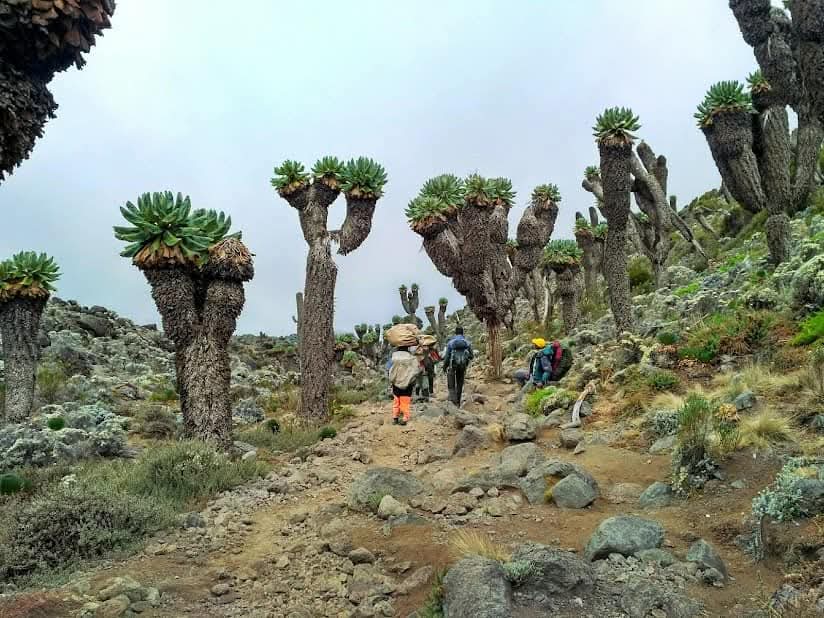
The route is particularly attractive for trekkers looking for a more peaceful mountain experience, gradual terrain and impressive views across the Kenyan side of Kilimanjaro. The landscape changes progressively as you climb from cultivated areas and montane forest into heath, moorland and alpine desert.
The 7-day itinerary allows additional time for acclimatization compared with shorter Rongai programs. After reaching the higher elevations around Kibo, the route follows the eastern side of the mountain before joining the trail toward the summit. The final ascent takes you to Uhuru Peak at 5,895 meters (19,341 feet), the highest point in Africa.
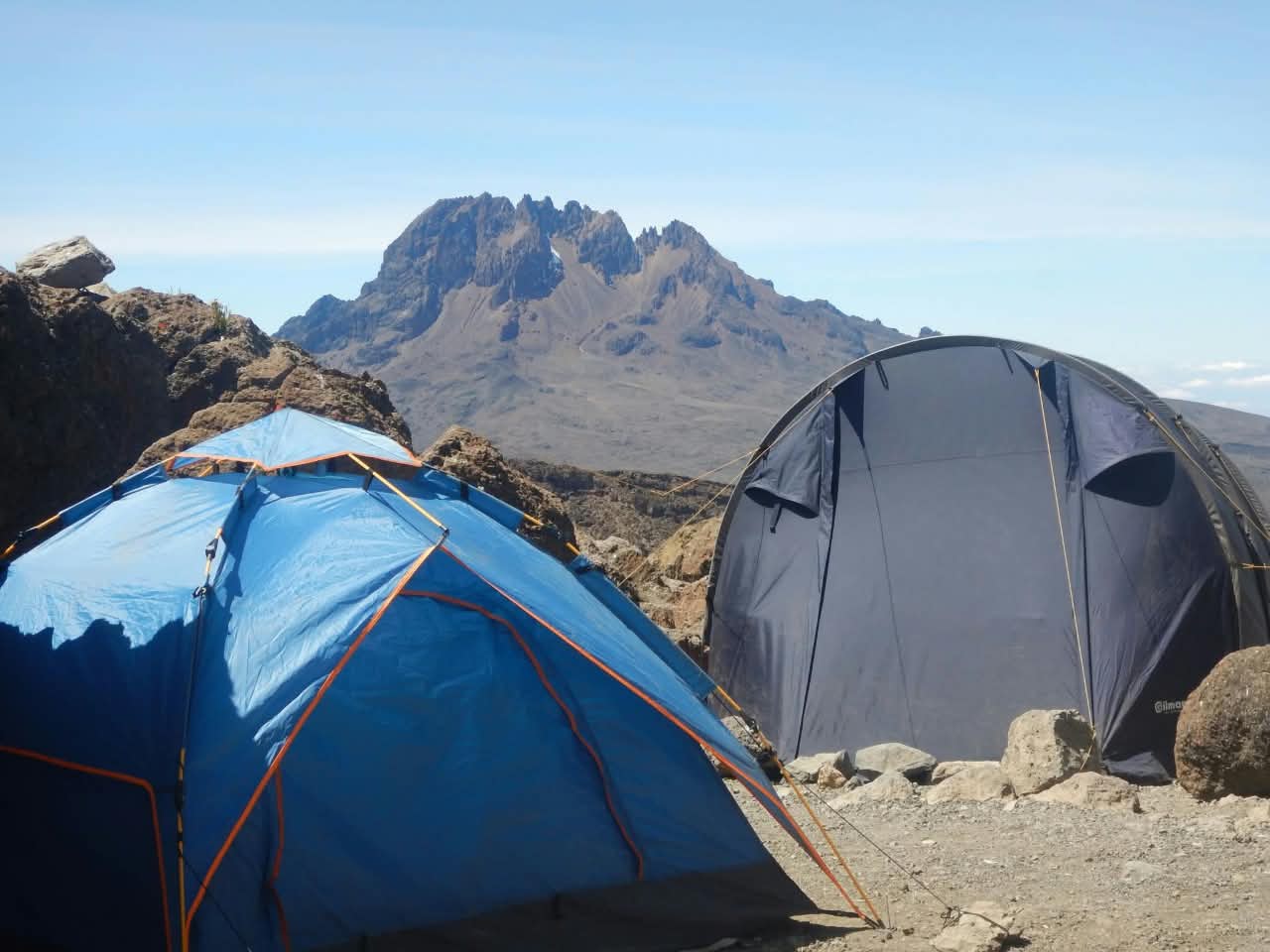
One of the major highlights of the Rongai Route is the opportunity to experience the striking Mawenzi Peak, one of Kilimanjaro’s three volcanic cones. The route also passes through the beautiful Rongai and Kibo areas before the summit attempt.
After reaching Uhuru Peak, you descend through the Marangu side of the mountain, giving you a different landscape and perspective from the ascent.
The 7 Days Rongai Route is an excellent choice for trekkers who value quieter trails, scenic diversity and a gradual approach to the summit.
Trek Highlights
- Climb Mount Kilimanjaro via the northern Rongai Route
- Experience one of Kilimanjaro's quieter trekking routes
- Enjoy spectacular views from the northern side of the mountain
- Trek through rainforest, heath and moorland environments
- Experience the dramatic Mawenzi Peak
- Enjoy a gradual ascent with additional acclimatization time
- Explore the Rongai and Kibo areas
- Reach Uhuru Peak at 5,895 m
- Watch the sunrise from the summit of Africa
- Descend through the scenic Marangu Route
- Trek with a professional mountain crew
7 Days Rongai Route Itinerary – Day by Day
The 7 Days Rongai Route is a scenic and less crowded way to climb Mount Kilimanjaro, approaching the mountain from the northeastern side near the Tanzania–Kenya border. Unlike the popular southern routes, Rongai offers a quieter trekking experience and a distinctive perspective of Kilimanjaro's northern slopes.
The route is particularly attractive for trekkers looking for a more peaceful mountain experience, gradual terrain and impressive views across the Kenyan side of Kilimanjaro. The landscape changes progressively as you climb from cultivated areas and montane forest into heath, moorland and alpine desert.
The 7-day itinerary allows additional time for acclimatization compared with shorter Rongai programs. After reaching the higher elevations around Kibo, the route follows the eastern side of the mountain before joining the trail toward the summit. The final ascent takes you to Uhuru Peak at 5,895 meters (19,341 feet), the highest point in Africa.
One of the major highlights of the Rongai Route is the opportunity to experience the striking Mawenzi Peak, one of Kilimanjaro's three volcanic cones. The route also passes through the beautiful Rongai and Kibo areas before the summit attempt.
After reaching Uhuru Peak, you descend through the Marangu side of the mountain, giving you a different landscape and perspective from the ascent.
The 7 Days Rongai Route is an excellent choice for trekkers who value quieter trails, scenic diversity and a gradual approach to the summit.
Elevation: 1,950 m to 2,625 m
Distance: Approximately 8 km
Hiking Time: 3–4 hours
Habitat: Montane Forest
Meals: Lunch & Dinner
Accommodation: Simba Camp
Your Rongai Route adventure begins with a transfer from your hotel in Moshi or Arusha toward the northern side of Mount Kilimanjaro.
After reaching Rongai Gate, you will complete the necessary park registration and meet your mountain crew before beginning the trek.
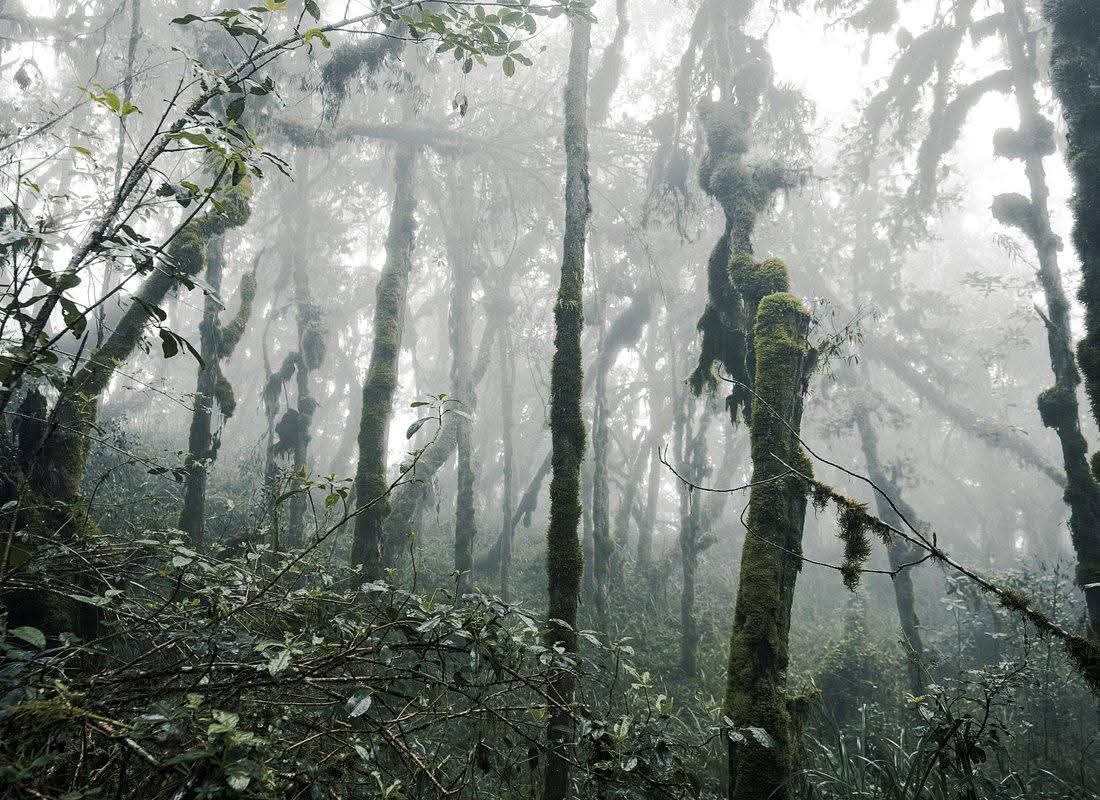
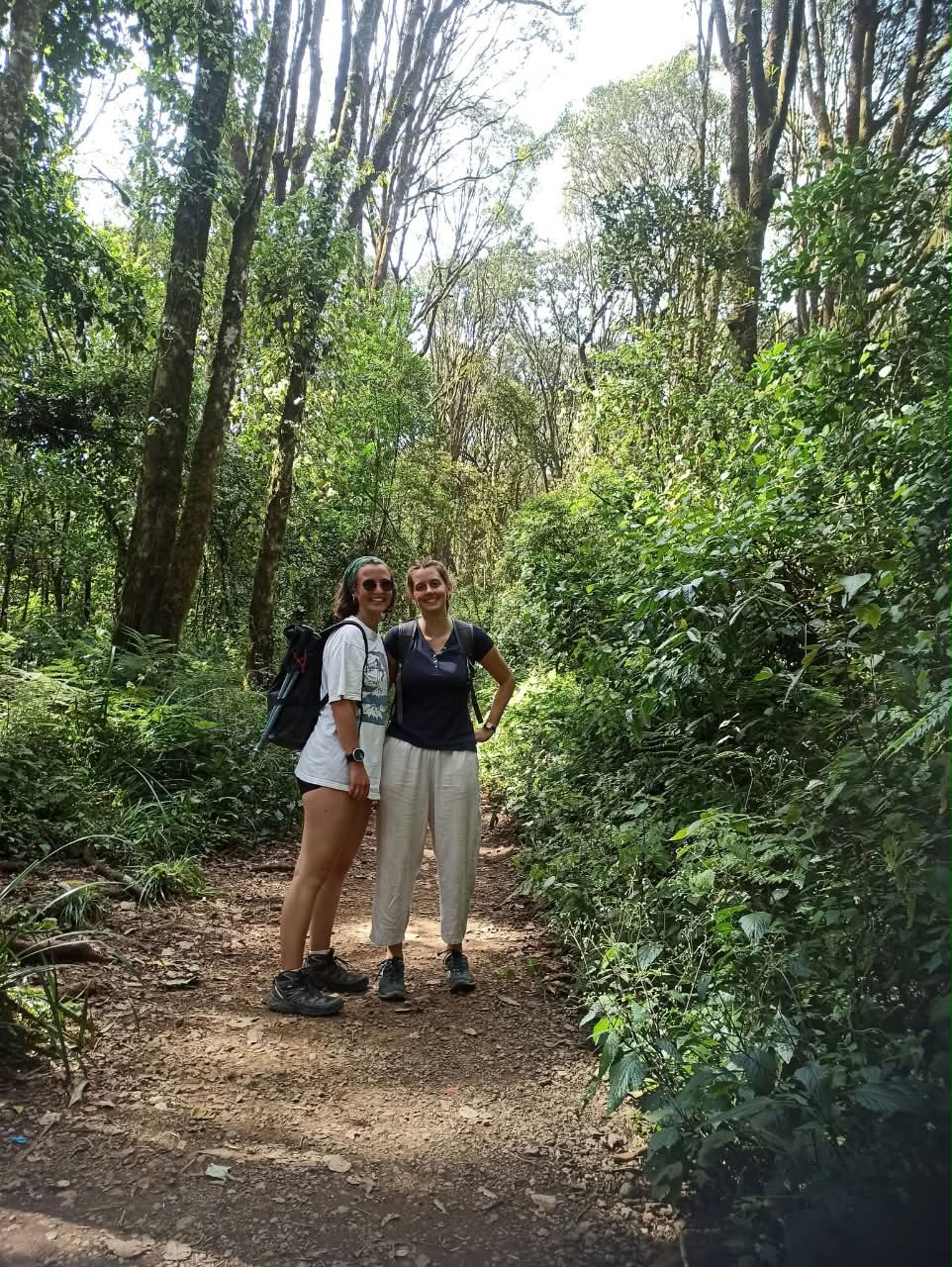
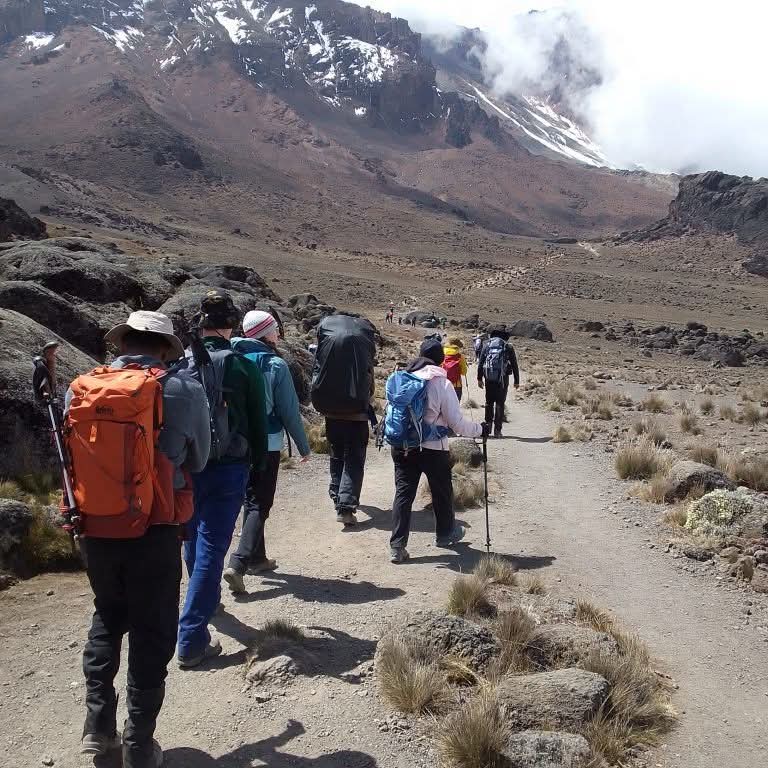
The first section takes you through cultivated land and into the montane forest. The trail is generally gentle, allowing you to settle into the rhythm of walking at altitude.
The northern side of Kilimanjaro is quieter than many of the southern approaches, and you may encounter fewer trekkers during this section.
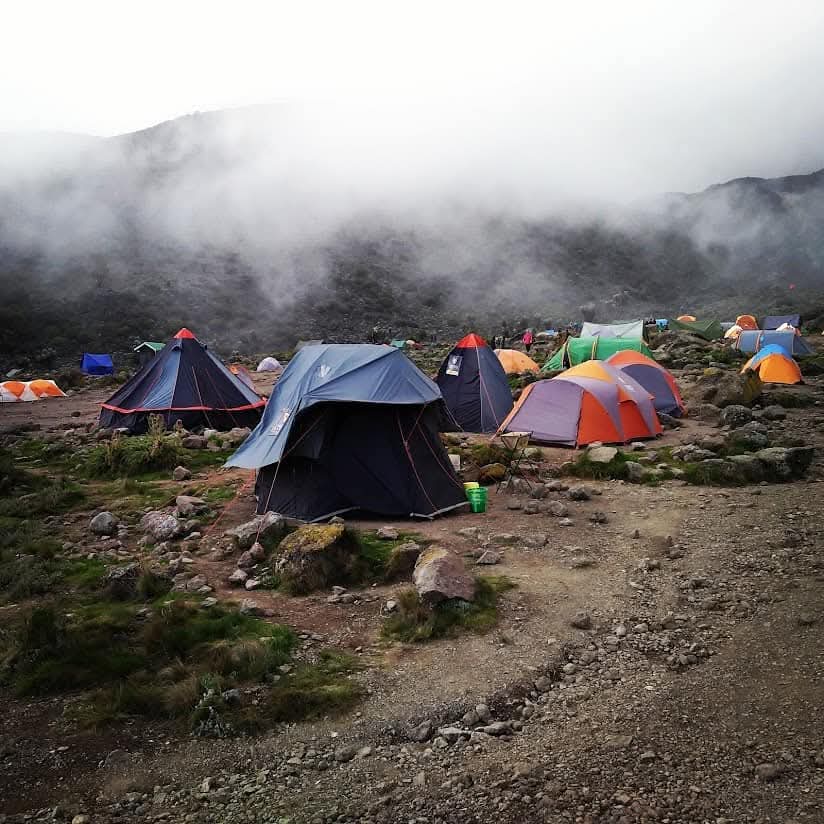
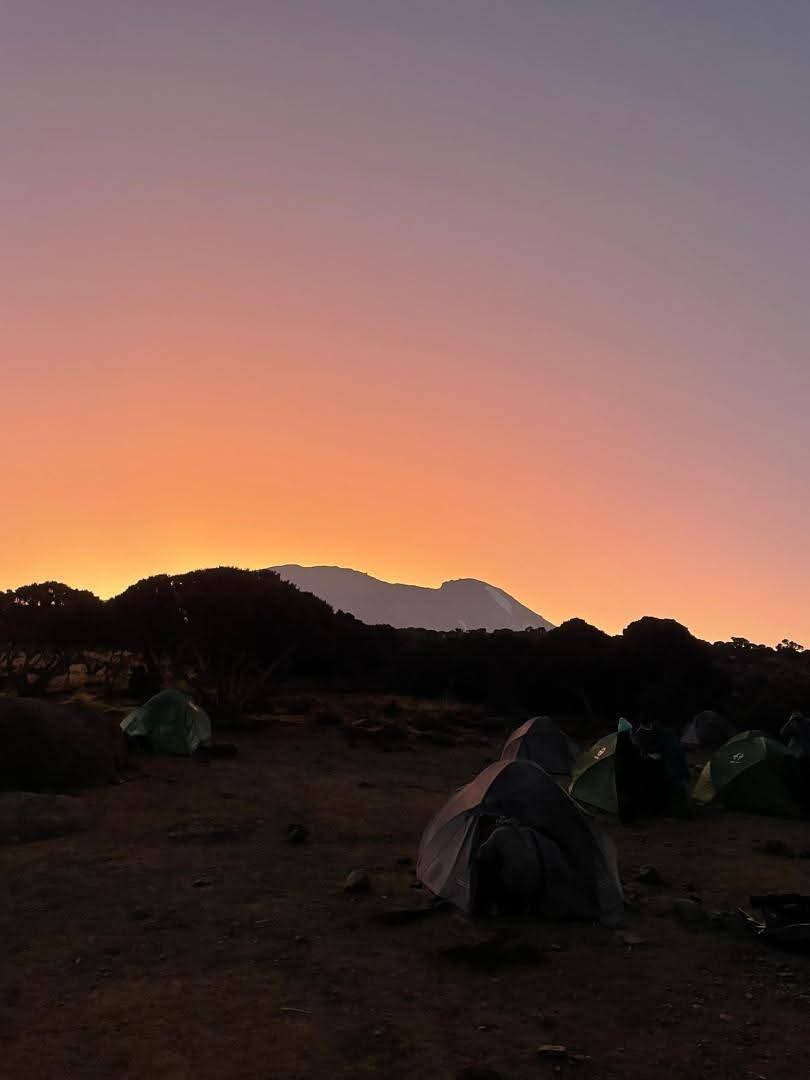
After several hours of trekking, you arrive at Simba Camp. Your crew will prepare the campsite while you relax, enjoy your evening meal and prepare for the next day.
Overnight: Simba Camp
Elevation: 2,625 m to 3,630 m
Distance: Approximately 10 km
Hiking Time: 5–7 hours
Habitat: Moorland
Meals: Breakfast, Lunch & Dinner
Accommodation: Kikelelwa Camp
After breakfast, you leave Simba Camp and continue climbing through the northern slopes of Kilimanjaro.
The forest gradually gives way to open heath and moorland as the altitude increases. The landscape becomes more dramatic, with wide views across the northern plains and toward the surrounding mountain peaks.
You continue toward the Kikelelwa area, maintaining a slow and steady pace to encourage proper acclimatization.
As you approach camp, the vegetation becomes increasingly sparse and the mountain environment more rugged.
After arriving at Kikelelwa Camp, enjoy dinner and rest while your body continues adapting to the higher elevation.
Overnight: Kikelelwa Camp
Elevation: 3,630 m to 4,310 m
Distance: Approximately 6 km
Hiking Time: 4–5 hours
Habitat: Moorland / Alpine Desert
Meals: Breakfast, Lunch & Dinner
Accommodation: Mawenzi Tarn Camp
Today you continue toward the spectacular Mawenzi area.
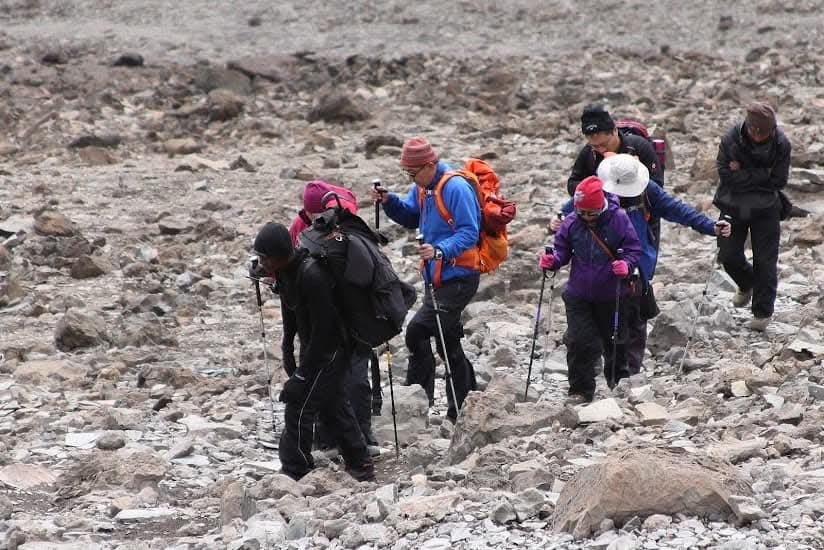
The trail climbs steadily through increasingly rocky terrain as you leave the moorland behind. The dramatic peaks and cliffs of Mawenzi become more prominent as you approach Mawenzi Tarn.
Mawenzi Peak is one of Kilimanjaro's three volcanic cones and creates one of the most impressive landscapes along the Rongai Route.
You arrive at Mawenzi Tarn Camp in the afternoon and have time to rest and enjoy the surrounding scenery.
Depending on weather and energy levels, your guide may organize a short acclimatization walk around the camp area.
This extra time at altitude is important preparation for the higher elevations ahead.
Overnight: Mawenzi Tarn Camp
Elevation: 4,310 m to 4,703 m
Distance: Approximately 8 km
Hiking Time: 5–6 hours
Habitat: Alpine Desert
Meals: Breakfast, Lunch & Dinner
Accommodation: Kibo Hut
After breakfast, you leave the Mawenzi area and begin crossing the high-altitude Saddle, the broad desert-like area between Mawenzi Peak and Kibo Peak.
The landscape is stark and beautiful, with almost no vegetation. You will continue slowly across the open alpine desert toward Kibo Hut.
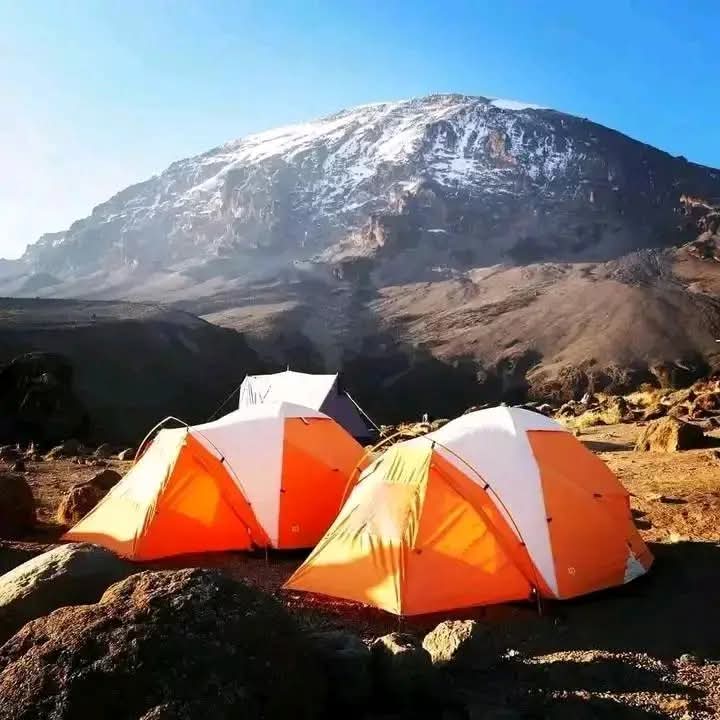
Kibo Hut sits at approximately 4,703 meters and serves as the final overnight stop before the summit attempt.
Once you arrive, your guide will provide a summit briefing and help you prepare for the final climb.
You will have an early dinner and should try to rest as much as possible. The summit attempt begins around midnight.
Overnight: Kibo Hut
Elevation: 4,703 m → 5,895 m → 3,720 m
Distance: Approximately 14–16 km
Hiking Time: 12–15 hours
Habitat: Arctic / Alpine Desert / Moorland
Meals: Breakfast, Lunch & Dinner
Accommodation: Horombo Hut
Summit Day
Today is the most challenging and rewarding day of your Kilimanjaro climb.
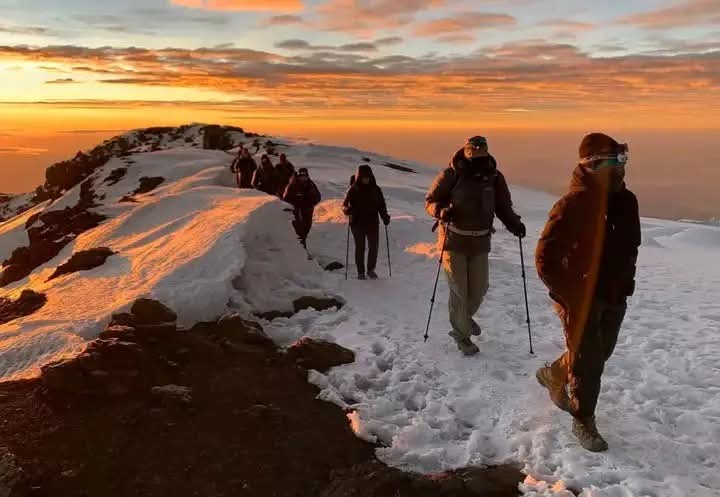
You wake around midnight, have a light meal and begin the slow ascent toward the summit.
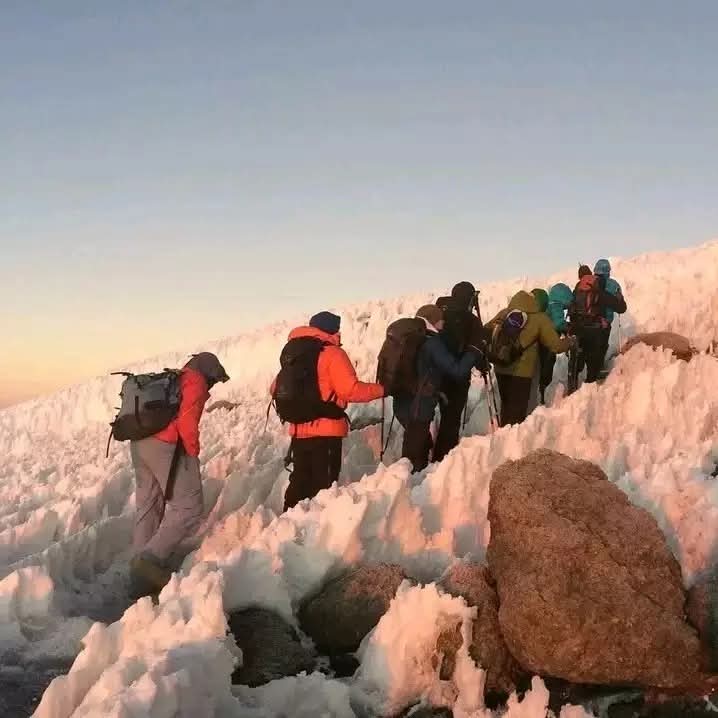
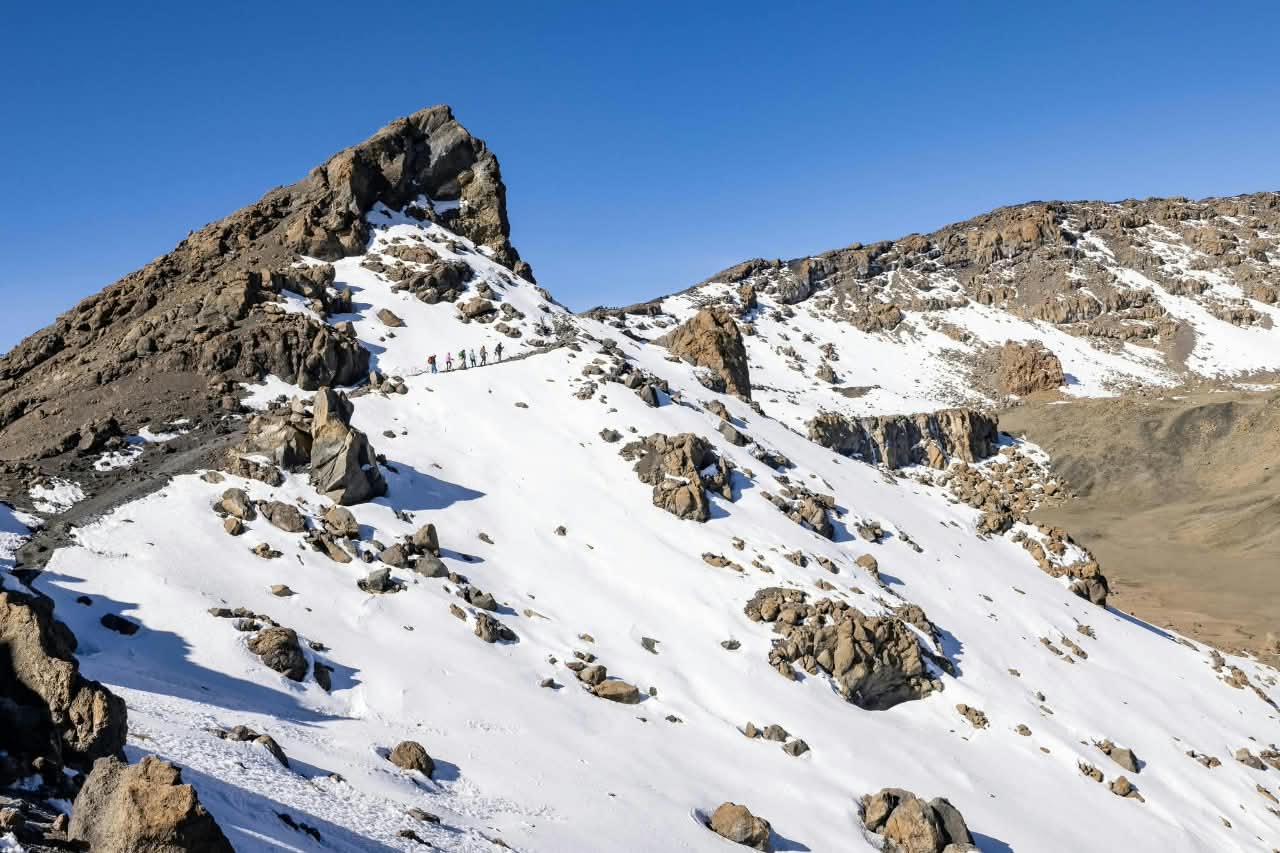
The first section takes you over steep rocky terrain toward Gilman's Point, located on the crater rim at approximately 5,685 meters. The climb is demanding because of the high altitude, darkness and cold temperatures.
Your guide will maintain a slow pace, allowing you to conserve energy for the final section.
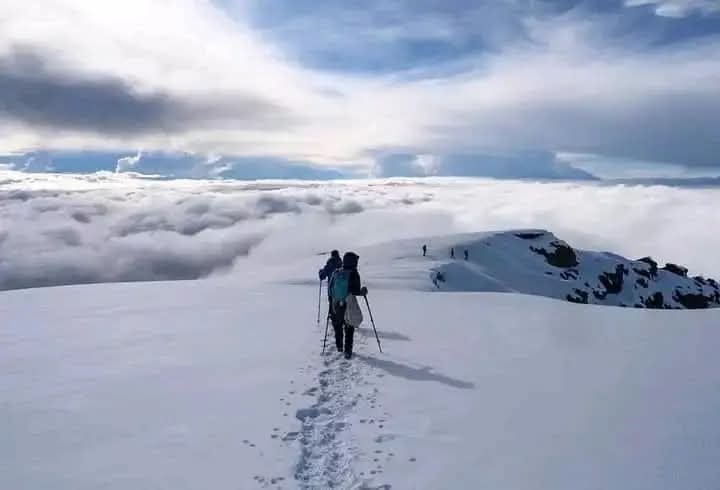
From the crater rim, you continue toward Stella Point and then along the crater toward Uhuru Peak.
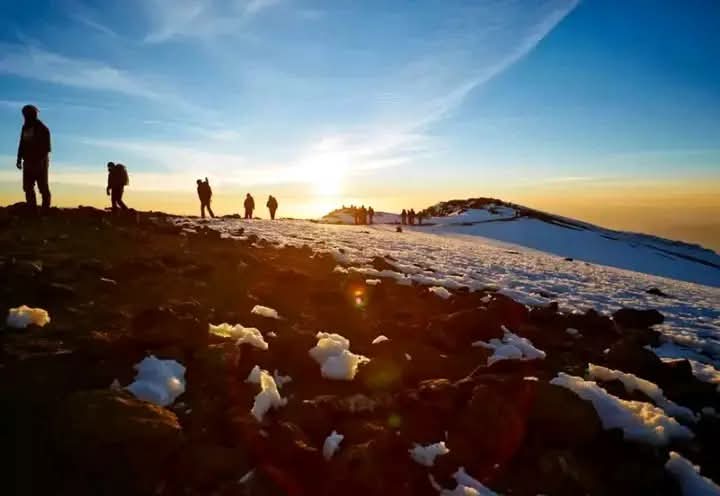
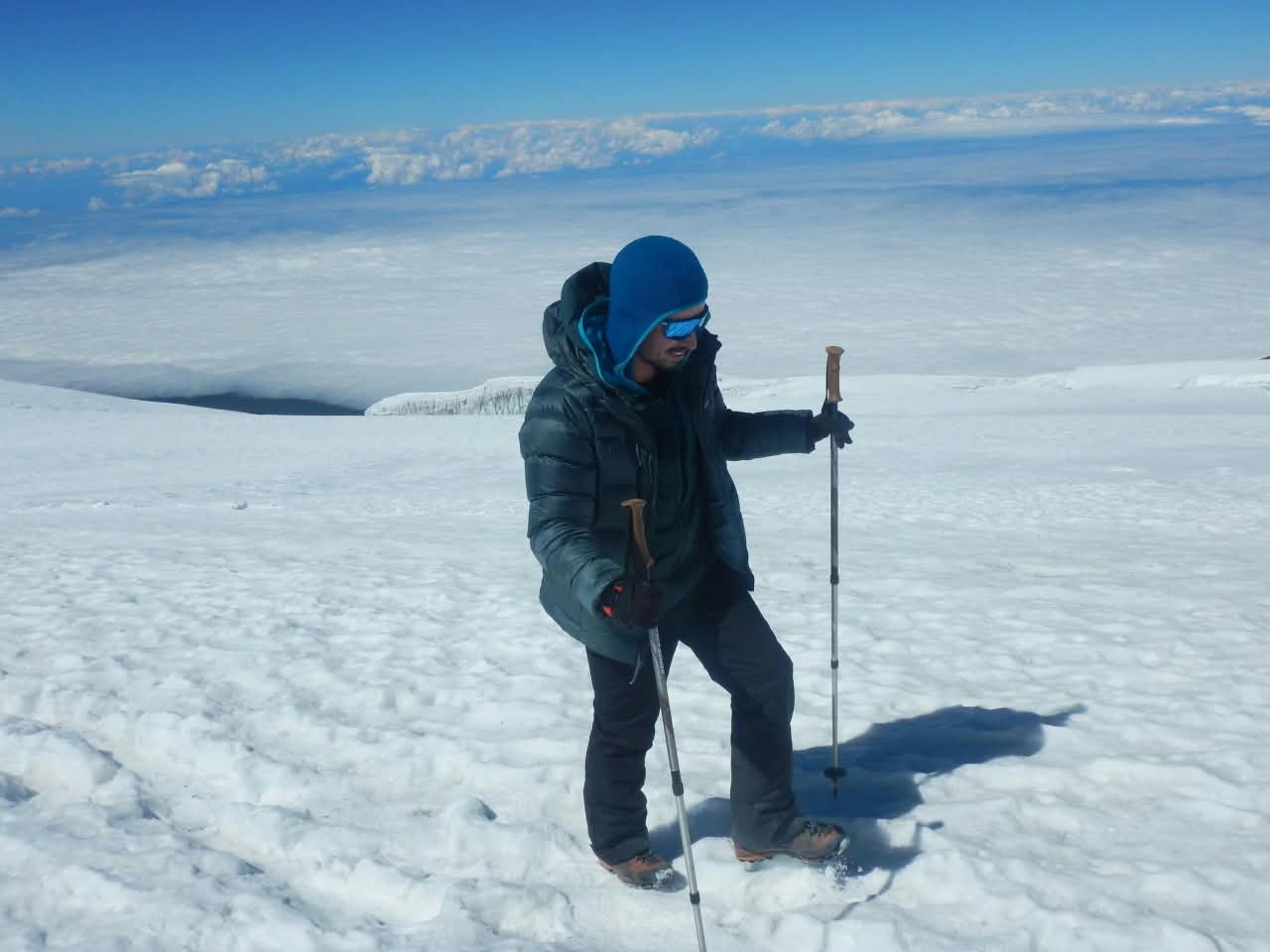
At 5,895 meters, you reach Uhuru Peak—the highest point on Mount Kilimanjaro and the highest point in Africa.
Take time to celebrate your achievement and take photographs at the summit, weather permitting.
After the summit, you begin your long descent toward Kibo Hut for a short rest before continuing down toward Horombo Hut.
As you lose altitude, the air becomes noticeably easier to breathe and the landscape changes from alpine desert back toward moorland.
Arrive at Horombo Hut in the evening, enjoy dinner and rest after the demanding summit day.
Overnight: Horombo Hut
Elevation: 3,720 m to 1,860 m
Distance: Approximately 20 km
Hiking Time: 5–7 hours
Habitat: Moorland / Montane Forest
Meals: Breakfast, Lunch & Dinner
Accommodation: Hotel in Moshi
After breakfast, you begin your final descent toward Marangu Gate.
The trail passes through the moorland before entering the lush montane rainforest. The dramatic change in vegetation is a reminder of how much elevation you have gained and lost during your Kilimanjaro adventure.
You continue through the forest toward Marangu Gate, where you complete the park exit procedures.
After completing your descent, you will receive your Kilimanjaro summit certificate if you successfully reached the required summit point.
Your vehicle will then transfer you to your hotel in Moshi for a well-deserved shower, comfortable bed and overnight rest.
Overnight: Moshi Hotel
Elevation: 800 m / Moshi area
Meals: Breakfast
After breakfast at your hotel, you have a free morning depending on your departure schedule.
You may relax at the hotel or arrange additional activities before your transfer to Kilimanjaro International Airport or another destination in Tanzania.
If you are continuing with a Tanzania safari, Zanzibar holiday or another adventure, your tour can be arranged to connect with your next destination.
Your 7 Days Rongai Route Kilimanjaro adventure officially comes to an end.
Trek Includes & Excludes
What's Included
- Kilimanjaro National Park entry fees
- Kilimanjaro camping/hut fees
- Park rescue fees
- Professional and experienced mountain guides
- Professional mountain porters
- Professional mountain cook
- Mountain crew wages
- Accommodation in mountain tents and mountain huts as applicable
- Sleeping mats where camping is used
- All meals during the trek
- Drinking water throughout the climb
- Kilimanjaro National Park permits
- Government taxes and park fees
- Summit certificate
- Transportation to and from the mountain gates
- Hotel accommodation after the trek as specified in the itinerary
What's Excluded
- International flights
- Tanzania visa
- Travel insurance
- Personal trekking equipment
- Sleeping bag
- Tips for guides, porters and cook
- Personal expenses
- Additional hotel nights not included in the itinerary
- Alcoholic and soft drinks
- Laundry services
- Personal snacks
- Emergency evacuation beyond the standard park rescue arrangement
- Any additional services not specifically mentioned under inclusions
Frequently Asked Questions
FAQs
Yes. The Rongai Route is a challenging high-altitude trek, particularly during the summit attempt. However, the seven-day itinerary provides a gradual ascent and additional time for acclimatization.
Rongai approaches Kilimanjaro from the northeastern side and is known for its quieter trails, gradual ascent and unique northern scenery. It also provides excellent views of Mawenzi Peak.
Yes. Seven days provides a good balance between trekking time and acclimatization. The itinerary allows trekkers to progressively gain elevation before the summit attempt.
No. Technical climbing experience is not required for the Rongai Route. However, good physical fitness and preparation are important because the trek involves long walking days and high altitude.
The highest point is Uhuru Peak at 5,895 meters (19,341 feet) above sea level.
The trek begins on the northeastern side of Mount Kilimanjaro near the Rongai Gate and descends through the southern side of the mountain toward Marangu Gate.
The most popular periods are generally the drier seasons, particularly January–February and June–October. However, Kilimanjaro can be climbed throughout the year.
The northern approach passes through areas where wildlife may occasionally be present, particularly during the lower sections. However, wildlife sightings are not guaranteed.
Success rates vary according to the operator, itinerary, weather, individual fitness and how well trekkers acclimatize. The additional acclimatization time provided by a seven-day itinerary can be beneficial.
Your guide will prioritize your safety. If you experience significant altitude-related symptoms, exhaustion or another serious problem, the appropriate response may be to stop ascending and descend to a safer elevation.
Yes. The trek can be organized as a private climb or as a group trek, depending on your preferred travel arrangement.
Yes. A Kilimanjaro climb can be combined with a safari in destinations such as Serengeti, Ngorongoro, Tarangire and Lake Manyara, followed by a Zanzibar beach holiday if desired.