
Planning to climb Mount Kilimanjaro from the USA? This Kilimanjaro climb guide for Americans covers routes, costs, visas, packing lists, altitude tips, safety, and expert advice for a successful Tanzania adventure.
Quick Summary
If you are planning an African adventure, this Kilimanjaro climb guide for Americans gives you everything you need before traveling to Tanzania. From choosing the best route to understanding altitude sickness, travel insurance, fitness preparation, and visa requirements, American travelers can use this guide to prepare for a safe and unforgettable Mount Kilimanjaro experience. Many Americans choose Tanzania every year because Kilimanjaro offers one of the world’s most achievable high-altitude climbs without technical mountaineering skills.
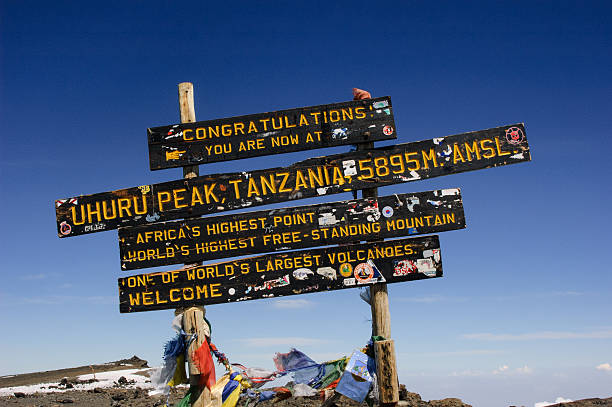
Key Highlights
- Best time for Americans to climb Kilimanjaro
- Visa and travel requirements for US citizens
- How much a Kilimanjaro climb costs
- Altitude sickness prevention tips
- Best Kilimanjaro routes for beginners
- Packing checklist for American travelers
- Safety and travel insurance advice
- Expert recommendations from local guides
Why Americans Love Climbing Mount Kilimanjaro
Mount Kilimanjaro is Africa’s highest mountain and one of the most famous trekking destinations in the world. Every year, thousands of international travelers visit Tanzania, and a large percentage are from the United States. This Kilimanjaro climb guide for Americans explains why the mountain attracts adventure seekers, photographers, hikers, honeymooners, and even first-time trekkers.
Unlike many high mountains around the world, Kilimanjaro does not require technical climbing experience. That makes it ideal for Americans who want a life-changing hiking challenge without needing ropes, ice axes, or advanced mountaineering skills. Most climbers simply need strong determination, proper fitness preparation, and an experienced tour company.
Another reason Americans choose Kilimanjaro is accessibility. Travelers can fly from major US cities to Tanzania through international airlines connecting through Doha, Amsterdam, Istanbul, or Addis Ababa. After landing at Kilimanjaro International Airport, climbers are only a short drive from the mountain.
This Kilimanjaro climb guide for Americans also highlights the cultural experience. Visitors enjoy local Tanzanian hospitality, delicious African cuisine, wildlife safaris, and interactions with Chagga communities living near the mountain. Many travelers combine a Kilimanjaro trek with Serengeti safaris or Zanzibar beach holidays.
Best Time to Climb Kilimanjaro for Americans
One of the most important parts of any Kilimanjaro climb guide for Americans is choosing the right season. Tanzania has two major climbing seasons that offer the best weather conditions.
January to March
This season is quieter and slightly colder. Snow on the summit is often more visible, making photography incredible. Many Americans prefer this season because trails are less crowded.
Advantages
- Fewer climbers
- Beautiful summit snow
- Cooler temperatures
- Better hotel availability
June to October
This is the most popular trekking season and is considered ideal for first-time climbers. Dry weather creates safer trails and better summit visibility.
Advantages
- Dry hiking conditions
- Warmer daytime temperatures
- Excellent summit views
- Easier trekking experience
This Kilimanjaro climb guide for Americans recommends avoiding heavy rainy seasons in April, May, and November because muddy trails increase trekking difficulty.
Entry Requirements for Americans Traveling to Tanzania
Before booking a trek, Americans should understand travel documentation requirements. This Kilimanjaro climb guide for Americans recommends preparing documents at least one month before departure.
Visa Requirements
US citizens need a Tanzanian visa before entering the country. Most travelers use the online eVisa system because it is simple and convenient.
Important Documents
- Valid US passport
- Passport photos
- Flight confirmation
- Hotel or trekking booking details
- Visa payment confirmation
Vaccinations
Travelers should consult a doctor before traveling to Tanzania. Some vaccines may be recommended depending on your travel history and itinerary.
Recommended Health Preparations
- Yellow fever certificate if required
- Malaria prevention medication
- Travel medical kit
- Basic altitude medication consultation
This Kilimanjaro climb guide for Americans strongly advises purchasing international travel insurance that includes emergency evacuation and high-altitude trekking coverage.
Choosing the Best Kilimanjaro Route
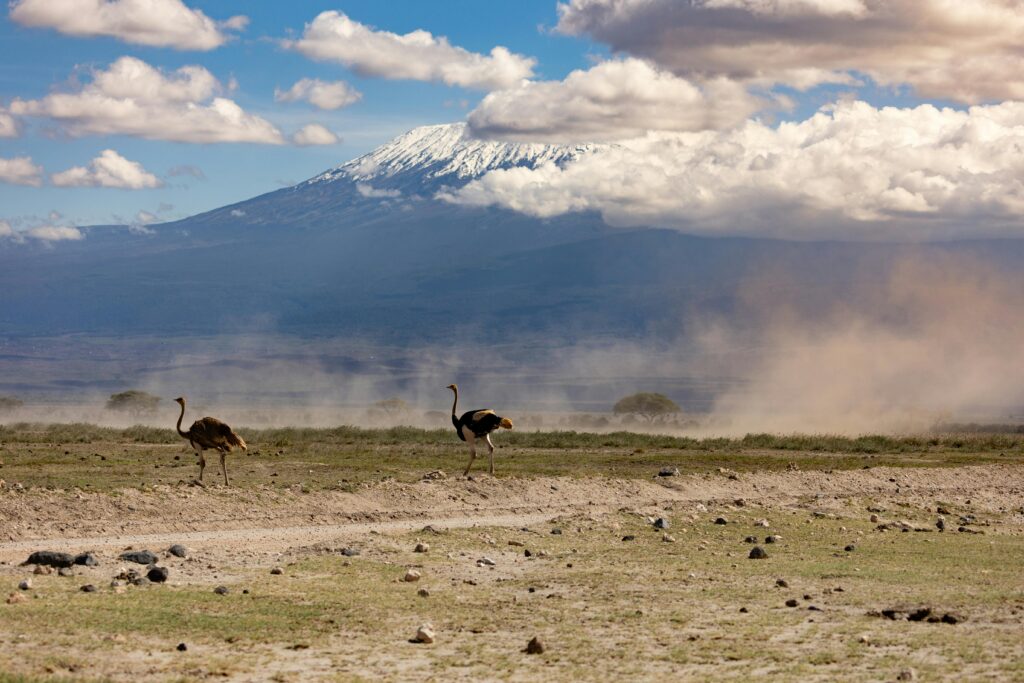
One major decision every traveler faces is selecting the right climbing route. Different routes vary in difficulty, scenery, success rate, and acclimatization time.
Machame Route
The Machame Route is the most popular option for international travelers. It offers excellent scenery and strong summit success rates.
Best For
- Active hikers
- Adventure travelers
- Scenic photography lovers
Lemosho Route
Many experts consider Lemosho the best overall route. This Kilimanjaro climb guide for Americans recommends it for travelers wanting better acclimatization and a less crowded experience.
Benefits
- High summit success rate
- Beautiful landscapes
- More gradual ascent
- Excellent acclimatization profile
Marangu Route
This route is often called the “Coca-Cola Route” because it has hut accommodations instead of camping.
Best For
- Beginners
- Travelers wanting basic comfort
- Shorter itineraries
However, shorter routes sometimes reduce acclimatization time. This Kilimanjaro climb guide for Americans recommends avoiding very short climbs because altitude sickness risk increases significantly.
Physical Preparation for American Travelers
One of the biggest mistakes travelers make is underestimating the mountain. Even though Kilimanjaro is non-technical, summit day is physically demanding.
This Kilimanjaro climb guide for Americans recommends beginning fitness training at least eight weeks before departure.
Recommended Training Activities
- Hiking with elevation gain
- Stair climbing workouts
- Cardiovascular exercises
- Long-distance walking
- Strength training
Americans living in flat states should focus heavily on endurance training because altitude affects everyone differently. Fitness does not completely prevent altitude sickness, but it improves recovery and stamina during the climb.
Essential Packing Checklist
Packing correctly is critical for summit success. Weather conditions on Kilimanjaro range from tropical heat to freezing summit temperatures.
Must-Have Gear
- Waterproof hiking boots
- Thermal base layers
- Insulated jacket
- Trekking poles
- Warm gloves
- Sleeping bag
- Headlamp
- Hydration system
- Sunscreen
- Sunglasses
This Kilimanjaro climb guide for Americans also recommends layering clothes because temperatures change dramatically during the trek.
Hiring equipment in Tanzania is possible, but experienced travelers often prefer bringing personal hiking boots and clothing for comfort and reliability.
Final Thoughts
Climbing Africa’s highest mountain is a dream for many travelers from the United States. With proper preparation, the right route, and support from experienced local guides, Americans can safely enjoy one of the world’s greatest trekking adventures.
This Kilimanjaro climb guide for Americans helps travelers understand what to expect before arriving in Tanzania. From visas and packing to fitness and route selection, careful preparation increases both safety and summit success.
In the next section, we will cover Kilimanjaro climbing costs, detailed route comparisons, altitude sickness prevention strategies, and expert trekking advice for first-time American climbers.
Understanding Kilimanjaro Climbing Costs for Americans
One of the most common questions in any Kilimanjaro climb guide for Americans is the total cost of climbing Africa’s highest mountain. The overall budget depends on route selection, trekking duration, accommodation quality, travel season, and operator experience. Americans traveling to Tanzania should prepare for both trekking expenses and international travel costs.
Most quality Kilimanjaro packages include park fees, guide services, porters, meals, camping equipment, airport transfers, and accommodations before and after the climb. Flights from the United States are usually booked separately.
Average Kilimanjaro Budget for Americans
| Expense Category | Estimated Cost |
|---|---|
| International Flights | $900 – $2,000 |
| Kilimanjaro Trek Package | $2,000 – $5,000 |
| Tanzania Visa | $100 |
| Travel Insurance | $150 – $400 |
| Tips for Crew | $250 – $500 |
| Hotel Accommodation | $80 – $300 |
| Personal Gear | $300 – $1,000 |
This Kilimanjaro climb guide for Americans recommends avoiding extremely cheap trekking operators because safety standards, food quality, porter treatment, and guide experience may be compromised.
Kilimanjaro Route Comparison for American Travelers
Choosing the right route is one of the biggest decisions for climbers. Each route offers different scenery, acclimatization opportunities, and difficulty levels. Americans should select routes based on fitness level, hiking experience, and available vacation time.
Comparison Table of Major Kilimanjaro Routes
| Route | Duration | Difficulty | Success Rate | Accommodation | Best For |
|---|---|---|---|---|---|
| Machame | 6–7 Days | Moderate | High | Camping | Scenic adventure |
| Lemosho | 7–8 Days | Moderate | Very High | Camping | Best acclimatization |
| Marangu | 5–6 Days | Moderate | Lower | Huts | Budget travelers |
| Rongai | 6–7 Days | Easier | Good | Camping | Dry conditions |
| Northern Circuit | 8–9 Days | Moderate | Excellent | Camping | Maximum acclimatization |
This Kilimanjaro climb guide for Americans strongly recommends longer itineraries because extra acclimatization days dramatically improve summit success rates.
Why the Lemosho Route Is Popular Among Americans
The Lemosho Route has become increasingly popular among US travelers because it combines stunning scenery with excellent acclimatization profiles. Many professional guides consider it one of the safest and most enjoyable options on the mountain.
Benefits of the Lemosho Route
- Lower crowd levels during early days
- Better altitude adaptation
- Spectacular panoramic views
- Higher summit success rates
- Diverse ecological zones
This Kilimanjaro climb guide for Americans suggests choosing a seven or eight-day Lemosho itinerary for first-time climbers.
Altitude Sickness: What Americans Need to Know
Altitude sickness is one of the most important safety concerns on Kilimanjaro. Since the summit reaches 5,895 meters above sea level, climbers may experience symptoms caused by reduced oxygen levels.
Common Symptoms
- Headaches
- Nausea
- Dizziness
- Fatigue
- Loss of appetite
- Difficulty sleeping
This Kilimanjaro climb guide for Americans emphasizes that altitude sickness can affect anyone regardless of age or fitness level.
How to Reduce Altitude Risks
Follow the “Pole Pole” Strategy
In Tanzania, guides often say “pole pole,” meaning “slowly slowly.” Slow walking helps the body adapt to altitude changes more effectively.
Drink Plenty of Water
Hydration is essential during the climb. Most guides recommend drinking at least three to four liters daily.
Choose Longer Routes
Routes with additional acclimatization days significantly improve summit success rates.
Avoid Alcohol Before the Trek
Alcohol can contribute to dehydration and reduce physical performance.
This Kilimanjaro climb guide for Americans also recommends discussing altitude medication options with a healthcare provider before traveling to Tanzania.
Daily Trekking Experience on Kilimanjaro
Many Americans wonder what daily life looks like during the climb. Trekking days vary depending on route and elevation, but most follow a similar structure.
Typical Daily Schedule
Morning
- Wake-up tea or coffee
- Breakfast at camp
- Packing gear
- Begin trekking
Afternoon
- Lunch break on the trail
- Arrival at next campsite
- Rest and hydration
Evening
- Hot dinner
- Health checks by guides
- Briefing for next day
- Early sleep
This Kilimanjaro climb guide for Americans explains that summit night is usually the hardest part of the trek. Climbers begin ascending around midnight in freezing temperatures to reach Uhuru Peak at sunrise.
Importance of Hiring Professional Local Guides
Choosing a reputable trekking company is essential for safety and overall experience. Experienced guides monitor climbers for altitude symptoms, organize logistics, and provide motivation throughout the journey.
What Professional Operators Provide
- Certified mountain guides
- Proper safety equipment
- Nutritious meals
- Emergency evacuation support
- Ethical porter treatment
- Oxygen systems on some climbs
This Kilimanjaro climb guide for Americans recommends verifying whether operators belong to recognized tourism associations in Tanzania.
Food and Nutrition During the Climb
Nutrition plays an important role in maintaining energy levels during multi-day trekking. Most Kilimanjaro operators provide surprisingly varied meals considering the mountain environment.
Common Meals on Kilimanjaro
Breakfast
- Eggs
- Toast
- Oatmeal
- Pancakes
- Fruit
- Tea and coffee
Lunch
- Soup
- Sandwiches
- Pasta
- Chicken
- Vegetables
Dinner
- Rice
- Potatoes
- Beef or chicken
- Fresh vegetables
- Dessert
This Kilimanjaro climb guide for Americans advises climbers to communicate dietary restrictions before arrival in Tanzania. Vegetarian, vegan, gluten-free, and halal meal options are often available.
Mental Preparation for Summit Day
While physical preparation matters, mental strength is equally important. Summit night can test endurance, patience, and determination.
Challenges During Summit Push
- Freezing temperatures
- Thin oxygen levels
- Steep terrain
- Darkness
- Fatigue
Many Americans experience emotional moments upon reaching Uhuru Peak because the journey represents personal achievement, resilience, and adventure.
This Kilimanjaro climb guide for Americans encourages climbers to maintain a positive mindset, trust their guides, and focus on steady progress instead of speed.
Photography and Scenic Highlights
Kilimanjaro offers extraordinary photography opportunities across multiple climate zones. Climbers pass through rainforest, moorland, alpine desert, and arctic summit environments during the journey.
Best Photography Spots
- Shira Plateau
- Barranco Wall
- Lava Tower
- Karanga Valley
- Stella Point
- Uhuru Peak
This Kilimanjaro climb guide for Americans recommends carrying extra camera batteries because cold temperatures drain battery life quickly.
Travel Insurance for Kilimanjaro Climbers
Travel insurance is essential for high-altitude trekking. Americans should choose policies covering emergency evacuation, medical treatment, trip interruption, and adventure travel activities.
Important Insurance Features
- High-altitude trekking coverage
- Emergency helicopter evacuation
- Medical expenses abroad
- Flight cancellation protection
- Lost baggage protection
This Kilimanjaro climb guide for Americans strongly advises reading policy details carefully because some insurance companies exclude mountain trekking above certain elevations.
Final Thoughts
Planning a successful Kilimanjaro adventure requires careful budgeting, route selection, altitude preparation, and mental readiness. Americans who prepare properly usually enjoy a safe and unforgettable trekking experience in Tanzania.
This Kilimanjaro climb guide for Americans helps travelers understand the realities of climbing Africa’s highest mountain while avoiding common mistakes made by first-time trekkers. Choosing experienced guides, allowing enough acclimatization time, and maintaining realistic expectations can significantly improve summit success.
In the next section, we will explore Tanzania travel logistics, safari extensions, accommodation recommendations, cultural experiences, packing strategies, and expert FAQs for American travelers visiting Kilimanjaro.
Planning Your Arrival in Tanzania
An important part of every Kilimanjaro climb guide for Americans is understanding how to travel smoothly from the United States to Tanzania. Proper travel planning reduces stress and helps climbers focus on the adventure ahead. Most American travelers arrive through Kilimanjaro International Airport, which is located between Arusha and Moshi, the two main gateway towns for Mount Kilimanjaro expeditions.
Flights from major US cities usually connect through international hubs such as Doha, Amsterdam, Istanbul, Nairobi, or Addis Ababa. Depending on airline schedules, total travel time can range between twenty and thirty hours. This Kilimanjaro climb guide for Americans recommends arriving in Tanzania at least one or two days before the trek begins to recover from jet lag and organize equipment.
Important Arrival Tips for Americans
Prepare Cash in Advance
Although credit cards are accepted in many hotels, travelers should carry some US dollars for tips, small purchases, and airport expenses.
Check Passport Validity
Passports should remain valid for at least six months beyond the travel date.
Keep Important Documents Accessible
Americans should carry:
- Passport copies
- Insurance details
- Emergency contacts
- Trekking confirmation documents
- Vaccination records if necessary
This Kilimanjaro climb guide for Americans also recommends informing banks about international travel plans to avoid blocked card transactions in Tanzania.
Best Accommodation Options Before and After the Climb
Choosing comfortable accommodation before and after the trek helps climbers recover physically and mentally. Most trekking companies organize hotel stays in Moshi or Arusha.
Types of Accommodation Available
Budget Lodges
Budget lodges are affordable and suitable for travelers focusing mainly on trekking activities.
Mid-Range Hotels
These hotels offer comfortable rooms, Wi-Fi, swimming pools, and restaurant services.
Luxury Safari Lodges
Luxury properties provide premium services, spa treatments, and exceptional views of Mount Kilimanjaro.
This Kilimanjaro climb guide for Americans suggests staying in Moshi because it offers quicker access to Kilimanjaro National Park gates and a strong tourism infrastructure.
Combining Kilimanjaro with a Tanzania Safari
One reason Tanzania is extremely popular among Americans is the ability to combine mountain trekking with world-class wildlife safaris. Many travelers climb Kilimanjaro first and then continue to national parks afterward.
Best Safari Destinations After Kilimanjaro
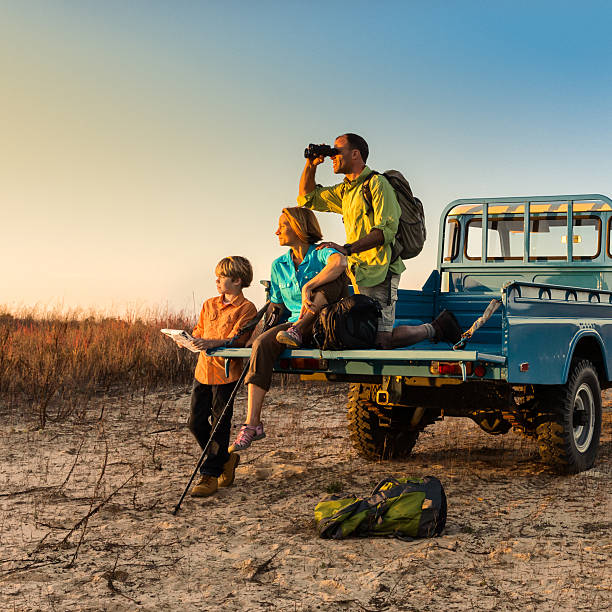
Serengeti National Park
The Serengeti is famous for the Great Migration and abundant wildlife including lions, elephants, cheetahs, and giraffes.
Ngorongoro Crater
This UNESCO World Heritage Site offers one of Africa’s best wildlife viewing experiences.
Tarangire National Park
Tarangire is known for large elephant populations and iconic baobab trees.
Lake Manyara National Park
This smaller park is popular for birdlife and tree-climbing lions.
This Kilimanjaro climb guide for Americans recommends adding at least three safari days after the climb because recovery time allows travelers to enjoy wildlife experiences more comfortably.
Zanzibar Beach Holidays After Kilimanjaro
After several days of trekking, many Americans prefer relaxing on Zanzibar Island. White-sand beaches, turquoise waters, and luxury resorts make Zanzibar an ideal post-climb destination.
Popular Zanzibar Activities
- Snorkeling
- Scuba diving
- Spice tours
- Historical Stone Town tours
- Sunset dhow cruises
- Beach relaxation
This Kilimanjaro climb guide for Americans highlights Zanzibar as an excellent honeymoon extension for couples climbing Kilimanjaro together.
Understanding Tanzanian Culture
Cultural experiences are an important part of visiting Tanzania. Americans often appreciate the warmth and friendliness of local communities around Mount Kilimanjaro.
Basic Swahili Phrases
Learning a few Swahili expressions improves interactions with guides and local residents.
| English | Swahili |
|---|---|
| Hello | Jambo |
| Thank you | Asante |
| Welcome | Karibu |
| Slowly | Pole Pole |
| Goodbye | Kwaheri |
This Kilimanjaro climb guide for Americans encourages respectful cultural engagement and responsible tourism practices throughout the journey.
Porter Support and Ethical Climbing
Porters are essential members of every Kilimanjaro expedition. They carry equipment, prepare camps, transport food, and support climbers throughout the trek.
Why Ethical Treatment Matters
Responsible operators ensure:
- Fair wages
- Proper meals
- Adequate equipment
- Safe working conditions
- Reasonable load limits
This Kilimanjaro climb guide for Americans strongly recommends choosing companies that support ethical porter treatment initiatives.
Communication and Internet Access
Americans visiting Tanzania often ask about internet reliability and mobile connectivity during the climb.
What Travelers Should Expect
Before the Trek
Hotels in Moshi and Arusha usually provide Wi-Fi access.
During the Trek
Internet access is extremely limited on the mountain. Some areas may briefly receive mobile signals, but climbers should prepare for mostly offline conditions.
This Kilimanjaro climb guide for Americans views limited connectivity as a positive experience because it allows travelers to disconnect from daily distractions and focus fully on nature.
Safety Tips for American Travelers in Tanzania
Tanzania is generally considered safe for tourists, especially in major tourism areas. However, travelers should still follow common international safety practices.
Recommended Safety Guidelines
- Avoid displaying expensive jewelry
- Keep valuables secured
- Use registered tour operators
- Follow guide instructions
- Carry copies of important documents
- Drink bottled or filtered water
This Kilimanjaro climb guide for Americans also advises travelers to purchase quality medical evacuation insurance before departure.
Packing Strategies for Different Weather Conditions
One challenge on Kilimanjaro is dealing with rapidly changing temperatures. Climbers may experience tropical heat at lower elevations and freezing conditions near the summit.
Layering System Explained
Base Layer
Moisture-wicking clothing helps keep the body dry.
Mid Layer
Insulating layers retain body heat during cold conditions.
Outer Layer
Waterproof jackets protect against rain and wind.
This Kilimanjaro climb guide for Americans emphasizes that layering is more effective than carrying extremely heavy clothing.
Common Mistakes Americans Make on Kilimanjaro
Understanding common mistakes can help climbers improve their overall experience and summit chances.
Frequent Errors
Choosing Short Routes
Short itineraries reduce acclimatization time and increase altitude risks.
Ignoring Hydration
Dehydration worsens altitude sickness symptoms.
Packing Too Much
Overpacking creates unnecessary discomfort during travel.
Climbing Too Fast
Rapid ascent reduces oxygen adaptation.
Underestimating Summit Night
Many climbers mentally prepare for hiking days but underestimate summit difficulty.
This Kilimanjaro climb guide for Americans recommends realistic expectations and proper preparation rather than focusing only on reaching the summit.
Expert Recommendations for First-Time American Climbers
Experienced Kilimanjaro guides consistently share similar advice for first-time trekkers.
Expert Tips
- Train consistently before the climb
- Choose longer routes
- Invest in quality boots
- Listen to guides carefully
- Walk slowly
- Eat even when appetite decreases
- Stay hydrated
- Maintain positive thinking
This Kilimanjaro climb guide for Americans also recommends arriving with an open mindset because weather, trail conditions, and personal energy levels can vary throughout the expedition.
Frequently Asked Questions
Is Kilimanjaro Safe for Americans?
Yes. Thousands of Americans climb Kilimanjaro safely every year with experienced guides and proper preparation.
Do Americans Need Climbing Experience?
No technical climbing experience is required for most Kilimanjaro routes.
How Difficult Is Kilimanjaro?
The trek is physically demanding mainly because of altitude rather than technical climbing challenges.
What Is the Best Age to Climb Kilimanjaro?
People of various ages successfully climb Kilimanjaro each year. Physical fitness and preparation matter more than age.
How Long Does the Climb Take?
Most routes require between five and nine days depending on itinerary selection.
This Kilimanjaro climb guide for Americans recommends selecting itineraries with more acclimatization days for better summit success rates.
Final Thoughts
Traveling to Tanzania for a Kilimanjaro expedition offers far more than simply reaching a mountain summit. Americans experience diverse cultures, incredible wildlife, unforgettable landscapes, and meaningful personal achievement throughout the journey.