
Planning to climb Mount Kilimanjaro from Europe? This Kilimanjaro climbing guide for Europeans covers routes, costs, travel requirements, altitude tips, safety, packing lists, and expert advice for a successful Tanzania adventure.
Quick Summary
This Kilimanjaro climbing guide for Europeans explains everything travelers need before climbing Africa’s highest mountain. From choosing the best Kilimanjaro route and understanding Tanzania travel requirements to altitude sickness prevention, packing strategies, and trekking costs, this guide helps European travelers prepare for a safe and unforgettable experience. Many visitors from the United Kingdom, Germany, France, Italy, Spain, the Netherlands, and Scandinavia travel to Tanzania every year to climb Mount Kilimanjaro because it offers one of the world’s most accessible high-altitude adventures.
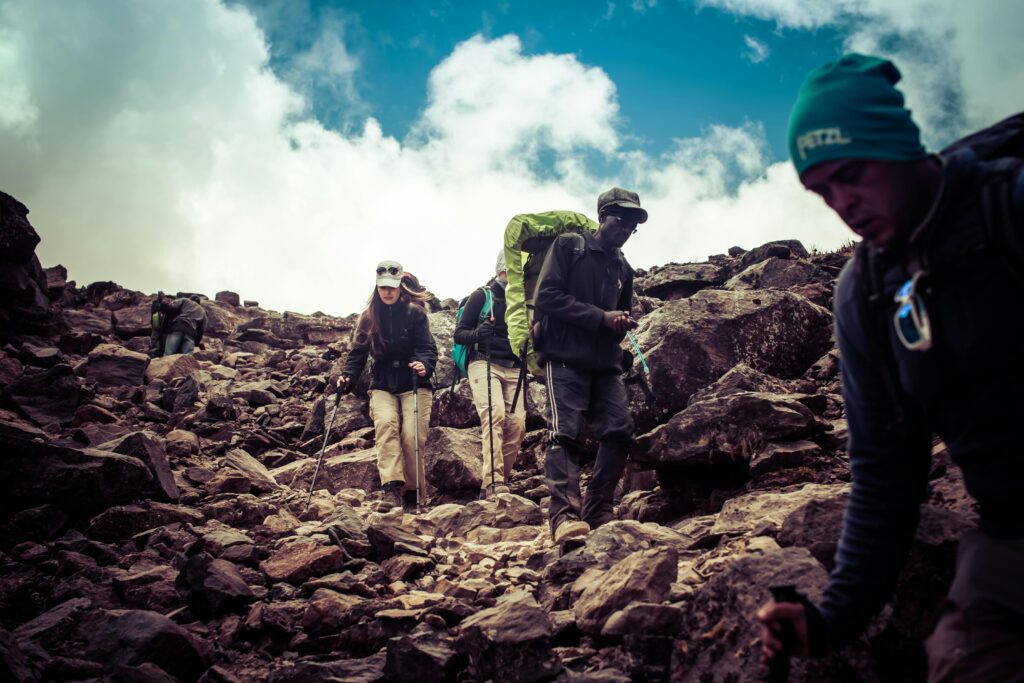
Key Highlights
- Best time for Europeans to climb Kilimanjaro
- Tanzania visa and travel requirements
- Best Kilimanjaro routes for European climbers
- Kilimanjaro trekking costs explained
- Altitude sickness prevention tips
- Packing checklist for European travelers
- Travel insurance recommendations
- Expert climbing advice for beginners
Why Mount Kilimanjaro Attracts European Travelers
Mount Kilimanjaro is one of the most famous trekking destinations in the world. Located in Tanzania, the mountain rises to 5,895 meters above sea level and attracts thousands of climbers every year. This Kilimanjaro climbing guide for Europeans explains why the mountain has become a dream destination for travelers across Europe.
Unlike technical mountains requiring ropes and ice-climbing skills, Kilimanjaro can be climbed by hikers with proper preparation and determination. Many Europeans choose Kilimanjaro because it combines adventure, wildlife, cultural experiences, and breathtaking scenery in one journey.
Another reason Europeans love Tanzania is accessibility. Several international airlines operate routes from European cities to Kilimanjaro International Airport through connections in Doha, Amsterdam, Istanbul, Nairobi, or Addis Ababa. This makes Tanzania easier to reach compared to many other African trekking destinations.
This Kilimanjaro climbing guide for Europeans also highlights the opportunity to combine mountain trekking with safari experiences. Many travelers extend their holiday by visiting Serengeti National Park, Ngorongoro Crater, or Zanzibar beaches after the climb.
Best Time to Climb Kilimanjaro for Europeans
Choosing the right season is one of the most important parts of planning a successful trek. This Kilimanjaro climbing guide for Europeans recommends selecting months with dry weather and stable trail conditions.
January to March Season
This season offers cooler temperatures and quieter trails. Snow coverage near the summit is often more visible, creating excellent photography conditions.
Advantages
- Fewer crowds
- Beautiful summit snow
- Cooler climbing conditions
- Peaceful trekking experience
June to October Season
This is the most popular climbing period because weather conditions are usually dry and visibility is excellent.
Advantages
- Better trail conditions
- Warmer daytime temperatures
- Excellent summit visibility
- Higher popularity among first-time climbers
This Kilimanjaro climbing guide for Europeans recommends avoiding heavy rainy months such as April, May, and November because slippery trails increase trekking difficulty.
Tanzania Entry Requirements for Europeans
Travelers from Europe should prepare their travel documents carefully before departure. This Kilimanjaro climbing guide for Europeans recommends confirming all requirements at least one month before travel.
Passport Requirements
European travelers need passports valid for at least six months after arrival in Tanzania.
Tanzania Visa Information
Some European countries receive visa exemptions while others require eVisas or visas on arrival. Travelers should verify the latest immigration regulations before booking flights.
Important Travel Documents
- Passport
- Flight tickets
- Hotel reservations
- Trekking confirmation documents
- Insurance information
This Kilimanjaro climbing guide for Europeans also recommends carrying printed copies of important travel documents during international transit.
Choosing the Best Kilimanjaro Route
Different Kilimanjaro routes provide different trekking experiences. Route selection depends on fitness level, trekking experience, budget, and available travel time.
Machame Route
The Machame Route is famous for scenic landscapes and strong summit success rates.
Best For
- Adventure travelers
- Scenic trekking experiences
- Active hikers
Lemosho Route
Many trekking experts consider Lemosho one of the best routes because of excellent acclimatization opportunities.
Benefits
- Better acclimatization
- High summit success rate
- Beautiful scenery
- Less crowded early stages
Marangu Route
Marangu is known for hut accommodations instead of camping.
Best For
- Beginners
- Budget-conscious travelers
- Climbers preferring hut accommodation
This Kilimanjaro climbing guide for Europeans strongly recommends avoiding very short itineraries because altitude adaptation becomes more difficult.
Physical Preparation Before Climbing Kilimanjaro
Many people underestimate Kilimanjaro because it does not require technical climbing skills. However, altitude and long trekking days create serious physical challenges.
This Kilimanjaro climbing guide for Europeans recommends beginning training at least two months before departure.
Recommended Fitness Activities
- Long-distance walking
- Hiking with elevation gain
- Cardio training
- Stair climbing
- Leg strength exercises
- Endurance workouts
Travelers from flat regions should focus especially on endurance and cardiovascular fitness because altitude affects oxygen levels significantly.
Essential Packing List for European Climbers
Packing correctly is critical for summit success. Climbers experience dramatic weather changes while ascending Kilimanjaro.
Important Gear Items
- Waterproof hiking boots
- Thermal clothing
- Down jacket
- Waterproof outer shell
- Trekking poles
- Warm gloves
- Headlamp
- Sleeping bag
- Hydration system
- Sunglasses
This Kilimanjaro climbing guide for Europeans recommends using layering systems instead of extremely heavy clothing because temperatures vary throughout the climb.
Importance of Travel Insurance
Travel insurance is essential for all high-altitude trekking activities. European travelers should choose insurance policies covering mountain climbing and emergency evacuation.
Recommended Insurance Features
- High-altitude trekking coverage
- Emergency medical evacuation
- International medical treatment
- Trip cancellation protection
- Lost luggage protection
This Kilimanjaro climbing guide for Europeans strongly advises checking policy details carefully because some insurance providers exclude trekking above certain elevations.
Why Choosing the Right Tour Operator Matters
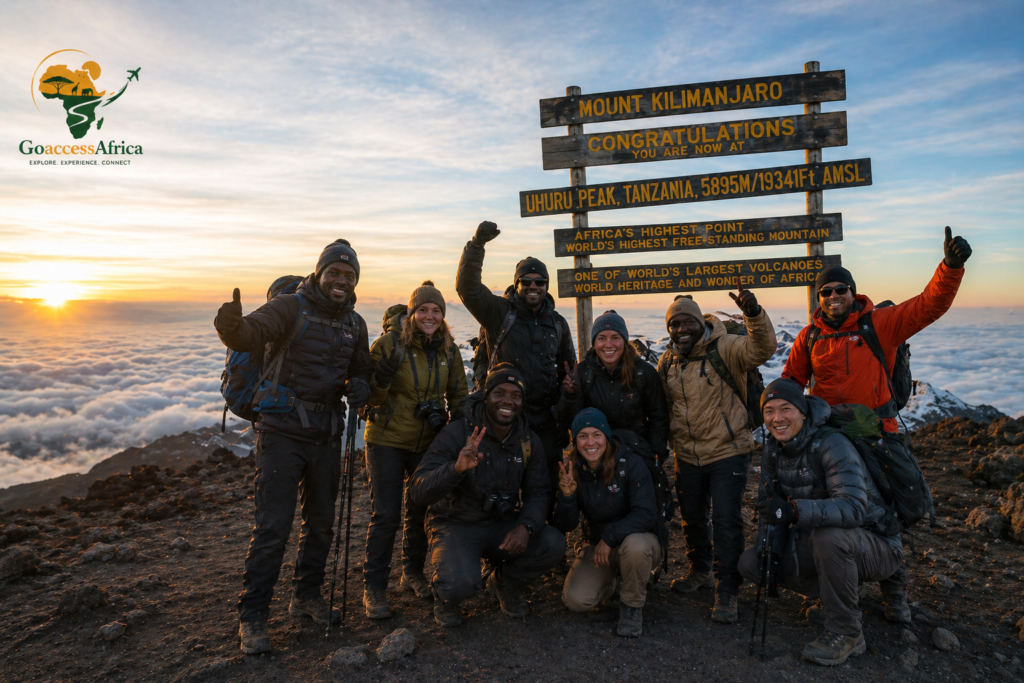
Selecting a professional trekking company significantly improves safety and overall climbing experience.
What Quality Operators Provide
- Certified mountain guides
- Proper safety equipment
- Nutritious meals
- Ethical porter treatment
- Oxygen monitoring
- Emergency procedures
This Kilimanjaro climbing guide for Europeans recommends choosing experienced Tanzanian operators with strong safety reputations and positive customer reviews.
Cultural Experiences Around Kilimanjaro
Climbing Kilimanjaro is not only about reaching the summit. Travelers also experience Tanzanian culture, hospitality, and local traditions.
Popular Cultural Activities
- Chagga village tours
- Coffee farm visits
- Local market experiences
- Traditional Tanzanian meals
- Cultural dance performances
This Kilimanjaro climbing guide for Europeans encourages respectful interaction with local communities and support for sustainable tourism initiatives.
Final Thoughts
Climbing Mount Kilimanjaro is one of the most rewarding adventures available to European travelers. With proper preparation, realistic expectations, and support from experienced guides, reaching Uhuru Peak becomes an achievable goal for many hikers.
This Kilimanjaro climbing guide for Europeans helps travelers understand the importance of route selection, fitness preparation, packing strategies, and travel planning before arriving in Tanzania. Good preparation improves safety, comfort, and summit success while creating a more enjoyable trekking experience.
In the next section, we will explore detailed Kilimanjaro route comparisons, trekking costs, altitude sickness prevention strategies, accommodation options, and expert recommendations for European climbers planning their Tanzania adventure.
Understanding Kilimanjaro Trekking Costs for European Travelers
One of the most important topics in every Kilimanjaro climbing guide for Europeans is understanding the total cost of climbing Mount Kilimanjaro. European travelers should prepare for international flights, trekking packages, travel insurance, visa fees, hotel accommodation, and climbing equipment. The final budget depends on route selection, travel season, accommodation standards, and operator quality.
This Kilimanjaro climbing guide for Europeans recommends prioritizing safety and professional guide services instead of selecting extremely cheap trekking packages. Quality operators usually provide better equipment, experienced mountain crews, proper safety procedures, and ethical porter treatment.
Average Kilimanjaro Climbing Costs
| Expense Category | Estimated Cost |
|---|---|
| International Flights | €700 – €1,800 |
| Kilimanjaro Trek Package | €1,800 – €4,500 |
| Tanzania Visa | €50 – €100 |
| Travel Insurance | €120 – €350 |
| Hotel Accommodation | €70 – €300 |
| Tips for Mountain Crew | €250 – €500 |
| Personal Trekking Gear | €250 – €900 |
This Kilimanjaro climbing guide for Europeans explains that longer routes often cost more because of additional park fees, guide salaries, accommodation days, and food supplies. However, longer itineraries also improve acclimatization and summit success rates.
Best Kilimanjaro Routes for European Climbers
Choosing the right route is one of the most important decisions during trek planning. Every route offers different scenery, acclimatization opportunities, crowd levels, and trekking difficulty. This Kilimanjaro climbing guide for Europeans helps travelers compare the major Kilimanjaro routes before booking their expedition.
Kilimanjaro Route Comparison Table
| Route | Duration | Difficulty | Summit Success Rate | Accommodation | Best For |
|---|---|---|---|---|---|
| Machame Route | 6–7 Days | Moderate | High | Camping | Scenic trekking |
| Lemosho Route | 7–8 Days | Moderate | Very High | Camping | Best acclimatization |
| Marangu Route | 5–6 Days | Moderate | Lower | Mountain huts | Budget travelers |
| Rongai Route | 6–7 Days | Easier | Good | Camping | Dry season trekking |
| Northern Circuit | 8–9 Days | Moderate | Excellent | Camping | Maximum acclimatization |
This Kilimanjaro climbing guide for Europeans strongly recommends routes lasting seven days or longer because proper acclimatization greatly reduces altitude sickness risks.
Why the Lemosho Route Is Highly Recommended
Many trekking experts consider the Lemosho Route one of the best choices for international climbers. This Kilimanjaro climbing guide for Europeans recommends Lemosho for travelers seeking strong summit success rates, scenic beauty, and lower crowd levels during early trekking days.
Advantages of the Lemosho Route
- Excellent acclimatization profile
- High summit success rate
- Beautiful panoramic scenery
- Diverse ecological zones
- Lower crowd density initially
European travelers who prioritize comfort, scenery, and safety often prefer the Lemosho Route despite its slightly higher price.
Altitude Sickness and Acclimatization
Altitude sickness is one of the biggest challenges climbers face on Kilimanjaro. Since Mount Kilimanjaro reaches 5,895 meters above sea level, oxygen levels decrease significantly near the summit.
This Kilimanjaro climbing guide for Europeans explains that altitude sickness can affect anyone regardless of age, fitness level, or previous hiking experience.
Common Altitude Symptoms
- Headaches
- Dizziness
- Fatigue
- Nausea
- Loss of appetite
- Sleeping difficulties
How Europeans Can Improve Acclimatization
Walk Slowly
Tanzanian guides often use the phrase “pole pole,” meaning “slowly slowly.” Slow walking improves oxygen adaptation.
Stay Hydrated
Drinking enough water helps reduce dehydration and altitude-related discomfort.
Select Longer Routes
Longer itineraries provide additional acclimatization time and improve summit success.
Avoid Alcohol Before Climbing
Alcohol may contribute to dehydration and fatigue during the trek.
This Kilimanjaro climbing guide for Europeans also recommends consulting a healthcare professional before using altitude medications.
Daily Experience During the Kilimanjaro Trek
Many first-time climbers wonder what daily life looks like on the mountain. This Kilimanjaro climbing guide for Europeans explains that trekking days generally follow structured routines managed by professional guides and support crews.
Typical Daily Schedule
Morning Routine
- Wake-up tea or coffee
- Breakfast preparation
- Packing personal gear
- Begin trekking after briefing
Afternoon Routine
- Lunch stop during trekking
- Arrival at camp
- Rest and hydration
- Medical checkups
Evening Routine
- Dinner service
- Guide briefing
- Preparation for next trekking day
- Early sleep
Summit night is usually the most physically demanding stage of the expedition. Climbers often begin the ascent around midnight to reach Uhuru Peak at sunrise.
Importance of Professional Mountain Guides
Professional guides play a major role in summit success and climber safety. This Kilimanjaro climbing guide for Europeans strongly advises travelers to select experienced trekking operators with certified guides and emergency procedures.
Benefits of Experienced Guides
- Altitude monitoring
- Route management
- Emergency response preparation
- Motivational support
- Nutritional guidance
- Safe trekking pace control
Many successful climbers say guide encouragement becomes extremely important during summit night.
Food and Nutrition During the Climb
Maintaining energy levels during the expedition requires proper nutrition. Most trekking operators provide freshly prepared meals throughout the climb.
Typical Kilimanjaro Meals
Breakfast
- Eggs
- Bread
- Oatmeal
- Fruit
- Tea and coffee
Lunch
- Soup
- Rice
- Pasta
- Vegetables
- Chicken
Dinner
- Potatoes
- Beef or chicken
- Fresh vegetables
- Hot drinks
- Desserts
This Kilimanjaro climbing guide for Europeans recommends informing operators about dietary requirements before arrival in Tanzania. Vegetarian and vegan options are commonly available.
Mental Preparation for Summit Day
Mental preparation is equally important as physical training. Summit night can challenge even experienced hikers because of freezing temperatures, darkness, and reduced oxygen levels.
Challenges During Summit Push
- Cold weather
- Physical exhaustion
- Steep ascent sections
- Thin oxygen
- Limited sleep
This Kilimanjaro climbing guide for Europeans encourages climbers to focus on slow progress instead of speed. Maintaining positive thinking and trusting guide instructions can significantly improve summit performance.
Photography and Scenic Highlights
Kilimanjaro offers extraordinary photography opportunities across multiple ecological zones. Climbers experience rainforest, moorland, alpine desert, and arctic summit landscapes during the journey.
Popular Photography Locations
- Shira Plateau
- Barranco Wall
- Lava Tower
- Karanga Valley
- Stella Point
- Uhuru Peak
This Kilimanjaro climbing guide for Europeans recommends carrying extra camera batteries because cold weather reduces battery performance.
Common Mistakes European Climbers Should Avoid
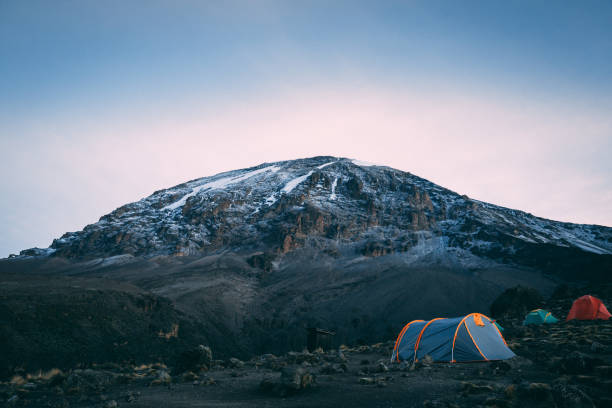
Understanding common trekking mistakes can improve safety and overall enjoyment.
Frequent Climbing Mistakes
Choosing Routes That Are Too Short
Short routes reduce acclimatization time and increase altitude sickness risks.
Ignoring Hydration
Dehydration worsens physical fatigue and altitude symptoms.
Overpacking
Excess luggage creates unnecessary travel stress.
Hiking Too Fast
Rapid climbing reduces oxygen adaptation.
Wearing New Boots
Unbroken boots may cause painful blisters during long trekking days.
This Kilimanjaro climbing guide for Europeans strongly recommends testing all trekking equipment before traveling to Tanzania.
Final Thoughts
Planning a successful Kilimanjaro expedition requires careful route selection, realistic budgeting, physical preparation, and altitude awareness. European travelers who prepare properly often enjoy safe and unforgettable climbing experiences on Africa’s highest mountain.
This Kilimanjaro climbing guide for Europeans helps travelers understand trekking costs, route differences, acclimatization strategies, and professional guide importance before arriving in Tanzania. Choosing longer routes, staying hydrated, and climbing slowly can dramatically improve summit success rates and overall comfort during the expedition.
In the next section, we will explore Tanzania travel logistics, safari extensions, Zanzibar holidays, accommodation recommendations, cultural experiences, and expert FAQs for European climbers visiting Mount Kilimanjaro.