
Planning a solo Kilimanjaro adventure? This Kilimanjaro guide for solo travellers covers routes, safety tips, costs, packing lists, altitude advice, accommodation, and expert trekking recommendations for an unforgettable Tanzania experience.
Quick Summary
This Kilimanjaro guide for solo travellers explains everything independent travelers need before climbing Africa’s highest mountain. From choosing safe trekking routes and understanding climbing costs to packing correctly, preventing altitude sickness, and meeting other travelers, this guide helps solo adventurers prepare for a successful Kilimanjaro experience. Many solo travelers choose Tanzania because Mount Kilimanjaro offers a non-technical trekking adventure supported by professional guides, organized crews, and structured climbing systems.
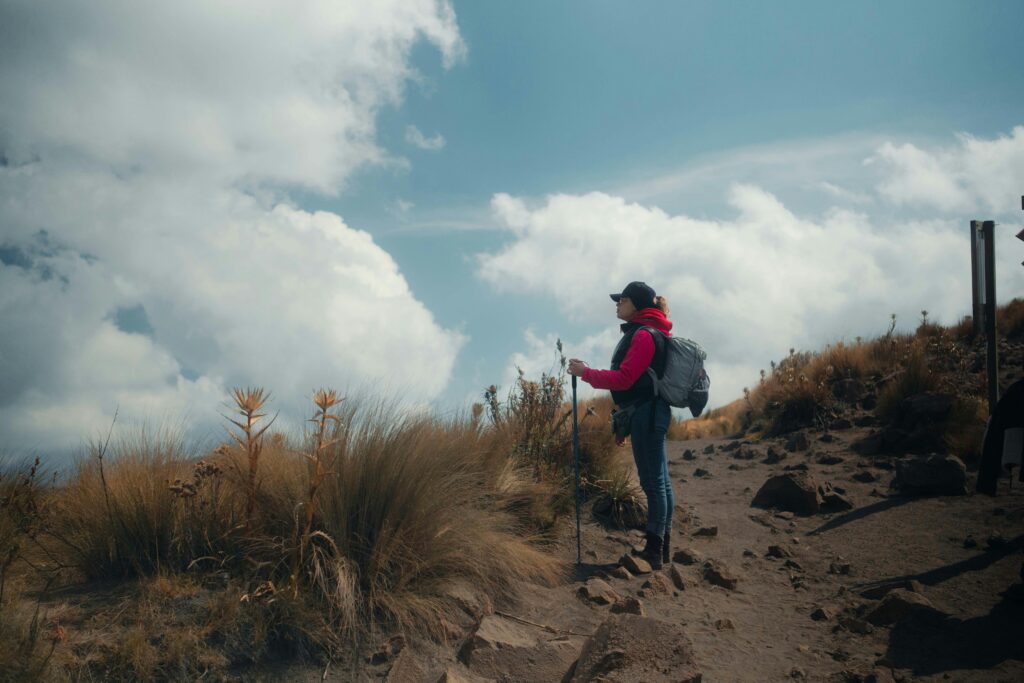
Key Highlights
- Best routes for solo Kilimanjaro climbers
- Safety tips for solo travellers
- Kilimanjaro climbing costs explained
- Packing checklist for solo trekking
- Altitude sickness prevention advice
- How to join group climbs
- Best time to climb Kilimanjaro
- Travel insurance recommendations
Why Solo Travellers Choose Mount Kilimanjaro
Mount Kilimanjaro is one of the most popular adventure destinations in Africa. Thousands of international visitors travel to Tanzania every year to climb the mountain, and many of them are solo adventurers. This Kilimanjaro guide for solo travellers explains why the mountain is ideal for independent travel experiences.
Unlike remote expeditions requiring technical climbing skills, Kilimanjaro is accessible through organized trekking systems. Solo travelers can join group climbs, hire professional guides, and enjoy support from porters and mountain crews throughout the journey. This structure creates a safer and more social environment for independent travelers.
Another reason solo travelers choose Kilimanjaro is the opportunity to meet people from around the world. During the climb, travelers often build friendships while sharing campsites, meals, and summit experiences together.
This Kilimanjaro guide for solo travellers also highlights the personal achievement associated with climbing Africa’s highest mountain independently. Many climbers describe the experience as life-changing because it combines adventure, self-confidence, and personal growth.
Is Kilimanjaro Safe for Solo Travellers?
Safety is one of the most common concerns for independent travelers planning a Kilimanjaro expedition. This Kilimanjaro guide for solo travellers explains that the mountain is generally considered safe when climbers use licensed operators and follow professional guide instructions.
Tanzania requires all climbers to use registered guides inside Kilimanjaro National Park. This means solo travelers are never completely alone during the expedition.
Important Safety Advantages
- Professional mountain guides
- Organized campsites
- Structured trekking routes
- Medical monitoring by guides
- Emergency rescue systems
- Support from porters and cooks
This Kilimanjaro guide for solo travellers strongly recommends avoiding unofficial operators because experienced guides play an essential role in altitude safety and emergency response.
Best Time for Solo Travelers to Climb Kilimanjaro
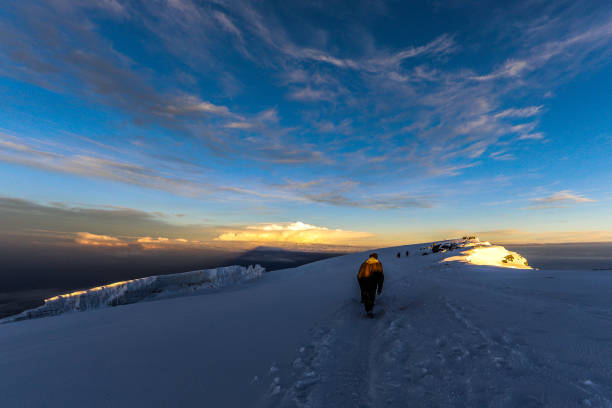
Choosing the right season significantly affects climbing comfort and overall experience. This Kilimanjaro guide for solo travellers recommends selecting dry seasons for safer trails and better visibility.
January to March
This season offers cooler weather and fewer crowds. Solo travelers often prefer this period because campsites are quieter and photography conditions are excellent.
Benefits
- Less crowded routes
- Beautiful summit snow
- Cooler temperatures
- Relaxed trekking atmosphere
June to October
This is the busiest climbing season because weather conditions are generally dry and stable.
Benefits
- Better trail conditions
- Easier trekking environment
- Excellent visibility
- More group departure options
This Kilimanjaro guide for solo travellers recommends avoiding peak rainy seasons because muddy trails create additional physical challenges.
Best Kilimanjaro Routes for Solo Travellers
Selecting the right route is extremely important for independent travelers. Different routes vary in scenery, acclimatization profiles, crowd levels, and trekking style.
Machame Route
The Machame Route is one of the most social and scenic options available.
Best For
- Solo travelers wanting group experiences
- Scenic trekking
- Moderate difficulty climbers
Lemosho Route
The Lemosho Route is ideal for solo travelers wanting beautiful landscapes and strong acclimatization opportunities.
Advantages
- High summit success rate
- Scenic wilderness sections
- Better acclimatization
- Comfortable trekking pace
Marangu Route
Marangu is known for hut accommodation instead of camping.
Best For
- Budget-conscious travelers
- Beginners
- Travelers preferring indoor sleeping arrangements
This Kilimanjaro guide for solo travellers recommends choosing routes lasting at least seven days because longer itineraries improve acclimatization success.
Physical Preparation for Solo Climbers
Even though Kilimanjaro is non-technical, climbers still face long trekking days and high-altitude conditions. Solo travelers should prepare physically before arriving in Tanzania.
Recommended Training Activities
- Hiking with elevation gain
- Long-distance walking
- Stair climbing
- Cardio workouts
- Strength training
- Endurance exercises
This Kilimanjaro guide for solo travellers suggests beginning training at least eight weeks before departure.
Essential Packing List for Solo Travelers
Packing properly is critical for comfort and safety on Kilimanjaro. Weather conditions range from tropical rainforest heat to freezing summit temperatures.
Important Trekking Gear
- Waterproof hiking boots
- Thermal clothing
- Warm jacket
- Waterproof outer shell
- Trekking poles
- Headlamp
- Gloves
- Sleeping bag
- Water bottles or hydration system
- Sunglasses
This Kilimanjaro guide for solo travellers also recommends organizing gear carefully because independent travelers are fully responsible for managing personal equipment during international travel.
Joining Group Climbs as a Solo Traveller
One major advantage for independent travelers is the ability to join scheduled group departures. Many trekking companies organize fixed group climbs throughout the year.
Benefits of Joining Group Climbs
- Lower climbing costs
- Social trekking environment
- Shared motivation
- Increased safety
- Easier logistics
This Kilimanjaro guide for solo travellers explains that group climbs are especially helpful for first-time visitors to Tanzania because they reduce planning stress and improve overall confidence.
Mental Preparation for Solo Adventures
Solo climbing experiences can be emotionally and mentally challenging. Travelers spend several days away from normal routines while dealing with altitude, physical fatigue, and changing weather conditions.
Helpful Mental Strategies
- Focus on slow progress
- Maintain positive thinking
- Stay patient during difficult moments
- Trust guide instructions
- Celebrate small achievements
This Kilimanjaro guide for solo travellers encourages climbers to approach the journey with flexibility because weather conditions and personal energy levels can change throughout the trek.
Travel Insurance for Solo Kilimanjaro Climbers
Travel insurance is essential for independent travelers. Solo travelers should purchase insurance policies covering high-altitude trekking and emergency evacuation.
Important Insurance Features
- High-altitude trekking coverage
- Emergency medical evacuation
- International medical treatment
- Trip interruption protection
- Lost baggage coverage
This Kilimanjaro guide for solo travellers strongly recommends reviewing policy conditions carefully before purchasing insurance.
Why Choosing the Right Tour Operator Matters
Professional trekking companies significantly improve safety and overall climbing experiences.
What Good Operators Provide
- Certified mountain guides
- Safety monitoring
- Quality meals
- Reliable camping equipment
- Ethical porter treatment
- Emergency procedures
This Kilimanjaro guide for solo travellers recommends selecting companies with strong safety reputations and positive customer feedback.
Final Thoughts
Climbing Mount Kilimanjaro alone is one of the most rewarding adventure experiences available to independent travelers. With proper preparation, realistic expectations, and support from experienced guides, solo travelers can safely enjoy an unforgettable journey to Africa’s highest summit.
This Kilimanjaro guide for solo travellers helps independent adventurers understand the importance of safety, route selection, physical preparation, and proper travel planning before arriving in Tanzania. Choosing experienced operators, joining group departures, and allowing enough acclimatization time can greatly improve summit success and overall enjoyment.
In the next section, we will explore detailed route comparisons, solo travel costs, accommodation options, altitude sickness prevention strategies, and expert trekking advice for solo travelers climbing Mount Kilimanjaro.
Understanding Kilimanjaro Costs for Solo Travellers
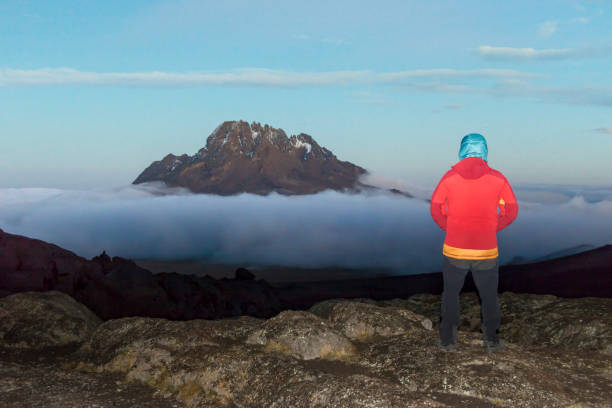
One of the most important topics in every Kilimanjaro guide for solo travellers is understanding the total budget required for climbing Mount Kilimanjaro. Independent travelers should prepare for trekking packages, international flights, accommodation, insurance, visas, tips, and trekking equipment. The final price depends on route choice, climbing duration, travel season, and operator quality.
This Kilimanjaro guide for solo travellers recommends prioritizing safety and experienced mountain crews rather than choosing extremely cheap trekking packages. Reliable operators usually provide better food, quality camping equipment, certified guides, and stronger safety procedures during the expedition.
Average Kilimanjaro Budget for Solo Travellers
| Expense Category | Estimated Cost |
|---|---|
| International Flights | $700 – $1,800 |
| Kilimanjaro Trek Package | $1,800 – $4,500 |
| Tanzania Visa | $50 – $100 |
| Travel Insurance | $120 – $400 |
| Hotel Accommodation | $60 – $250 |
| Tips for Crew | $250 – $500 |
| Personal Trekking Gear | $300 – $1,000 |
This Kilimanjaro guide for solo travellers explains that joining group climbs usually reduces trekking costs significantly because expenses are shared among multiple climbers.
Best Kilimanjaro Routes for Solo Travellers
Choosing the right route is one of the most important decisions for independent travelers. Every route offers different scenery, acclimatization opportunities, crowd levels, and overall trekking experiences. This Kilimanjaro guide for solo travellers helps climbers compare the major routes before booking their expedition.
Kilimanjaro Route Comparison Table
| Route | Duration | Difficulty | Summit Success Rate | Accommodation | Best For |
|---|---|---|---|---|---|
| Machame Route | 6–7 Days | Moderate | High | Camping | Social trekking |
| Lemosho Route | 7–8 Days | Moderate | Very High | Camping | Scenic acclimatization |
| Marangu Route | 5–6 Days | Moderate | Lower | Mountain huts | Budget solo travelers |
| Rongai Route | 6–7 Days | Easier | Good | Camping | Quiet trekking |
| Northern Circuit | 8–9 Days | Moderate | Excellent | Camping | Maximum acclimatization |
This Kilimanjaro guide for solo travellers strongly recommends routes with seven or more trekking days because additional acclimatization time improves summit success rates.
Why Solo Travellers Prefer the Machame and Lemosho Routes
The Machame and Lemosho routes are especially popular among independent climbers because they combine beautiful scenery with strong social experiences. Solo travelers often enjoy meeting other hikers while sharing campsites and summit goals together.
Advantages of the Machame Route
- Social atmosphere
- Excellent scenery
- Popular among international travelers
- Good summit success rates
Advantages of the Lemosho Route
- Better acclimatization
- Less crowded early stages
- Scenic wilderness sections
- Higher overall summit success
This Kilimanjaro guide for solo travellers recommends selecting routes that balance acclimatization, comfort, and social interaction rather than focusing only on price.
Altitude Sickness and Solo Climbing Safety
Altitude sickness is one of the most important safety concerns during any Kilimanjaro expedition. Because Mount Kilimanjaro reaches 5,895 meters, oxygen levels decrease significantly near the summit.
This Kilimanjaro guide for solo travellers explains that altitude sickness can affect anyone regardless of fitness level, age, or hiking experience.
Common Altitude Symptoms
- Headaches
- Dizziness
- Nausea
- Fatigue
- Sleeping difficulties
- Shortness of breath
How Solo Travellers Can Reduce Altitude Risks
Climb Slowly
Guides on Kilimanjaro often repeat the phrase “pole pole,” meaning “slowly slowly.” Slow walking improves oxygen adaptation.
Stay Hydrated
Drinking enough water is essential during high-altitude trekking.
Choose Longer Routes
Additional acclimatization days significantly improve safety and summit chances.
Eat Properly During the Trek
Even when appetite decreases, maintaining energy intake remains important.
This Kilimanjaro guide for solo travellers strongly recommends informing guides immediately if severe altitude symptoms appear during the climb.
Daily Experience on Kilimanjaro for Solo Travellers
Many first-time solo climbers wonder what daily life looks like on Mount Kilimanjaro. Organized expeditions follow structured schedules managed by mountain guides and support crews.
Typical Daily Trekking Routine
Morning Activities
- Wake-up tea or coffee
- Breakfast preparation
- Packing gear
- Trekking briefing
Afternoon Activities
- Lunch on the trail
- Arrival at next campsite
- Rest and hydration
- Health monitoring
Evening Activities
- Dinner service
- Guide briefing
- Preparation for following day
- Early sleep
This Kilimanjaro guide for solo travellers explains that summit night is usually the most difficult stage because climbers ascend in darkness and freezing temperatures.
Meeting Other Travellers During the Climb
One major advantage of Kilimanjaro for independent travelers is the social environment created during trekking expeditions. Many solo travelers build strong friendships during the journey.
Why Group Climbs Help Solo Travellers
- Shared motivation
- Emotional support
- Increased safety
- Reduced loneliness
- International networking opportunities
This Kilimanjaro guide for solo travellers recommends joining scheduled group departures whenever possible because shared experiences often improve trekking enjoyment.
Importance of Professional Mountain Guides
Professional guides are essential for safety, organization, and summit success. Tanzania requires all Kilimanjaro climbers to use licensed guides.
What Experienced Guides Provide
- Altitude monitoring
- Route management
- Emergency procedures
- Trekking motivation
- Safety support
- Medical assistance coordination
This Kilimanjaro guide for solo travellers strongly advises choosing experienced operators with strong safety reputations and positive reviews.
Food and Nutrition During the Trek
Good nutrition is extremely important during multi-day high-altitude trekking. Most trekking operators provide fresh meals prepared by mountain cooks.
Typical Kilimanjaro Meals
Breakfast
- Eggs
- Bread
- Oatmeal
- Fruit
- Tea and coffee
Lunch
- Rice
- Pasta
- Soup
- Vegetables
- Chicken
Dinner
- Potatoes
- Beef or chicken
- Hot soup
- Vegetables
- Desserts
This Kilimanjaro guide for solo travellers recommends communicating dietary restrictions before arriving in Tanzania.
Mental Challenges for Solo Travellers
Solo adventures often involve emotional and mental challenges in addition to physical fatigue. Long trekking days, altitude, and unfamiliar environments can affect motivation.
Helpful Mental Strategies
- Focus on steady progress
- Trust professional guides
- Stay patient
- Maintain positive thinking
- Celebrate small milestones
This Kilimanjaro guide for solo travellers encourages climbers to enjoy the journey itself rather than focusing only on reaching the summit.
Essential Safety Tips for Solo Climbers
Independent travelers should always prioritize safety before and during the expedition.
Important Solo Travel Safety Tips
- Use licensed trekking companies
- Keep valuables secure
- Purchase travel insurance
- Carry copies of important documents
- Inform family about travel plans
- Follow guide instructions carefully
This Kilimanjaro guide for solo travellers also recommends arriving in Tanzania at least one day before the climb to reduce travel fatigue.
Photography Tips for Solo Travellers
Kilimanjaro offers incredible photography opportunities across multiple ecological zones.
Best Photography Locations
- Shira Plateau
- Barranco Wall
- Lava Tower
- Karanga Valley
- Stella Point
- Uhuru Peak
This Kilimanjaro guide for solo travellers recommends carrying extra batteries because cold temperatures reduce battery life quickly.
Final Thoughts
Planning a successful solo Kilimanjaro expedition requires careful budgeting, realistic preparation, route selection, and safety awareness. Independent travelers who choose experienced guides and allow proper acclimatization time usually enjoy safe and unforgettable climbing experiences.
This Kilimanjaro guide for solo travellers helps independent adventurers understand route differences, altitude safety, group climbing benefits, and professional trekking support before arriving in Tanzania. Joining group climbs, climbing slowly, staying hydrated, and preparing mentally can significantly improve summit success and overall trekking enjoyment.
In the next section, we will explore Tanzania travel logistics, accommodation options, safari extensions, cultural experiences, packing strategies, and detailed FAQs for solo travelers planning a Kilimanjaro adventure.