
Discover the best Mount Meru trekking tips for a successful adventure in Tanzania. Learn about preparation, fitness, packing lists, safety, routes, and expert advice before climbing Mount Meru.
Quick Summary
Mount Meru is Tanzania’s second-highest mountain and one of East Africa’s most rewarding trekking destinations. Located within Arusha National Park, the mountain offers breathtaking landscapes, rich wildlife encounters, and stunning views of Mount Kilimanjaro. Proper preparation is essential for a successful climb. These Mount Meru trekking tips cover physical preparation, gear selection, altitude management, route planning, and safety recommendations to help trekkers maximize their experience.
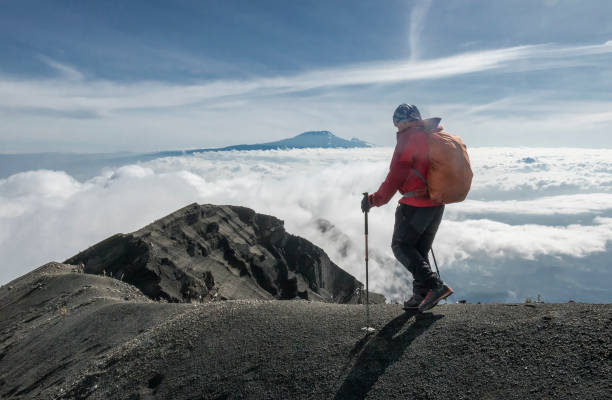
Canon EOS 760D, 1/400, f/20, 18 mm.
| Factor | Recommendation |
|---|---|
| Best Time to Trek | June to October & December to February |
| Trek Duration | 3–4 Days |
| Difficulty Level | Moderate to Challenging |
| Maximum Altitude | 4,566 meters |
| Required Guide | Mandatory |
| Wildlife Encounters | Very Common |
| Fitness Requirement | Moderate to High |
Why Mount Meru Should Be on Every Trekker’s Bucket List
When travelers think about mountain trekking in Tanzania, Mount Kilimanjaro often receives most of the attention. However, experienced trekkers frequently describe Mount Meru as one of the most underrated hiking destinations in Africa. Standing at 4,566 meters above sea level, Mount Meru provides an incredible combination of wildlife, scenic beauty, volcanic landscapes, and challenging trekking experiences.
One of the most valuable Mount Meru trekking tips is understanding that this mountain offers much more than altitude. Unlike many mountain climbs where wildlife is absent after the lower slopes, Mount Meru allows trekkers to encounter giraffes, buffaloes, zebras, warthogs, antelopes, and various bird species during the initial stages of the journey.
The mountain is situated inside Arusha National Park, making the trekking experience unique compared to other major mountain expeditions. Every trek begins with an armed ranger escort, adding both safety and educational value to the adventure.
Many climbers also use Mount Meru as a preparation trek before attempting Mount Kilimanjaro. The altitude exposure, hiking conditions, and overnight mountain accommodation help trekkers understand how their bodies react to high elevations. This experience often improves the chances of success on future high-altitude expeditions.
Another reason why Mount Meru is becoming increasingly popular is its lower visitor numbers. Trekkers can enjoy a quieter and more authentic mountain experience compared to more crowded destinations. The sense of wilderness remains strong throughout the route, creating opportunities for photographers, nature enthusiasts, and adventure seekers.
Professional guides consistently rank Mount Meru among the best trekking experiences in East Africa because of its diversity. The journey transitions through tropical forests, moorlands, alpine deserts, and volcanic ridges. Each ecological zone presents different scenery and challenges, making every day of the trek exciting and memorable.
For travelers looking for an adventure that combines hiking, wildlife viewing, photography, and mountain scenery, Mount Meru represents an excellent choice. The mountain rewards preparation, patience, and determination with unforgettable summit views and a strong sense of achievement.
Understanding the Mount Meru Trekking Experience
Before planning your adventure, it is important to understand what makes this mountain different from other trekking destinations. One of the most essential Mount Meru trekking tips is setting realistic expectations about the journey.
The standard Mount Meru route follows the Momella Route, which typically takes three to four days to complete. Trekkers gradually ascend through different vegetation zones before reaching Socialist Peak, the mountain’s highest point.
The first day often surprises visitors because it resembles a walking safari more than a traditional mountain trek. Wildlife sightings are common, and the route passes through open grasslands and forested areas before reaching Miriakamba Hut.
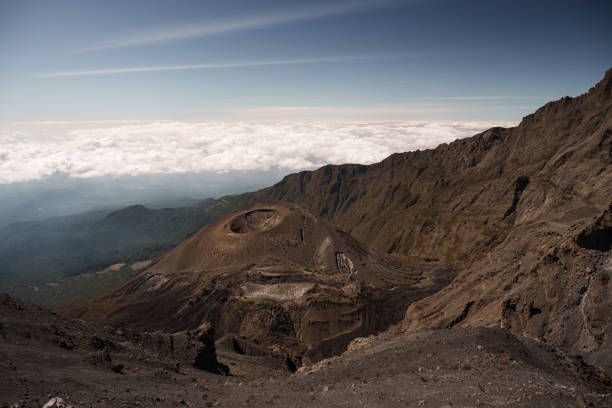
The second day introduces steeper terrain and higher elevations. Trekkers continue toward Saddle Hut while enjoying dramatic views of Meru Crater and Ash Cone. This section requires increased endurance and careful pacing.
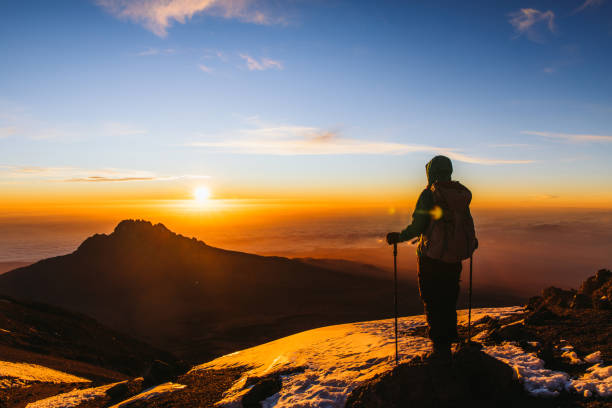
Summit day usually begins around midnight. Climbers ascend under headlamp light toward Rhino Point and Cobra Point before continuing to Socialist Peak. The sunrise views from the summit are among the most spectacular in East Africa, especially when Mount Kilimanjaro becomes visible above the clouds.
A critical aspect of successful trekking involves altitude management. Although Mount Meru is lower than Kilimanjaro, altitude sickness can still affect climbers. Moving slowly, staying hydrated, eating properly, and following guide instructions significantly improve comfort and safety during the climb.
Trekkers should also prepare for rapidly changing weather conditions. Temperatures may be warm at lower elevations but can become extremely cold near the summit. Layering clothing remains one of the most practical strategies recommended by experienced mountain guides.
Choosing a reputable tour operator is another important factor. Professional guides provide valuable support regarding safety, route knowledge, altitude monitoring, and logistics. Companies specializing in Tanzania trekking adventures help ensure that climbers focus on enjoying the experience rather than worrying about operational details.
For travelers booking with GoAccessAfrica Safaris, guided trekking packages typically include experienced mountain crews, accommodation, park fees, meals, ranger support, and transportation arrangements. Working with knowledgeable local experts enhances both safety and overall satisfaction.
These foundational Mount Meru trekking tips create the basis for a successful expedition. Understanding the route, preparing mentally, and recognizing the mountain’s unique characteristics allow trekkers to begin their journey with confidence and realistic expectations.
Physical Preparation and Fitness: Essential Mount Meru Trekking Tips for a Successful Summit
One of the most important Mount Meru trekking tips is understanding that success on the mountain begins long before you arrive in Tanzania. While Mount Meru is often considered less demanding than Mount Kilimanjaro, it still requires proper preparation, endurance, and commitment. Trekkers who invest time in physical training and conditioning are more likely to enjoy the experience, handle altitude effectively, and reach the summit with confidence.
Many first-time climbers underestimate the physical demands of Mount Meru. The trek involves multiple days of hiking, significant elevation gain, uneven terrain, and changing weather conditions. Although technical climbing skills are not required, a good level of fitness is essential. One of the most practical Mount Meru trekking tips is to begin preparing at least eight to twelve weeks before your departure date.
Why Physical Preparation Matters
A common misconception is that mountain trekking is simply walking uphill. In reality, trekking at altitude places additional stress on the cardiovascular system, muscles, and lungs. Every step becomes more challenging as elevation increases. This is why experienced guides frequently emphasize physical preparation as one of the most valuable Mount Meru trekking tips for both beginners and experienced hikers.
Good fitness helps trekkers:
- Maintain a steady hiking pace.
- Recover faster after long trekking days.
- Reduce fatigue during steep ascents.
- Improve mental resilience.
- Increase overall trekking enjoyment.
- Adapt more effectively to higher elevations.
- Lower the risk of altitude-related complications.
Preparing physically does not guarantee an easy climb, but it significantly improves the likelihood of a successful and enjoyable trekking experience.
Recommended Training Plan
Among the most effective Mount Meru trekking tips is following a structured training program. Consistency is more important than intensity. Rather than exercising occasionally, focus on regular workouts that gradually increase in difficulty.
A balanced training plan should include:
Cardiovascular Training
Cardio exercises improve endurance and help your body use oxygen more efficiently. Since trekking involves hours of continuous movement, cardiovascular fitness is critical.
Recommended activities include:
- Hiking
- Running
- Cycling
- Swimming
- Stair climbing
- Fast-paced walking
Aim for three to five cardio sessions per week. Each session should last between 45 and 90 minutes. As your departure date approaches, gradually increase the duration and intensity.
Strength Training
Strong muscles help support joints and improve overall trekking performance. One of the lesser-known Mount Meru trekking tips is that leg strength becomes especially important during descent, when many hikers experience fatigue and soreness.
Focus on:
- Squats
- Lunges
- Step-ups
- Deadlifts
- Calf raises
- Core exercises
Strength training should be performed two to three times per week.
Practice Hikes
Nothing prepares trekkers better than actual hiking. Practice hikes allow you to test your fitness level, equipment, hydration strategy, and overall comfort.
When possible:
- Hike on uneven terrain.
- Carry a backpack.
- Increase distance gradually.
- Include uphill sections.
- Wear the boots you plan to use on Mount Meru.
These practice sessions represent some of the most practical Mount Meru trekking tips because they simulate real mountain conditions.
Altitude Preparation and Acclimatization
Altitude is one of the most significant challenges climbers face. Understanding how the body responds to elevation is among the most critical Mount Meru trekking tips available.
As altitude increases, oxygen levels decrease. This can lead to symptoms such as:
- Headaches
- Fatigue
- Nausea
- Dizziness
- Loss of appetite
- Sleep disturbances
Even physically fit individuals can experience altitude sickness. Fitness alone does not prevent it.
The best strategy is proper acclimatization. Fortunately, the Mount Meru itinerary is designed to allow gradual ascent, helping the body adjust naturally. Trekkers should also follow several additional recommendations.
Hydration Strategies
Experienced mountain guides consistently rank hydration among the top Mount Meru trekking tips. Dehydration can worsen altitude symptoms and reduce overall performance.
During the trek:
- Drink water regularly.
- Avoid waiting until you feel thirsty.
- Carry sufficient water capacity.
- Monitor urine color as a hydration indicator.
- Supplement water with electrolytes when necessary.
Most trekkers aim to consume three to four liters of fluids per day, depending on weather conditions and individual requirements.
Nutrition Before and During the Trek
Nutrition plays a major role in trekking performance. One of the often-overlooked Mount Meru trekking tips is maintaining a balanced diet before departure.
In the weeks leading up to your climb:
- Increase consumption of complex carbohydrates.
- Eat lean protein sources.
- Include fruits and vegetables.
- Stay well hydrated.
- Avoid excessive alcohol intake.
During the trek, focus on foods that provide sustained energy. Mountain meals typically include carbohydrates, vegetables, soups, rice, pasta, potatoes, and protein-rich dishes designed to support hikers throughout the journey.
Mental Preparation for Mount Meru
Physical fitness is only part of the equation. Many successful climbers consider mental strength equally important. One of the most valuable Mount Meru trekking tips is learning how to remain positive when conditions become difficult.
Trekkers may encounter:
- Cold temperatures.
- Fatigue.
- Early morning summit attempts.
- Steep terrain.
- Changing weather.
- Altitude-related discomfort.
Developing a resilient mindset helps hikers stay motivated during challenging moments. Confidence grows through preparation, training, and realistic expectations.
Common Fitness Mistakes to Avoid
Understanding what not to do is just as important as knowing what to do. Several mistakes repeatedly affect trekkers attempting Mount Meru.
Common errors include:
- Beginning training too late.
- Ignoring cardiovascular conditioning.
- Wearing new boots on the trek.
- Neglecting recovery days.
- Overtraining before departure.
- Failing to stay hydrated.
- Assuming altitude will not affect them.
- Carrying excessive gear weight.
Avoiding these mistakes can dramatically improve trekking performance and comfort.
Expert Advice from Professional Mountain Guides
Professional guides working on Mount Meru consistently emphasize preparation. According to experienced trekking leaders, climbers who train regularly, follow hydration recommendations, and maintain realistic expectations often enjoy the most rewarding experiences.
Among all Mount Meru trekking tips, the advice repeated most frequently is simple: move slowly and consistently. Mountain trekking is not a race. A steady pace conserves energy, supports acclimatization, and increases summit success rates.
Trekkers who arrive prepared physically and mentally can focus on enjoying the incredible scenery, wildlife encounters, volcanic landscapes, and breathtaking summit views that make Mount Meru one of Tanzania’s most remarkable trekking destinations.
By following these proven Mount Meru trekking tips, climbers place themselves in the best possible position for a safe, comfortable, and unforgettable adventure on Tanzania’s second-highest mountain.
Complete Packing List, Gear Selection, and Safety Advice: Practical Mount Meru Trekking Tips for Every Climber
Proper equipment can make the difference between a comfortable adventure and a difficult experience on the mountain. Among the most important Mount Meru Trekking Tips shared by professional guides is the importance of packing correctly. Many climbers focus heavily on fitness and route planning but underestimate how much their gear influences performance, comfort, and safety.
Because Mount Meru passes through several ecological zones, trekkers encounter changing temperatures, varying terrain, and unpredictable weather conditions. One of the most valuable Mount Meru Trekking Tips is to prepare for both warm daytime conditions and cold summit temperatures. Packing strategically helps reduce unnecessary weight while ensuring you remain comfortable throughout the trek.
Why Packing Matters on Mount Meru
A well-prepared trekker can adapt more easily to weather changes, long hiking days, and altitude-related challenges. One reason experienced guides frequently emphasize Mount Meru Trekking Tips related to gear is that many trekking problems are preventable with proper preparation.
Benefits of carrying the right equipment include:
- Better protection from weather changes.
- Improved comfort during long hiking days.
- Reduced risk of injuries.
- Increased energy efficiency.
- Better sleep quality at mountain huts.
- Enhanced safety throughout the trek.
Packing should focus on functionality rather than quantity. Every item should serve a specific purpose.
Essential Clothing Layers
One of the most repeated Mount Meru Trekking Tips is the layering principle. Instead of relying on one heavy jacket, climbers should wear multiple layers that can be adjusted as temperatures change.
Base Layer
The base layer sits directly against the skin and helps regulate body temperature.
Recommended options:
- Moisture-wicking thermal tops.
- Moisture-wicking thermal leggings.
- Quick-drying synthetic fabrics.
- Merino wool clothing.
Avoid cotton because it absorbs moisture and dries slowly.
Mid Layer
The mid layer provides insulation and helps retain body heat.
Examples include:
- Fleece jackets.
- Lightweight insulated jackets.
- Thermal pullovers.
These layers become especially important during early morning and evening hours.
Outer Layer
The outer layer protects against wind, rain, and cold temperatures.
Recommended items:
- Waterproof jacket.
- Windproof shell.
- Waterproof trekking pants.
Among the most practical Mount Meru Trekking Tips is ensuring all waterproof gear is tested before departure.
Footwear Selection
Choosing the right boots is one of the most critical Mount Meru Trekking Tips for first-time climbers.
Your trekking boots should:
- Be fully broken in before the trek.
- Provide ankle support.
- Have good grip and traction.
- Be waterproof or water-resistant.
- Remain comfortable during long-distance hiking.
Many trekkers experience avoidable discomfort because they wear brand-new boots. Professional mountain guides strongly recommend using boots that have already been tested on training hikes.
Essential Backpack Items
A properly packed daypack helps maintain efficiency and comfort throughout the trek.
Important items include:
- Water bottles or hydration bladder.
- Headlamp with spare batteries.
- Sunscreen.
- Lip balm.
- Sunglasses.
- Snacks.
- Personal medications.
- Camera.
- Trekking poles.
- Rain protection.
One of the most overlooked Mount Meru Trekking Tips is organizing gear so frequently used items remain easily accessible.
The Ultimate Mount Meru Packing Checklist
The following checklist covers the most commonly recommended trekking essentials.
Clothing
- Waterproof jacket.
- Waterproof pants.
- Insulated jacket.
- Fleece layer.
- Thermal underwear.
- Hiking shirts.
- Hiking trousers.
- Warm hat.
- Sun hat.
- Gloves.
- Multiple pairs of hiking socks.
Footwear
- Trekking boots.
- Camp shoes.
- Comfortable travel shoes.
Personal Equipment
- Backpack.
- Duffel bag.
- Trekking poles.
- Headlamp.
- Water containers.
- Sunglasses.
- Camera.
- Power bank.
Health and Hygiene
- Personal medications.
- First-aid supplies.
- Hand sanitizer.
- Wet wipes.
- Toothbrush and toothpaste.
- Tissues.
Following these Mount Meru Trekking Tips helps reduce the chances of forgetting important items before departure.
Weather Preparation Strategies
Weather conditions on Mount Meru can change quickly. One of the most useful Mount Meru Trekking Tips is preparing for multiple seasons in a single day.
Trekkers may experience:
- Warm sunshine.
- Cool mountain breezes.
- Rain showers.
- Mist and fog.
- Cold summit temperatures.
Even during the dry season, weather patterns can shift unexpectedly. This is why flexible layering systems remain essential.
Safety Tips for Mount Meru Climbers
Safety should always be a top priority. Among all Mount Meru Trekking Tips, understanding mountain safety principles can significantly improve the overall experience.
Follow Guide Instructions
Professional guides possess extensive knowledge of:
- Route conditions.
- Weather changes.
- Altitude management.
- Emergency procedures.
Listening carefully to guide recommendations remains one of the smartest decisions any trekker can make.
Maintain a Slow Pace
One of the classic Mount Meru Trekking Tips is the principle of “pole pole,” meaning slowly, slowly.
A steady pace helps:
- Conserve energy.
- Improve acclimatization.
- Reduce fatigue.
- Increase summit success rates.
Stay Hydrated
Hydration supports both performance and altitude adaptation.
Remember to:
- Drink consistently.
- Monitor hydration levels.
- Refill water whenever possible.
- Use electrolyte supplements when needed.
Report Symptoms Early
Trekkers should immediately inform guides about:
- Severe headaches.
- Nausea.
- Dizziness.
- Breathing difficulties.
- Extreme fatigue.
Early intervention helps prevent more serious complications.
Common Packing Mistakes to Avoid
Many climbers learn valuable lessons from mistakes that could have been avoided. Some of the most common errors include:
Overpacking
Many first-time trekkers bring unnecessary items.
Examples include:
- Excess clothing.
- Multiple gadgets.
- Heavy books.
- Non-essential accessories.
One of the best Mount Meru Trekking Tips is packing light while keeping essential safety items.
Underestimating Cold Weather
Some travelers assume Tanzania is always warm. While temperatures may be comfortable at lower elevations, summit conditions can become very cold.
Proper insulation remains essential.
Ignoring Rain Protection
Unexpected rain can occur even during favorable trekking seasons. Waterproof equipment should always be included.
Bringing Untested Gear
Equipment should be tested before the trek.
This includes:
- Boots.
- Backpacks.
- Trekking poles.
- Rain gear.
- Hydration systems.
Testing gear in advance helps identify potential problems before arriving on the mountain.
Expert Recommendations for a Comfortable Trek
Experienced mountain guides consistently emphasize preparation over expensive equipment. While high-quality gear improves comfort, proper planning remains even more important.
Some of the most effective Mount Meru Trekking Tips recommended by experts include:
- Pack only essential items.
- Prioritize comfort over fashion.
- Train using the gear you plan to bring.
- Keep frequently used items accessible.
- Protect electronics from moisture.
- Prepare for changing temperatures.
- Follow guide instructions at all times.
Trekkers who follow these proven Mount Meru Trekking Tips often enjoy smoother climbs, fewer equipment-related problems, and greater confidence throughout the journey. By investing time in gear preparation, weather planning, and safety awareness, climbers can focus on what truly matters—enjoying the remarkable landscapes, wildlife encounters, and unforgettable summit experience that make Mount Meru one of Tanzania’s most rewarding trekking destinations.