
Discover incredible wildlife on Mount Meru in Tanzania. Learn about animals, birds, trekking experiences, safari encounters, best seasons, safety tips, and expert travel advice for Mount Meru adventures.
Quick Summary
Wildlife on Mount Meru is one of the most unique trekking experiences in Tanzania because hikers walk through Arusha National Park while ascending the mountain. Trekkers often encounter giraffes, buffaloes, zebras, monkeys, antelopes, and hundreds of bird species during the journey to Socialist Peak. This guide explains the wildlife on Mount Meru, the best seasons for animal viewing, safety recommendations, trekking routes, photography opportunities, and expert travel advice for nature lovers planning a Mount Meru adventure.
Key Highlights
- Animals commonly seen on Mount Meru
- Best time for wildlife viewing
- Bird species on Mount Meru
- Guided trekking and ranger safety
- Wildlife photography tips
- Mount Meru trekking experience
- Nature and forest ecosystems
- Expert safari trekking advice
Why Wildlife on Mount Meru Is Unique
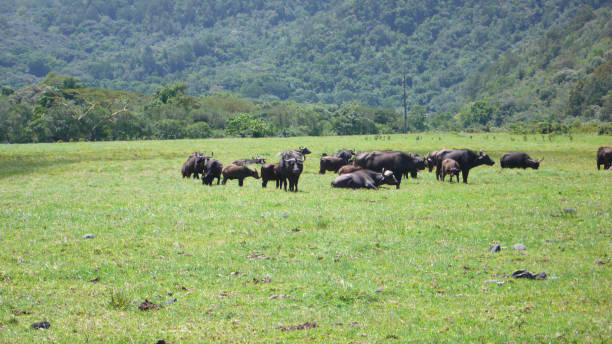
Wildlife on Mount Meru creates a completely different trekking experience compared to many mountains around the world. Unlike isolated mountain expeditions, Mount Meru trekking begins inside Arusha National Park, where animals move freely through forests, grasslands, and volcanic landscapes.
This combination of trekking and safari experiences makes wildlife on Mount Meru one of Tanzania’s most underrated attractions. Trekkers can enjoy mountain climbing while simultaneously experiencing African wildlife in natural habitats.
Another reason wildlife on Mount Meru is so popular is the peaceful atmosphere. Compared to crowded safari parks, Mount Meru offers quieter and more intimate wildlife encounters during hiking routes.
This guide about wildlife on Mount Meru also highlights the incredible ecological diversity found on the mountain. Different vegetation zones support various species of mammals, birds, insects, and reptiles throughout the trekking route.
Animals Commonly Seen on Mount Meru
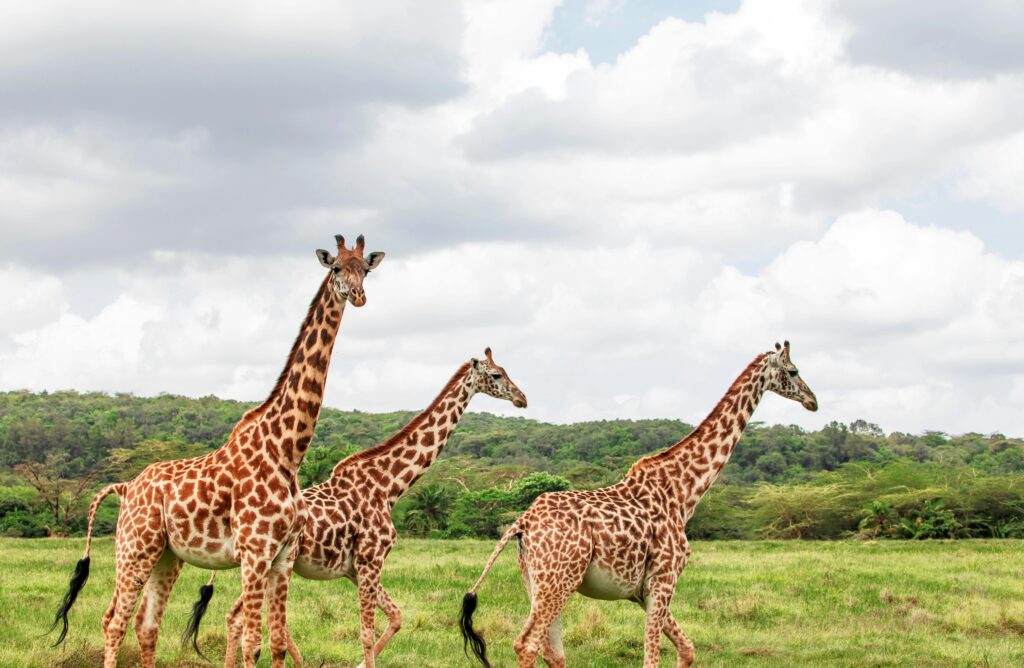
Trekkers climbing Mount Meru often encounter wildlife during the lower and middle sections of the route. Because the mountain lies inside a protected national park, animals are frequently visible near trails.
Giraffes
Giraffes are among the most iconic animals seen during Mount Meru trekking. These tall animals often feed in open grasslands near the lower slopes.
Buffaloes
Buffaloes are commonly found in forest and grassland areas. Because buffaloes can be dangerous, armed park rangers accompany trekking groups throughout the expedition.
Zebras
Zebras are frequently spotted grazing near open plains inside Arusha National Park.
Colobus Monkeys
Black-and-white colobus monkeys live in forested sections of the mountain and are known for their long white tails.
Blue Monkeys
Blue monkeys are active and playful animals commonly seen in forest canopies.
Antelopes
Several antelope species inhabit the Mount Meru ecosystem.
This guide about wildlife on Mount Meru explains that dry seasons often improve wildlife visibility because animals gather near water sources and vegetation becomes less dense.
Birdlife on Mount Meru
Wildlife on Mount Meru is not limited to large mammals. The mountain is also famous for extraordinary birdlife. Birdwatchers from around the world visit Arusha National Park because of its ecological diversity and high number of bird species.
Common Bird Species
- Flamingos
- Hartlaub’s turaco
- Crowned eagles
- Hornbills
- Sunbirds
- Guinea fowls
- Eagles and hawks
The Momella Lakes area near Mount Meru is especially famous for flamingo populations and water birds.
This guide about wildlife on Mount Meru strongly recommends carrying binoculars and cameras for birdwatching opportunities during the trek.
Best Time to Experience Wildlife on Mount Meru
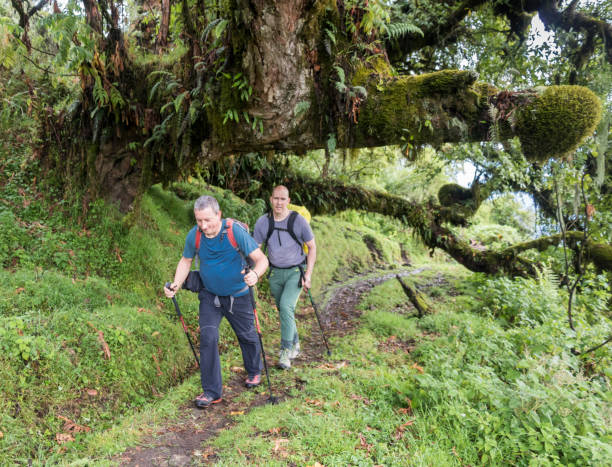
Choosing the right season significantly improves wildlife viewing opportunities. Dry months generally provide better visibility and easier trekking conditions.
January to March
This period offers green scenery, cooler weather, and excellent birdwatching opportunities.
Advantages
- Clear views
- Comfortable temperatures
- Good wildlife visibility
- Fewer crowds
June to October
This is considered one of the best periods for wildlife on Mount Meru because dry weather improves trekking and animal visibility.
Advantages
- Dry trails
- Better photography conditions
- Easier hiking
- Increased wildlife sightings
This guide about wildlife on Mount Meru recommends avoiding heavy rainy seasons because thick vegetation and poor visibility reduce wildlife viewing quality.
Why Armed Rangers Are Required
One special feature of Mount Meru trekking is the presence of armed park rangers. Since wildlife on Mount Meru includes buffaloes and other large animals, all trekking groups travel with ranger protection.
Importance of Rangers
- Wildlife safety monitoring
- Emergency response
- Route guidance
- Environmental protection
- Visitor security
This guide about wildlife on Mount Meru strongly advises trekkers to follow ranger instructions carefully throughout the climb.
Forest Ecosystems on Mount Meru
The ecological diversity of Mount Meru supports many different species of wildlife. As trekkers gain altitude, vegetation and ecosystems change dramatically.
Lower Forest Zone
The lower slopes contain dense tropical forests rich in wildlife activity.
Heath and Moorland Zone
Higher elevations contain shrubs and volcanic landscapes with fewer large animals.
Alpine Zone
Near the summit, vegetation becomes sparse because of colder temperatures.
This guide about wildlife on Mount Meru explains that lower forest sections provide the best opportunities for wildlife sightings.
Wildlife Photography Opportunities
Wildlife on Mount Meru offers exceptional photography opportunities for nature lovers and adventure travelers.
Best Photography Locations
- Momella Lakes
- Lower forest trails
- Open grasslands
- Saddle Hut surroundings
- Forest canopy sections
Photography Tips
- Carry extra camera batteries
- Use waterproof protection
- Bring binoculars
- Wake up early for wildlife activity
- Maintain safe distance from animals
This guide about wildlife on Mount Meru recommends dry-season trekking for the best lighting and clearer wildlife photography conditions.
Safety Tips During Wildlife Encounters
Wildlife encounters are exciting but require responsible behavior and safety awareness.
Important Safety Guidelines
- Never approach wild animals
- Stay close to trekking groups
- Follow ranger instructions
- Avoid loud noises
- Do not feed wildlife
- Keep safe distances during photography
This guide about wildlife on Mount Meru emphasizes that respecting animals and maintaining calm behavior improves safety for both trekkers and wildlife.
Why Mount Meru Is Perfect for Nature Lovers
Wildlife on Mount Meru attracts travelers seeking a combination of adventure trekking and safari experiences. The mountain provides one of Tanzania’s most diverse outdoor experiences within a relatively short itinerary.
Reasons Nature Lovers Choose Mount Meru
- Rich biodiversity
- Scenic volcanic landscapes
- Forest trekking
- Birdwatching opportunities
- Fewer crowds than Kilimanjaro
- Unique wildlife encounters
This guide about wildlife on Mount Meru also explains that many travelers combine the trek with Serengeti safaris or Kilimanjaro expeditions for a complete Tanzania adventure.
Physical Preparation for Mount Meru Trekking
Even though wildlife experiences are a major attraction, Mount Meru still requires physical preparation because of altitude and steep terrain.
Recommended Fitness Activities
- Hiking practice
- Stair climbing
- Cardio training
- Endurance exercises
- Long-distance walking
This guide about wildlife on Mount Meru suggests beginning physical preparation several weeks before arriving in Tanzania.
Packing List for Wildlife Trekking
Packing properly improves trekking comfort and wildlife viewing experiences.
Essential Trekking Gear
- Waterproof hiking boots
- Warm layers
- Waterproof jacket
- Headlamp
- Trekking poles
- Binoculars
- Camera equipment
- Sunglasses
This guide about wildlife on Mount Meru also recommends neutral-colored clothing for better wildlife observation.
Final Thoughts
Wildlife on Mount Meru creates one of East Africa’s most unique trekking adventures by combining mountain climbing with authentic safari experiences. Trekkers enjoy encounters with giraffes, buffaloes, monkeys, birds, and volcanic landscapes while ascending through Arusha National Park toward Socialist Peak.
This guide about wildlife on Mount Meru helps travelers understand seasonal wildlife patterns, trekking safety, photography opportunities, ecological diversity, and travel preparation before arriving in Tanzania. With proper planning and experienced guides, Mount Meru offers unforgettable wildlife and trekking experiences for photographers, hikers, and nature lovers alike.
In the next section, we will explore trekking costs, route comparisons, accommodation options, cultural experiences, travel logistics, and expert FAQs for travelers interested in wildlife on Mount Meru.