
Learn essential Mount Meru trek safety tips including altitude sickness prevention, wildlife safety, gear preparation, emergency handling, and expert trekking advice in Tanzania.
Quick Summary
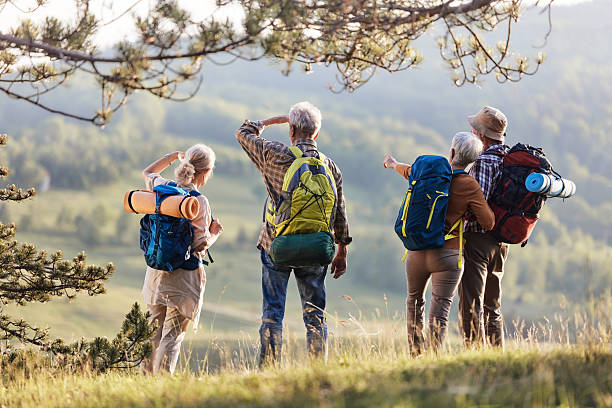
Understanding Mount Meru trek safety tips is essential for anyone planning to climb Tanzania’s second-highest mountain. Mount Meru is located inside Arusha National Park, an area rich in wildlife, steep terrain, and rapidly changing weather conditions. While the mountain is suitable for beginners, safety preparation plays a major role in ensuring a successful and enjoyable trek. This guide introduces the fundamentals of safety, explains why preparation matters, and outlines what every trekker should know before starting the climb.
| Safety Area | Importance |
|---|---|
| Wildlife Safety | High (park animals present) |
| Altitude Safety | Moderate to High |
| Weather Safety | High |
| Trail Safety | Moderate |
| Emergency Support | Available via guides |
Understanding Mount Meru Trek Safety Tips
A complete understanding of Mount Meru trek safety tips begins with recognizing that Mount Meru is not just a hiking destination—it is a high-altitude volcanic mountain located in a protected wildlife environment.
This means trekkers must consider two major safety factors at the same time:
- Mountain trekking risks (altitude, fatigue, terrain)
- Wildlife environment risks (animals, park regulations)
Unlike many other trekking destinations, Mount Meru requires climbers to move through both forest ecosystems and alpine environments where conditions change rapidly.
Because of this combination, Mount Meru trek safety tips are designed to help trekkers stay safe from start to summit.
Why Safety Matters on Mount Meru
Safety is the foundation of every successful trekking experience. A well-planned approach to Mount Meru trek safety tips ensures that climbers can enjoy the journey without unnecessary risks.
The main reasons safety is important include:
- Rapid altitude gain over a short period
- Presence of wild animals in lower zones
- Cold temperatures near the summit
- Slippery and uneven terrain
- Limited mobile network coverage
- Remote emergency response environment
These factors make preparation essential for all trekkers regardless of experience level.
The Role of Guides in Mount Meru Trek Safety
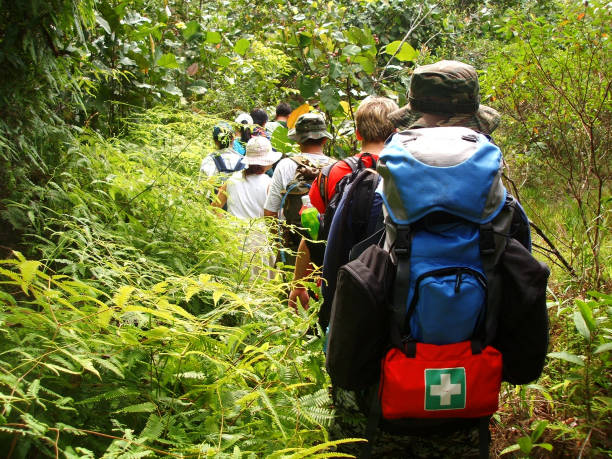
One of the most important Mount Meru trek safety tips is to always trek with licensed guides and park rangers.
Guides are responsible for:
- Route navigation
- Wildlife monitoring
- Altitude management
- Emergency response
- Weather assessment
- Group pacing (“pole pole” system)
Without professional guidance, trekking Mount Meru becomes significantly more dangerous.
Arusha National Park regulations require all trekkers to be accompanied by certified guides and armed rangers in wildlife zones.
This system is one of the strongest safety features of Mount Meru.
Wildlife Awareness and Safety
Because Mount Meru is located inside a national park, wildlife encounters are part of the experience. One of the most important Mount Meru trek safety tips is understanding how to behave around animals.
Common wildlife includes:
- Buffaloes
- Giraffes
- Monkeys
- Bushbucks
- Occasional elephants
Safety rules around wildlife:
- Never approach animals
- Do not feed wildlife
- Stay in designated paths
- Follow ranger instructions at all times
- Maintain group cohesion
Wildlife is generally not aggressive, but unpredictable encounters can occur, especially in forest zones.
Terrain and Trail Safety
The terrain on Mount Meru changes significantly with altitude. A proper understanding of Mount Meru trek safety tips includes preparing for:
- Steep ascents
- Rocky paths
- Loose volcanic soil
- Slippery forest floors
- Narrow ridges near summit
Proper footwear and trekking poles greatly improve stability.
Many injuries on Mount Meru occur due to slipping or poor footwear choices, making this a critical safety area.
Weather Conditions on Mount Meru
Weather is another important factor in Mount Meru trek safety tips.
Conditions can change quickly from:
- Warm forest climates
- To cold, windy alpine zones
- To freezing summit temperatures
Rain can also occur unexpectedly, making trails slippery.
Trekkers should always carry:
- Waterproof jackets
- Warm layers
- Gloves and hats
- Rain protection gear
Being prepared for sudden weather changes is essential for safety and comfort.
Importance of Pacing (“Pole Pole” Method)
One of the most repeated Mount Meru trek safety tips from guides is the “pole pole” approach, meaning “slowly, slowly” in Swahili.
This method helps:
- Prevent exhaustion
- Reduce altitude sickness risk
- Improve breathing efficiency
- Maintain group safety
- Increase summit success rates
Many beginners make the mistake of hiking too fast early in the trek, which leads to fatigue later.
Basic Safety Equipment Checklist
Every trekker should carry essential items as part of Mount Meru trek safety tips:
- Headlamp
- First aid kit
- Water bottles
- Energy snacks
- Warm clothing layers
- Rain jacket
- Trekking poles
- Personal medication
These items significantly improve safety and comfort during the climb.
Expert Insight
Professional guides consistently emphasize that Mount Meru trek safety tips are not optional—they are essential for survival and success.
Experts highlight:
- Preparation reduces risk
- Guides are your main safety system
- Altitude must be respected
- Weather changes must be expected
- Wildlife must be treated with caution
Mount Meru is considered safe when proper procedures are followed.
Altitude, Health, and Emergency Protection: Core Mount Meru Trek Safety Tips
A deeper understanding of Mount Meru trek safety tips must focus on altitude management, health preparation, and emergency response. While Mount Meru is considered a beginner-friendly mountain compared to Kilimanjaro, it still reaches an altitude of 4,566 meters, which is high enough to cause physical stress if proper precautions are not followed.
Many trekkers assume that fitness alone guarantees safety, but in reality, successful climbing depends on how well you apply Mount Meru trek safety tips related to altitude adaptation, hydration, and recognizing early warning signs of illness.
Understanding Altitude Sickness on Mount Meru
One of the most critical Mount Meru trek safety tips is learning about altitude sickness, also known as Acute Mountain Sickness (AMS). This condition occurs when the body struggles to adjust to reduced oxygen levels at higher elevations.
Symptoms may include:
- Headache
- Nausea
- Dizziness
- Fatigue
- Shortness of breath
- Loss of appetite
- Difficulty sleeping
These symptoms can appear at Saddle Hut or during summit attempts, making awareness essential.
Altitude sickness should never be ignored, and proper application of Mount Meru trek safety tips ensures early detection and prevention of serious complications.
Prevention Strategies for Altitude Safety
Effective prevention is a key part of Mount Meru trek safety tips. Climbers who follow preventive measures significantly reduce their risk of altitude-related illness.
1. Gradual Ascent
Mount Meru is designed with staged camping points (Miriakamba Hut and Saddle Hut) to allow natural acclimatization. Following this structure is one of the most important Mount Meru trek safety tips.
2. Hydration
Drinking enough water helps the body adapt to altitude changes.
Recommended hydration practices:
- Drink small amounts frequently
- Avoid alcohol and excessive caffeine
- Use electrolyte supplements
3. Slow Movement
The “pole pole” method remains one of the most effective Mount Meru trek safety tips for preventing altitude stress.
Recognizing Danger Signs Early
A responsible trekker must understand early warning signs as part of Mount Meru trek safety tips.
Danger signs include:
- Severe headache that does not improve
- Persistent vomiting
- Confusion or disorientation
- Loss of coordination
- Chest tightness
- Extreme fatigue
If any of these symptoms appear, trekkers must immediately inform their guide.
Ignoring symptoms is one of the most dangerous mistakes in mountain trekking.
Role of Guides in Emergency Situations
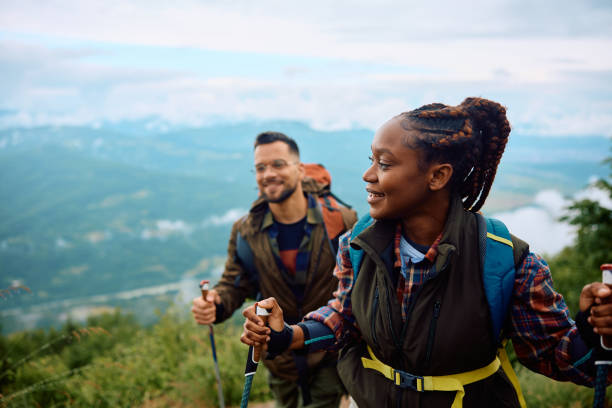
Professional guides play a central role in Mount Meru trek safety tips because they are trained to handle emergencies.
Their responsibilities include:
- Monitoring trekkers’ health
- Identifying altitude sickness early
- Deciding when to descend
- Providing first aid
- Communicating with park authorities
Arusha National Park regulations ensure that all climbing groups have trained guides and rangers for safety.
This system significantly reduces risk and is one of the strongest safety structures in East African trekking.
Hydration and Nutrition Safety
Proper hydration and nutrition are essential Mount Meru trek safety tips that directly affect performance and altitude adaptation.
Hydration Guidelines
- Minimum 3–4 liters of water daily
- Drink before feeling thirsty
- Avoid dehydration during cold weather
Nutrition Guidelines
- High carbohydrate meals for energy
- Light but frequent meals
- Avoid heavy or greasy foods
- Include fruits and snacks
A well-fed body adapts better to altitude stress, making this a critical part of Mount Meru trek safety tips.
Physical Preparation and Fitness Safety
Fitness plays a supporting role in Mount Meru trek safety tips, but it is not the only factor. Even fit individuals can experience altitude challenges if they do not prepare properly.
Recommended preparation includes:
- Regular hiking practice
- Stair climbing exercises
- Cardiovascular training
- Strength training for legs
Good fitness helps reduce fatigue, but altitude awareness remains more important.
Emergency Response System on Mount Meru
Mount Meru has a structured emergency system, which is a key part of Mount Meru trek safety tips.
The system includes:
- Park ranger support
- Guide communication networks
- Emergency evacuation routes
- Rescue coordination teams
If a trekker becomes seriously ill, descent is the primary solution. Helicopter evacuation is rare but can be coordinated in extreme cases.
Weather-Related Safety Risks
Weather conditions can change rapidly, making it an important focus of Mount Meru trek safety tips.
Risks include:
- Sudden rain causing slippery trails
- Cold winds at Saddle Hut
- Freezing temperatures at summit
- Reduced visibility in mist
Proper clothing and layering are essential safety measures.
Common Mistakes That Increase Risk
Many accidents occur due to preventable errors. Understanding these mistakes is part of Mount Meru trek safety tips.
Common mistakes include:
- Hiking too fast
- Ignoring early symptoms
- Poor hydration habits
- Inadequate clothing
- Carrying unnecessary weight
- Skipping meals
- Not following guide instructions
Avoiding these mistakes significantly improves safety outcomes.
Safety Comparison Table
| Safety Factor | Risk Level | Prevention Method |
|---|---|---|
| Altitude Sickness | High | Slow ascent, hydration |
| Weather Exposure | Medium-High | Proper gear layering |
| Fatigue | Medium | Fitness + pacing |
| Wildlife Risk | Low-Medium | Ranger guidance |
| Dehydration | High | Regular water intake |
This table highlights why Mount Meru trek safety tips must be followed consistently throughout the climb.
Expert Safety Insight
Experienced mountain guides emphasize that Mount Meru trek safety tips are most effective when applied early, not after problems begin.
Key expert advice includes:
- “Listen to your body, not your ambition”
- “Slow climbing saves lives and improves success rates”
- “Hydration is your first defense against altitude issues”
- “Descending early is a smart decision, not failure”
These insights reflect real mountain experience from thousands of climbs.