
Explore Mount Meru Flora and Fauna in Tanzania. Discover wildlife, birds, plants, forest ecosystems, and biodiversity found in Arusha National Park on Mount Meru.
Quick Summary
Mount Meru Flora and Fauna represent one of the richest and most diverse mountain ecosystems in Tanzania. Located inside Arusha National Park, Mount Meru supports a wide range of wildlife, birds, plants, and forest habitats that change dramatically with altitude. From dense montane forests to alpine vegetation near the summit, the mountain offers an exceptional biodiversity experience for travelers, researchers, and nature lovers. This guide introduces the ecosystem, explains its importance, and highlights why Mount Meru is one of East Africa’s most unique natural environments.
| Ecosystem Zone | Key Features |
|---|---|
| Lowland Forest | Dense vegetation, wildlife habitat |
| Montane Forest | High biodiversity, monkeys, birds |
| Heath Zone | Shrubs, moorland plants |
| Alpine Zone | Sparse vegetation, volcanic terrain |
Understanding Mount Meru Flora and Fauna
A complete understanding of Mount Meru Flora and Fauna begins with recognizing that Mount Meru is not just a mountain—it is a complete ecological system. Rising to 4,566 meters above sea level, Mount Meru creates multiple climate zones that support different types of life forms.
As trekkers ascend the mountain, they experience a dramatic transition in vegetation and wildlife. This makes Mount Meru one of the best examples of vertical ecological diversity in East Africa.
The concept of Mount Meru Flora and Fauna refers to the interaction between plant life (flora) and animal life (fauna) within these changing environments. Each altitude zone supports species uniquely adapted to temperature, moisture, and terrain conditions.
Why Mount Meru Has Such Rich Biodiversity
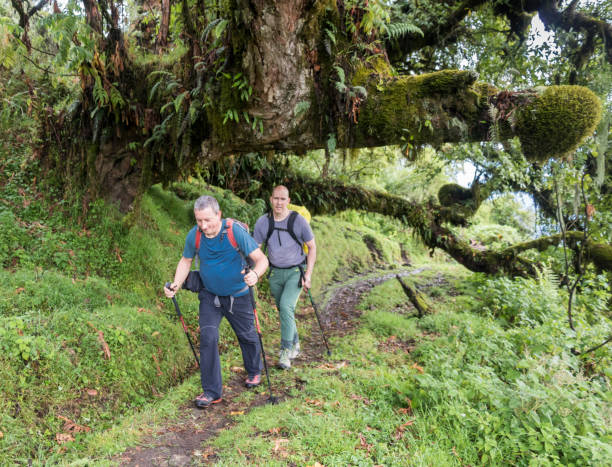
One of the main reasons Mount Meru Flora and Fauna are so diverse is the mountain’s location inside Arusha National Park. The park protects large areas of forest, grassland, and volcanic landscapes, allowing ecosystems to thrive with minimal human disturbance.
Several environmental factors contribute to this richness:
- Varying altitude zones
- High rainfall in forest areas
- Volcanic soil fertility
- Protected conservation status
- Low human settlement impact
These factors combine to create a stable environment where both plant and animal species can flourish.
Because of this, Mount Meru is often considered a “miniature ecosystem map” of Tanzania’s northern wildlife regions.
The Ecological Zones of Mount Meru
A key part of understanding Mount Meru Flora and Fauna is recognizing its distinct ecological zones. Each zone supports different plant and animal communities.
1. Lowland Forest Zone
This is the starting point of most treks. It is characterized by dense vegetation and warm temperatures.
Common features include:
- Thick forest cover
- High humidity
- Rich soil
- Frequent animal movement
Animals often seen:
- Giraffes
- Buffaloes
- Warthogs
- Bushbucks
This zone is one of the most active wildlife areas in the Mount Meru Flora and Fauna system.
2. Montane Forest Zone
As altitude increases, the forest becomes cooler and denser. This zone is one of the richest in biodiversity.
Key characteristics:
- Tall trees
- Moss-covered vegetation
- Cooler temperatures
- High bird activity
Animals found here include:
- Colobus monkeys
- Blue monkeys
- Various bird species
- Small antelopes
This is one of the most important zones in Mount Meru Flora and Fauna because it supports both large mammals and primates.
3. Heath and Moorland Zone
Higher up, the forest begins to thin out, transitioning into shrub and moorland vegetation.
Features include:
- Low shrubs
- Heather plants
- Rocky terrain
- Wind exposure
Animal sightings become less frequent, but birdlife continues to be present.
This zone marks a transition phase in the Mount Meru Flora and Fauna ecosystem.
4. Alpine Zone
Near the summit, vegetation becomes extremely sparse due to harsh climatic conditions.
Characteristics:
- Volcanic rocks
- Minimal plant life
- Cold temperatures
- Strong winds
Only specialized plant species survive here, making it the most extreme part of Mount Meru Flora and Fauna.
Importance of Mount Meru Ecosystem
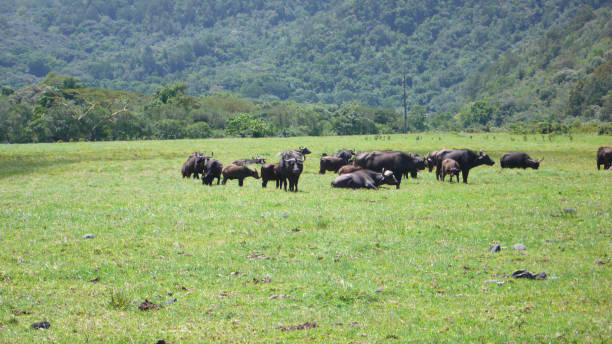
The Mount Meru Flora and Fauna system is not only important for tourism but also for conservation and scientific research.
Key importance includes:
- Habitat for endangered species
- Water catchment protection
- Climate regulation
- Biodiversity conservation
- Ecotourism development
Arusha National Park plays a crucial role in protecting this ecosystem from human destruction and climate impact.
Wildlife Interaction Along Trekking Routes
One of the most exciting aspects of Mount Meru Flora and Fauna is the close interaction between trekking routes and wildlife habitats.
Unlike many mountains where wildlife is rarely seen, Mount Meru offers frequent encounters during hikes.
Common sightings include:
- Giraffes grazing in open areas
- Buffaloes near forest edges
- Monkeys in trees
- Birds flying across trails
- Antelopes in grasslands
This makes trekking Mount Meru a unique combination of hiking and safari experience.
Expert Insight on Mount Meru Biodiversity
Wildlife experts and guides often describe Mount Meru Flora and Fauna as one of the most complete ecological systems in Tanzania.
Key expert observations:
- High species diversity within short distances
- Strong ecological transitions with altitude
- Excellent conservation success due to park protection
- Ideal location for ecological studies
Many researchers use Mount Meru as a model for studying mountain biodiversity in Africa.
Wildlife Species and Forest Biodiversity: A Deeper Look into Mount Meru Flora and Fauna
Understanding the richness of Mount Meru Flora and Fauna requires a closer look at the actual species that live within its ecosystem. Mount Meru is not only a scenic trekking destination but also a living habitat that supports a wide variety of mammals, birds, insects, and plant life. Each altitude zone contributes to the diversity that makes Mount Meru Flora and Fauna one of the most interesting ecological systems in East Africa.
As trekkers move through Arusha National Park toward the mountain slopes, they experience a gradual transition from open savannah landscapes to dense forest environments and finally to alpine conditions. This transition is what makes Mount Meru Flora and Fauna so unique compared to many other mountain ecosystems.
Mammals of Mount Meru
One of the most exciting components of Mount Meru Flora and Fauna is the presence of large and small mammals along the trekking routes. Unlike many high mountains where wildlife is rare, Mount Meru allows visitors to encounter animals even during hiking activities.
Large Mammals
Common large mammals found within the ecosystem include:
- African buffaloes
- Giraffes
- Elephants (occasionally in lower zones)
- Zebras
- Warthogs
These animals are mostly found in the lower forest and grassland zones. Their presence adds a safari-like experience to Mount Meru Flora and Fauna, making trekking feel like a combination of hiking and wildlife viewing.
Buffaloes are among the most frequently observed animals and are often seen near forest edges. Giraffes are commonly spotted in open areas before the forest becomes too dense.
Medium and Small Mammals
The mid and upper forest zones of Mount Meru Flora and Fauna are home to smaller mammals, especially primates and forest antelopes.
Key species include:
- Black-and-white colobus monkeys
- Blue monkeys
- Bushbucks
- Duikers
These animals are highly adapted to forest environments and are often seen moving through trees or along quiet forest paths.
Colobus monkeys are particularly iconic in Mount Meru Flora and Fauna due to their striking black-and-white fur and graceful movement through the canopy.
Birdlife Diversity in Mount Meru Flora and Fauna
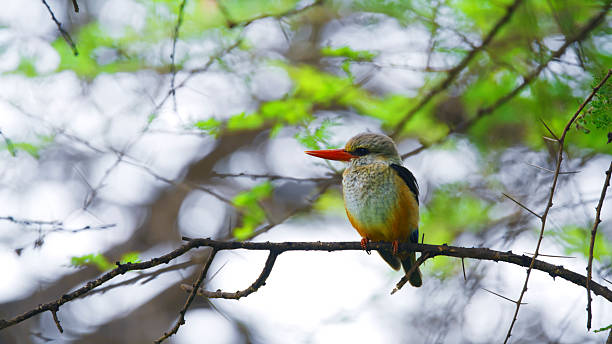
Birdwatching is one of the most rewarding aspects of Mount Meru Flora and Fauna. The mountain and surrounding Arusha National Park host hundreds of bird species, making it a paradise for ornithologists and nature lovers.
Common Bird Species
Some frequently observed birds include:
- Turacos
- Hornbills
- Sunbirds
- Eagles
- Starlings
- Kingfishers
These species can be found across different zones of the mountain depending on altitude and vegetation type.
Forest zones within Mount Meru Flora and Fauna are especially rich in bird diversity due to the availability of food, nesting sites, and protection from predators.
Why Birdlife is So Rich
The richness of birdlife in Mount Meru Flora and Fauna is influenced by:
- Dense forest cover
- Variety of plant species
- Stable climate conditions
- Protected conservation area status
These factors create ideal conditions for both resident and migratory bird species.
Plant Life and Vegetation Zones
Plants are a fundamental part of Mount Meru Flora and Fauna, shaping habitats and supporting animal life across all altitude zones.
Lowland Vegetation
At lower elevations, vegetation is dominated by:
- Tall grasses
- Acacia trees
- Open savannah plants
This zone supports grazing animals and large herbivores that form a key part of Mount Meru Flora and Fauna.
Montane Forest Vegetation
The montane forest is one of the most important zones in Mount Meru Flora and Fauna due to its dense biodiversity.
Typical vegetation includes:
- Giant fig trees
- Mahogany trees
- Ferns
- Moss-covered trunks
- Dense undergrowth
This environment supports monkeys, birds, and forest mammals.
The thick vegetation also helps regulate moisture and temperature within the ecosystem.
Heath and Moorland Plants
As altitude increases, vegetation changes into heath and moorland species such as:
- Heather shrubs
- Erica plants
- Drought-resistant grasses
This transitional zone of Mount Meru Flora and Fauna reflects the harsh climatic conditions found at higher elevations.
Alpine Vegetation
Near the summit, vegetation becomes very limited due to cold temperatures and volcanic terrain.
Only hardy plant species survive here, including:
- Lichens
- Sparse grasses
- Small alpine shrubs
This represents the most extreme environment within Mount Meru Flora and Fauna.
Insects and Smaller Ecosystem Contributors
Although less visible, insects play an essential role in Mount Meru Flora and Fauna.
Common insect groups include:
- Butterflies
- Beetles
- Ants
- Bees
These species contribute to pollination, decomposition, and overall ecosystem balance.
Butterflies are especially noticeable in forest areas where flowers are abundant.
Wildlife Behavior Across Altitude Zones
One of the most interesting aspects of Mount Meru Flora and Fauna is how animal behavior changes with altitude.
Lower Zones
- Large herbivores dominate
- Animals move in open areas
- Feeding activity is high
Middle Forest Zones
- Primates are more active
- Birds dominate canopy layers
- Increased shelter and feeding diversity
Higher Zones
- Fewer animals present
- Species are highly adapted to cold conditions
- Activity levels decrease due to climate harshness
This vertical distribution makes Mount Meru Flora and Fauna a dynamic and evolving ecosystem.
Seasonal Changes in Mount Meru Flora and Fauna
Seasonality also affects biodiversity patterns within Mount Meru Flora and Fauna.
Dry Season
- Easier wildlife spotting
- Animals gather near water sources
- Clear hiking conditions
Wet Season
- Lush vegetation growth
- Higher insect activity
- More challenging trails
- Increased bird migration activity
Both seasons offer unique experiences depending on what visitors want to observe in Mount Meru Flora and Fauna.
Comparison Table: Wildlife by Zone
| Zone | Key Animals | Vegetation Type |
|---|---|---|
| Lowland | Giraffes, Buffaloes | Savannah grasslands |
| Montane Forest | Monkeys, Bushbucks | Dense forest |
| Moorland | Limited mammals, birds | Shrubs, heather |
| Alpine | Rare species | Sparse vegetation |
This breakdown helps visualize how Mount Meru Flora and Fauna changes dramatically with altitude.
Expert Insight on Biodiversity Value
Wildlife experts describe Mount Meru Flora and Fauna as a “vertical ecosystem laboratory” due to its rapid ecological changes over short distances.
Key expert observations include:
- High biodiversity density in small area
- Strong conservation success within Arusha National Park
- Excellent habitat connectivity between zones
- Rare opportunity to study altitude-based ecosystems
These characteristics make Mount Meru Flora and Fauna important for both tourism and scientific research.