
Discover everything about Mount Meru hiking on rainy season including trail conditions, safety tips, gear, wildlife, risks, and expert trekking advice in Tanzania.
Quick Summary
Mount Meru hiking on rainy season offers a unique trekking experience characterized by lush green forests, dramatic clouds, slippery trails, and fewer tourists. Located inside Arusha National Park, Mount Meru transforms significantly during the wet season, creating both beautiful scenery and challenging hiking conditions. This guide introduces what trekkers should expect, including weather changes, trail conditions, wildlife behavior, and safety considerations during Mount Meru hiking on rainy season.
| Factor | Rainy Season Impact |
|---|---|
| Trails | Slippery and muddy |
| Vegetation | Very lush and green |
| Wildlife | More active in forests |
| Visibility | Sometimes reduced |
| Difficulty | Moderate to high |
Understanding Mount Meru Hiking on Rainy Season
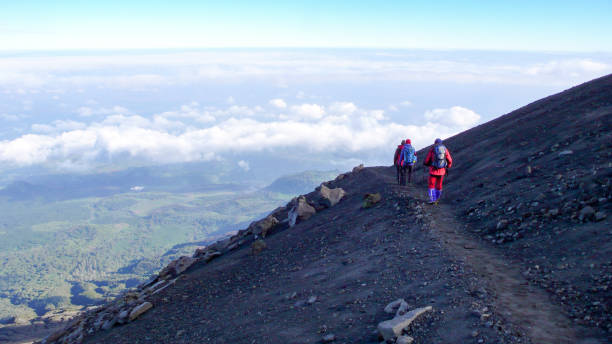
A full understanding of Mount Meru hiking on rainy season begins with recognizing how dramatically the mountain changes during wet months. Unlike dry season trekking, the rainy season transforms Mount Meru into a dense, humid, and highly vibrant ecosystem.
Rainfall affects:
- Trail conditions
- Wildlife movement
- Visibility on the slopes
- Temperature and humidity
- Overall trekking experience
Despite these challenges, many experienced trekkers consider Mount Meru hiking on rainy season one of the most beautiful times to explore the mountain due to its green landscapes and fewer crowds.
Why Rainy Season Hiking Is Different
One of the key characteristics of Mount Meru hiking on rainy season is unpredictability. Weather conditions can change within minutes, shifting from light drizzle to heavy rainfall or mist.
This creates both advantages and challenges:
Advantages:
- Fewer tourists on trails
- Lush vegetation and scenic views
- Active wildlife in forest zones
- Cooler hiking temperatures
Challenges:
- Slippery and muddy paths
- Reduced visibility in forest areas
- Wet clothing and gear management
- Increased physical effort required
These factors make preparation essential for successful Mount Meru hiking on rainy season.
Trail Conditions During Rainy Season
Trail conditions are one of the most important aspects of Mount Meru hiking on rainy season.
Lower forest zones become especially wet due to heavy rainfall and dense vegetation. Paths may turn into muddy tracks, requiring careful movement and proper footwear.
Common trail conditions include:
- Mud-covered slopes
- Wet tree roots
- Slippery volcanic soil
- Foggy forest sections
- Occasional small streams crossing paths
Trekkers must move slowly and carefully to avoid injuries during Mount Meru hiking on rainy season.
Vegetation and Landscape Transformation
One of the most impressive aspects of Mount Meru hiking on rainy season is the transformation of vegetation.
Rainfall brings life to the mountain, making forests greener and more vibrant.
Key changes include:
- Thick moss growth on trees
- Blooming wildflowers
- Dense green canopy cover
- Increased humidity in forest zones
This creates a magical atmosphere that many trekkers describe as “enchanted forest hiking.”
Wildlife Behavior in Rainy Season
Wildlife plays a major role in Mount Meru hiking on rainy season experiences. Animals behave differently during wet months due to changes in food availability and movement patterns.
Common observations include:
- Monkeys becoming more active in forests
- Birds increasing nesting activity
- Buffaloes moving between forest edges
- Giraffes grazing in open wet grasslands
Rainy season often improves wildlife visibility in some areas because animals concentrate around food-rich zones.
Temperature and Weather Conditions
Weather is a defining factor in Mount Meru hiking on rainy season.
Typical conditions include:
- Cool daytime temperatures
- High humidity levels
- Frequent rain showers
- Fog and mist in higher zones
- Cold nights at Saddle Hut
Trekkers must prepare for both wet and cold environments simultaneously.
Expert Insight on Rainy Season Trekking
Experienced guides emphasize that Mount Meru hiking on rainy season is best suited for prepared and flexible trekkers.
Key expert advice includes:
- Always carry waterproof gear
- Expect sudden weather changes
- Move slowly on slippery terrain
- Keep electronics protected from moisture
- Follow guide instructions strictly
Experts agree that while challenging, Mount Meru hiking on rainy season offers one of the most visually rewarding trekking experiences in Tanzania.
Essential Gear, Safety Systems, and Risk Management for Mount Meru Hiking on Rainy Season
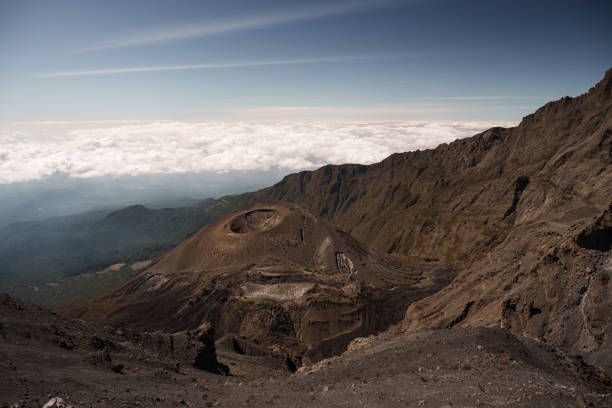
A successful Mount Meru hiking on rainy season experience depends heavily on preparation, especially when it comes to gear selection, safety awareness, and managing wet-weather risks. Unlike dry season trekking, the rainy season introduces unpredictable conditions that can quickly change the difficulty level of the climb.
Trekkers who properly prepare for Mount Meru hiking on rainy season often enjoy safer, more comfortable journeys despite the wet conditions. Those who underestimate the mountain’s weather variability face unnecessary challenges such as hypothermia risk, slippery falls, and equipment damage.
Essential Waterproof Gear for Rainy Season Trekking
One of the most important Mount Meru hiking on rainy season safety tips is carrying proper waterproof equipment. Rain protection is not optional—it is essential for survival and comfort on the mountain.
Key Waterproof Items
- Waterproof hiking jacket (Gore-Tex or equivalent)
- Rain pants or waterproof trekking trousers
- Waterproof backpack cover
- Dry bags for electronics and clothes
- Waterproof hiking boots with strong grip
These items protect trekkers from prolonged exposure to rain, which is common during Mount Meru hiking on rainy season.
Wet clothing can quickly lead to discomfort, fatigue, and increased risk of hypothermia, especially at higher elevations.
Clothing Layering Strategy
Proper layering is a critical part of Mount Meru hiking on rainy season preparation. Because temperatures change rapidly, trekkers must adapt to both rain and cold conditions.
Recommended layering system:
Base Layer
- Moisture-wicking thermal shirts
- Quick-dry underwear
Mid Layer
- Fleece jackets
- Lightweight insulating clothing
Outer Layer
- Waterproof and windproof jacket
- Rain-resistant trousers
This system ensures body temperature regulation during Mount Meru hiking on rainy season, especially when moving between warm forest zones and cold alpine sections.
Footwear and Trail Safety
Footwear is one of the most important safety elements in Mount Meru hiking on rainy season conditions. Trails become muddy, slippery, and unstable, especially in forest zones.
Recommended footwear features:
- Deep grip soles for mud traction
- Waterproof material
- Ankle support for stability
- Comfortable fit for long hikes
Improper footwear is one of the leading causes of slips and injuries during Mount Meru hiking on rainy season.
Trekkers are strongly advised to break in boots before the hike to avoid blisters.
Backpack and Equipment Protection
Keeping gear dry is essential during Mount Meru hiking on rainy season. Rain can damage electronics, clothing, and food supplies if not properly protected.
Protection strategies:
- Use waterproof backpack rain covers
- Pack items in dry bags
- Store electronics in sealed pouches
- Keep spare clothes in waterproof compartments
Many trekkers underestimate how quickly gear can get wet during Mount Meru hiking on rainy season, especially during heavy forest rainfall.
Trail Safety in Wet Conditions
Trail safety becomes more critical during Mount Meru hiking on rainy season due to increased slipperiness and reduced visibility.
Common risks include:
- Slipping on muddy slopes
- Losing balance on wet roots
- Reduced visibility in fog
- Hidden water-filled holes
Safety practices:
- Walk slowly and deliberately
- Use trekking poles for balance
- Maintain distance between hikers
- Follow guide instructions at all times
These precautions significantly reduce injury risk during Mount Meru hiking on rainy season.
Altitude + Rain Combined Risks
One of the unique challenges of Mount Meru hiking on rainy season is the combination of altitude effects and wet weather conditions.
At higher elevations:
- Temperatures drop sharply
- Rain may turn into cold mist
- Oxygen levels decrease
- Fatigue increases faster
This combination increases the difficulty level compared to dry season trekking.
Trekkers must monitor their bodies closely during Mount Meru hiking on rainy season, especially when ascending toward Saddle Hut and summit zones.
Emergency Preparedness Systems
A strong safety system is part of Mount Meru hiking on rainy season trekking. Guides and park rangers are trained to handle emergencies caused by weather or altitude-related issues.
Emergency support includes:
- Guided evacuation routes
- Communication with park authorities
- First aid response by trained guides
- Shelter access at huts
Trekkers should always stay close to their group during Mount Meru hiking on rainy season to ensure quick assistance if needed.
Comparison Table: Dry vs Rainy Season Safety
| Factor | Dry Season | Rainy Season |
|---|---|---|
| Trail Conditions | Stable | Slippery & muddy |
| Visibility | Clear | Foggy/misty |
| Gear Needs | Standard | Waterproof essential |
| Difficulty Level | Moderate | Moderate to High |
| Wildlife Visibility | Moderate | High in forest zones |
This comparison shows why Mount Meru hiking on rainy season requires stronger preparation and awareness.
Beginner vs Experienced Trekker Performance
Experience level significantly affects outcomes during Mount Meru hiking on rainy season.
| Type of Trekker | Performance |
|---|---|
| Beginners | Need slower pace, more support |
| Intermediate | Manage conditions with guidance |
| Experienced | Adapt quickly to weather changes |
Even experienced hikers must respect conditions during Mount Meru hiking on rainy season, as weather can override experience.
Expert Safety Insight
Professional mountain guides emphasize that Mount Meru hiking on rainy season is safe only when trekkers fully respect weather conditions and follow instructions.
Key expert advice includes:
- Never rush on wet trails
- Always keep waterproof gear accessible
- Trust guide decisions during heavy rain
- Prioritize safety over speed
Experts consistently note that most issues during Mount Meru hiking on rainy season are caused by poor preparation rather than the mountain itself.
FAQs, Seasonal Comparison, and Expert Final Advice for Mount Meru Hiking on Rainy Season
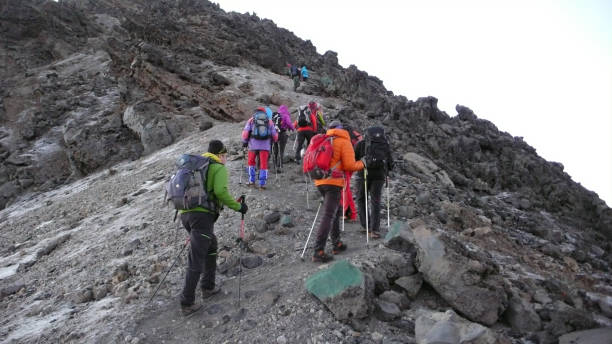
At this stage, most trekkers want clear answers before committing to hiking on rainy season. This final section brings together frequently asked questions, seasonal comparisons, expert recommendations, and practical decision-making guidance. It also helps future climbers understand whether Mount Meru hiking on rainy season is the right choice for their fitness level, expectations, and travel timing.
By the end of many trekking journeys, hikers realize that hiking on rainy season is not just about weather—it is about preparation, mindset, and adaptability.
Frequently Asked Questions (FAQs)
1. Is Mount Meru hiking on rainy season safe?
Yes, hiking on rainy season is safe when guided by licensed professionals. Arusha National Park provides trained guides and rangers who ensure trekkers follow safe routes even in wet and slippery conditions. Safety mainly depends on preparation and following instructions.
2. How difficult is Mount Meru hiking on rainy season compared to dry season?
Mount Meru hiking on rainy season is generally more challenging due to muddy trails, reduced visibility, and wet clothing conditions. However, physical fitness and proper gear can significantly reduce difficulty.
3. What makes rainy season trekking special?
Many trekkers choose hiking on rainy season because of lush green forests, fewer tourists, dramatic cloud formations, and active wildlife behavior in the lower zones.
4. Do I need special equipment for rainy season?
Yes. Waterproof gear is essential for Mount Meru hiking on rainy season, including rain jackets, waterproof boots, dry bags, and layered clothing to handle changing temperatures.
5. Can beginners attempt Mount Meru in rainy season?
Beginners can attempt Mount Meru hiking on rainy season, but it is recommended to go with experienced guides and be well-prepared physically and mentally for slippery and cold conditions.
Best Time Comparison: Rainy vs Dry Season
Choosing the right time for Mount Meru hiking on rainy season depends on your goals.
| Factor | Rainy Season | Dry Season |
|---|---|---|
| Scenery | Very lush & green | Clear & dry landscapes |
| Crowd Level | Low (quiet trails) | Moderate traffic |
| Wildlife | More active in forest zones | Easier visibility in open areas |
| Trail Difficulty | Higher (muddy/slippery) | Moderate (stable trails) |
| Photography | Dramatic & misty views | Clear mountain views |
This comparison helps trekkers decide whether Mount Meru hiking on rainy season matches their adventure expectations.
Who Should Choose Rainy Season Trekking?
Not every traveler is suited for Mount Meru hiking on rainy season. It is ideal for:
- Experienced hikers seeking challenge
- Nature lovers who enjoy green landscapes
- Photographers interested in misty mountain scenes
- Travelers avoiding crowds
It may not be ideal for:
- First-time trekkers without preparation
- Travelers with limited waterproof gear
- Those sensitive to cold and wet conditions
Expert GoAccessAfrica Safaris Recommendations
Professional guides from GoAccessAfrica Safaris emphasize that Mount Meru hiking on rainy season can be an excellent experience if approached correctly.
Experts recommend:
- Booking experienced local guides
- Preparing waterproof gear in advance
- Training for endurance and hill walking
- Keeping flexible travel plans due to weather
- Following ranger instructions at all times
These recommendations significantly improve success rates during Mount Meru hiking on rainy season.
Common Mistakes to Avoid
Many challenges in Mount Meru hiking on rainy season come from avoidable mistakes:
- Wearing non-waterproof shoes
- Ignoring weather forecasts
- Carrying heavy unnecessary luggage
- Walking too fast on slippery trails
- Not using trekking poles
Avoiding these mistakes improves safety and enjoyment during Mount Meru hiking on rainy season.
Final Safety Checklist
Before starting Mount Meru hiking on rainy season, ensure you have:
- Waterproof jacket and trousers
- Strong grip hiking boots
- Dry bags for electronics
- Warm layered clothing
- Headlamp and backup batteries
- Hydration system
- Trekking poles
- First aid essentials
This checklist is essential for a successful Mount Meru hiking on rainy season experience.
Emotional and Experience Summary
Most trekkers describe Mount Meru hiking on rainy season as:
- Challenging but rewarding
- Visually stunning
- Physically demanding
- Quiet and peaceful
The combination of mist, forest, wildlife, and altitude creates a unique atmosphere that cannot be experienced in dry season trekking.
Expert Final Insight
Mountain guides consistently highlight that Mount Meru hiking on rainy season is not defined by difficulty alone, but by preparation quality.
Key expert principles:
- Respect weather conditions
- Move slowly and steadily
- Stay hydrated and warm
- Trust guide instructions
- Focus on safety over speed
These principles ensure a successful climb even under wet conditions.
Final Conclusion
In conclusion, Mount Meru hiking on rainy season offers one of the most beautiful yet challenging trekking experiences in Tanzania. While the wet season introduces slippery trails, fog, and unpredictable weather, it also rewards trekkers with lush scenery, fewer crowds, and a more intimate connection with nature.
For travelers seeking adventure beyond the ordinary, Mount Meru hiking on rainy season provides a powerful combination of challenge, beauty, and personal achievement.
With proper preparation and expert guidance from GoAccessAfrica Safaris, this journey becomes not just a hike—but a memorable life experience.
Closing Note
Mount Meru hiking on rainy season remains one of Tanzania’s most unique trekking opportunities, blending rainforest beauty with high-altitude adventure. Whether you are an experienced climber or a motivated beginner, this seasonal trek delivers unforgettable memories when approached with the right preparation and mindset.