
Learn essential Serengeti safari safety tips for a safe and enjoyable wildlife adventure in Tanzania. Discover expert advice on animals, health, travel safety, and park rules with GoaccessAfrica Safaris.
Planning a safari to Tanzania is one of the most exciting travel experiences in the world. The Serengeti National Park, famous for its vast savannahs, abundant wildlife, and the Great Migration, attracts thousands of visitors every year. However, before stepping into this incredible wilderness, it is important to understand Serengeti safari safety tips to ensure your journey is both enjoyable and secure.
Unlike urban travel destinations, the Serengeti is a natural ecosystem where wild animals roam freely. This means safety is not only about personal awareness but also about respecting wildlife behavior, following guide instructions, and understanding park regulations. Many travelers assume that safari destinations are dangerous, but in reality, the Serengeti is one of the safest wildlife parks in Africa when proper Serengeti safari safety tips are followed.
One of the most important things to understand is that safari safety is a shared responsibility between visitors, guides, and park authorities. Professional safari operators such as GoaccessAfrica Safaris prioritize safety through trained guides, well-maintained vehicles, and carefully planned itineraries. This ensures that travelers can focus on enjoying wildlife experiences while minimizing risks.
Why Serengeti Safari Safety Tips Matter
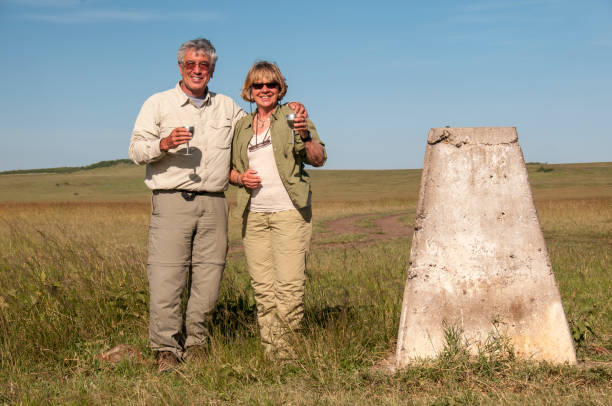
Safety in the Serengeti is not complicated, but it must be taken seriously. Wildlife is unpredictable, and even the most peaceful-looking animals can become dangerous if approached incorrectly. Lions, elephants, buffaloes, and hippos are powerful creatures that require respect and distance.
Following Serengeti safari safety tips helps travelers:
- Avoid dangerous wildlife encounters
- Stay protected during game drives
- Understand animal behavior
- Respect conservation rules
- Enjoy a stress-free safari experience
Many incidents that occur in safari parks around the world are caused by human error, such as leaving vehicles at the wrong time or ignoring guide instructions. This is why safety education is a key part of every professional safari experience.
The Role of Safari Guides in Safety
One of the most important Serengeti safari safety tips is to always listen to your safari guide. Guides are highly trained professionals with deep knowledge of animal behavior, terrain conditions, and park regulations.
A good safari guide will:
- Identify safe viewing distances
- Predict animal movements
- Ensure vehicle positioning is safe
- Communicate risk levels clearly
- Prevent unsafe behavior from tourists
With companies like GoaccessAfrica Safaris, guides are not only drivers but also wildlife experts who ensure every moment of your safari is both educational and safe.
Basic Safety Awareness in the Serengeti
Before exploring deeper safety strategies, travelers should understand basic wilderness awareness. The Serengeti is not a zoo; animals are not fenced or controlled. This is why Serengeti safari safety tips are essential for all visitors.
Key principles include:
- Never approach wild animals on foot
- Stay inside safari vehicles at all times unless instructed
- Avoid loud noises or sudden movements
- Keep a safe distance from all wildlife
- Do not feed animals under any circumstances
These simple rules greatly reduce risk and ensure harmony between humans and wildlife.
Quick Safety Overview
To simplify early planning, here are essential Serengeti safari safety tips every traveler should know:
- Always follow your guide’s instructions
- Maintain distance from wildlife
- Stay inside your safari vehicle
- Keep windows and roof controlled
- Do not attempt self-driving without experience
- Respect park rules and regulations
- Carry basic medical supplies
- Stay hydrated and protected from sun exposure
These guidelines form the foundation of a safe safari experience.
Serengeti is Safe When Rules Are Followed
Contrary to common misconceptions, the Serengeti is not a dangerous destination when visitors follow proper safety procedures. Thousands of tourists safely visit the park every year without incident.
The key is discipline and awareness. Professional operators like GoaccessAfrica Safaris ensure that travelers are fully briefed before entering the park, making Serengeti safari safety tips easy to follow even for first-time visitors.
Expert Insight from GoaccessAfrica Safaris
According to experienced guides at GoaccessAfrica Safaris, most safari safety issues occur when travelers underestimate wildlife behavior or become too relaxed during game drives. Education is therefore the most important safety tool.
Their experts emphasize that:
- Respect for wildlife guarantees safety
- Proper preparation prevents most risks
- Guided safaris are significantly safer than independent travel
- Awareness improves overall safari enjoyment
This expert guidance reinforces why structured safari planning is essential.
What You Will Learn in This Guide
This complete guide to Serengeti safari safety tips will cover everything you need to know before your trip, including:
- Wildlife safety behavior
- Vehicle safety rules
- Health precautions
- Emergency procedures
- Packing safety essentials
- Photography safety guidelines
By the end of this series, travelers will be fully prepared to enjoy a safe and unforgettable Serengeti adventure.
In the next section, we will explore wildlife safety rules in detail, including how to behave around lions, elephants, leopards, buffaloes, and other dangerous animals found in the Serengeti ecosystem.
Wildlife Safety Rules – Essential Serengeti Safari Safety Tips Around Dangerous Animals
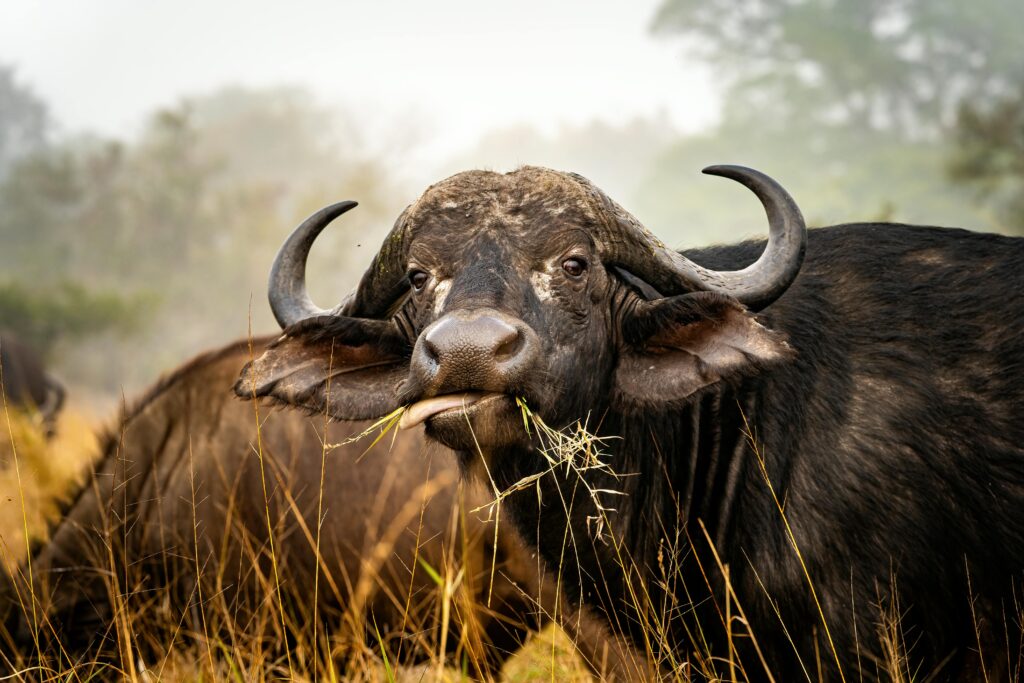
Understanding wildlife behavior is one of the most important Serengeti safari safety tips for any traveler visiting Tanzania’s most famous national park. The Serengeti is home to powerful and unpredictable wild animals that must always be respected from a safe distance. While the park is safe when rules are followed, ignoring basic wildlife behavior can lead to dangerous situations.
One of the key principles of Serengeti safari safety tips is recognizing that animals in the wild behave differently from animals in controlled environments. Lions hunt, elephants protect their territory, buffaloes defend their herds, and hippos are highly territorial in water. Each species has unique behavior patterns that every visitor must understand before entering the park.
Lions: Respecting the King of the Jungle
Lions are among the most admired animals in the Serengeti, but they are also powerful predators. One of the most critical Serengeti safari safety tips is to always maintain a safe distance from lions, especially when they are feeding or resting near cubs.
Lions may appear calm during the day, but they are still wild animals. Visitors should never attempt to exit a vehicle when lions are nearby. Safari guides carefully position vehicles at safe distances to ensure both visibility and protection.
Key safety points around lions include:
- Never stand outside the vehicle near lions
- Avoid loud noises or sudden movements
- Do not block their movement paths
- Keep windows partially controlled if close
Respecting these rules ensures safe and enjoyable wildlife viewing.
Elephants: Gentle but Extremely Powerful
Elephants are often seen as peaceful giants, but they are among the most dangerous animals when threatened. One of the most important Serengeti safari safety tips is to never approach elephants too closely, especially solitary males or mothers with calves.
Elephants can charge unexpectedly if they feel stressed or protective. Safari vehicles must always give them space to move freely.
Safety guidelines for elephants:
- Maintain a wide distance at all times
- Never block their path
- Avoid loud engine revving near herds
- Be extra cautious with young elephants present
GoaccessAfrica Safaris guides are trained to read elephant behavior and adjust vehicle positioning accordingly.
Buffaloes: Unpredictable Members of the Big Five
Buffaloes may not appear dangerous at first glance, but they are known for their unpredictable behavior. One of the less obvious Serengeti safari safety tips is to treat buffalo herds with caution at all times.
Buffaloes are highly protective and often form defensive formations when they sense danger. They can charge without warning, especially older males known as “dagga boys.”
Safety tips around buffaloes:
- Do not drive too close to herds
- Avoid separating individuals from groups
- Stay inside the vehicle at all times
- Follow guide instructions strictly
Buffalo encounters require respect and awareness.
Hippos: One of Africa’s Most Dangerous Animals
Hippos are responsible for more human-related wildlife incidents in Africa than many predators. Although they spend most of their time in water, they are extremely territorial and fast on land.
A key Serengeti safari safety tips rule is to never walk near riverbanks or hippo pools without a guide.
Important safety points:
- Avoid walking near water bodies at night
- Never get between hippos and water
- Stay inside vehicles near rivers
- Keep noise levels low around hippo areas
Hippos may appear slow but can move quickly when threatened.
Leopards and Cheetahs: Silent but Cautious Predators
Leopards and cheetahs are less aggressive toward humans, but safety rules still apply. One of the important Serengeti safari safety tips is to avoid disturbing resting predators in trees or open plains.
Leopards are highly secretive and may feel threatened if approached too closely. Cheetahs, on the other hand, are more relaxed but still wild animals.
Safety guidelines include:
- Do not chase or crowd sightings
- Avoid loud photography interruptions
- Respect their hunting or resting behavior
- Follow guide positioning instructions
Comparison Table: Animal Risk Levels and Safety Rules
| Animal | Risk Level | Key Safety Rule | Guide Importance |
|---|---|---|---|
| Lion | High | Stay inside vehicle | Critical |
| Elephant | High | Maintain distance | Critical |
| Buffalo | Medium-High | Avoid herds too close | High |
| Hippo | Very High | Avoid water areas | Critical |
| Leopard | Medium | Do not disturb | High |
| Cheetah | Low-Medium | Respect space | Moderate |
This table highlights why Serengeti safari safety tips must always be followed carefully depending on the animal encountered.
Vehicle Safety Rules During Wildlife Viewing
Another essential part of Serengeti safari safety tips involves staying safe inside safari vehicles.
Visitors should always remember:
- Never stand outside vehicles unless permitted
- Keep hands and heads inside when near wildlife
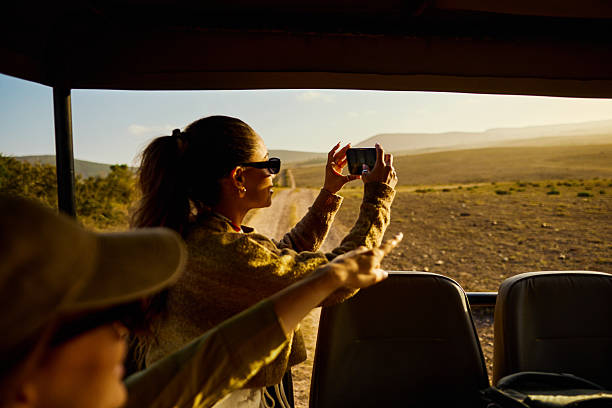
- Do not lean out for photos too far
- Avoid sudden movements that may distract animals
- Always follow guide instructions immediately
Safari vehicles are designed to protect passengers while allowing excellent viewing opportunities.
Expert Insight from GoaccessAfrica Safaris
Professional guides from GoaccessAfrica Safaris emphasize that most wildlife-related risks are completely avoidable. According to their experience, safety depends more on behavior than on animal aggression.
They highlight that:
- Calm behavior reduces animal stress
- Respecting distance ensures safety
- Guides are trained to prevent risky situations
- Awareness is the most powerful safety tool
This reinforces the importance of following Serengeti safari safety tips at all times.
Key Takeaway for Wildlife Safety
Wildlife encounters are the highlight of any Serengeti safari, but they must always be approached responsibly. Understanding animal behavior is not optional—it is essential for survival and enjoyment.
The most important Serengeti safari safety tips around wildlife include respecting distance, following guide instructions, and remaining inside vehicles at all times.
By following these rules, visitors can safely enjoy one of the most spectacular wildlife environments in the world without unnecessary risk.
In the next section, we will explore health, travel, accommodation, and emergency Serengeti safari safety tips, including how to prepare physically and mentally for a safe and comfortable safari experience.
Health, Travel, Accommodation, and Emergency Serengeti Safari Safety Tips for a Secure Journey
Beyond wildlife awareness, another critical area of Serengeti safari safety tips involves personal health, travel preparation, accommodation safety, and emergency readiness. Many travelers focus only on animals but forget that a safe safari experience also depends on how well they prepare physically, mentally, and logistically before entering the Serengeti ecosystem.
The Serengeti is a remote wilderness area, and this means medical facilities, transport access, and communication systems may not be as readily available as in urban environments. That is why understanding Serengeti safari safety tips related to health and travel planning is essential for every visitor.
Health Preparation Before Your Serengeti Safari
One of the most important Serengeti safari safety tips is ensuring that you are medically prepared before traveling to Tanzania. Although the Serengeti is generally safe for tourists, health precautions are necessary due to climate conditions, travel distance, and exposure to outdoor environments.
Recommended Health Preparations:
- Visit a travel clinic before departure
- Get recommended vaccinations (such as yellow fever if required)
- Carry anti-malaria medication if advised
- Pack a personal first aid kit
- Bring prescribed medications in original packaging
These health-related Serengeti safari safety tips ensure that travelers remain comfortable and protected throughout their journey.
Staying Hydrated and Protected from the Sun
The Serengeti climate can be hot during the day, especially in open savannah areas. Dehydration and sun exposure are common risks if travelers do not take precautions.
Important Serengeti safari safety tips for hydration and sun protection include:
- Drink plenty of bottled water throughout the day
- Wear sunscreen with high SPF
- Use a wide-brimmed hat for sun protection
- Wear lightweight, breathable clothing
- Take breaks during long game drives
These simple habits significantly reduce health risks during safari activities.
Travel Safety: Road and Air Transfers
Transportation plays a major role in overall Serengeti safari safety tips because visitors often travel long distances from airports to national parks.
Road Travel Safety
Road safaris are common and offer scenic views, but they require attention to safety:
- Always wear seatbelts in safari vehicles
- Avoid standing while the vehicle is moving
- Keep personal belongings secure
- Follow driver-guide instructions at all times
- Avoid unnecessary movement during rough terrain sections
Road travel in Tanzania is generally safe when managed by experienced operators such as GoaccessAfrica Safaris.
Fly-In Safari Safety
Fly-in safaris reduce travel time but also require awareness:
- Follow airport security instructions
- Keep travel documents accessible
- Listen carefully to pilot safety briefings
- Respect baggage weight limits
One of the most practical Serengeti safari safety tips is choosing reliable and licensed domestic airlines for internal flights.
Accommodation Safety in the Serengeti
Accommodation safety is another important component of Serengeti safari safety tips. Whether staying in luxury lodges or tented camps, visitors must follow basic safety guidelines.
Key Accommodation Safety Rules:
- Always lock your tent or lodge when leaving
- Do not walk alone at night outside designated areas
- Use escort services provided by camps if available
- Store food securely to avoid attracting wildlife
- Listen to lodge staff safety briefings
Most camps and lodges are located within wildlife areas, meaning animals may occasionally move nearby. Following these Serengeti safari safety tips ensures a safe and peaceful stay.
Night Safety in Safari Camps
Nighttime in the Serengeti is peaceful but also requires awareness. Wildlife is more active after dark, making safety rules especially important.
Important Serengeti safari safety tips at night include:
- Do not leave tents after dark without escort
- Use torches when moving inside camp areas
- Avoid unnecessary noise at night
- Stay inside designated safe zones
- Report any unusual activity to staff immediately
Professional safari camps are well-trained to ensure guest safety at all times.
Emergency Preparedness in the Serengeti
Another critical aspect of Serengeti safari safety tips is understanding how emergencies are handled during safari trips.
Although emergencies are rare, preparation is essential.
Emergency Measures Include:
- 24/7 communication with safari guides
- Emergency evacuation procedures
- First aid-trained safari staff
- Access to medical evacuation services
- Satellite communication in remote areas
Travelers should always ensure they have travel insurance that covers emergency evacuation from remote safari locations.
Packing for Safety and Comfort
Packing correctly is one of the most overlooked Serengeti safari safety tips, yet it plays a major role in comfort and safety.
Essential Safety Items to Pack:
- Personal medication
- Sunscreen and insect repellent
- Reusable water bottle
- Light jacket for early mornings
- Comfortable walking shoes
- Power bank for communication devices
Packing appropriately reduces health risks and improves overall safari experience.
Communication and Connectivity Safety
While some areas in the Serengeti have mobile coverage, connectivity can be limited in remote regions.
Important Serengeti safari safety tips for communication include:
- Inform family about your itinerary
- Use offline maps if needed
- Rely on guide communication systems
- Avoid depending solely on mobile networks
GoaccessAfrica Safaris ensures that guides maintain communication tools for safety coordination.
Expert Insight from GoaccessAfrica Safaris
According to professional guides from GoaccessAfrica Safaris, most health and travel-related issues during safaris are preventable with proper planning. Their experience shows that travelers who follow basic Serengeti safari safety tips enjoy smoother and more comfortable journeys.
They emphasize:
- Preparation reduces health risks significantly
- Reliable operators improve safety outcomes
- Proper packing enhances comfort
- Following instructions ensures emergency prevention
This expert approach ensures that travelers remain safe while enjoying wildlife experiences.
Key Takeaways for Health and Travel Safety
Understanding health, travel, and accommodation safety is essential for a successful safari experience. While wildlife awareness is important, personal preparation is equally critical.
The most important Serengeti safari safety tips in this section include staying hydrated, preparing medically, following transport safety rules, securing accommodation properly, and being aware of emergency procedures.
By applying these guidelines, travelers can enjoy a safe, comfortable, and well-prepared safari experience in one of the world’s most iconic wildlife destinations.
Advanced Serengeti Safari Safety Tips, FAQs, and Final Expert Recommendations for a Safe Safari Experience
As travelers complete their preparation for an African adventure, it is essential to understand the final layer of Serengeti safari safety tips that ensures a smooth, responsible, and fully enjoyable safari experience. While earlier sections focused on wildlife awareness, health, and travel safety, this final section brings everything together with advanced safety guidance, frequently asked questions, and expert recommendations from professional safari operators.
The Serengeti is one of the safest wildlife destinations in Africa when proper procedures are followed. However, safety is not automatic—it is achieved through awareness, preparation, and discipline. These final Serengeti safari safety tips are designed to help travelers complete their journey with confidence and clarity.
Advanced Serengeti Safari Safety Tips for Experienced Travelers
Even seasoned safari travelers benefit from advanced safety awareness. These Serengeti safari safety tips go beyond basic rules and focus on maximizing both safety and overall safari quality.
1. Always Maintain Situational Awareness
One of the most important advanced Serengeti safari safety tips is staying aware of your surroundings at all times. Wildlife movements can change quickly, especially during migration periods.
- Observe animal behavior continuously
- Pay attention to guide instructions
- Avoid distractions during game drives
- Stay alert even during quiet sightings
2. Respect Distance at All Times
Even if animals appear calm, maintaining distance is critical. This applies especially to predators and large mammals.
- Never ask guides to move closer than safe limits
- Avoid attempting selfies near wildlife
- Respect natural space boundaries
3. Follow “Leave No Trace” Principles
Responsible tourism is a major part of modern Serengeti safari safety tips.
- Do not litter in the park
- Avoid disturbing animal habitats
- Keep noise levels low
- Respect park conservation rules
4. Trust Your Guide Completely
Professional safari guides are trained for safety and wildlife behavior prediction.
- Follow instructions without hesitation
- Ask questions if unsure
- Allow guides to make positioning decisions
Comparison Table: Safe vs Unsafe Safari Behavior
| Behavior Type | Safe Practice | Unsafe Practice |
|---|---|---|
| Wildlife Viewing | Inside vehicle | Walking near animals |
| Photography | Guided positioning | Getting too close |
| Night Movement | Escort use | Walking alone |
| Noise Level | Quiet observation | Loud interaction |
| Vehicle Rules | Follow guide | Ignoring instructions |
This table highlights how proper Serengeti safari safety tips directly impact traveler safety.
Frequently Asked Questions (FAQs)
What are the most important Serengeti safari safety tips?
The most important Serengeti safari safety tips include staying inside vehicles, respecting wildlife distance, following guide instructions, and maintaining awareness of surroundings at all times.
Is Serengeti safe for first-time travelers?
Yes. The Serengeti is very safe when visitors follow professional guidance and respect wildlife rules. Most safari accidents occur due to ignoring basic safety instructions.
Can I walk in the Serengeti park?
No. One of the key Serengeti safari safety tips is that walking outside designated areas is strictly prohibited unless accompanied by armed rangers or guides in controlled environments.
Are night safaris safe in Serengeti?
Night movement outside camps is restricted. However, staying within camps is safe as staff are trained to manage wildlife encounters.
Do I need travel insurance for a Serengeti safari?
Yes. Travel insurance is strongly recommended as part of essential Serengeti safari safety tips, especially for emergency evacuation coverage.
Expert Final Advice from GoaccessAfrica Safaris
According to professional safari experts at GoaccessAfrica Safaris, safety in the Serengeti is not about fear but about respect and preparation. Their experience shows that travelers who follow structured Serengeti safari safety tips enjoy more meaningful, stress-free, and memorable wildlife experiences.
They emphasize three core principles:
- Respect wildlife at all times
- Trust professional guides
- Prepare thoroughly before travel
These principles ensure that visitors enjoy both safety and adventure without compromise.
Key Safety Recap (Bullet Points)
- Stay inside safari vehicles at all times
- Maintain safe distance from wildlife
- Follow guide instructions strictly
- Avoid night movement outside camps
- Stay hydrated and medically prepared
- Respect park conservation rules
- Use professional safari operators
- Practice responsible tourism
These bullet points summarize essential Serengeti safari safety tips for all travelers.
External Resources for Travel Safety
For additional official travel safety guidelines, visitors can consult:
- Tanzania National Parks Authority (TANAPA)
- World Health Organization Travel Advice
- Tanzania Tourism Board
These resources provide further validation of international travel safety standards.
Final Conclusion: Why Serengeti Safari Safety Tips Matter
Understanding and applying Serengeti safari safety tips is the foundation of every successful safari experience. The Serengeti is a powerful and breathtaking ecosystem where wildlife lives freely, and human visitors are guests in their natural habitat.
Safety in this environment is achieved through awareness, respect, and professional guidance. When travelers follow proper Serengeti safari safety tips, they not only protect themselves but also contribute to conservation efforts that preserve this extraordinary ecosystem for future generations.
With expert support from GoaccessAfrica Safaris, travelers can experience the Serengeti with confidence, knowing that every detail—from wildlife encounters to accommodation and transportation—is carefully managed for safety and comfort.
A well-prepared safari is not just a trip; it is a life-changing experience. And with the right Serengeti safari safety tips, every moment in the Serengeti becomes both safe and unforgettable.
Plan your next safari adventure with GoaccessAfrica Safaris and experience the Serengeti safely with expert-guided tours, professional planning, and unforgettable wildlife encounters.