
Serengeti Migration Explained in detail. Learn when, where, and why over 1.5 million wildebeest migrate across Tanzania and Kenya. Discover the best safari seasons, river crossings, wildlife encounters, and expert travel tips from GoAccessAfrica Safaris.
The Great Migration is often described as the greatest wildlife show on Earth. Every year, more than 1.5 million wildebeest, accompanied by hundreds of thousands of zebras and gazelles, move across the vast plains of the Serengeti ecosystem in search of fresh grazing and water. For travelers planning a safari in Tanzania, understanding this incredible natural phenomenon is essential. This guide provides a detailed Serengeti Migration Explained overview, helping visitors understand how the migration works, why it happens, and when to witness its most dramatic moments.
The Serengeti ecosystem covers a massive area stretching from northern Tanzania into southern Kenya. Unlike many wildlife events that occur in a single location, the migration is a continuous circular movement influenced by rainfall patterns. Animals constantly follow fresh grass, making the migration one of nature’s most remarkable survival strategies.
Many first-time visitors mistakenly believe the migration happens only once per year or in a single month. In reality, the migration never stops. The herds move throughout the year, creating unique safari opportunities during every season. This is one reason why the topic Serengeti Migration Explained attracts so much attention from travelers, wildlife photographers, conservationists, and safari enthusiasts worldwide.
Quick Summary
- More than 1.5 million wildebeest participate annually.
- The migration takes place throughout the year.
- Rainfall patterns drive animal movement.
- Tanzania hosts the majority of the migration cycle.
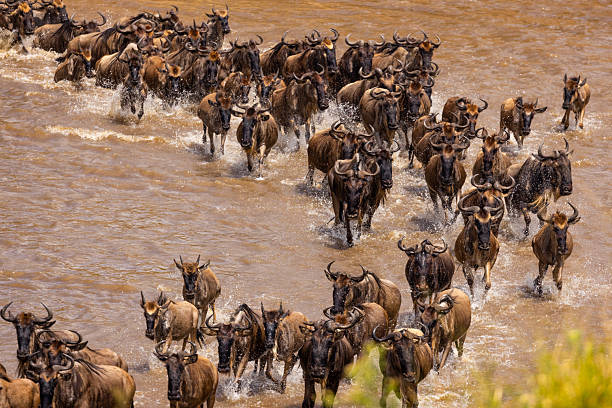
- River crossings are among the most dramatic safari experiences.
- Predators closely follow migrating herds.
- Different regions of Serengeti offer unique migration experiences.
- Planning the right safari timing is essential.
What Is the Great Serengeti Migration?
To fully understand Serengeti Migration Explained, it is important to recognize that this is not a random animal movement. The migration is a carefully timed ecological cycle that has existed for thousands of years.
The main participants include:
- Wildebeest
- Plains zebras
- Thomson’s gazelles
- Grant’s gazelles
- Eland
- Various predator species
Wildebeest form the largest group and act as the primary drivers of the migration. Their highly developed instincts allow them to detect rainfall and fresh grazing areas even across great distances.
As seasonal rains transform dry plains into lush feeding grounds, the herds begin moving toward regions with abundant nutrition. This constant search for food sustains the animals and supports reproduction, ensuring the survival of future generations.
The migration route covers approximately 800 to 1,000 kilometers annually. During this journey, animals face numerous dangers, including predators, exhaustion, disease, drought, and dangerous river crossings.
Why Does the Migration Happen?
One of the most common questions travelers ask when searching for Serengeti Migration Explained information is why the animals migrate in the first place.
The answer lies in a simple ecological requirement: survival.
The Serengeti ecosystem experiences alternating wet and dry seasons. Rainfall determines where nutritious grasses grow. Because grazing animals require constant access to food and water, they must move whenever resources become scarce.
Several factors influence migration movement:
Fresh Grazing Opportunities
New rainfall stimulates the growth of nutrient-rich grasses. These grasses contain essential minerals required for animal health and reproduction.
Water Availability
During dry periods, water sources disappear in certain regions. The herds move toward areas where rivers, streams, and seasonal waterholes remain accessible.
Calving Requirements
Pregnant wildebeest seek areas with optimal grazing conditions to support healthy births. Calving season is one of the most important stages in the migration cycle.
Evolutionary Instinct
Scientists believe migration behavior has developed through thousands of years of natural selection. Animals that successfully followed seasonal resources survived and reproduced.
The Scale of the Migration
Understanding the sheer scale is essential when discussing Serengeti Migration Explained.
The migration includes approximately:
| Species | Estimated Population |
|---|---|
| Wildebeest | 1.5 Million+ |
| Zebra | 250,000+ |
| Gazelle | 500,000+ |
| Eland | Thousands |
| Predators Following Herds | Thousands |
Few wildlife events anywhere on Earth can compare to these numbers.
When viewed from the air, migrating herds can stretch across the horizon. Dust clouds rise above the plains as animals move together in massive formations. The sound of hooves creates a constant rumble that can be heard from significant distances.
For safari travelers, witnessing these enormous concentrations of wildlife creates unforgettable memories and exceptional photographic opportunities.
The Role of Predators
No Serengeti Migration Explained guide would be complete without discussing predators.
The migration provides food for many carnivore species, including:
- Lions
- Leopards
- Cheetahs
- Hyenas
- African wild dogs
- Nile crocodiles
As herbivores move across the ecosystem, predators closely follow. This predator-prey relationship helps maintain ecological balance and contributes to the dramatic wildlife interactions that attract visitors from around the world.
River crossings represent particularly dangerous moments. Large crocodiles often wait near crossing points, taking advantage of opportunities created when thousands of animals attempt to cross simultaneously.
Meanwhile, lions and hyenas patrol migration routes, targeting vulnerable individuals separated from the main herd.
These interactions are natural components of the Serengeti ecosystem and demonstrate the complexity of Africa’s wildlife networks.
Why the Serengeti Migration Matters
Beyond tourism, the migration plays a vital ecological role.
Benefits include:
- Supporting predator populations
- Fertilizing grasslands naturally
- Maintaining ecosystem biodiversity
- Driving wildlife conservation efforts
- Generating tourism revenue for local communities
- Promoting global awareness of conservation
The migration is recognized as one of the world’s most significant wildlife phenomena and remains a symbol of East Africa’s natural heritage.
For travelers seeking an authentic safari experience, understanding Serengeti Migration Explained provides deeper appreciation for what they witness in the field. Rather than simply observing animals, visitors gain insight into a complex ecological system that has evolved over thousands of years and continues to inspire scientists, photographers, and adventurers alike
Serengeti Migration Explained: Annual Migration Calendar and Month-by-Month Breakdown
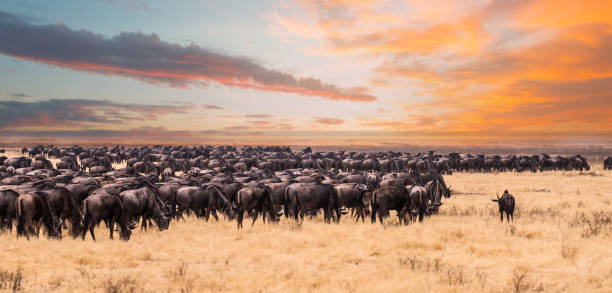
One of the biggest reasons travelers search for Serengeti Migration Explained is to determine the best time to visit Tanzania and witness the Great Migration. While many safari guides focus only on river crossings, the migration is actually a year-round journey. Understanding the annual movement of the herds allows visitors to choose a safari season that matches their interests, budget, and photography goals.
The migration follows rainfall patterns rather than fixed dates. As a result, exact movements can vary slightly from year to year. However, the overall cycle remains remarkably consistent, making it possible to predict where the herds are likely to be during different months.
For anyone seeking a complete Serengeti Migration Explained guide, this calendar provides a practical overview of the migration route and the key wildlife experiences available throughout the year.
January to March: Calving Season in Southern Serengeti
The year begins with one of the most exciting phases of the migration. During January, February, and March, the herds gather in the southern Serengeti plains and the Ndutu region.
This period is famous for calving season, when hundreds of thousands of wildebeest give birth within a remarkably short timeframe. Scientists estimate that more than 500,000 calves can be born over just a few weeks.
For safari enthusiasts researching Serengeti Migration Explained, the calving season offers several advantages:
- Massive concentrations of wildebeest.
- Excellent predator action.
- Beautiful green landscapes.
- Outstanding wildlife photography opportunities.
- High chances of witnessing newborn animals.
The abundance of young calves attracts predators such as lions, cheetahs, hyenas, and leopards. This creates some of the most dramatic wildlife encounters in Africa.
Travelers interested in predator-prey interactions often consider February one of the best months for a Serengeti safari.
Highlights of January–March
- Calving season peaks.
- Green season landscapes.
- High predator activity.
- Excellent birdwatching.
- Fewer crowds compared to river crossing season.
April to May: The Long Rain Season
April and May mark the long rainy season in the Serengeti ecosystem. During this period, the herds begin moving northwest from the southern plains.
Many travelers overlook this season, but a proper Serengeti Migration Explained guide must acknowledge its unique advantages.
The landscape becomes exceptionally green and photogenic. Dramatic skies, fresh vegetation, and fewer vehicles create a more exclusive safari experience.
Although rainfall can affect road conditions, wildlife viewing remains excellent because the migration herds are still concentrated in significant numbers.
Photographers often appreciate this period because:
- Lighting conditions are unique.
- Tourist numbers are lower.
- Safari camps may offer reduced rates.
- Wildlife remains abundant.
The migration begins forming long columns as animals gradually leave the southern grasslands in search of new grazing opportunities.
Highlights of April–May
- Fewer safari crowds.
- Lower accommodation prices.
- Green landscapes.
- Strong photography opportunities.
- Beginning of northwestern migration movement.
June to July: Western Corridor Migration
By June, the migration enters the western Serengeti and the famous Western Corridor.
This stage is particularly important when discussing Serengeti Migration Explained because it introduces one of the first major migration obstacles: river crossings.
The Grumeti River becomes a focal point for wildlife activity. While not as famous as the Mara River crossings, Grumeti crossings can still provide spectacular safari experiences.
Large crocodiles wait near crossing points, creating dramatic scenes whenever herds attempt to cross.
At the same time, the dry season begins strengthening across the ecosystem. Animals continue moving northward toward more reliable water sources and fresh grazing grounds.
June and July are excellent months for visitors seeking:
- Pleasant weather.
- Reduced rainfall.
- Active migration movement.
- Good predator sightings.
- Comfortable safari conditions.
Highlights of June–July
- Western Corridor migration.
- Grumeti River crossings.
- Beginning of dry season.
- Strong wildlife concentrations.
- Excellent game viewing conditions.
August to September: The Famous Mara River Crossings
For many travelers searching online for Serengeti Migration Explained, the Mara River crossings represent the ultimate safari dream.
During August and September, large sections of the migration reach northern Serengeti near the Kenya border.
Here, the herds face one of their greatest challenges.
Crossing the Mara River involves multiple dangers:
- Strong currents.
- Steep riverbanks.
- Massive crocodiles.
- Herd confusion.
- Stampede risks.
The crossings are unpredictable. Herds may gather for hours or even days before finally crossing.
This uncertainty creates tremendous excitement among safari visitors and photographers.
Witnessing thousands of wildebeest plunging into the river is often considered one of Africa’s greatest wildlife spectacles.
Because of its popularity, this season attracts visitors from around the world. Advance safari booking is strongly recommended.
Highlights of August–September
- Mara River crossings.
- Peak safari season.
- Exceptional wildlife photography.
- Large predator populations.
- High demand for accommodations.
October to November: Return Migration Begins
As short rains begin developing in the southern ecosystem, migration herds gradually start moving southward again.
A comprehensive Serengeti Migration Explained guide should emphasize that the migration is not a one-way journey. Instead, it is a continuous circular movement.
October and November provide excellent opportunities to see:
- Large moving herds.
- Predator interactions.
- Open plains wildlife.
- Transitional migration patterns.
Because many tourists focus on river crossings, these months often receive less attention despite offering remarkable wildlife experiences.
The northern and central Serengeti become important safari regions during this stage of the migration cycle.
Highlights of October–November
- Southward movement begins.
- Reduced visitor numbers.
- Strong wildlife viewing.
- Excellent photography conditions.
- Diverse safari experiences.
December: Return to Southern Serengeti
By December, the migration reaches the southern Serengeti ecosystem once again.
Fresh rains trigger the growth of nutritious grasses, attracting vast numbers of grazing animals.
This completes the annual migration cycle and sets the stage for another calving season.
For travelers studying Serengeti Migration Explained, December demonstrates the cyclical nature of the migration.
Rather than ending, the journey simply begins again.
The southern plains become increasingly crowded with wildebeest, zebras, and gazelles preparing for the next calving season.
Wildlife viewing remains exceptional, and the festive holiday season makes December a popular time for international visitors.
Highlights of December
- Return to southern plains.
- Fresh grazing conditions.
- Growing herd concentrations.
- Excellent safari opportunities.
- Preparation for calving season.
Serengeti Migration Calendar at a Glance
| Months | Main Location | Key Experience |
|---|---|---|
| January–March | Southern Serengeti & Ndutu | Calving Season |
| April–May | Central & Southern Serengeti | Green Season Migration |
| June–July | Western Corridor | Grumeti River Crossings |
| August–September | Northern Serengeti | Mara River Crossings |
| October–November | Central & Northern Serengeti | Return Migration |
| December | Southern Serengeti | Pre-Calving Gathering |
Expert Safari Insight
Many first-time travelers assume that August is automatically the best month to visit. However, the ideal safari timing depends on personal interests.
Choose January–March if you want:
- Calving season.
- Predator action.
- Green landscapes.
Choose June–July if you want:
- Comfortable weather.
- Fewer crowds.
- Active migration movement.
Choose August–September if you want:
- River crossings.
- Iconic migration photography.
- Peak migration drama.
Choose October–December if you want:
- Excellent wildlife viewing.
- Lower safari pressure.
- Diverse migration experiences.
Understanding this calendar is essential for anyone researching Serengeti Migration Explained because each season offers a unique perspective on the world’s greatest wildlife migration. By matching travel dates with migration stages, visitors can maximize their safari experience and witness one of nature’s most extraordinary spectacles in the most rewarding way possible.
Serengeti Migration Explained: Best Places to See the Great Migration
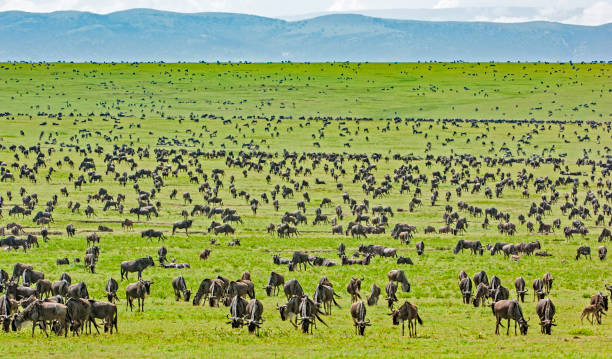
Understanding the migration calendar is only part of the journey. Another critical aspect of Serengeti Migration Explained is knowing exactly where to go at different times of the year. The Serengeti ecosystem covers approximately 30,000 square kilometers, and the migration herds move through several distinct regions throughout the year. Choosing the right location can make the difference between seeing a few scattered animals and witnessing one of the most spectacular wildlife events on Earth.
Many travelers make the mistake of booking a safari without considering where the migration is expected to be during their travel dates. Since the migration is constantly moving, successful safari planning requires understanding the strengths of each region within the Serengeti ecosystem.
This section of Serengeti Migration Explained explores the best migration viewing areas and explains what visitors can expect in each location.
Southern Serengeti and Ndutu Area
The Southern Serengeti and Ndutu region are among the most important locations in the migration cycle. This area becomes the center of activity from approximately December through March.
The landscape here consists of vast open grasslands that provide ideal grazing conditions for wildebeest and zebras. These nutrient-rich plains support the famous calving season, making the region one of the best wildlife destinations in Africa.
For travelers researching Serengeti Migration Explained, Southern Serengeti offers:
- Massive concentrations of wildebeest.
- Calving season experiences.
- High predator density.
- Excellent photography opportunities.
- Open plains with unobstructed wildlife viewing.
Because vegetation remains relatively short, animals are easier to spot compared to some other safari destinations.
Wildlife photographers especially appreciate the clean backgrounds and expansive landscapes available in this region.
Best For
- Calving season safaris.
- Predator photography.
- Family safaris.
- First-time Serengeti visitors.
- Wildlife documentaries.
Central Serengeti (Seronera Region)
The Seronera area forms the heart of Serengeti National Park and remains productive throughout the year.
One reason why this region appears frequently in Serengeti Migration Explained discussions is its reliable wildlife viewing regardless of migration location.
Permanent water sources attract resident wildlife populations, including:
- Lions.
- Leopards.
- Cheetahs.
- Hyenas.
- Elephants.
- Buffalo.
Even when the migration is elsewhere, Seronera continues delivering excellent game-viewing experiences.
During migration transitions, large herds often pass through the central region, creating additional opportunities for visitors.
This area is particularly attractive for travelers seeking a balanced safari experience that combines migration viewing with year-round wildlife encounters.
Best For
- Year-round safaris.
- Big Cat sightings.
- First-time visitors.
- General wildlife photography.
- Luxury safari lodges.
Western Corridor
The Western Corridor becomes increasingly important between May and July.
This region features riverine forests, open plains, and the famous Grumeti River.
Any comprehensive Serengeti Migration Explained guide should highlight the significance of the Grumeti crossings.
Although these crossings are less famous than the Mara River crossings, they remain highly dramatic and often occur with fewer tourist vehicles present.
The Western Corridor offers:
- Large migration herds.
- Crocodile encounters.
- Beautiful river landscapes.
- Lower visitor density.
- Excellent wildlife diversity.
Visitors who prefer avoiding peak-season crowds often find this region particularly rewarding.
The area also supports strong populations of predators, creating excellent opportunities for action-packed wildlife viewing.
Best For
- Grumeti River crossings.
- Quiet safari experiences.
- Wildlife photography.
- Exclusive safari camps.
- Seasonal migration viewing.
Northern Serengeti
The Northern Serengeti is perhaps the most famous migration destination due to the Mara River crossings.
For many travelers searching online for Serengeti Migration Explained, this region represents the ultimate safari goal.
Between July and October, enormous herds gather along the Mara River.
Crossing events are unpredictable and often dramatic. Thousands of animals may wait near the riverbank before suddenly launching into the water.
Visitors can witness:
- Massive wildebeest crossings.
- Crocodile attacks.
- Predator activity.
- Herd behavior.
- Exceptional wildlife photography opportunities.
Unlike central Serengeti, the northern region is characterized by rolling hills, river systems, and diverse habitats.
The landscape creates unique photographic perspectives and supports abundant wildlife throughout the year.
Best For
- Mara River crossings.
- Peak migration safaris.
- Wildlife filmmakers.
- Professional photographers.
- Bucket-list safari experiences.
Maswa Game Reserve
Located southwest of the Serengeti ecosystem, Maswa provides another valuable migration viewing location.
Although often overlooked, Maswa can offer exceptional migration experiences during specific seasons.
Travelers interested in a deeper Serengeti Migration Explained experience frequently appreciate destinations beyond the traditional safari circuit.
Benefits of Maswa include:
- Reduced safari traffic.
- Authentic wilderness atmosphere.
- Seasonal migration access.
- Strong predator populations.
- High-quality photographic opportunities.
This region appeals particularly to repeat safari visitors seeking a more exclusive wildlife experience.
Best For
- Experienced safari travelers.
- Exclusive wildlife encounters.
- Conservation-focused tourism.
- Off-the-beaten-path adventures.
Comparing the Main Migration Regions
The best migration destination depends entirely on travel timing and safari objectives.
| Region | Best Months | Main Attraction | Crowds |
|---|---|---|---|
| Southern Serengeti | Dec–Mar | Calving Season | Moderate |
| Central Serengeti | Year Round | Resident Wildlife | Moderate |
| Western Corridor | May–Jul | Grumeti Crossings | Low |
| Northern Serengeti | Jul–Oct | Mara Crossings | High |
| Maswa Area | Seasonal | Exclusive Viewing | Low |
How to Choose the Right Migration Safari Location
A key lesson from Serengeti Migration Explained is that there is no single “best” place throughout the year.
Instead, the ideal destination depends on what type of safari experience you want.
Choose Southern Serengeti If:
- You want to witness newborn wildebeest.
- Predator action interests you.
- You enjoy green landscapes.
Choose Central Serengeti If:
- You prefer year-round wildlife viewing.
- You want a balanced safari experience.
- Big Cats are a priority.
Choose Western Corridor If:
- You want fewer crowds.
- River crossings interest you.
- You enjoy exclusive safari experiences.
Choose Northern Serengeti If:
- Mara River crossings are your main goal.
- You want dramatic migration photography.
- Peak migration activity is your priority.
Expert Recommendation from Safari Specialists
Professional safari planners often recommend matching your travel dates with the migration’s expected location rather than choosing a destination based solely on popularity.
For example, visiting Northern Serengeti in February may lead to disappointment because the migration herds are generally concentrated much farther south during that period.
Likewise, travelers visiting Southern Serengeti during August may miss the famous river crossing season entirely.
This is why working with experienced safari operators and understanding the principles behind Serengeti Migration Explained is essential for maximizing safari success.
By selecting the right region at the right time, travelers significantly increase their chances of witnessing the migration’s most memorable moments. Whether your goal is photographing newborn calves, observing predator interactions, or watching dramatic river crossings, each Serengeti region offers a unique perspective on one of the greatest wildlife spectacles in the world.