
Discover the ultimate Serengeti Bird Watching guide. Learn about the best birding seasons, top bird species, migration patterns, photography tips, and why Serengeti National Park is one of Africa’s premier birdwatching destinations.
When most travelers think about Serengeti National Park, they immediately imagine lions, elephants, cheetahs, and the Great Wildebeest Migration. However, experienced safari enthusiasts know that Serengeti Bird Watching is one of the most rewarding wildlife experiences available anywhere in Africa. With more than 500 recorded bird species, the Serengeti offers exceptional opportunities for bird lovers, photographers, nature enthusiasts, and first-time safari visitors.
Serengeti Bird Watching combines spectacular scenery, diverse ecosystems, and abundant wildlife into a single unforgettable experience. From colorful bee-eaters and majestic eagles to rare endemic species and seasonal migrants, the Serengeti ecosystem supports one of East Africa’s richest bird populations.
For visitors planning a safari with GoAccessAfrica Safaris, understanding the basics of Serengeti Bird Watching can significantly enhance the overall safari experience. Many guests arrive expecting to focus only on large mammals but quickly discover that birdlife adds another fascinating dimension to every game drive.
Unlike many birding destinations where spotting species can require long hours of searching, Serengeti Bird Watching often delivers remarkable sightings throughout the day. Birds can be found in grasslands, riverine forests, woodlands, wetlands, rocky outcrops, and seasonal water sources, making every safari route a potential birding adventure.
Quick Summary
- Serengeti hosts more than 500 bird species.
- Birding is possible throughout the year.
- Both resident and migratory birds can be observed.
- The park contains diverse bird habitats.
- Bird photography opportunities are exceptional.
- Several raptor species thrive within the ecosystem.
- The green season is particularly rewarding for birdwatchers.
- Serengeti Bird Watching complements traditional wildlife safaris.
Why Serengeti Is a World-Class Birdwatching Destination
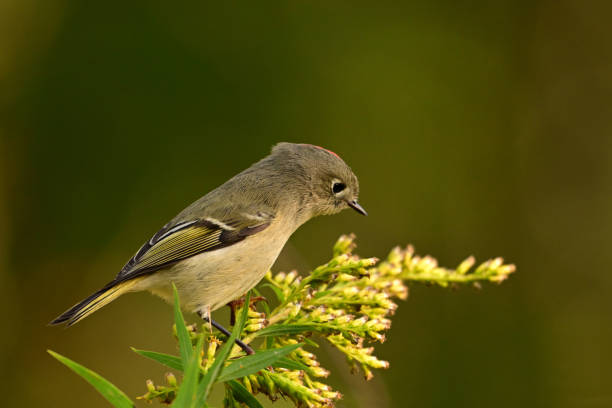
One of the main reasons Serengeti Bird Watching attracts international birders is the park’s extraordinary ecological diversity.
The Serengeti ecosystem includes:
- Open grasslands.
- Acacia woodlands.
- Seasonal wetlands.
- Permanent rivers.
- Marshes.
- Rocky kopjes.
- Savannah habitats.
Each habitat supports different bird communities, allowing visitors to encounter an impressive variety of species during a single safari.
For example, grassland environments attract ostriches, secretary birds, bustards, and larks. River systems provide habitats for kingfishers, herons, storks, and fish eagles. Meanwhile, woodland areas support hornbills, barbets, woodpeckers, and numerous colorful songbirds.
This habitat diversity is one of the key factors that makes Serengeti Bird Watching highly regarded among both amateur and professional birders.
Understanding the Bird Diversity of Serengeti
The richness of Serengeti Bird Watching comes from the park’s strategic location within East Africa.
The ecosystem supports several categories of birds:
Resident Species
Resident birds remain in the Serengeti throughout the year.
Examples include:
- Grey Crowned Crane.
- Kori Bustard.
- Secretary Bird.
- Southern Ground Hornbill.
- African Fish Eagle.
These species can often be observed regardless of season, making them reliable targets for visitors.
Migratory Species
Migratory birds arrive from Europe, Asia, and other parts of Africa during specific seasons.
These migrants contribute significantly to Serengeti Bird Watching diversity and often increase overall species numbers during certain months.
Visitors traveling during migration periods may encounter species that are absent during other parts of the year.
Raptors
Birds of prey represent another highlight of Serengeti Bird Watching.
The park supports impressive populations of:
- Martial Eagles.
- Bateleurs.
- Tawny Eagles.
- African Hawk Eagles.
- Vultures.
- Kites.
Raptor enthusiasts often rank Serengeti among the best birding destinations in Africa.
Iconic Birds Every Visitor Should Look For
While hundreds of species exist within the park, some birds are particularly sought after during Serengeti Bird Watching safaris.
Secretary Bird
The Secretary Bird is one of Africa’s most distinctive species. Its long legs and unique appearance make it easy to identify across open grasslands.
Watching a Secretary Bird hunt snakes and insects is often a memorable safari experience.
Kori Bustard
The Kori Bustard is considered one of the heaviest flying birds in the world.
These impressive birds are frequently seen during Serengeti Bird Watching excursions and are a favorite among photographers.
Lilac-Breasted Roller
Known for its spectacular colors, the Lilac-Breasted Roller is among the most photographed birds in East Africa.
Its vibrant plumage makes it a standout species during any safari.
African Fish Eagle
Often called the voice of Africa, the African Fish Eagle is famous for its powerful call.
Birdwatchers frequently encounter this iconic species near rivers and water sources.
Benefits of Including Birding in Your Safari
Many travelers initially focus exclusively on mammals. However, incorporating Serengeti Bird Watching into a safari itinerary offers several advantages.
Greater Wildlife Diversity
Birds dramatically increase the number of species visitors can observe during a safari.
Better Photography Opportunities
Colorful birds provide unique photographic subjects that contrast beautifully with larger mammals.
Year-Round Activity
Unlike some wildlife events that occur seasonally, Serengeti Bird Watching remains productive throughout the year.
Educational Value
Bird behavior, migration patterns, nesting habits, and ecological roles add significant educational depth to a safari experience.
Reduced Viewing Pressure
Bird sightings often occur away from crowded wildlife hotspots, creating more peaceful safari moments.
Why Birdwatchers Love the Serengeti Ecosystem
The combination of accessibility, biodiversity, and spectacular scenery makes Serengeti Bird Watching particularly appealing.
Unlike dense tropical forests where birds can be difficult to locate, Serengeti’s open landscapes often provide excellent visibility.
Visitors can observe birds:
- Perched on acacia trees.
- Hunting across grasslands.
- Flying overhead.
- Nesting near rivers.
- Feeding alongside wildlife herds.
This accessibility enhances the overall birding experience and increases the likelihood of successful sightings.
Expert Insight
Professional safari guides often encourage guests to pay attention to birdlife from the very beginning of their journey.
Many visitors are surprised to discover that some of their most memorable safari moments involve birds rather than mammals.
A soaring eagle, a colorful roller, or a hunting secretary bird can be just as captivating as a lion sighting.
Understanding the value of Serengeti Bird Watching allows travelers to appreciate the ecosystem more fully and experience a richer, more complete African safari adventure.
As you continue exploring this guide, you will discover the best seasons, top birding locations, and essential travel tips that make Serengeti Bird Watching one of the most rewarding wildlife experiences available in Tanzania.
Serengeti Bird Watching: Best Time to Visit and Seasonal Birding Calendar
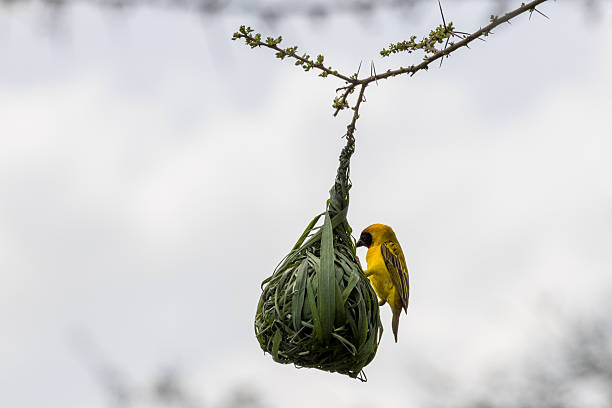
One of the most common questions travelers ask when planning a safari is: what is the best time for Serengeti Bird Watching? The answer depends on your birding goals, the species you hope to see, and the type of safari experience you prefer. Fortunately, one of the greatest advantages of Serengeti Bird Watching is that the park offers exceptional birding opportunities throughout the year.
Unlike some birdwatching destinations that have a very short peak season, the Serengeti ecosystem remains productive across all months. Seasonal rainfall patterns, habitat changes, breeding cycles, and migratory movements create unique birdwatching opportunities during different times of the year.
For travelers seeking a complete Serengeti Bird Watching experience, understanding the seasonal birding calendar can significantly improve safari planning and maximize species sightings.
Understanding Birding Seasons in the Serengeti
The Serengeti experiences two major seasons:
- Dry Season
- Green Season (Wet Season)
Each season influences bird behavior differently.
The dry season generally runs from June through October, while the green season typically occurs from November through May. Both periods offer excellent Serengeti Bird Watching opportunities, but they attract different species and birding conditions.
Many experienced birders consider the green season to be the most rewarding period because migratory species arrive and resident birds display vibrant breeding plumage.
However, the dry season also provides exceptional visibility and easier wildlife viewing conditions.
January to March: Peak Breeding Season
For many bird enthusiasts, January through March represents one of the finest periods for Serengeti Bird Watching.
During these months:
- Resident birds are actively breeding.
- Many species display colorful breeding plumage.
- Nesting activity is widespread.
- Migratory birds remain present.
- Landscapes are lush and green.
Bird behavior becomes particularly interesting during breeding season. Males perform courtship displays, territorial interactions increase, and nesting activities become easier to observe.
Photographers especially appreciate this season because colorful plumage enhances image quality and creates more visually striking photographs.
Common species observed during this period include:
- Lilac-Breasted Rollers
- Secretary Birds
- Grey Crowned Cranes
- Hornbills
- Bee-Eaters
- Weavers
The combination of breeding activity and favorable environmental conditions makes January to March a highly recommended period for Serengeti Bird Watching safaris.
Advantages of January–March
- Active nesting behavior.
- Bright breeding plumage.
- Green landscapes.
- Strong migratory bird presence.
- Excellent bird photography.
April to May: Green Season Birding
Although some travelers avoid these months due to increased rainfall, serious birders often consider April and May ideal for Serengeti Bird Watching.
The ecosystem becomes vibrant with life.
Fresh vegetation supports abundant insect populations, which in turn provide food for many bird species.
Bird activity remains high across multiple habitats including:
- Grasslands.
- Wetlands.
- River systems.
- Woodland areas.
- Seasonal marshes.
One major advantage of Serengeti Bird Watching during April and May is the relatively low number of tourists.
Birders can enjoy quieter safari experiences while still encountering impressive species diversity.
In many cases, accommodation prices may also be lower compared to peak safari months.
Advantages of April–May
- Reduced visitor numbers.
- Excellent bird diversity.
- Green scenery.
- Productive wetland habitats.
- Strong photographic opportunities.
June to August: Dry Season Excellence
As rainfall decreases, birdwatching conditions begin changing.
The dry season offers a different but equally rewarding Serengeti Bird Watching experience.
Vegetation becomes less dense, improving visibility across many habitats.
Birds often gather near:
- Rivers.
- Waterholes.
- Permanent wetlands.
- Seasonal water sources.
This concentration effect can make species easier to locate and identify.
Birders frequently observe:
- Raptors.
- Storks.
- Herons.
- Kingfishers.
- Egrets.
- Eagles.
The cooler temperatures and clear skies also make this season particularly comfortable for extended game drives.
Advantages of June–August
- Excellent visibility.
- Comfortable weather.
- Easier species identification.
- Strong raptor activity.
- Productive waterbird habitats.
September to October: Prime Raptor Season
Raptor enthusiasts often consider September and October among the best months for Serengeti Bird Watching.
The Serengeti ecosystem supports an impressive variety of birds of prey, including:
- Martial Eagles.
- Bateleurs.
- Tawny Eagles.
- African Hawk Eagles.
- Vultures.
- Kites.
Open landscapes during the late dry season create ideal conditions for spotting soaring birds.
Thermal currents help raptors conserve energy while searching for prey, leading to frequent aerial displays.
For photographers interested in flight shots, September and October can be particularly rewarding.
The visibility provided by dry-season conditions further enhances the overall Serengeti Bird Watching experience.
Advantages of September–October
- Outstanding raptor sightings.
- Open landscapes.
- Excellent photography conditions.
- Clear skies.
- Comfortable safari weather.
November to December: Arrival of Migratory Birds
The short rains typically begin during November.
This period marks one of the most exciting phases of Serengeti Bird Watching because migratory birds begin arriving from Europe, Asia, and other African regions.
The number of species within the ecosystem increases significantly.
Birders may encounter:
- European migrants.
- Palearctic migrants.
- Regional African migrants.
- Seasonal wetland species.
- Insect-feeding specialists.
The arrival of migratory birds introduces fresh diversity and creates new opportunities for species lists.
For dedicated birdwatchers hoping to maximize total species counts, November and December often rank among the most productive months of the year.
Advantages of November–December
- Migratory bird arrivals.
- Increased species diversity.
- Fresh green vegetation.
- Active bird behavior.
- Excellent safari experiences.
Seasonal Comparison Table
| Season | Birding Quality | Photography | Migratory Birds | Crowds |
|---|---|---|---|---|
| January–March | Excellent | Excellent | High | Moderate |
| April–May | Excellent | Very Good | High | Low |
| June–August | Very Good | Excellent | Moderate | High |
| September–October | Excellent | Excellent | Moderate | High |
| November–December | Excellent | Very Good | Very High | Moderate |
Best Birds to Watch by Season
To get the most from your Serengeti Bird Watching safari, it helps to understand which species are commonly associated with different periods of the year.
Green Season Favorites
- Bee-Eaters.
- Rollers.
- Weavers.
- Cranes.
- Migratory songbirds.
Dry Season Favorites
- Eagles.
- Vultures.
- Secretary Birds.
- Kori Bustards.
- Ground Hornbills.
Year-Round Favorites
- Ostriches.
- African Fish Eagles.
- Grey Crowned Cranes.
- Hornbills.
- Kingfishers.
Expert Birding Recommendation
Professional safari guides often recommend combining birdwatching with traditional wildlife viewing rather than treating them as separate activities.
The best Serengeti Bird Watching experiences occur when travelers remain attentive throughout the day. Birds can appear unexpectedly during game drives, river crossings, picnic breaks, or while observing larger mammals.
For visitors primarily interested in maximizing bird species diversity, the period from November through March is generally considered the most productive. During these months, resident birds, breeding birds, and migratory birds overlap within the ecosystem.
Understanding these seasonal patterns is essential for successful Serengeti Bird Watching because timing can dramatically influence the number and variety of species observed. By aligning travel dates with bird activity cycles, visitors can transform an ordinary safari into an extraordinary birding adventure filled with memorable sightings and world-class wildlife experiences.
Serengeti Bird Watching: Top Bird Species Every Visitor Should Look For
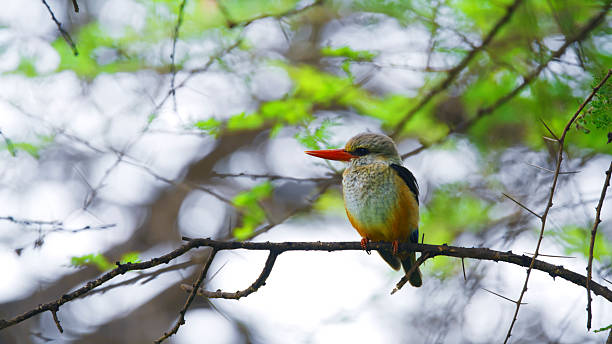
One of the most exciting aspects of Serengeti Bird Watching is the incredible diversity of bird species found throughout the ecosystem. With more than 500 recorded species, the Serengeti offers one of the richest birding experiences in Africa. From colorful rollers and bee-eaters to powerful eagles and giant ground birds, the variety available during a Serengeti Bird Watching safari is truly remarkable.
Many visitors arrive in the Serengeti expecting to focus primarily on mammals such as lions, elephants, and cheetahs. However, experienced guides often reveal that birdlife can be equally fascinating. The beauty, behavior, colors, and ecological importance of these species add another dimension to every safari.
A successful Serengeti Bird Watching experience involves understanding which birds are most iconic, where they can be found, and why they are significant within the ecosystem. This section highlights some of the most sought-after species that bird enthusiasts hope to encounter during their visit.
Birds of Prey: The Kings of the Serengeti Sky
Raptors are among the biggest attractions of Serengeti Bird Watching. The open plains, abundant prey, and favorable weather conditions support a healthy population of birds of prey throughout the year.
Martial Eagle
The Martial Eagle is Africa’s largest eagle and one of the most impressive species encountered during Serengeti Bird Watching.
Key characteristics include:
- Massive wingspan.
- Powerful hunting abilities.
- Exceptional eyesight.
- Distinctive spotted plumage.
Martial Eagles are often seen soaring high above the plains while searching for prey.
Bateleur Eagle
The Bateleur is one of Africa’s most recognizable raptors.
Birdwatchers appreciate:
- Its colorful face.
- Unique flight pattern.
- Short tail.
- Frequent aerial displays.
A sighting of a Bateleur is often considered a highlight of any Serengeti Bird Watching safari.
African Fish Eagle
Known as the voice of Africa, the African Fish Eagle is famous for its unmistakable call.
Visitors frequently encounter this species near:
- Rivers.
- Wetlands.
- Waterholes.
- Seasonal lakes.
The African Fish Eagle remains one of the most photographed birds during Serengeti Bird Watching excursions.
Colorful Birds That Define Serengeti Birding
Colorful species play a major role in making Serengeti Bird Watching visually spectacular.
Lilac-Breasted Roller
Perhaps the most photographed bird in East Africa, the Lilac-Breasted Roller displays an extraordinary combination of colors.
Birdwatchers admire:
- Bright blue wings.
- Purple breast feathers.
- Elegant flight displays.
- Excellent photographic appeal.
The species is commonly observed perched on trees and shrubs throughout the Serengeti.
European Bee-Eater
During migratory periods, European Bee-Eaters add additional color to the Serengeti Bird Watching experience.
These birds are known for:
- Vibrant plumage.
- Agile flight.
- Social behavior.
- Insect-hunting skills.
Large groups can sometimes be seen feeding above open grasslands.
Superb Starling
The Superb Starling is another favorite among photographers.
Its metallic blue and orange coloration makes it one of the easiest species to identify during Serengeti Bird Watching safaris.
Ground-Dwelling Giants of the Serengeti
The Serengeti supports several large terrestrial bird species that attract birdwatchers from around the world.
Secretary Bird
Few birds are as unique as the Secretary Bird.
A signature species of Serengeti Bird Watching, it is recognized by:
- Long legs.
- Distinctive crest feathers.
- Snake-hunting behavior.
- Elegant walking style.
Unlike most raptors, Secretary Birds spend much of their time on the ground searching for prey.
Kori Bustard
The Kori Bustard is among the heaviest flying birds on Earth.
Birders often consider it a priority species because of:
- Its impressive size.
- Unique courtship displays.
- Open grassland habitat.
- Relative rarity in some regions.
The Serengeti provides one of the best opportunities to observe this remarkable species.
Ostrich
No Serengeti Bird Watching checklist would be complete without the Ostrich.
As the world’s largest bird, the Ostrich is commonly seen across the park’s open plains.
Visitors often observe:
- Courtship behavior.
- Territorial displays.
- Family groups.
- High-speed running.
Waterbirds and Wetland Specialists
Wetlands and river systems contribute significantly to Serengeti Bird Watching diversity.
Grey Crowned Crane
The Grey Crowned Crane is one of Africa’s most elegant birds.
Birdwatchers value this species because of:
- Its golden crown.
- Graceful movements.
- Distinctive calls.
- Strong cultural significance.
The species is often observed in wet grasslands and marsh habitats.
Saddle-Billed Stork
This large and colorful stork is another favorite among bird enthusiasts.
Its striking appearance makes it one of the most recognizable species encountered during Serengeti Bird Watching activities.
Great White Pelican
Large flocks of pelicans occasionally gather around suitable water bodies within the ecosystem.
These birds create impressive photographic opportunities, especially during sunrise and sunset.
Woodland and Acacia Specialists
Acacia woodlands support a different set of species that enrich the Serengeti Bird Watching experience.
Southern Ground Hornbill
The Southern Ground Hornbill is one of Africa’s most charismatic birds.
Characteristics include:
- Large body size.
- Bright red facial skin.
- Strong social behavior.
- Distinctive vocalizations.
Von der Decken’s Hornbill
This attractive hornbill species is frequently observed throughout the Serengeti.
Its distinctive coloration and behavior make it a popular sighting among birdwatchers.
Woodpeckers and Barbets
Several species of woodpeckers and barbets inhabit Serengeti woodlands.
These birds add further diversity to any Serengeti Bird Watching safari and are often appreciated by experienced birders seeking specialized species.
Bird Species Comparison Table
| Bird Species | Habitat | Difficulty to Spot | Photography Value |
|---|---|---|---|
| Secretary Bird | Grasslands | Easy | Excellent |
| Kori Bustard | Open Plains | Moderate | Excellent |
| Fish Eagle | Rivers | Easy | Excellent |
| Lilac-Breasted Roller | Woodlands | Easy | Outstanding |
| Grey Crowned Crane | Wetlands | Moderate | Excellent |
| Ground Hornbill | Savannah | Moderate | Very Good |
| Bateleur Eagle | Open Skies | Moderate | Excellent |
Must-See Birds for First-Time Visitors
For travelers new to Serengeti Bird Watching, the following species should be high priorities:
- Secretary Bird.
- Lilac-Breasted Roller.
- African Fish Eagle.
- Kori Bustard.
- Grey Crowned Crane.
- Southern Ground Hornbill.
- Bateleur Eagle.
- Ostrich.
- Saddle-Billed Stork.
- Superb Starling.
These species are not only visually impressive but also represent the diversity of habitats found within the Serengeti ecosystem.
Expert Birding Insight
Professional safari guides often recommend focusing on bird behavior rather than simply creating species lists.
During Serengeti Bird Watching, observing interactions such as hunting, nesting, courtship displays, feeding strategies, and territorial behavior provides a much deeper appreciation of the ecosystem.
Birds are often among the most active animals in the park and can provide continuous wildlife viewing opportunities throughout the day.
Whether you are an experienced birder or a first-time safari visitor, the extraordinary variety of species found during Serengeti Bird Watching ensures that every game drive offers exciting discoveries. From powerful eagles soaring above the plains to colorful rollers perched on acacia branches, the Serengeti delivers one of Africa’s most rewarding birdwatching experiences and remains a premier destination for bird enthusiasts from around the world.