
Discover how climbing Kilimanjaro on a budget is possible without compromising safety. Learn about costs, affordable routes, money-saving tips, budget planning, and expert advice from GoaccessAfrica Safaris.
Is Climbing Kilimanjaro on a Budget Really Possible?
For many adventure travelers, reaching the summit of Mount Kilimanjaro is a lifelong dream. However, one question often arises before planning the trip: is climbing Kilimanjaro on a budget actually possible? The answer is yes. With proper planning, smart decision-making, and the right tour operator, travelers can experience Africa’s highest mountain without spending more than necessary.
Mount Kilimanjaro attracts thousands of climbers every year from around the world. As the tallest mountain in Africa and one of the Seven Summits, it offers a unique adventure that combines breathtaking scenery, personal achievement, and cultural experiences. While Kilimanjaro is not a cheap destination, climbing Kilimanjaro on a budget is achievable when travelers understand where costs come from and how to manage them wisely.
Many people assume that climbing Kilimanjaro requires luxury packages and premium services. In reality, there are several ways to reduce expenses while maintaining safety and maximizing summit success. Understanding these options is the first step toward planning an affordable Kilimanjaro adventure.
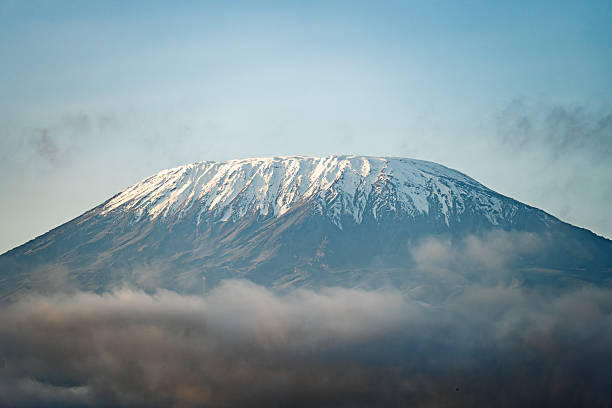
Why Kilimanjaro Climbs Cost Money
Before exploring strategies for climbing Kilimanjaro on a budget, it is important to understand why climbing costs can be significant.
Unlike many hiking destinations, Kilimanjaro National Park requires all climbers to use licensed guides. Independent trekking is not permitted. This regulation helps protect visitors and supports local employment opportunities.
A typical Kilimanjaro package includes:
- National park fees
- Conservation fees
- Rescue fees
- Guide salaries
- Porter wages
- Cook wages
- Camping equipment
- Food and drinking water
- Transportation to and from the mountain
- Accommodation before and after the trek
These mandatory expenses explain why Kilimanjaro climbs are generally more expensive than ordinary hiking trips.
However, understanding these costs also helps travelers identify opportunities for savings when climbing Kilimanjaro on a budget.
What Determines the Cost of a Kilimanjaro Climb?
Several factors influence the total price of a Kilimanjaro expedition.
Route Selection
Some routes cost more than others because they require additional days on the mountain.
Longer routes typically involve:
- More park fees
- Additional guide support
- Extra food supplies
- More porter services
Although shorter routes may appear cheaper, they often have lower summit success rates.
Group Size
Joining a group climb is one of the most effective strategies for climbing Kilimanjaro on a budget.
Group departures allow travelers to share costs associated with:
- Guides
- Transportation
- Camping logistics
- Crew support
As a result, group climbs are usually more affordable than private expeditions.
Travel Season
The time of year can also affect overall expenses.
Peak climbing seasons often include:
- Higher flight prices
- Greater accommodation demand
- Increased travel costs
Traveling during shoulder seasons may provide opportunities to reduce expenses while still enjoying favorable weather conditions.
Budget vs Luxury Kilimanjaro Climbs
Many travelers compare budget packages with luxury experiences before making a booking decision.
Comparison Table
| Feature | Budget Climb | Luxury Climb |
|---|---|---|
| Accommodation | Standard | Premium |
| Group Size | Shared Groups | Private Groups |
| Equipment | Reliable Standard Gear | Premium Gear |
| Meals | Nutritious Trekking Meals | Expanded Menus |
| Cost | Lower | Higher |
| Safety Standards | Essential and Professional | Professional |
The most important point is that reputable budget operators should never compromise on safety.
When evaluating climbing Kilimanjaro on a budget, travelers should focus on value rather than simply selecting the cheapest option available.
Common Misconceptions About Budget Kilimanjaro Climbs
There are several myths surrounding affordable Kilimanjaro expeditions.
Myth 1: Cheap Always Means Unsafe
This is not necessarily true.
A well-managed budget climb can provide:
- Qualified guides
- Proper safety procedures
- Reliable equipment
- Adequate nutrition
The key is choosing a reputable operator.
Myth 2: Budget Climbers Rarely Reach the Summit
Summit success depends more on:
- Route choice
- Acclimatization
- Fitness
- Weather
- Guide experience
Budget travelers can achieve excellent summit success rates when these factors are properly managed.
Myth 3: Budget Climbs Are Uncomfortable
While luxury options offer additional comforts, many budget climbs still provide a positive and rewarding experience.
Most climbers spend their days focused on:
- Trekking
- Scenery
- Personal achievement
- Reaching the summit
The difference between standard and luxury services is often less significant than travelers expect.
Who Should Consider a Budget Kilimanjaro Climb?
Not every traveler requires a premium package.
Budget-friendly Kilimanjaro climbs are ideal for:
- Students
- Solo travelers
- Backpackers
- Adventure enthusiasts
- Budget-conscious families
- Young professionals
These travelers often prioritize the mountain experience itself over luxury amenities.
For them, climbing Kilimanjaro on a budget provides excellent value while still delivering a life-changing adventure.
Expert Insight
Experienced Kilimanjaro guides often emphasize that success on the mountain is not determined by how much money a climber spends.
Instead, success is influenced by:
- Preparation
- Acclimatization
- Proper pacing
- Hydration
- Route selection
- Mental resilience
Many climbers who choose affordable packages successfully reach Uhuru Peak every year.
Customer Perspective
A common experience shared by budget travelers is:
“I initially worried that a budget climb would mean sacrificing quality. Instead, I found professional guides, supportive crew members, and an unforgettable summit experience.”
Stories like this demonstrate why climbing Kilimanjaro on a budget continues to grow in popularity among international travelers.
Quick Summary
Benefits of Budget Kilimanjaro Climbs
✔ Lower overall travel costs
✔ Access to professional guides
✔ Shared group savings
✔ Reliable trekking support
✔ Excellent summit opportunities
✔ Memorable adventure experience
Key Considerations
✔ Choose a reputable operator
✔ Avoid unrealistically cheap offers
✔ Prioritize safety standards
✔ Select routes carefully
✔ Plan your budget early
Key Takeaways
The dream of climbing Kilimanjaro on a budget is entirely achievable for many travelers. While certain expenses are unavoidable due to national park regulations and safety requirements, smart planning can significantly reduce overall costs.
Understanding where expenses originate, choosing the right route, joining group departures, and working with a trusted company such as GoaccessAfrica Safaris can help travelers enjoy an affordable and successful Kilimanjaro adventure.
In the next section, we will break down the actual costs of climbing Kilimanjaro, compare routes based on affordability, and explore practical strategies for reducing expenses without compromising safety or summit success.
The Real Cost of Climbing Kilimanjaro on a Budget
One of the most important aspects of climbing Kilimanjaro on a budget is understanding exactly where your money goes. Many travelers are surprised to learn that a significant portion of the total cost is made up of mandatory government and national park fees. These expenses apply regardless of which operator you choose, which means there is a realistic limit to how inexpensive a Kilimanjaro climb can be.
For anyone interested in climbing Kilimanjaro on a budget, learning how costs are structured can help prevent overspending while ensuring safety and a positive trekking experience. The goal is not simply to find the cheapest climb available but to identify the best value for money.
Understanding Kilimanjaro Cost Components
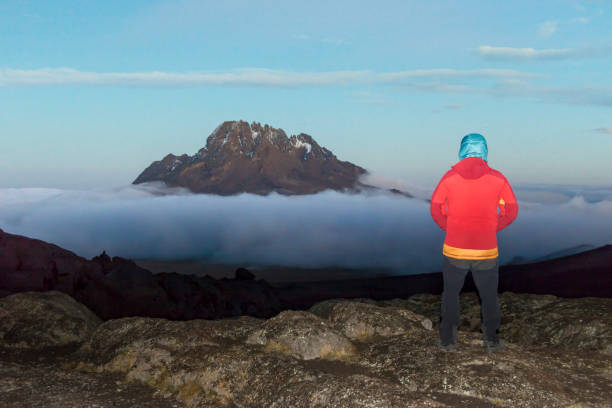
The total price of a Kilimanjaro expedition is typically divided into several categories.
National Park Fees
National park fees represent one of the largest expenses associated with climbing Kilimanjaro on a budget.
These fees generally cover:
- Conservation fees
- Camping fees
- Rescue fees
- Park entry charges
Every licensed operator must pay these fees, which means they are included in all legitimate Kilimanjaro packages.
Guide and Crew Costs
Professional support teams are essential for every Kilimanjaro expedition.
A typical climbing team may include:
- Lead guides
- Assistant guides
- Porters
- Mountain cooks
These crew members play a vital role in helping climbers succeed while ensuring safety throughout the trek.
Equipment and Logistics
Another major component of climbing Kilimanjaro on a budget includes logistical support.
This often covers:
- Tents
- Sleeping equipment
- Cooking equipment
- Transportation
- Food supplies
- Drinking water
Reliable equipment contributes significantly to comfort and safety on the mountain.
Typical Budget vs Mid-Range Costs
Travelers planning climbing Kilimanjaro on a budget often compare different pricing levels before booking.
Cost Comparison Table
| Package Type | Typical Features | Relative Cost |
|---|---|---|
| Budget Group Climb | Shared services, standard camping | Lowest |
| Standard Group Climb | Enhanced support and flexibility | Moderate |
| Private Climb | Personalized itinerary | Higher |
| Luxury Climb | Premium comfort and services | Highest |
The most affordable option is usually a group departure, where operational costs are shared among multiple climbers.
How Group Climbs Save Money
One of the best strategies for climbing Kilimanjaro on a budget is joining a scheduled group departure.
Group climbs help reduce costs because participants share:
- Transportation
- Crew support
- Camp infrastructure
- Equipment logistics
Benefits of group departures include:
- Lower overall expenses
- Social trekking experience
- Shared operational costs
- Professional support
For solo travelers in particular, group departures often provide the greatest value.
Choosing an Affordable Route
Route selection has a major influence on the overall cost of climbing Kilimanjaro on a budget.
Longer routes generally require:
- Additional park fees
- More food supplies
- Extra crew support
- Additional camping nights
However, shorter routes can sometimes reduce summit success rates due to limited acclimatization opportunities.
Route Affordability Comparison
| Route | Typical Duration | Budget Friendliness |
|---|---|---|
| Marangu | 5–6 Days | High |
| Rongai | 6–7 Days | Good |
| Machame | 6–7 Days | Very Good |
| Lemosho | 7–8 Days | Moderate |
| Northern Circuit | 8–9 Days | Lower Budget Option |
Although Marangu may appear cheaper initially, many climbers find that routes with better acclimatization provide better overall value because they increase summit success rates.
When considering climbing Kilimanjaro on a budget, travelers should evaluate both price and success potential.
Saving Money Before You Arrive in Tanzania
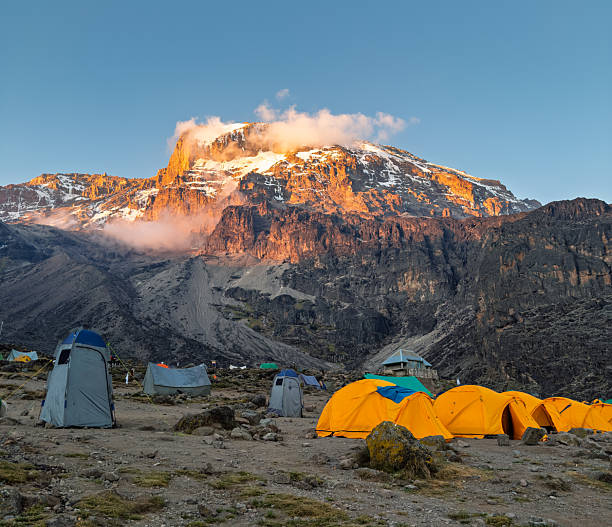
A large portion of your total adventure budget may be spent before reaching the mountain.
Travelers can reduce expenses by:
- Booking flights early
- Traveling during shoulder seasons
- Comparing airline options
- Packing correctly to avoid rental costs
- Researching visa requirements in advance
These small decisions can create substantial savings.
Smart Booking Strategies
Many experienced travelers recommend:
- Booking several months ahead
- Monitoring flight promotions
- Avoiding peak holiday periods
- Traveling with flexible dates
These approaches can significantly lower total travel costs while supporting climbing Kilimanjaro on a budget.
Equipment: Rent or Buy?
Equipment decisions can have a major impact on costs.
Many first-time climbers wonder whether purchasing gear or renting it is more economical.
Buying Gear
Advantages include:
- Long-term ownership
- Personalized fit
- Multiple future uses
Disadvantages include:
- Higher upfront costs
- Additional luggage expenses
Renting Gear
Advantages include:
- Lower initial investment
- Convenience
- Reduced packing requirements
Disadvantages include:
- Limited customization
- Availability concerns during peak seasons
For travelers attempting climbing Kilimanjaro on a budget, renting specialized equipment often provides excellent value.
Avoiding Hidden Costs
One of the biggest mistakes travelers make when planning climbing Kilimanjaro on a budget is focusing only on package prices.
Additional expenses may include:
- International flights
- Travel insurance
- Visa fees
- Tips for mountain crews
- Hotel accommodation
- Personal equipment purchases
Understanding these costs in advance allows for more accurate budgeting.
Budget Planning Checklist
Before departure, travelers should account for:
✔ Trekking package
✔ Flights
✔ Insurance
✔ Visa costs
✔ Tips
✔ Equipment
✔ Hotel nights
✔ Emergency funds
Comprehensive planning reduces financial surprises later.
Why the Cheapest Package Is Not Always Best
When researching climbing Kilimanjaro on a budget, travelers occasionally encounter unusually low prices.
Extremely cheap offers may indicate:
- Inexperienced guides
- Inadequate equipment
- Poor porter treatment
- Limited safety procedures
- Hidden fees
Instead of choosing the lowest possible price, travelers should prioritize reputable operators with strong safety records.
Value is often more important than cost alone.
Expert Advice for Budget Travelers
Experienced mountain professionals often recommend focusing on three key priorities:
1. Safety
Never compromise safety for a lower price.
2. Acclimatization
Choosing a route with sufficient acclimatization time often improves summit success.
3. Operator Reputation
A trusted company can provide better overall value than a cheaper but less reliable alternative.
These principles help ensure that climbing Kilimanjaro on a budget remains both affordable and rewarding.
Customer Experience Example
Many travelers who successfully complete climbing Kilimanjaro on a budget report that the experience exceeded expectations.
A common review from budget-conscious climbers is:
“I expected basic services, but the guides were professional, the food was excellent, and the support team made the entire experience unforgettable.”
Such feedback highlights the importance of choosing value-oriented operators rather than focusing solely on price.
Quick Summary
Best Ways to Save Money
- Join group departures
- Book flights early
- Rent specialized gear
- Travel during shoulder seasons
- Compare route options
- Plan expenses in advance
Avoid These Mistakes
- Choosing the cheapest operator available
- Ignoring hidden costs
- Booking at the last minute
- Underestimating equipment needs
- Skipping travel insurance
Key Takeaways
Successful climbing Kilimanjaro on a budget requires more than simply finding a low-cost package. Understanding cost structures, selecting appropriate routes, sharing expenses through group departures, and avoiding hidden charges can dramatically improve value.
The most successful budget travelers focus on balancing affordability with safety, quality, and summit success. In the next section, we will explore practical money-saving strategies, gear recommendations, training tips, and preparation techniques that help climbers maximize both their budget and their chances of standing on the Roof of Africa with GoaccessAfrica Safaris.