
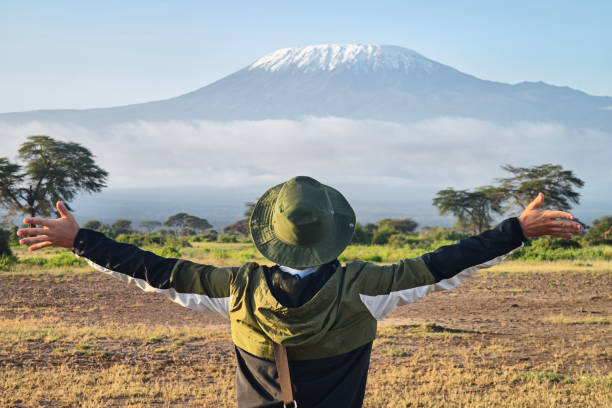
For many adventure travelers, the idea of Solo Kilimanjaro Climbing represents the ultimate personal challenge. Standing at 5,895 meters (19,341 feet),
Mount Kilimanjaro is Africa’s highest mountain and one of the world’s most famous trekking destinations. Every year, thousands of climbers arrive in Tanzania hoping to reach Uhuru Peak, but many wonder whether Solo Kilimanjaro Climbing is actually possible.
The answer is both yes and no.
While you can travel to Tanzania as an individual traveler and join a Kilimanjaro expedition without friends or companions, Tanzanian regulations do not allow climbers to ascend the mountain completely independently. Every climber must be accompanied by licensed guides and support crews. Therefore, Solo Kilimanjaro usually refers to climbing as a solo traveler while being supported by a professional mountain team.
This distinction is important because many people assume they can hike Kilimanjaro entirely on their own, similar to some trekking destinations around the world. However, Kilimanjaro National Park has strict rules designed to improve safety, protect the environment, and support local employment.
Why Solo Kilimanjaro Climbing Is So Popular
The popularity of Solo Kilimanjaro Climbing has increased significantly over the last decade.
Modern travelers increasingly seek:
- Personal challenges
- Self-discovery experiences
- Independent travel opportunities
- Adventure-focused holidays
- Meaningful achievements
For these travelers, Kilimanjaro offers the perfect combination of adventure and accessibility.
Unlike technical mountains that require advanced climbing skills, Solo Kilimanjaro is achievable for many people with proper preparation and determination.
Understanding the Rules for Solo Kilimanjaro Climbing
Before planning Solo Kilimanjaro it is important to understand the regulations established by Tanzanian authorities.
Kilimanjaro National Park Requirements
All climbers must have:
- Licensed mountain guides
- Registered trekking operators
- Official park permits
- Support crews where necessary
As a result, completely unsupported trekking is prohibited.
This means that Solo Kilimanjaro Climbing does not involve hiking entirely alone. Instead, it means joining a climb as an individual traveler or booking a private expedition designed for one participant.
Types of Solo Kilimanjaro Climbing Experiences
There are generally two ways travelers approach Solo Kilimanjaro Climbing.
Option 1: Join a Group Departure
Many solo travelers choose to join scheduled group climbs.
Benefits include:
- Lower costs
- Social interaction
- Shared experiences
- Increased motivation
- Opportunity to meet travelers from around the world
This is often the most affordable approach to Solo Kilimanjaro Climbing.
Option 2: Private Solo Expedition
Some travelers prefer a private experience.
Advantages include:
- Flexible schedule
- Personalized support
- Customized pace
- Greater privacy
Although more expensive, private trips provide a highly personalized version of Solo Kilimanjaro
Benefits of Solo Kilimanjaro Climbing
Many travelers choose Solo Kilimanjaro Climbing because it offers unique advantages that group travel cannot always provide.
Personal Achievement
Reaching the summit as an individual traveler creates a strong sense of accomplishment.
Self-Discovery
Many climbers describe Kilimanjaro as a transformational journey.
Long days on the mountain provide opportunities for:
- Reflection
- Personal growth
- Increased confidence
- Mental resilience
Freedom and Flexibility
Solo travelers can often customize:
- Travel dates
- Accommodation choices
- Safari extensions
- Post-climb activities
These benefits make Solo Kilimanjaro Climbing attractive to independent adventurers.
Challenges of Solo Kilimanjaro Climbing
Although rewarding, Solo Kilimanjaro also presents several challenges.
Financial Considerations
Private solo expeditions often cost more because operational expenses are not shared among multiple participants.
Mental Challenges
Climbing a mountain requires determination and focus.
Solo travelers may occasionally experience:
- Isolation
- Self-doubt
- Fatigue
- Homesickness
Altitude Effects
Regardless of travel style, every climber must deal with altitude.
Common symptoms include:
- Headaches
- Fatigue
- Nausea
- Sleep disturbances
Proper acclimatization is critical for successful Solo Kilimanjaro Climbing.
Is Solo Kilimanjaro Climbing Safe?
Safety is one of the most common concerns regarding Solo Kilimanjaro The good news is that Kilimanjaro has a well-developed support system.
Professional mountain crews provide:
- Daily health monitoring
- Emergency response support
- Navigation assistance
- Weather guidance
- Altitude assessments
When using a reputable operator, Solo Kilimanjaro Climbing is generally considered safe for properly prepared travelers.
Best Routes for Solo Kilimanjaro Climbing
Some routes are particularly well suited for solo travelers.
Route Comparison
| Route | Days | Solo Traveler Rating |
|---|---|---|
| Lemosho Route | 7–8 Days | Excellent |
| Machame Route | 6–7 Days | Excellent |
| Northern Circuit | 8–9 Days | Outstanding |
| Rongai Route | 6–7 Days | Very Good |
| Marangu Route | 5–6 Days | Good |
Longer routes often provide better acclimatization and a more enjoyable experience.
For many travelers, Lemosho and Northern Circuit represent the best choices for Solo Kilimanjaro Climbing.
Expert Insight
Experienced guides frequently note that successful Solo Kilimanjaro Climbing depends less on physical strength and more on preparation.
Key success factors include:
- Choosing the right route
- Maintaining a slow pace
- Staying hydrated
- Following guide instructions
- Remaining mentally positive
Many climbers who initially travel alone discover that the mountain community creates a strong sense of connection during the expedition.
Quick Summary
Benefits of Solo Kilimanjaro Climbing
✔ Personal achievement
✔ Flexible travel plans
✔ Self-discovery opportunities
✔ Adventure and challenge
✔ Global friendships through group climbs
Challenges of Solo Kilimanjaro Climbing
✔ Higher private trip costs
✔ Altitude adaptation
✔ Mental endurance requirements
✔ Physical demands of trekking
Key Takeaways
Solo Kilimanjaro Climbing is one of the most rewarding adventure experiences available to independent travelers. Although climbing completely alone is not permitted, solo travelers can join group expeditions or arrange private climbs while receiving professional support from experienced mountain crews.
The combination of personal achievement, breathtaking scenery, and the challenge of reaching Africa’s highest point makes Solo Kilimanjaro an unforgettable journey. In Section 2, we will explore costs, budgeting strategies, route selection, and practical planning tips for solo travelers preparing for a Kilimanjaro expedition with GoaccessAfrica Safaris.