
Planning your first Kilimanjaro adventure? Discover everything you need to know about a Beginner Summit on Kilimanjaro, including preparation, routes, altitude challenges, success tips, and expert advice from GoAccessAfrica Safaris.
Introduction
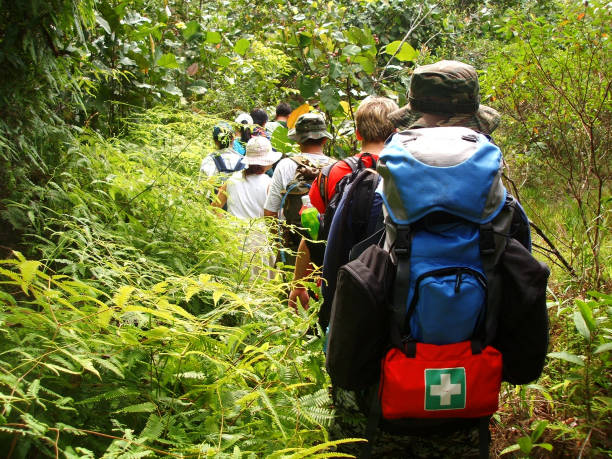
For many adventure travelers, the idea of a Beginner Summit on Kilimanjaro seems both exciting and intimidating. Mount Kilimanjaro is Africa’s highest mountain, rising to 5,895 meters (19,341 feet) above sea level. Despite its impressive height, thousands of first-time trekkers successfully reach the summit every year.
One of the most common questions asked by travelers is whether a Beginner Summit on Kilimanjaro is realistically achievable without prior mountaineering experience. The answer is yes. Unlike technical mountains that require climbing equipment, ropes, or advanced alpine skills, Kilimanjaro is primarily a trekking mountain.
However, reaching the summit still requires preparation, determination, and proper acclimatization. While technical climbing is not necessary, altitude, weather conditions, and physical endurance create challenges that every climber must respect.
For beginners, understanding these challenges is the first step toward achieving a successful Beginner Summit on Kilimanjaro.
Why Kilimanjaro Is Popular Among Beginners
The popularity of a Beginner Summit on Kilimanjaro comes from the mountain’s unique accessibility.
Unlike many famous peaks around the world, Kilimanjaro offers:
- Well-established trekking routes
- Professional mountain guides
- Support crews and porters
- Non-technical climbing paths
- High success rates on longer routes
These factors make the mountain attractive to individuals who want to experience high-altitude trekking without requiring years of mountaineering experience.
Many climbers who achieve a Beginner Summit on Kilimanjaro have never climbed a major mountain before.
What Makes a Beginner Summit on Kilimanjaro Possible?
Several factors contribute to the success of first-time climbers.
1. No Technical Climbing Required
One reason a Beginner Summit on Kilimanjaro is achievable is that climbers do not need:
- Ice axes
- Ropes
- Rock-climbing skills
- Glacier travel experience
- Advanced mountaineering certifications
The routes consist mainly of hiking trails and gradual ascents.
2. Professional Guide Support
Every climber is accompanied by licensed guides.
Guides help with:
- Route navigation
- Altitude monitoring
- Safety procedures
- Motivation and encouragement
This professional support increases the likelihood of a successful Beginner Summit on Kilimanjaro.
3. Multiple Route Options
Kilimanjaro offers several routes with varying durations and acclimatization profiles.
Longer routes often provide beginners with a better chance of reaching the summit.
Understanding the Height of Kilimanjaro
Before attempting a Beginner Summit on Kilimanjaro, it is important to understand the mountain’s elevation.
Key Elevation Facts
| Location | Elevation |
|---|---|
| Sea Level | 0 m |
| Kilimanjaro Gate Areas | 1,800–2,400 m |
| High Camps | 4,000–4,700 m |
| Uhuru Peak | 5,895 m |
The significant elevation gain is what creates most of the challenges associated with a Beginner Summit on Kilimanjaro.
As altitude increases, oxygen levels decrease, making physical activity more demanding.
Common Challenges for Beginners
Although thousands of first-time trekkers succeed each year, a Beginner Summit on Kilimanjaro is not effortless.
Altitude
The most significant challenge is altitude.
Reduced oxygen levels can cause:
- Headaches
- Fatigue
- Nausea
- Dizziness
- Sleep disturbances
Weather Changes
Climbers experience several climate zones during the expedition.
Conditions may include:
- Warm temperatures
- Rainforest humidity
- Strong winds
- Freezing summit temperatures
Endurance Requirements
A Beginner Summit on Kilimanjaro typically requires several consecutive days of trekking.
Climbers must be prepared for:
- Long walking hours
- Daily elevation gain
- Multi-day physical effort
Best Routes for a Beginner Summit on Kilimanjaro
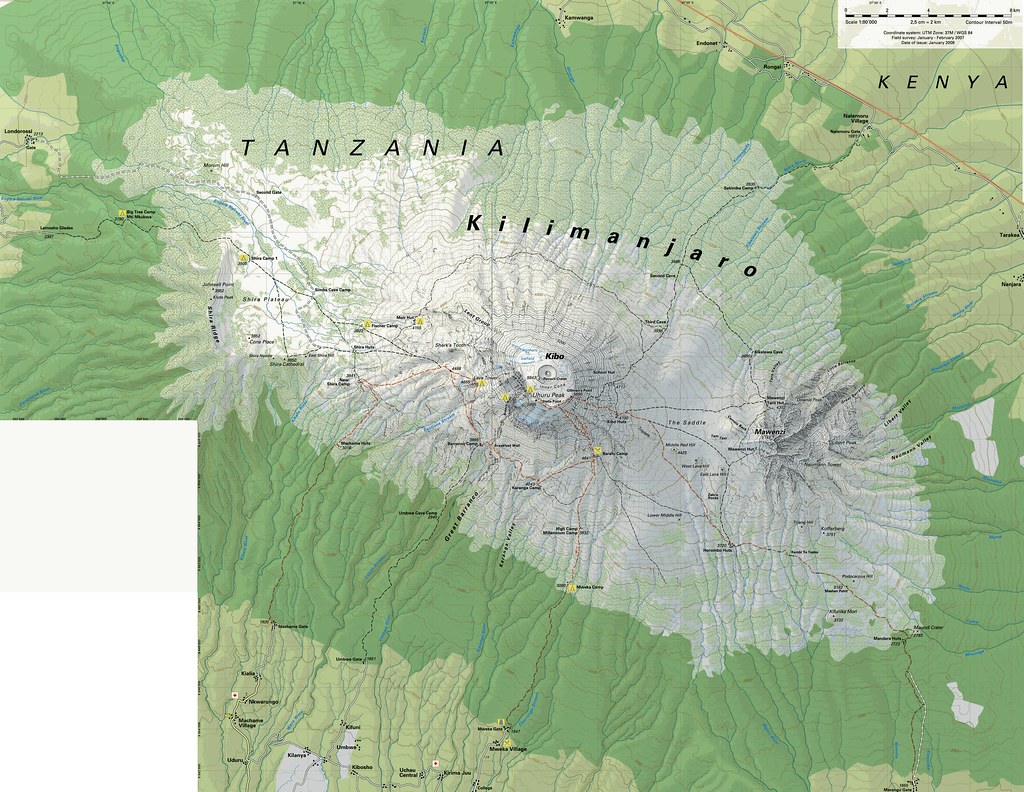
Route selection plays a major role in summit success.
Route Comparison Table
| Route | Duration | Beginner Rating |
|---|---|---|
| Northern Circuit | 8–9 Days | Excellent |
| Lemosho | 7–8 Days | Excellent |
| Machame | 6–7 Days | Very Good |
| Rongai | 6–7 Days | Good |
| Marangu | 5–6 Days | Moderate |
Longer routes generally improve acclimatization and increase the chances of a successful Beginner Summit on Kilimanjaro.
Fitness Requirements
Many people assume they need exceptional athletic ability.
In reality, a Beginner Summit on Kilimanjaro is more dependent on endurance than strength.
Recommended preparation includes:
- Regular walking
- Hiking practice
- Stair climbing
- Cardiovascular training
- Strength exercises
The goal is to build consistent stamina rather than elite athletic performance.
Expert Insight
Professional mountain guides frequently explain that success on Kilimanjaro depends less on speed and more on patience.
Their most common advice includes:
- Walk slowly
- Stay hydrated
- Eat regularly
- Trust the acclimatization process
- Listen to guide instructions
Many climbers who achieve a Beginner Summit on Kilimanjaro follow these simple but effective principles.
Customer Experience Example
A common review from first-time climbers is:
“I had never climbed a mountain before. I was nervous about altitude and fitness, but by following my guides and taking it slowly, I successfully completed my Beginner Summit on Kilimanjaro.”
Experiences like this demonstrate that first-time climbers can achieve remarkable success with proper preparation.
Quick Summary
Why Beginners Can Succeed
✔ No technical climbing required
✔ Professional guides available
✔ Multiple route options
✔ High success rates on longer routes
✔ Strong support systems
Main Challenges
✔ Altitude
✔ Weather conditions
✔ Physical endurance
✔ Summit night
✔ Mental resilience
Key Takeaways
A Beginner Summit on Kilimanjaro is an achievable goal for many first-time trekkers. While the mountain presents significant challenges through altitude and endurance demands, it does not require technical mountaineering skills.
With proper preparation, route selection, and guidance from experienced professionals such as GoAccessAfrica Safaris, beginners can confidently pursue the dream of standing on Uhuru Peak, the highest point in Africa.
In Section 2, we will explore altitude sickness, acclimatization strategies, summit success factors, and the most common mistakes beginners should avoid when attempting a Beginner Summit on Kilimanjaro.
Altitude, Acclimatization, and Common Mistakes During a Beginner Summit on Kilimanjaro
For many travelers, the biggest concern before attempting a Beginner Summit on Kilimanjaro is not the hiking itself but the effects of altitude. While Mount Kilimanjaro does not require technical climbing skills, it rises to 5,895 meters (19,341 feet), making it one of the highest trekking mountains in the world. At this elevation, the body must adapt to significantly lower oxygen levels.
Understanding altitude, acclimatization, and common climbing mistakes is essential for anyone planning a Beginner Summit on Kilimanjaro. The more informed you are before the expedition, the better your chances of reaching Uhuru Peak safely and successfully.
Why Altitude Matters on Kilimanjaro
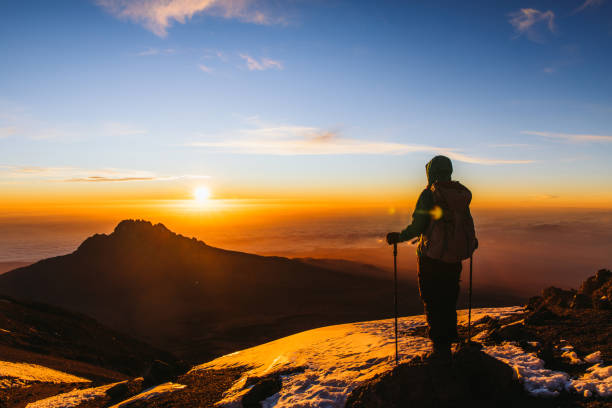
Altitude is the primary factor that determines the difficulty of a Beginner Summit on Kilimanjaro.
As you gain elevation, air pressure decreases. Although the percentage of oxygen in the atmosphere remains the same, each breath contains fewer usable oxygen molecules. This means your body must work harder to perform even simple activities.
Many beginners are surprised to learn that altitude can affect:
- Professional athletes
- Experienced hikers
- Young climbers
- Older climbers
- First-time trekkers
Fitness helps, but it does not guarantee protection from altitude-related challenges during a Beginner Summit on Kilimanjaro.
Oxygen Levels at Different Elevations
| Elevation | Approximate Oxygen Availability |
|---|---|
| Sea Level | 100% |
| 2,500 m | 75% |
| 4,000 m | 60% |
| 5,895 m | About 50% |
This reduction in oxygen explains why climbing becomes progressively more difficult as you approach the summit.
What Is Acclimatization?
Acclimatization is the process through which your body adapts to lower oxygen levels.
A successful Beginner Summit on Kilimanjaro depends heavily on giving your body enough time to make these adjustments.
During acclimatization, the body gradually:
- Improves oxygen efficiency
- Increases breathing rate
- Enhances circulation
- Adjusts to physical stress at altitude
Because this adaptation takes time, longer routes generally provide better summit success rates.
Signs of Healthy Acclimatization
Many climbers experience mild symptoms while adjusting to altitude.
Common signs include:
- Slight headaches
- Mild fatigue
- Increased breathing rate
- Reduced exercise capacity
These symptoms do not necessarily prevent a successful Beginner Summit on Kilimanjaro. In many cases, they improve as the body continues adapting.
Understanding Altitude Sickness
Altitude sickness is one of the most discussed topics related to a Beginner Summit on Kilimanjaro.
Mild Symptoms
Many climbers experience:
- Headaches
- Dizziness
- Tiredness
- Reduced appetite
- Sleep difficulties
Moderate Symptoms
As altitude increases, symptoms may become more noticeable:
- Persistent headaches
- Nausea
- Weakness
- Difficulty concentrating
Serious Symptoms
Professional guides monitor climbers carefully for severe warning signs such as:
- Loss of coordination
- Confusion
- Severe breathing problems
- Inability to walk properly
Safety always comes before summit goals during a Beginner Summit on Kilimanjaro.
How Longer Routes Improve Success
One of the smartest decisions beginners can make is choosing a route with more acclimatization time.
Route Comparison
| Route | Days | Acclimatization Quality |
|---|---|---|
| Northern Circuit | 8–9 | Excellent |
| Lemosho | 7–8 | Excellent |
| Machame | 6–7 | Very Good |
| Rongai | 6–7 | Good |
| Marangu | 5–6 | Fair |
Longer itineraries allow the body to adapt more effectively, increasing the likelihood of a successful Beginner Summit on Kilimanjaro.
The Importance of “Pole Pole”
Guides on Kilimanjaro frequently use the Swahili phrase:
“Pole pole” — meaning “slowly, slowly.”
This philosophy is fundamental to a successful Beginner Summit on Kilimanjaro.
Many first-time climbers make the mistake of walking too fast during the early days of the trek. While they may feel strong initially, rapid ascents often increase the likelihood of altitude-related difficulties later.
Walking slowly helps:
- Conserve energy
- Improve acclimatization
- Reduce stress on the body
- Increase summit success rates
Common Mistakes Beginners Should Avoid
Several avoidable mistakes can make a Beginner Summit on Kilimanjaro more difficult than necessary.
Mistake 1: Underestimating the Mountain
Because Kilimanjaro is a trekking mountain, some travelers assume it will be easy.
In reality, the altitude requires serious respect and preparation.
Mistake 2: Inadequate Hydration
Hydration plays a major role in altitude management.
Many guides recommend drinking several liters of water daily during a Beginner Summit on Kilimanjaro.
Mistake 3: Poor Training
While extreme fitness is not required, basic endurance preparation is highly beneficial.
Mistake 4: Choosing the Shortest Route
Short routes may seem attractive due to lower costs and fewer days, but they often provide less acclimatization time.
Mistake 5: Ignoring Early Symptoms
Reporting symptoms to guides early allows for better monitoring and safer decision-making.
Essential Acclimatization Tips
To maximize your chances of a successful Beginner Summit on Kilimanjaro, consider the following strategies:
Before the Climb
- Improve cardiovascular fitness
- Practice long walks and hikes
- Develop consistent exercise habits
During the Climb
- Walk slowly
- Stay hydrated
- Eat regularly
- Sleep whenever possible
- Follow guide recommendations
These simple habits can significantly improve the overall climbing experience.
Expert Advice from Kilimanjaro Guides
Experienced mountain professionals consistently identify the same factors behind successful climbs.
Guide Recommendations
✔ Prioritize acclimatization
✔ Walk at a steady pace
✔ Drink enough water
✔ Maintain a positive attitude
✔ Listen to professional advice
Many successful trekkers report that these principles were more important than physical strength alone during their Beginner Summit on Kilimanjaro.
Customer Experience Insight
A common observation from first-time climbers is:
“The altitude was harder than I expected, but moving slowly and trusting the guides helped me reach the summit.”
This reflects the reality that patience and proper pacing are often the keys to a successful Beginner Summit on Kilimanjaro.
Quick Summary
Biggest Challenges
✔ High altitude
✔ Reduced oxygen
✔ Multi-day trekking
✔ Summit night fatigue
✔ Weather variations
Success Factors
✔ Good acclimatization
✔ Slow pacing
✔ Hydration
✔ Route selection
✔ Guide support
✔ Mental resilience
Key Takeaways
The most significant challenge during a Beginner Summit on Kilimanjaro is altitude rather than technical climbing difficulty. Understanding acclimatization, recognizing altitude symptoms, and avoiding common mistakes can dramatically improve your summit experience.
Beginners who choose appropriate routes, follow professional guidance, and embrace the “pole pole” approach often discover that reaching Uhuru Peak is far more achievable than they initially imagined.
In Section 3, we will examine route comparisons, summit success rates, physical fitness expectations, gear recommendations, and expert strategies that help climbers maximize their chances of completing a successful Beginner Summit on Kilimanjaro with GoAccessAfrica Safaris.
Best Routes, Fitness Requirements, Gear Checklist, and Success Strategies for a Beginner Summit on Kilimanjaro
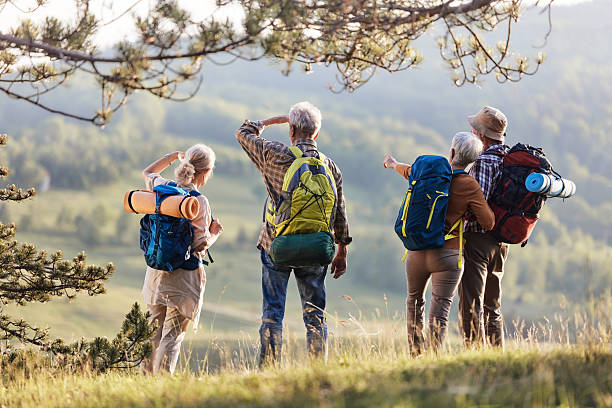
After understanding altitude and acclimatization, the next step in planning a successful Beginner Summit on Kilimanjaro is selecting the right route, preparing physically, and bringing the correct equipment. While many first-time climbers focus entirely on reaching the summit, experienced guides know that success begins long before arriving in Tanzania.
A well-planned Beginner Summit on Kilimanjaro combines realistic expectations, proper fitness preparation, suitable gear, and a route that allows sufficient time for acclimatization. These factors work together to improve comfort, safety, and summit success.
Choosing the Best Route for a Beginner Summit on Kilimanjaro
One of the most important decisions is selecting the route that best matches your experience level and goals.
Different routes offer different advantages, scenery, and acclimatization opportunities.
Kilimanjaro Route Comparison
| Route | Duration | Difficulty | Success Potential for Beginners |
|---|---|---|---|
| Northern Circuit | 8–9 Days | Moderate | Excellent |
| Lemosho Route | 7–8 Days | Moderate | Excellent |
| Machame Route | 6–7 Days | Moderate | Very Good |
| Rongai Route | 6–7 Days | Moderate | Good |
| Marangu Route | 5–6 Days | Moderate | Fair |
| Umbwe Route | 5–6 Days | High | Not Recommended |
For most travelers planning a Beginner Summit on Kilimanjaro, the Lemosho Route and Northern Circuit are often considered the best choices because they provide excellent acclimatization opportunities.
Why Longer Routes Improve Success
Many beginners are tempted to choose shorter itineraries to save money or reduce time away from work. However, longer routes often provide a greater chance of reaching the summit.
A longer Beginner Summit on Kilimanjaro itinerary offers:
- More acclimatization time
- Better altitude adaptation
- Reduced physical stress
- Increased summit confidence
- More enjoyable trekking experience
The extra days can make a significant difference, especially for first-time high-altitude trekkers.
Physical Fitness Requirements
A common misconception is that only elite athletes can complete a Beginner Summit on Kilimanjaro.
In reality, the mountain rewards endurance more than athletic speed.
Recommended Fitness Characteristics
Successful climbers typically have:
- Good walking endurance
- Moderate cardiovascular fitness
- Consistent activity levels
- Mental determination
You do not need to be a marathon runner to achieve a Beginner Summit on Kilimanjaro, but regular training beforehand is highly recommended.
Training Plan for Beginners
Ideally, preparation should begin several months before departure.
Effective Training Activities
- Hiking
- Long-distance walking
- Stair climbing
- Cycling
- Jogging
- Strength training
Sample Weekly Training Structure
| Activity | Frequency |
|---|---|
| Walking/Hiking | 3–4 times weekly |
| Cardio Training | 2–3 times weekly |
| Strength Exercises | 2 times weekly |
| Long Weekend Hike | Once weekly |
Consistency is more important than intensity when preparing for a Beginner Summit on Kilimanjaro.
Essential Gear for a Beginner Summit on Kilimanjaro
Proper equipment greatly improves comfort and safety.
Many challenges encountered during a Beginner Summit on Kilimanjaro can be minimized through appropriate clothing and gear choices.
Clothing Essentials
- Moisture-wicking base layers
- Insulating mid-layers
- Waterproof outer jacket
- Hiking pants
- Thermal gloves
- Warm hat
- Neck gaiter
Footwear Essentials
- Well-broken-in hiking boots
- Hiking socks
- Spare socks
Foot comfort is critical because climbers spend multiple days trekking before reaching the summit.
Additional Equipment
- Trekking poles
- Headlamp
- Water bottles
- Hydration system
- Sunglasses
- Sunscreen
- Daypack
Each item contributes to a smoother Beginner Summit on Kilimanjaro experience.
Summit Success Rates by Route
One reason route selection matters is its influence on summit success.
Estimated Summit Success Comparison
| Route | Relative Success Rate |
|---|---|
| Northern Circuit | Very High |
| Lemosho | Very High |
| Machame | High |
| Rongai | Moderate to High |
| Marangu | Moderate |
| Umbwe | Lower |
Longer routes generally achieve stronger results because climbers adapt more effectively to altitude.
For many travelers pursuing a Beginner Summit on Kilimanjaro, success rates are an important consideration during the planning process.
Mental Preparation for Beginners
While physical fitness is important, mental resilience is equally valuable.
During a Beginner Summit on Kilimanjaro, climbers may experience:
- Fatigue
- Slow progress
- Cold temperatures
- Altitude discomfort
- Self-doubt
Preparing mentally helps manage these challenges more effectively.
Mental Strategies
✔ Focus on daily goals
✔ Stay positive
✔ Trust your guides
✔ Celebrate small achievements
✔ Remember your motivation
Many climbers report that mindset became one of the most important factors in their successful Beginner Summit on Kilimanjaro.
Expert Recommendations from GoAccessAfrica Safaris
Professional guides who regularly lead expeditions have observed clear patterns among successful climbers.
Common Traits of Successful Beginners
- They walk slowly.
- They stay hydrated.
- They eat consistently.
- They communicate openly with guides.
- They remain patient during acclimatization.
These habits help transform a challenging trek into a successful Beginner Summit on Kilimanjaro.
Guide Advice
Instead of focusing only on the summit, experienced guides encourage climbers to enjoy the entire journey.
The rainforest, moorlands, alpine desert, and summit zone each provide unique experiences that make a Beginner Summit on Kilimanjaro memorable long before reaching Uhuru Peak.
Customer Experience Example
A first-time climber shared the following reflection:
“Choosing the Lemosho Route was the best decision I made. The extra acclimatization days gave me confidence, and by summit night I felt prepared. Completing my Beginner Summit on Kilimanjaro became one of the proudest achievements of my life.”
This type of experience highlights the value of planning and preparation.
Quick Summary
Best Routes for Beginners
✔ Northern Circuit
✔ Lemosho Route
✔ Machame Route
Key Fitness Priorities
✔ Endurance
✔ Cardiovascular health
✔ Consistency
✔ Hiking practice
Essential Gear
✔ Hiking boots
✔ Layered clothing
✔ Trekking poles
✔ Headlamp
✔ Hydration system
Success Strategies
✔ Choose longer routes
✔ Train consistently
✔ Follow guide advice
✔ Stay hydrated
✔ Maintain a positive mindset
Key Takeaways
A successful Beginner Summit on Kilimanjaro depends on more than determination alone. Route selection, fitness preparation, proper gear, and mental readiness all contribute to summit success. Longer routes such as Lemosho and Northern Circuit are particularly beneficial for first-time climbers because they allow better acclimatization and a more comfortable ascent.
With thoughtful preparation and professional support from GoAccessAfrica Safaris, beginners can dramatically improve their chances of standing on Uhuru Peak and experiencing one of the world’s most rewarding trekking accomplishments.
In Section 4, we will cover costs, frequently asked questions, expert travel advice, external resources, final recommendations, and a complete conclusion for anyone planning a Beginner Summit on Kilimanjaro.