
Discover everything about the Kilimanjaro Summit, including Uhuru Peak altitude, summit night, success tips, routes, weather, and expert climbing advice from GoAccessAfrica Safaris.
Introduction
For many adventure travelers, standing on the Kilimanjaro Summit is a lifelong dream. Reaching the highest point in Africa is more than just a hiking achievement—it is a personal milestone that represents determination, endurance, and adventure.
Located in northern Tanzania, Mount Kilimanjaro attracts thousands of climbers every year. While the journey through rainforests, moorlands, alpine deserts, and arctic landscapes is unforgettable, the ultimate goal remains the same: reaching the Kilimanjaro Summit at Uhuru Peak.
At 5,895 meters (19,341 feet) above sea level, the Kilimanjaro Summit is the highest point on the African continent. It is also one of the most accessible high-altitude summits in the world because climbers do not need technical mountaineering skills to reach it.
Despite this accessibility, reaching the summit is still a significant challenge. Altitude, weather conditions, physical endurance, and mental strength all play critical roles in determining success.
This guide explains everything you need to know about the Kilimanjaro Summit, including its location, significance, elevation, and why it remains one of the world’s most sought-after trekking achievements.
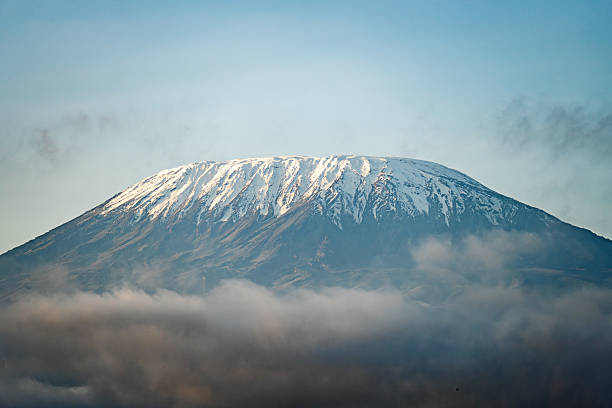
What Is the Kilimanjaro Summit?
The Kilimanjaro Summit refers to Uhuru Peak, the highest point on Mount Kilimanjaro.
Uhuru Peak is located on Kibo, the tallest of Kilimanjaro’s three volcanic cones:
- Kibo
- Mawenzi
- Shira
Among these three formations, Kibo contains the official Kilimanjaro Summit recognized by climbers, geographers, and trekking organizations worldwide.
When climbers talk about successfully climbing Kilimanjaro, they are referring to reaching Uhuru Peak.
Kilimanjaro Peak Comparison
| Peak | Elevation |
|---|---|
| Uhuru Peak (Summit) | 5,895 m |
| Mawenzi Peak | 5,149 m |
| Shira Peak | 4,005 m |
This comparison highlights why Uhuru Peak remains the true Summit destination.
Why the Kilimanjaro Summit Is Famous Worldwide
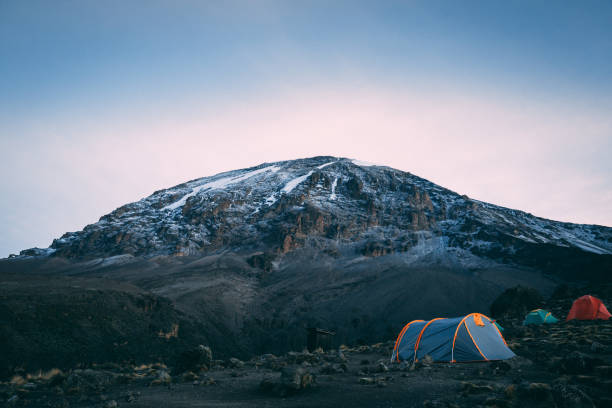
The popularity of the Kilimanjaro Summit extends far beyond Africa.
Several factors contribute to its global reputation:
1. Highest Point in Africa
The summit stands higher than every other mountain peak on the continent.
2. One of the Seven Summits
Many climbers pursue the Seven Summits challenge, which involves reaching the highest mountain on each continent.
The Kilimanjaro Summit represents Africa’s contribution to this prestigious list.
3. Non-Technical Climbing
Unlike Everest or Denali, reaching the Summit does not require advanced climbing techniques.
Most climbers reach the summit through trekking rather than technical mountaineering.
4. Extraordinary Landscapes
The route to the summit passes through multiple ecological zones, creating a unique trekking experience.
The Meaning of Uhuru Peak
The official Summit is known as Uhuru Peak.
The word “Uhuru” means “freedom” in Swahili.
This name symbolizes:
- Independence
- Achievement
- National pride
- Personal accomplishment
For many climbers, standing beneath the famous Uhuru Peak sign is one of the most emotional moments of their lives.
How High Is the Kilimanjaro Summit?
The elevation of the Summit is:
- 5,895 meters
- 19,341 feet
At this altitude, oxygen availability is approximately half of what it is at sea level.
This explains why altitude becomes the greatest challenge for climbers approaching the summit.
Elevation Comparison
| Location | Elevation |
|---|---|
| Sea Level | 0 m |
| Kilimanjaro Base Area | ~800 m |
| Barafu Camp | ~4,673 m |
| Kilimanjaro Summit | 5,895 m |
The substantial elevation gain contributes significantly to the difficulty of summit day.
What Makes the Kilimanjaro Summit Challenging?
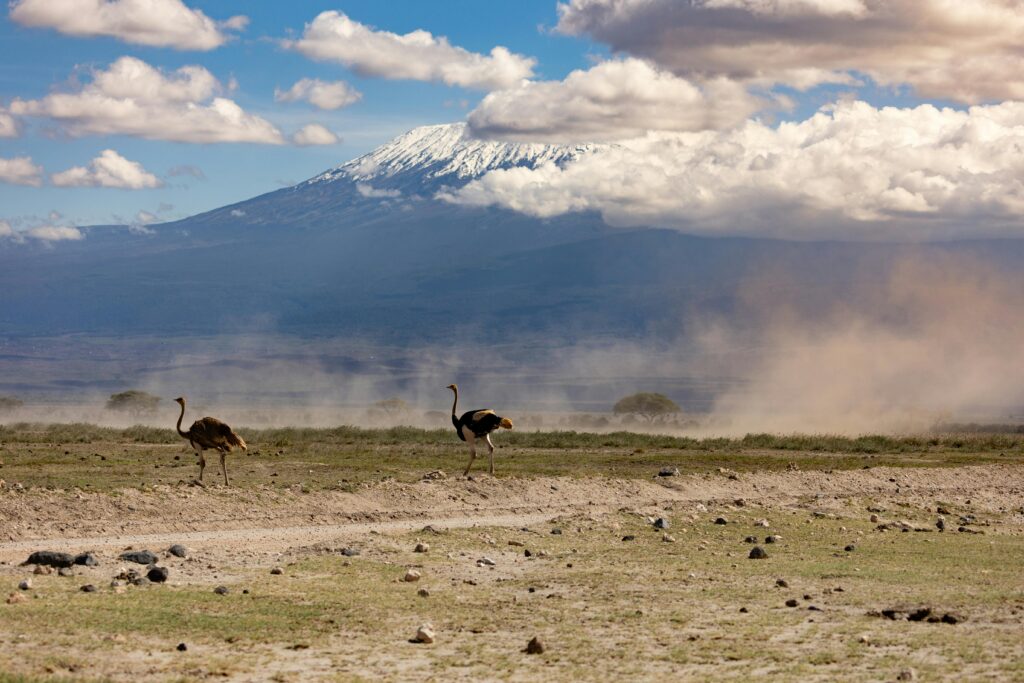
Although no technical climbing skills are required, reaching the Summit remains a demanding accomplishment.
The main challenges include:
Altitude
Reduced oxygen levels affect nearly all climbers.
Summit Night
Most summit attempts begin around midnight.
This means climbers face:
- Darkness
- Cold temperatures
- Fatigue
- Long trekking hours
Physical Endurance
Most expeditions require multiple days of hiking before the summit attempt.
Mental Resilience
Determination and persistence often become just as important as physical fitness.
These factors collectively shape the overall experience of reaching the Summit.
Who Can Reach the Kilimanjaro Summit?
One reason the Kilimanjaro Summit is so popular is that it is achievable for a wide range of travelers.
Successful climbers include:
- Beginners
- Experienced hikers
- Retirees
- Charity groups
- Solo travelers
- Families
Success depends more on preparation and acclimatization than on athletic ability alone.
Qualities of Successful Climbers
✔ Patience
✔ Consistency
✔ Positive mindset
✔ Physical preparation
✔ Willingness to follow guide instructions
These characteristics often contribute more to summit success than raw fitness.
Expert Insight
Professional mountain guides consistently emphasize one principle when discussing the Kilimanjaro Summit:
“Pole pole” (slowly, slowly).
Walking slowly allows the body to adapt to altitude more effectively.
Experienced guides know that climbers who rush are more likely to struggle before reaching the summit.
Quick Summary
Key Facts About the Kilimanjaro Summit
✔ Located at Uhuru Peak
✔ Elevation of 5,895 meters
✔ Highest point in Africa
✔ Part of the Seven Summits
✔ Non-technical climb
✔ Accessible to beginners
✔ Major global trekking destination
Key Takeaways
The Kilimanjaro Summit is far more than a geographic location. It represents one of the world’s most iconic trekking achievements and attracts adventurers from every corner of the globe.
Standing at 5,895 meters above sea level, Uhuru Peak offers breathtaking views, personal accomplishment, and the unforgettable experience of reaching the highest point in Africa. Understanding the significance of the summit is the first step toward planning a successful climb.
In Section 2, we will explore summit night, altitude challenges, weather conditions, and the physical demands involved in reaching the Kilimanjaro Summit.
Summit Night, Altitude Challenges, and What to Expect on the Way to the Kilimanjaro Summit
For most climbers, the journey to the Kilimanjaro Summit becomes increasingly challenging as they move higher up the mountain. While the first few trekking days focus on acclimatization and gradual elevation gain, the final ascent to Uhuru Peak is where determination, preparation, and mental strength are tested.
Many climbers describe summit day as the most difficult yet rewarding part of the entire expedition. Understanding what happens during this phase can help trekkers prepare properly and improve their chances of reaching the Kilimanjaro Summit successfully.
What Is Summit Night?
Summit night is the final stage of the climb that leads directly to the Kilimanjaro Summit.
Most climbers begin their summit attempt around midnight or shortly after. Starting at night allows trekkers to reach Uhuru Peak around sunrise, when weather conditions are often more stable and visibility is spectacular.
A typical summit schedule looks like this:
| Activity | Approximate Time |
|---|---|
| Wake-up | 11:00 PM |
| Light meal and preparation | 11:30 PM |
| Begin ascent | 12:00 AM |
| Reach Stella Point | 5:00–7:00 AM |
| Reach Kilimanjaro Summit (Uhuru Peak) | 6:00–8:00 AM |
| Begin descent | Shortly after summit |
Although the distance may not seem extreme, the combination of altitude, cold temperatures, and exhaustion makes summit night one of the toughest parts of reaching the Kilimanjaro Summit.
Why the Kilimanjaro Summit Is Physically Demanding
One of the biggest reasons climbers struggle near the Kilimanjaro Summit is the reduced amount of oxygen available at high altitude.
At sea level, breathing feels effortless because oxygen pressure is relatively high. Near the summit, every step requires more effort because the body receives significantly less oxygen.
Physical Effects of High Altitude
As climbers approach the Kilimanjaro Summit, they may experience:
- Faster breathing
- Increased heart rate
- Fatigue
- Reduced stamina
- Slower walking pace
- Difficulty sleeping
These effects are normal and explain why guides encourage climbers to move slowly throughout the expedition.
Altitude Sickness and the Kilimanjaro Summit
Altitude sickness is one of the most important topics related to the Kilimanjaro Summit.
Even physically fit individuals can develop symptoms because altitude affects everyone differently.
Common Symptoms
- Headaches
- Dizziness
- Nausea
- Loss of appetite
- Shortness of breath
- Fatigue
Serious Symptoms
In rare cases, severe altitude illness may develop.
Potential warning signs include:
- Extreme confusion
- Loss of coordination
- Persistent vomiting
- Severe breathing difficulties
Professional guides monitor climbers carefully during the ascent to the Kilimanjaro Summit and make safety decisions when necessary.
Weather Conditions Near the Kilimanjaro Summit
Weather plays a major role in shaping the summit experience.
At lower elevations, climbers often encounter warm temperatures and lush vegetation. Near the Kilimanjaro Summit, conditions become dramatically different.
Typical Summit Conditions
| Factor | Conditions |
|---|---|
| Temperature | -10°C to -20°C |
| Wind | Strong at times |
| Humidity | Very low |
| Visibility | Usually excellent at sunrise |
| Terrain | Rocky volcanic paths |
The environment near the Kilimanjaro Summit resembles an arctic landscape despite the mountain’s location close to the equator.
The Importance of Proper Acclimatization
Acclimatization is one of the most important factors affecting success at the Kilimanjaro Summit.
The body needs time to adapt to reduced oxygen levels. Climbers who ascend too quickly often experience greater altitude-related difficulties.
Benefits of Good Acclimatization
- Better oxygen utilization
- Reduced altitude sickness risk
- Improved energy levels
- Increased summit success rates
- Better sleep quality
Because of these benefits, longer routes often provide a better chance of reaching the Kilimanjaro Summit successfully.
Best Practices for Reaching the Kilimanjaro Summit
Experienced guides recommend several strategies to improve summit success.
Walk Slowly
The famous Swahili phrase “pole pole” means “slowly, slowly.”
Walking slowly helps the body adapt to altitude and conserves energy for the final push to the Kilimanjaro Summit.
Stay Hydrated
Drinking enough water is essential for maintaining performance and reducing altitude symptoms.
Eat Regularly
Even when appetite decreases, maintaining calorie intake helps sustain energy levels.
Follow Guide Instructions
Guides have extensive experience with altitude management and understand how to maximize safety near the Kilimanjaro Summit.
Mental Challenges on Summit Day
Physical fitness alone does not guarantee success.
Many climbers discover that mental resilience becomes especially important during the final ascent.
Common psychological challenges include:
- Fatigue
- Self-doubt
- Fear of failure
- Frustration with slow progress
The journey to the Kilimanjaro Summit often becomes a test of persistence rather than speed.
Mental Strategies Used by Successful Climbers
✔ Focus on one step at a time
✔ Avoid thinking only about the remaining distance
✔ Stay positive
✔ Trust the process
✔ Celebrate small milestones
These approaches help climbers maintain motivation during the most difficult sections of the climb.
Customer Experience Insight
Many climbers describe their experience reaching the Kilimanjaro Summit in similar ways.
“Summit night was much harder than I expected. The altitude made every step feel slower, but watching the sunrise from Uhuru Peak made all the effort worthwhile.”
This type of feedback highlights the emotional reward that accompanies the challenge.
Expert Advice from Mountain Guides
Guides who lead hundreds of successful expeditions consistently identify the same factors behind reaching the Kilimanjaro Summit:
- Patience
- Proper pacing
- Hydration
- Acclimatization
- Positive attitude
According to many professionals, climbers who respect the mountain’s altitude often perform better than those who rely solely on fitness.
Quick Summary
Main Challenges of the Kilimanjaro Summit
✔ High altitude
✔ Reduced oxygen levels
✔ Cold temperatures
✔ Long summit night
✔ Mental fatigue
✔ Physical endurance demands
Success Strategies
✔ Slow and steady pacing
✔ Proper hydration
✔ Route selection
✔ Acclimatization
✔ Following guide instructions
✔ Positive mindset
Section 2 Key Takeaways
The journey to the Kilimanjaro Summit is challenging primarily because of altitude rather than technical climbing difficulty. Summit night combines thin air, freezing temperatures, physical fatigue, and mental endurance into one unforgettable experience.
Climbers who understand these challenges and prepare accordingly greatly improve their chances of standing at Uhuru Peak and experiencing one of the most rewarding moments in adventure travel.
In Section 3, we will compare the best Kilimanjaro routes, summit success rates, route difficulty levels, and the strategies that help climbers maximize their chances of reaching the Kilimanjaro Summit with GoAccessAfrica Safaris.