
Discover the best month to climb Kilimanjaro, including weather patterns, trekking seasons, route conditions, summit success rates, and expert advice from GoAccessAfrica Safaris.
Introduction
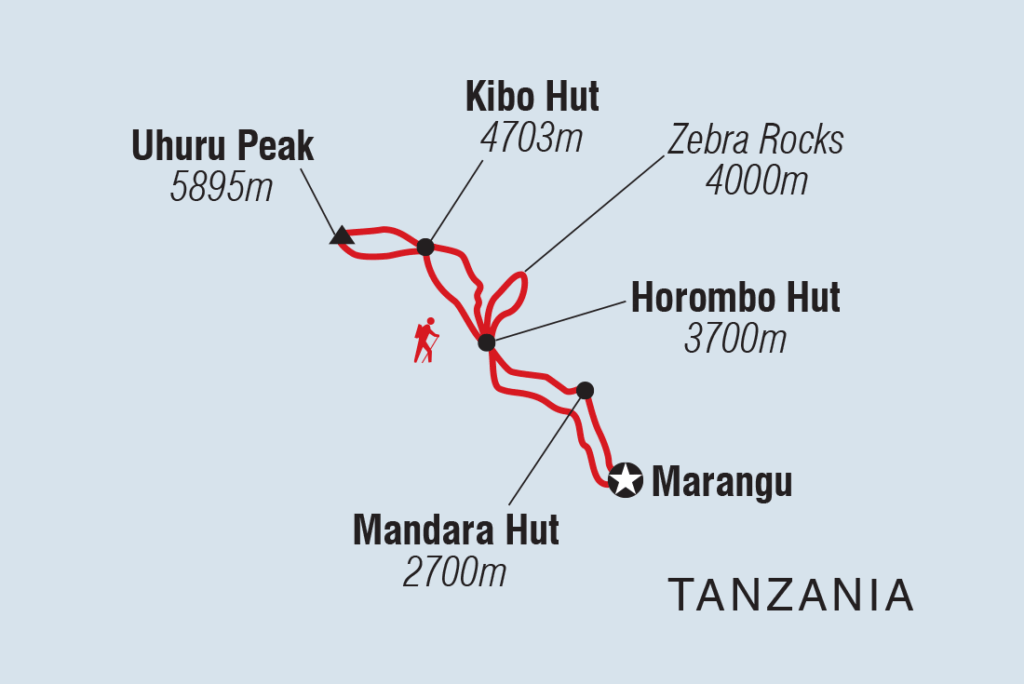
Choosing the right Month to Climb Kilimanjaro is one of the most important decisions any traveler can make when planning a trek to Africa’s highest mountain. While Mount Kilimanjaro can technically be climbed throughout the year, weather conditions, visibility, rainfall, trail quality, and overall trekking comfort vary significantly from month to month.
For many climbers, selecting the best Month to Climb Kilimanjaro can make the difference between a comfortable and enjoyable adventure and a challenging expedition affected by rain, mud, or poor visibility. Understanding the seasonal patterns of Kilimanjaro allows climbers to choose a time that matches their goals, experience level, and expectations.
Mount Kilimanjaro rises to 5,895 meters (19,341 feet) above sea level and attracts thousands of trekkers from around the world each year. Despite being located near the equator, the mountain experiences distinct weather seasons that influence trekking conditions.
Whether you are a first-time climber, an experienced hiker, or planning a guided expedition with GoAccessAfrica Safaris, knowing the best Month to Climb Kilimanjaro is essential for maximizing your chances of success.
Why the Month to Climb Kilimanjaro Matters
Many travelers assume that weather remains constant because Kilimanjaro is located in Tanzania, a country known for its warm climate.
However, the mountain creates its own weather patterns.
The chosen Month to Climb Kilimanjaro affects:
- Trail conditions
- Rainfall levels
- Visibility
- Summit temperatures
- Crowd levels
- Accommodation availability
- Photography opportunities
These factors influence both comfort and summit success.
Selecting the appropriate Month to Climb Kilimanjaro helps climbers enjoy better trekking conditions and a more memorable experience.
Understanding Kilimanjaro’s Climate
Mount Kilimanjaro experiences two main dry seasons and two rainy seasons each year.
Kilimanjaro Seasons Overview
| Season | Months | Conditions |
|---|---|---|
| Short Dry Season | January – March | Clear skies, moderate crowds |
| Long Rainy Season | March – May | Heavy rainfall |
| Main Dry Season | June – October | Best trekking conditions |
| Short Rainy Season | November | Occasional rain |
| Mixed Season | December | Improving conditions |
Because weather changes throughout the year, identifying the ideal Month to Climb Kilimanjaro depends largely on personal preferences and priorities.
January: A Popular Month to Climb Kilimanjaro
January is considered one of the best times for trekking.
Advantages include:
- Relatively dry weather
- Good visibility
- Moderate temperatures
- Fewer crowds than peak season
Many travelers choose January as their preferred Month to Climb Kilimanjaro because conditions are generally favorable while trails remain less crowded than later in the year.
February: Excellent Summit Conditions
February is often regarded as one of the top choices for climbers.
Benefits include:
- Stable weather
- Clear summit views
- Comfortable trekking temperatures
- Strong photography opportunities
For many experienced guides, February represents one of the most reliable options when selecting a Month to Climb Kilimanjaro.
March: Transition Into Rainy Season
March can still offer good climbing opportunities, especially during the early part of the month.
However, rainfall gradually increases.
Climbers may encounter:
- Cloud cover
- Wet trails
- Increased humidity
Although some trekkers successfully climb during March, it is generally considered less ideal than January or February as a Month to Climb Kilimanjaro.
April and May: The Wettest Months
April and May are typically associated with the long rainy season.
Conditions often include:
- Heavy rainfall
- Muddy trails
- Reduced visibility
- Increased route difficulty
Pros
- Fewer climbers
- Quieter trails
- Potential discounts
Cons
- Wet equipment
- Challenging trekking conditions
- Limited views
For most beginners, April and May are not usually recommended as the best Month to Climb Kilimanjaro.
June: Beginning of Peak Season
June marks the start of the main dry season.
Advantages include:
- Improved weather
- Drier trails
- Better visibility
- Comfortable climbing conditions
As a result, June becomes an increasingly popular Month to Climb Kilimanjaro for travelers from around the world.
July and August: Peak Climbing Season
July and August are among the busiest months on Kilimanjaro.
Why They Are Popular
- Excellent weather
- Clear skies
- High summit success rates
- Favorable trail conditions
Many climbers consider these months the ultimate Month to Climb Kilimanjaro, especially for first-time trekkers seeking predictable weather.
September and October: Outstanding Trekking Conditions
September and October continue the dry season.
Benefits include:
- Stable weather
- Excellent visibility
- Comfortable temperatures
- Strong summit opportunities
These months remain among the most recommended choices for anyone searching for the ideal Month to Climb Kilimanjaro.
Expert Insight
Professional mountain guides consistently recommend selecting a climbing season that balances weather quality with personal preferences.
When advising travelers on the best Month to Climb Kilimanjaro, guides often emphasize:
- Route selection
- Crowd tolerance
- Photography goals
- Weather expectations
- Acclimatization opportunities
The perfect month varies slightly from traveler to traveler.
Quick Summary
Best Months to Climb Kilimanjaro
✔ January
✔ February
✔ June
✔ July
✔ August
✔ September
✔ October
Months With More Challenges
✔ March
✔ April
✔ May
✔ November
Key Factors to Consider
✔ Weather
✔ Visibility
✔ Crowds
✔ Trail conditions
✔ Personal preferences
Key Takeaways
Choosing the right Month to Climb Kilimanjaro plays a major role in the overall trekking experience. Weather patterns, visibility, rainfall, and trail conditions all influence comfort and summit success.
For many travelers, January, February, June, July, August, September, and October offer the most favorable conditions. Understanding these seasonal differences allows climbers to make informed decisions and plan a more enjoyable adventure with GoAccessAfrica Safaris.
Seasonal Weather Patterns, Crowd Levels, and How They Influence the Best Month to Climb Kilimanjaro
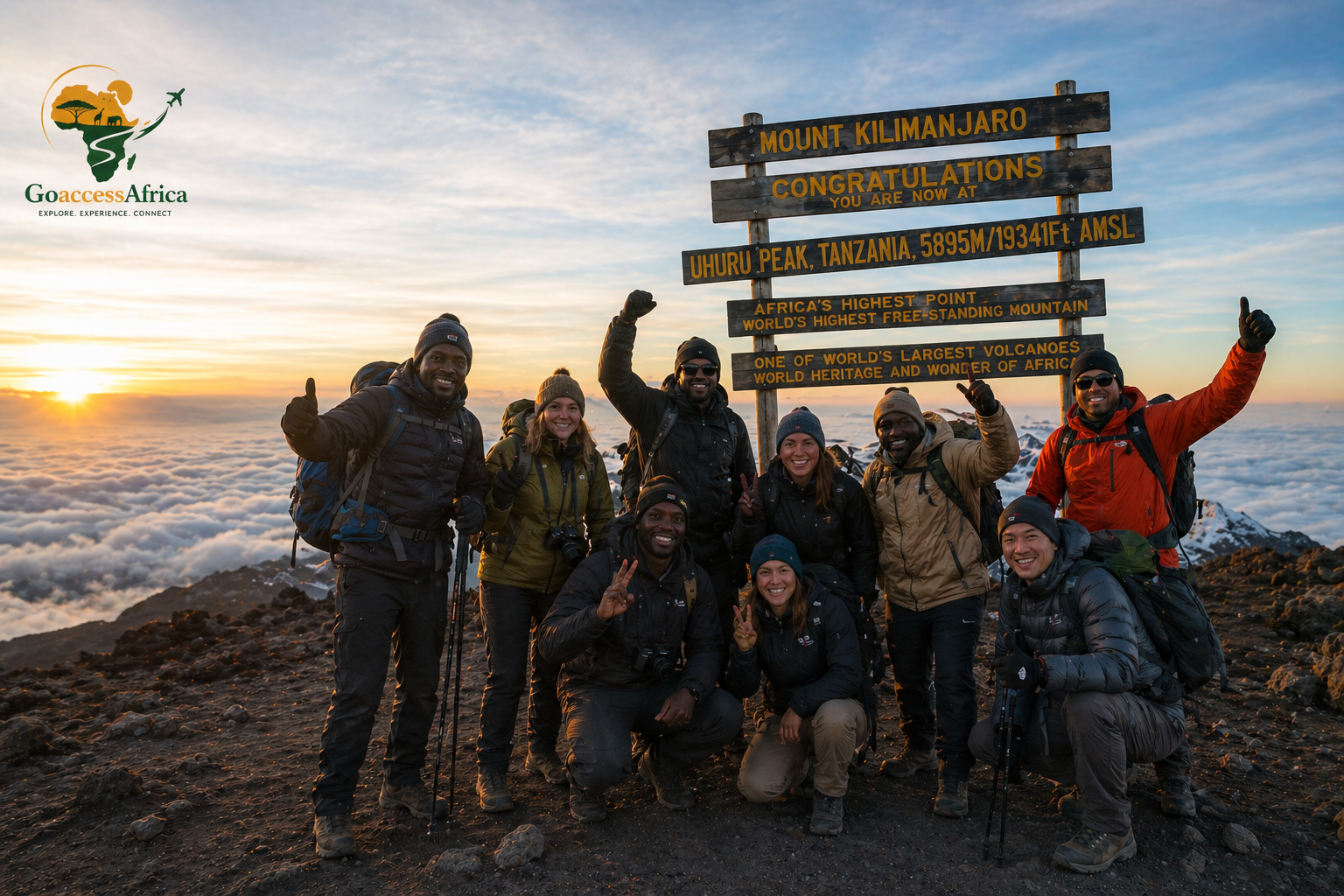
Selecting the right Month to Climb Kilimanjaro involves much more than simply choosing a date on the calendar. Weather conditions, trail quality, crowd levels, and summit visibility all vary throughout the year. Understanding these seasonal differences helps climbers make informed decisions and choose the period that best matches their expectations.
While Mount Kilimanjaro can be climbed year-round, some months consistently provide better trekking conditions than others. The ideal Month to Climb Kilimanjaro depends on whether your priority is clear skies, fewer crowds, better photography, or a quieter mountain experience.
Understanding Kilimanjaro’s Weather System
Because of its height and geographic location, Kilimanjaro experiences several climate patterns throughout the year.
The mountain passes through multiple ecological zones, including:
- Cultivation zone
- Rainforest zone
- Heath and moorland
- Alpine desert
- Arctic summit zone
Weather can vary dramatically from the base to the summit. As a result, the chosen Month to Climb Kilimanjaro affects the entire trekking experience from start to finish.
Annual Weather Overview
| Period | General Conditions |
|---|---|
| January–February | Warm and relatively dry |
| March–May | Long rainy season |
| June–October | Main dry season |
| November | Short rains |
| December | Mixed but improving weather |
This seasonal pattern forms the basis for determining the best Month to Climb Kilimanjaro.
January and February: Excellent Early-Year Climbing
Many experienced guides consider January and February among the best months for trekking.
Advantages
- Clear skies
- Moderate temperatures
- Excellent photography opportunities
- Good summit visibility
- Relatively stable weather
These conditions make January and February a highly recommended Month to Climb Kilimanjaro for both beginners and experienced hikers.
Crowd Levels
Compared to the peak season of July and August, trails are generally less crowded.
This creates:
- More peaceful camps
- Better photo opportunities
- A quieter trekking experience
For travelers who want favorable weather without the busiest trails, January and February are often the ideal Month to Climb Kilimanjaro.
March to May: Long Rainy Season
The long rainy season typically begins during March and continues through May.
Rainfall becomes more frequent and can affect trekking conditions.
Potential Challenges
- Muddy trails
- Reduced visibility
- Wet gear
- Increased humidity
- Slippery terrain
Because of these factors, March, April, and May are usually not considered the best Month to Climb Kilimanjaro for first-time climbers.
Potential Benefits
Despite the challenges, there are advantages:
- Fewer climbers
- Less crowded campsites
- Greater route availability
- Occasionally lower prices
Some experienced trekkers intentionally choose this Month to Climb Kilimanjaro because they prefer solitude and are comfortable with wet conditions.
June: Start of the Main Dry Season
June marks a major transition on the mountain.
As rainfall decreases, trekking conditions improve significantly.
Why June Is Popular
- Drier trails
- Better visibility
- Comfortable temperatures
- Improved summit conditions
For many climbers, June becomes an attractive Month to Climb Kilimanjaro because it combines favorable weather with manageable crowd levels.
July and August: Peak Trekking Season
July and August are among the busiest months on Kilimanjaro.
Many international travelers schedule their expeditions during this period because of the reliable weather.
Key Benefits
- Excellent visibility
- Dry trails
- Cooler temperatures
- Strong summit success potential
These factors make July and August one of the most recommended periods when choosing a Month to Climb Kilimanjaro.
Considerations
Because these months are highly popular, climbers may encounter:
- Busier campsites
- More trekkers on the routes
- Earlier booking requirements
Despite increased crowds, many travelers still view this period as the best Month to Climb Kilimanjaro.
September and October: Exceptional Conditions Continue
The dry season generally extends through September and October.
These months offer many of the same benefits found in July and August.
Advantages
- Stable weather
- Excellent summit views
- Comfortable trekking conditions
- Strong photography opportunities
Many guides recommend September and October as an outstanding Month to Climb Kilimanjaro, especially for travelers who prefer slightly lower crowd levels than peak season.
November: The Short Rainy Season
November introduces the short rainy season.
Rainfall is usually lighter than during April and May but can still influence trekking conditions.
Typical Conditions
- Intermittent rain showers
- Cloud cover
- Variable visibility
- Fewer climbers
While November is not typically considered the best Month to Climb Kilimanjaro, some travelers appreciate the quieter atmosphere.
December: A Popular Holiday Season
December marks the transition toward drier conditions.
As the month progresses, weather often improves.
Benefits
- Festive travel atmosphere
- Increasingly favorable weather
- Popular holiday departures
For travelers with year-end vacation schedules, December can be a suitable Month to Climb Kilimanjaro.
Crowd Levels Throughout the Year
Weather is not the only factor influencing route selection.
Many climbers also consider crowd levels when choosing the best Month to Climb Kilimanjaro.
Crowd Comparison Table
| Month Group | Crowd Level |
|---|---|
| January–February | Moderate |
| March–May | Low |
| June | Moderate |
| July–August | High |
| September–October | Moderate to High |
| November | Low |
| December | Moderate |
This comparison helps travelers balance weather preferences against trail traffic.
How Weather Affects Summit Success
The chosen Month to Climb Kilimanjaro can indirectly influence summit success.
Favorable conditions often contribute to:
- Better morale
- Drier equipment
- Improved visibility
- More comfortable trekking
However, it is important to remember that weather alone does not guarantee success.
Other factors include:
- Acclimatization
- Fitness
- Route selection
- Hydration
- Mental preparation
The best Month to Climb Kilimanjaro should be combined with a well-planned itinerary and professional guidance.
Expert Advice from GoAccessAfrica Safaris
Experienced mountain guides recommend matching your travel goals with the appropriate season.
For Best Weather
Choose:
- January
- February
- July
- August
- September
- October
For Fewer Crowds
Consider:
- January
- February
- November
For Maximum Summit Comfort
Focus on dry-season climbing periods whenever possible.
Choosing the right Month to Climb Kilimanjaro helps create a safer and more enjoyable experience.
Quick Summary
Best Overall Months
✔ January
✔ February
✔ June
✔ July
✔ August
✔ September
✔ October
Wettest Months
✔ April
✔ May
Lowest Crowd Levels
✔ March
✔ April
✔ May
✔ November
Key Decision Factors
✔ Weather
✔ Visibility
✔ Crowd levels
✔ Route preference
✔ Travel schedule
Key Takeaways
The ideal Month to Climb Kilimanjaro depends on your personal goals, but weather patterns clearly influence trekking conditions throughout the year. Dry-season months generally offer the best visibility, trail conditions, and overall comfort, while rainy-season months provide quieter routes and fewer crowds.
Understanding how each season affects the mountain allows climbers to make informed decisions and plan a successful Kilimanjaro adventure with GoAccessAfrica Safaris.
Best Routes, Packing Strategy, and Summit Success Trends for Each Month to Climb Kilimanjaro
After understanding seasonal weather patterns and crowd levels, the next step in planning a successful Month to Climb Kilimanjaro is selecting the right route, preparing appropriate gear, and understanding how different months affect summit success rates. These factors are closely connected and can significantly influence your overall trekking experience.
While Kilimanjaro can be climbed throughout the year, the experience changes depending on the chosen Month to Climb Kilimanjaro and the route you take. Some routes perform better during dry seasons, while others remain more enjoyable during quieter months.
How Route Selection Impacts Your Month to Climb Kilimanjaro
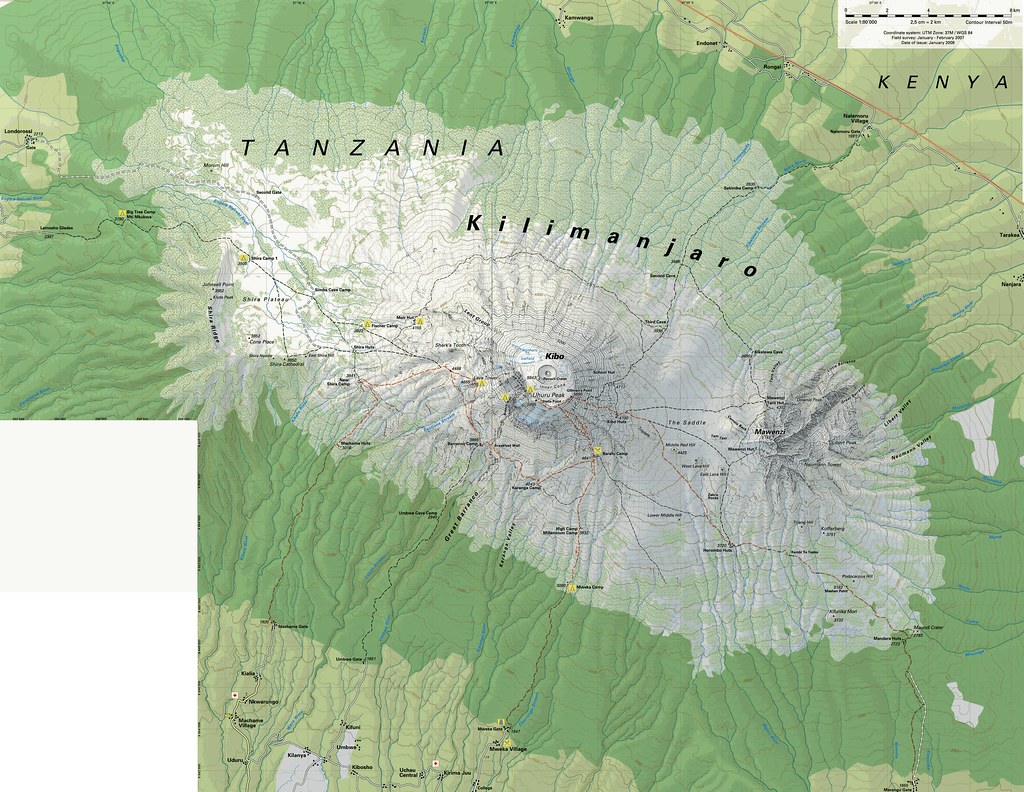
Not all Kilimanjaro routes offer the same experience. Some are longer and allow better acclimatization, while others are shorter and more direct.
The route you choose should match:
- Your fitness level
- Your chosen Month to Climb Kilimanjaro
- Your acclimatization needs
- Your crowd preference
- Your budget
Main Kilimanjaro Routes Overview
| Route | Duration | Difficulty | Best Season Fit |
|---|---|---|---|
| Northern Circuit | 8–9 Days | Moderate | Excellent year-round |
| Lemosho | 7–8 Days | Moderate | Best in dry months |
| Machame | 6–7 Days | Moderate | Very popular in peak season |
| Rongai | 6–7 Days | Moderate | Good in wet months |
| Marangu | 5–6 Days | Moderate | Works year-round |
| Umbwe | 5–6 Days | Hard | Not ideal for beginners |
Choosing the right route for your Month to Climb Kilimanjaro can improve comfort and increase summit success rates.
Dry Season Routes (Best Months: June–October, January–February)
During the dry season, most routes perform exceptionally well due to stable weather and good visibility.
Best Routes for Dry Months
✔ Lemosho Route
✔ Machame Route
✔ Northern Circuit
Why These Routes Work Well
- Dry and stable trails
- Clear summit views
- Better photography conditions
- Higher summit success rates
For most climbers, combining a dry-season Month to Climb Kilimanjaro with a longer route provides the best overall experience.
Wet Season Routes (March–May, November)
During rainy months, trail conditions become more challenging.
Recommended Routes
✔ Rongai Route (drier northern side)
✔ Marangu Route (hut accommodation helps)
✔ Northern Circuit (less crowded even in wet months)
Why These Routes Are Better in Rainy Months
- Less exposure to heavy rainfall
- Better shelter options
- Reduced mud accumulation in certain areas
Although not ideal, a rainy-season Month to Climb Kilimanjaro can still be successful with the right route choice.
Summit Success Trends by Month
Success rates vary depending on the season, route, and acclimatization.
General Summit Success Overview
| Month Group | Success Rate Trend |
|---|---|
| Jan–Feb | High |
| Mar–May | Moderate to Low |
| June | High |
| July–Aug | Very High |
| Sept–Oct | High |
| Nov | Moderate |
| Dec | Moderate to High |
These trends show that the chosen Month to Climb Kilimanjaro has a direct influence on overall summit success.
Why Dry Months Have Higher Success Rates
Dry-season climbs are more successful due to:
- Stable weather conditions
- Lower risk of hypothermia
- Better trail grip
- Improved visibility
- Higher morale among climbers
These conditions make dry-season months the most recommended Month to Climb Kilimanjaro for beginners.
Packing Strategy for Each Month to Climb Kilimanjaro
Packing correctly is essential for comfort and safety.
Dry Season Packing (Best Months)
During dry months, conditions are cold but stable.
Essential Items:
- Layered clothing system
- Warm jacket
- Trekking boots
- Gloves and hat
- Sunscreen
- Hydration system
Dry months are the most comfortable Month to Climb Kilimanjaro, but summit night remains extremely cold.
Wet Season Packing
Rainy months require extra protection.
Additional Items:
- Waterproof jacket
- Waterproof trousers
- Rain cover for backpack
- Extra socks
- Quick-dry clothing
Proper waterproof gear is essential for any rainy-season Month to Climb Kilimanjaro.
How Crowd Levels Affect Your Experience
Crowds vary significantly depending on the season.
Peak Season (July–August)
- Busy routes
- Higher demand for campsites
- Social trekking experience
Low Season (March–May, November)
- Quiet trails
- Fewer climbers
- More solitude
Choosing your preferred Month to Climb Kilimanjaro depends on whether you value social interaction or quiet trekking.
Expert Insight from Guides
Professional guides consistently emphasize that route selection is just as important as timing.
Key Recommendations
✔ Choose longer routes for better acclimatization
✔ Avoid short routes in poor weather months
✔ Match route difficulty to experience level
✔ Prioritize safety over speed
Guides often say that success is not only about the Month to Climb Kilimanjaro, but how you prepare for it.
Customer Experience Example
A typical climber review:
“We climbed in September on the Lemosho Route. The weather was perfect, and although the summit night was tough, the preparation and pacing made it manageable. It was the best Month to Climb Kilimanjaro for us.”
This reflects how timing and route choice work together to create a successful experience.
Quick Summary
Best Route Choices by Season
✔ Dry Season: Lemosho, Machame, Northern Circuit
✔ Wet Season: Rongai, Marangu
Key Success Factors
✔ Longer routes improve acclimatization
✔ Dry months increase summit success
✔ Proper gear is essential year-round
✔ Crowd levels vary by season
✔ Preparation improves outcomes
Key Takeaways
The success of any Month to Climb Kilimanjaro depends on a combination of route selection, seasonal weather, and preparation strategy. Dry-season months offer the best conditions, but even wet-season climbs can be successful with the right planning and guidance.
Choosing the correct route and packing appropriately ensures a safer, more enjoyable climb and increases your chances of reaching Uhuru Peak.
.