
- 18
Kilimanjaro
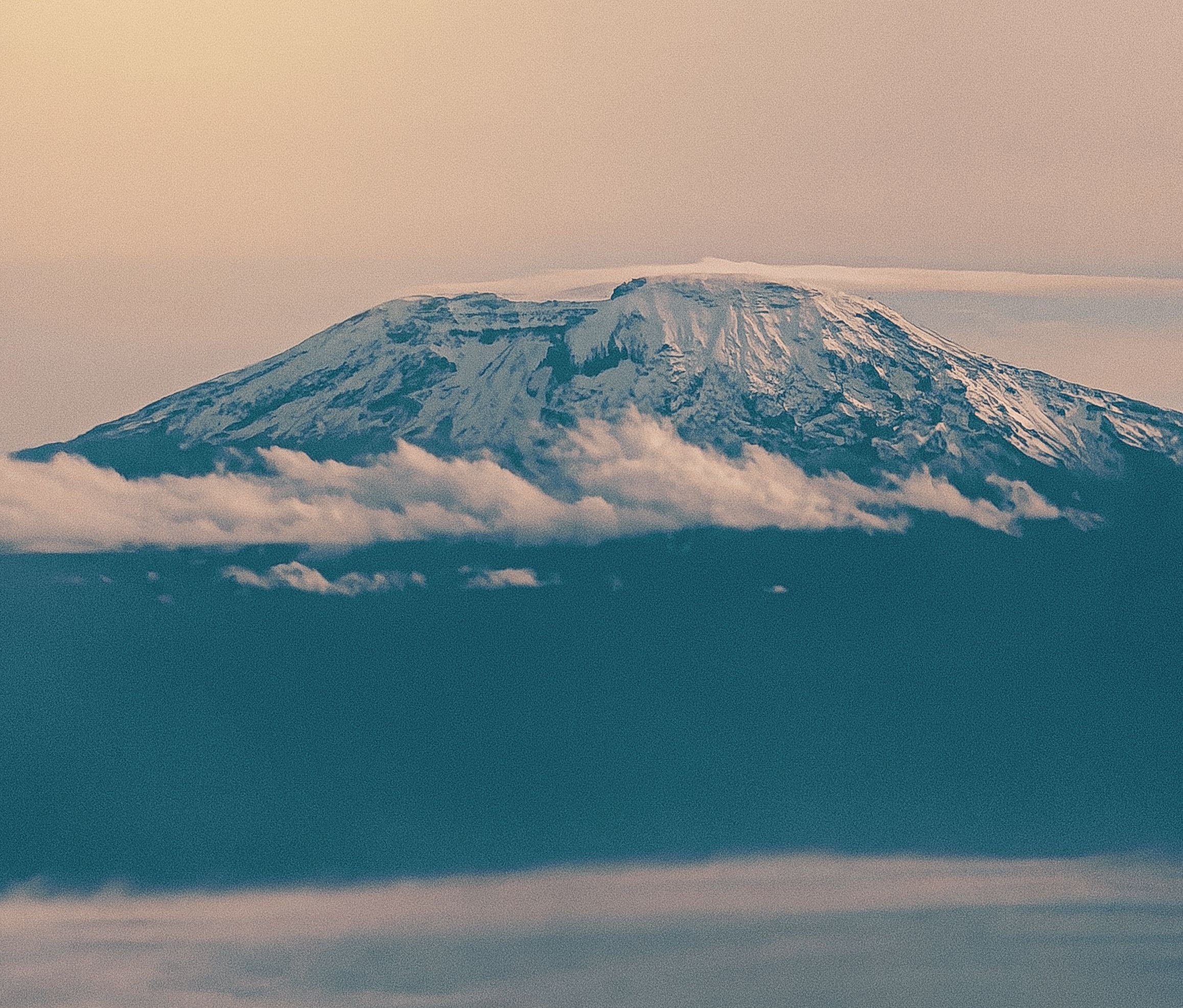
The Roof of Africa
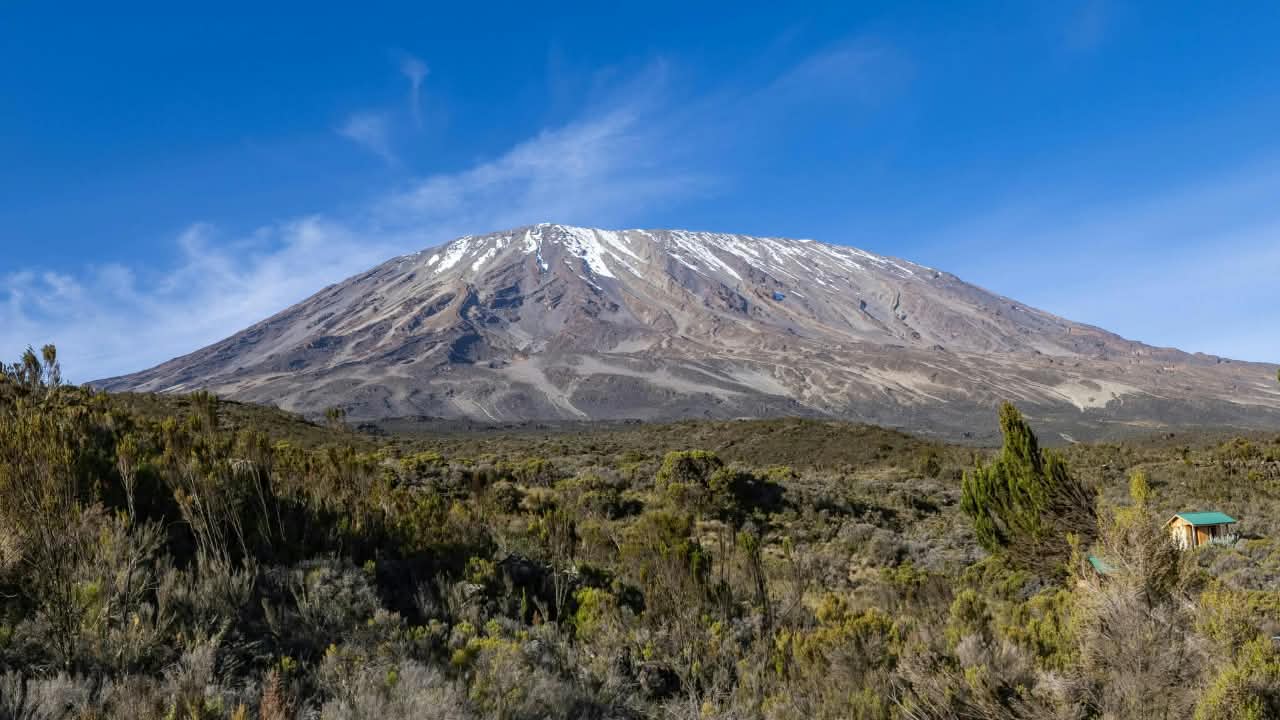
Rising majestically above the plains of northern Tanzania, Mount Kilimanjaro is more than Africa’s highest mountain.
It is a journey through changing worlds.
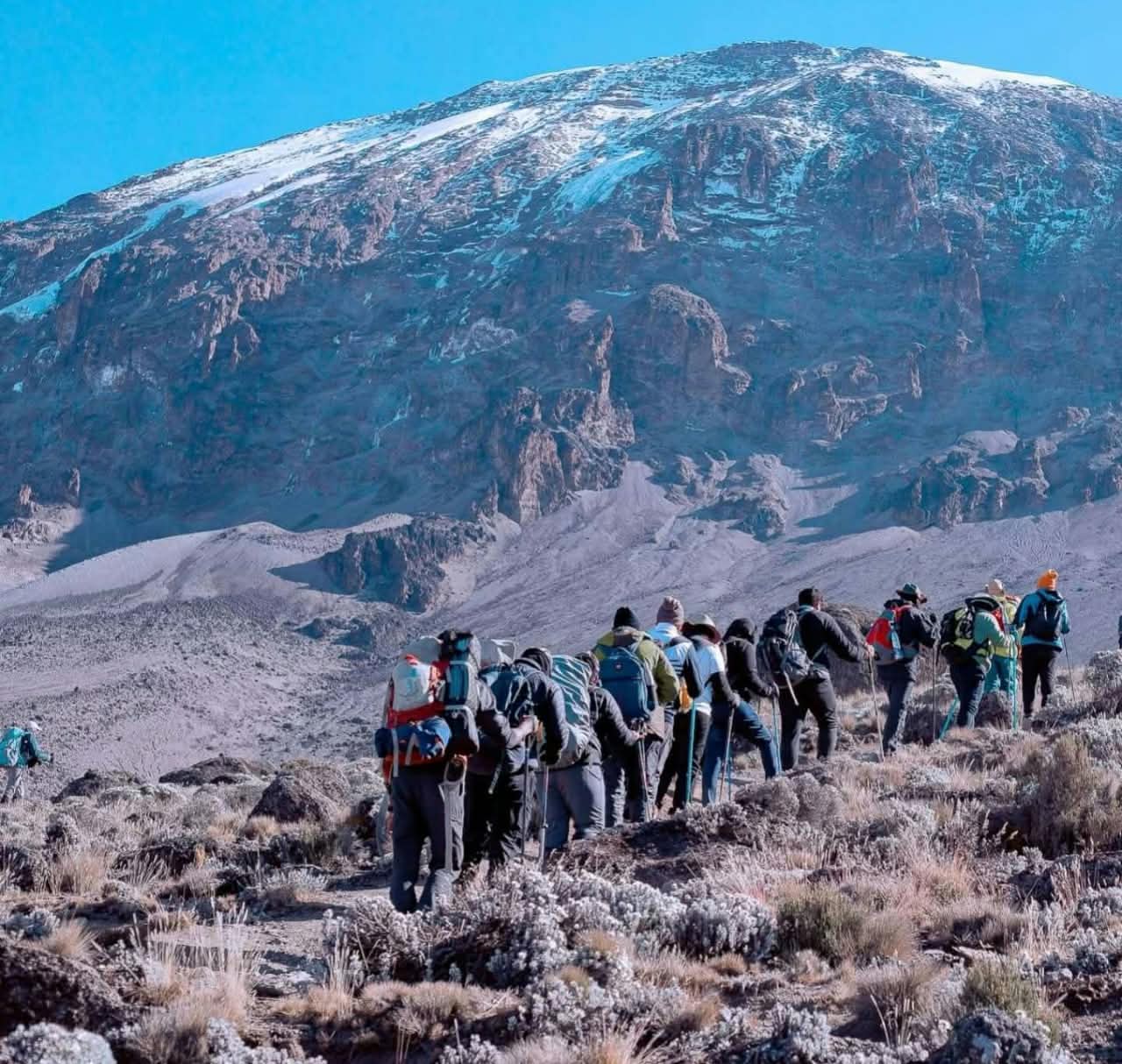
From the warm cultivated foothills to lush rainforest, from heather-covered moorlands to high-altitude desert, and finally to the snow and ice of the summit, Kilimanjaro takes you through landscapes that seem to belong to different continents.
At 5,895 metres above sea level, Uhuru Peak stands as the highest point in Africa and one of the world’s most iconic trekking destinations.
Yet reaching the summit is not simply about altitude.
It is about patience.
It is about walking slowly through extraordinary landscapes.
It is about waking before dawn for the final ascent and watching the African horizon gradually appear beneath you.
And it is about the unforgettable feeling of standing at the highest point on the continent.
A Mountain of Three Volcanoes
Kibo, Mawenzi & Shira
Mount Kilimanjaro is a volcanic massif made up of three major volcanic cones:
Kibo
Kibo is the highest and central cone.
It is home to Uhuru Peak, the highest point in Africa.
Unlike Mawenzi and Shira, Kibo remains dormant rather than extinct, with its summit area containing the famous crater and volcanic formations.
Mawenzi
Mawenzi rises dramatically to the east of Kibo.
Its jagged peaks and steep rock formations create one of Kilimanjaro’s most spectacular landscapes.
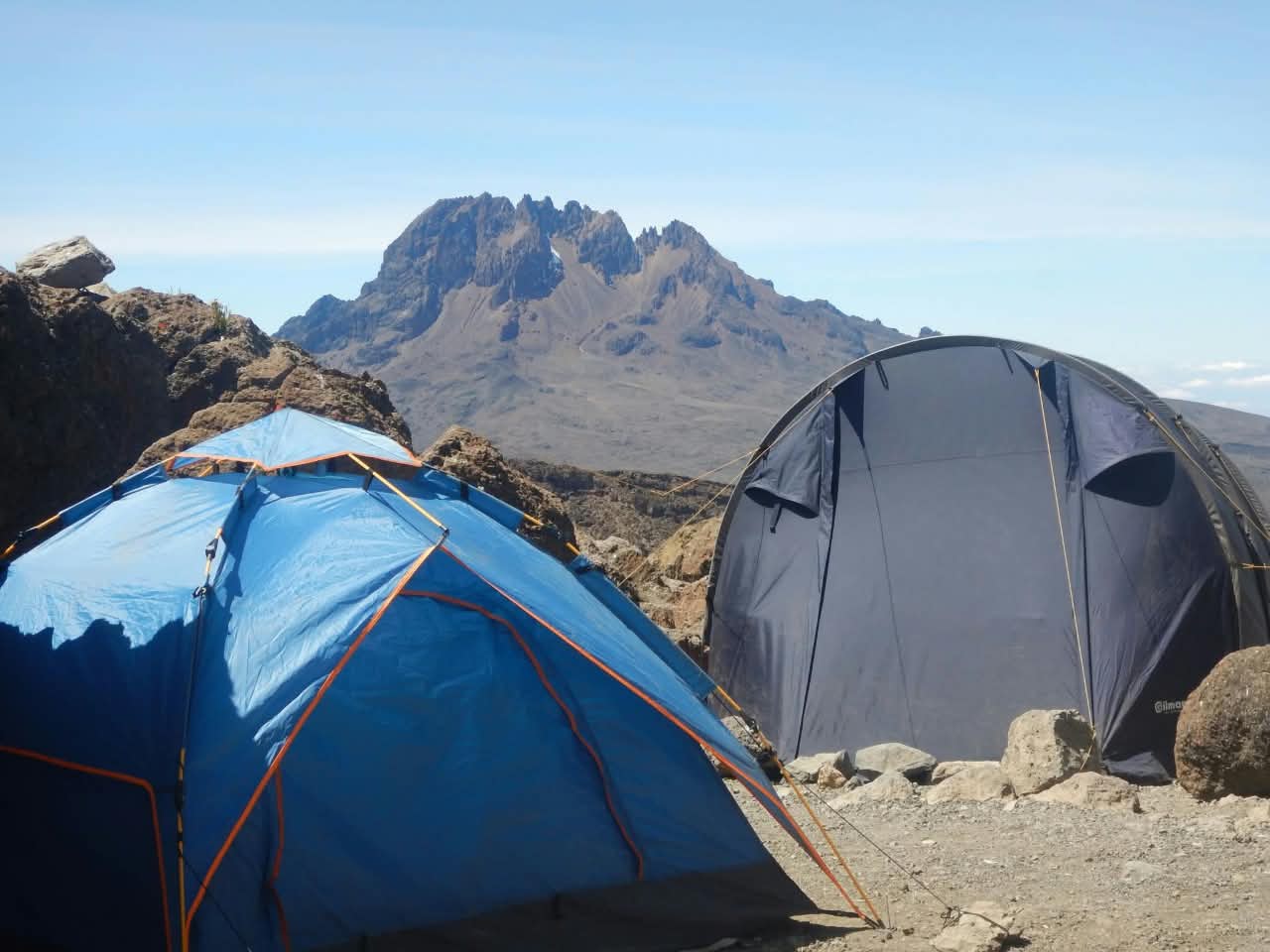
Mawenzi is not the trekking summit, but its dramatic silhouette accompanies trekkers on several sections of the mountain.
Shira
Shira is the oldest of the three major volcanic cones.
Its summit has collapsed over time, creating the broad Shira Plateau.
Today, the plateau forms part of the mountain’s remarkable high-altitude landscape and is crossed by some trekking routes.
Together, these three volcanic formations created the mountain that has become one of Africa’s most recognisable natural landmarks.
Africa’s Highest Point
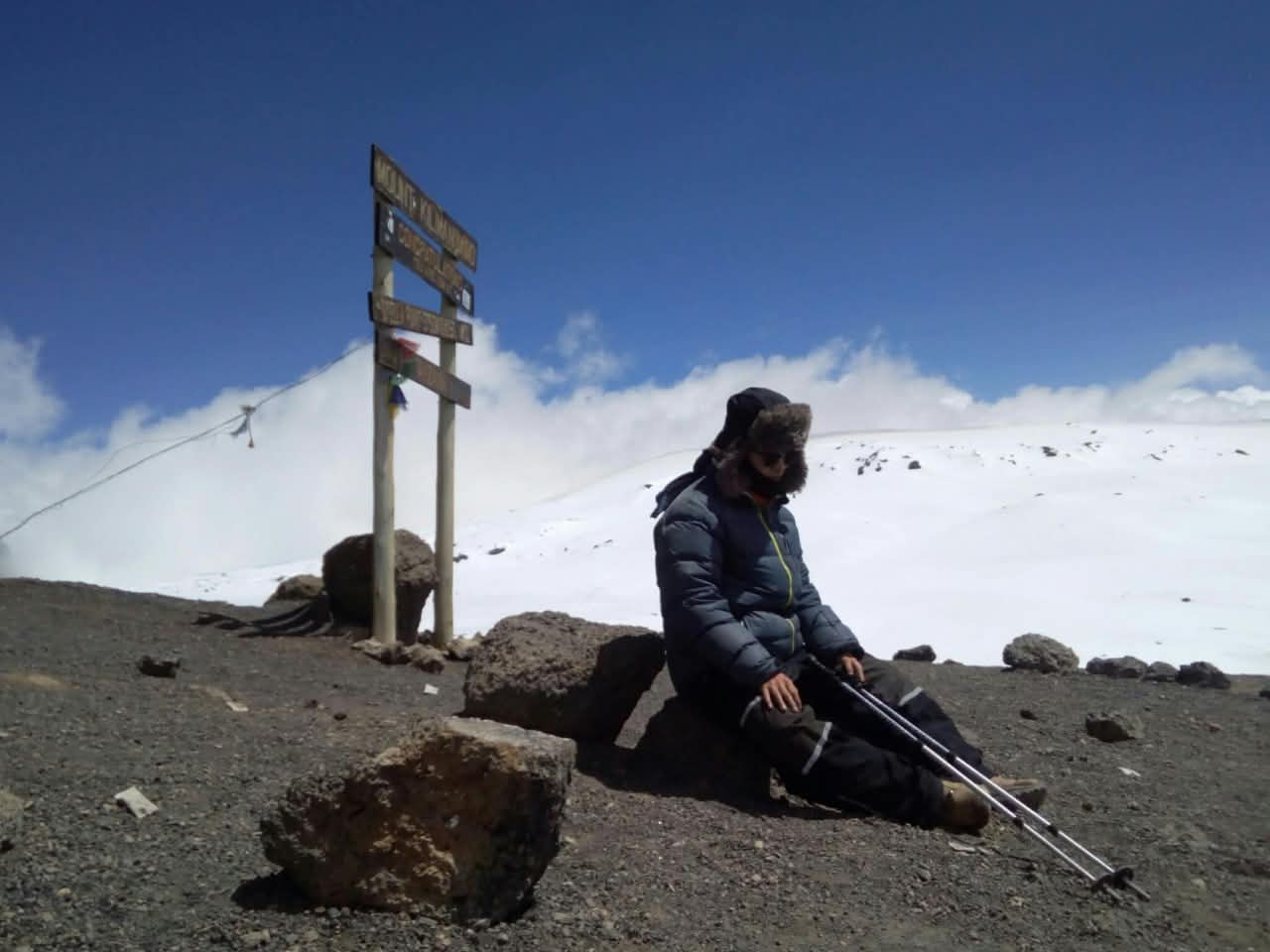
Standing at Uhuru Peak
At 5,895 metres, Uhuru Peak is the highest point on Mount Kilimanjaro and the highest point in Africa.
Reaching it is the ultimate goal for most Kilimanjaro trekkers.
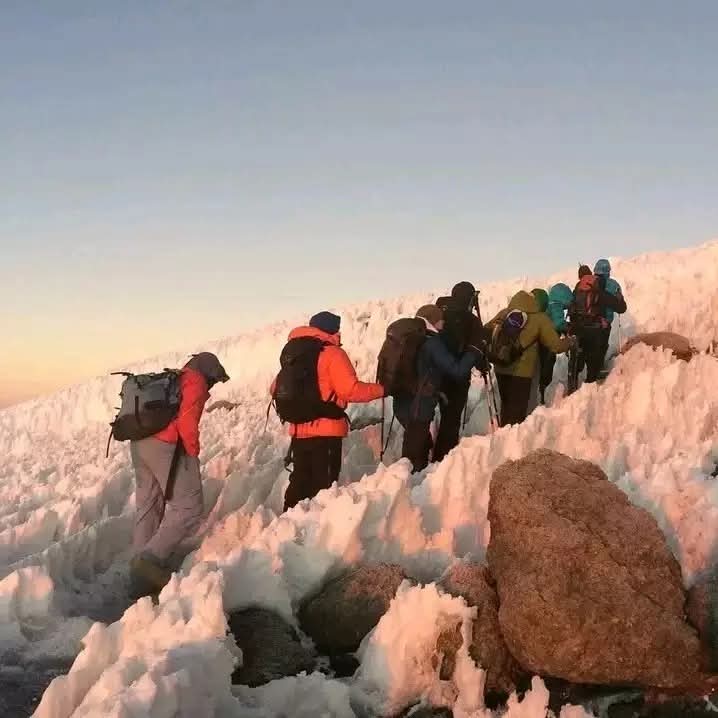
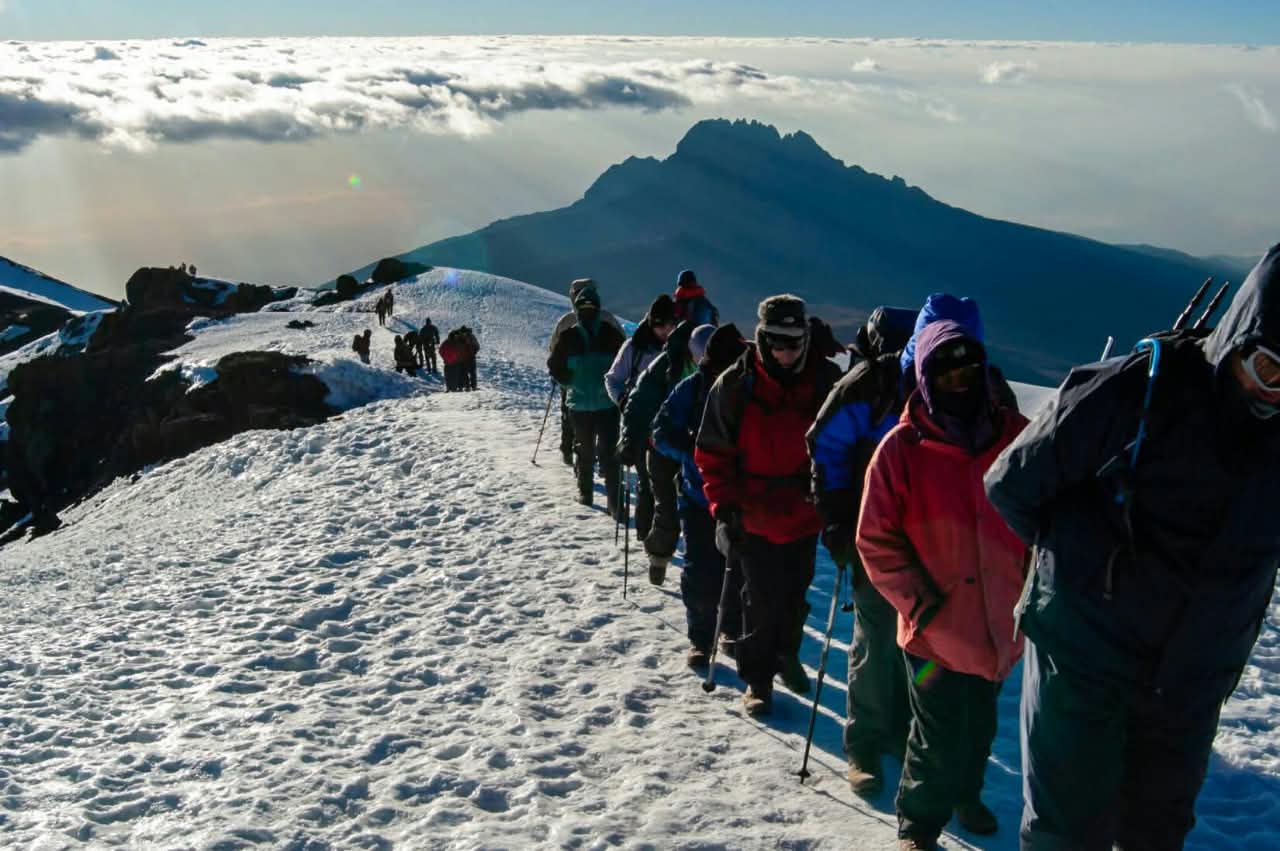
The summit experience usually begins during the night, when trekkers leave camp and begin the demanding final ascent.
The pace becomes deliberately slow.
The air becomes thinner.
The landscape becomes increasingly stark.
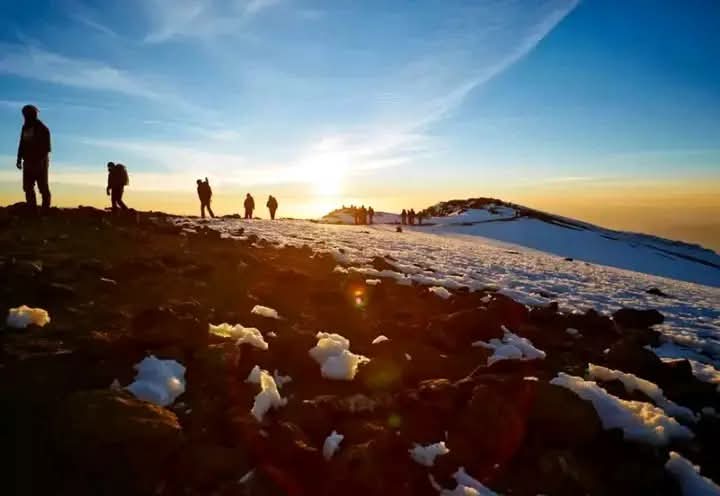
Then, as dawn approaches, the horizon begins to brighten.
For those who successfully reach Uhuru Peak, the reward is not simply the elevation.
It is the knowledge that you have crossed several dramatically different environments and climbed to the roof of an entire continent.
The Five Climate Zones of Kilimanjaro
One Mountain. Five Worlds.
One of Kilimanjaro’s most remarkable characteristics is the rapid change in environment as you gain altitude.
1. Cultivation Zone
The lower slopes are influenced by human settlement and agriculture.
Coffee, bananas and other crops are cultivated in the fertile foothills around the mountain.
This is where the journey begins.
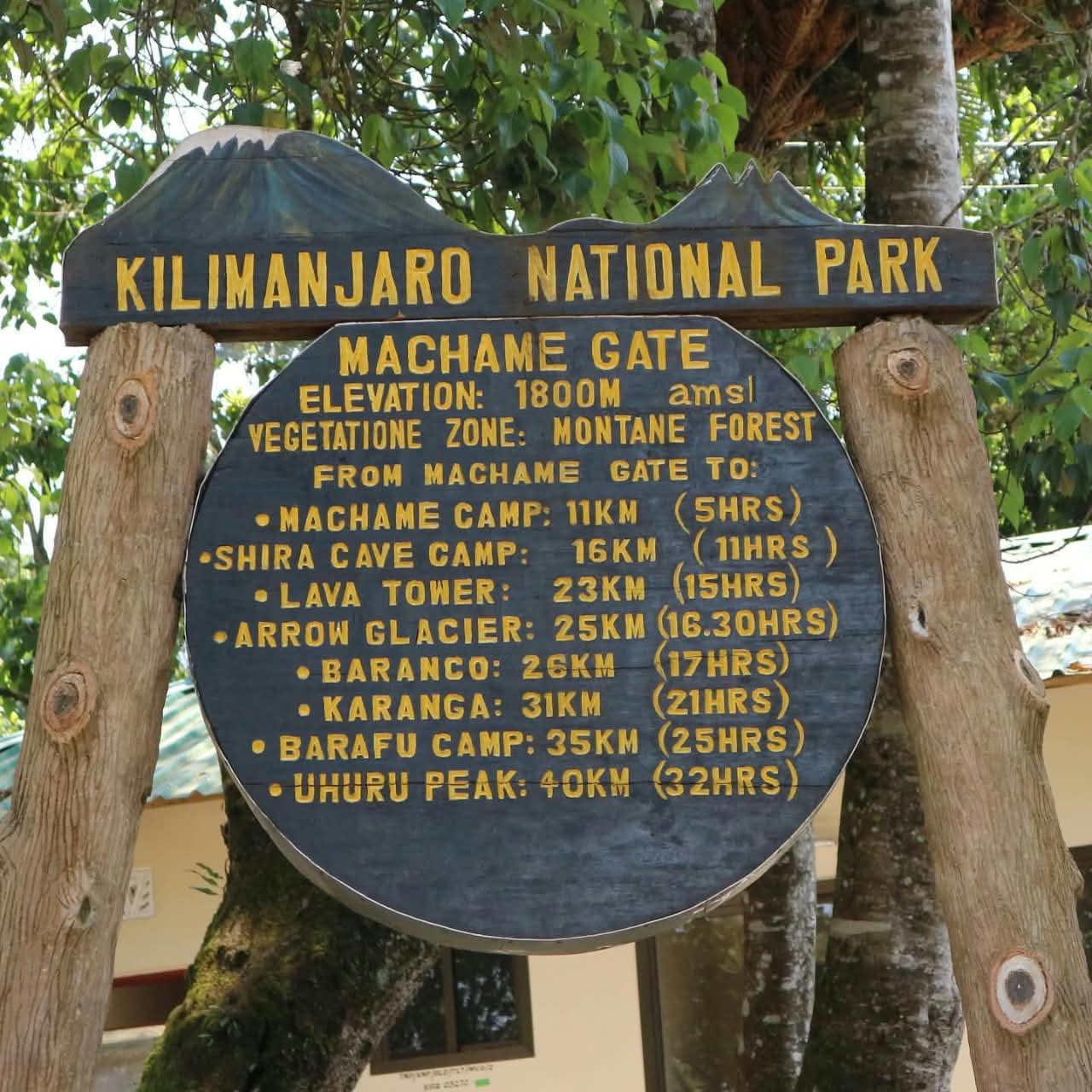
2. Montane Forest
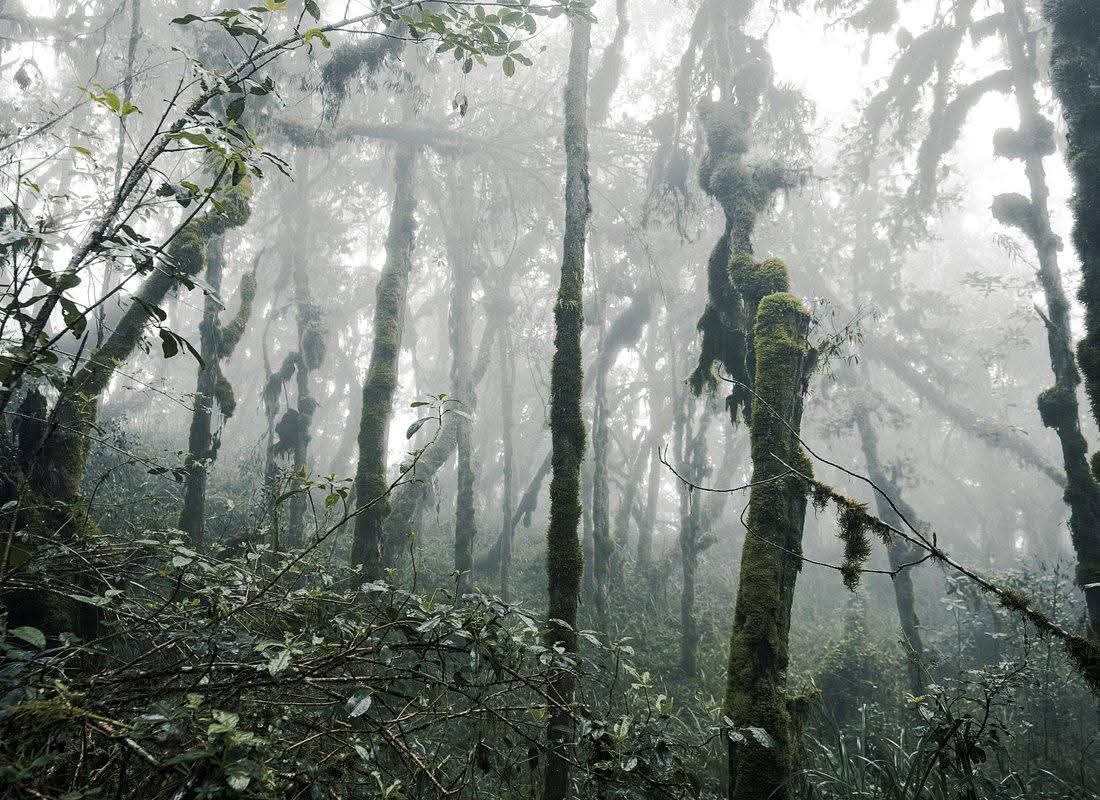
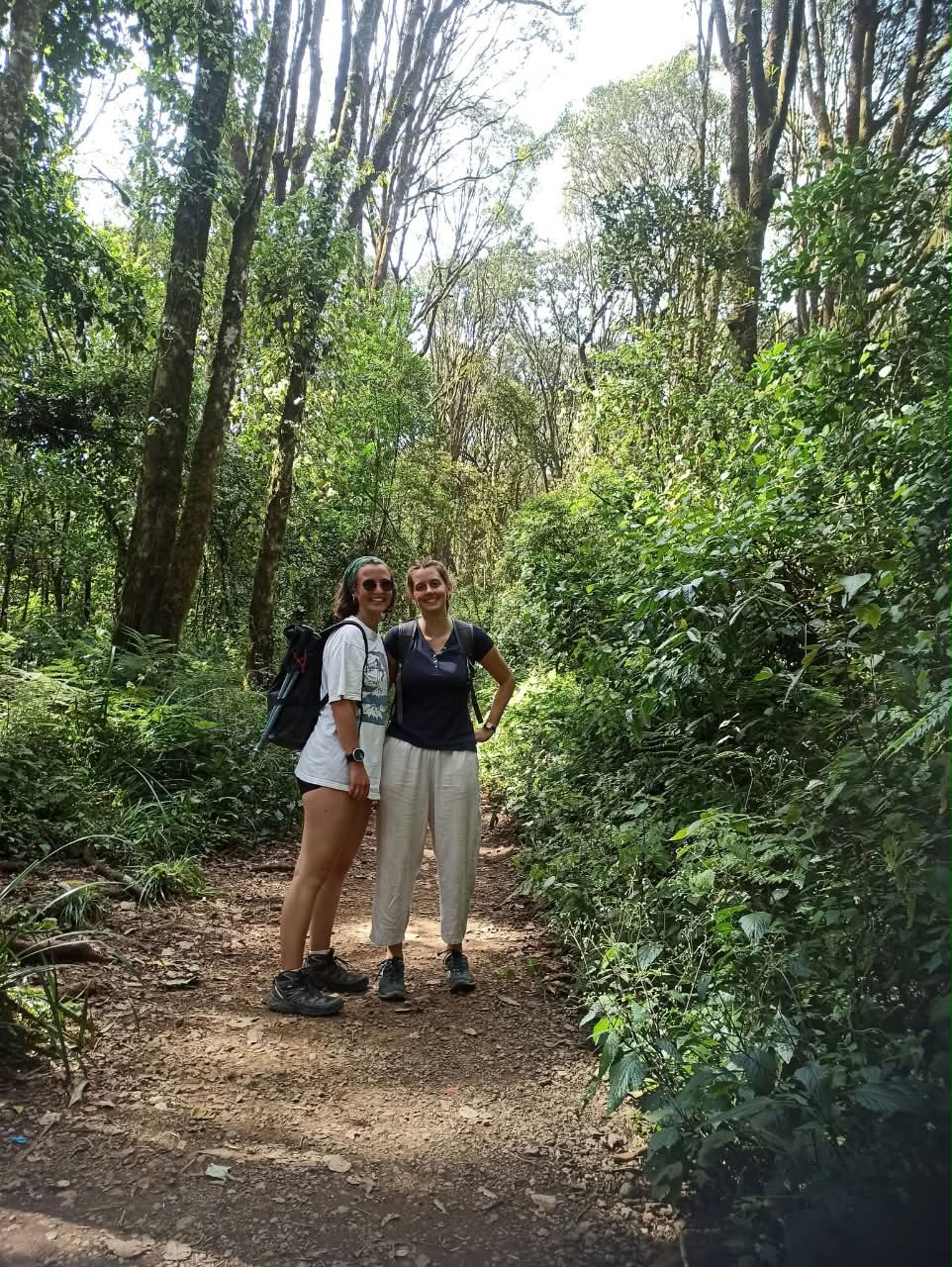
Higher up, the cultivated landscape gives way to lush montane forest.
The forest is cool, green and filled with vegetation.
Depending on the route, trekkers may encounter birds, monkeys and other forest wildlife.
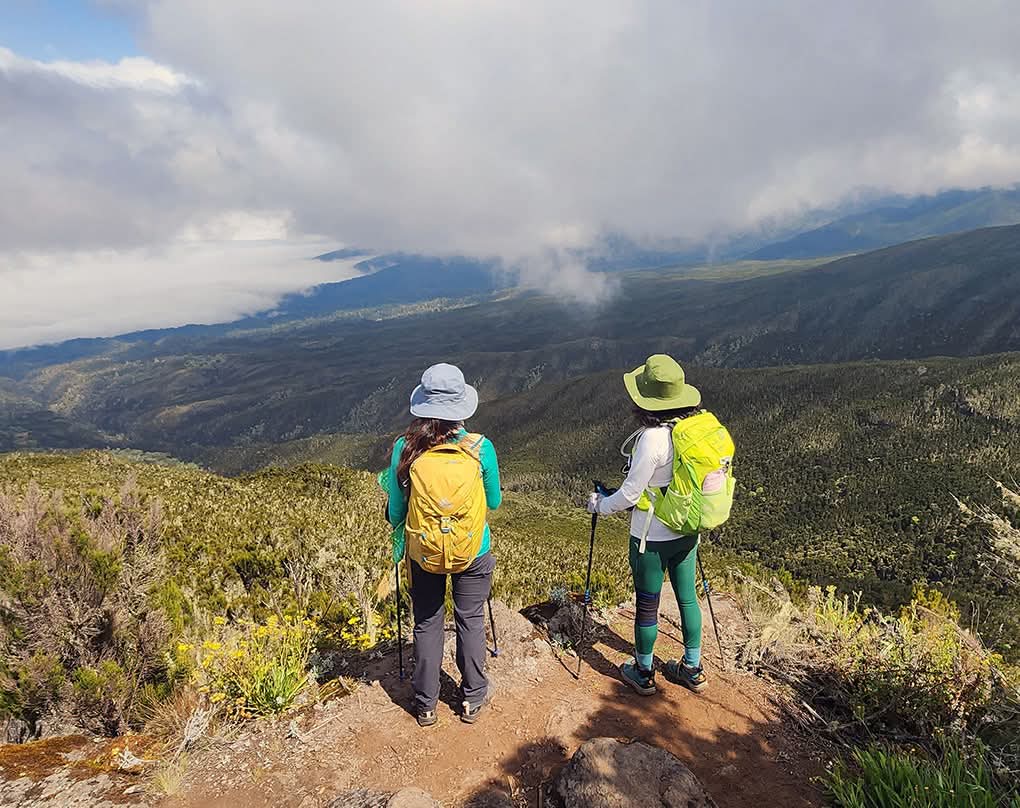
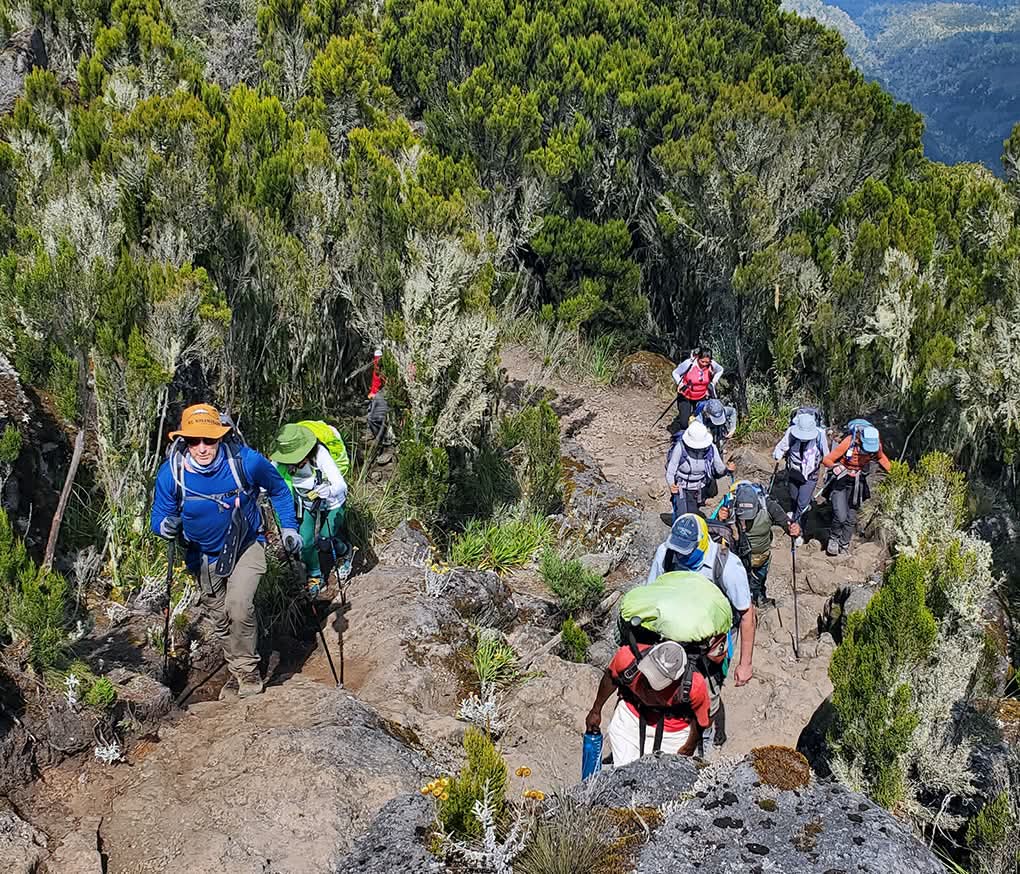
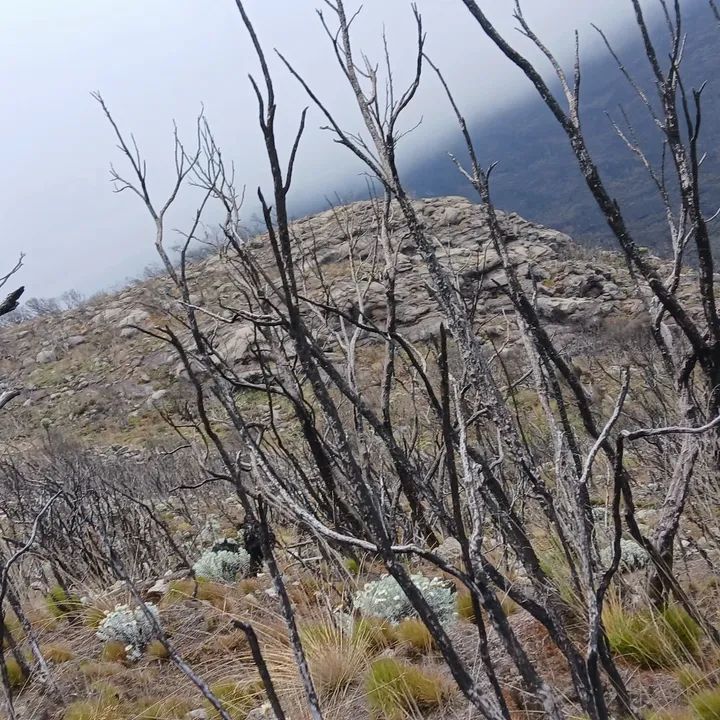
3. Heath & Moorland
As the forest ends, the landscape becomes more open.
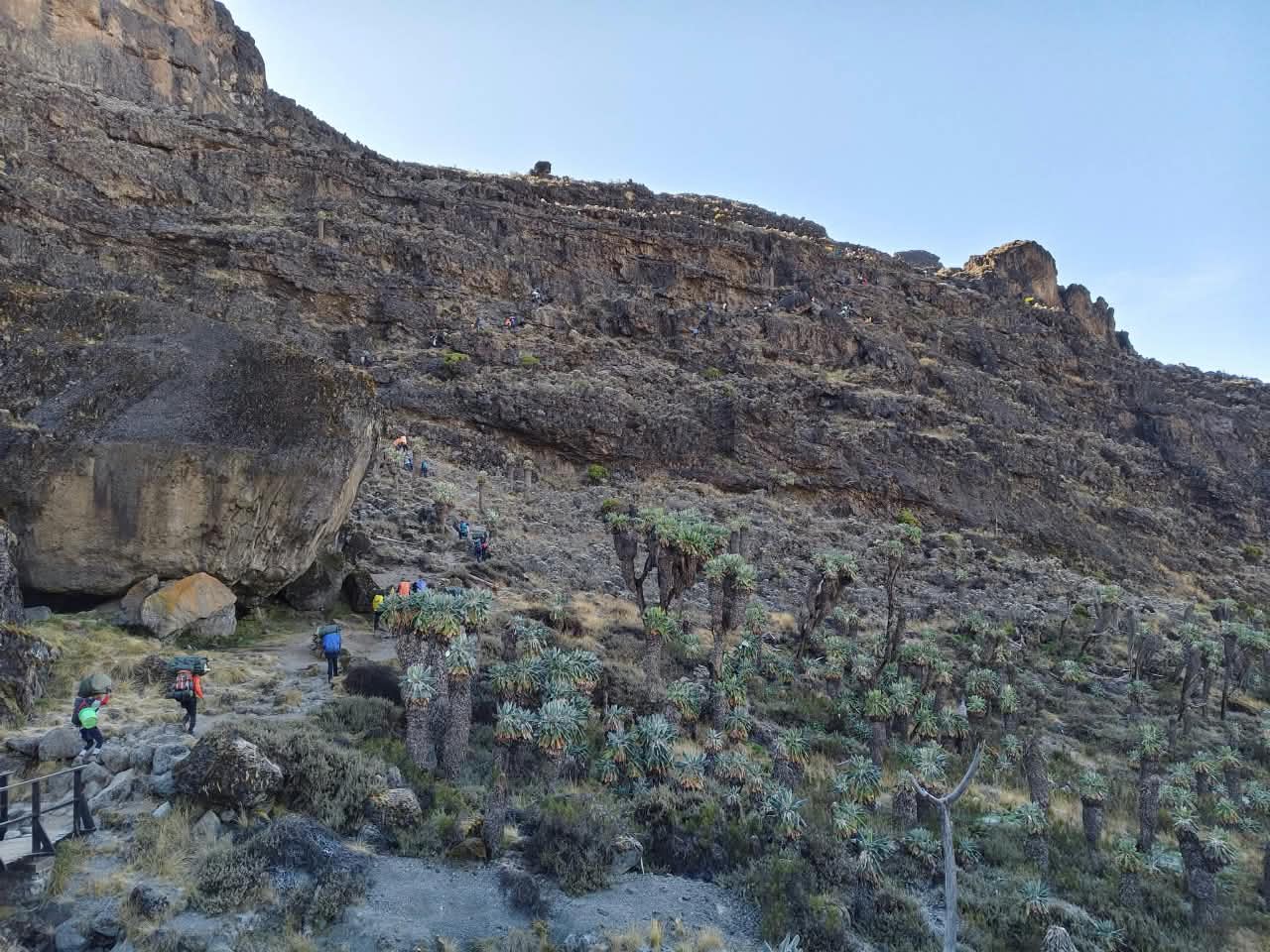
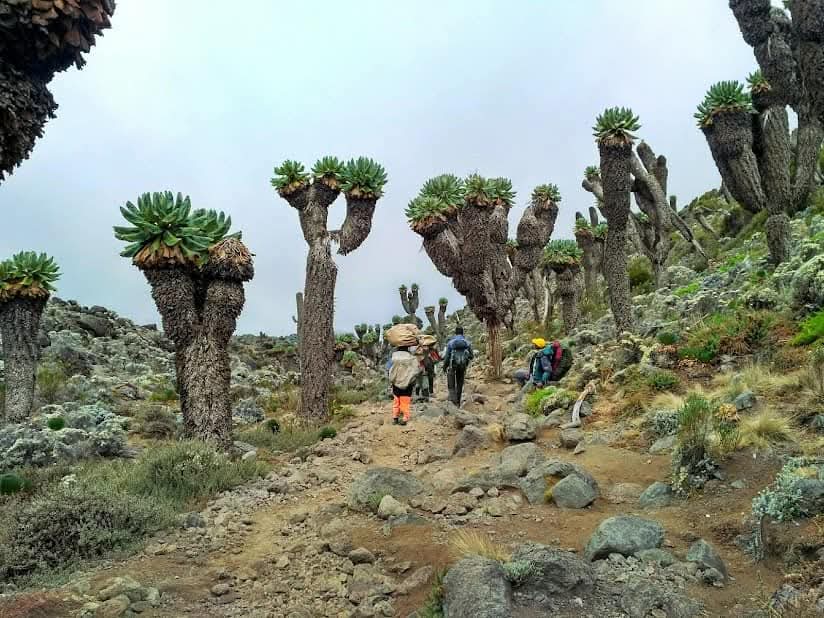
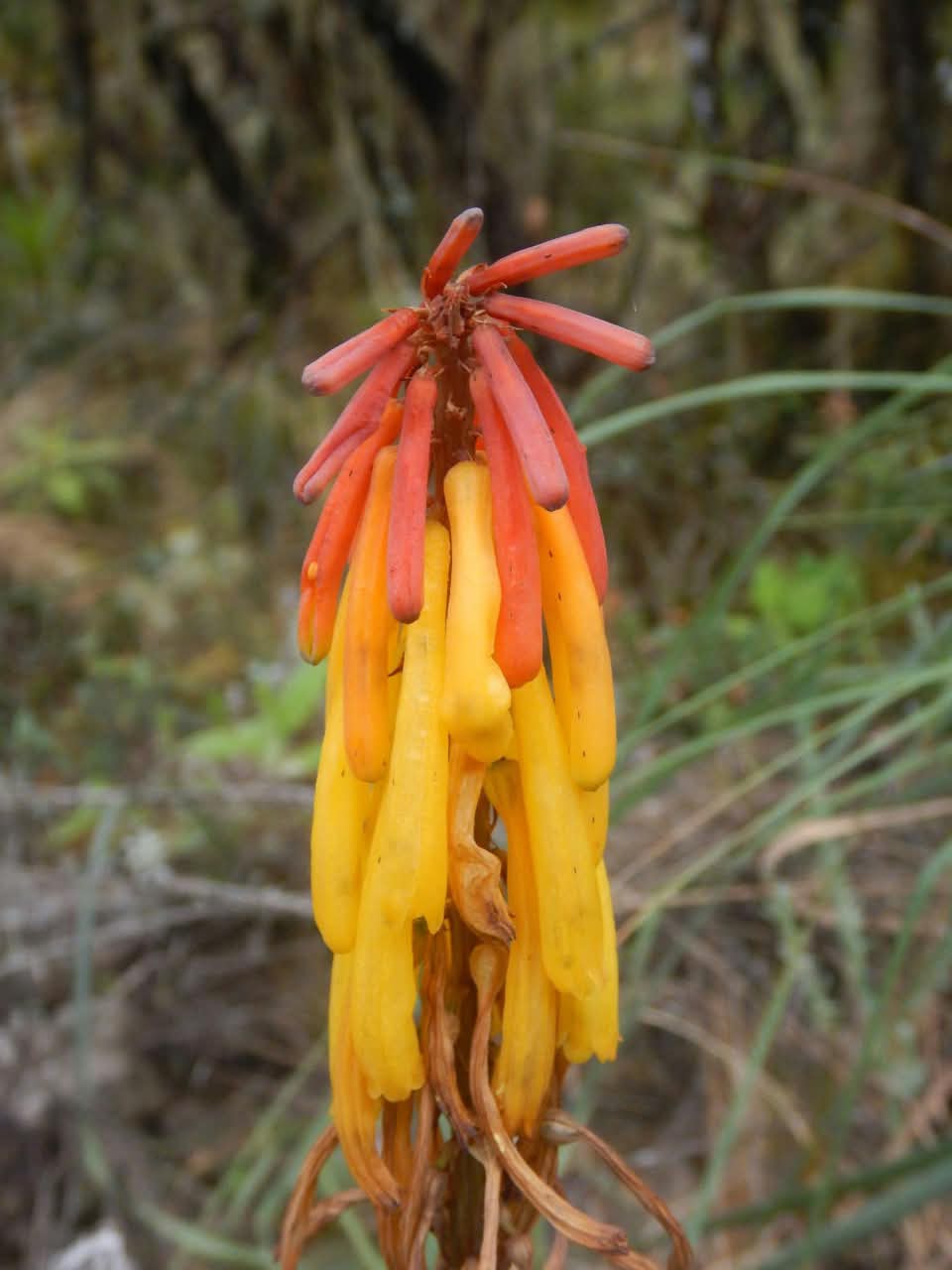
Heather, giant vegetation and volcanic terrain dominate the slopes.
Clouds may move across the mountain, creating an atmospheric and constantly changing environment.
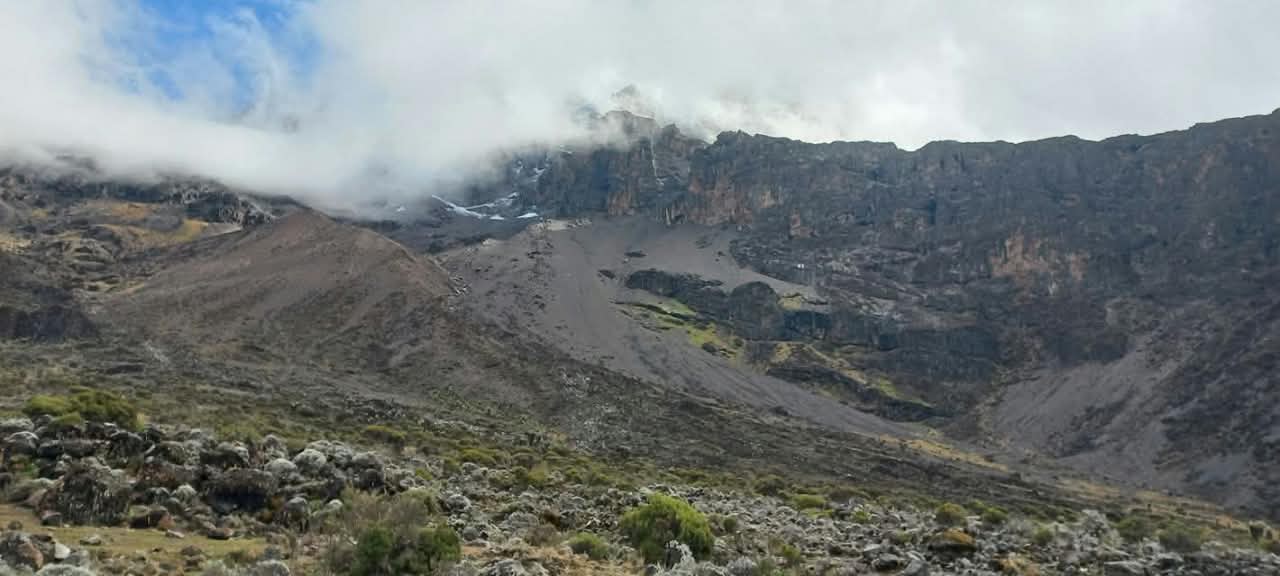
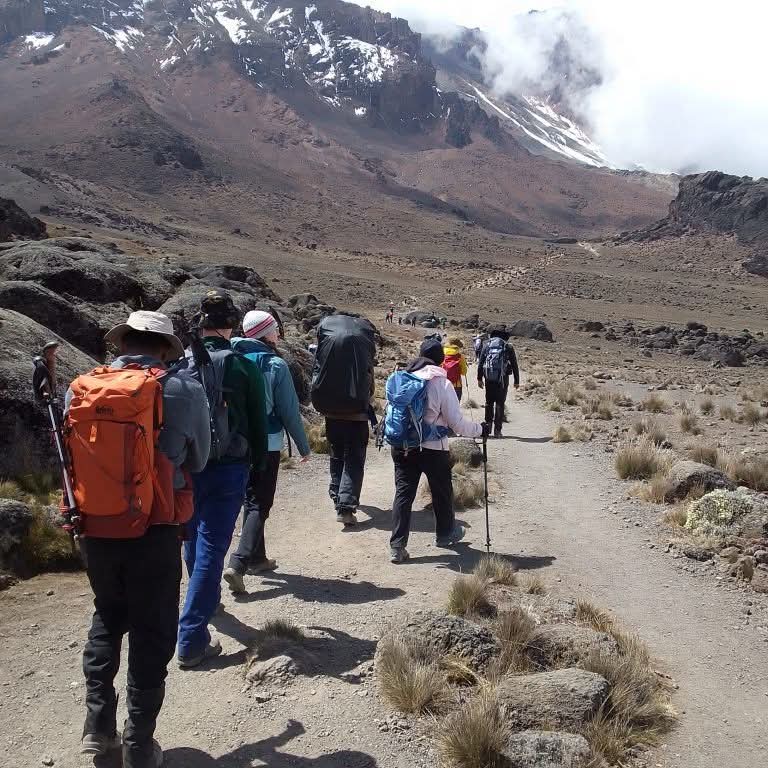
4. Alpine Desert
Further upward, vegetation becomes increasingly sparse.
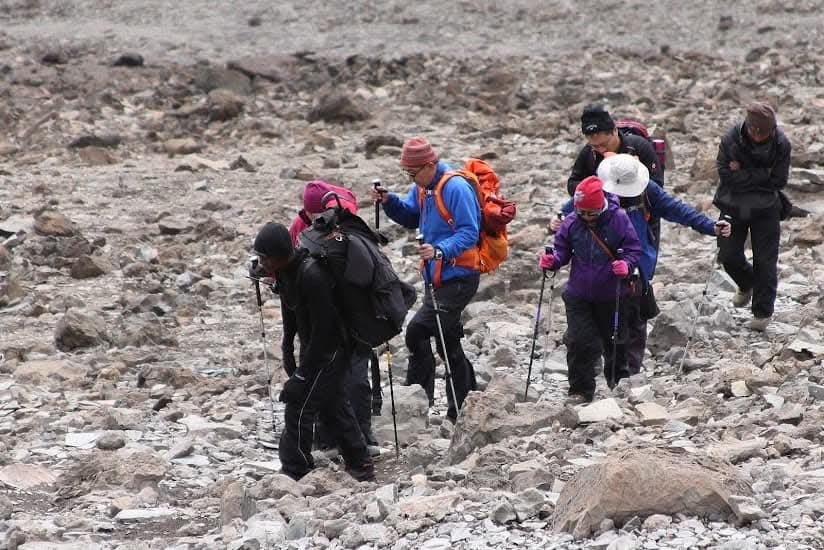
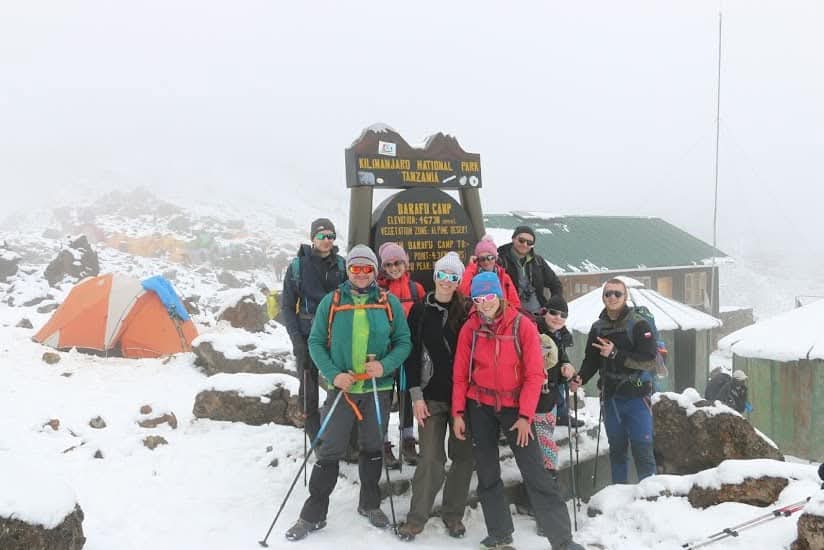
The landscape transforms into a world of rock, volcanic sand and dramatic mountain formations.
Temperature differences between day and night can become extreme.
5. Arctic Zone
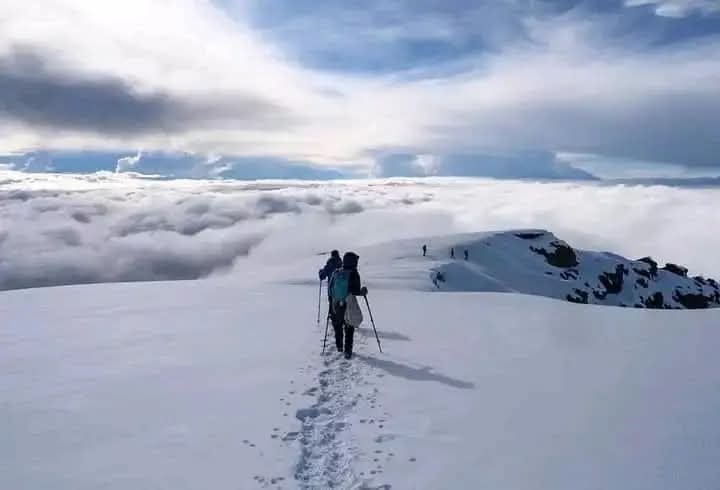
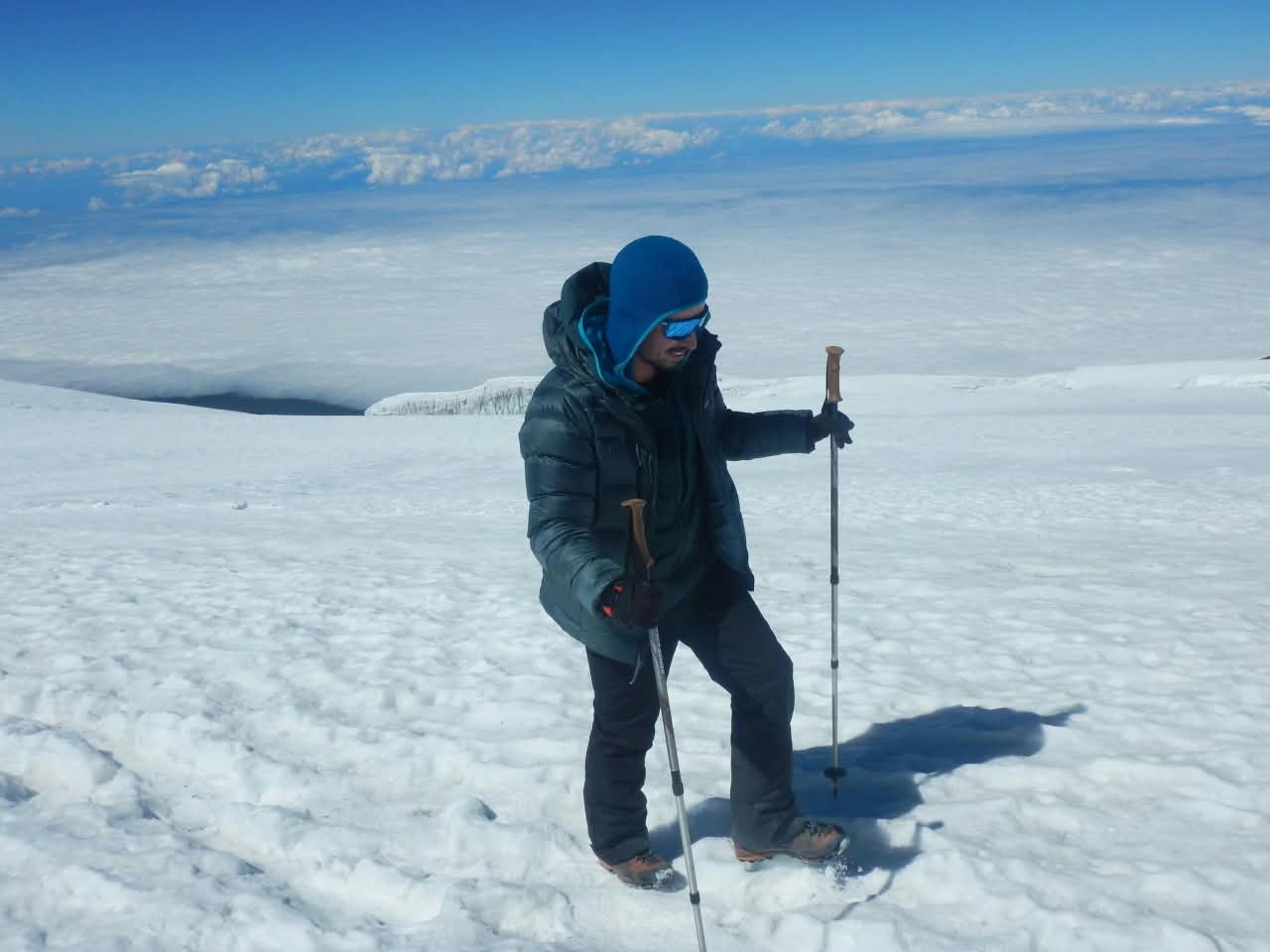
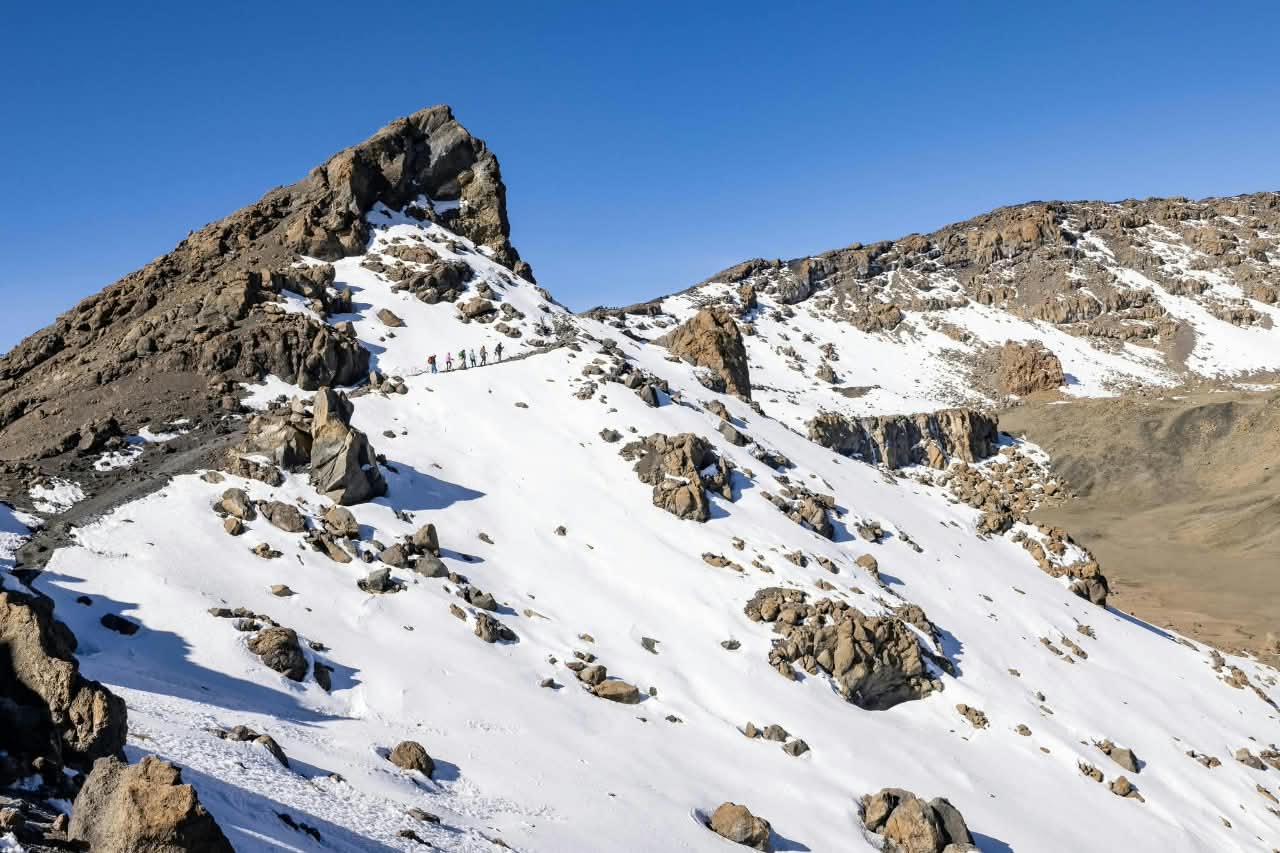
The highest section of Kilimanjaro is characterised by rock, ice and snow.
This is the summit environment.
Vegetation disappears almost completely, leaving a stark landscape beneath the African sky.
The progression through these zones is one of the reasons Kilimanjaro is such a unique trekking experience.
The Kilimanjaro Rainforest
Where the Mountain Begins
The lower slopes of Kilimanjaro are covered by montane forest.
This lush environment creates a dramatic contrast with the barren summit.
The forest provides habitat for a variety of birds and mammals, and the atmosphere can change rapidly as clouds move through the vegetation.
Trekkers may hear birds calling through the canopy, encounter monkeys and experience cool, humid conditions.
The forest is not simply the first stage of the climb.
It is an important part of the mountain’s ecological story.
Wildlife on Kilimanjaro
Life Along the Slopes
Although Kilimanjaro is primarily known as a trekking destination, the mountain supports wildlife across its lower ecosystems.
Depending on the route and conditions, visitors may encounter or hear evidence of:
- Colobus monkeys
- Blue monkeys
- Bushbuck
- Duikers
- Elephants in surrounding forest areas
- Various bird species
- Small mammals
- Numerous insects and other forest species
Wildlife encounters are less predictable than on a traditional safari.
The real attraction is experiencing how life changes as you move from the forest toward the high-altitude environment.
Kilimanjaro’s Glaciers & Ice
A Changing High-Altitude Landscape
The upper mountain has historically been associated with glaciers and permanent ice.
Kilimanjaro’s ice fields have, however, undergone substantial long-term change.
This makes the mountain an important natural environment for understanding the effects of a changing climate.
For visitors, the summit landscape can vary considerably depending on current conditions.
The mountain’s combination of volcanic rock, snow and remaining ice creates a striking environment unlike anything encountered on the lower slopes.
Kilimanjaro Routes
Choose Your Way to the Summit
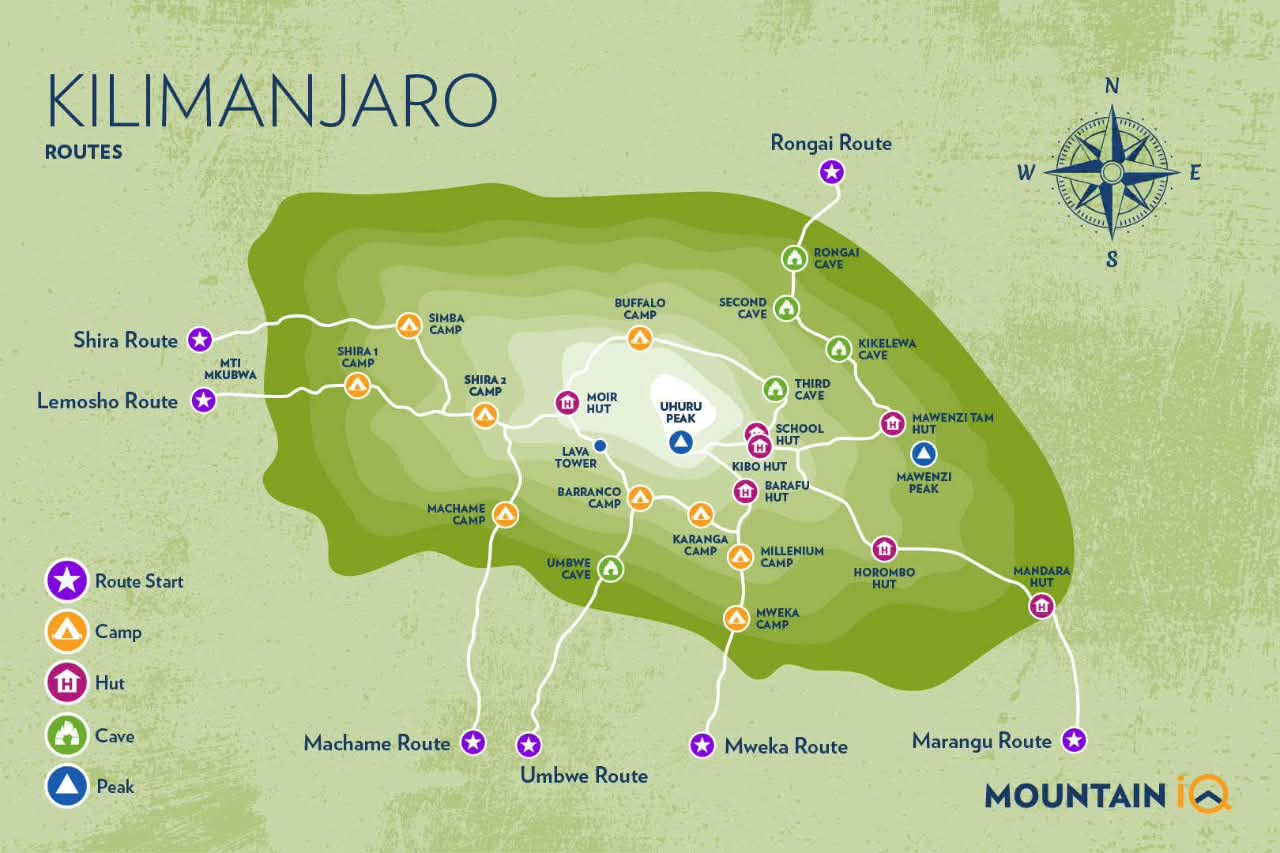
Kilimanjaro has several established trekking routes, each offering a different experience.
Machame Route
Often known for its scenic variety and gradual approach to acclimatisation.
The route passes through rainforest, moorland, alpine desert and the summit zone.
It is an excellent choice for trekkers seeking a scenic and immersive mountain experience.
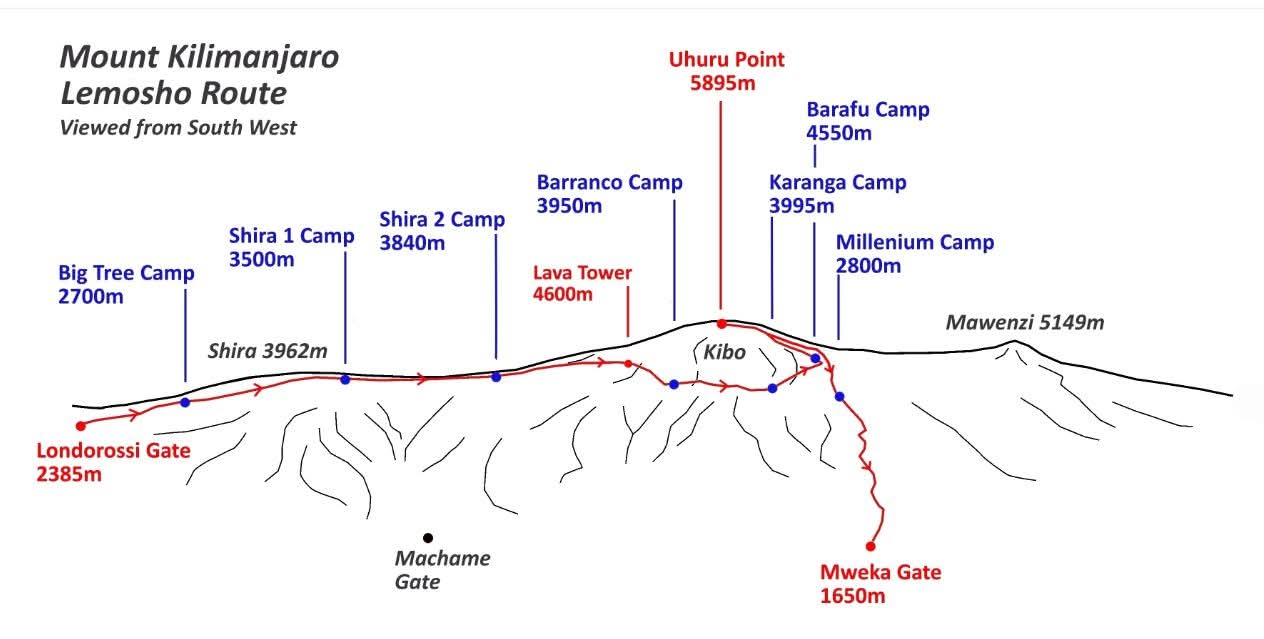
Lemosho Route
Lemosho approaches the mountain from the western side and is known for its beautiful landscapes and longer trekking profile.
Its additional time can provide a more gradual acclimatisation experience.
Northern Circuit
The Northern Circuit takes a longer route around the quieter northern side of the mountain.
It offers extensive time on the mountain and a more gradual approach to the summit.
Marangu Route
Marangu is one of the most established Kilimanjaro routes.
Unlike routes where trekkers sleep primarily in tents, Marangu uses mountain huts.
It is sometimes associated with being easier, but the summit remains a serious high-altitude challenge.
Rongai Route
Approaching from the northern side near the Kenya border, Rongai provides a different perspective of Kilimanjaro.
It is known for its quieter character and distinctive scenery.
Umbwe Route
Umbwe is a steeper and more direct route.
It is generally better suited to experienced trekkers who understand the demands of steep high-altitude terrain.
How Long Does It Take to Climb Kilimanjaro?
Take Your Time. Let Your Body Adapt.
Kilimanjaro itineraries commonly range from approximately 5 to 9 days, depending on the route and itinerary design.
Longer routes generally allow more time for gradual ascent and acclimatisation.
For many trekkers, the objective should not be to choose the shortest possible itinerary.
A successful summit attempt depends heavily on how well the body adapts to increasing altitude.
That is why route selection, pacing, acclimatisation and professional guiding are so important.
At GoAccess Africa Safaris, trekking programmes can be designed around the route, duration and experience level that best suits your journey.
The Summit Day
The Final Journey to Uhuru Peak
Summit day is the most demanding section of a Kilimanjaro trek.
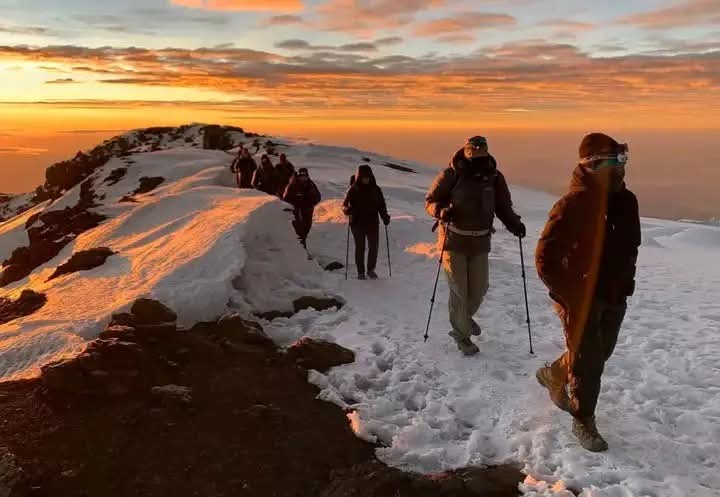
Trekkers typically begin the final ascent during the night.
The darkness makes the mountain feel even more immense.
Headlamps illuminate the trail ahead while the group moves slowly upward.
The pace is deliberately controlled.
The higher you climb, the thinner the air becomes.
Eventually, the landscape begins to brighten.
The first light of dawn appears.
And after hours of climbing, the summit comes into view.
Standing at Uhuru Peak is a moment that is difficult to describe adequately.
Below you lies Tanzania.
Beyond the mountain is Africa.
And for a few extraordinary minutes, you are standing at its highest point.
Kilimanjaro & Altitude
The Mountain’s Greatest Challenge
Kilimanjaro is not technically a climbing mountain in the same sense as many of the world’s great technical peaks.
The main challenge for most trekkers is high altitude.
As elevation increases, the amount of oxygen available decreases.
This is why even physically fit trekkers can find the summit challenging.
Successful trekking therefore depends on more than fitness.
Important factors include:
- Gradual ascent
- Appropriate route selection
- Controlled pace
- Proper hydration
- Adequate rest
- Listening to your guide
- Recognising symptoms of altitude illness
- Being prepared to descend when necessary
No trekking company can guarantee that every traveller will reach the summit.
The mountain ultimately determines the outcome.
The Importance of a Professional Guide
Experience Matters on Kilimanjaro
A knowledgeable mountain crew plays a crucial role throughout the trek.
Professional guides help with:
- Route navigation
- Trekking pace
- Weather awareness
- Altitude management
- Camp organisation
- Communication
- Emergency procedures
- Monitoring trekkers’ wellbeing
- Summit planning
The guide is not simply someone who walks ahead of the group.
They are part of the team responsible for making the mountain journey organised, responsible and as safe as reasonably possible.
Porters & Mountain Crew
The People Behind the Journey
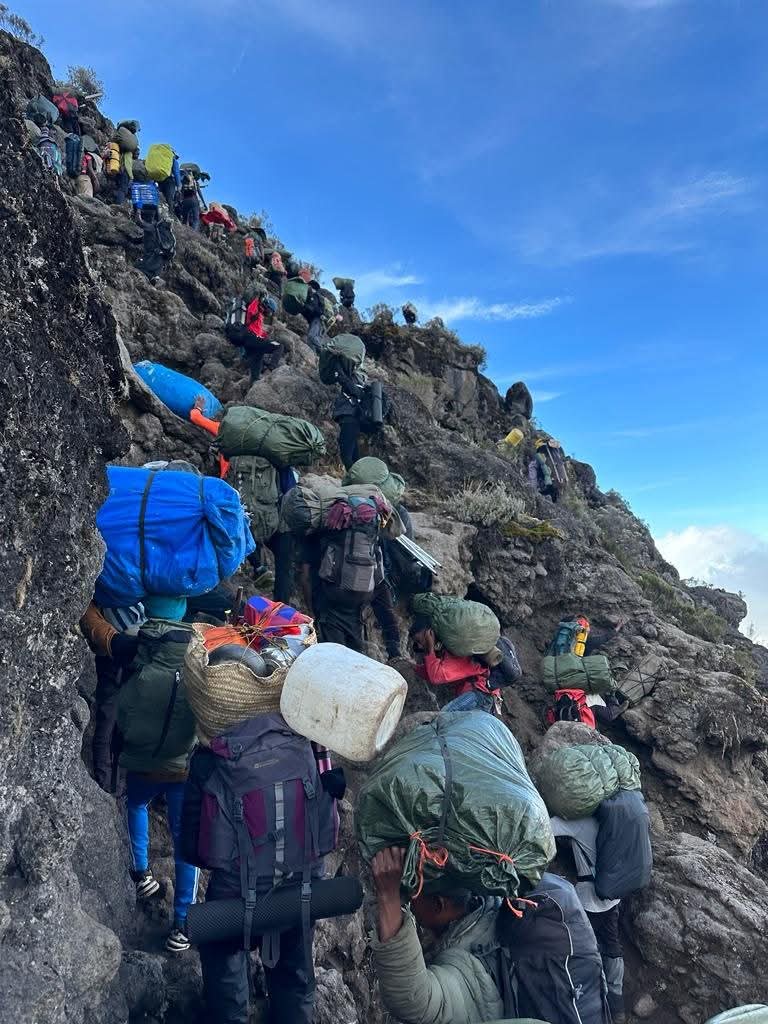
A Kilimanjaro expedition depends on a dedicated mountain crew.
Porters transport equipment and supplies, while cooks and support staff help make multi-day trekking possible.
Responsible trekking means treating mountain crews fairly and respectfully.
At GoAccess Africa Safaris, the human side of the expedition is an important part of the experience.
The mountain is the destination.
But the people who help you reach it are an essential part of the journey.
Best Time to Climb Mount Kilimanjaro
Choosing Your Mountain Season
Kilimanjaro can be climbed throughout the year, but weather conditions vary considerably.
January – February
Generally among the warmer and drier periods, making this a popular time for trekking.
March – May
This period is associated with the long rains.
Trails can become wetter and cloudier, although the mountain can be beautifully green at lower elevations.
June – October
A popular trekking period with generally drier conditions.
Temperatures at higher elevations remain cold regardless of the season.
November – December
The short rains can bring wetter conditions, although trekking remains possible.
For travellers prioritising weather, visibility and overall trekking conditions, the drier periods are often preferred.
Kilimanjaro for First-Time Trekkers
You Do Not Need to Be a Professional Mountaineer
One of Kilimanjaro’s greatest attractions is that it can be attempted by people with varying levels of trekking experience.
However, that does not mean the mountain is easy.
The summit altitude is serious.
The trek involves long days of walking.
Weather can change quickly.
The final ascent can be physically and mentally demanding.
The best preparation is therefore a combination of sensible fitness training, appropriate equipment, realistic expectations and a well-designed itinerary.
What to Expect on a Kilimanjaro Trek
Life on the Mountain
A typical day begins early.
After breakfast, trekkers start walking with their guides.
The route gradually gains elevation while the landscape changes around them.
During the day, the group stops for rest and meals before reaching the next camp.
Evenings are usually spent eating, resting and preparing for the following day.
As you climb higher, temperatures become colder and the environment becomes increasingly dramatic.
The rhythm is simple:
Walk. Rest. Eat. Sleep. Repeat.
Until eventually there is only one goal left:
The Summit.
Kilimanjaro Accommodation
Camps & Mountain Huts
Accommodation depends on the route.
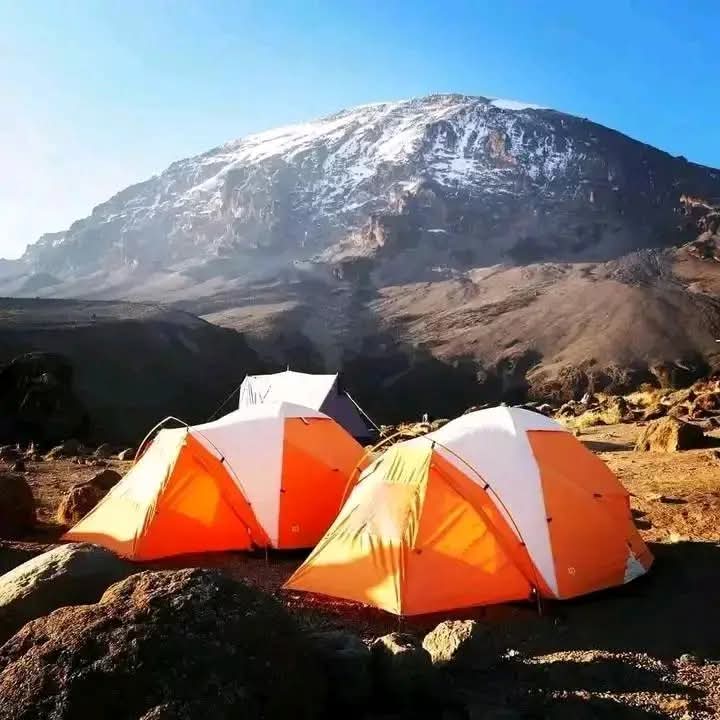
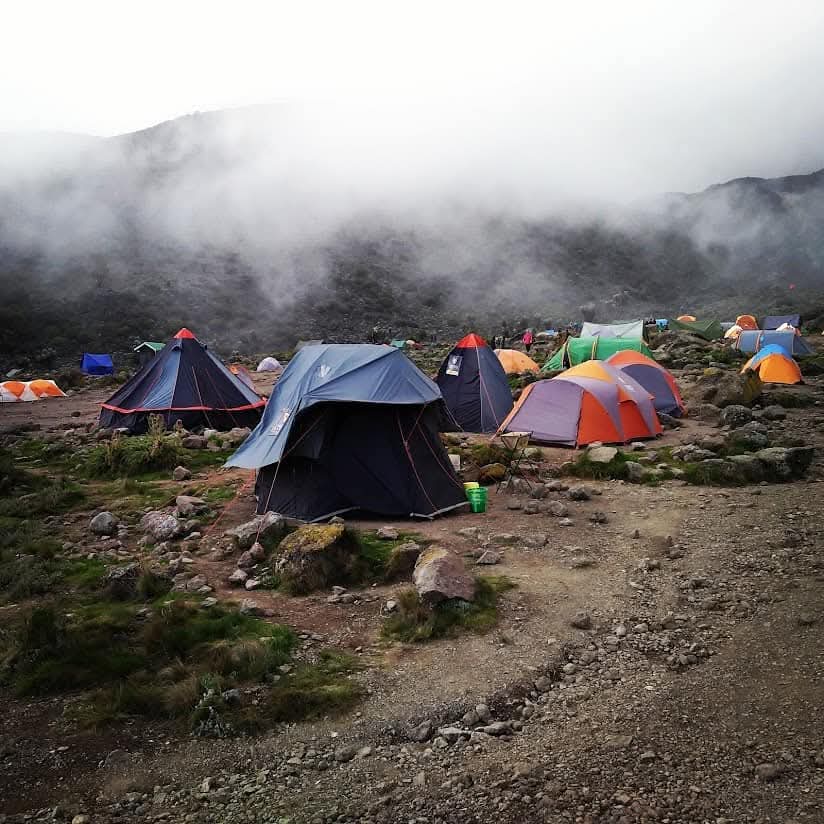
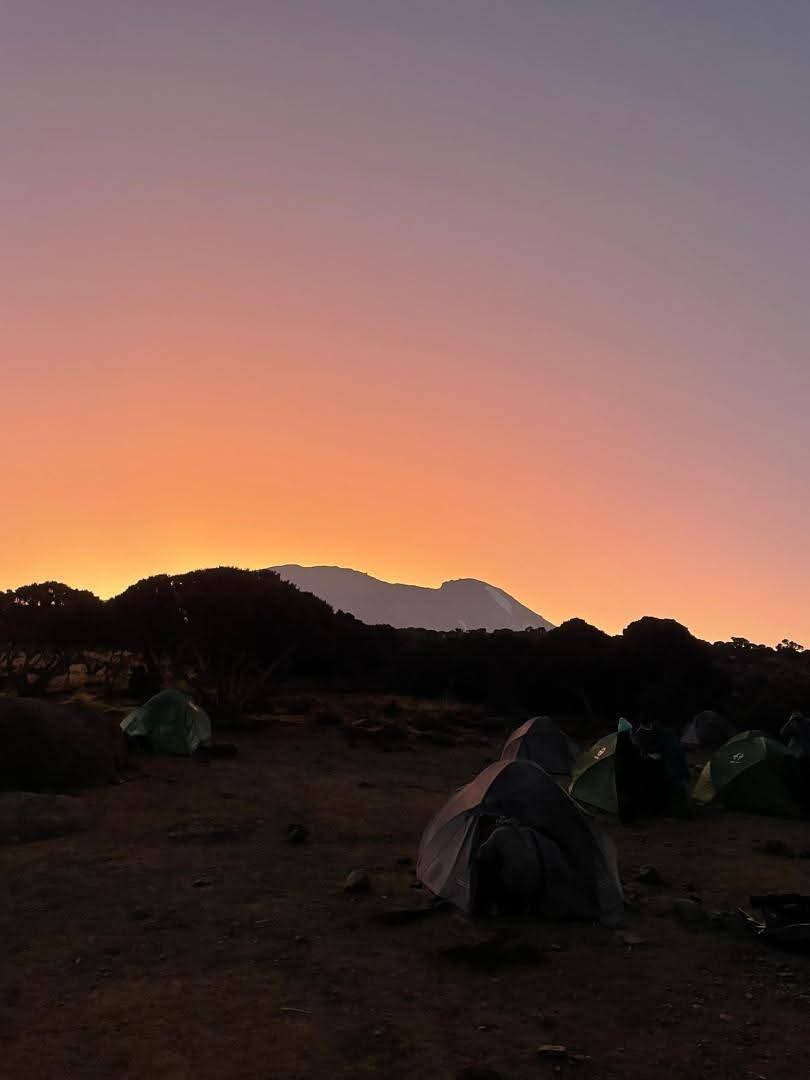
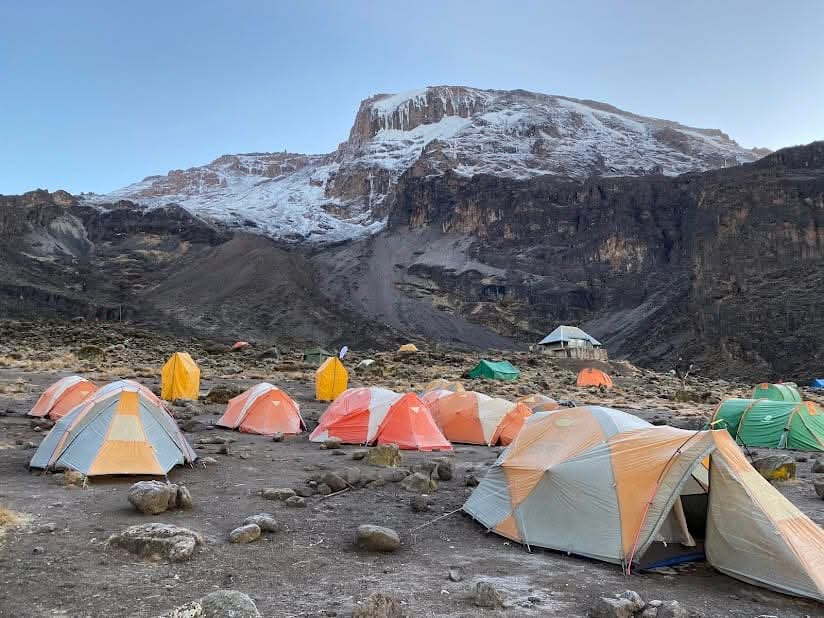
Most routes use mountain camps where trekkers sleep in tents.
The Marangu Route is different because it uses mountain huts.
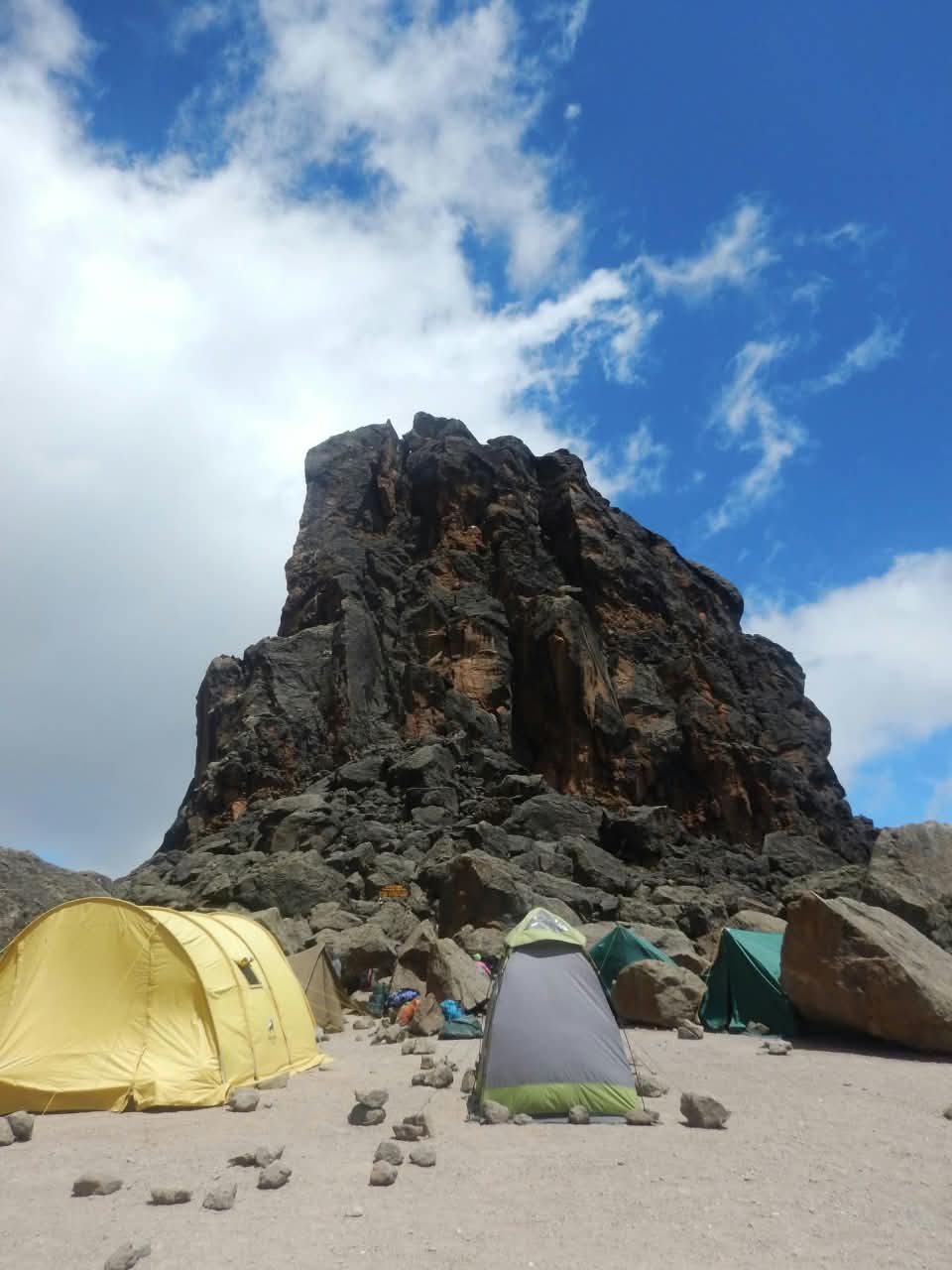
Camping on Kilimanjaro is part of the adventure.
After a long day of trekking, arriving at camp, changing into warm clothing, enjoying a hot meal and looking across the mountain landscape can become one of the most memorable parts of the journey.
Kilimanjaro Food & Meals
Fuel for the Journey
Good nutrition is an important part of a multi-day trek.
Meals are generally designed to provide energy while remaining practical for mountain conditions.
Typical trekking meals can include:
- Soups
- Rice
- Pasta
- Potatoes
- Vegetables
- Meat
- Eggs
- Bread
- Fruit
- Hot drinks
- Porridge or similar breakfast foods
Meal planning can be adapted where possible to dietary requirements communicated before the trek.
Preparing for Kilimanjaro
What You Need to Know Before You Go
Preparation should begin before arriving in Tanzania.
Important areas include:
Physical Preparation
Build endurance through walking, hiking and aerobic activity.
Footwear
Use comfortable, properly broken-in trekking boots.
Clothing
Prepare for dramatically different temperatures, from warm lower slopes to freezing summit conditions.
Hydration
Carry sufficient water and follow your guide’s hydration advice.
Sun Protection
UV exposure can be strong at altitude.
Mental Preparation
The summit requires patience and determination.
Medical Preparation
Discuss high-altitude trekking with a qualified healthcare professional before travelling, particularly if you have any medical concerns.
What to Pack for Kilimanjaro
Essential Trekking Equipment
Your exact packing list depends on route and season, but a typical expedition requires items such as:
- Waterproof trekking boots
- Warm layers
- Waterproof jacket and trousers
- Fleece or insulating layers
- Warm hat
- Gloves
- Headlamp
- Sunglasses
- Sun protection
- Water bottles or hydration system
- Sleeping bag suitable for cold conditions
- Trekking poles
- Backpack
- Personal toiletries
- Basic first-aid supplies
- Warm summit clothing
Your trekking operator should provide a detailed packing list before departure.
Kilimanjaro & Culture
The Mountain in Chagga Country
The lower slopes of Kilimanjaro are closely associated with the Chagga people, one of the major communities living around the mountain.
The fertile volcanic soils of the foothills support agriculture, including coffee cultivation.
Cultural experiences around the mountain can provide opportunities to learn about:
- Chagga history
- Coffee production
- Traditional food
- Local farming
- Traditional architecture
- Community life
Combining a Kilimanjaro trek with a cultural experience creates a deeper connection to the region beyond the mountain itself.
Kilimanjaro Coffee Experience
From the Slopes to Your Cup
The fertile lower slopes around Kilimanjaro are well known for coffee cultivation.
A coffee experience can provide an opportunity to see how locally grown coffee is harvested, processed and prepared.
For travellers who have several days around the mountain, this can be a wonderful way to connect the natural landscape with the communities that live around it.
Kilimanjaro for Luxury Travellers
Adventure Without Compromising on Comfort
Luxury trekking does not mean removing the adventure.
It means making the journey more thoughtfully organised.
A premium Kilimanjaro experience can include:
- Private trekking group
- Experienced private guide
- Carefully selected route
- Professional mountain crew
- Quality camping equipment
- Private dining arrangements where available
- High-quality meals
- Airport and hotel transfers
- Pre-trek briefing
- Equipment planning
- Personalised itinerary
- Post-trek relaxation
After reaching the summit, the journey can continue with a luxury safari in Serengeti or Ngorongoro, followed by a private beach escape in Zanzibar.
Kilimanjaro & Safari
Climb the Mountain. Explore the Wild.
One of the most rewarding ways to experience northern Tanzania is to combine trekking with safari.
A journey can begin with Kilimanjaro.
After descending from the mountain, continue into Tanzania’s northern safari circuit.
For example:
Kilimanjaro → Tarangire → Ngorongoro → Serengeti
This combination brings together two completely different experiences.
First, the challenge of reaching Africa’s highest point.
Then, the freedom of exploring the world’s most extraordinary wildlife landscapes.
Kilimanjaro & Zanzibar
From the Summit to the Sea
After days of trekking through forests, moorlands and alpine landscapes, there is perhaps no better contrast than the warm Indian Ocean.
A Kilimanjaro and Zanzibar combination allows you to finish your adventure with:
- White-sand beaches
- Turquoise waters
- Stone Town
- Swahili culture
- Island excursions
- Marine experiences
- Relaxation
For honeymooners and luxury travellers, this can become an extraordinary Tanzania journey:
Summit → Safari → Zanzibar
Why Climb Mount Kilimanjaro?
More Than a Summit
Africa’s Highest Mountain
At 5,895 metres, Kilimanjaro is the highest mountain in Africa.
No Technical Climbing Required on Standard Routes
The established trekking routes do not normally require technical mountaineering skills, although the altitude makes the journey physically demanding.
Five Climate Zones
Few mountain experiences allow you to travel from tropical forest to an alpine environment within one expedition.
Extraordinary Landscapes
From rainforest to volcanic desert and summit ice, every day brings a new environment.
A Personal Challenge
Kilimanjaro tests endurance, patience and determination.
Cultural Connection
The mountain is surrounded by communities with rich cultural traditions.
Easy to Combine With Safari
Kilimanjaro is ideally positioned for a Northern Tanzania safari.
Easy to Combine With Zanzibar
The mountain can be followed by a relaxing Indian Ocean escape.
Kilimanjaro at a Glance
| Feature | Details |
|---|---|
| Location | Northern Tanzania |
| Highest Point | Uhuru Peak |
| Elevation | 5,895 metres |
| Highest Mountain | Africa |
| Volcanic Cones | Kibo, Mawenzi & Shira |
| Main Experience | Multi-day trekking |
| Climate Zones | Five major ecological zones |
| Main Routes | Machame, Lemosho, Northern Circuit, Marangu, Rongai & Umbwe |
| Wildlife | Mainly concentrated in lower ecosystems |
| Cultural Connection | Chagga communities |
| Best Known For | Summit trekking |
| Ideal For | Adventure travellers, couples, groups & private trekkers |
| Can Combine With | Safari & Zanzibar |
Frequently Asked Questions
How high is Mount Kilimanjaro?
Mount Kilimanjaro reaches 5,895 metres above sea level, with Uhuru Peak being its highest point.
Is Kilimanjaro the highest mountain in Africa?
Yes. Mount Kilimanjaro is Africa’s highest mountain.
How difficult is climbing Kilimanjaro?
Kilimanjaro is a serious high-altitude trek. The standard routes do not normally require technical climbing skills, but the altitude, long trekking days, cold conditions and summit ascent make it physically and mentally demanding.
Which Kilimanjaro route is best?
There is no single best route for everyone.
Machame and Lemosho are popular for scenery and gradual approaches, Northern Circuit offers a longer itinerary, Marangu uses mountain huts, Rongai approaches from the north, while Umbwe is steeper and more direct.
The best choice depends on your experience, available time, preferred scenery and acclimatisation strategy.
How many days do I need to climb Kilimanjaro?
Trekking programmes commonly range from approximately 5 to 9 days. Longer itineraries generally provide more time for acclimatisation.
Can beginners climb Kilimanjaro?
Yes, many first-time high-altitude trekkers successfully climb Kilimanjaro. However, preparation and route selection are important, and nobody should assume that the mountain will be easy.
What is the best month to climb Kilimanjaro?
The generally drier periods are popular for trekking, particularly around January–February and June–October. Weather can vary, however, and Kilimanjaro can be climbed throughout the year.
Do I need technical climbing experience?
Standard Kilimanjaro trekking routes do not normally require technical mountaineering skills. The major challenge is altitude rather than technical rock climbing.
Can I combine Kilimanjaro with a safari?
Yes. Kilimanjaro combines exceptionally well with Tarangire, Ngorongoro and Serengeti.
Can I combine Kilimanjaro with Zanzibar?
Yes. Many travellers finish their mountain adventure with several days relaxing on Zanzibar.
Is Kilimanjaro suitable for a honeymoon?
Yes. Couples can combine a private Kilimanjaro trek with a luxury safari and Zanzibar beach stay.
Can I do a private Kilimanjaro trek?
Yes. Private trekking allows greater flexibility in route planning, pace, accommodation arrangements and overall itinerary design.
Experience Mount Kilimanjaro With GoAccess Africa Safaris
Mount Kilimanjaro is not a destination you simply visit.
You climb into it.
You walk through it.
You experience its changing climates one step at a time.
The warm foothills gradually disappear behind you.
The forest becomes moorland.
The moorland becomes alpine desert.
The air becomes thinner.
The landscape becomes quieter.
And eventually, after days of walking, you stand above the clouds at the highest point in Africa.
At GoAccess Africa Safaris, we design Kilimanjaro journeys around your route, available time, experience and travel style.
From carefully planned trekking expeditions to premium private adventures combined with safari and Zanzibar, every detail can be designed to make the journey meaningful from the first step to the final descent.
Your Journey to the Roof of Africa Starts Here.
Climb Higher. Go Further. Experience Kilimanjaro.
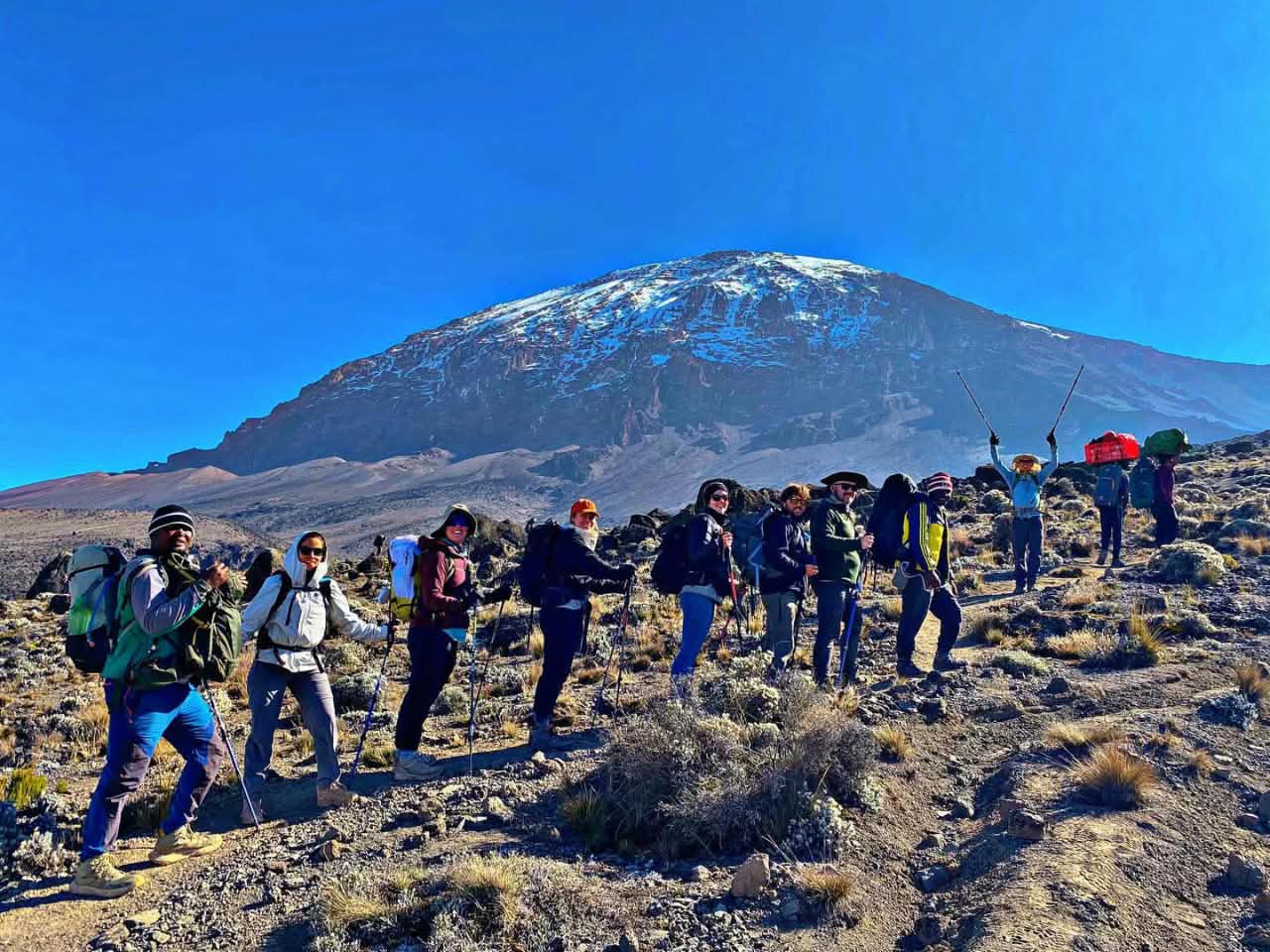
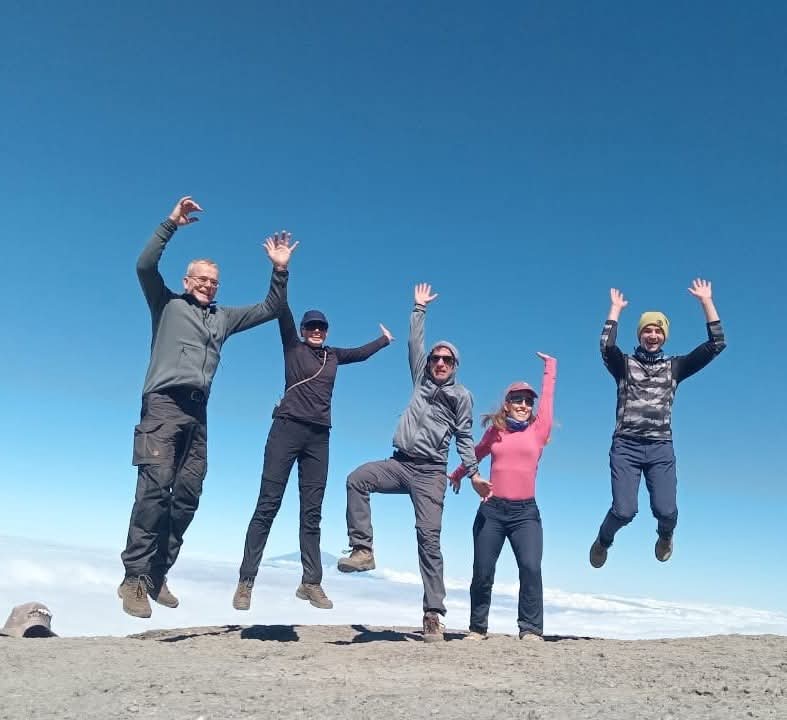
The 8 Days Lemosho Route is one of the most scenic and rewarding ways to climb Mount Kilimanjaro. Approaching the mountain from the western side,...
Duration
8 Days - 7 Nights
$2950
/ person
Next Departures
September 15, 2026 (Available)September 16, 2026 (Available)September 17, 2026 (Available)
The 7 Days Machame Route is one of the most popular ways to climb Mount Kilimanjaro, combining spectacular scenery, a well-established trekking route, and a...
Duration
7 Days - 6 Nights
$2660
/ person
Next Departures
September 15, 2026 (Available)September 16, 2026 (Available)September 17, 2026 (Available)
The 9 Days Northern Circuit Route is the longest and one of the most scenic trekking routes on Mount Kilimanjaro. It approaches the mountain from...
Duration
9 Days - 8 Nights
$4000
/ person
Next Departures
September 15, 2026 (Available)September 16, 2026 (Available)September 17, 2026 (Available)
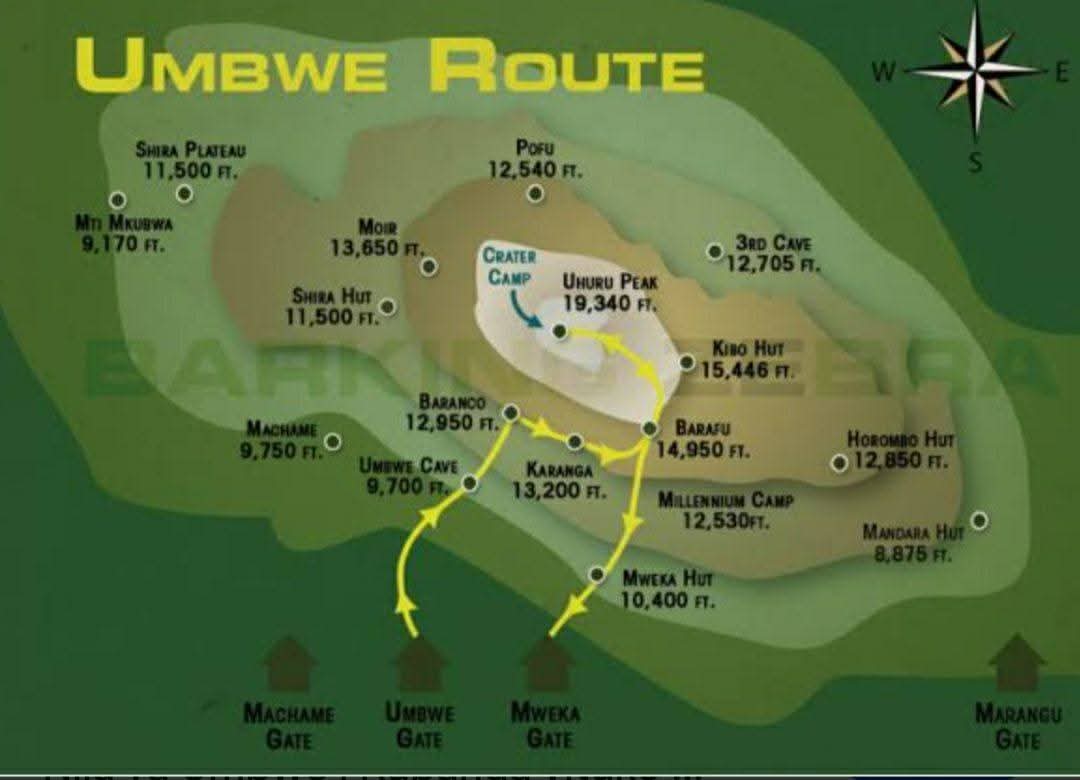
The 6 Days Umbwe Route is one of the most challenging and adventurous routes to the summit of Mount Kilimanjaro. Known for its steep and...
Duration
6 Days - 5 Nights
$2000
/ person
Next Departures
September 15, 2026 (Available)September 16, 2026 (Available)September 17, 2026 (Available)
The 6 Days Marangu Route is one of the most popular ways to climb Mount Kilimanjaro and is often known as the “Coca-Cola Route.” Unlike...
Duration
6 Days - 5 Nights
$2150
/ person
Next Departures
September 15, 2026 (Available)September 16, 2026 (Available)September 17, 2026 (Available)
The 7 Days Rongai Route is a scenic and less crowded way to climb Mount Kilimanjaro, approaching the mountain from the northeastern side near the...
Duration
7 Days - 6 Nights
$4100
/ person
Next Departures
September 15, 2026 (Available)September 16, 2026 (Available)September 17, 2026 (Available)
The 8 Days Lemosho Route is one of the most scenic and well-paced ways to climb Mount Kilimanjaro. Approaching the mountain from the western side,...
Duration
8 Days - 7 Nights
$3200
/ person
Next Departures
September 15, 2026 (Available)September 16, 2026 (Available)September 17, 2026 (Available)
The 7 Days Machame Route is one of the most popular and scenic routes for climbing Mount Kilimanjaro. Often called the “Whiskey Route,” it approaches...
Duration
7 Days - 6 Nights
$2910
/ person
Next Departures
September 15, 2026 (Available)September 16, 2026 (Available)September 17, 2026 (Available)