
- 3
- 1
- 2
- 1
mount kilimanjaro
Mount Kilimanjaro
Mount Kilimanjaro stands as Africa’s highest mountain and one of the world’s most iconic natural landmarks, attracting adventurers, climbers, photographers, and nature enthusiasts from across the globe. Rising majestically to an elevation of 5,895 meters (19,341 feet) above sea level, Kilimanjaro is the tallest free-standing mountain on Earth and a symbol of Tanzania’s extraordinary natural heritage.
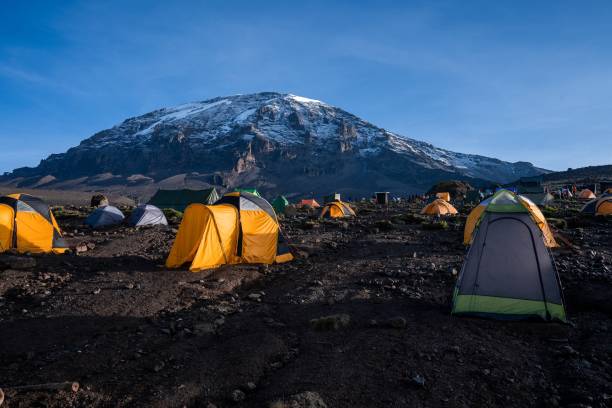
Located in northeastern Tanzania near the border with Kenya, Mount Kilimanjaro dominates the surrounding landscape with its snow-capped summit, despite being situated close to the equator. The mountain is protected within Kilimanjaro National Park, a UNESCO World Heritage Site renowned for its exceptional ecological diversity, geological significance, and breathtaking scenery. Every year, thousands of visitors travel to Tanzania to undertake the unforgettable journey to the Roof of Africa.
Unlike many of the world’s highest peaks, Mount Kilimanjaro can be climbed without technical mountaineering skills, making it one of the most accessible high-altitude mountains on the planet. Several established routes lead to the summit, each offering unique scenery, varying levels of difficulty, and different acclimatization opportunities. Popular routes include the Machame Route, Marangu Route, Lemosho Route, Rongai Route, Northern Circuit, and Umbwe Route, allowing climbers to choose an experience that best suits their goals and fitness levels.
One of Kilimanjaro’s most remarkable features is its extraordinary ecological diversity. Climbers ascend through five distinct climatic zones, experiencing a dramatic transition of landscapes rarely found elsewhere in the world. The journey begins in lush cultivated foothills before entering dense montane rainforests filled with towering trees, exotic plants, and diverse wildlife. Higher elevations reveal moorlands characterized by giant groundsels and unique alpine vegetation, followed by high-altitude deserts and ultimately the arctic environment of the summit zone.
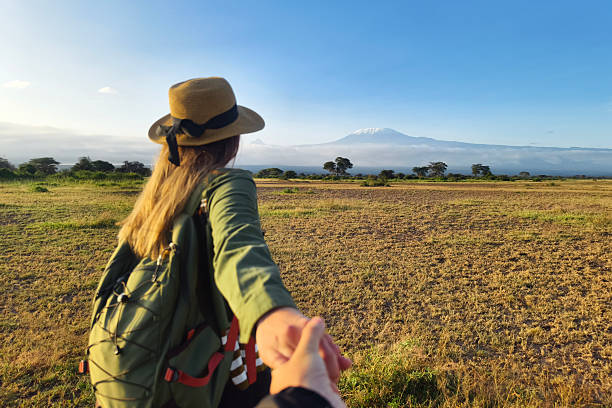
The mountain is home to a rich variety of flora and fauna, particularly within its lower forest ecosystems. Visitors may encounter blue monkeys, black-and-white colobus monkeys, bushbucks, duikers, and numerous bird species inhabiting the rainforest. The mountain’s diverse habitats contribute significantly to regional biodiversity and support important ecological processes within northern Tanzania.
At the summit lies Uhuru Peak, the highest point on the African continent and the ultimate goal for climbers from around the world. Reaching Uhuru Peak is a life-changing achievement that rewards adventurers with spectacular panoramic views stretching across Tanzania and Kenya. On clear mornings, climbers witness unforgettable sunrises above a sea of clouds, illuminating glaciers, volcanic formations, and vast African plains below.
Mount Kilimanjaro is a dormant volcanic massif consisting of three volcanic cones: Kibo, Mawenzi, and Shira. Kibo, the central and highest cone, contains the famous summit crater and Uhuru Peak. Mawenzi presents dramatic jagged ridges and striking volcanic formations, while Shira is an ancient volcanic caldera that contributes to the mountain’s unique geological character. Together, these formations create one of the most impressive mountain landscapes on Earth.
In addition to summit expeditions, the Kilimanjaro region offers numerous activities for visitors who prefer shorter adventures. Nature walks, cultural tours, waterfall excursions, coffee plantation visits, birdwatching experiences, and day hikes on the lower slopes provide opportunities to explore the area’s natural and cultural attractions. Nearby Chagga communities offer authentic cultural experiences, allowing travelers to learn about local traditions, history, cuisine, and agricultural practices that have flourished around the mountain for generations.
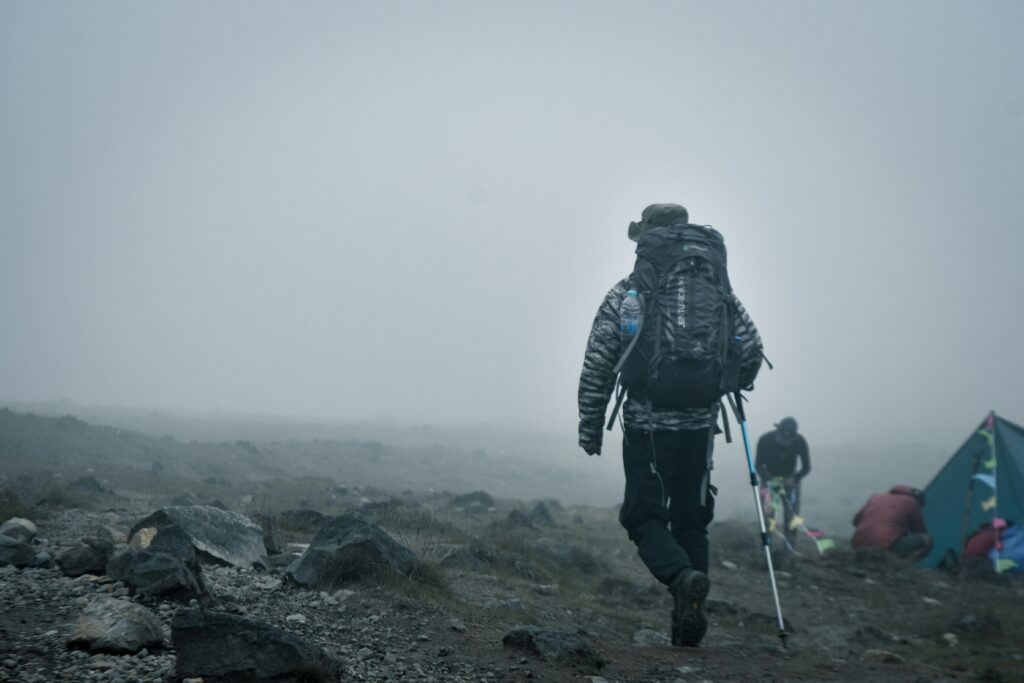
The best times to climb Mount Kilimanjaro are during the dry seasons, typically from January to March and from June to October. These periods generally offer clearer skies, favorable trekking conditions, and enhanced visibility for enjoying the mountain’s spectacular scenery. However, Kilimanjaro remains a year-round destination, with each season presenting its own unique atmosphere and photographic opportunities.
Beyond its physical grandeur, Mount Kilimanjaro represents adventure, determination, and the spirit of exploration. Its towering presence, diverse ecosystems, world-famous trekking routes, and awe-inspiring summit experiences have made it one of the most sought-after travel destinations in the world. Whether visitors aspire to conquer Africa’s highest peak, immerse themselves in breathtaking natural landscapes, or experience the rich culture of the surrounding communities, Mount Kilimanjaro offers an unforgettable journey and a truly extraordinary African adventure.
The 8 Days Lemosho Route is widely regarded as one of the best routes for climbing Mount Kilimanjaro. Known for its stunning scenery, low traffic...
mount kilimanjaro
1 Person
Duration
8 Days
$3100
Next Departures
August 18, 2026 (Available)August 19, 2026 (Available)August 20, 2026 (Available)
The 7 Days Machame Route is one of the most popular and scenic ways to climb Mount Kilimanjaro, Africa’s highest peak and the world’s tallest...
Duration
7 Days
$2910
Next Departures
August 18, 2026 (Available)August 19, 2026 (Available)August 20, 2026 (Available)