
Discover the importance of responsible tourism in Tanzania, including sustainable safari practices, wildlife conservation, community support, eco-friendly travel tips, and ethical tourism experiences with GoaccessAfrica Safaris.
Quick Summary
Responsible tourism in Tanzania focuses on protecting wildlife, preserving local cultures, supporting communities, and promoting sustainable safari experiences for future generations. Tanzania is one of Africa’s most popular safari destinations, attracting travelers who want authentic wildlife adventures while minimizing environmental impact. From Serengeti National Park to Mount Kilimanjaro and Zanzibar beaches, responsible tourism practices help balance tourism growth with conservation and community development. GoaccessAfrica Safaris promotes ethical travel experiences that support wildlife protection, eco-friendly safari operations, and local economic empowerment across Tanzania.
What Is Responsible Tourism in Tanzania?
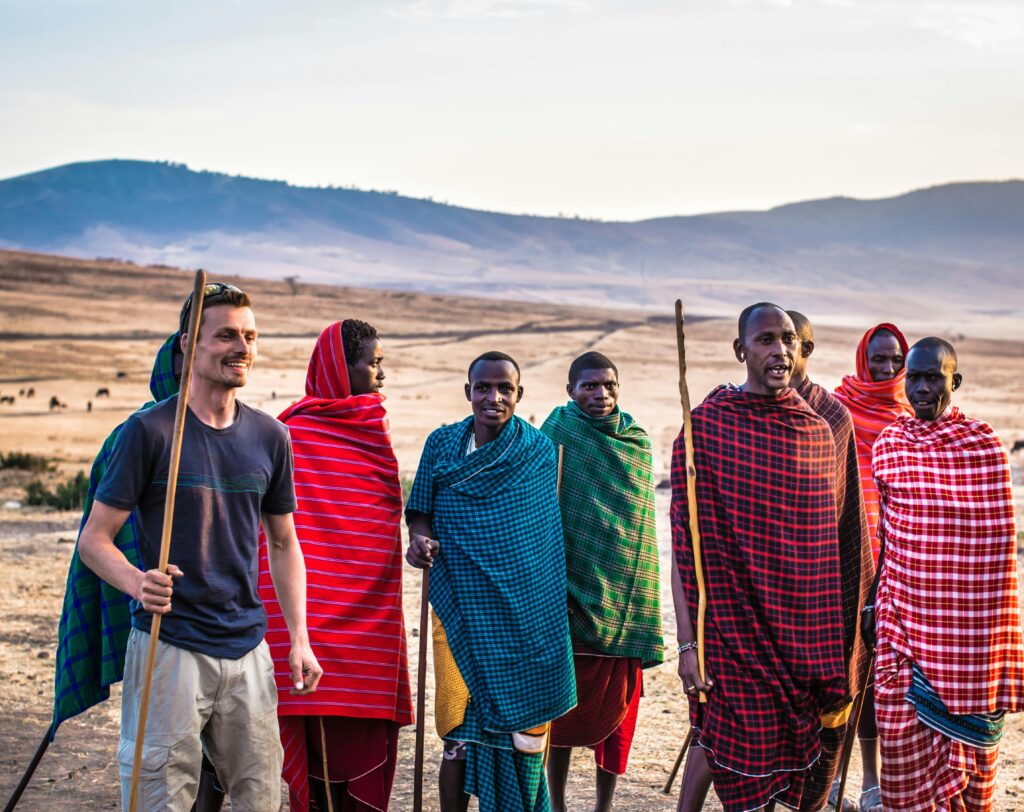
Responsible tourism in Tanzania refers to travel practices that protect natural ecosystems, respect local cultures, conserve wildlife, and create economic benefits for local communities. Unlike mass tourism, responsible tourism encourages travelers and safari companies to reduce environmental damage while supporting sustainable development.
Tanzania depends heavily on tourism because millions of international visitors travel to the country every year for safaris, mountain climbing, cultural tourism, and beach holidays. However, uncontrolled tourism can create serious challenges including pollution, wildlife disturbance, habitat destruction, and cultural exploitation. Responsible tourism helps reduce these risks by encouraging sustainable travel behavior.
Safari operators such as GoaccessAfrica Safaris focus on creating tourism experiences that balance visitor satisfaction with environmental and social responsibility. This includes working with local guides, supporting conservation projects, reducing plastic waste, respecting wildlife viewing regulations, and promoting community-based tourism activities.
Travelers today increasingly search for ethical safari experiences because they understand the importance of protecting Africa’s wildlife and supporting local populations. Responsible tourism in Tanzania allows visitors to enjoy unforgettable adventures while contributing positively to conservation and economic growth.
Why Responsible Tourism Matters in Tanzania

Tanzania contains some of Africa’s most important ecosystems and wildlife populations. National parks, conservation areas, marine reserves, forests, and cultural heritage sites require long-term protection to survive future environmental pressures.
Responsible tourism in Tanzania matters because tourism directly affects wildlife habitats and local communities. Positive tourism practices can strengthen conservation efforts, while irresponsible tourism can damage fragile ecosystems.
Wildlife Conservation
Tanzania protects endangered animals including elephants, black rhinos, lions, chimpanzees, and African wild dogs. Tourism revenue helps fund anti-poaching operations, park management, scientific research, and conservation education.
Community Development
Many rural communities depend on tourism income through employment opportunities, handicrafts, transportation services, cultural tourism, and local businesses.
Environmental Protection
Eco-friendly safari practices help reduce pollution, conserve water, protect forests, and minimize environmental damage.
Cultural Preservation
Responsible tourism encourages visitors to respect local traditions, languages, customs, and cultural heritage.
Sustainable Economic Growth
Tourism creates jobs and generates foreign exchange revenue that supports Tanzania’s economy.
GoaccessAfrica Safaris believes tourism should create positive long-term impacts for both people and nature.
Comparison Table: Responsible Tourism vs Traditional Mass Tourism
| Tourism Type | Responsible Tourism in Tanzania | Traditional Mass Tourism |
|---|---|---|
| Environmental Impact | Low environmental impact | High environmental pressure |
| Community Benefits | Supports local communities | Limited local economic benefits |
| Wildlife Protection | Encourages conservation | May disturb wildlife habitats |
| Cultural Respect | Promotes cultural understanding | Often ignores local traditions |
| Sustainability | Focused on long-term preservation | Focused on short-term profits |
This comparison explains why many travelers now prefer eco-friendly safari companies and sustainable travel experiences.
Key Principles of Responsible Tourism in Tanzania
Responsible tourism follows several important principles that guide sustainable safari operations and traveler behavior.
Minimize Environmental Impact
Travelers should avoid littering, reduce plastic usage, conserve water, and respect natural habitats.
Respect Wildlife
Tourists must follow park regulations, maintain safe viewing distances, and avoid disturbing animals during safaris.
Support Local Communities
Booking local guides, staying in community-owned lodges, and purchasing local products help strengthen local economies.
Preserve Cultural Heritage
Travelers should respect traditional customs, dress appropriately in villages, and ask permission before taking photographs.
Promote Conservation Education
Learning about conservation challenges increases awareness and encourages sustainable tourism decisions.
GoaccessAfrica Safaris integrates these principles into all safari itineraries and travel experiences.
Popular Responsible Tourism Activities in Tanzania

Many travelers are surprised to discover how many sustainable tourism opportunities exist across Tanzania.
Eco-Friendly Safaris
Environmentally conscious safaris focus on low-impact travel and wildlife conservation.
Community Cultural Tours
Visitors can experience authentic Tanzanian cultures while supporting local villages economically.
Conservation Volunteering
Some programs allow travelers to participate in wildlife monitoring and environmental education projects.
Sustainable Beach Tourism
Eco-lodges in Zanzibar promote marine conservation and responsible coastal tourism.
Ethical Mountain Climbing
Responsible trekking operators on Mount Kilimanjaro ensure fair porter treatment and waste management practices.
Responsible tourism in Tanzania creates meaningful travel experiences while helping preserve natural and cultural resources.
Benefits of Choosing Responsible Safari Companies
Travelers who choose ethical safari operators often enjoy better experiences because sustainable tourism focuses on quality instead of mass tourism.
Benefits include:
- Authentic cultural interactions
- Smaller safari groups
- Better wildlife experiences
- Eco-friendly accommodations
- Support for conservation projects
- Professional local guides
- Reduced environmental impact
- Positive community contributions
GoaccessAfrica Safaris designs safari packages that prioritize sustainability, ethical tourism, and responsible wildlife viewing practices.
Customer Experience and Travel Perspective
Modern travelers increasingly prefer sustainable safari experiences because they want their vacations to create positive social and environmental impact. Many tourists describe responsible tourism in Tanzania as more meaningful compared to ordinary tourism experiences.
Visitors appreciate learning directly from local communities, understanding conservation challenges, and participating in eco-friendly travel activities. Responsible tourism also creates deeper emotional connections between travelers and destinations.
Safari guests often report that sustainable tourism experiences feel more authentic, educational, and rewarding. Supporting local communities and wildlife conservation gives travelers a sense of purpose during their African safari adventures.
GoaccessAfrica Safaris continues promoting responsible tourism because ethical travel creates long-term benefits for Tanzania’s environment, wildlife, and people.
FAQs About Responsible Tourism in Tanzania
What is responsible tourism in Tanzania?
Responsible tourism focuses on sustainable travel practices that protect wildlife, support local communities, and preserve natural ecosystems.
Why is responsible tourism important?
It helps conserve wildlife, reduce environmental damage, and support economic opportunities for local communities.
How can travelers support responsible tourism?
Travelers can choose eco-friendly safari companies, respect wildlife, reduce plastic waste, and support local businesses.
Does responsible tourism cost more?
Sometimes sustainable tourism experiences may cost slightly more because they prioritize quality services and ethical operations.
Which destinations support responsible tourism in Tanzania?
Serengeti National Park, Ngorongoro Conservation Area, Zanzibar, Ruaha National Park, and Mount Kilimanjaro all promote sustainable tourism practices.
How does GoaccessAfrica Safaris support responsible tourism?
The company promotes eco-friendly safaris, local employment, conservation awareness, and community-based tourism experiences.
Learn more about sustainable tourism initiatives in Tanzania through the official tourism website:
Tanzania Tourist Board