Wildlife Diversity
Discover a remarkable range of African wildlife across Tanzania's different national parks and ecosystems.
Discover Tanzania's remarkable wildlife destinations, choose the right travel season, understand safari costs and create an unforgettable African adventure with local knowledge and genuine hospitality.
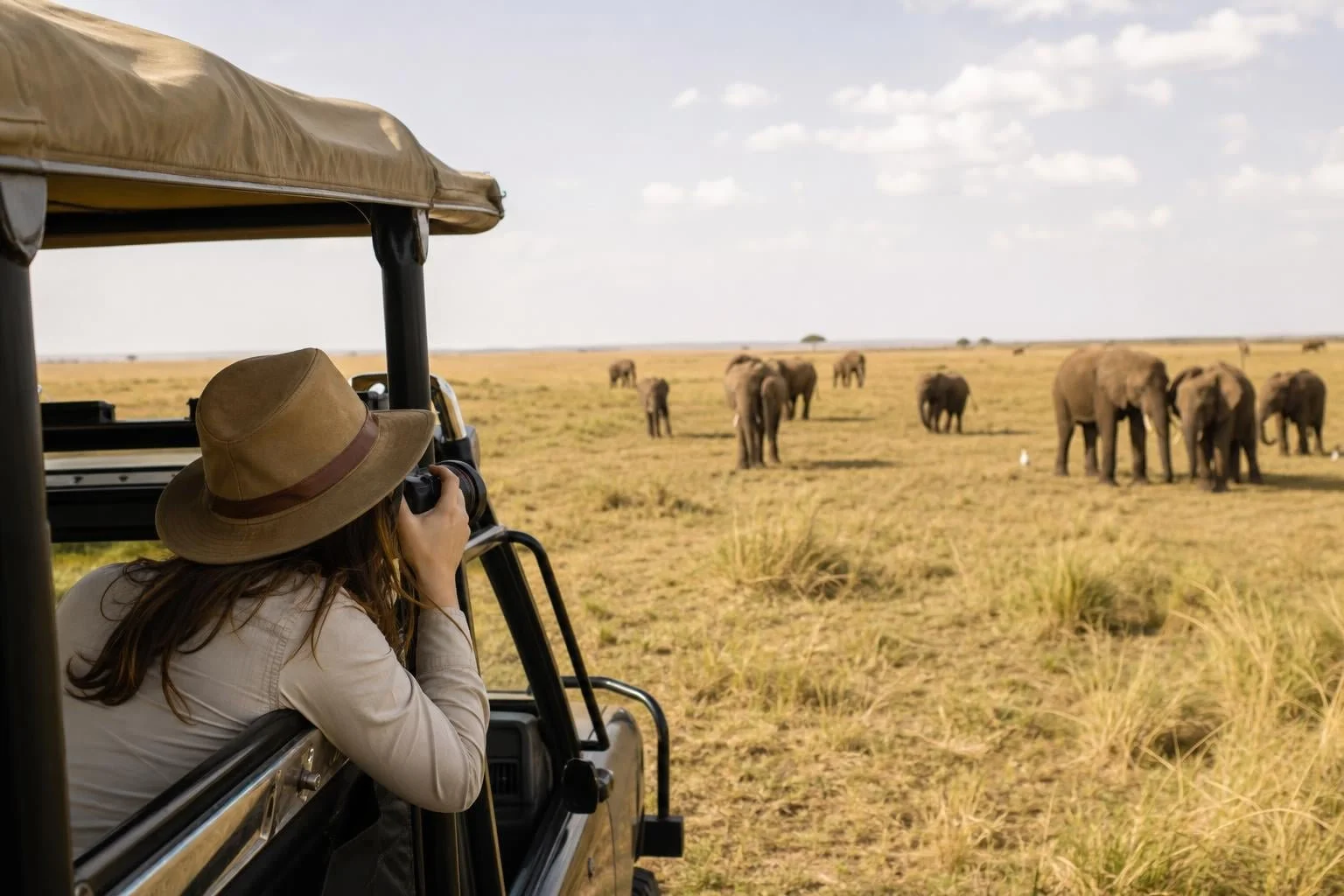
Planning a safari in Tanzania is an opportunity to discover one of Africa's most remarkable wildlife destinations. From the endless plains of the Serengeti to the dramatic landscapes of the Ngorongoro Conservation Area, Tanzania offers extraordinary experiences for travellers seeking wildlife, nature and authentic African adventures.
The country is home to diverse ecosystems, renowned national parks and an exceptional variety of wildlife. Travellers may encounter elephants, lions, giraffes, buffalo, zebras, wildebeest and many other species in their natural habitats. The experience can be very different depending on the parks you visit, the season you travel and the amount of time available for your journey.
For many visitors, the Great Wildebeest Migration is a major reason to choose Tanzania. This remarkable wildlife movement takes place across the Serengeti ecosystem and neighbouring Maasai Mara in Kenya, creating different seasonal viewing opportunities throughout the year.
Beyond wildlife viewing, a Tanzania safari can also include beautiful landscapes, birdwatching, selected cultural experiences and time spent in welcoming local communities. Whether you are planning a short getaway, a family holiday, a honeymoon or an extended wildlife expedition, the right itinerary should reflect your interests, travel dates and budget.
Discover a remarkable range of African wildlife across Tanzania's different national parks and ecosystems.
Explore open savannahs, volcanic highlands, ancient baobabs, forests and breathtaking natural scenery.
Follow the seasonal movement of wildebeest and zebras through the Serengeti ecosystem.
Discover Tanzania through local knowledge, genuine hospitality and selected cultural experiences.
Every traveller has a different idea of the perfect African adventure. Tell us what you have in mind and start shaping a safari that matches your interests, travel dates and preferred pace.
Choose the approximate length of your safari.
Select the travel experience that suits you best.
Select one or more places you would love to explore.
You can select multiple destinations. Our safari team can help arrange them into a practical route.
Tell us the approximate number of guests.
An approximate travel period is enough for now.
Tanzania offers remarkable safari experiences throughout the year. The best time for your visit depends on the wildlife you hope to see, the destinations on your itinerary, your preferred weather and the kind of adventure you want to enjoy.
Generally from June to October, this period often brings less rainfall and thinner vegetation in many northern safari areas. Wildlife can be easier to spot around rivers and water sources, making it a popular time for game drives.
The main rainy period is generally March to May. Landscapes become lush and green, birdlife is rewarding, and some camps offer seasonal rates. Rain can affect road conditions and travel schedules.
Usually around November and December, short showers can refresh the landscape. Rainfall is variable and often comes in intervals, so many safari activities can still be enjoyed.
Around January to March, large herds commonly gather in the southern Serengeti and Ndutu area for the calving season. The exact timing and herd locations depend on rainfall and grazing conditions.
A practical guide to choosing your travel period
January is a rewarding month for exploring Tanzania, particularly the southern Serengeti and Ndutu plains where wildebeest herds often gather ahead of calving.
February is often a highlight of the wildebeest calving season. Young animals attract predators, creating dramatic natural wildlife encounters across the southern plains.
Early March can still offer excellent southern Serengeti wildlife viewing. As the month progresses, the long rains may begin, changing road and travel conditions.
April is generally one of Tanzania's wettest safari months. The countryside is lush, scenery is beautiful and visitor numbers are often lower in many safari areas.
May continues the green season in much of northern Tanzania. The migration herds often begin moving north and west, although their location changes with the rains.
June often marks the beginning of the drier safari season. Herds may move through the western Serengeti towards the Grumeti region, where river crossings can sometimes occur.
July is a popular safari month. Large herds may be moving through the northern Serengeti, and some years bring opportunities to witness crossings of the Mara River.
August is often associated with northern Serengeti migration viewing. The Mara River area can offer memorable wildlife experiences when herds are in the region.
September generally offers dry conditions and strong wildlife viewing across many northern parks. Migration herds may remain in the north or begin shifting according to grazing and rainfall.
October is often a good time for wildlife viewing as many areas remain dry. The migration may be moving southwards, but its route and pace vary from year to year.
Short rains often begin in November. The migration herds commonly move towards the central and southern Serengeti, following fresh grass as conditions change.
December brings a mix of sunny periods and occasional showers. The southern Serengeti and Ndutu areas can begin attracting growing numbers of wildebeest as the calving season approaches.
Not sure which month is right for your Tanzania adventure?
Plan Your Safari With Us →Witness one of nature's most extraordinary journeys as vast herds of wildebeest, zebras and other grazing animals move across the Serengeti–Mara ecosystem in search of fresh grass and water. Tanzania offers exceptional opportunities to experience this remarkable wildlife spectacle throughout the year.
The Great Wildebeest Migration is the seasonal movement of enormous herds of wildebeest, accompanied by zebras and gazelles, across the wider Serengeti–Mara ecosystem of Tanzania and Kenya. The animals follow changing rainfall patterns and the availability of fresh grazing.
This is not a single event that happens in one place on a fixed date. It is a continuous natural cycle involving calving, grazing, predator activity and movement between different parts of the ecosystem.
For visitors, the experience can include watching herds spread across open plains, seeing newborn calves, observing predators following the migration and, in some seasons, witnessing animals attempting to cross major rivers.
The following calendar gives a general guide to where migration activity is often concentrated throughout the year. Actual herd locations depend on rainfall, grazing conditions and seasonal changes.
Herds commonly gather across the southern plains, where calving activity may be underway as fresh grazing becomes available.
Calving GroundsThis is often a major calving period, attracting predators and offering memorable wildlife viewing opportunities.
Calving SeasonHerds may remain in the southern ecosystem before beginning their gradual movement towards other grazing areas.
Southern HerdsAs seasonal conditions change, many herds begin moving north and west through the wider Serengeti.
Herd MovementLarge herds may move through central and western areas, sometimes forming long columns across the plains.
Northward MovementHerds may pass through the western corridor. River crossings can occur in this region, depending on herd movement.
Grumeti RegionHerds often move into the north, where some may approach the Mara River and attempt crossings.
Possible River CrossingsThe northern ecosystem can offer excellent opportunities to follow large herds and observe the challenges of river crossings.
Northern MigrationHerds may continue grazing in northern areas or move between the Serengeti and Maasai Mara depending on local conditions.
Northern HerdsSome herds begin their southward movement as grazing conditions change, although movement can vary considerably.
Southward MovementShort rains can encourage herds to move towards the central and southern grasslands.
Returning SouthMany herds move towards the southern plains as the next calving period approaches.
Calving Grounds ReturnA simplified seasonal journey through the Serengeti–Mara ecosystem. The herds do not follow an identical route or timetable every year.
The southern Serengeti and Ndutu region provide important calving grounds when fresh grass is available.
Commonly January–MarchHerds move across central and western grazing areas, with the Grumeti region forming part of the seasonal journey.
Commonly April–JuneLarge groups may gather in northern areas and around the Mara River, where crossings are sometimes witnessed.
Commonly July–OctoberWith changing rainfall and grazing conditions, herds gradually move towards the central and southern plains again.
Commonly November–DecemberAbout river crossings: Mara and Grumeti River crossings are unpredictable natural events. Herds may gather for hours or days before crossing, change direction or cross at another location. No safari operator can guarantee a crossing on a particular date. A well-planned itinerary should offer excellent wildlife experiences beyond crossings alone.
Choosing accommodation close to the expected migration region can reduce unnecessary driving and allow more time for wildlife viewing.
Migration-focused travel benefits from flexibility because herds can move across large distances.
Want to plan your safari around the Great Wildebeest Migration?
Build Your Migration Safari →From the endless plains of the Serengeti to the dramatic Ngorongoro Crater and the remote wilderness of southern Tanzania, every destination offers a different perspective of Africa's wildlife and landscapes. Discover the parks that could shape your safari.
 DESTINATION 01
The legendary plains of the Great Migration
Serengeti National Park is one of Africa's most celebrated wildlife destinations, famous for its vast open grasslands, seasonal migration and exceptional predator viewing. Its ecosystems include open savannah, rocky kopjes, river valleys, woodland and grassland plains. The park supports lions, leopards, cheetahs, elephants, giraffes, buffaloes, hyenas and many other species. Depending on the season, visitors can follow the wildebeest migration in the southern, central, western or northern parts of the ecosystem.
Seasonal TANAPA entrance tariff applies. Accommodation concession, camping and other applicable charges are separate from the basic entry fee.
View official Serengeti tariff ↗ DESTINATION 02
A remarkable wildlife world within an ancient volcanic caldera
The Ngorongoro Conservation Area is known for its spectacular volcanic landscapes and the famous Ngorongoro Crater. The crater floor contains grasslands, swamps, woodland and a soda lake, creating habitats for a remarkable concentration of wildlife. Visitors may encounter lions, elephants, buffaloes, hippos, hyenas and the endangered black rhinoceros. The wider conservation area also includes highland scenery, Maasai pastoral landscapes and archaeological heritage.
NCAA charges an entry permit and a separate crater service fee per vehicle for crater descent. Other applicable vehicle, accommodation or activity charges may also apply.
View official NCAA tariffs ↗ DESTINATION 03
Elephant country beneath ancient baobab trees
Tarangire is especially known for its impressive elephant populations, giant baobab trees and the Tarangire River, an important water source during the dry season. Its landscapes include open savannah, seasonal swamps, riverine vegetation and woodland. Wildlife includes elephants, lions, leopards, giraffes, zebras, wildebeest, buffaloes and a rich variety of birdlife. During dry months, animals from surrounding areas may gather near the river and remaining water sources.
TANAPA's published 2026/27 high-season adult non-resident entrance tariff is TZS 127,750. Low-season rates and additional applicable fees differ.
View official Tarangire tariff ↗ DESTINATION 04
A beautiful mix of forest, lake and wildlife
Lake Manyara is a compact but diverse safari destination beneath the dramatic Great Rift Valley escarpment. Its habitats include groundwater forest, open grassland, woodland, hot springs and the alkaline lake itself. The park is known for elephants, baboons, hippos, giraffes, buffaloes and a variety of bird species. Tree-climbing lions are part of its reputation, although sightings are never guaranteed. Seasonal water levels influence the lake's appearance and the birds that gather around it.
Seasonal TANAPA rates apply. The applicable amount depends on visitor category and the date of entry.
View official TANAPA tariffs ↗ DESTINATION 05
Mount Meru scenery, forest trails and peaceful lakes
Arusha National Park offers a different safari experience close to the city of Arusha. Its varied landscapes include the slopes of Mount Meru, montane forest, open grasslands, the Momella Lakes and the Ngurdoto Crater. Visitors may encounter giraffes, zebras, buffaloes, warthogs, waterbucks and several primate species, including black-and-white colobus monkeys. Depending on park arrangements and availability, guided walking safaris and canoeing on designated waters can add variety to a visit.
Seasonal TANAPA entrance tariff applies. Guided walking activities and other optional experiences may attract additional charges.
View official TANAPA tariffs ↗ DESTINATION 06
A vast southern wilderness shaped by the Rufiji River
Nyerere National Park is one of Tanzania's great wilderness destinations, with extensive river systems, lakes, woodland, open plains and remote habitats. The Rufiji River and its connected waterways create opportunities for boat safaris alongside traditional game drives. Wildlife includes elephants, lions, giraffes, buffaloes, hippos, crocodiles and African wild dogs. Its quieter southern setting and varied activities make it a distinctive alternative to the busy northern safari circuit.
TANAPA's published 2026/27 high-season adult non-resident entrance tariff is TZS 178,850. Boat safaris and other activities have separate charges.
View official Nyerere tariff ↗Tell us what wildlife, landscapes and experiences interest you. GoAccessAfrica Safaris can help you combine the right destinations into a practical Tanzania safari itinerary.
Park fee information: Fees depend on visitor nationality or residency category, age, season, accommodation location and selected activities. TANAPA and NCAA tariffs may change. The amounts shown where specified are published examples for the stated tariff period, not a complete safari cost. Vehicle charges, accommodation concession fees, crater service fees, camping fees and other applicable charges are not automatically included in the basic park entrance amount. Always confirm the final applicable fees before travel.
The right safari duration depends on the parks you want to explore, the wildlife experiences you are looking for and how much time you would like to spend enjoying each destination. From a short wildlife escape to an extended African adventure, Tanzania offers options for different travel schedules.
Ideal for travellers with limited time who still want to experience Tanzania's remarkable wildlife. Focus on one or two nearby parks rather than trying to cover too much ground.
A practical introduction to northern Tanzania's famous safari landscapes, combining different ecosystems and excellent opportunities for wildlife viewing.
More time to explore the Serengeti, enjoy unhurried game drives and experience the differences between Tanzania's northern safari ecosystems.
An excellent choice for travellers who want to explore the Serengeti more deeply, spend additional nights in the wilderness and plan around seasonal wildlife movements.
For travellers who want to experience more of Tanzania beyond a conventional safari, with opportunities to combine wildlife, mountains, beaches and cultural encounters.
Not necessarily. The best itinerary is one that matches your interests, available time and travel style. The Serengeti is extensive, so additional nights can provide more opportunities to explore different areas without rushing. However, a carefully planned shorter safari can also be rewarding. Wildlife is unpredictable, and no itinerary can guarantee specific sightings.
Not sure how many days to spend in Tanzania? Let us help you create a safari itinerary around your travel dates and interests.
Plan My SafariEvery safari tells a different story. Explore some of the most rewarding ways to travel through Tanzania, from short northern circuit adventures to extended wildlife journeys across multiple regions. Select an itinerary to see its route and daily highlights.
A short northern Tanzania safari combining Tarangire's elephant country with the remarkable wildlife and landscapes of Ngorongoro. The exact sequence and overnight arrangements depend on the final plan.
Travel to Tarangire for a game drive through landscapes known for elephants, baobabs and diverse wildlife.
Continue towards the Ngorongoro highlands, enjoying scenic countryside and a relaxed overnight stop.
Explore the crater if included in the booked plan, then return to Arusha.
Every journey can be adjusted around your travel dates, preferred destinations, accommodation style and wildlife interests. These sample routes are starting points for a personalised safari.
Customise My Safari →Tanzania safari costs vary depending on the destinations you visit, the number of travel days, accommodation standards, group size and level of service. Understanding these elements helps you choose an experience that fits your budget without overlooking what matters most to your journey.
Two safaris visiting the same national park can have very different prices. One may use shared transport and simple accommodation, while another includes a private 4×4 vehicle, premium lodges, additional nights and domestic flights. The most useful quotation is one prepared around your actual travel plans.
A practical way to experience Tanzania's wildlife while keeping accommodation and other travel expenses under control.
A balance of comfort, service and wildlife exploration, with carefully selected lodges or tented camps.
A more exclusive safari experience with high-end accommodation, personalised service and carefully tailored travel arrangements.
These are the main elements that influence the final cost of a Tanzania safari. Understanding them makes it easier to compare quotations from different tour operators.
Accommodation demand, seasonal park tariffs and availability can affect the overall cost. Popular travel periods may require earlier reservations.
Different parks and conservation areas have different entry charges and activity fees. Your selected route affects the total amount payable.
Campsites, standard lodges, luxury tented camps and exclusive lodges have different rates, locations and service levels.
Private vehicle arrangements, vehicle type, route distance and the number of guests sharing transport influence operating costs.
Some vehicle and guide expenses can be shared among guests. Private trips provide more flexibility but may have a different per-person cost.
International flights, domestic connections, airport transfers and remote-area transport can add to the overall safari budget.
The meal plan, drinks, guide arrangements, special activities and other services included in the package all affect the price.
More days usually mean additional accommodation, meals, vehicle operation, guide services and park-related expenses.
Activities such as hot-air balloon safaris, walking safaris where permitted, cultural visits and private excursions may require additional fees.
Park entry fees, concession or camping charges, crater service fees, vehicle-related charges and other applicable costs may be listed separately depending on the destination and package. Ask for a written breakdown so you understand exactly what is included, what is excluded and whether any fees may change before travel.
Tell us your preferred travel dates, number of guests, safari duration and accommodation style. Our team can help you explore a suitable Tanzania safari itinerary and prepare a personalised quotation based on your requirements.
Build My Safari Plan →From nights beneath the African sky to beautifully designed wilderness lodges, Tanzania offers accommodation experiences for different budgets and travel styles. Choosing the right place to stay can make your safari more comfortable, convenient and memorable.

Safari accommodation in Tanzania ranges from public campsites and simple guesthouses to elegant tented camps and luxury lodges overlooking spectacular landscapes. Each option offers a different way to experience the country's natural environment.
The best choice depends on your preferred comfort level, travel budget, itinerary, location and the kind of experience you want after a day of wildlife exploration.
 01 · ADVENTURE
Camping offers a closer connection to nature and a more outdoors-focused safari experience. Depending on the itinerary, guests may stay at designated public campsites or other authorised camping facilities.
 02 · PRACTICAL COMFORT
A good option for travellers who want a comfortable place to rest without allocating a large share of their budget to accommodation. These properties can include simple lodges, guesthouses and basic tented camps.
 03 · COMFORT
Mid-range lodges offer a balance of comfort, hospitality and value. They are suitable for travellers who appreciate private rooms, good dining and a relaxing environment between game drives.
 04 · WILDERNESS LUXURY
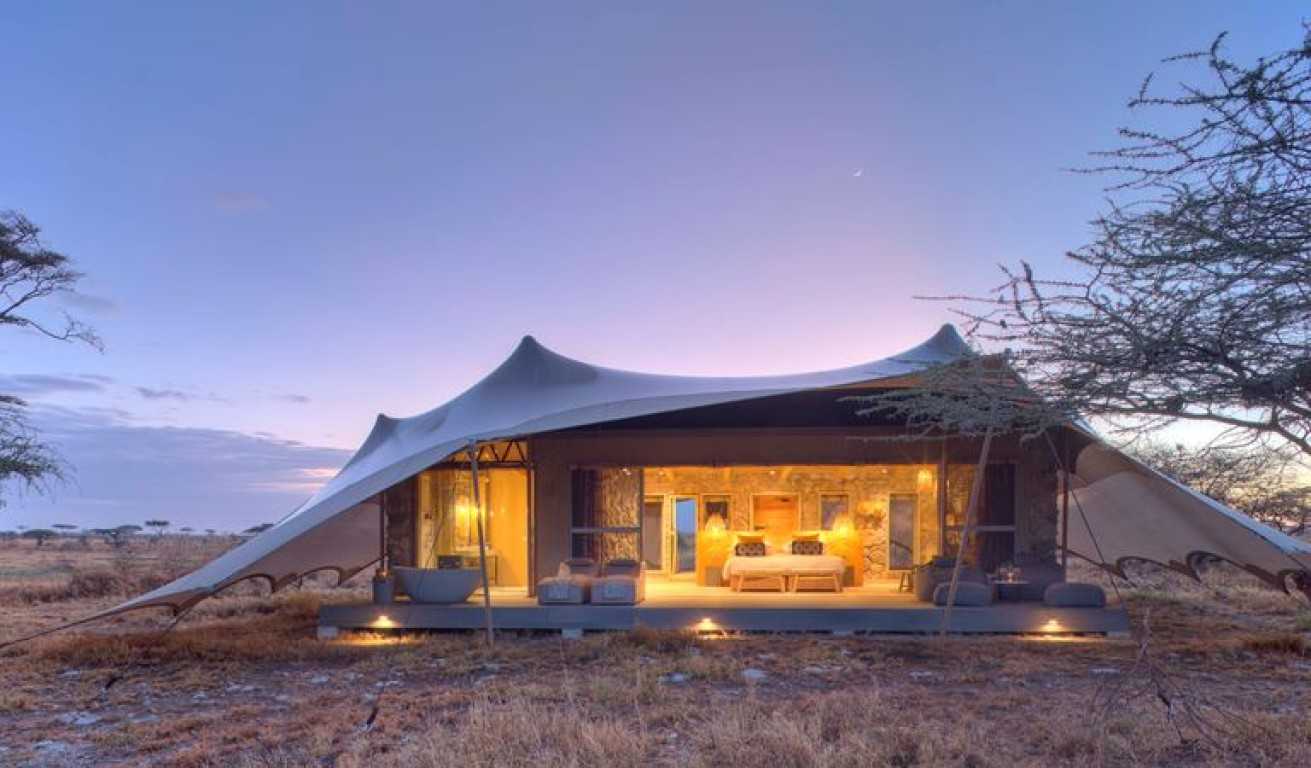
Luxury tented camps combine the atmosphere of a wilderness setting with carefully designed accommodation and personalised hospitality. Some camps are located in seasonal wildlife areas, making their location an important part of the experience.
 05 · EXCLUSIVE COMFORT
Luxury safari lodges are designed for guests seeking elevated comfort, distinctive architecture, attentive hospitality and memorable surroundings. Depending on the property, facilities may include swimming pools, fine dining, private decks, wellness services and expansive views.
Use this overview to understand the differences between the main accommodation styles before selecting your safari package. Actual facilities vary by individual property.
| Accommodation | Comfort | Atmosphere | Suitable For |
|---|---|---|---|
| Camping Safari | Basic | Outdoor and nature-focused | Adventure travellers and budget-conscious guests |
| Budget Lodges & Camps | Simple | Practical and relaxed | Travellers prioritising value |
| Mid-Range Lodges | Comfortable | Relaxed and convenient | Couples, families and first-time visitors |
| Luxury Tented Camps | Premium | Immersive wilderness | Wildlife enthusiasts and premium travellers |
| Luxury Lodges | High-end | Exclusive and refined | Honeymoons and special celebrations |
Before confirming your booking, consider more than the room photographs. These details can make a real difference to your overall safari experience.
Find out whether the property is inside a park, in a conservation area or outside the main gate. Location can influence transfers, park access and game-drive timing.
Confirm room type, bathroom arrangements, hot water, electricity, internet availability and other facilities important to your stay.
Check whether breakfast, lunch, dinner, packed lunches and drinks are included or charged separately.
Some seasonal camps move according to wildlife patterns. Confirm where the camp will operate during your travel dates.
Families, couples and larger groups may need different room configurations, child policies and shared facilities.
Popular properties and seasonal camps can have limited availability. Early planning gives you more accommodation choices.
A property that looks affordable may require longer transfers to your preferred wildlife areas, while a well-positioned camp may offer more convenient access. When comparing options, consider the complete itinerary, not just the accommodation rate. Confirm the property's exact location, applicable park or concession charges and meal arrangements before booking.
Whether you prefer a simple campsite, a comfortable lodge or an exclusive tented camp, GoAccessAfrica Safaris can help you plan accommodation around your preferred destinations, travel dates and budget.
Choose My Safari Accommodation →One of the most important decisions when planning a Tanzania safari is choosing how you want to explore. A private safari offers greater personal flexibility, while a group safari allows you to share the journey and selected costs with other travellers.
Enjoy a safari arranged around your own travel party, preferred dates and interests, with a dedicated vehicle and guide according to your booking arrangement.
Travel alongside other safari guests on an organised departure. Sharing selected vehicle and operational costs can make some safari arrangements more accessible.
Compare the main differences before deciding which travel style suits your Tanzania adventure.
| Feature | Private Safari | Group Safari |
|---|---|---|
| Vehicle | Reserved for your booking party. | Shared with other confirmed guests. |
| Schedule | More flexibility to discuss your daily timing. | Follows the agreed group itinerary and schedule. |
| Game Drives | More freedom to discuss wildlife interests and stops. | Activities and stops are coordinated for the group. |
| Photography | More control over your preferred viewing and photo stops. | Viewing opportunities are shared among passengers. |
| Social Experience | Travel with your own family, friends or private party. | Meet and travel with other safari guests. |
| Accommodation | Can be tailored to your booking preferences. | Usually follows the accommodation plan arranged for the group. |
| Cost Per Person | Can be higher when vehicle and guide costs are carried by a smaller party. | May be lower when eligible shared costs are divided among guests. |
| Best For | Couples, families, photographers and private parties. | Solo travellers, friends and social travellers. |
Your ideal choice depends on your travel priorities, available dates, group size and the kind of experience you want in Tanzania.
You are travelling as a couple or family, have children, prefer a flexible schedule, want a dedicated vehicle, or have particular wildlife and photography interests.
You are travelling solo or with friends, enjoy meeting other people, can work with scheduled departure dates, and would like to share eligible safari costs.
Both options can work well. A private safari offers more personal time, while a group departure may help manage the overall cost.
A private safari often provides more flexibility for children's needs, meal stops and a comfortable pace. Discuss age requirements and vehicle arrangements first.
Not every group safari operates in the same way. Before confirming, ask about the maximum number of passengers, vehicle seating capacity, luggage arrangements, accommodation category, inclusions, departure confirmation and what happens if the minimum group size is not reached. A shared safari should always have its arrangements clearly explained.
Tell us your preferred travel dates, number of travellers and budget range. Our team can help you explore a private or group safari arrangement that matches your plans.
Tanzania is accessible through several international and domestic airports. Choosing the right arrival point can make a big difference to your safari schedule, transfers and overall travel experience.
 Welcome to Tanzania, East Africa
If your main goal is to explore the Serengeti, Ngorongoro Crater, Tarangire and other northern safari destinations, Kilimanjaro International Airport is often the most convenient international arrival point.
Travellers visiting Zanzibar may prefer to fly directly to Zanzibar or connect through Dar es Salaam. Those exploring southern Tanzania may find Dar es Salaam or a domestic flight connection more practical.
Your best airport depends on your international flight, safari starting point, domestic connections and final itinerary.
Understand the four important airport options and the travel experiences they connect you to.
Located between Arusha and Moshi, JRO is a major gateway for travellers planning northern Tanzania safaris and Mount Kilimanjaro climbing adventures.
Serving Dar es Salaam, this is an important international gateway for visitors arriving in Tanzania, connecting to Zanzibar and exploring the country's southern safari destinations.
Located on Unguja Island, this airport is the main air gateway for travellers heading directly to Zanzibar's beaches, resorts, Stone Town and island experiences.
Arusha Airport mainly serves domestic and regional flights. It is useful for selected connections to safari airstrips and other destinations within Tanzania.
Use your main travel destination as a starting point when selecting your arrival airport. Your final flight route and available connections should also be considered.
Your journey does not end when your plane lands. You may need an airport pickup, hotel transfer, domestic flight or a road journey to reach your safari destination.
Arranging your transfer in advance helps you understand where you will be collected, how long the journey may take and what happens if your flight is delayed.
For longer safari itineraries, your operator can advise whether travelling by road or taking a domestic flight is more suitable.
Travel information: Airport routes, airline schedules, flight connections, transfer times and immigration requirements can change. Always confirm current details directly with your airline, airport, relevant Tanzanian authorities and travel operator before departure. An airport recommendation is not a guarantee that a direct flight operates from your home country.
Share your arrival airport, flight details and intended safari destinations. GoAccessAfrica Safaris can help coordinate the right starting point and travel arrangements for your journey.
A memorable safari begins long before you arrive in Tanzania. Use this practical packing and preparation guide to organise your essentials, travel documents and safari equipment before setting off on your African adventure.
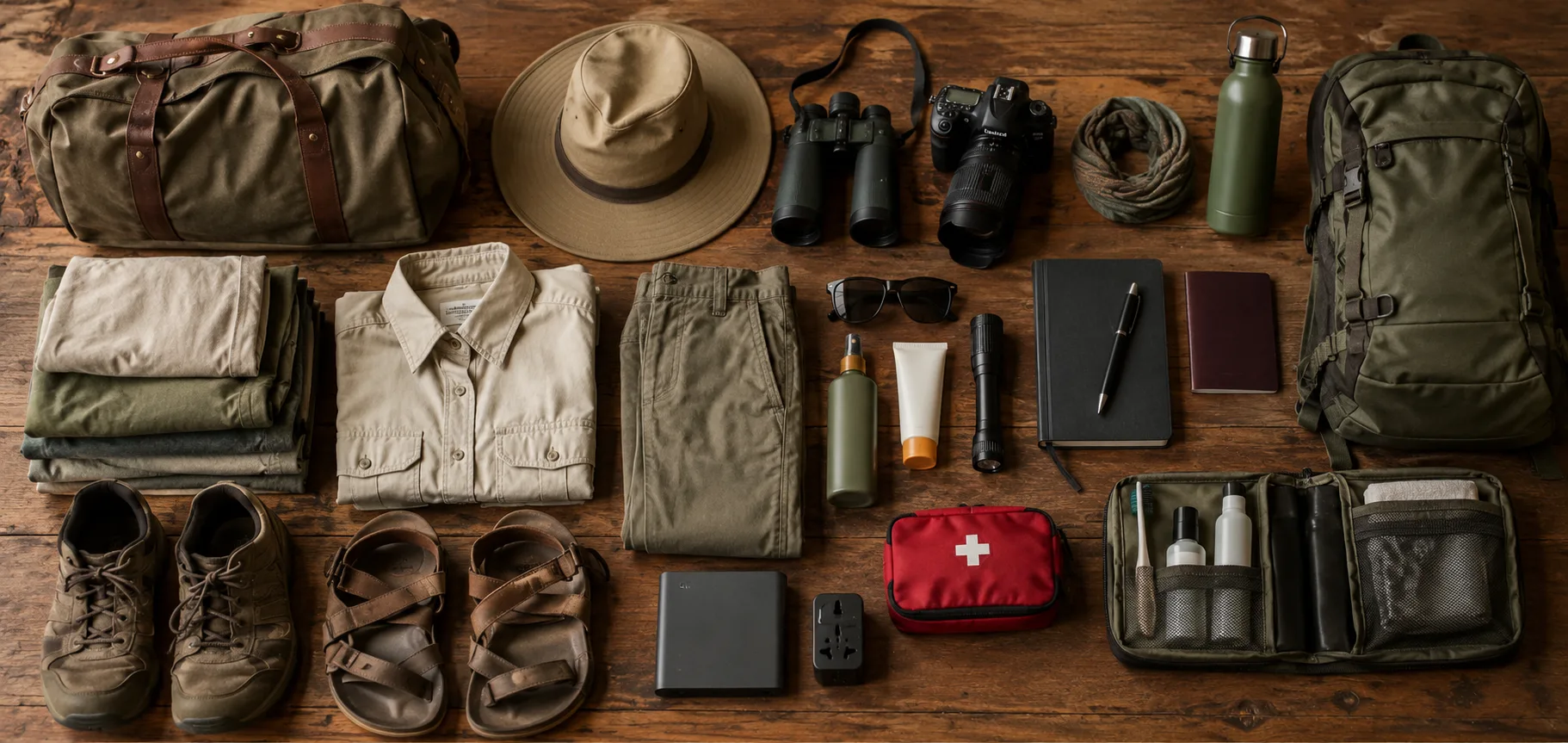
Tanzania safari days can begin early, include several hours in a 4×4 vehicle and take you through different landscapes and weather conditions.
The right clothing, comfortable footwear, sun protection, travel documents and personal essentials can make your journey more comfortable.
Your packing list may also change depending on the season, accommodation style, safari duration and whether you are combining wildlife viewing with Kilimanjaro trekking or a Zanzibar beach holiday.
If your holiday includes more than a traditional wildlife safari, remember to prepare for the specific activities in your itinerary.
Prepare technical hiking boots, thermal base layers, insulated clothing, waterproof outerwear, trekking poles, a suitable sleeping bag and a properly fitted daypack. Follow the equipment list provided by your climbing operator.
Pack swimwear, beach sandals, sun protection, lightweight clothing and suitable outfits for your planned activities. Respect local customs and dress appropriately when visiting villages and religious or cultural sites.
Confirm what your operator supplies, including tents, sleeping arrangements, bedding and camping equipment. Bring personal comfort items and warm layers for cooler nights.
If your safari includes domestic flights, particularly smaller aircraft serving remote airstrips, luggage weight and bag type restrictions may differ from international airline allowances. Confirm the exact limits with your airline or safari operator. Soft-sided luggage may be required on some flights.
Every Tanzania safari is different. Tell our team about your destinations, travel dates and planned activities so we can help you understand what to prepare before arrival.