
Discover the top animals in Serengeti and learn where to spot lions, elephants, leopards, cheetahs, and more. Plan the ultimate Serengeti safari with Goaccess Africa Safaris.
Serengeti is home to Africa’s most iconic wildlife. The park hosts the Great Migration involving millions of animals. Lions, elephants, leopards, cheetahs, and buffalo are among the most sought-after sightings. Birdlife and rare species make every safari unique. Goaccess Africa Safaris offers expert-guided wildlife experiences throughout the Serengeti ecosystem.
Introduction to the Top Animals in Serengeti and Why the Park Is a Wildlife Paradise
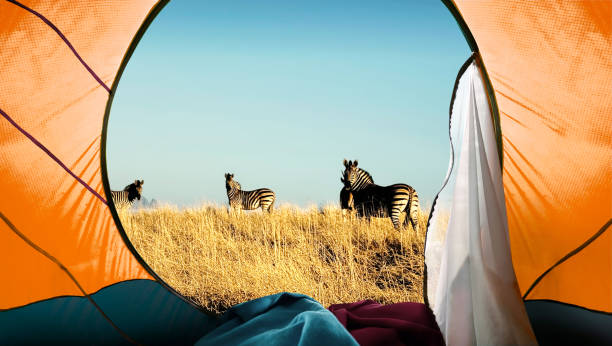
The Serengeti National Park is one of the most famous wildlife destinations on Earth. Located in northern Tanzania, this vast ecosystem covers thousands of square kilometers of grasslands, woodlands, riverine forests, and open savannahs. Every year, travelers from across the globe visit this remarkable destination to witness the incredible diversity of wildlife that calls the region home. When discussing the top animals in Serengeti, it is impossible not to mention the extraordinary abundance of species that thrive within this protected landscape.
The Serengeti is often described as the ultimate safari destination because it provides visitors with unmatched opportunities to observe animals in their natural habitats. Unlike many other wildlife areas, the Serengeti supports large populations of predators and herbivores that interact in a healthy and balanced ecosystem. This natural abundance creates unforgettable wildlife viewing experiences throughout the year.
One of the reasons why the top animals in Serengeti attract so much attention is the sheer number of wildlife species present. The park hosts more than seventy large mammal species and hundreds of bird species. From powerful lions resting beneath acacia trees to graceful giraffes moving across the plains, every game drive offers exciting discoveries.
The Serengeti is perhaps best known for the Great Migration, one of the greatest wildlife spectacles on the planet. During this annual event, millions of wildebeest, zebras, and gazelles travel across the ecosystem in search of fresh grazing land and water. The migration not only showcases the resilience of these animals but also attracts numerous predators that depend on them for survival. This dynamic interaction makes the top animals in Serengeti even more fascinating for visitors and wildlife enthusiasts.
Lions are among the most iconic residents of the Serengeti. The park supports one of the largest lion populations in Africa, making it one of the best places in the world to observe these magnificent predators. Visitors frequently encounter prides resting in the shade, hunting prey, or caring for their cubs. The opportunity to witness lions in their natural environment is one of the highlights of any safari experience.
Elephants are another key attraction. These intelligent and social animals roam various parts of the Serengeti, often traveling in family groups led by experienced matriarchs. Their presence contributes significantly to the reputation of the top animals in Serengeti because they represent one of Africa’s most beloved wildlife species. Watching elephants interact, communicate, and care for their young creates lasting memories for safari guests.
Leopards, although more elusive than lions, are also highly sought after. Their ability to blend into the environment makes every sighting particularly special. Many visitors consider spotting a leopard one of the most rewarding wildlife experiences in the Serengeti. These solitary cats are frequently observed resting in trees or quietly stalking prey through the grasslands.
Another remarkable species is the cheetah, the fastest land animal on Earth. The open plains of the Serengeti provide ideal hunting grounds for cheetahs, allowing visitors to observe their incredible speed and agility. Because of their unique adaptations and hunting behavior, cheetahs consistently rank among the top animals in Serengeti for wildlife photographers and safari enthusiasts.
Buffaloes, often underestimated by first-time visitors, play a crucial role in the ecosystem. Large herds can be seen grazing throughout the park, and their impressive size and strength make them one of Africa’s most respected animals. Together with lions, elephants, leopards, and rhinoceroses, buffaloes form part of the famous Big Five wildlife group.
The Serengeti is also home to countless herbivores that contribute to the area’s biodiversity. Zebras, giraffes, wildebeest, gazelles, impalas, elands, and topis are commonly seen across the landscape. These species support predator populations and help maintain ecological balance. Their abundance is one of the reasons why the top animals in Serengeti continue to thrive.
Bird enthusiasts are equally rewarded. The region supports more than 500 bird species, including ostriches, secretary birds, eagles, vultures, and colorful bee-eaters. Whether exploring the central plains or riverine habitats, visitors can enjoy exceptional birdwatching opportunities throughout the year.
Conservation efforts have played a major role in preserving the wildlife of the Serengeti. National park authorities, conservation organizations, local communities, and responsible tourism operators work together to protect habitats and ensure sustainable wildlife management. These efforts help safeguard the top animals in Serengeti for future generations while supporting local economies through tourism.
Choosing a safari with GoaccessAfrica Safaris allows travelers to experience the Serengeti through the guidance of knowledgeable experts who understand animal behavior, migration patterns, and the best wildlife viewing locations. Professional guides enhance every safari by helping guests locate wildlife and understand the ecological relationships that shape the Serengeti ecosystem.
For anyone planning an African safari, understanding the top animals in Serengeti is the first step toward creating an unforgettable wildlife adventure. The diversity of species, breathtaking landscapes, and world-famous migration combine to make the Serengeti one of the most extraordinary destinations on the planet. In the next section, we will explore the most iconic animals that every visitor hopes to encounter and discover what makes each species unique within this remarkable ecosystem.
The 5 Most Iconic Top Animals in Serengeti Every Visitor Dreams of Seeing
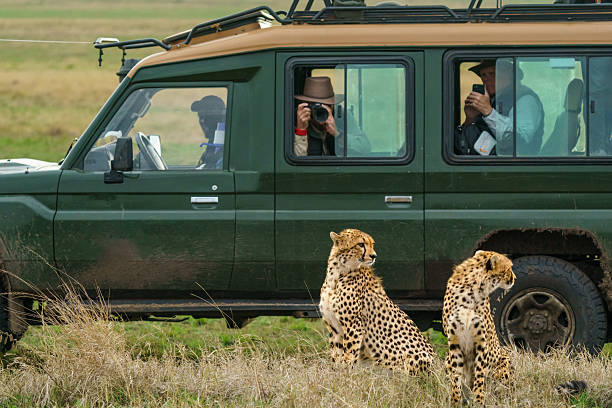
When travelers search for the top animals in Serengeti, they are usually hoping to encounter the legendary wildlife species that have made this ecosystem famous across the world. The Serengeti is one of the few places on Earth where visitors can observe large populations of predators and herbivores living in a natural and relatively untouched environment. From powerful lions dominating the grasslands to elusive leopards hiding in riverine forests, every safari presents an opportunity to witness extraordinary wildlife encounters.
The Serengeti ecosystem supports thousands of animal species, but a handful consistently rank among the most desired sightings for international travelers. These animals represent the heart of the African safari experience and contribute significantly to Tanzania’s reputation as one of the world’s leading wildlife destinations.
Quick Comparison Table of the Top Animals in Serengeti
| Animal | Best Areas to Spot | Sighting Difficulty | Main Attraction |
|---|---|---|---|
| Lion | Central Serengeti | Easy | Large prides and hunting behavior |
| Elephant | Northern & Central Serengeti | Easy | Family groups and giant tusks |
| Leopard | Seronera Region | Moderate | Rare and photogenic sightings |
| Buffalo | Throughout Serengeti | Easy | Massive herds and Big Five status |
| Black Rhino | Northern Serengeti | Difficult | Extremely rare conservation success |
1. Lions: The Kings of the Serengeti
No discussion about the top animals in Serengeti would be complete without lions. The Serengeti is home to one of the largest lion populations in Africa, making it one of the best destinations in the world to observe these magnificent predators.
Lions thrive in the open plains because the landscape provides ideal hunting conditions. Visitors frequently encounter prides resting beneath acacia trees during the day before becoming active in the cooler hours of the morning and evening. Watching lions interact within family groups offers valuable insight into their social behavior.
Unlike many large cats, lions live in organized prides consisting of related females, cubs, and dominant males. This social structure increases hunting efficiency and enhances survival rates. Safari guests often witness lionesses working together during hunts, demonstrating remarkable teamwork and coordination.
One reason lions remain among the most sought-after top animals in Serengeti is the possibility of witnessing dramatic predator-prey interactions. Whether tracking wildebeest during migration season or ambushing zebras near water sources, lions create some of the most memorable wildlife experiences available in Africa.
2. African Elephants: Gentle Giants of the Savannah
African elephants are among the largest land mammals on the planet and rank high on every list of the top animals in Serengeti. Their intelligence, emotional complexity, and impressive size make them favorites among safari visitors.
Elephants play a vital ecological role within the Serengeti ecosystem. By uprooting vegetation, dispersing seeds, and creating pathways through dense habitats, they help shape the landscape for countless other species.
Most elephant groups are led by experienced matriarchs who guide family members between feeding areas, water sources, and safe habitats. These family units display strong social bonds, and visitors frequently observe touching interactions between mothers and calves.
Photographers particularly appreciate elephant sightings because of the opportunities to capture dramatic wildlife images against the Serengeti’s vast landscapes. Sunrise and sunset often provide ideal lighting conditions for unforgettable elephant photography.
Guests traveling with GoaccessAfrica Safaris frequently enjoy close but respectful encounters with elephant herds under the guidance of experienced safari experts who prioritize both visitor safety and wildlife conservation.
3. Leopards: The Most Elusive Big Cats
Among the top animals in Serengeti, leopards are often considered the most challenging and rewarding species to locate. Their solitary nature and exceptional camouflage skills make each sighting feel like a major achievement.
Leopards prefer riverine forests, rocky outcrops, and wooded areas where they can remain hidden while hunting. The Seronera region is particularly famous for consistent leopard sightings due to its combination of permanent water sources and mature trees.
Unlike lions, leopards spend much of their time alone. They are highly adaptable predators capable of hunting a wide variety of prey species. Their strength allows them to drag kills into trees, protecting food from scavengers such as hyenas and lions.
Wildlife enthusiasts often describe leopard sightings as one of the highlights of their safari experience. Seeing a leopard draped across a tree branch or silently moving through tall grass creates a sense of excitement that few wildlife encounters can match.
Because of their beauty, intelligence, and elusive nature, leopards remain firmly established among the most impressive top animals in Serengeti.
4. African Buffalo: The Underestimated Member of the Big Five
Buffaloes may not receive the same attention as lions or leopards, but they are undoubtedly among the most important top animals in Serengeti. These powerful herbivores are known for their strength, resilience, and unpredictable behavior.
Large buffalo herds can contain hundreds or even thousands of individuals. Their collective defense strategies make them one of the few species capable of successfully confronting major predators.
Buffaloes spend much of their time grazing on grasses throughout the Serengeti plains. During dry periods, they often gather near rivers and permanent water sources where vegetation remains available.
Many experienced safari guides consider buffaloes one of Africa’s most dangerous animals due to their willingness to defend themselves aggressively when threatened. This reputation has earned them tremendous respect among wildlife professionals.
Visitors interested in understanding predator-prey relationships will find buffalo behavior particularly fascinating. Lions often target buffaloes because of their size and nutritional value, resulting in dramatic encounters that highlight the realities of life in the wild.
5. Black Rhinoceroses: Rare Treasures of the Serengeti
Black rhinos are among the rarest top animals in Serengeti and represent one of the greatest conservation success stories in Tanzania. Decades of anti-poaching efforts have helped stabilize rhino populations in carefully protected areas.
Unlike other members of the Big Five, black rhinos are exceptionally difficult to locate. Their limited numbers mean that every sighting is considered a special privilege.
Rhinos are primarily browsers, feeding on shrubs, bushes, and woody vegetation rather than grass. Their distinctive hooked lips help them efficiently gather plant material from thorny vegetation.
Conservation authorities continue working closely with wildlife organizations to ensure the long-term survival of rhino populations throughout Tanzania. Responsible tourism contributes directly to these conservation efforts by generating revenue that supports habitat protection and anti-poaching initiatives.
For many safari travelers, spotting a black rhino represents the ultimate wildlife achievement. It is often the final species needed to complete the famous Big Five checklist.
Why These Species Define the Top Animals in Serengeti
While the Serengeti supports countless wildlife species, lions, elephants, leopards, buffaloes, and black rhinos remain the foundation of most safari experiences. Together they showcase the diversity, ecological complexity, and conservation importance of this remarkable ecosystem.
These iconic species attract wildlife photographers, conservationists, researchers, and adventure travelers from around the world. Their presence reinforces the Serengeti’s position as one of Africa’s premier safari destinations and explains why the top animals in Serengeti continue to captivate millions of visitors every year.
For travelers planning their next wildlife adventure, exploring the Serengeti with GoaccessAfrica Safaris offers the opportunity to encounter these extraordinary animals while gaining deeper insight into the ecosystems that sustain them. In the next section, we will explore migration species, cheetahs, giraffes, zebras, wildebeest, and other wildlife that make the Serengeti one of the most biodiverse safari destinations in Africa.
Beyond the Big Five – Migration Species and Other Top Animals in Serengeti You Should Never Miss
While the Big Five attract significant attention from international travelers, many wildlife experts agree that the true magic of the Serengeti lies in its extraordinary diversity of species. Some of the most memorable safari experiences involve animals that are not part of the famous Big Five but play an equally important role in the ecosystem. For travelers researching the Top Animals in Serengeti, understanding these additional wildlife species is essential for planning a rewarding safari adventure.
The Serengeti ecosystem supports one of the most spectacular wildlife concentrations on Earth. Its vast grasslands, seasonal rivers, rocky kopjes, and woodland habitats provide ideal conditions for countless species to thrive. Beyond lions, elephants, leopards, buffaloes, and rhinos, visitors have the opportunity to witness the famous Great Migration and observe some of Africa’s most fascinating animals in their natural environment.
Why Migration Species Are Among the Top Animals in Serengeti
The Great Migration is often described as the greatest wildlife show on Earth. Every year, more than two million animals move across the Serengeti-Mara ecosystem in search of fresh grazing land and reliable water sources.
This incredible journey involves:
- Over 1.5 million wildebeest
- Hundreds of thousands of zebras
- Large numbers of Thomson’s gazelles
- Predators following migration routes
- Dramatic river crossings filled with danger
Because of their central role in this natural phenomenon, migration species are widely regarded as some of the most important Top Animals in Serengeti.
Wildebeest: The Stars of the Great Migration
When discussing the Top Animals in Serengeti, wildebeest deserve special recognition. These animals are the driving force behind the Great Migration and represent one of the largest mammal movements on the planet.
Wildebeest travel hundreds of kilometers each year, facing numerous challenges along the way. Their journey includes drought conditions, predator attacks, and dangerous river crossings where crocodiles wait for opportunities to hunt.
Although individual wildebeest may appear ordinary, their collective movement creates one of the most breathtaking wildlife spectacles in the world. Massive herds stretching across the horizon provide unforgettable photography opportunities and demonstrate the incredible power of nature.
Visitors who witness thousands of wildebeest moving together often describe the experience as the highlight of their African safari.
Zebras: Essential Members of the Migration
Zebras are among the most photographed Top Animals in Serengeti and are closely linked to the migration cycle. Their striking black-and-white patterns make them instantly recognizable and highly attractive to wildlife photographers.
Unlike wildebeest, zebras prefer longer grasses. This feeding behavior actually benefits the migration because zebras often graze first, preparing the grasslands for wildebeest that follow behind.
Interesting zebra characteristics include:
- Strong family structures
- Excellent memory of migration routes
- Unique stripe patterns for individual identification
- Exceptional awareness of predators
Large zebra herds add visual beauty and ecological balance to the Serengeti ecosystem.
Cheetahs: The Fastest Top Animals in Serengeti
Among all the Top Animals in Serengeti, cheetahs are perhaps the most exciting predators to observe. Built for speed, cheetahs can accelerate faster than most sports cars and reach remarkable speeds during hunts.
The Serengeti’s open plains provide ideal hunting grounds because cheetahs rely on visibility and speed rather than strength. Their slender bodies, lightweight frames, and specialized adaptations allow them to chase prey with extraordinary efficiency.
Unlike lions and leopards, cheetahs generally hunt during daylight hours, giving safari visitors more opportunities to observe their behavior.
Wildlife enthusiasts frequently hope to witness:
- Cheetahs scanning the plains from termite mounds
- Mothers teaching cubs hunting techniques
- High-speed chases involving gazelles
- Resting cheetahs using elevated viewpoints
These experiences make cheetahs one of the most desirable Top Animals in Serengeti for safari guests.
Giraffes: The Gentle Giants of the Savannah
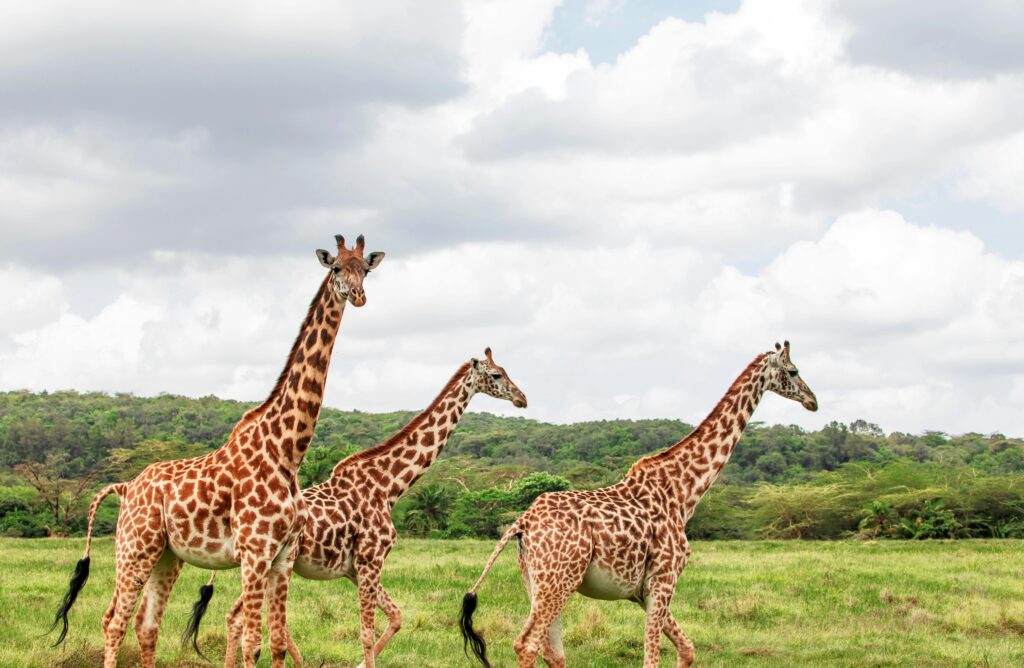
The Masai giraffe is another species that consistently appears on lists of the Top Animals in Serengeti. Towering above the landscape, giraffes bring elegance and uniqueness to every safari experience.
Their long necks allow them to access food sources unavailable to most other herbivores. Acacia trees provide an important food supply, and giraffes have evolved specialized tongues capable of navigating thorny branches.
Visitors appreciate giraffes because they:
- Are easy to observe
- Display graceful movement
- Create stunning photography opportunities
- Represent one of Africa’s most iconic species
Watching a group of giraffes move across the Serengeti plains during sunrise or sunset creates some of the most beautiful safari moments imaginable.
Hippos: The Powerful River Residents
Hippos may spend much of their time submerged in water, but they remain among the most fascinating Top Animals in Serengeti.
Large hippo pods can often be found in rivers and permanent water pools throughout the ecosystem. During the day they remain in the water to stay cool, while at night they emerge to graze on surrounding vegetation.
Hippos are known for:
- Massive body size
- Strong territorial behavior
- Loud vocal communication
- Significant ecological influence on river systems
Although they appear calm while resting in water, hippos are extremely powerful animals and command respect from both humans and predators.
Nile Crocodiles: Ancient Predators of the Serengeti
Few animals inspire as much excitement during migration season as Nile crocodiles. These reptiles are among the oldest and most successful predators on Earth.
River crossings often place crocodiles at the center of wildlife drama. As migrating herds attempt to cross rivers, crocodiles use patience and stealth to ambush vulnerable animals.
For many visitors, observing crocodiles during migration crossings represents one of the most thrilling wildlife experiences available in Africa.
Their role as apex predators helps maintain ecological balance throughout the Serengeti ecosystem.
Thomson’s Gazelles and Grant’s Gazelles
Gazelles are often overlooked despite being among the most abundant Top Animals in Serengeti.
These graceful antelopes contribute significantly to the food chain and provide important prey for cheetahs, lions, leopards, and hyenas.
Key characteristics include:
- Exceptional speed and agility
- Strong herd behavior
- Excellent predator awareness
- Adaptability to open grasslands
Their presence supports healthy predator populations and strengthens the ecosystem’s overall biodiversity.
Hyenas: The Most Misunderstood Top Animals in Serengeti
Hyenas are frequently misunderstood, yet they rank among the most successful predators in Africa. Many people incorrectly assume hyenas survive mainly through scavenging.
In reality, spotted hyenas are highly skilled hunters capable of bringing down large prey independently.
Reasons hyenas deserve recognition among the Top Animals in Serengeti include:
- Highly intelligent social structures
- Exceptional hunting success rates
- Strong clan organization
- Important ecological cleaning role
Experienced safari guides often highlight hyena behavior because it provides valuable insight into predator dynamics within the Serengeti.
Expert Insight from GoaccessAfrica Safaris
According to experienced guides at GoaccessAfrica Safaris, many travelers arrive expecting only to see lions and elephants. However, they often leave with a deeper appreciation for migration species, cheetahs, giraffes, and other wildlife that make the Serengeti ecosystem truly unique.
Professional safari guides consistently emphasize that understanding the interactions between all species creates a richer and more meaningful safari experience.
Why These Species Strengthen the List of Top Animals in Serengeti
The Serengeti’s global reputation is not built solely on the Big Five. Its extraordinary biodiversity is what truly sets it apart from other safari destinations. Wildebeest, zebras, cheetahs, giraffes, hippos, crocodiles, gazelles, and hyenas all contribute to the ecological balance that makes the region exceptional.
For wildlife enthusiasts seeking authentic African safari experiences, these species provide countless opportunities for observation, photography, and education. Together, they expand the definition of the Top Animals in Serengeti and demonstrate why millions of visitors continue to choose this remarkable destination year after year.
In the final section, we will explore the best times to see the Top Animals in Serengeti, seasonal wildlife viewing opportunities, expert safari tips, frequently asked questions, and practical planning advice for travelers visiting with GoaccessAfrica Safaris.