7 Days Machame Route
The 7 Days Machame Route is one of the most popular ways to climb Mount Kilimanjaro, combining spectacular scenery, a well-established trekking route, and a gradual approach to the summit.
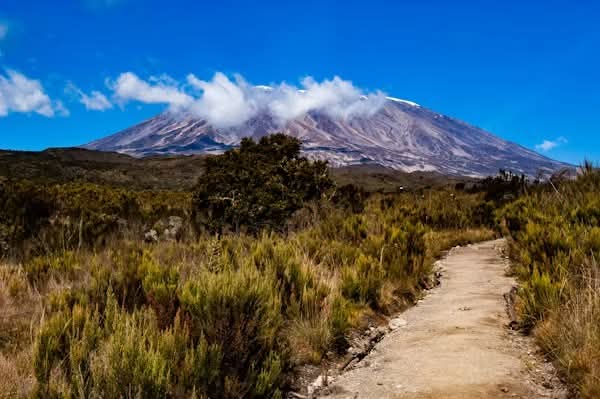
Often known as the “Whiskey Route,” Machame approaches Kilimanjaro from the southern side and takes trekkers through several distinct ecological zones, from lush montane rainforest to open moorland, alpine desert, and the high-altitude summit zone.
This 7-day midrange Kilimanjaro trek is designed for travelers who want a balance between comfort, professional mountain support, safety, and value for money. Rather than focusing on luxury, the experience provides quality camping equipment, experienced mountain guides, nutritious meals, reliable logistics, and a dedicated support crew.
The route passes through some of Kilimanjaro’s most impressive landscapes, including the Shira Plateau, Lava Tower, Barranco Valley, Karanga Valley, and Barafu Camp before the final ascent to Uhuru Peak at 5,895 meters (19,341 feet).
One of the major advantages of the 7-day itinerary is that it provides more time for acclimatization than shorter Machame programs. The route follows the important “climb high, sleep low” principle, particularly around Lava Tower and Barranco, helping trekkers gradually adapt to the increasing altitude.
After reaching Uhuru Peak, the highest point in Africa, you descend through the Mweka Route before returning to Moshi.
This itinerary is ideal for travelers looking for a comfortable and well-organized Kilimanjaro trekking experience without the premium cost of a luxury expedition.
Trek Highlights
- Climb Mount Kilimanjaro via the scenic Machame Route
- Experience the famous Whiskey Route
- Enjoy a 7-day trekking schedule with gradual acclimatization
- Trek through Kilimanjaro's diverse ecological zones
- Explore the lush montane rainforest
- Cross the spectacular Shira Plateau
- Experience the Lava Tower acclimatization section
- Trek through the dramatic Barranco Valley
- Climb the famous Barranco Wall
- Continue through Karanga Valley to Barafu Camp
- Summit Uhuru Peak at 5,895m
- Experience sunrise from the summit area
- Descend through the Mweka Route
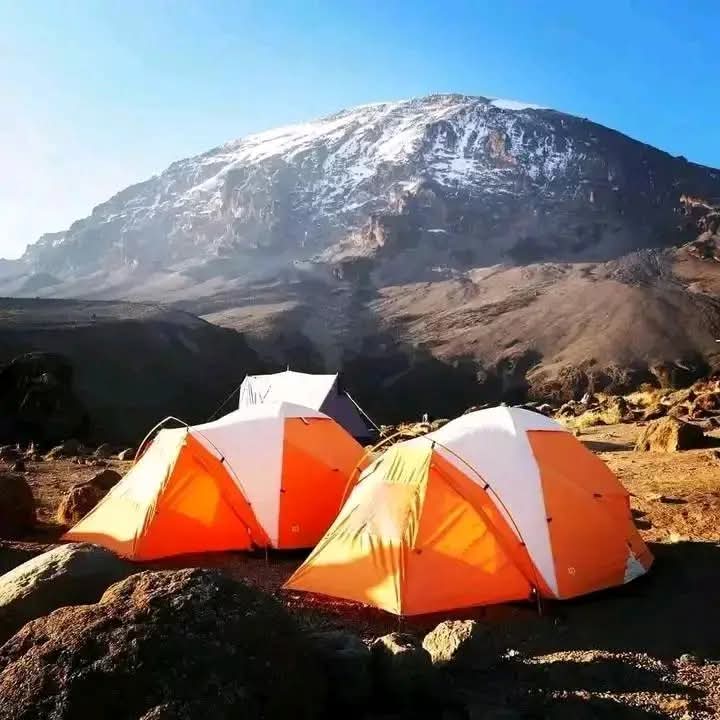
- Stay in quality mountain tents
- Enjoy freshly prepared meals throughout the trek
- Trek with an experienced professional mountain crew
- Benefit from altitude and safety monitoring
- Enjoy a balanced midrange trekking experience
7 Days Machame Route Itinerary – Day by Day
The 7 Days Machame Route is one of the most popular ways to climb Mount Kilimanjaro, combining spectacular scenery, a well-established trekking route, and a gradual approach to the summit.
Often known as the “Whiskey Route,” Machame approaches Kilimanjaro from the southern side and takes trekkers through several distinct ecological zones, from lush montane rainforest to open moorland, alpine desert, and the high-altitude summit zone.
This 7-day midrange Kilimanjaro trek is designed for travelers who want a balance between comfort, professional mountain support, safety, and value for money. Rather than focusing on luxury, the experience provides quality camping equipment, experienced mountain guides, nutritious meals, reliable logistics, and a dedicated support crew.
The route passes through some of Kilimanjaro's most impressive landscapes, including the Shira Plateau, Lava Tower, Barranco Valley, Karanga Valley, and Barafu Camp before the final ascent to Uhuru Peak at 5,895 meters (19,341 feet).
One of the major advantages of the 7-day itinerary is that it provides more time for acclimatization than shorter Machame programs. The route follows the important “climb high, sleep low” principle, particularly around Lava Tower and Barranco, helping trekkers gradually adapt to the increasing altitude.
After reaching Uhuru Peak, the highest point in Africa, you descend through the Mweka Route before returning to Moshi.
This itinerary is ideal for travelers looking for a comfortable and well-organized Kilimanjaro trekking experience without the premium cost of a luxury expedition.
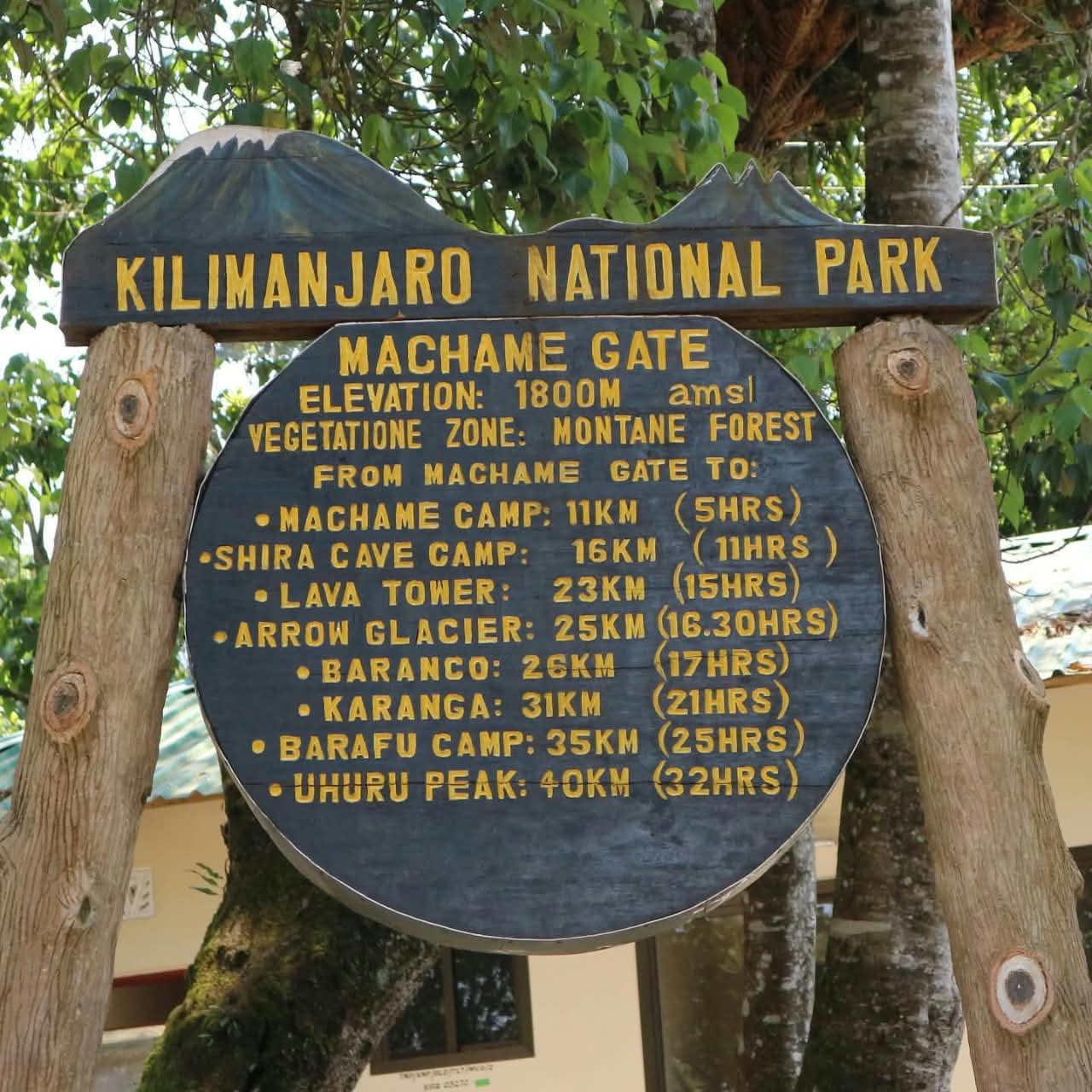
Elevation: 1,800m to 3,000m
Distance: Approximately 11 km
Hiking Time: 5–7 hours
Habitat: Montane Forest
After breakfast in Moshi, you will drive to Machame Gate, where you will complete the necessary park registration and entry procedures.
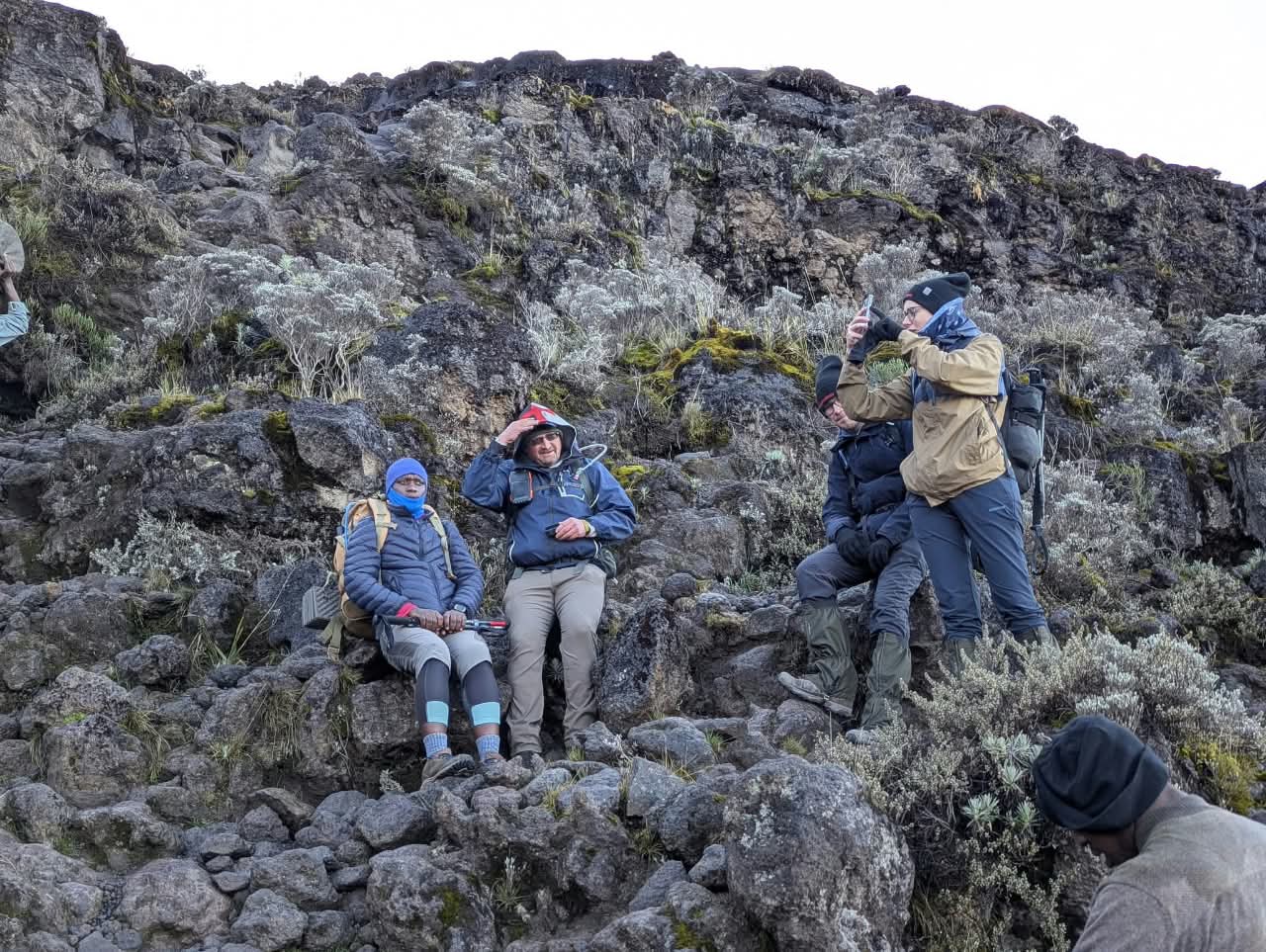
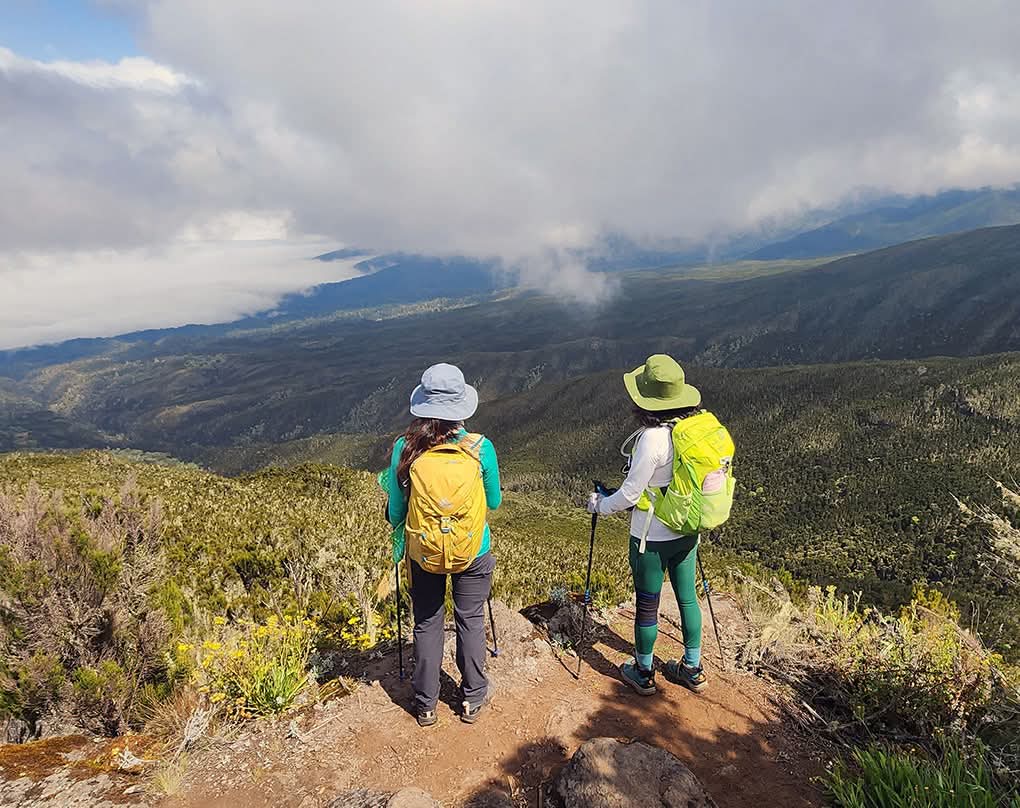
Once preparations are complete, your trek begins through the lush montane rainforest.
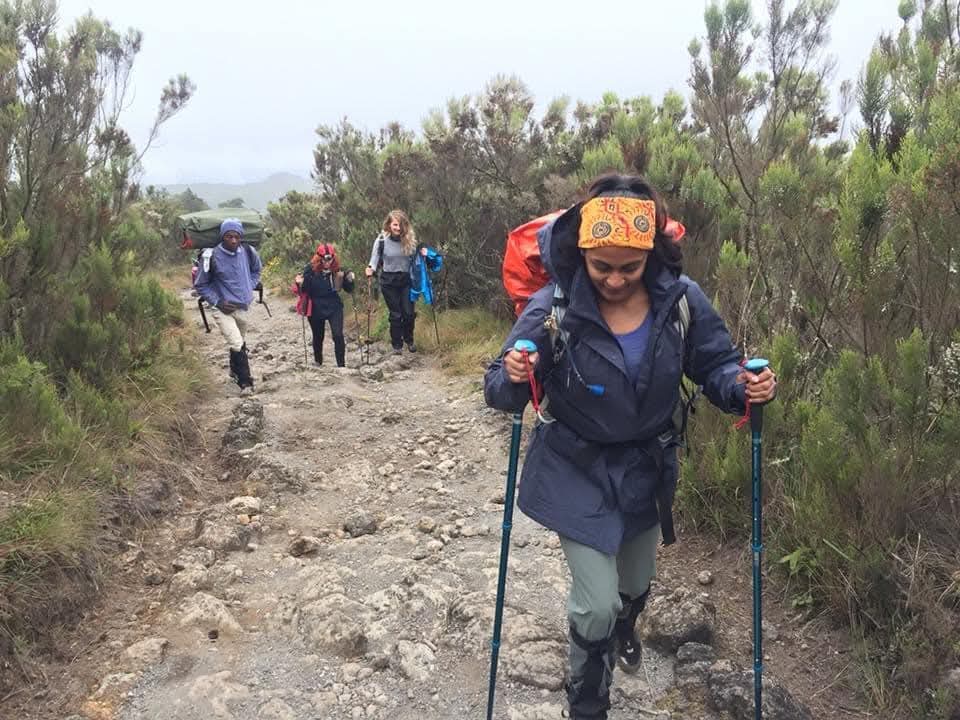
The first section of the Machame Route is relatively gradual, allowing you to settle into a comfortable walking pace. The forest is dense and green, with tall trees, hanging moss, and rich vegetation surrounding the trail.
You may also encounter different species of birds and, occasionally, monkeys along the route.
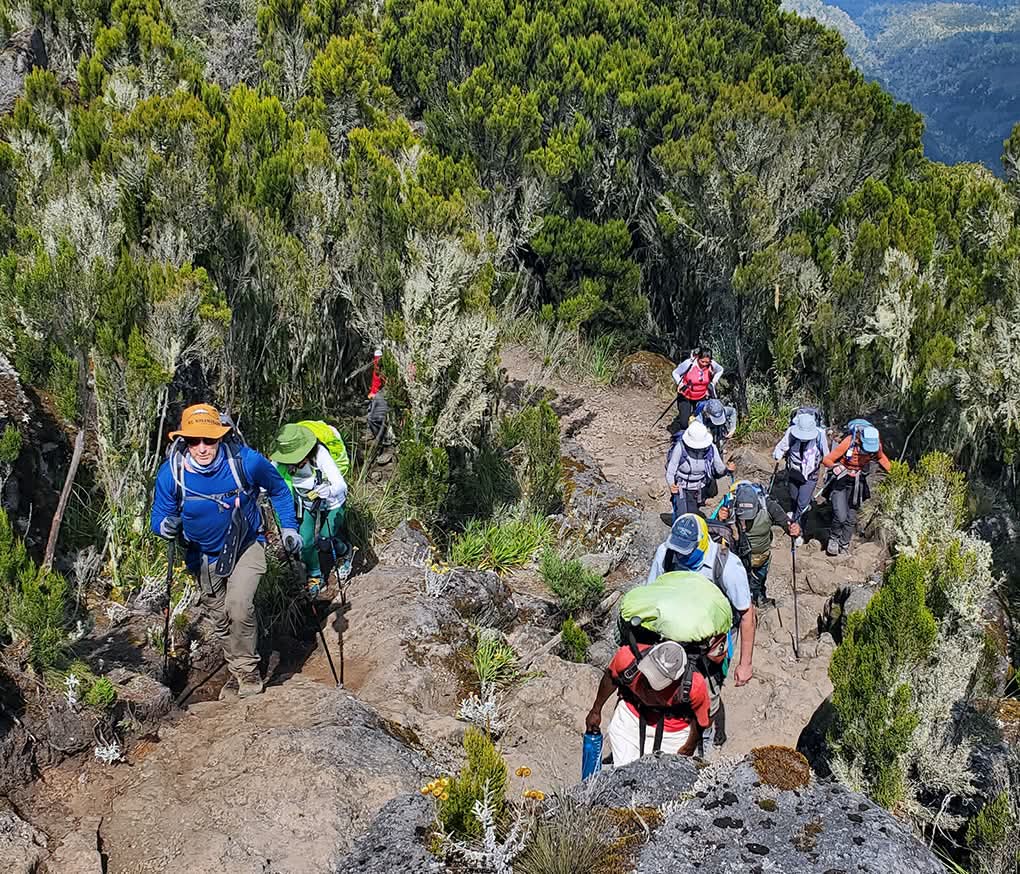
Your professional mountain crew will maintain a steady pace designed to conserve your energy for the higher elevations ahead.
After several hours of trekking, you arrive at Machame Camp, where your tent will already be prepared by the support crew.
You can relax, enjoy a freshly prepared dinner, and rest for the night.
Overnight: Machame Camp
Meals: Lunch & Dinner
Elevation: 3,000m to 3,840m
Distance: Approximately 5 km
Hiking Time: 4–6 hours
Habitat: Moorland
After breakfast, you leave the rainforest behind and continue toward the higher moorland zone.
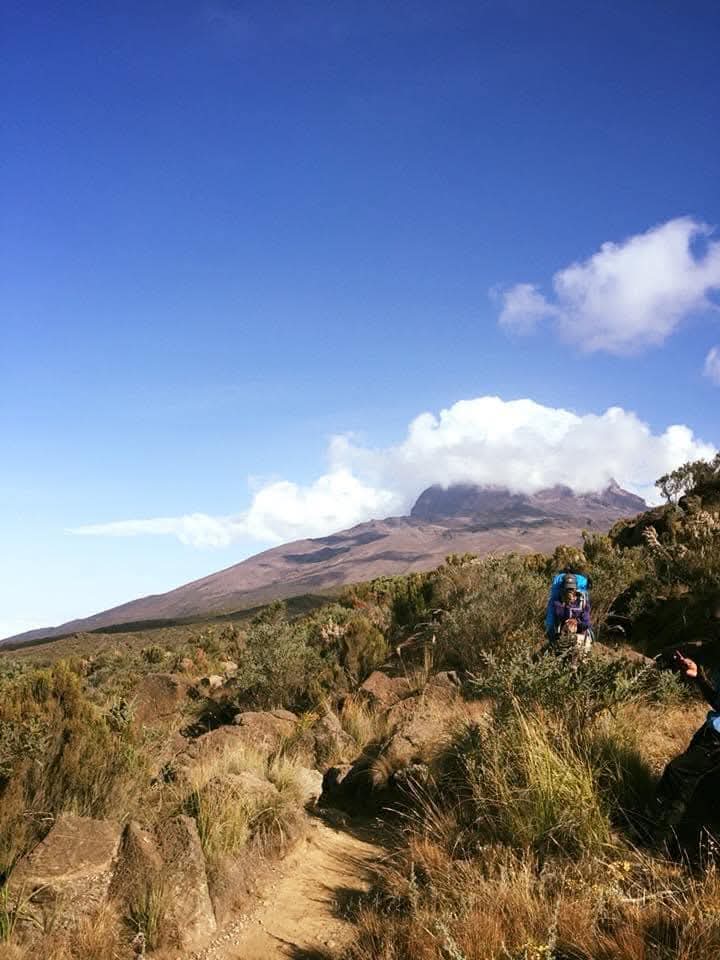
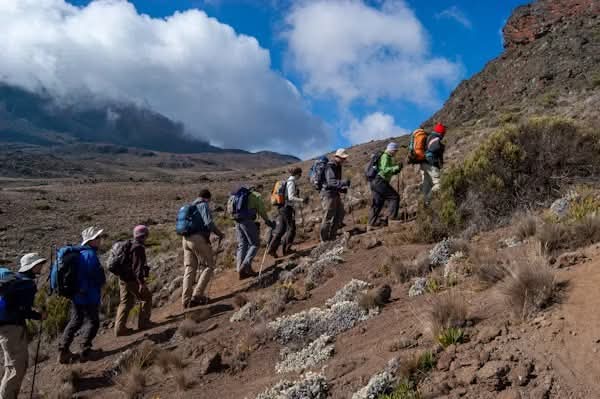
The trail becomes steeper as you ascend through changing vegetation. The dense forest gradually gives way to open landscapes covered with giant heathers and high-altitude plants.
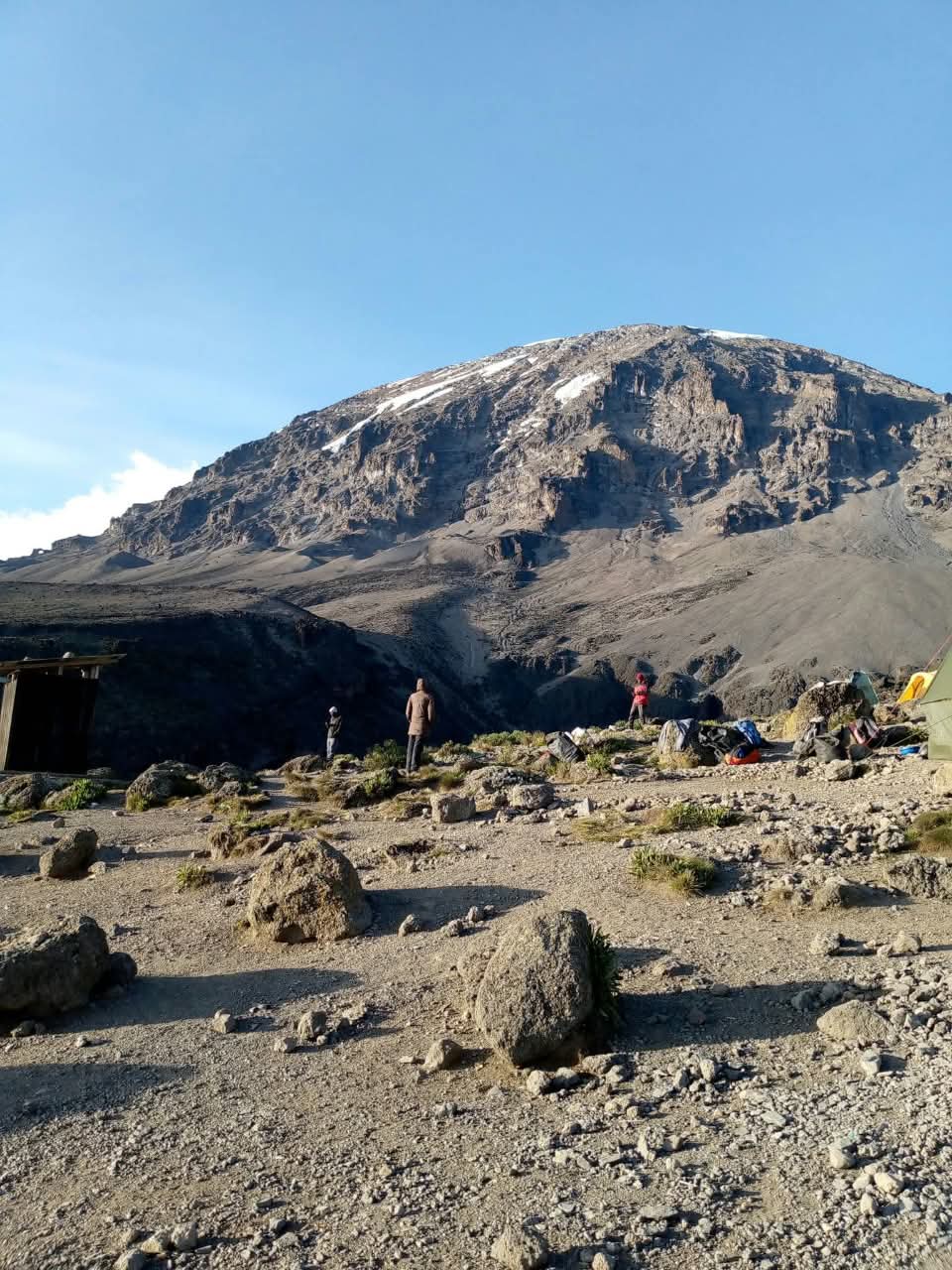
As you gain elevation, views of Kibo, the highest volcanic cone of Kilimanjaro, become increasingly impressive.
The trail eventually reaches the spectacular Shira Plateau, one of the most scenic sections of the mountain.
You continue toward Shira Camp, where the crew will prepare your accommodation and meals.
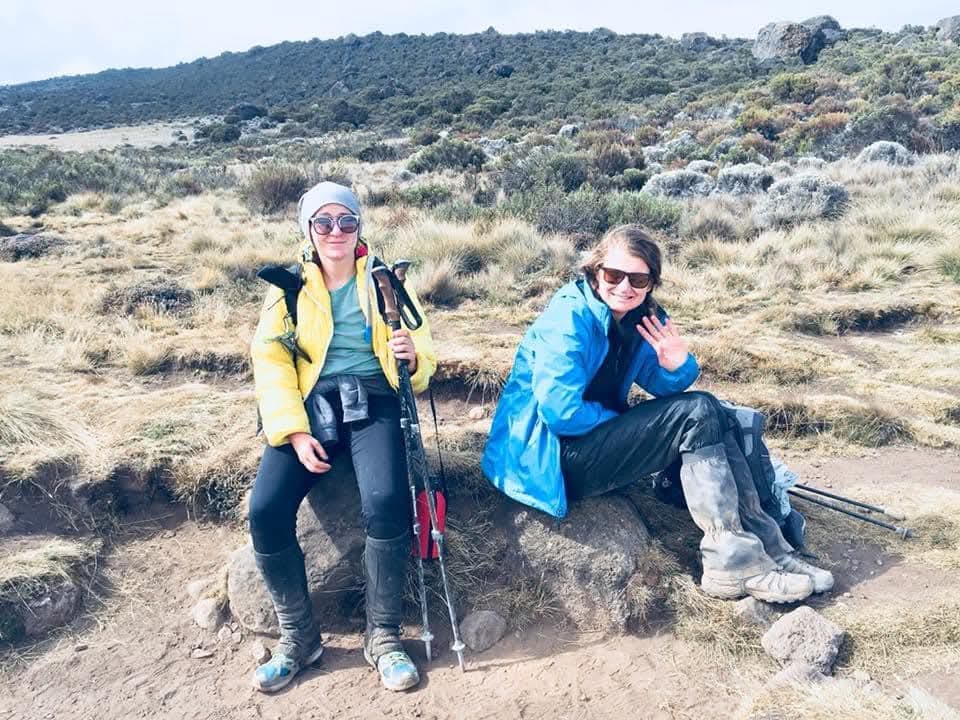
The afternoon provides an opportunity to rest, hydrate, and enjoy the surrounding mountain scenery.
Overnight: Shira Camp
Meals: Breakfast, Lunch & Dinner
Elevation: 3,840m → 4,630m → 3,960m
Distance: Approximately 10–11 km
Hiking Time: 6–8 hours
Habitat: Semi-Desert / Alpine Desert
Today is an important acclimatization day.
After breakfast, you leave Shira Camp and gradually climb toward Lava Tower, reaching approximately 4,630 meters.
The landscape becomes increasingly dry and rocky as you enter the alpine desert zone.
Reaching Lava Tower provides an important opportunity for your body to experience a higher elevation before descending to sleep at a lower altitude. This follows the valuable “climb high, sleep low” approach used during Kilimanjaro acclimatization.
After spending some time around Lava Tower, you continue descending toward the spectacular Barranco Valley.
The descent brings you to Barranco Camp, situated at approximately 3,960 meters.
From camp, you can enjoy impressive views of the surrounding cliffs and the dramatic southern slopes of Kilimanjaro.
Overnight: Barranco Camp
Meals: Breakfast, Lunch & Dinner
Elevation: 3,960m to 4,035m
Distance: Approximately 5 km
Hiking Time: 4–5 hours
Habitat: Alpine Desert
After breakfast, you begin one of the most memorable sections of the Machame Route.
The day starts with the famous Barranco Wall.
Although the wall looks intimidating from camp, it is a trekking section rather than a technical climbing route. Your experienced guide will help you navigate the steeper sections safely and at a comfortable pace.
Once above the Barranco Wall, the trail continues through a series of ridges and valleys.
You gradually make your way toward Karanga Camp, located at approximately 4,035 meters.
Because today's distance is relatively short, you will have plenty of time to rest and recover after reaching camp.
Your crew will prepare a warm meal while you enjoy the dramatic views of the mountain.
Overnight: Karanga Camp
Meals: Breakfast, Lunch & Dinner
Elevation: 4,035m to 4,640m
Distance: Approximately 4 km
Hiking Time: 4–5 hours
Habitat: Alpine Desert
After breakfast, you continue toward Barafu Camp, the final major camp before the summit attempt.
The trail gradually climbs through increasingly barren alpine terrain.
As you approach Barafu, vegetation becomes scarce and the landscape becomes rocky and exposed.
Although today's hike is relatively short, the altitude makes the trek more demanding than the distance suggests.
Upon reaching Barafu Camp, your guide will provide a detailed briefing about the summit attempt.
You will have an early dinner and prepare your personal equipment for the night ascent.
Try to rest as much as possible because the summit hike begins around midnight.
Overnight: Barafu Camp
Meals: Breakfast, Lunch & Dinner
Elevation: 4,640m → 5,895m → 3,080m
Distance: Approximately 14–17 km
Hiking Time: 12–15 hours
Habitat: Arctic / Alpine Desert
Today is the most challenging and rewarding day of your Kilimanjaro trek.
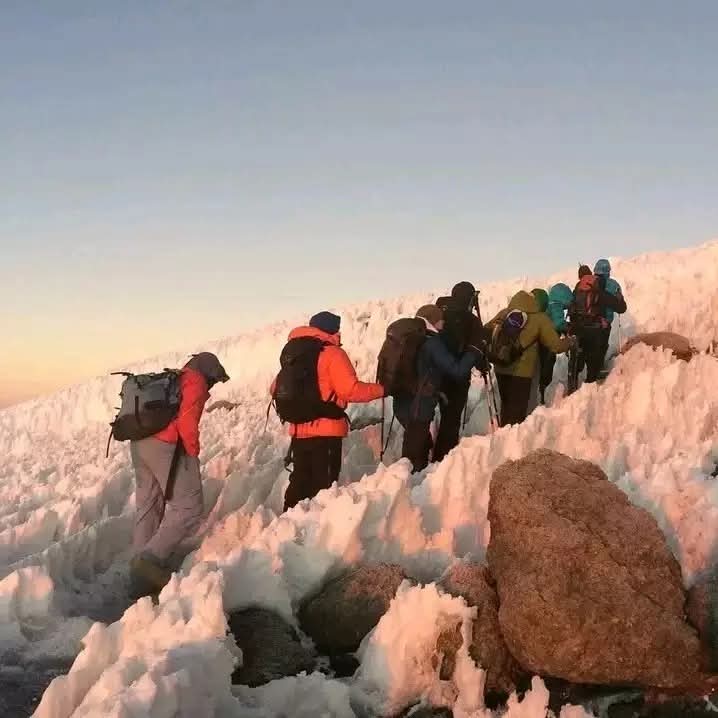
You will wake around midnight, have a light meal, and begin your summit ascent in darkness.
The trail climbs slowly through the cold and rocky terrain toward Stella Point on the crater rim.
Your guide will maintain a slow and steady pace, allowing you to conserve energy and manage the effects of high altitude.
After reaching the crater rim, you continue along the summit trail toward Uhuru Peak.
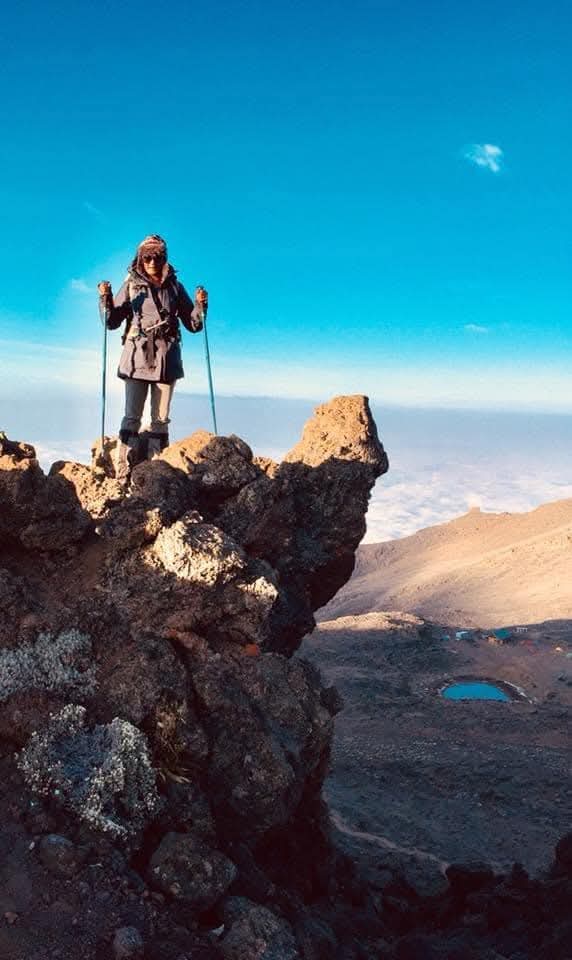
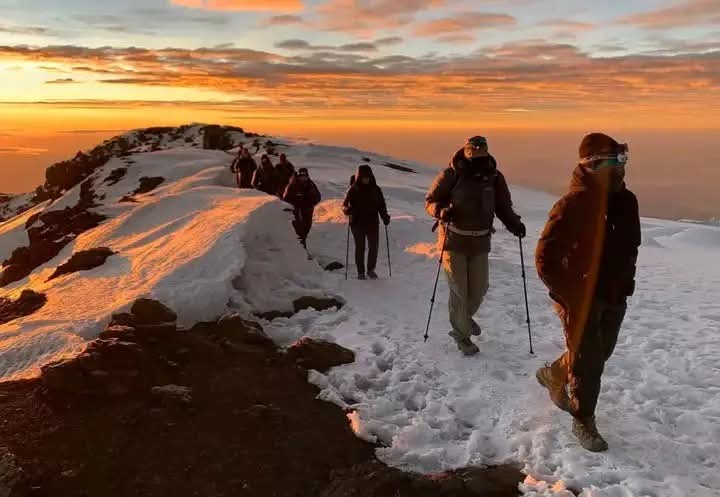
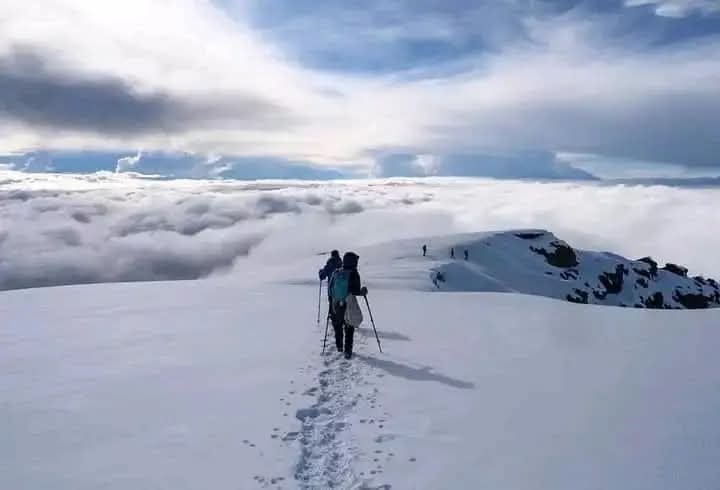
At 5,895 meters (19,341 feet) above sea level, Uhuru Peak is the highest point in Africa.
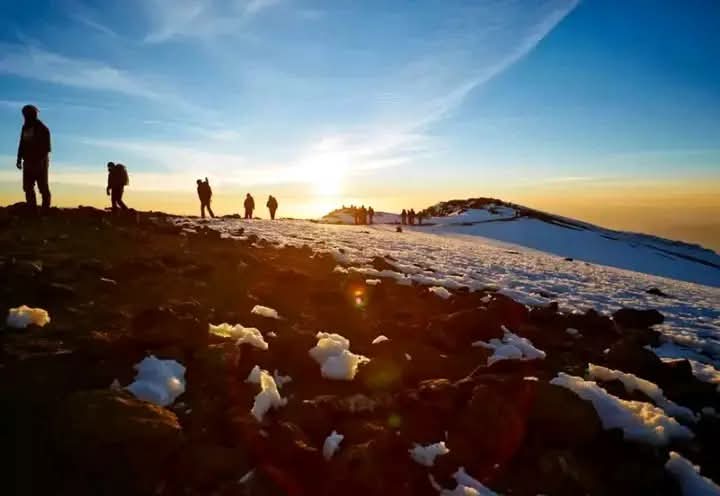
If weather conditions are favorable, you can enjoy breathtaking sunrise views over the surrounding landscape and take photographs to commemorate your achievement.
After spending time at the summit, you begin the descent toward Mweka Camp.
The descent is long but brings you rapidly to lower elevations, where the air becomes thicker and warmer.
After reaching Mweka Camp, you will enjoy dinner and have a well-earned rest.
Overnight: Mweka Camp
Meals: Breakfast, Lunch & Dinner
Elevation: 3,080m to 1,640m
Distance: Approximately 10 km
Hiking Time: 3–4 hours
Habitat: Montane Forest
After breakfast, you begin the final descent through the beautiful montane rainforest.
The trail becomes increasingly green and shaded as you lose altitude.
After several hours, you arrive at Mweka Gate, where you complete the official park exit procedures.
Trekkers who successfully reach the summit receive their Kilimanjaro summit certificates.
You will then meet your transfer vehicle and travel back to Moshi.
After several days on the mountain, this is the perfect opportunity to relax, enjoy a comfortable shower, and celebrate your Kilimanjaro achievement.
Meals: Breakfast & Lunch
Trek Includes & Excludes
Tri Includesk
- Private transportation from Moshi to Machame Gate
- Transportation from Mweka Gate back to Moshi
- Kilimanjaro National Park entry fees
- Park conservation fees and applicable government taxes
- Camping fees
- Mountain rescue fees
- Professional English-speaking Kilimanjaro mountain guide
- Assistant guides where required by group size
- Professional mountain porters
- Professional mountain cook
- Crew wages and applicable park permits
- Quality mountain tents
- Sleeping/mattress pads as provided by the operator
- Three freshly prepared meals per day during the trek
- Adequate drinking water throughout the trek
- Hot water for washing when available
- Summit certificate
- Pre-climb mountain briefing
- Standard park rescue support
- Basic safety and altitude monitoring
- Quality trekking logistics and camp support
Trek Excludes
- International flights
- Tanzania visa fees
- Travel and medical insurance
- Personal hiking and climbing equipment
- Sleeping bag
- Trekking poles
- Personal clothing and footwear
- Tips for guides, porters, and cooks
- Hotel accommodation before or after the trek unless specified
- Alcoholic and soft drinks
- Personal snacks
- Laundry services
- Personal expenses
- Additional accommodation caused by early arrival or delayed departure
- Emergency evacuation beyond standard park rescue services
- Any service not specifically mentioned under Trip Includes
Frequently Asked Questions
FAQs
Yes. The route is physically demanding, but previous climbing experience is not required. Beginners should have reasonable fitness and prepare properly for several consecutive days of trekking.
The 7-day itinerary provides more time on the mountain and a more gradual acclimatization schedule than shorter versions. It also allows you to experience the Southern Circuit without rushing through the route.
The Machame Route is considered a challenging trek, particularly because of the steep sections, high altitude, and long summit day. However, experienced guides, proper pacing, preparation, and gradual acclimatization can make the experience more manageable.
Machame is known for its spectacular scenery and variety of landscapes. The route passes through rainforest, moorland, the Shira Plateau, alpine desert, Barranco Valley, and the high-altitude summit zone.
The Barranco Wall is a steep trekking section on the Machame Route. Despite its appearance, it does not require technical rock-climbing skills. Trekkers use established paths and are assisted by experienced guides.
This is a camping trek. You will sleep in quality mountain tents at designated campsites along the route.
The highest point is Uhuru Peak at 5,895 meters (19,341 feet) above sea level.
The summit day is normally the hardest because it combines a nighttime ascent to Uhuru Peak with a long descent to Mweka Camp.
No technical climbing experience is required. However, you should be comfortable walking for several hours on consecutive days and be prepared for high-altitude trekking.
The generally preferred periods are the drier seasons, particularly January–February and June–October. Kilimanjaro can be climbed outside these periods, but weather conditions may be less predictable.
The route gradually gains elevation and includes the important Lava Tower–Barranco section, where you climb higher during the day before sleeping at a lower elevation. Your guide will also monitor your condition throughout the trek.
The itinerary is designed to provide a reasonable acclimatization schedule, but reaching Uhuru Peak cannot be guaranteed. Altitude response, fitness, health, weather, and guide safety decisions all influence summit success.
The 7-day Machame Route can be arranged as either a private trek or a small-group climb, depending on the operator's package.
A midrange Kilimanjaro trek focuses on quality, comfort, safety, and value for money rather than luxury. You can expect professional guides, a trained support crew, quality camping equipment, nutritious meals, reliable transfers, and organized mountain logistics without the additional cost of a luxury expedition.
Yes. Many travelers combine their Kilimanjaro climb with a Tanzania safari to destinations such as Serengeti, Ngorongoro, Tarangire, or Lake Manyara, followed by a Zanzibar beach holiday.