
Learn everything about Kilimanjaro Hike Difficulty, including altitude challenges, fitness requirements, route comparisons, acclimatization, and expert climbing advice from GoaccessAfrica Safaris.
Introduction
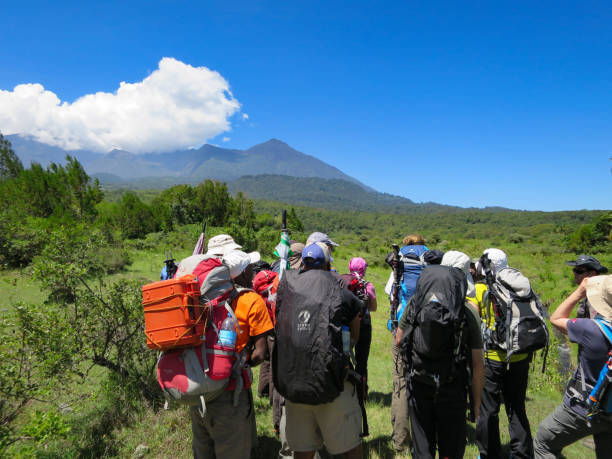
One of the most common questions asked by aspiring climbers is about Kilimanjaro Hike Difficulty. Every year, thousands of travelers from around the world dream of standing on Uhuru Peak, the highest point on Mount Kilimanjaro. However, before booking a trek, most people want to know exactly how difficult the climb really is.
The answer is not as straightforward as many expect.
When discussing Kilimanjaro Hike Difficulty, it is important to understand that Kilimanjaro is not a technical mountain. Unlike peaks that require ropes, ice axes, crampons, or advanced climbing skills, Kilimanjaro can be climbed by ordinary hikers. However, that does not mean the journey is easy.
At 5,895 meters (19,341 feet), Kilimanjaro presents unique challenges related to altitude, endurance, weather conditions, and mental resilience. These factors combine to make the mountain one of the most rewarding trekking experiences in the world.
For many climbers, understanding Kilimanjaro Hike Difficulty is the first step toward successful preparation and ultimately reaching the summit.
Is Kilimanjaro a Difficult Mountain to Climb?
The level of Kilimanjaro Hike Difficulty depends on several factors.
These include:
- Physical fitness
- Route selection
- Acclimatization
- Weather conditions
- Mental preparation
- Experience with hiking
While Kilimanjaro is considered achievable for beginners, it should never be underestimated.
Many first-time climbers successfully reach the summit because the mountain does not require technical climbing skills. However, the altitude and length of the trek can be demanding.
This balance between accessibility and challenge is what makes Kilimanjaro Hike Difficulty such a popular topic among adventure travelers.
Why Altitude Is the Biggest Challenge
When discussing Kilimanjaro Hike Difficulty, altitude is consistently identified as the most significant obstacle.
As climbers ascend higher on the mountain, oxygen availability decreases.
Common altitude-related symptoms include:
- Headaches
- Dizziness
- Fatigue
- Nausea
- Difficulty sleeping
- Loss of appetite
These symptoms can affect anyone regardless of age or fitness level.
One of the surprising aspects of Kilimanjaro Hike Difficulty is that even experienced athletes can struggle with altitude if they do not acclimatize properly.
Oxygen Levels at Different Elevations
| Elevation | Approximate Oxygen Availability |
|---|---|
| Sea Level | 100% |
| 3,000 m | 70% |
| 4,500 m | 58% |
| 5,895 m | 50% |
This dramatic reduction explains why altitude plays such an important role in determining overall trekking difficulty.
Physical Fitness and Kilimanjaro Hike Difficulty
Many people assume that elite athletic ability is required.
In reality, Kilimanjaro Hike Difficulty is more closely related to endurance than speed or strength.
Successful climbers typically have:
- Moderate cardiovascular fitness
- Strong walking endurance
- Consistent training habits
- Good recovery ability
Activities that help prepare include:
- Hiking
- Walking long distances
- Stair climbing
- Cycling
- Running
The goal is to prepare the body for multiple consecutive days of trekking rather than intense short-term effort.
How Long Does the Trek Take?
Another important factor affecting Kilimanjaro Hike Difficulty is the duration of the climb.
Most routes require:
- 5 to 9 days on the mountain
- Several hours of walking each day
- Long summit-day efforts
Summit day is often the most difficult part of the expedition.
Many climbers spend:
- 10 to 16 hours trekking
- Several hours ascending in darkness
- Extended periods in freezing temperatures
This combination significantly contributes to overall Kilimanjaro Hike Difficulty.
Weather and Environmental Challenges
The weather also influences Kilimanjaro Hike Difficulty.
During a single expedition, climbers move through several climate zones.
Climate Zones
| Zone | Environment |
|---|---|
| Cultivation Zone | Farms and villages |
| Rainforest Zone | Tropical forest |
| Moorland Zone | Shrubs and open landscapes |
| Alpine Desert | Dry rocky terrain |
| Arctic Zone | Ice and snow |
Because of these transitions, climbers must prepare for:
- Rain
- Wind
- Heat
- Cold temperatures
- Strong sunlight
Proper equipment helps reduce the impact of these environmental challenges.
Route Selection and Kilimanjaro Hike Difficulty
The route chosen has a major influence on overall difficulty.
Route Comparison
| Route | Difficulty Level | Beginner Friendly |
|---|---|---|
| Northern Circuit | Moderate | Excellent |
| Lemosho Route | Moderate | Excellent |
| Machame Route | Moderate | Very Good |
| Rongai Route | Moderate | Good |
| Marangu Route | Moderate | Fair |
| Umbwe Route | High | Poor |
Longer routes generally provide better acclimatization opportunities and higher summit success rates.
This often reduces perceived Kilimanjaro Hike Difficulty despite requiring additional days on the mountain.
Mental Strength Matters
An often-overlooked aspect of Kilimanjaro Hike Difficulty is the mental challenge.
Climbers may experience:
- Fatigue
- Self-doubt
- Cold temperatures
- Sleep disruption
- Anxiety about the summit
Maintaining a positive mindset can significantly improve the overall climbing experience.
Many successful climbers report that determination becomes just as important as physical fitness.
Expert Insight
Professional mountain guides frequently explain that Kilimanjaro Hike Difficulty is not primarily about technical ability.
Instead, success depends on:
- Slow pacing
- Proper hydration
- Acclimatization
- Consistency
- Following guide instructions
Guides often repeat the phrase:
“Pole pole” (slowly, slowly).
This philosophy has helped countless climbers successfully reach Uhuru Peak.
Quick Summary
Main Factors Behind Kilimanjaro Hike Difficulty
✔ High altitude
✔ Reduced oxygen levels
✔ Multi-day trekking
✔ Weather variations
✔ Mental endurance
✔ Summit night challenges
Success Factors
✔ Proper training
✔ Route selection
✔ Hydration
✔ Acclimatization
✔ Positive mindset
✔ Experienced guides
Key Takeaways
The reality of Kilimanjaro Hike Difficulty is that the mountain is challenging but achievable for many people. The climb does not require technical mountaineering skills, yet the effects of altitude, endurance demands, and environmental conditions should not be underestimated.
With proper preparation, route selection, and professional support from GoaccessAfrica Safaris, climbers can significantly improve their chances of enjoying a safe and successful journey to the Roof of Africa.
In Section 2, we will explore the specific factors that make Kilimanjaro difficult, including altitude sickness, route differences, weather conditions, and common mistakes climbers should avoid.
What Makes Kilimanjaro Hike Difficulty Challenging for Most Climbers?
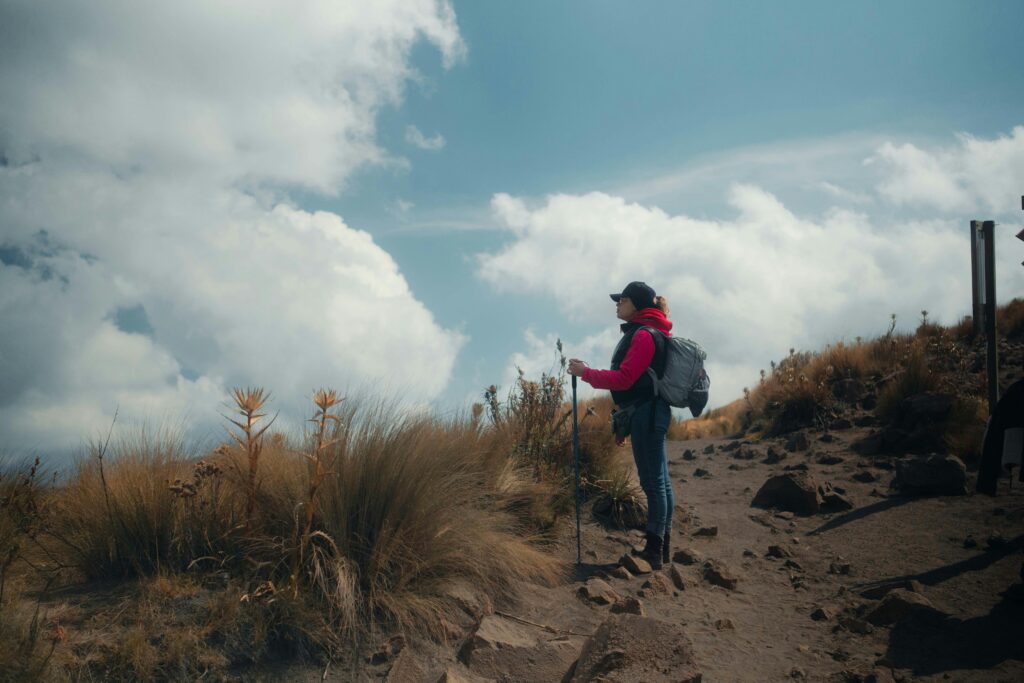
After understanding the basics, the next step is examining the specific factors that contribute to Kilimanjaro Hike Difficulty. Many first-time trekkers assume that reaching the summit is mainly about physical fitness. While fitness certainly helps, experienced guides consistently explain that several other factors play a major role in determining whether a climber reaches Uhuru Peak successfully.
The reality is that Kilimanjaro Hike Difficulty is influenced by altitude, acclimatization, weather, route selection, pacing, and mental strength. Understanding these elements before your expedition can dramatically improve your chances of success.
Altitude Is the Number One Challenge
When discussing Kilimanjaro Hike Difficulty, altitude remains the single most important factor.
Mount Kilimanjaro rises to 5,895 meters (19,341 feet), placing it in the category of high-altitude mountains. At this elevation, the body receives significantly less oxygen compared to sea level.
Even healthy and athletic individuals can struggle because the challenge is physiological rather than purely physical.
How Altitude Affects the Body
As elevation increases, climbers may experience:
- Headaches
- Dizziness
- Fatigue
- Nausea
- Loss of appetite
- Shortness of breath
- Difficulty sleeping
These symptoms are common contributors to Kilimanjaro Hike Difficulty and can occur regardless of age, gender, or fitness level.
Altitude Zones on Kilimanjaro
| Elevation Range | Effect on Climbers |
|---|---|
| 0–2,500 m | Minimal altitude effects |
| 2,500–3,500 m | Mild adaptation begins |
| 3,500–5,000 m | Increased altitude symptoms |
| 5,000–5,895 m | Significant oxygen reduction |
This gradual decrease in oxygen explains why climbers are encouraged to ascend slowly.
Acclimatization and Kilimanjaro Hike Difficulty
One of the biggest factors influencing Kilimanjaro Hike Difficulty is acclimatization.
Acclimatization is the body’s process of adapting to lower oxygen levels. Climbers who allow sufficient time for adaptation generally experience fewer altitude-related issues.
Benefits of Proper Acclimatization
- Improved oxygen utilization
- Reduced risk of altitude sickness
- Better sleep quality
- Increased summit success rates
- Improved physical performance
Because of its direct relationship with Kilimanjaro Hike Difficulty, acclimatization should never be overlooked during trip planning.
Route Choice Can Increase or Reduce Difficulty
Different routes offer different climbing experiences. The route selected can significantly affect Kilimanjaro Hike Difficulty because some itineraries provide more time for altitude adaptation than others.
Route Difficulty Comparison
| Route | Difficulty Level | Acclimatization Quality |
|---|---|---|
| Northern Circuit | Moderate | Excellent |
| Lemosho | Moderate | Excellent |
| Machame | Moderate | Very Good |
| Rongai | Moderate | Good |
| Marangu | Moderate to High | Fair |
| Umbwe | High | Limited |
Although longer routes involve more trekking days, they often feel easier because they reduce the effects of altitude.
For this reason, many experts recommend longer itineraries for climbers concerned about Kilimanjaro Hike Difficulty.
Summit Night: The Toughest Part of the Trek
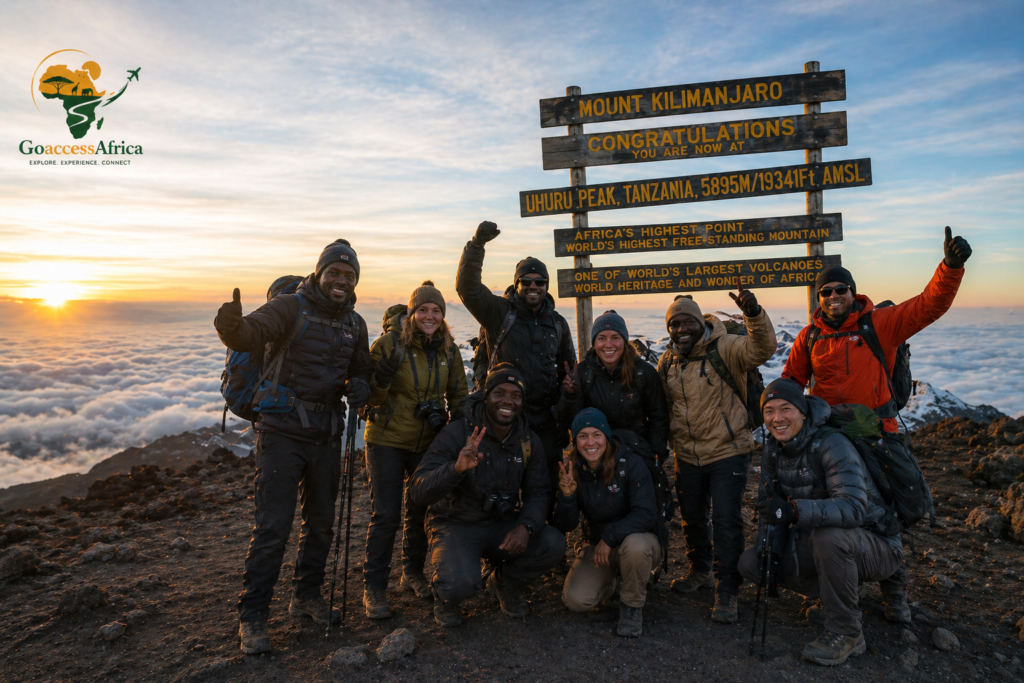
Most climbers agree that summit night is the most demanding stage of the expedition.
The challenge of Kilimanjaro Hike Difficulty reaches its peak during the final ascent to Uhuru Peak.
Typical summit conditions include:
- Freezing temperatures
- Strong winds
- Darkness
- Steep trails
- Reduced oxygen levels
- Physical exhaustion
Climbers often begin the summit attempt around midnight and continue trekking for several hours before sunrise.
Why Summit Night Feels So Difficult
Several factors combine to increase Kilimanjaro Hike Difficulty during this stage:
- Highest altitude of the trip
- Limited sleep before ascent
- Cold weather exposure
- Long trekking hours
- Psychological pressure
However, reaching the summit at sunrise is often described as one of the most rewarding experiences in adventure travel.
Weather Conditions and Kilimanjaro Hike Difficulty
Weather is another important contributor to Kilimanjaro Hike Difficulty.
Because Kilimanjaro spans multiple ecological zones, climbers experience a wide variety of weather conditions during a single expedition.
Conditions You May Encounter
- Warm temperatures at lower elevations
- Rain in rainforest zones
- Strong sunlight above the clouds
- Cold winds at higher elevations
- Snow or frost near the summit
Proper clothing and equipment help climbers manage these changing conditions effectively.
Physical Endurance Requirements
Although altitude is the primary challenge, physical endurance remains an important part of Kilimanjaro Hike Difficulty.
Most climbers spend:
- 5–9 days trekking
- 4–8 hours hiking daily
- Several consecutive days on uneven terrain
This sustained effort requires consistent energy and stamina.
Recommended Training Activities
To prepare for Kilimanjaro Hike Difficulty, climbers often focus on:
- Hiking
- Walking long distances
- Stair climbing
- Running
- Cycling
- Strength training
The goal is not extreme athletic performance but steady endurance.
Mental Challenges During the Climb
Mental resilience is frequently overlooked when discussing Kilimanjaro Hike Difficulty.
Many climbers face psychological challenges such as:
- Fatigue
- Self-doubt
- Homesickness
- Anxiety about altitude
- Fear of failure
Maintaining a positive attitude can make a significant difference.
Experienced guides encourage climbers to focus on one step at a time rather than becoming overwhelmed by the remaining distance.
Common Mistakes That Increase Kilimanjaro Hike Difficulty
Many difficulties experienced on Kilimanjaro can be minimized through proper preparation.
Mistake 1: Climbing Too Fast
Rapid ascents reduce acclimatization opportunities and increase altitude-related symptoms.
Mistake 2: Poor Hydration
Dehydration can worsen altitude sickness and fatigue.
Mistake 3: Inadequate Training
Lack of endurance preparation can make daily trekking more difficult.
Mistake 4: Choosing the Wrong Route
Selecting an overly aggressive itinerary can increase Kilimanjaro Hike Difficulty unnecessarily.
Mistake 5: Ignoring Guide Advice
Professional guides understand altitude management and safety procedures better than most climbers.
Expert Insight
Mountain professionals often explain that Kilimanjaro Hike Difficulty is manageable when climbers respect the mountain and follow proven strategies.
Key recommendations include:
- Walk slowly
- Stay hydrated
- Eat regularly
- Prioritize acclimatization
- Choose an appropriate route
- Listen to your guides
These practices consistently improve summit success rates.
Customer Experience Example
Many climbers who complete Kilimanjaro share similar feedback:
“The altitude was harder than I expected, but the trekking itself was manageable. Taking it slowly and following the guides’ instructions helped me reach the summit.”
This experience reflects the reality of Kilimanjaro Hike Difficulty for many first-time climbers.
Quick Summary
Main Contributors to Kilimanjaro Hike Difficulty
✔ High altitude
✔ Reduced oxygen levels
✔ Summit night conditions
✔ Multi-day trekking
✔ Weather changes
✔ Mental endurance
How to Reduce Difficulty
✔ Choose longer routes
✔ Train beforehand
✔ Hydrate consistently
✔ Pace yourself
✔ Follow guide instructions
✔ Prioritize acclimatization
Key Takeaways
The primary factors behind Kilimanjaro Hike Difficulty are altitude, acclimatization, weather conditions, endurance demands, and mental resilience. While the mountain is not technically difficult, reaching 5,895 meters requires careful preparation and a strategic approach.
Climbers who understand these challenges and prepare accordingly often discover that Kilimanjaro is far more achievable than they initially imagined.