
Discover the best time to climb Mount Kilimanjaro with detailed seasonal weather insights, trekking conditions, route comparisons, packing tips, and expert climbing advice from GoaccessAfrica Safaris.
Quick Summary
Understanding the best time to climb Mount Kilimanjaro is essential for travelers planning a safe, comfortable, and successful trekking adventure in Tanzania. Mount Kilimanjaro is Africa’s highest mountain and one of the world’s most famous trekking destinations. Climbers from around the world visit Tanzania every year to experience breathtaking landscapes, unique ecosystems, and the challenge of reaching Uhuru Peak. Weather conditions, trail visibility, rainfall, temperature, and crowd levels all influence climbing success. GoaccessAfrica Safaris helps travelers choose the best climbing season, safest routes, and proper preparation strategies for unforgettable Kilimanjaro adventures.
Why Timing Matters When Climbing Mount Kilimanjaro
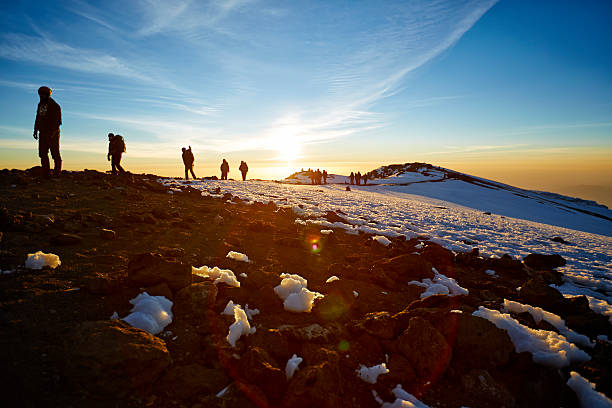
Choosing the best time to climb Mount Kilimanjaro significantly affects trekking conditions, summit success rates, photography opportunities, and overall climbing experience. Although Mount Kilimanjaro can technically be climbed throughout the year, weather patterns on the mountain vary greatly depending on the season.
Many climbers underestimate how important weather conditions are during high-altitude trekking. Rain, snow, mud, cold temperatures, and low visibility can make climbing more physically demanding and less enjoyable. Selecting the best time to climb Mount Kilimanjaro helps travelers avoid harsh weather and improve acclimatization conditions.
The mountain contains several climate zones ranging from tropical rainforest to alpine desert and icy summit glaciers. Weather changes rapidly at different elevations, which means climbers must prepare carefully before starting the journey.
GoaccessAfrica Safaris recommends planning climbs during stable weather seasons because dry conditions improve trail safety, visibility, and overall trekking comfort.
Best Seasons to Climb Mount Kilimanjaro
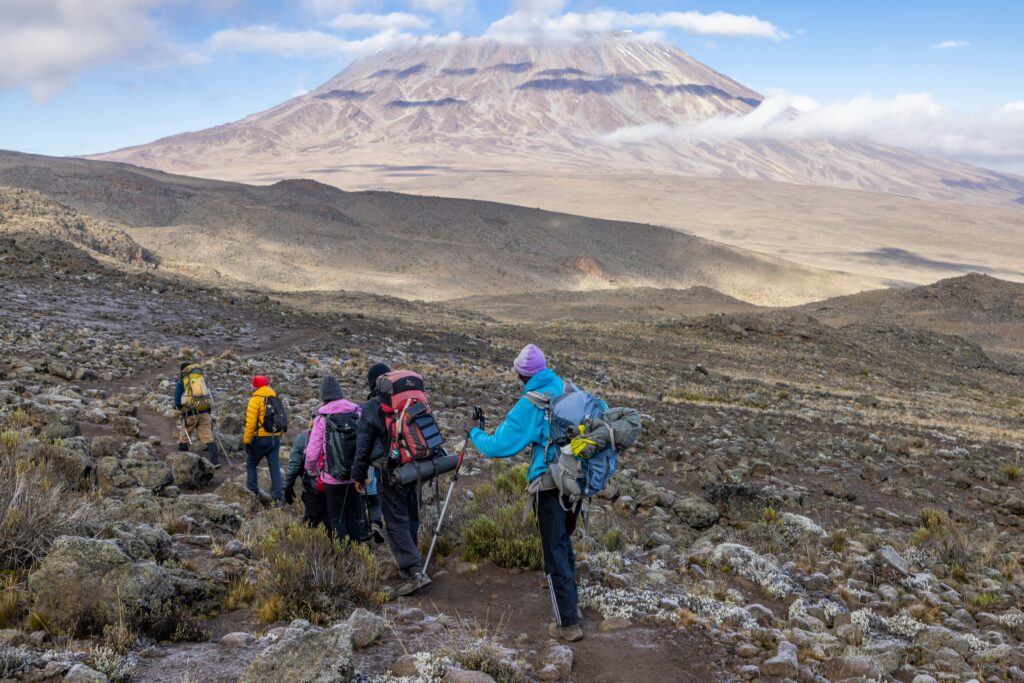
The best time to climb Mount Kilimanjaro is generally during Tanzania’s dry seasons when rainfall is minimal and visibility is excellent.
January to March
This season offers cooler temperatures, fewer crowds, and beautiful snow-covered summit scenery. Many climbers prefer this period because trekking trails are quieter compared to peak tourist months.
Benefits include:
- Lower crowd levels
- Clear mountain views
- Cooler climbing conditions
- Better photography opportunities
However, temperatures near the summit can become extremely cold during this period.
June to October
This is considered the most popular season and often regarded as the absolute best time to climb Mount Kilimanjaro. Dry weather and stable trail conditions attract thousands of climbers from around the world.
Advantages include:
- Dry trekking trails
- Warm daytime temperatures
- Excellent visibility
- High summit success rates
Because this is peak season, routes and camps can become crowded.
GoaccessAfrica Safaris helps travelers choose climbing dates based on weather preferences, crowd tolerance, and trekking goals.
Comparison Table: Kilimanjaro Climbing Seasons
| Season | Weather Conditions | Crowd Levels | Trekking Difficulty | Visibility |
|---|---|---|---|---|
| January to March | Cool and dry | Moderate | Moderate | Excellent |
| June to October | Dry and warm | High | Easier conditions | Excellent |
| April to May | Heavy rainfall | Very low | Difficult | Limited |
| November | Short rains | Low | Moderate difficulty | Variable |
This comparison helps travelers understand why weather plays such an important role when selecting the best time to climb Mount Kilimanjaro.
Weather Conditions on Mount Kilimanjaro
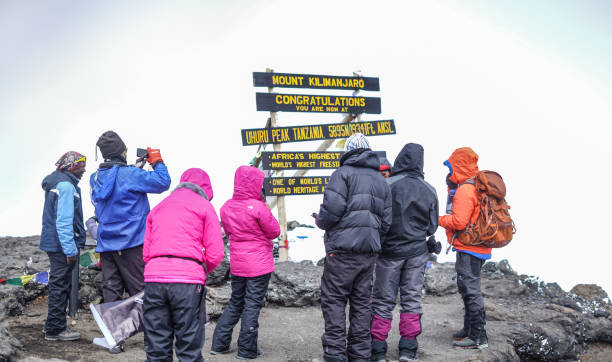
Weather conditions change dramatically depending on altitude and season. Understanding mountain climate patterns is extremely important for trek preparation.
Rainforest Zone
The lower slopes are humid and warm with tropical vegetation and occasional rainfall.
Heath and Moorland Zone
Temperatures become cooler with open landscapes and stronger winds.
Alpine Desert Zone
This zone experiences dry air, cold nights, and intense sun exposure during daytime.
Arctic Summit Zone
The summit area contains freezing temperatures, glaciers, snow, and thin oxygen levels.
Travelers climbing during the best time to climb Mount Kilimanjaro usually experience more stable weather conditions across all altitude zones.
Why Dry Season Is Recommended
Dry seasons provide safer and more comfortable trekking conditions for climbers of all experience levels.
Better Trail Conditions
Dry trails reduce slipping risks and make hiking physically easier.
Improved Summit Visibility
Clear skies create breathtaking panoramic views during summit attempts.
Higher Success Rates
Stable weather supports better acclimatization and overall trekking performance.
Better Camping Experience
Dry weather makes camping more comfortable and enjoyable.
Excellent Photography
Landscape visibility is significantly better during dry months.
GoaccessAfrica Safaris strongly recommends dry-season trekking for first-time climbers and photographers.
Challenges of Climbing During Rainy Seasons
Although some travelers prefer quiet seasons with fewer tourists, rainy months create additional challenges.
Muddy Trails
Heavy rain makes trails slippery and physically demanding.
Reduced Visibility
Cloud cover limits scenic mountain views and photography opportunities.
Wet Camping Conditions
Rain can make sleeping and resting less comfortable.
Increased Cold Exposure
Wet clothing and cold temperatures increase physical discomfort.
Slower Trekking Pace
Difficult terrain can reduce hiking efficiency and energy levels.
Despite these challenges, experienced trekkers sometimes choose rainy seasons for solitude and discounted prices.
Best Routes Based on Climbing Season
Different Kilimanjaro routes perform better during specific weather conditions.
Machame Route
Popular during dry seasons because of scenic landscapes and strong acclimatization profiles.
Lemosho Route
Excellent for travelers seeking quieter trekking experiences and high summit success rates.
Marangu Route
Offers hut accommodations instead of camping, making it suitable during wetter conditions.
Rongai Route
Receives less rainfall because it approaches from the northern side of the mountain.
Choosing the correct route is just as important as selecting the best time to climb Mount Kilimanjaro.
Customer Experience and Trekking Perspective
Many climbers describe Mount Kilimanjaro as one of the most rewarding adventures of their lives. Reaching Uhuru Peak creates emotional and personal achievement that stays with travelers forever.
Climbers who choose the best time to climb Mount Kilimanjaro often report better trekking experiences because weather conditions remain stable and scenic visibility is excellent. Dry-season trekking also improves morale because travelers can fully enjoy landscapes and mountain photography.
Travelers appreciate the support provided by professional guides, porters, and climbing teams throughout the journey. GoaccessAfrica Safaris focuses on safety, acclimatization, and personalized trekking experiences that maximize summit success rates.
FAQs About the Best Time to Climb Mount Kilimanjaro
What is the best time to climb Mount Kilimanjaro?
The best periods are January to March and June to October because of dry weather and good visibility.
Which month has the highest summit success rates?
September and February are popular months with excellent climbing conditions.
Can Mount Kilimanjaro be climbed during rainy seasons?
Yes, but trekking becomes more challenging because of mud, rain, and lower visibility.
Is climbing Kilimanjaro difficult?
The climb is physically demanding because of altitude, but many beginners successfully reach the summit with proper preparation.
How long does it take to climb Mount Kilimanjaro?
Most routes require between five and nine days depending on itinerary and acclimatization plans.
Does GoaccessAfrica Safaris organize Kilimanjaro climbs?
Yes. The company offers guided climbing packages with experienced mountain crews and customized itineraries.
Learn more about Mount Kilimanjaro National Park and climbing regulations through the official Tanzania National Parks website:
Tanzania National Parks Authority