
Discover the ultimate Mount Kilimanjaro weather guide with monthly climate details, trekking conditions, temperature zones, rainfall patterns, packing tips, and expert climbing advice from GoaccessAfrica Safaris.
Quick Summary
This Mount Kilimanjaro weather guide helps travelers understand the changing climate conditions on Africa’s highest mountain before planning a successful trekking adventure. Mount Kilimanjaro experiences multiple weather zones ranging from tropical rainforest to freezing alpine summit conditions. Weather patterns affect trekking safety, visibility, comfort, and summit success rates throughout the year. Climbers who understand seasonal weather changes can prepare proper clothing, choose suitable trekking routes, and select the best climbing period. GoaccessAfrica Safaris provides expert mountain guidance and customized trekking support to help travelers safely experience Mount Kilimanjaro under the best possible weather conditions.
Why Understanding Kilimanjaro Weather Is Important
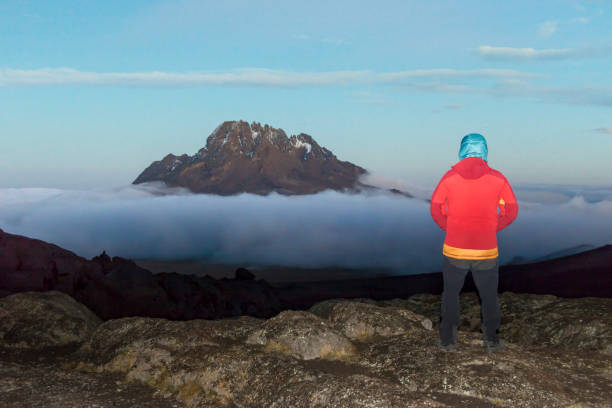
Canon EOS 760D, 1/50,f/4, 29 mm.
Planning a successful mountain expedition requires detailed weather preparation, especially on high-altitude mountains like Kilimanjaro. A complete Mount Kilimanjaro weather guide is essential because weather conditions on the mountain change dramatically depending on altitude, season, and time of day.
Many first-time climbers assume Tanzania has consistently warm weather because the country is located near the equator. However, Mount Kilimanjaro creates its own climate system due to its extreme elevation. Climbers may experience tropical heat, heavy rain, freezing temperatures, snow, strong winds, and intense sunlight within the same trek.
Understanding weather patterns helps travelers prepare mentally and physically for mountain conditions. It also improves trekking safety because proper preparation reduces risks associated with cold exposure, dehydration, altitude sickness, and wet conditions.
GoaccessAfrica Safaris recommends studying this Mount Kilimanjaro weather guide carefully before selecting climbing dates and trekking routes.
The Five Climate Zones of Mount Kilimanjaro
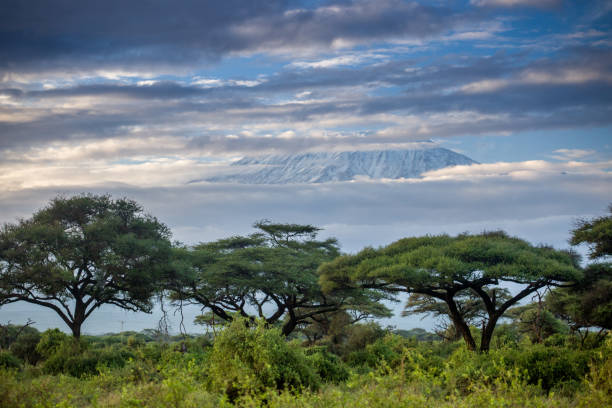
One reason the Mount Kilimanjaro weather guide is unique is because the mountain contains several ecological and climate zones.
1. Cultivation Zone
The lower slopes surrounding the mountain contain farms, villages, and warm temperatures.
2. Rainforest Zone
This humid zone receives frequent rainfall and contains dense tropical vegetation.
3. Heath and Moorland Zone
Temperatures become cooler while vegetation becomes shorter and less dense.
4. Alpine Desert Zone
This zone experiences cold nights, dry air, and strong sun exposure during daytime.
5. Arctic Summit Zone
Near Uhuru Peak, temperatures fall below freezing and oxygen levels become extremely low.
Each climate zone creates different trekking conditions throughout the climb.
Comparison Table: Kilimanjaro Climate Zones
| Climate Zone | Altitude Range | Weather Conditions | Vegetation Type |
|---|---|---|---|
| Cultivation Zone | 800–1,800 meters | Warm and humid | Farmland and villages |
| Rainforest Zone | 1,800–2,800 meters | Wet and tropical | Dense forest |
| Heath and Moorland | 2,800–4,000 meters | Cool and windy | Shrubs and grasses |
| Alpine Desert | 4,000–5,000 meters | Dry and cold | Sparse vegetation |
| Arctic Zone | Above 5,000 meters | Freezing temperatures | Snow and ice |
This comparison demonstrates why climbers need layered clothing and weather preparation throughout the trek.
Best Weather Seasons on Mount Kilimanjaro
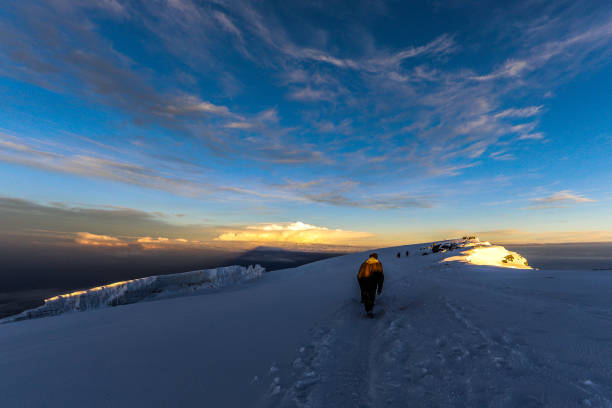
A reliable Mount Kilimanjaro weather guide must explain the best seasons for climbing conditions.
January to March
This season provides relatively stable weather with moderate temperatures and fewer crowds. Snow near the summit creates beautiful scenery.
Advantages include:
- Clear mountain views
- Less crowded routes
- Cooler climbing conditions
- Good photography opportunities
However, summit nights remain extremely cold.
June to October
This is the most popular climbing period because weather conditions are generally dry and stable.
Benefits include:
- Dry trekking trails
- Excellent visibility
- Comfortable daytime hiking temperatures
- Higher summit success rates
Many climbers consider this the best weather season for Mount Kilimanjaro trekking.
GoaccessAfrica Safaris helps travelers choose the most suitable climbing season depending on weather preferences and travel goals.
Rainy Seasons on Mount Kilimanjaro
Rainfall significantly affects mountain trekking conditions and should never be underestimated.
Long Rain Season: March to May
This period brings heavy rainfall, muddy trails, and cloudy conditions across most routes.
Challenges include:
- Slippery trails
- Wet camping conditions
- Reduced visibility
- Difficult photography conditions
Short Rain Season: November
Short rains are less intense but still create unpredictable weather conditions.
Despite the challenges, some experienced trekkers prefer rainy seasons because routes are less crowded.
Daily Weather Changes on the Mountain
A complete Mount Kilimanjaro weather guide must explain how weather changes throughout the day.
Morning Conditions
Mornings are often cold but clear with excellent visibility.
Afternoon Conditions
Cloud cover and occasional rainfall become more common during afternoons.
Evening Temperatures
Night temperatures drop dramatically, especially at higher elevations.
Summit Night Conditions
Temperatures near Uhuru Peak can fall below negative temperatures with strong winds and icy conditions.
These daily weather changes explain why layered clothing systems are essential during Kilimanjaro climbs.
Essential Clothing for Kilimanjaro Weather
Proper clothing preparation is one of the most important parts of mountain trekking safety.
Recommended Clothing Items
- Waterproof jacket
- Thermal base layers
- Insulated gloves
- Warm trekking pants
- Sun hat and sunglasses
- Waterproof hiking boots
- Warm sleeping bag
- Fleece jackets
- Wool socks
- Windproof outer layers
Travelers who underestimate mountain weather often experience discomfort and reduced trekking performance.
GoaccessAfrica Safaris provides detailed packing guidance for every Kilimanjaro climbing itinerary.
How Weather Affects Summit Success Rates
Weather conditions directly influence climbers’ physical performance and mental endurance.
Dry Weather Benefits
- Easier trekking conditions
- Better acclimatization comfort
- Improved morale
- Better visibility and motivation
Poor Weather Challenges
- Increased exhaustion
- Cold exposure risks
- Wet gear problems
- Slower trekking pace
Travelers climbing during favorable weather seasons generally enjoy higher summit success rates.
Customer Experience and Climber Perspective
Many climbers describe Mount Kilimanjaro weather as one of the mountain’s biggest challenges and most fascinating features. Experiencing multiple climate zones within one journey creates unforgettable adventure experiences.
Trekkers who follow a professional Mount Kilimanjaro weather guide usually feel more confident and prepared during their climb. Proper preparation improves comfort, safety, and emotional resilience throughout the expedition.
Climbers also appreciate watching landscapes transform from tropical rainforest to snow-covered summit environments. This dramatic environmental diversity makes Kilimanjaro one of the world’s most unique trekking destinations.
GoaccessAfrica Safaris supports climbers with professional mountain crews, weather expertise, and carefully planned trekking schedules designed for safe summit success.
FAQs About Mount Kilimanjaro Weather Guide
What is the best weather season for climbing Kilimanjaro?
The best weather usually occurs between January to March and June to October.
How cold is Mount Kilimanjaro at the summit?
Summit temperatures can fall below freezing, especially during nighttime summit attempts.
Does Kilimanjaro receive snow?
Yes. Snow and glaciers exist near the summit area despite Tanzania’s tropical climate.
Can weather change quickly on Kilimanjaro?
Yes. Mountain weather changes rapidly depending on altitude and time of day.
Is rain common during Kilimanjaro climbs?
Rain is common in rainforest zones and during rainy seasons.
Does GoaccessAfrica Safaris provide weather preparation advice?
Yes. The company offers complete climbing preparation support and packing guidance.
For official information about Mount Kilimanjaro National Park and trekking regulations, visit:
Tanzania National Parks Authority