
- 9
- 15
- 15
- 14
Ngorongoro
Where Wildlife, Volcanoes & Human History Meet
A World of Wildlife, Ancient Landscapes & Living Culture
There are few places on Earth where wildlife, extraordinary landscapes, living cultures and the story of human evolution come together as dramatically as the Ngorongoro Conservation Area.
Located in northern Tanzania and forming an important part of the greater Serengeti ecosystem, Ngorongoro is far more than the famous crater seen in photographs. It is a vast protected landscape of highland plains, savannah, forests, woodlands, volcanic mountains and open grasslands, where wildlife shares the land with semi-nomadic Maasai pastoral communities.
At its heart lies the spectacular Ngorongoro Crater, the world’s largest unbroken volcanic caldera. Around it are other remarkable landscapes and geological features, including Olmoti Crater, Empakaai Crater, the Ngorongoro Highlands, Olduvai Gorge and the Laetoli archaeological area. Together, these places make Ngorongoro one of Tanzania’s most remarkable destinations for both wildlife and cultural discovery.
The conservation area covers approximately 809,440 hectares and was established in 1959 as a multiple-land-use area, creating a distinctive model where wildlife conservation exists alongside traditional Maasai pastoralism. Its importance extends beyond modern conservation: archaeological research in the wider area has produced evidence relating to human evolution spanning millions of years.
For travellers, this means a journey through Ngorongoro can be much more than a game drive. It can be a journey through volcanic landscapes, extraordinary wildlife habitats, ancient archaeological sites and living Tanzanian culture.
The Ngorongoro Crater
Africa’s Extraordinary Natural Amphitheatre
The Ngorongoro Crater is the destination’s most iconic feature and one of the world’s most spectacular wildlife landscapes.
Formed by volcanic activity, the crater is a vast enclosed caldera surrounded by dramatic walls. Its relatively contained environment supports a remarkable concentration of wildlife throughout the year.
Descending from the crater rim into the crater floor is an experience in itself. The landscape changes dramatically as you move from the cool highlands into open grasslands, wetlands, woodland and other wildlife-rich habitats.
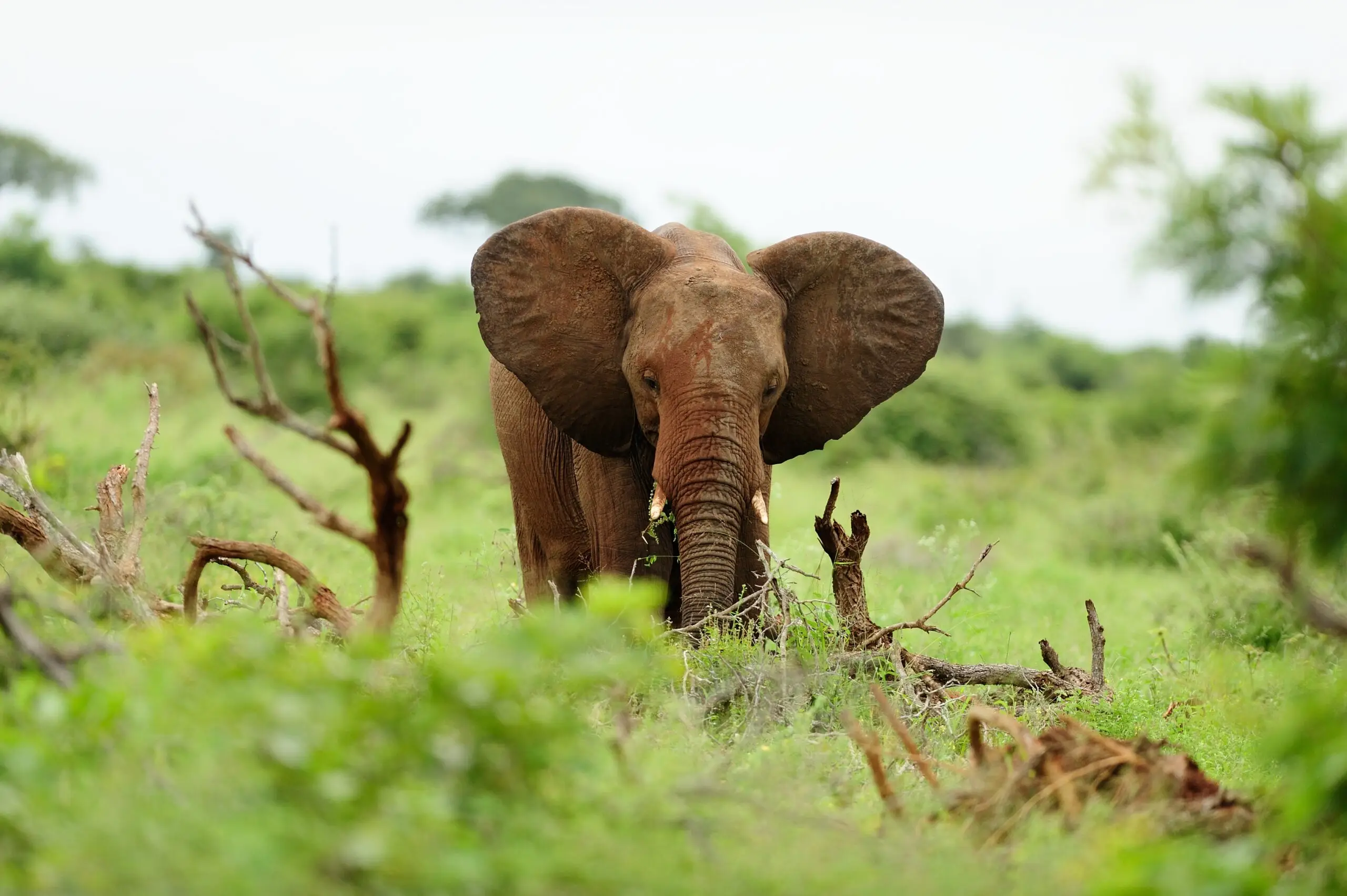
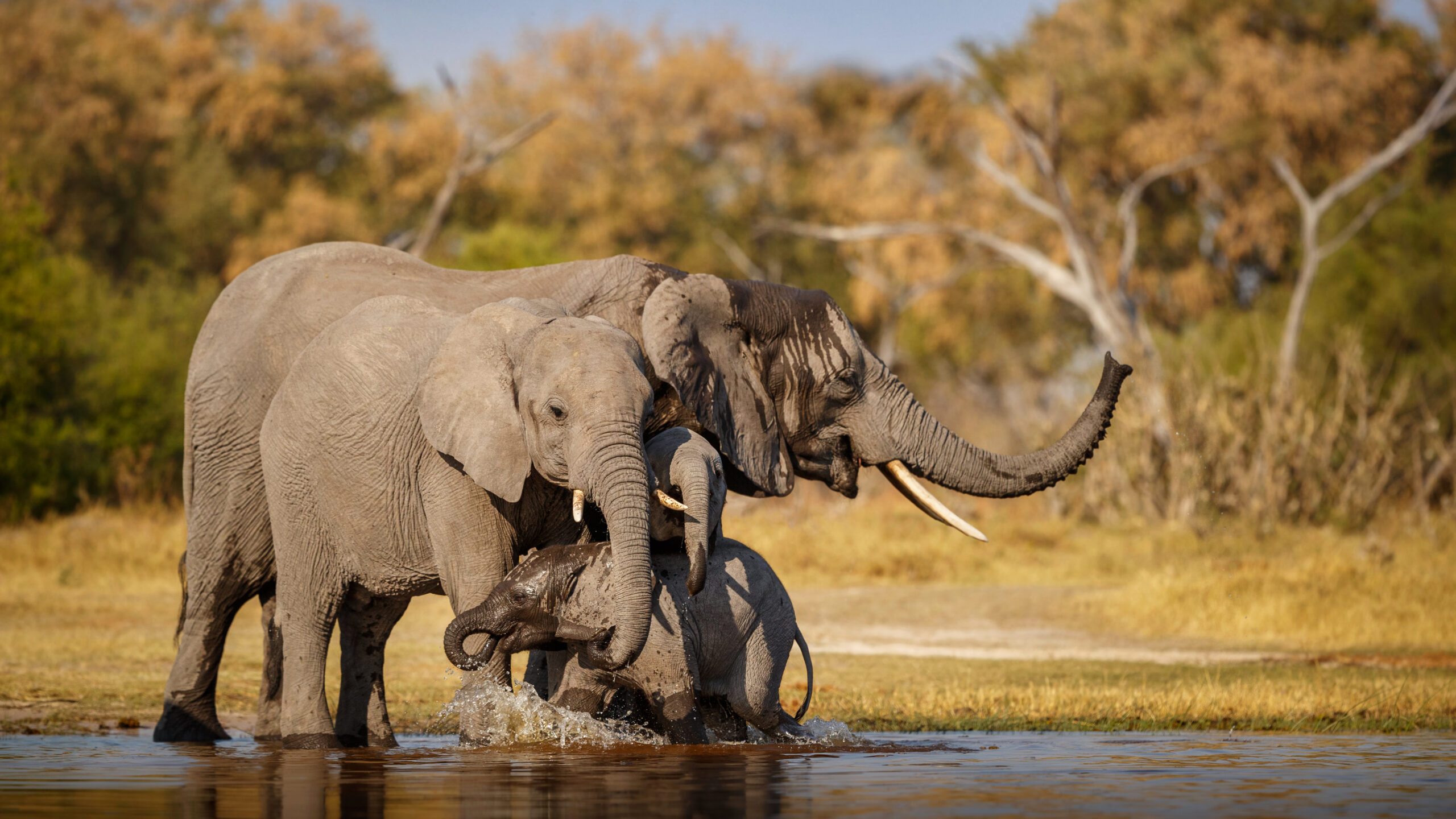
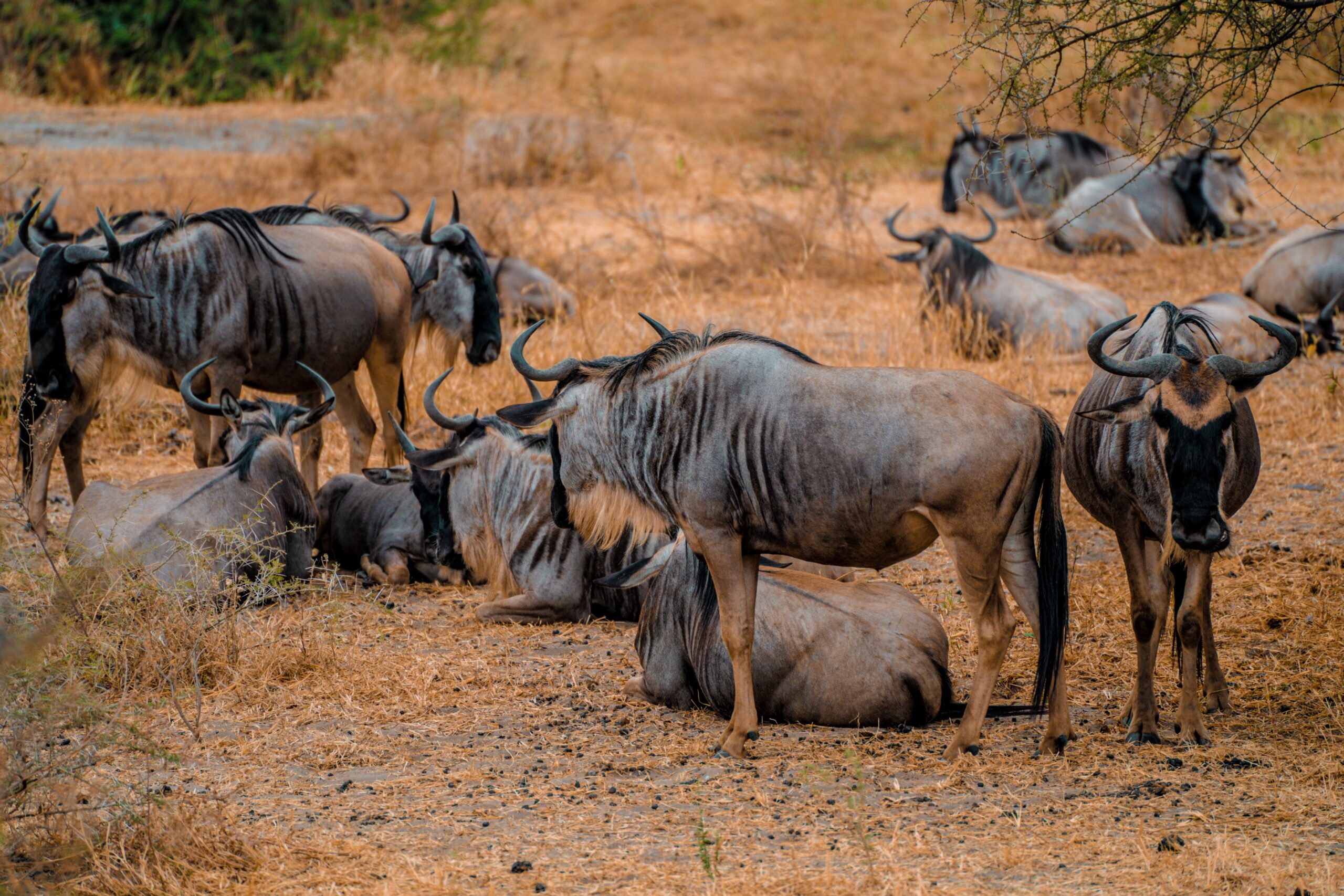
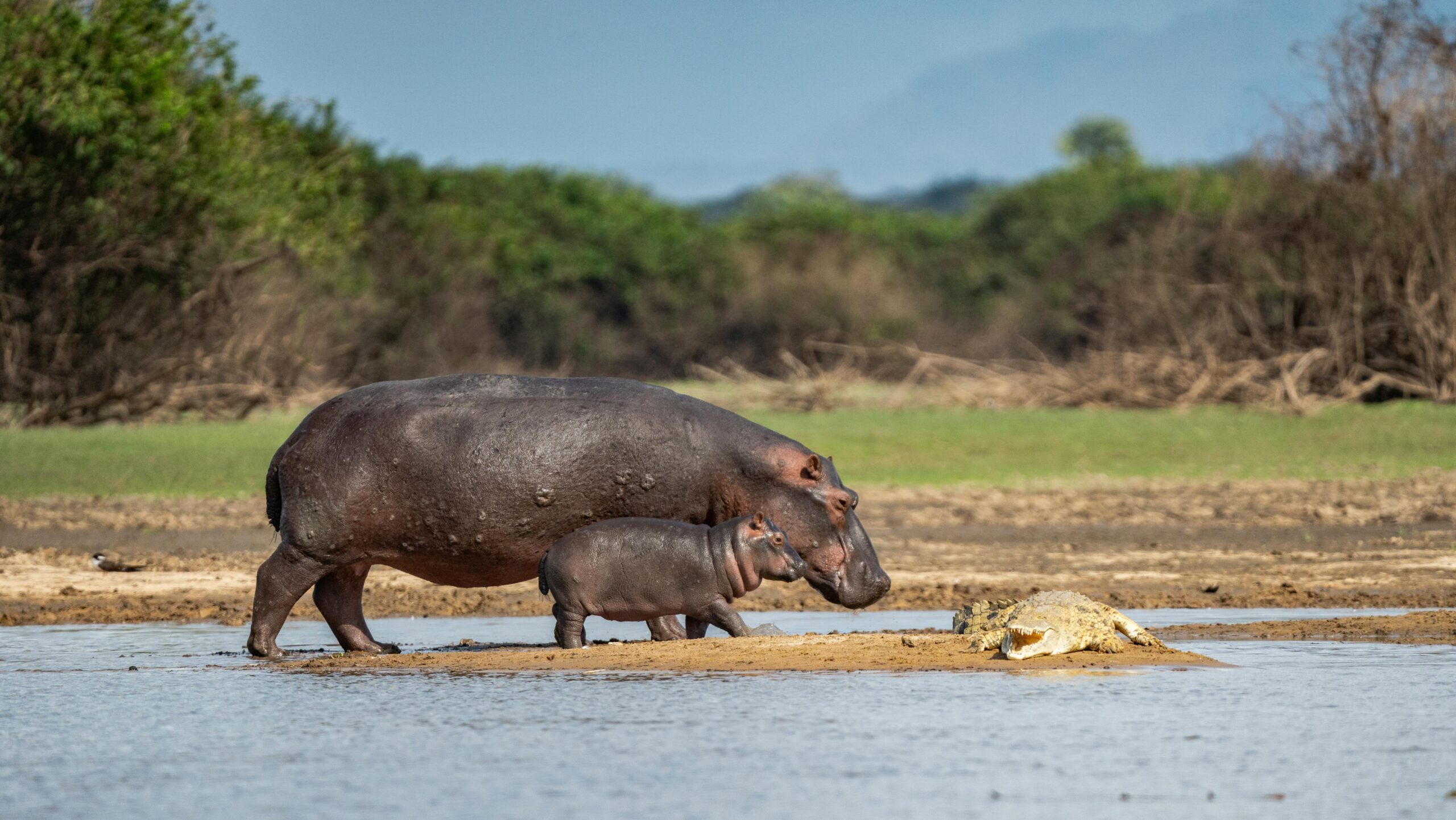
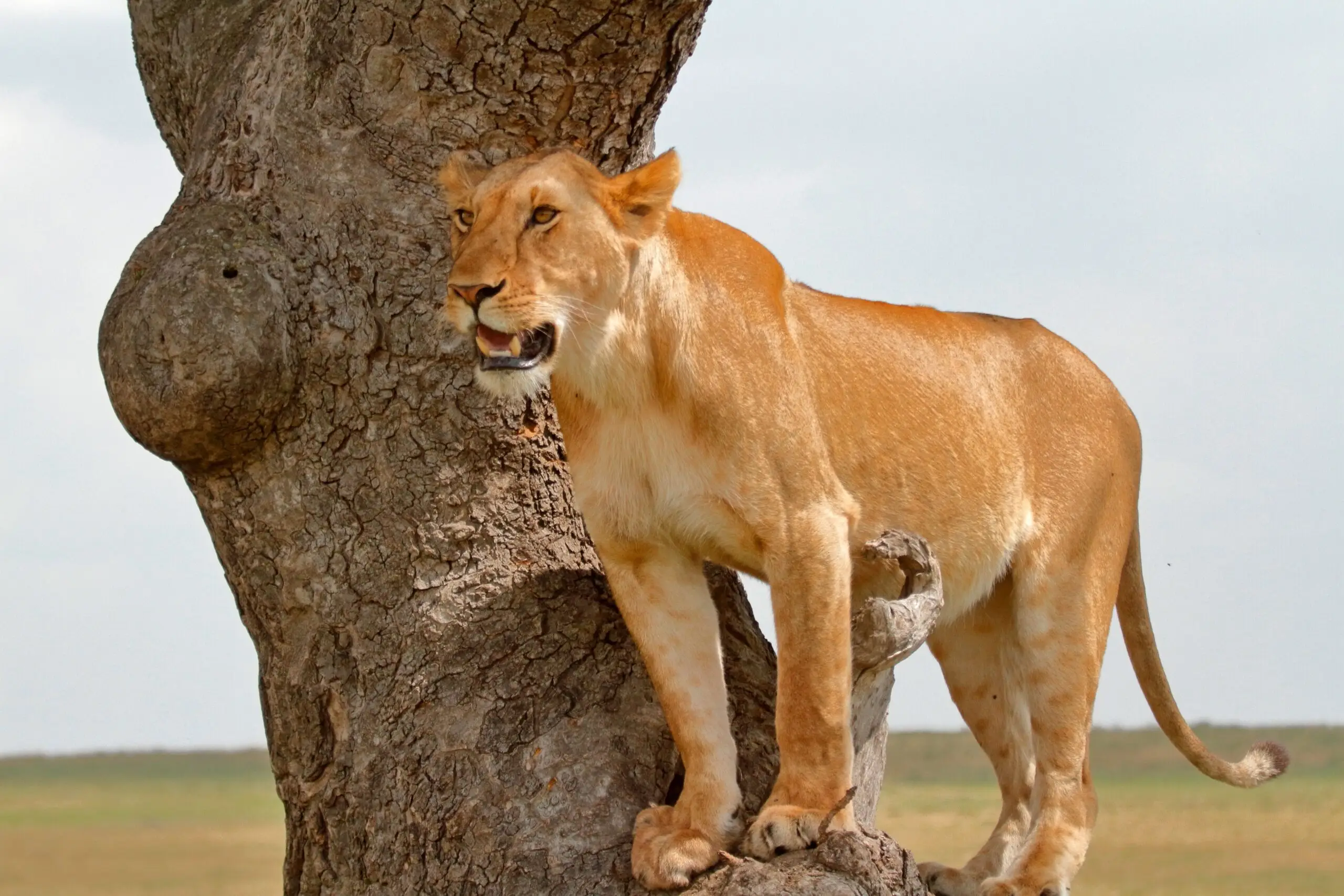
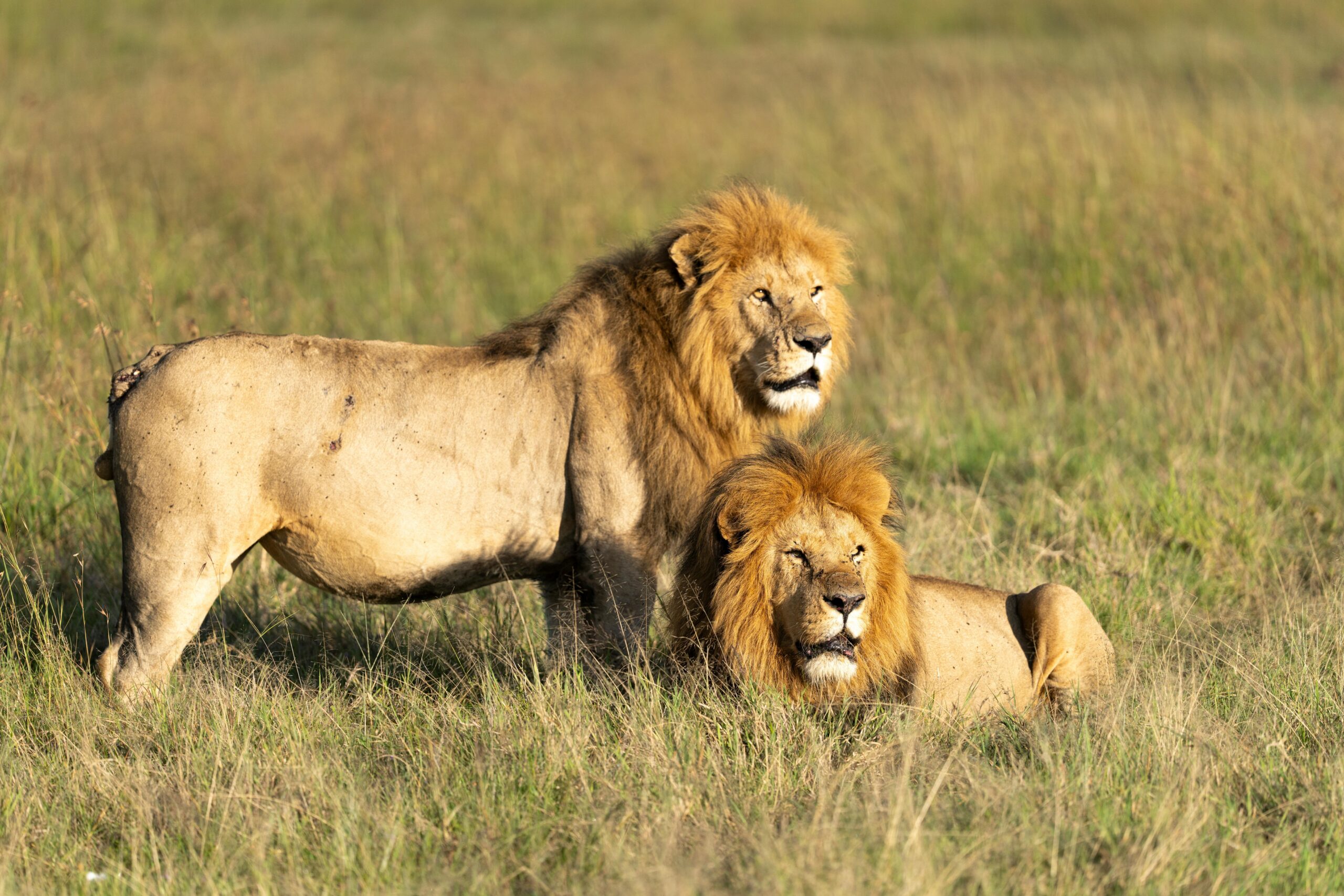
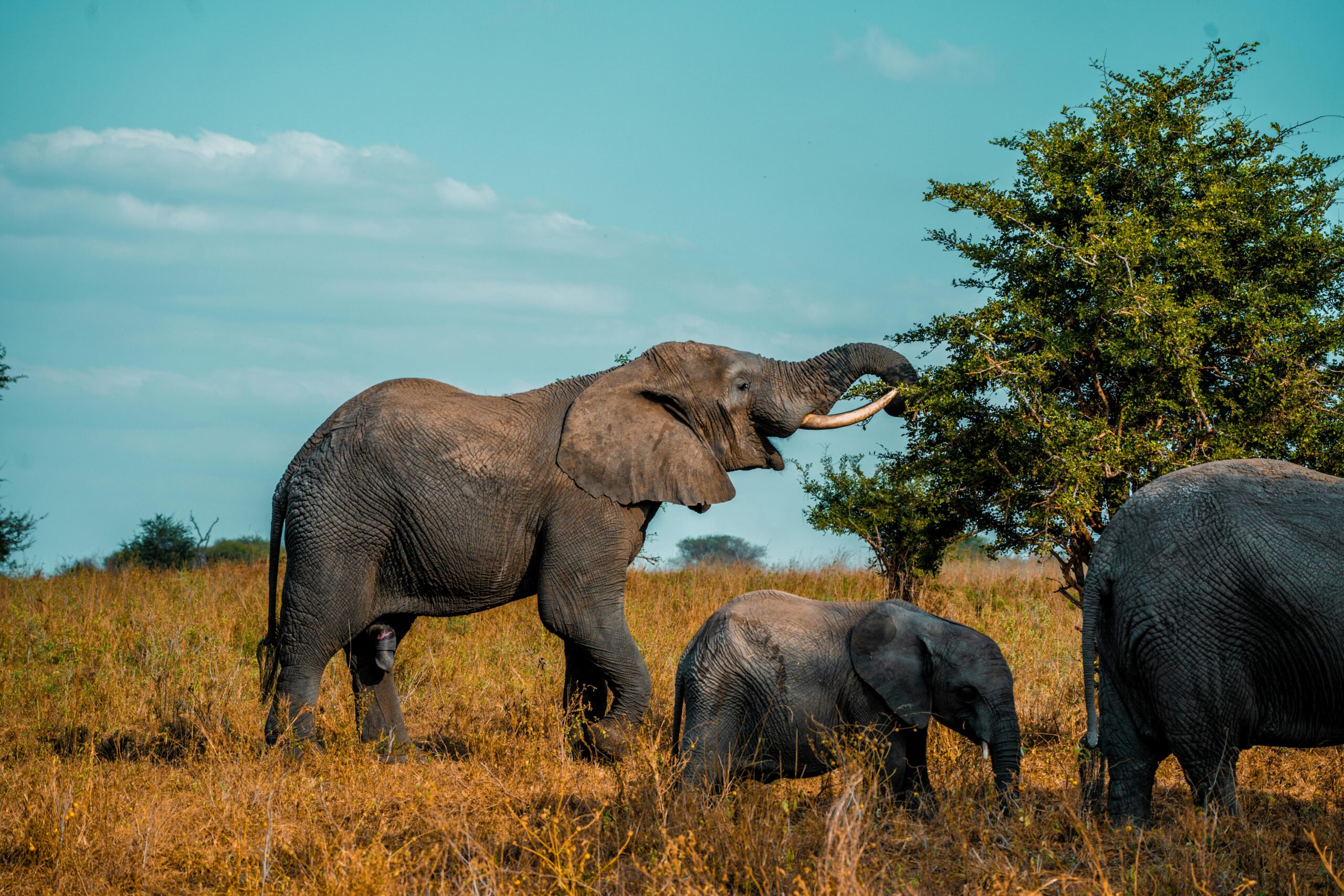
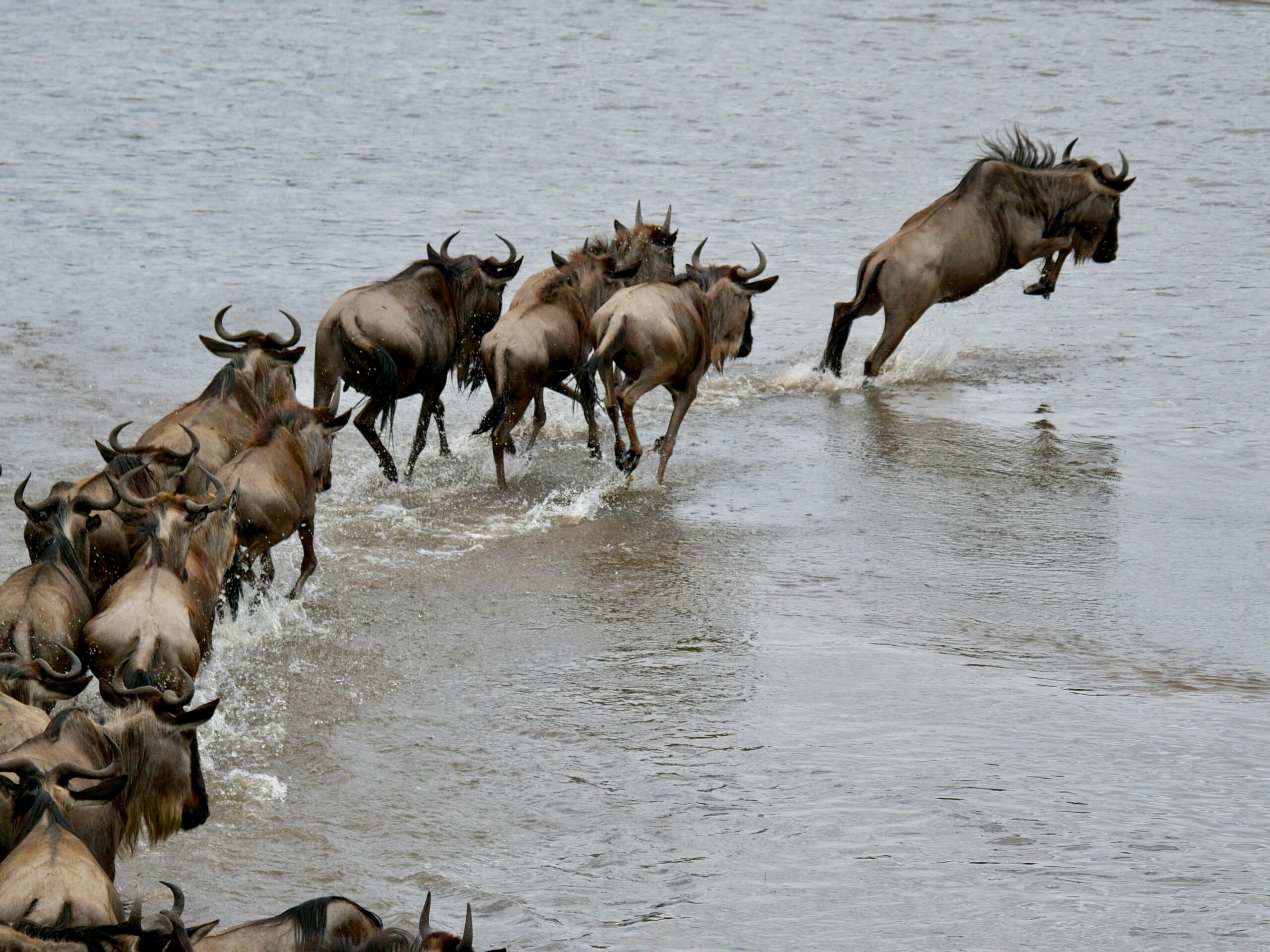
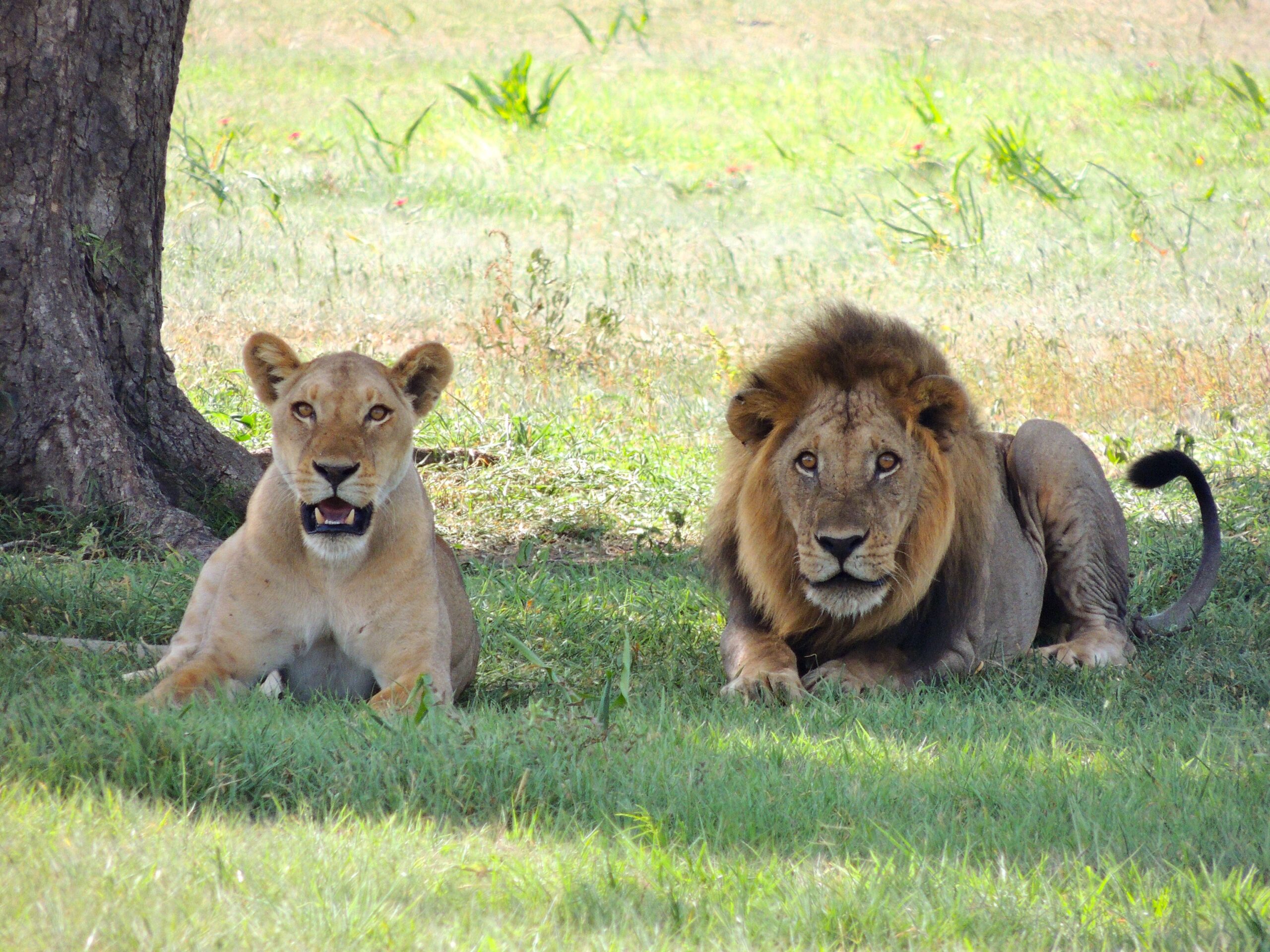
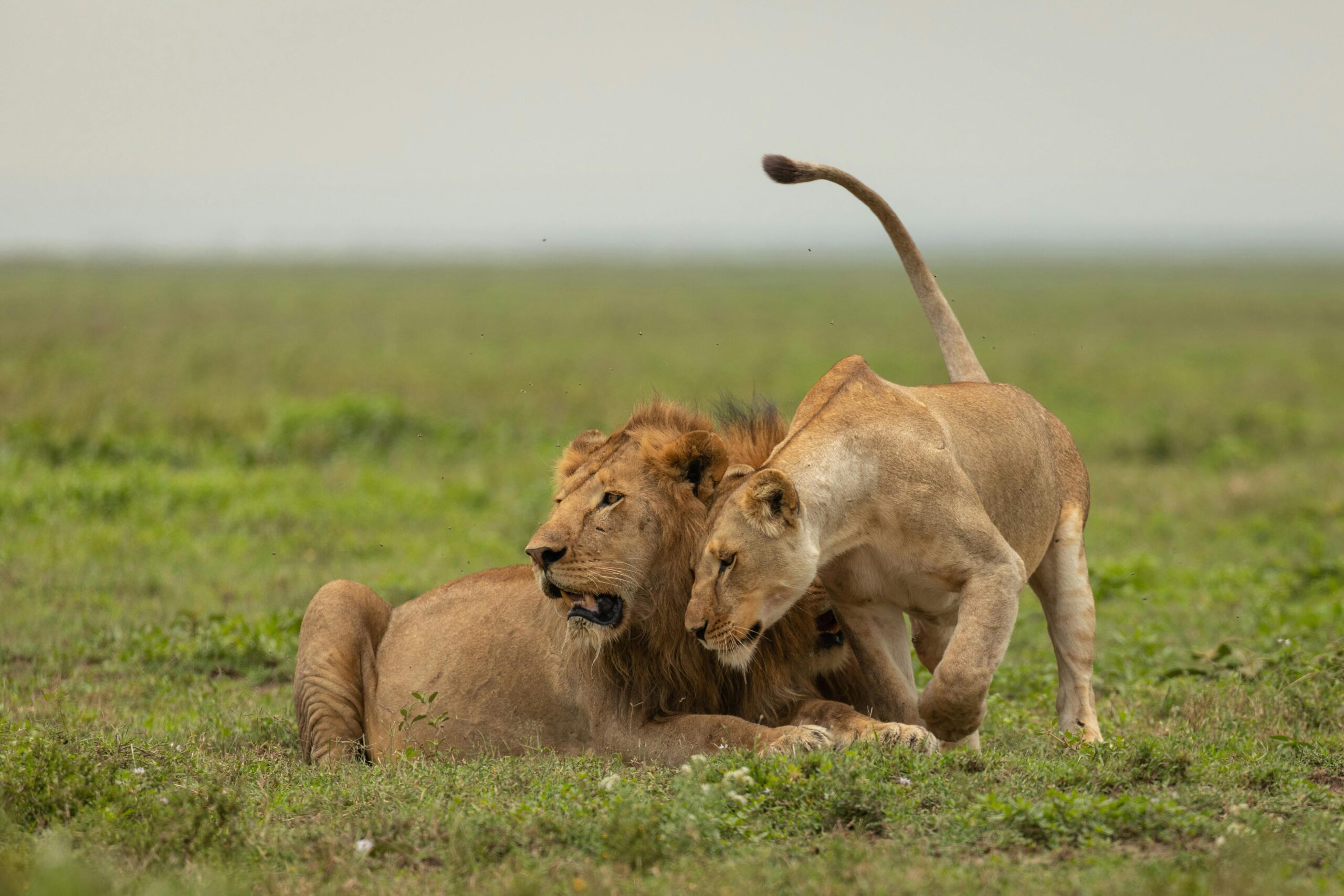
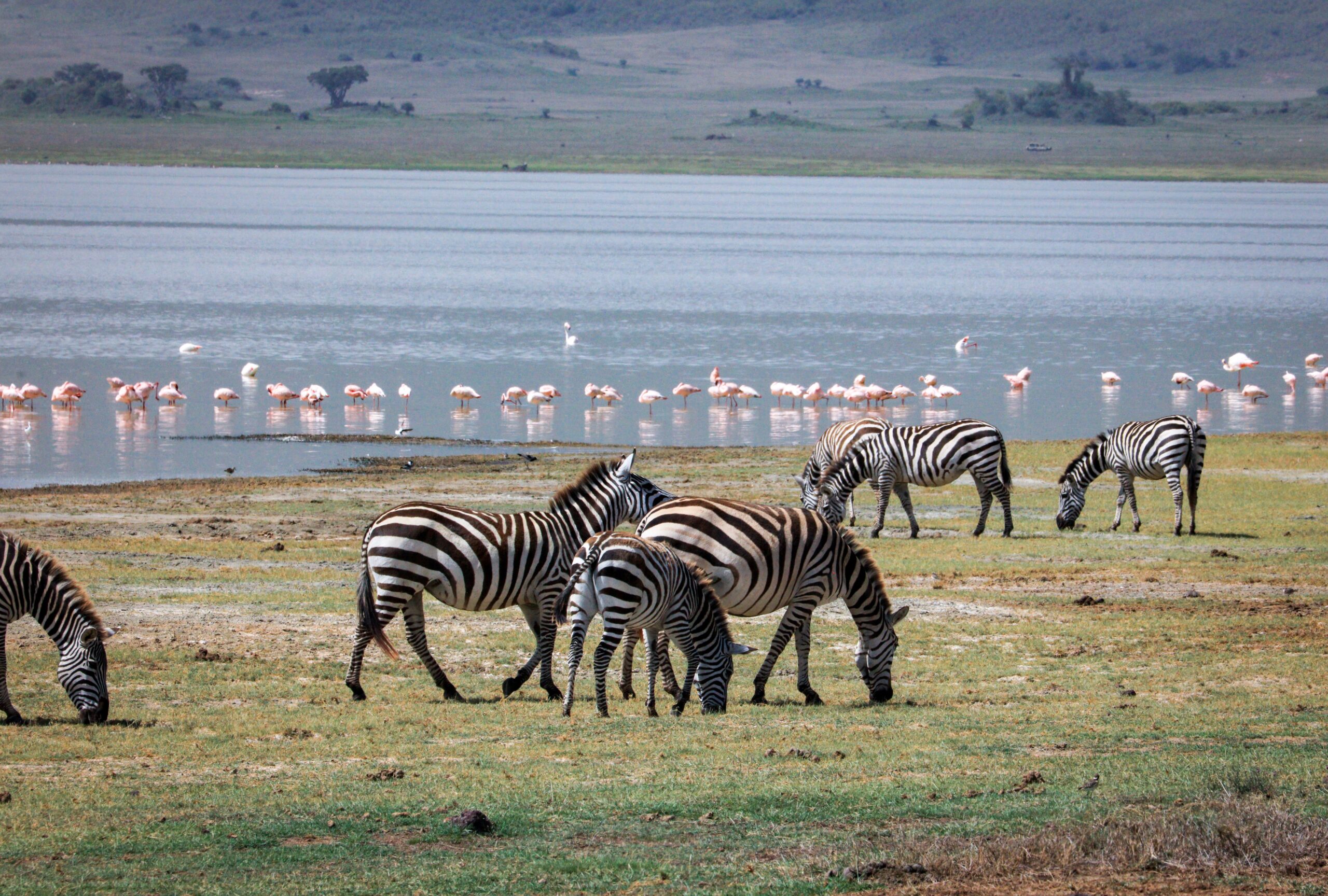
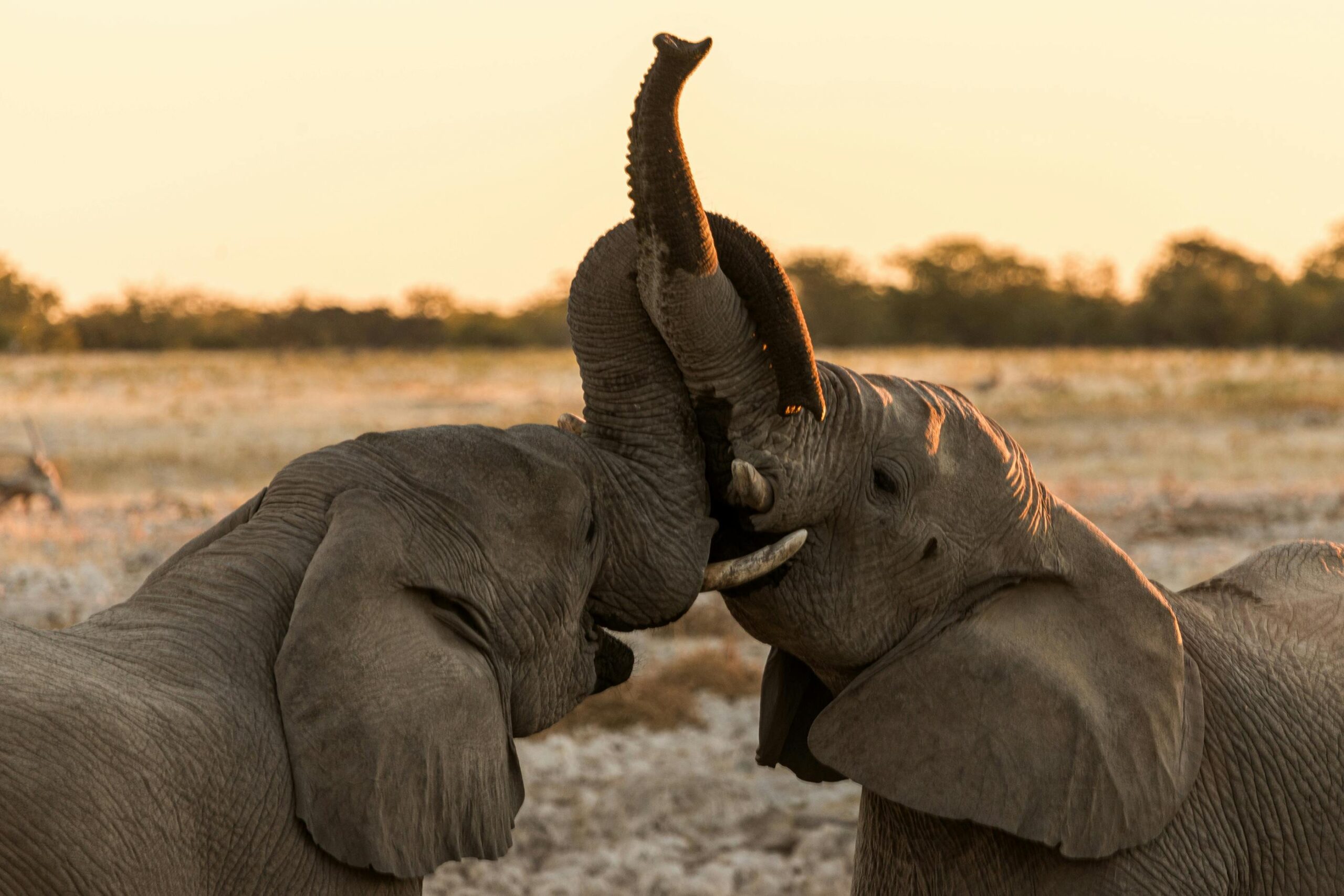
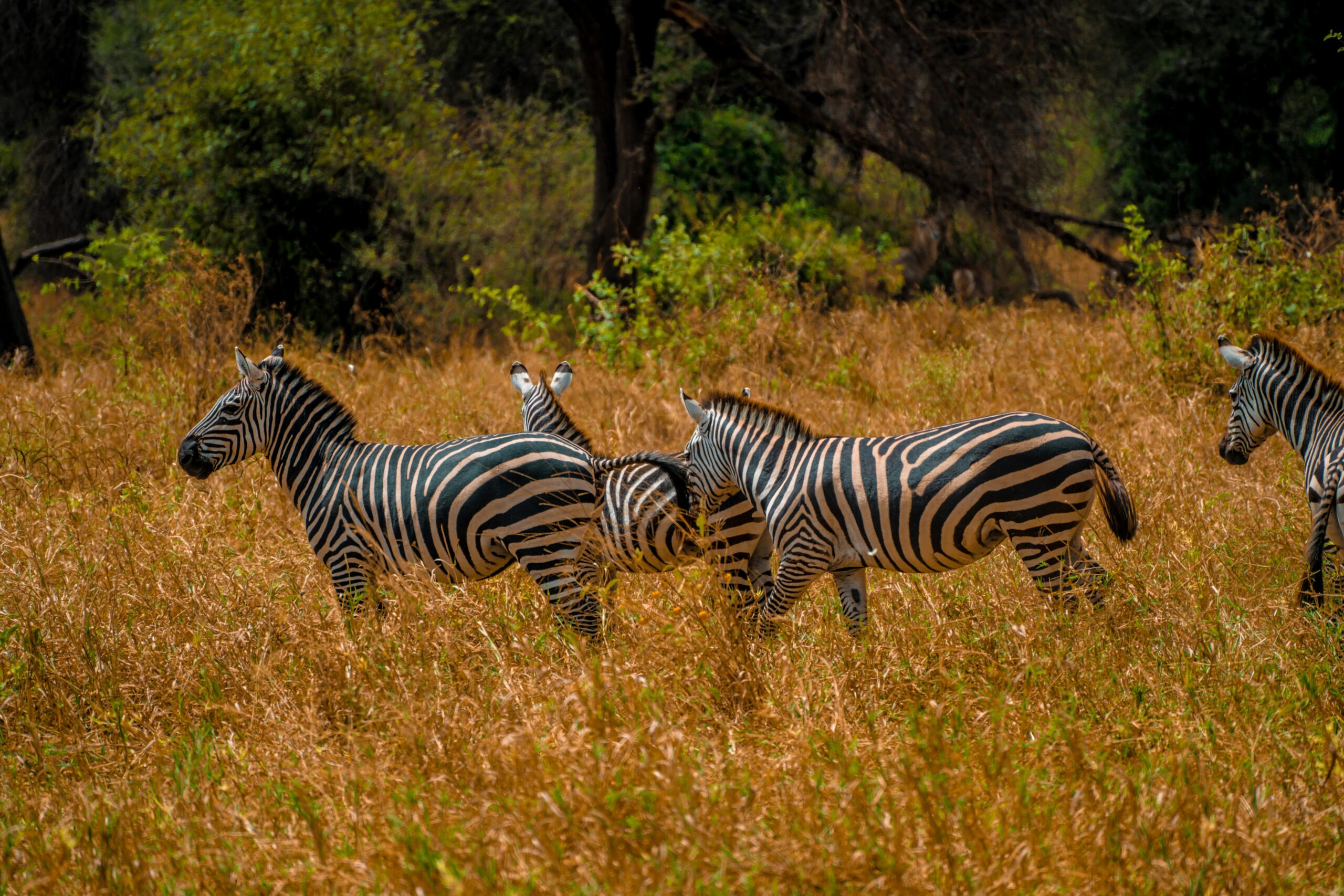
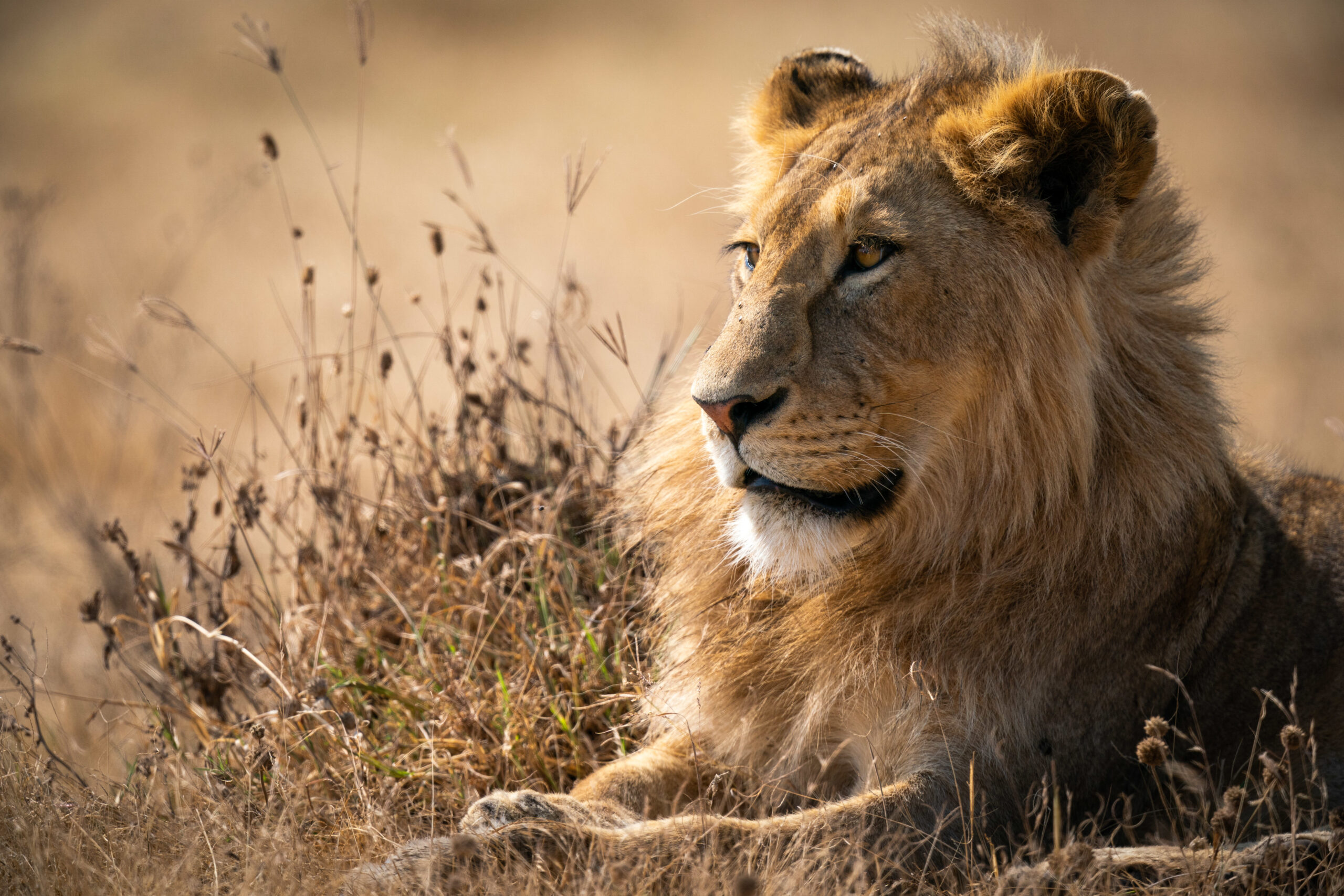
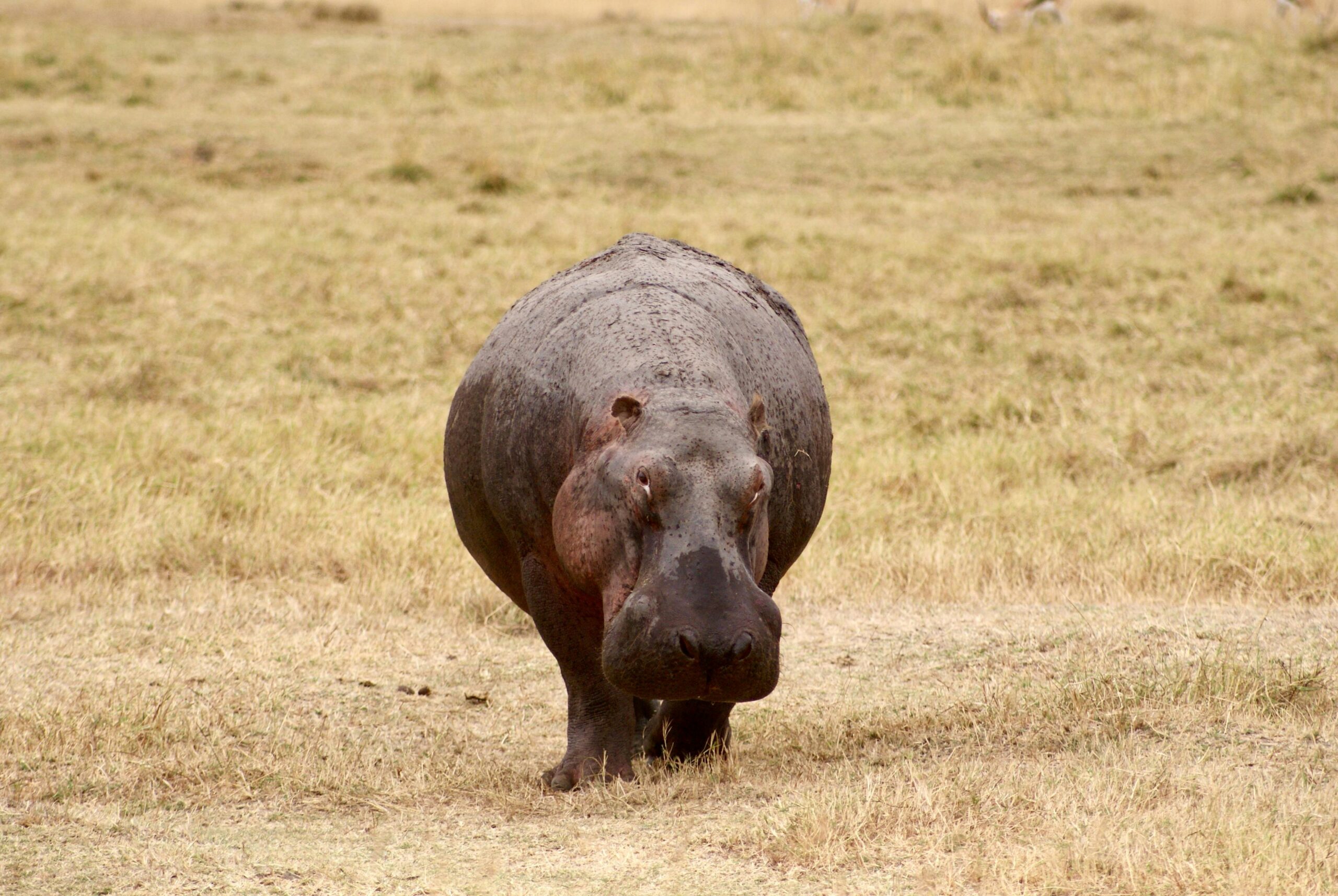
Across the crater floor, visitors may encounter large herds of wildebeest and zebra, buffalo, gazelles and other herbivores. Lions are regularly associated with the crater’s wildlife experience, while elephants, hippos and other species can also be encountered.
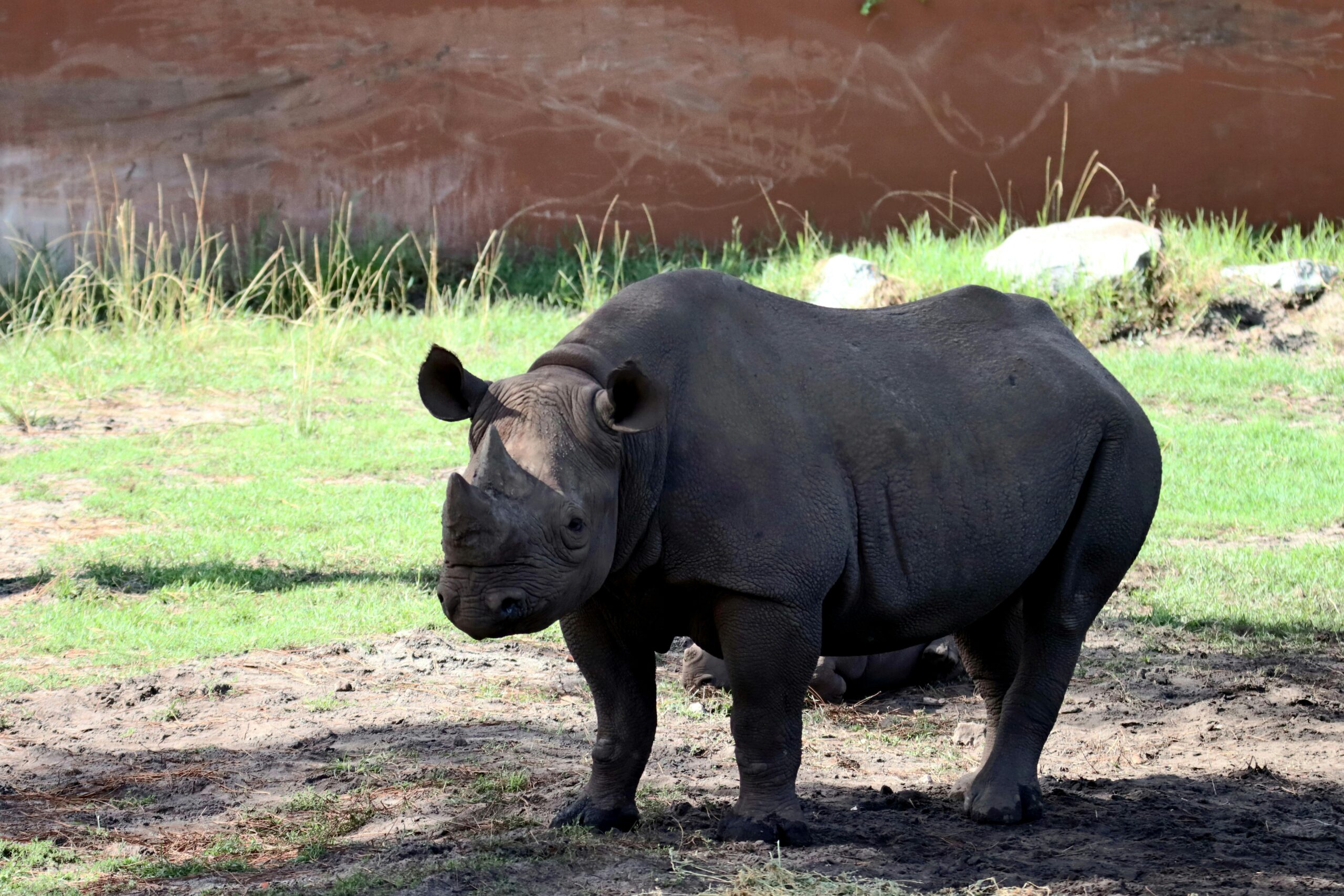
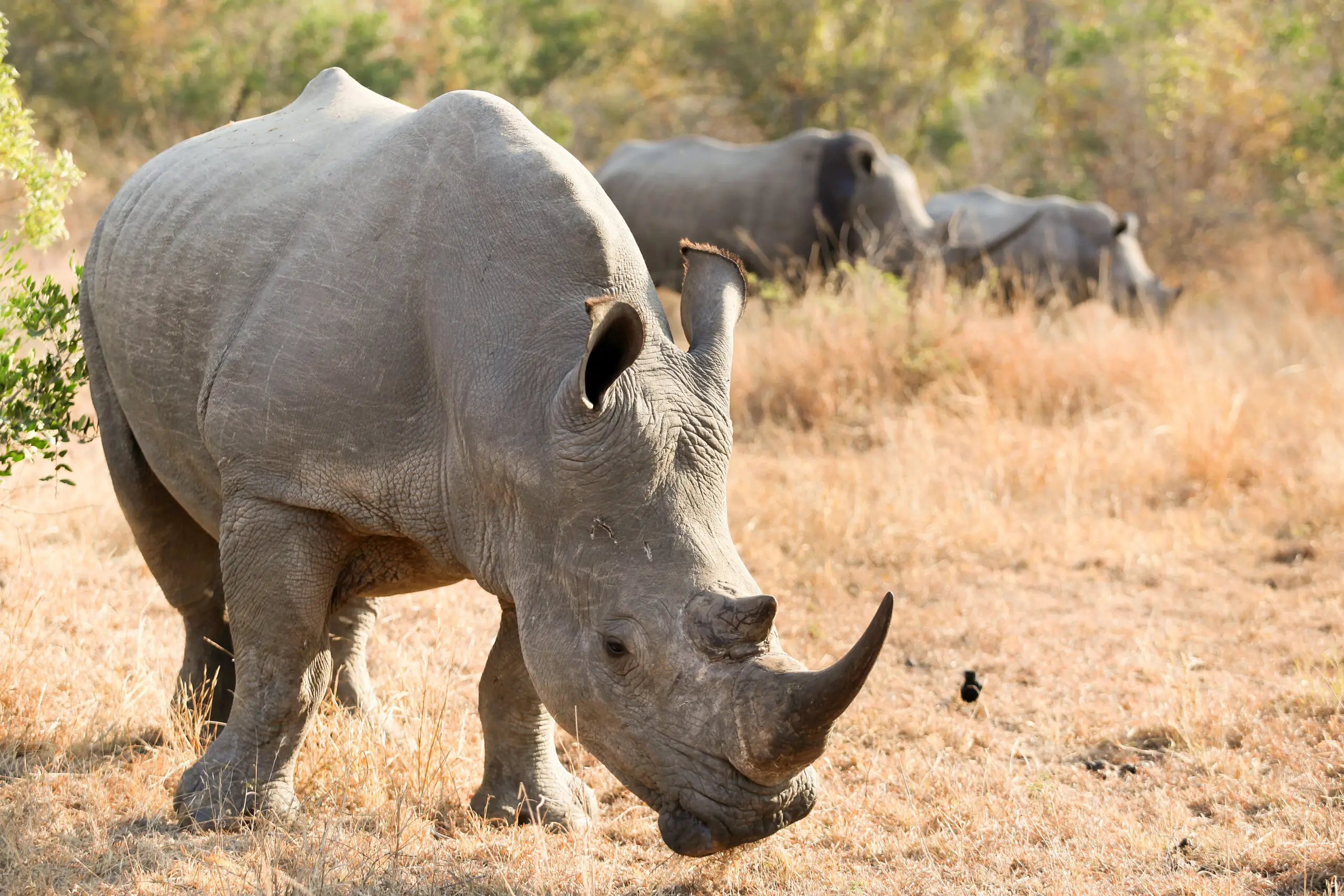
With patience and luck, travellers may also have the opportunity to see the endangered black rhinoceros, one of the species that gives the area exceptional conservation importance.
The crater is not simply a place to look for animals. Its dramatic volcanic walls, open grasslands and changing light create one of the most memorable landscapes in Tanzania.
A Landscape Created by Volcanoes
Where Geology Shapes the Wilderness
Ngorongoro’s character is deeply connected to its volcanic origins.
The conservation area forms part of the eastern branch of the Great Rift Valley, and its landscape contains several major volcanic features. Alongside Ngorongoro Crater are Olmoti and Empakaai craters, each offering a different perspective on the region’s geological history.
The result is an extraordinary mixture of highland environments, from open volcanic grasslands and montane forests to high moorlands and savannah.
This variation in altitude, climate and landforms creates multiple habitats within one conservation landscape, supporting an impressive diversity of plants, birds and wildlife.
For travellers who appreciate landscapes as much as wildlife, Ngorongoro offers some of the most dramatic scenery on a Northern Tanzania safari.
Wildlife in Ngorongoro
A Remarkable Concentration of African Wildlife
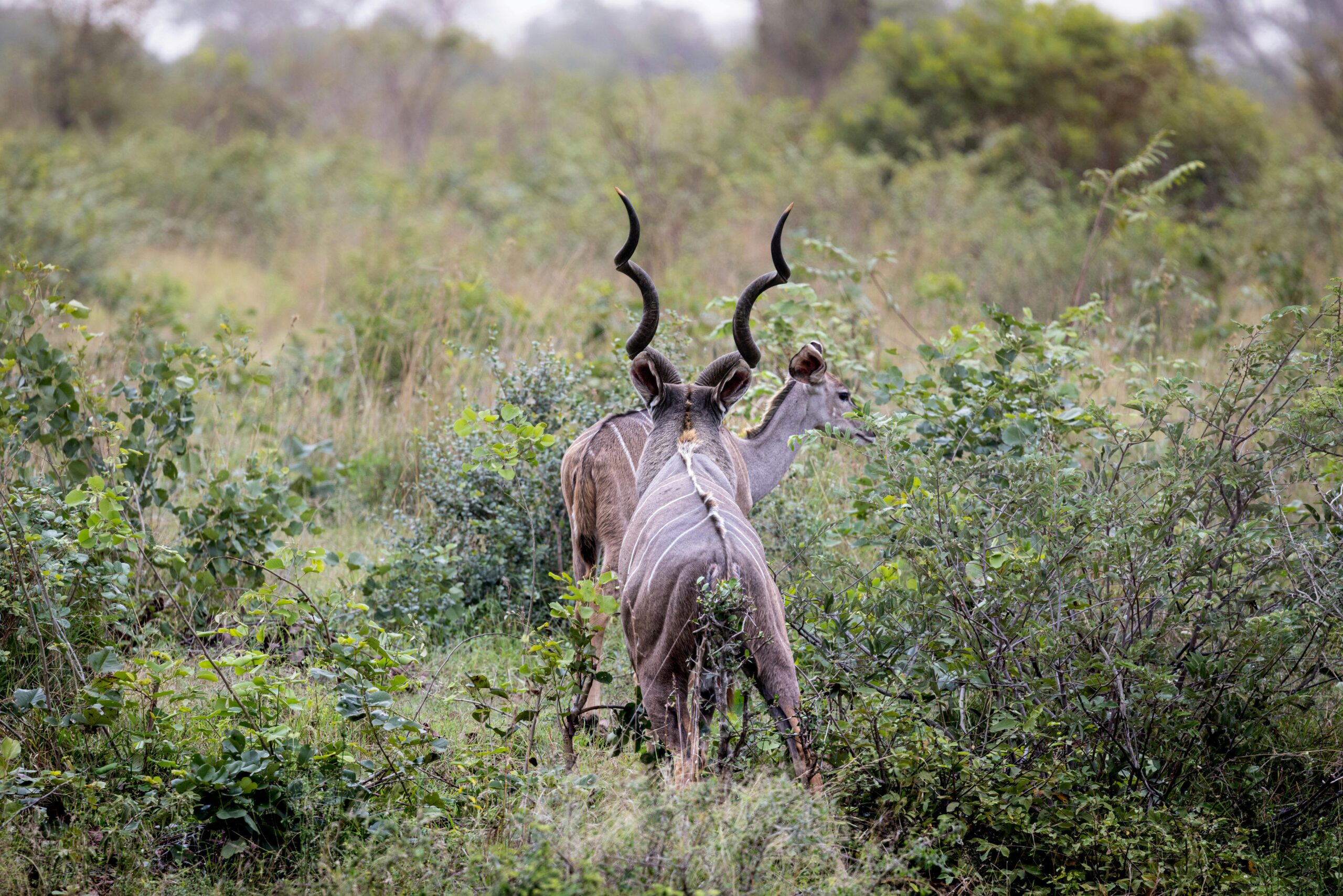
Ngorongoro is one of Tanzania’s premier wildlife destinations because of the remarkable concentration of animals found within the crater and surrounding ecosystems.
A safari here can provide opportunities to encounter:
Big Cats & Predators
- Lions
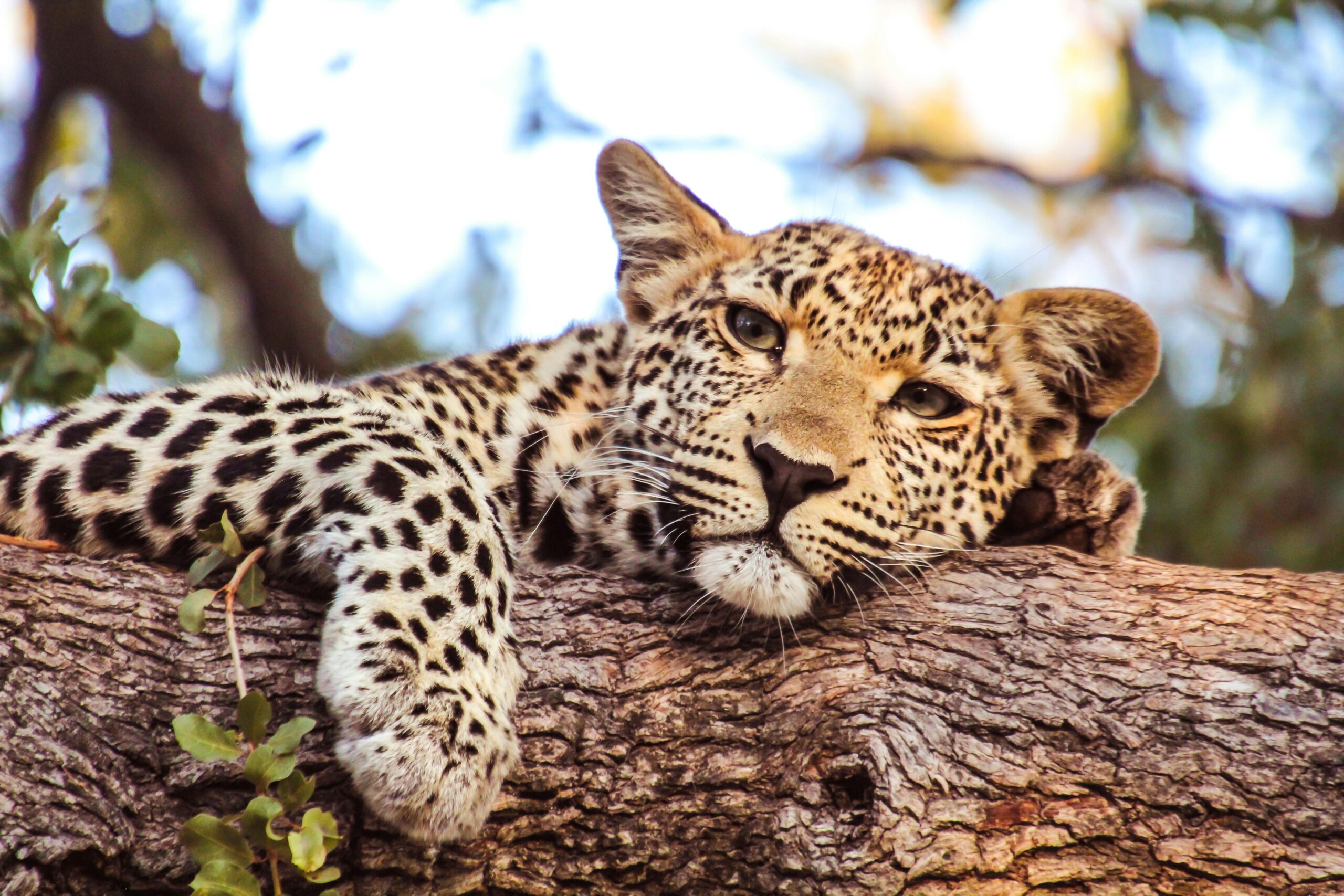
- Leopards
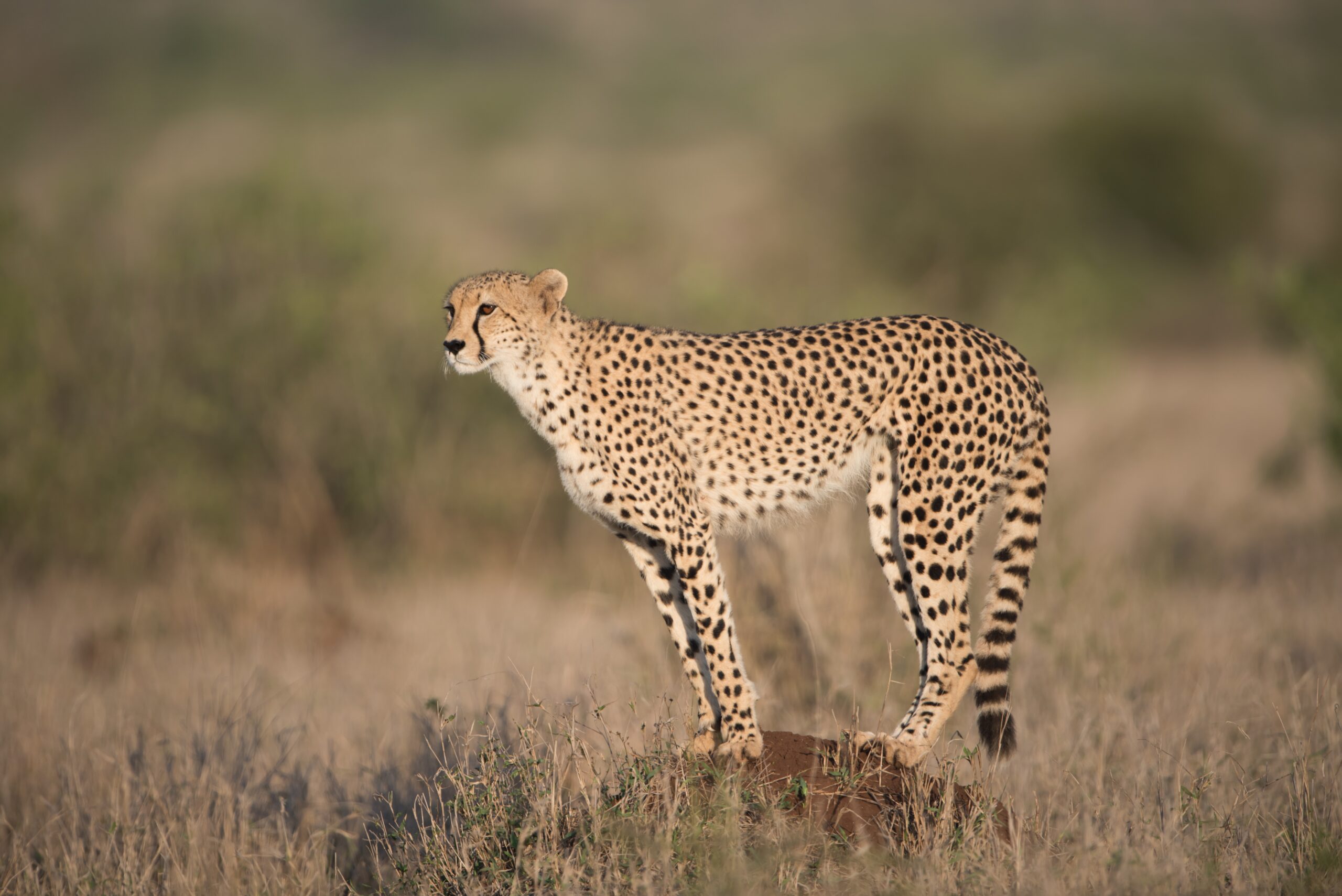
- Cheetahs
- Hyenas
- Jackals
Large Mammals
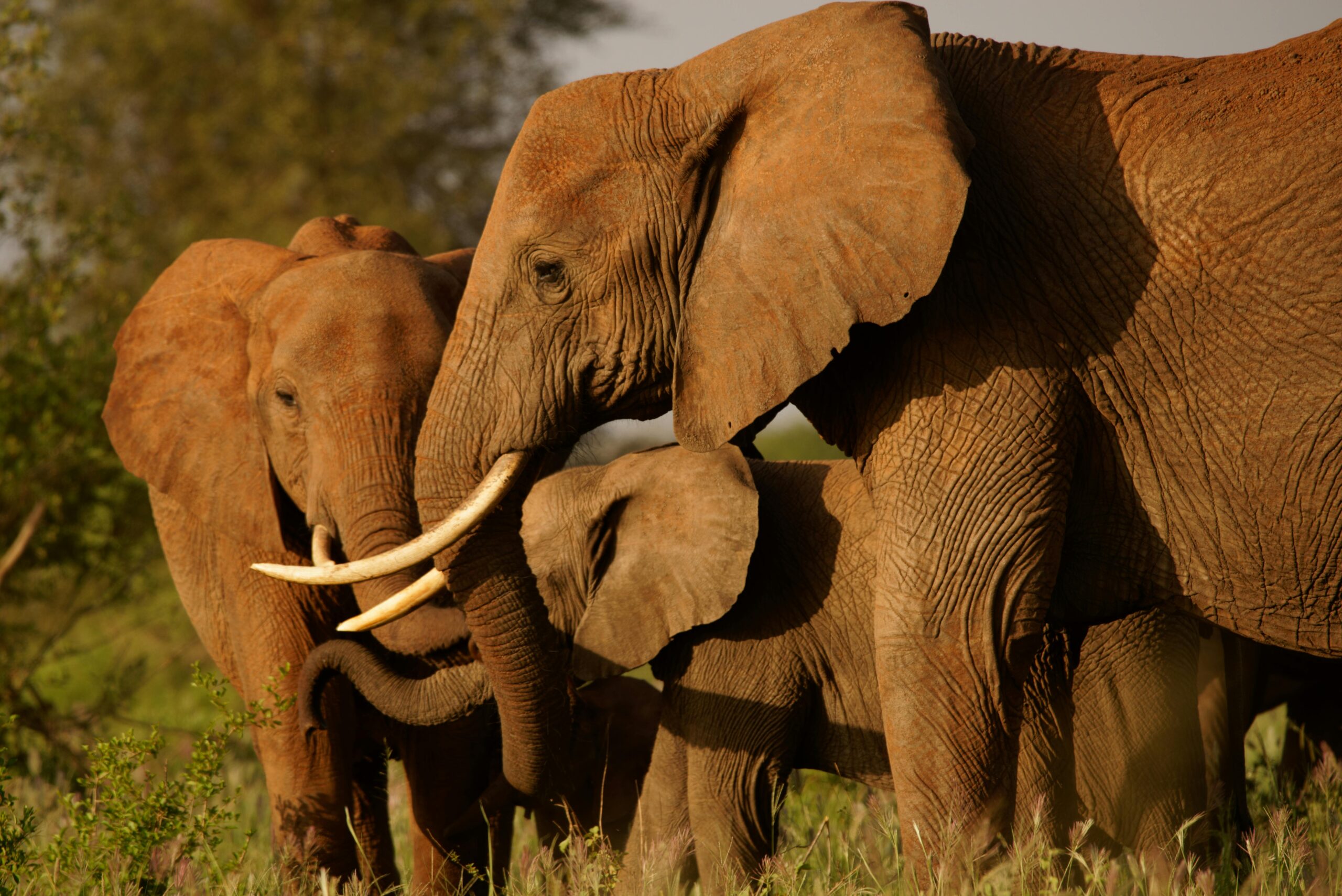
- African elephants
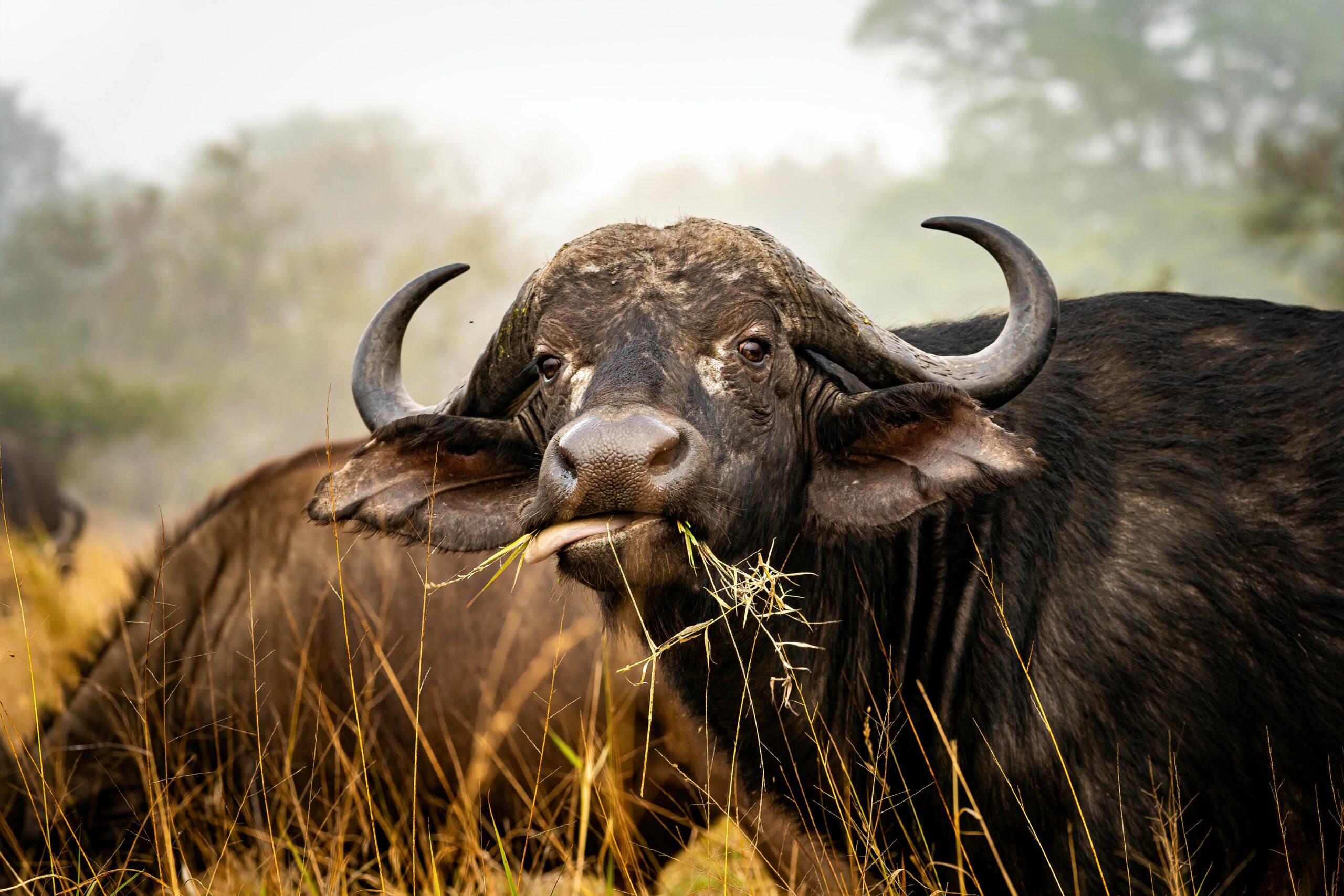
- African buffalo
- Hippopotamus
- Black rhinoceros
Plains Wildlife
- Wildebeest
- Plains zebra
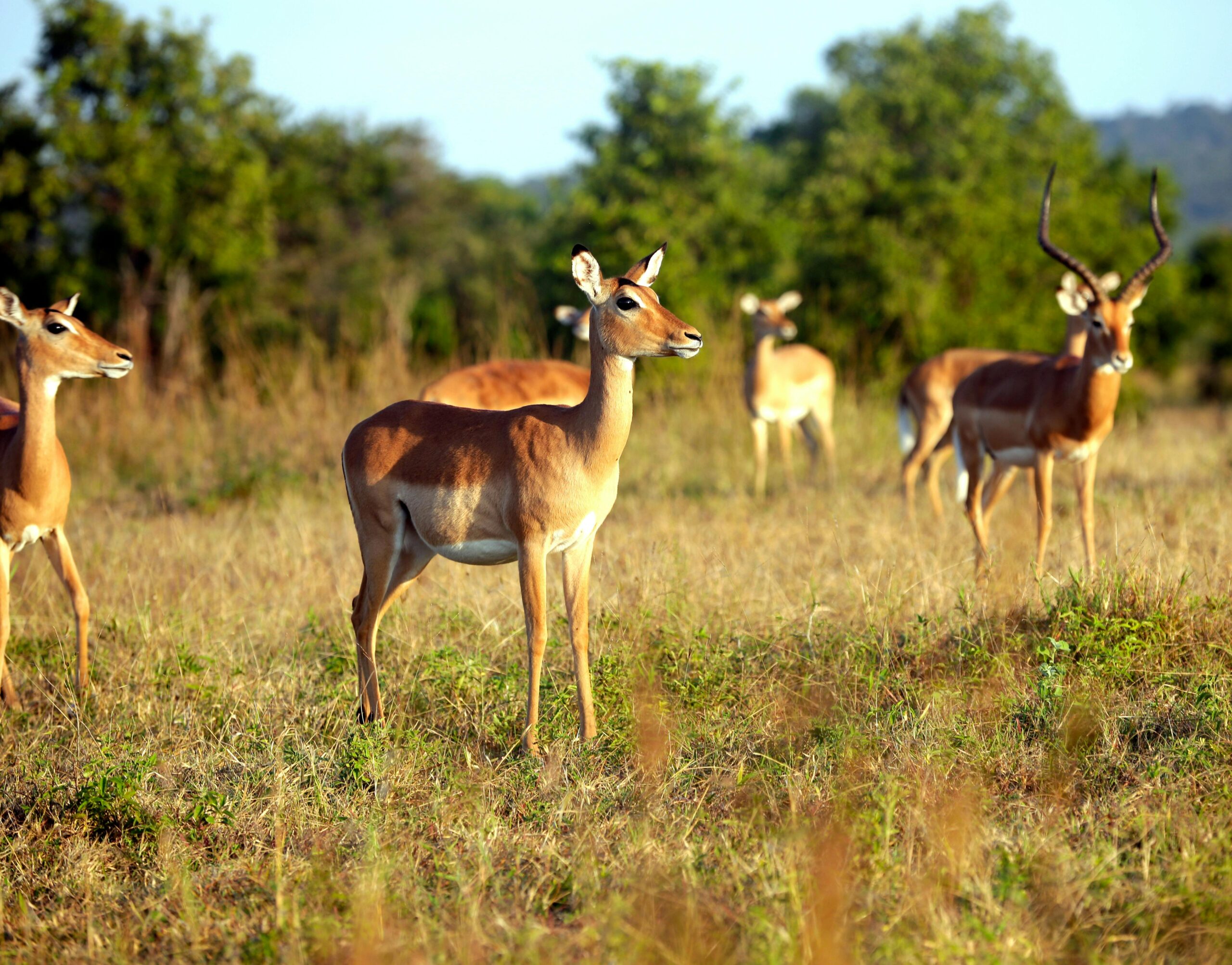
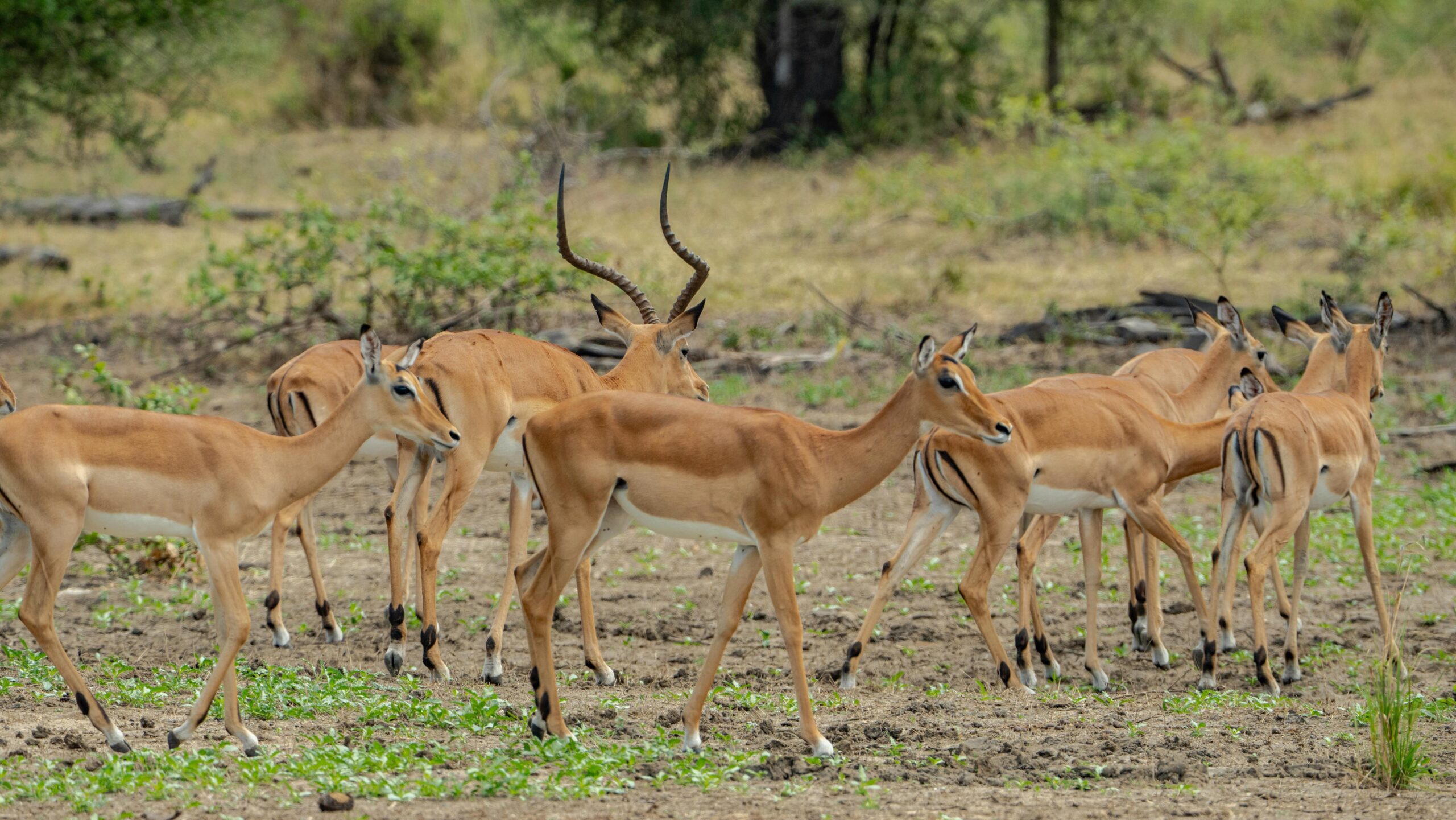
- Thomson’s gazelle
- Grant’s gazelle
- Eland
- Hartebeest
- Warthog
Other Wildlife
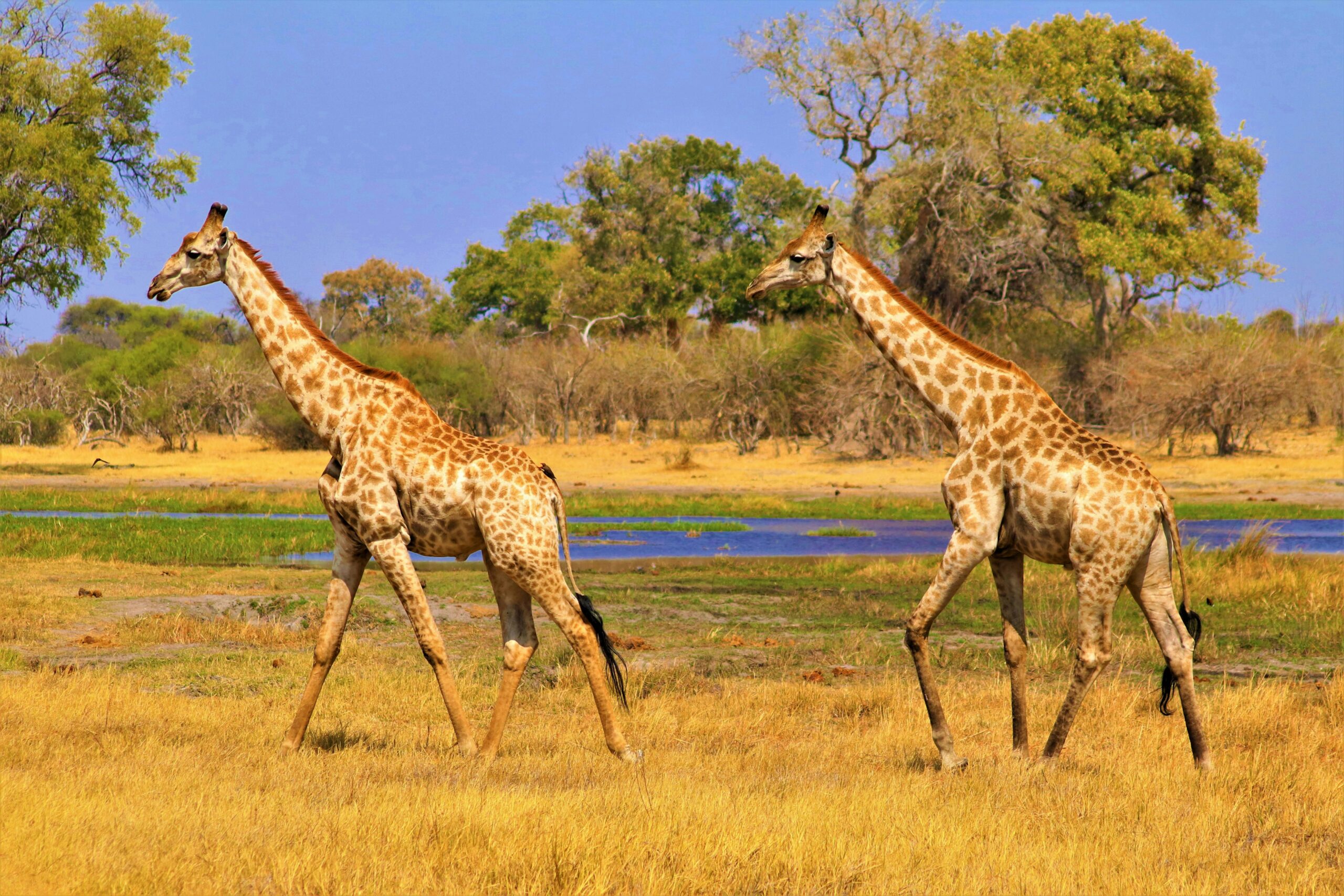
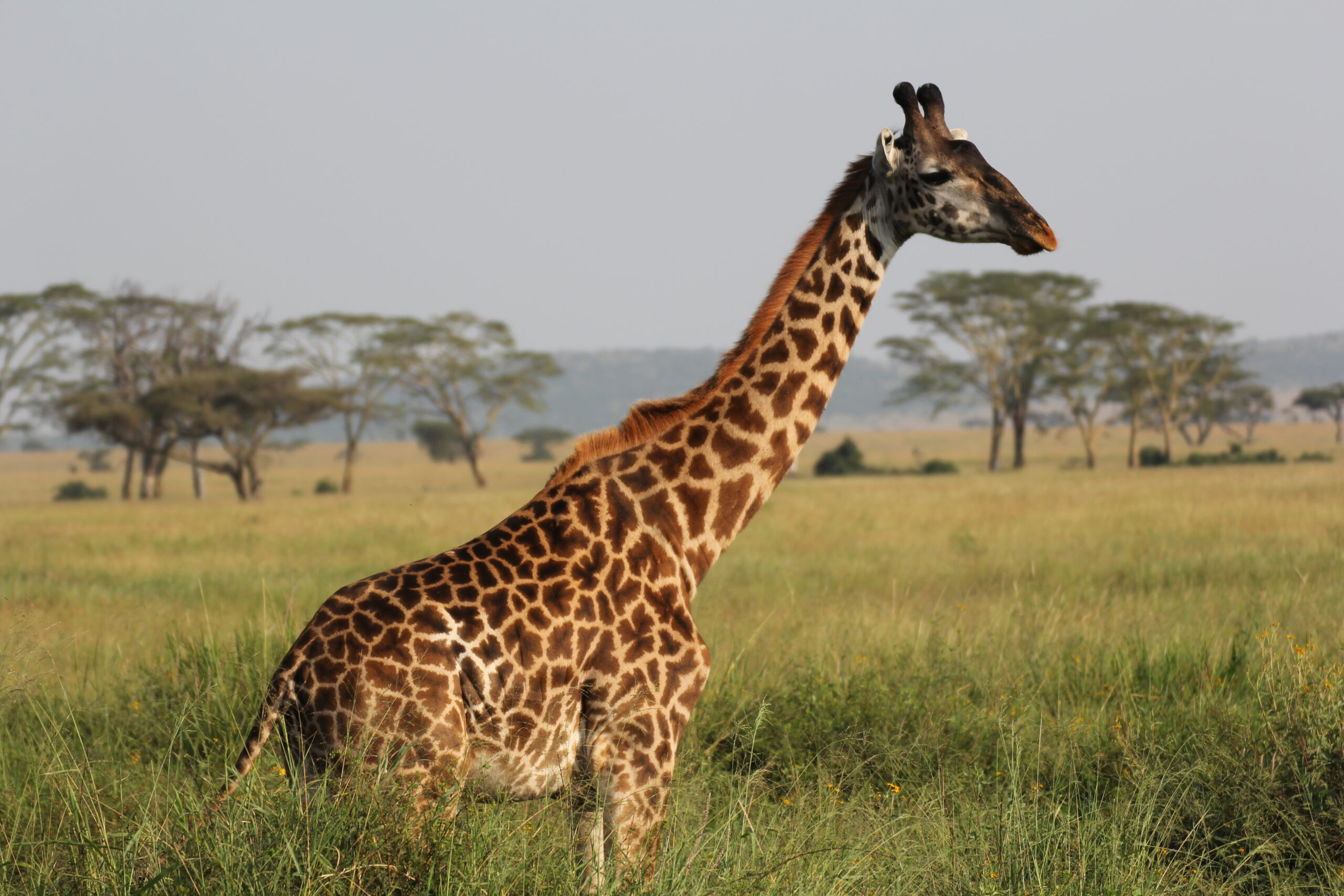
- Giraffes in suitable areas of the wider conservation landscape
- Baboons
- Monkeys
- Numerous smaller mammals
The area is particularly important for threatened species, including black rhinoceros, and UNESCO recognizes Ngorongoro for its exceptional biodiversity and wildlife concentration. The wider conservation area also supports around 500 recorded bird species.
Wildlife sightings are never guaranteed, but the diversity of habitats and concentration of animals make Ngorongoro one of the most rewarding destinations to include in a Northern Tanzania safari.
The Great Migration Connection
Part of a Much Larger Ecosystem
Although the Ngorongoro Crater itself is not the entire Great Migration destination, the wider Ngorongoro Conservation Area forms an important part of the Serengeti ecosystem.
Each year, enormous numbers of wildebeest, zebra, gazelles and other herbivores move through the wider ecosystem in response to rainfall, fresh grazing and seasonal conditions.
The northern plains around the Serengeti-Ngorongoro landscape are particularly important during parts of the migration cycle, including calving periods when conditions are suitable. UNESCO identifies the migration as one of the area’s major natural values.
This connection makes Ngorongoro an important destination to combine with the Serengeti when designing a longer Tanzania safari.
Maasai Culture & Living Heritage
A Conservation Area Where People & Wildlife Coexist
One of the features that makes Ngorongoro different from many traditional national parks is the presence of Maasai pastoral communities within the wider conservation landscape.
The area was established as a multiple-land-use conservation area, allowing wildlife conservation to coexist with traditional semi-nomadic livestock pastoralism.
For visitors, carefully arranged cultural experiences can provide opportunities to learn about Maasai traditions, livestock keeping, local knowledge, traditional homes, crafts and community life.
The most meaningful cultural experiences are those approached with respect—where visitors are encouraged to learn, listen and understand rather than simply observe.
Ngorongoro therefore offers something beyond wildlife: an opportunity to appreciate the relationship between people, landscapes and conservation in Tanzania.
Olduvai Gorge
Walking Through the Story of Human Evolution
Beyond wildlife, Ngorongoro is also one of the world’s most important landscapes for understanding human evolution.
Within the wider conservation area lies Olduvai Gorge, a deep archaeological and palaeoanthropological site extending for approximately 14 kilometres. Research in the area has produced an extraordinary sequence of evidence relating to human evolution and human-environment relationships over millions of years.
The wider region also includes Laetoli, famous for ancient hominin footprints associated with the development of human bipedalism.
For travellers interested in archaeology, anthropology and human history, these sites add an entirely different dimension to a Tanzania safari.
You are not simply travelling through a wildlife destination—you are travelling through a landscape connected to some of the earliest chapters of our human story.
Olmoti Crater
A Quieter Side of the Ngorongoro Highlands
While Ngorongoro Crater receives most of the attention, the wider conservation area contains other volcanic landscapes worth discovering.
Olmoti Crater offers a more secluded highland experience, surrounded by natural scenery and walking opportunities.
Compared with the busy wildlife-focused experience of the main crater, the Olmoti area can provide a quieter connection with the Ngorongoro Highlands.
It is particularly appealing to travellers who want to combine a traditional safari with walking, scenery and a deeper exploration of the volcanic landscape.
Empakaai Crater
Wilderness Beyond the Famous Crater
Another remarkable feature of the Ngorongoro Highlands is Empakaai Crater.
Its dramatic volcanic landscape and surrounding highland environment offer another perspective on the geological forces that shaped this part of Tanzania.
For adventurous travellers, walking experiences around Empakaai can provide a more active way of experiencing the landscape, with panoramic views and a strong sense of wilderness.
These lesser-known areas demonstrate why the Ngorongoro Conservation Area should not be reduced to the crater alone.
Birdlife
A Destination for Bird Lovers
Ngorongoro’s variety of habitats makes it an excellent destination for birdwatching.
From forests and highland areas to grasslands, wetlands and crater habitats, different environments support different bird communities.
The conservation area is recorded as supporting approximately 500 bird species, making birdwatching an important part of the destination for enthusiasts.
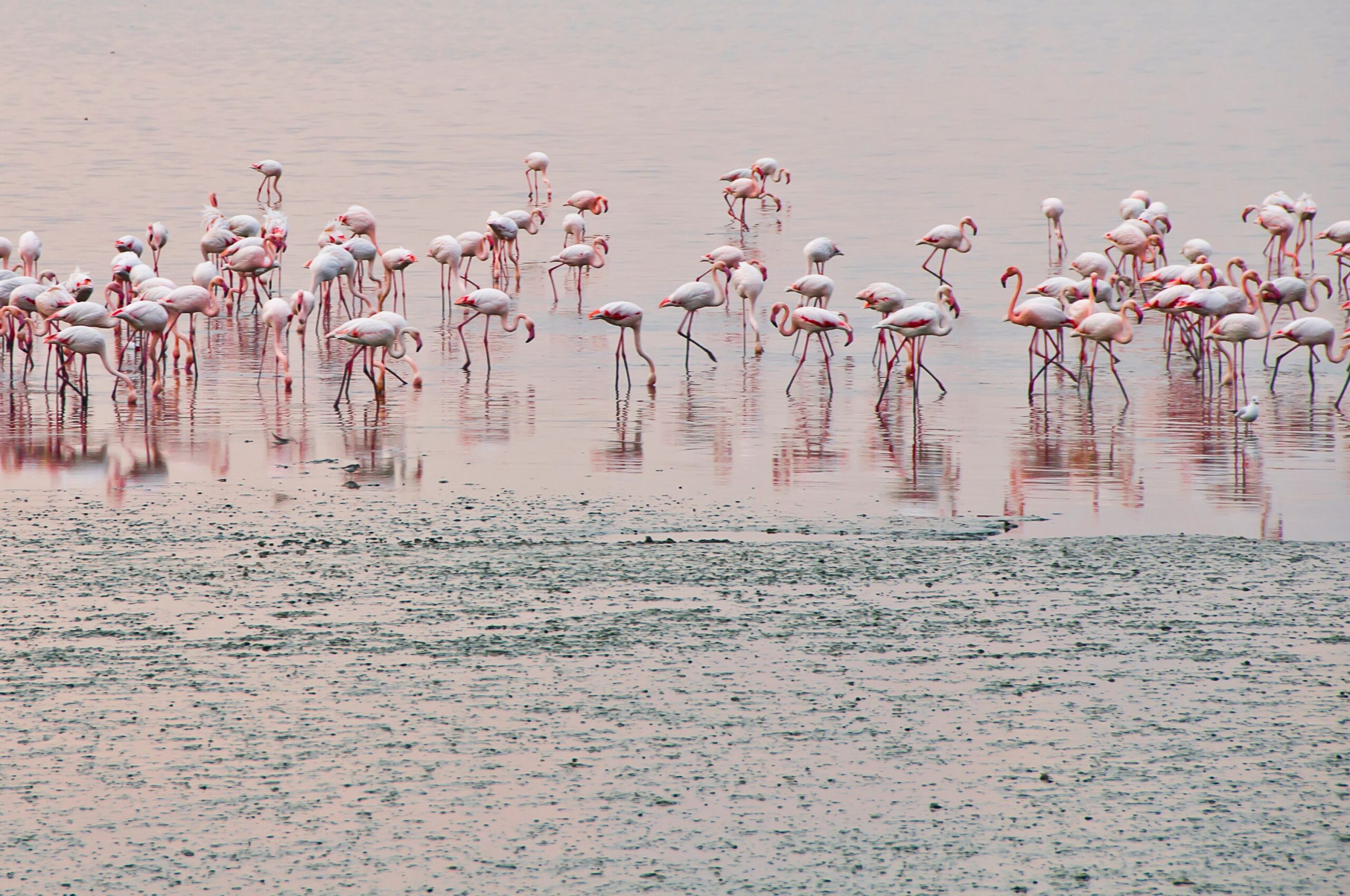
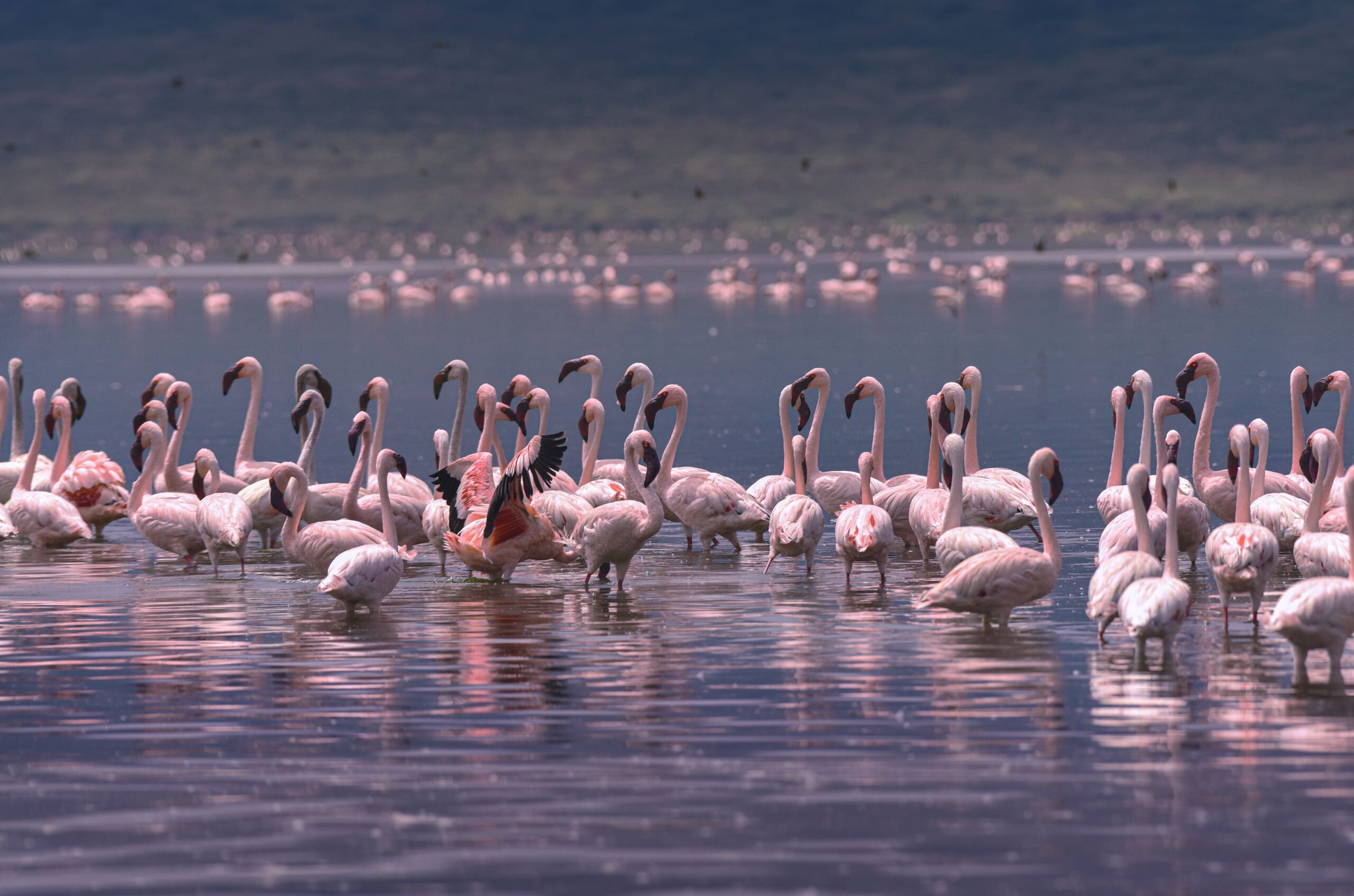
Depending on the season and habitat, visitors may encounter flamingos, raptors, vultures, eagles, storks, cranes, weavers, sunbirds and many other species.
For serious birdwatchers, a private safari with a knowledgeable guide can be tailored to allow more time for identifying and photographing birds.
What Makes Ngorongoro Special?
01 — Extraordinary Wildlife Density
The crater and surrounding ecosystems support remarkable concentrations of wildlife, making game viewing highly rewarding.
02 — The World’s Largest Unbroken Caldera
Ngorongoro Crater is recognized by UNESCO as the world’s largest unbroken caldera.
03 — World Heritage Status
Ngorongoro is a UNESCO World Heritage property, recognized for both its natural and cultural significance. It was first inscribed in 1979 and later expanded to include cultural significance in 2010.
04 — Wildlife & Human Heritage
Few destinations combine wildlife conservation with living pastoral traditions and archaeological evidence of human evolution on such a remarkable scale.
05 — Part of the Serengeti Ecosystem
Ngorongoro is ecologically connected to the wider Serengeti ecosystem and its extraordinary wildlife movements.
06 — Dramatic Highland Landscapes
Volcanic craters, forests, grasslands, moorlands and escarpments create constantly changing scenery.
07 — Exceptional Archaeological Importance
Olduvai Gorge and Laetoli make the wider area exceptionally important for understanding human evolution.
Best Things to Do in Ngorongoro
Game Drives in the Crater
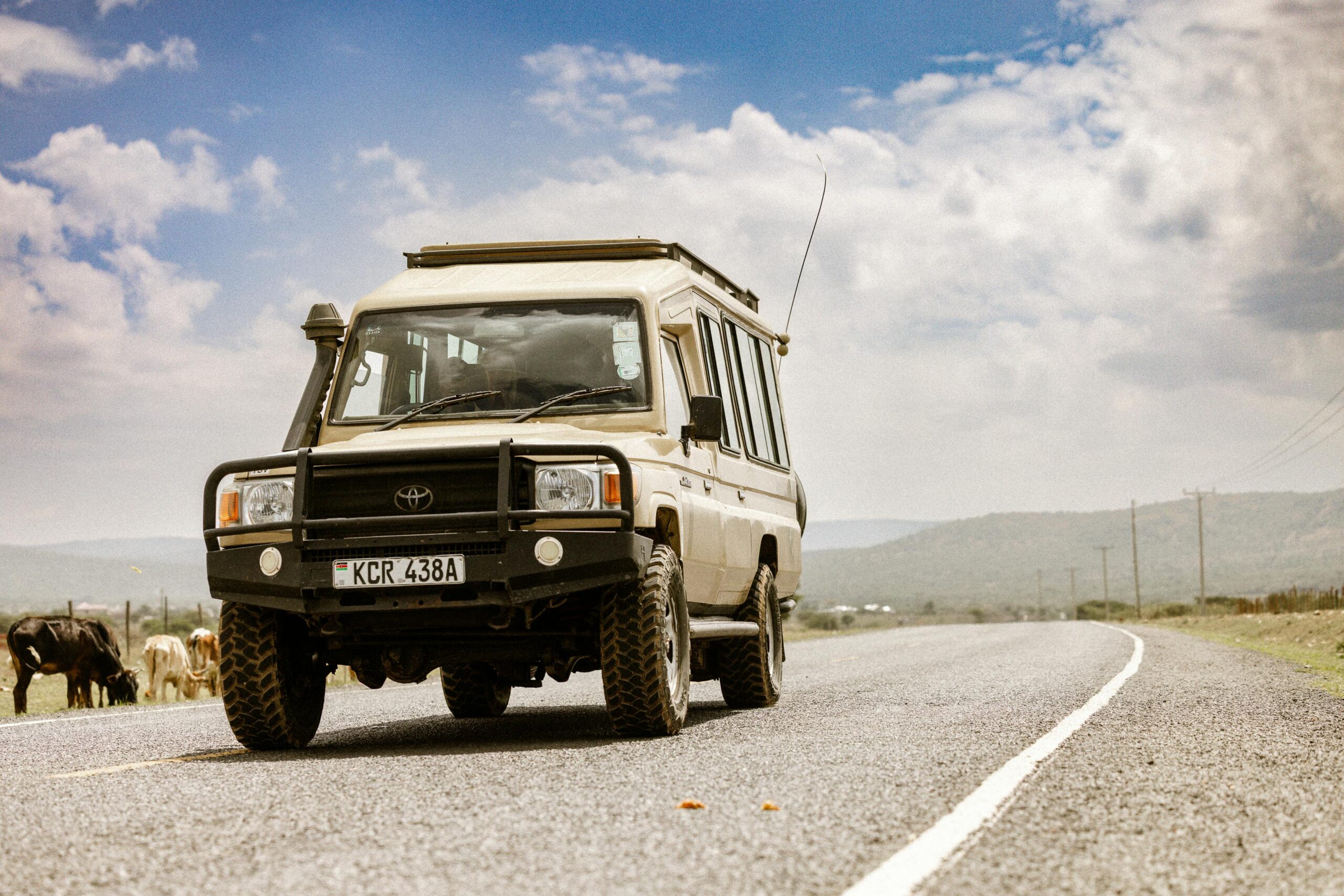
The classic Ngorongoro experience is a crater game drive. Descend into the crater with your private safari vehicle and explore its diverse wildlife habitats.
Wildlife Photography
The concentration of wildlife and dramatic crater landscapes provide exceptional opportunities for photography, particularly during early morning and late afternoon light.
Maasai Cultural Experiences
Visit a community through a responsibly arranged cultural experience and learn about traditional pastoral lifestyles, crafts, culture and local knowledge.
Olduvai Gorge
Explore one of the world’s most important palaeoanthropological landscapes and discover the connection between the area and human evolutionary history.
Highland Walking
Selected areas of the Ngorongoro Highlands offer opportunities for guided walking and exploring volcanic landscapes beyond traditional game drives.
Birdwatching
Explore the area’s diverse habitats with a knowledgeable guide and discover the remarkable variety of birdlife found throughout the conservation area.
Scenic Viewpoints
The crater rim and highland landscapes provide spectacular panoramic views over the crater and surrounding wilderness.
When Is the Best Time to Visit Ngorongoro?
Year-Round Wildlife & Changing Seasonal Experiences
Ngorongoro can be visited throughout the year, and each season brings a different character to the landscape.
January to March
The landscape can be particularly rewarding for travellers interested in the broader Serengeti ecosystem and seasonal wildlife activity. This period can also coincide with calving activity in parts of the ecosystem, depending on conditions.
April to May
The rains can transform the landscape into vibrant green scenery. This period can be quieter in terms of visitor numbers, although weather and road conditions should be considered when planning.
June to October
The drier months are generally popular for safari travel, with good wildlife viewing opportunities and cooler conditions in the highlands.
November to December
Short rains can refresh the landscape and bring new vegetation, while wildlife viewing remains possible.
The best time ultimately depends on what you want to experience. Our safari specialists can help match your travel dates with your wildlife, photography, cultural and landscape interests.
How to Experience Ngorongoro
Private Safari
A private safari offers the greatest flexibility. You can spend more time at interesting wildlife sightings, adjust your departure times and tailor the experience around photography, wildlife or family interests.
Luxury Safari
For travellers seeking comfort and exclusivity, luxury lodges and tented camps around the Ngorongoro Highlands provide an elegant base from which to explore the conservation area.
Combined Northern Tanzania Safari
Ngorongoro is especially powerful when combined with Tarangire, Serengeti and Lake Manyara, creating a diverse journey through different ecosystems.
Safari & Cultural Journey
For travellers interested in more than wildlife, Ngorongoro can be combined with cultural experiences and archaeological sites to create a deeper exploration of Tanzania.
Where to Stay
Accommodation around Ngorongoro ranges from comfortable safari lodges to high-end luxury properties and intimate tented camps.
Many accommodations are positioned around the crater rim or within the surrounding highlands, offering dramatic scenery and convenient access to the crater.
When choosing accommodation, we consider:
- Location
- View and surroundings
- Level of comfort
- Service quality
- Dining experience
- Accessibility to safari activities
- Privacy
- Your preferred safari style and budget
For luxury travellers, the Ngorongoro Highlands can provide an especially memorable setting, combining cool mountain air, dramatic landscapes and elegant hospitality.
Why Visit Ngorongoro with GoAccess Africa Safaris?
At GoAccess Africa Safaris, we believe Ngorongoro should be experienced rather than simply visited.
Our journeys are designed around your interests, whether your priority is wildlife photography, the Big Five, luxury accommodation, cultural discovery, archaeology, birdwatching or simply enjoying the extraordinary scenery.
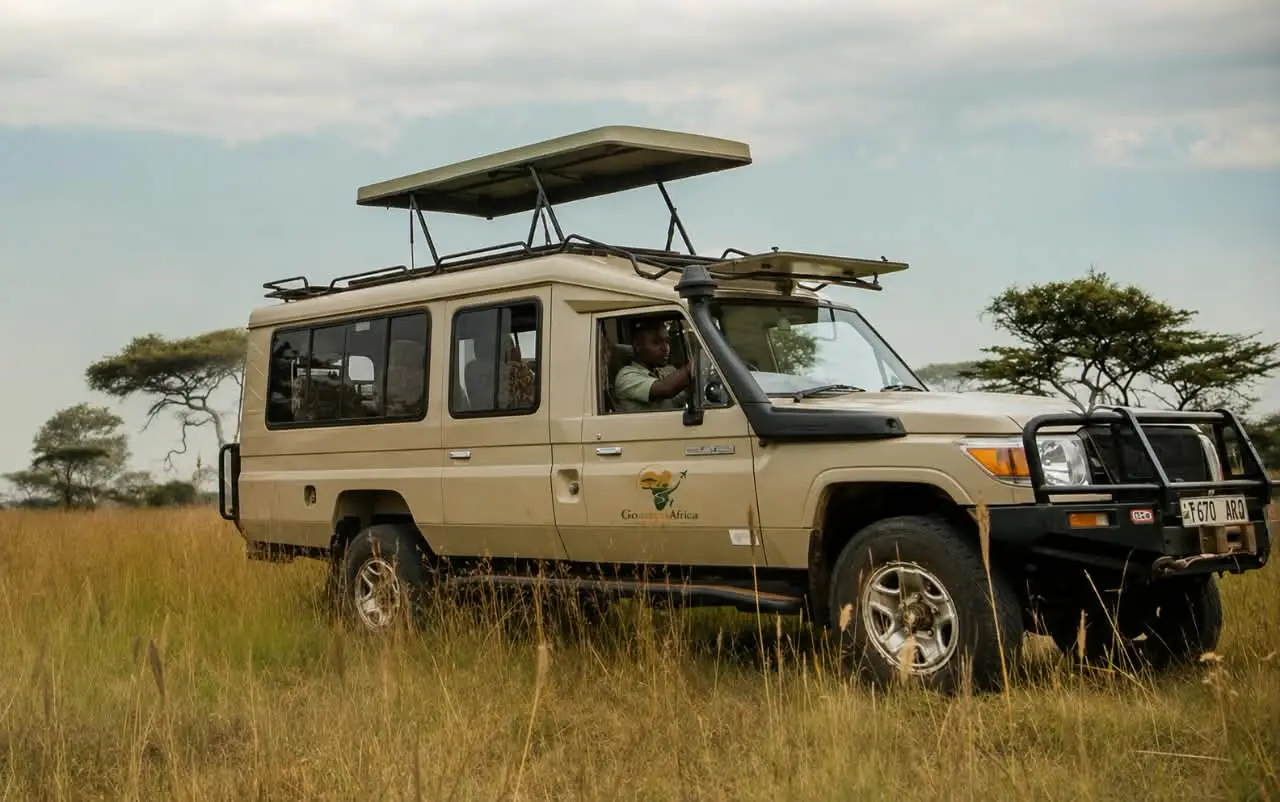
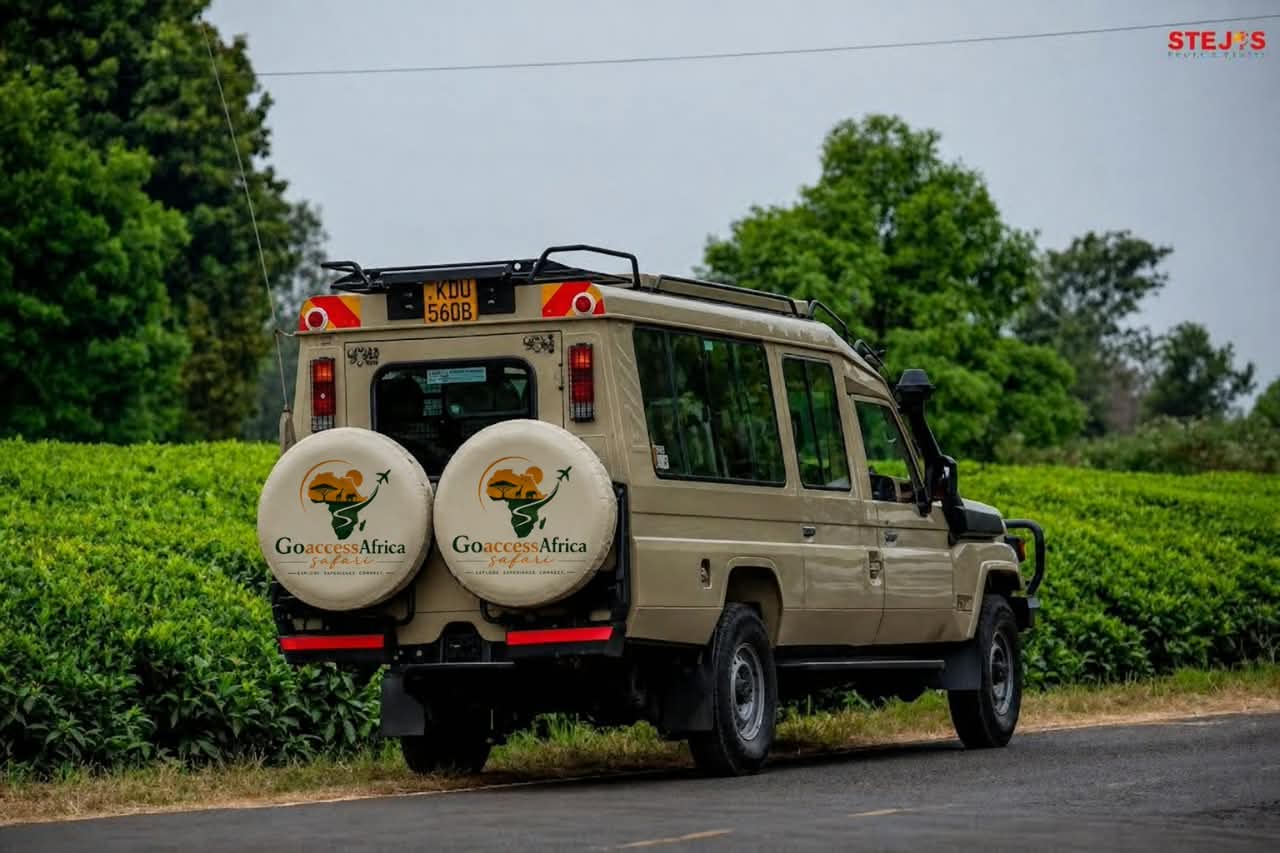
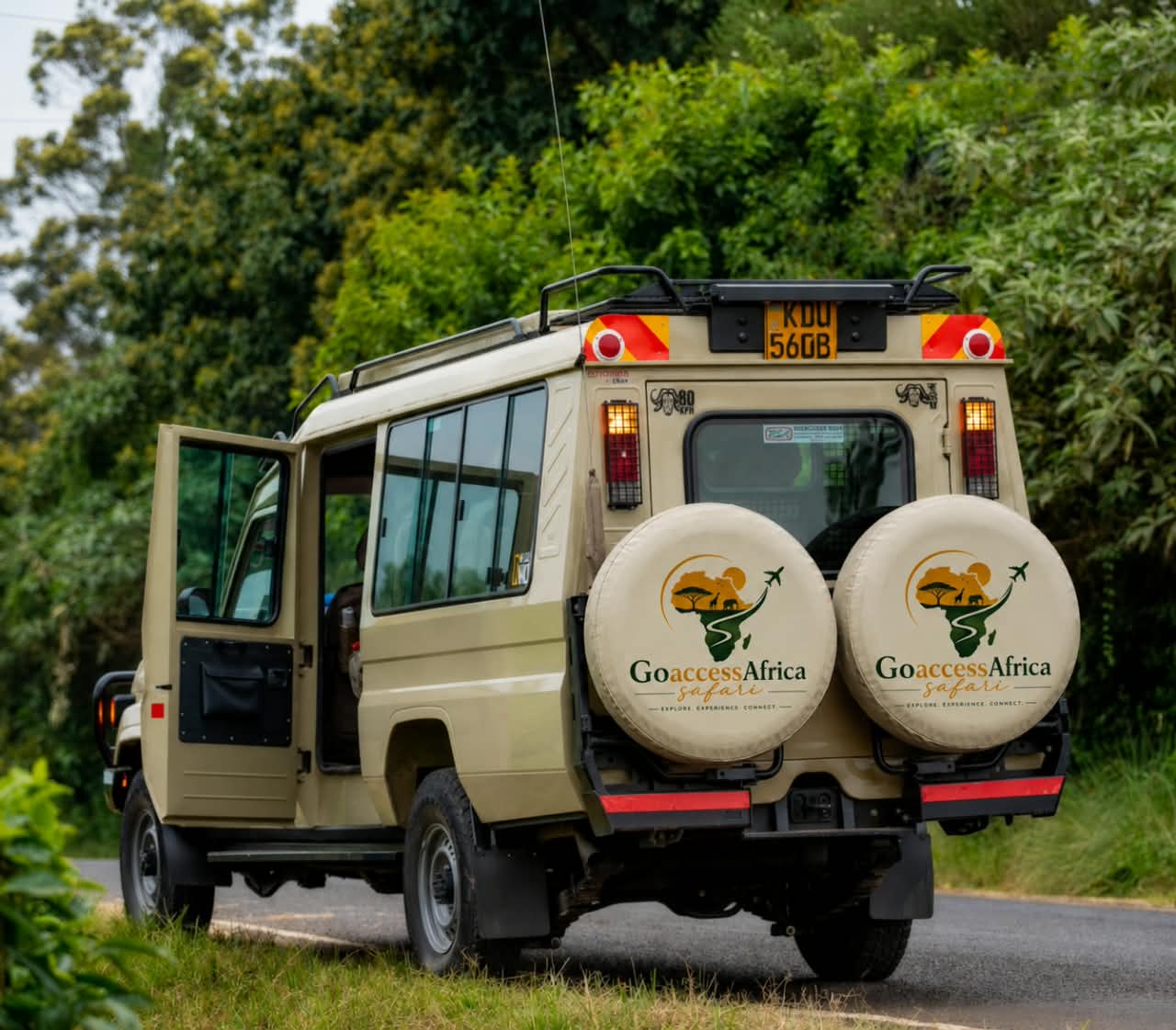
With a private safari vehicle and experienced local guide, you can explore at a pace that feels right for you.
We combine our knowledge of Tanzania with carefully planned routes, thoughtfully selected accommodation and personalized service to create an experience that feels authentic, comfortable and memorable.
Whether Ngorongoro is part of a 5-day safari, an extended luxury journey or a tailor-made Tanzania adventure, we can design the experience around you.
Ngorongoro at a Glance
| Feature | Details |
|---|---|
| Location | Northern Tanzania |
| Established | 1959 |
| Area | Approximately 809,440 hectares |
| UNESCO Status | World Heritage Site |
| UNESCO Natural Inscription | 1979 |
| Cultural Recognition | Added in 2010 |
| Main Attraction | Ngorongoro Crater |
| Other Highlights | Olduvai Gorge • Laetoli • Olmoti Crater • Empakaai Crater |
| Landscape | Crater • Savannah • Highlands • Forest • Woodland • Moorland |
| Wildlife | Big Five & diverse African wildlife |
| Birdlife | Approximately 500 recorded species |
| Culture | Maasai pastoral communities |
| Main Activities | Game drives • Cultural experiences • Walking • Birdwatching • Archaeology |
| Best For | Wildlife • Luxury Safaris • Photography • Culture • History • Families • Couples |
Frequently Asked Questions
Is Ngorongoro Conservation Area the same as Ngorongoro Crater?
No. The Ngorongoro Crater is one of the most famous attractions within the much larger Ngorongoro Conservation Area. The conservation area also includes extensive highlands, plains, forests, other volcanic craters, archaeological sites and areas where Maasai communities live.
Why is Ngorongoro a UNESCO World Heritage Site?
Ngorongoro is recognized for exceptional natural and cultural values, including its extraordinary volcanic landscapes, wildlife concentration, ecosystems, archaeological evidence and importance to understanding human evolution.
Can I see the Big Five in Ngorongoro?
Ngorongoro offers excellent opportunities to see several of the Big Five, particularly lions, elephants, buffalo and, with luck, black rhinoceros. Wildlife sightings are natural and cannot be guaranteed.
Is Ngorongoro good for families?
Yes. Private safari arrangements can make Ngorongoro suitable for families by allowing greater flexibility in daily schedules, activities and accommodation.
Can I visit Ngorongoro and Serengeti on the same safari?
Absolutely. Combining Serengeti and Ngorongoro is one of the classic Northern Tanzania safari combinations and allows travellers to experience two very different but interconnected wildlife landscapes.
Can I experience Maasai culture?
Yes. Cultural experiences can be arranged with local communities, allowing visitors to learn about traditional pastoral lifestyles, culture and local knowledge in a respectful way.
Is Olduvai Gorge part of Ngorongoro Conservation Area?
Yes. Olduvai Gorge is within the wider conservation area and is one of its most important archaeological and palaeoanthropological sites.
Can I visit Olduvai Gorge during a safari?
Yes, depending on your route and itinerary. It can be incorporated into selected safari journeys between the Serengeti and Ngorongoro areas.
How long should I spend in Ngorongoro?
A crater game drive can be experienced as part of a one-day visit, but travellers interested in the wider conservation area’s culture, landscapes, archaeology and walking experiences may benefit from staying longer.
Is Ngorongoro suitable for a luxury safari?
Absolutely. The surrounding highlands offer a range of high-end lodges and luxury tented camps, making Ngorongoro an excellent destination for premium and private safari experiences.
What should I bring?
Comfortable layered clothing, a warm jacket for the cool highlands, comfortable shoes, sunscreen, sunglasses, a hat, insect repellent, binoculars, a camera and personal essentials are recommended.
Can I visit Ngorongoro all year round?
Yes. Ngorongoro is a year-round destination, although weather, wildlife movements, vegetation and visitor levels vary by season.
Experience Ngorongoro
Where Every Layer Tells a Story
From the rim of an ancient volcanic caldera to wildlife moving across the crater floor, from Maasai pastoral traditions to archaeological evidence reaching deep into human history, Ngorongoro is a destination where nature and humanity meet.
It is a place to watch predators at sunrise, stand above an extraordinary volcanic landscape, listen to stories of ancient human ancestors and discover a living culture that remains connected to the land.
Come for the crater. Stay for the story. Leave with a deeper understanding of Tanzania.
Explore Ngorongoro with GoAccess Africa Safaris.
Escape into the heart of Tanzania on an extraordinary ten-day luxury journey designed for travellers who want to experience the country's wildlife, landscapes and culture...
Duration
10 Days - 9 Nights
$8000
/ person
Next Departures
October 4, 2026 (Available)October 5, 2026 (Available)October 6, 2026 (Available)
Wild Tanzania, Beautifully Yours is an eight-day luxury safari created for travellers who want to experience Tanzania's legendary wilderness in a more personal, comfortable and...
Duration
8 Days - 7 Nights
$6000
/ person
Next Departures
October 4, 2026 (Available)October 5, 2026 (Available)October 6, 2026 (Available)
Go beyond the horizon on an unforgettable seven-day journey through Tanzania's most iconic wilderness landscapes. Beyond the Horizon has been designed for travellers who want...
Duration
7 Days - 6 Nights
$5000
/ person
Next Departures
October 4, 2026 (Available)October 5, 2026 (Available)October 6, 2026 (Available)
Step into the Kingdom of the Wild on an exclusive six-day journey through the most celebrated wilderness landscapes of Northern Tanzania. Created for travellers seeking...
Duration
6 Days - 5 Nights
$4200
/ person
Next Departures
October 4, 2026 (Available)October 5, 2026 (Available)October 6, 2026 (Available)
Experience Tanzania's legendary wilderness through a more refined lens on The Serengeti in Style—a five-day private safari created for travellers who believe extraordinary wildlife deserves...
Duration
5 Days - 4 Nights
$3000
/ person
Next Departures
October 4, 2026 (Available)October 5, 2026 (Available)October 6, 2026 (Available)
Step beyond the ordinary and journey deep into the untamed landscapes of Northern Tanzania on an eight-day safari designed for travellers who want more than...
Duration
8 Days - 7 Nights
$3000
/ person
Next Departures
October 4, 2026 (Available)October 5, 2026 (Available)October 6, 2026 (Available)
Experience the extraordinary contrasts of Northern Tanzania on a seven-day safari that takes you from the land of giants to endless golden plains and into...
Duration
7 Days - 6 Nights
$2800
/ person
Next Departures
October 4, 2026 (Available)October 5, 2026 (Available)October 6, 2026 (Available)
Discover the wild heart of Tanzania on a six-day journey through four of Northern Tanzania’s most remarkable destinations. From ancient baobabs and elephant-filled landscapes to...
Duration
6 Days - 5 Nights
$2100
/ person
Next Departures
October 4, 2026 (Available)October 5, 2026 (Available)October 6, 2026 (Available)
Enter the kingdom of Tanzania's great predators on a six-day journey through some of Northern Tanzania's most extraordinary wildlife landscapes. Designed for travellers who want...
Duration
6 Days - 5 Nights
$2000
/ person
Next Departures
October 4, 2026 (Available)October 5, 2026 (Available)October 6, 2026 (Available)
Where the wild meets comfort, this five-day journey brings you into the heart of Northern Tanzania's most celebrated wilderness areas while adding a refined level...
Duration
5 Days - 4 Nights
$1300
/ person
Next Departures
October 4, 2026 (Available)October 5, 2026 (Available)October 6, 2026 (Available)