
- 9
- 9
- 9
- 8
Lake Manyara
Where the Rift Valley Meets the Wild
Tucked between the dramatic walls of the Great Rift Valley and the shimmering waters of Lake Manyara, Lake Manyara National Park offers one of Tanzania’s most diverse and visually striking safari experiences.
Although smaller than Serengeti and Tarangire, Lake Manyara packs an extraordinary variety of landscapes and wildlife into a relatively compact area.
Within a single safari, the scenery can change from lush groundwater forest to open grassland, from acacia woodland to seasonal floodplains, and from the shores of Lake Manyara to the towering escarpment of the Great Rift Valley.
This remarkable diversity creates a destination where wildlife encounters are complemented by spectacular scenery.
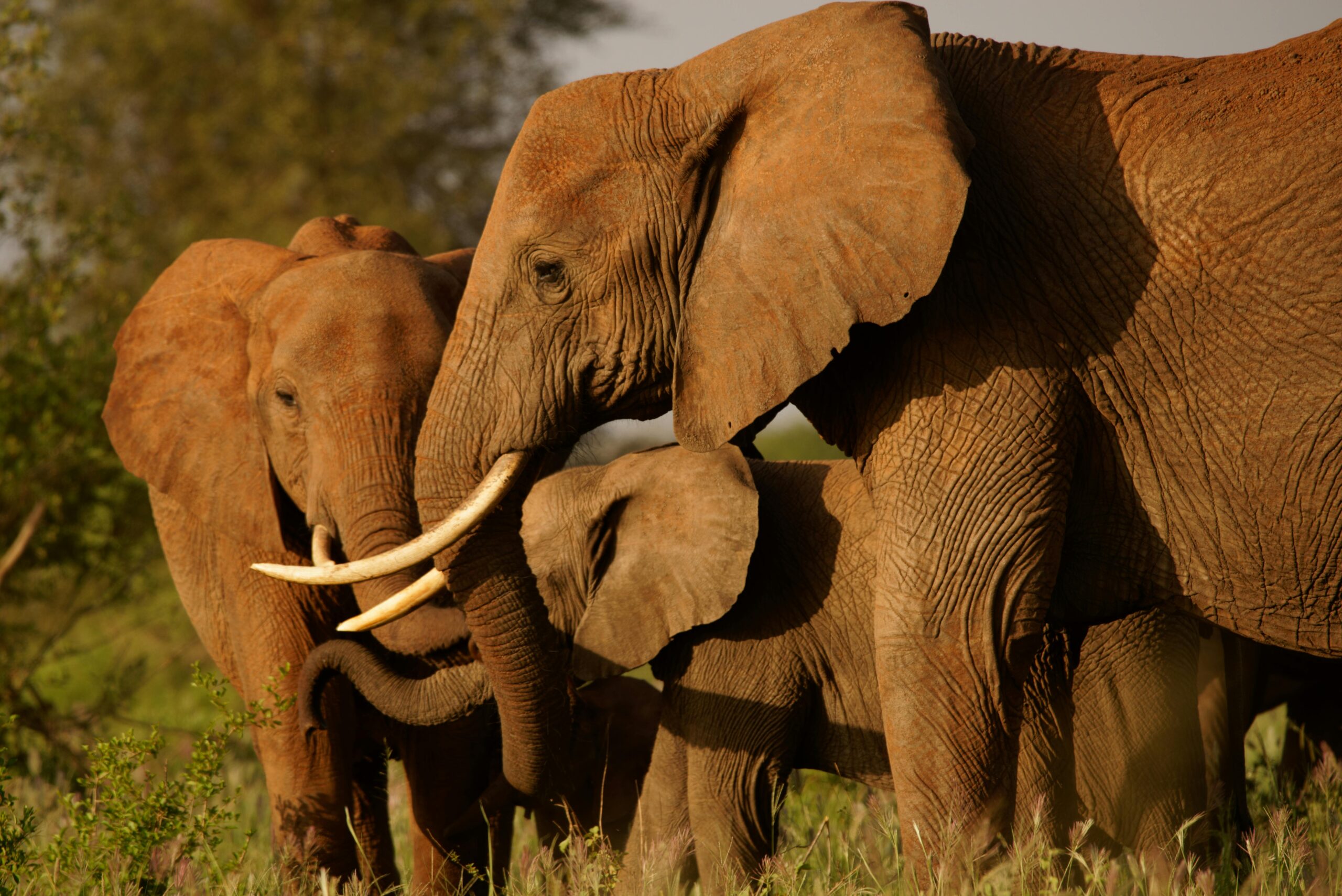
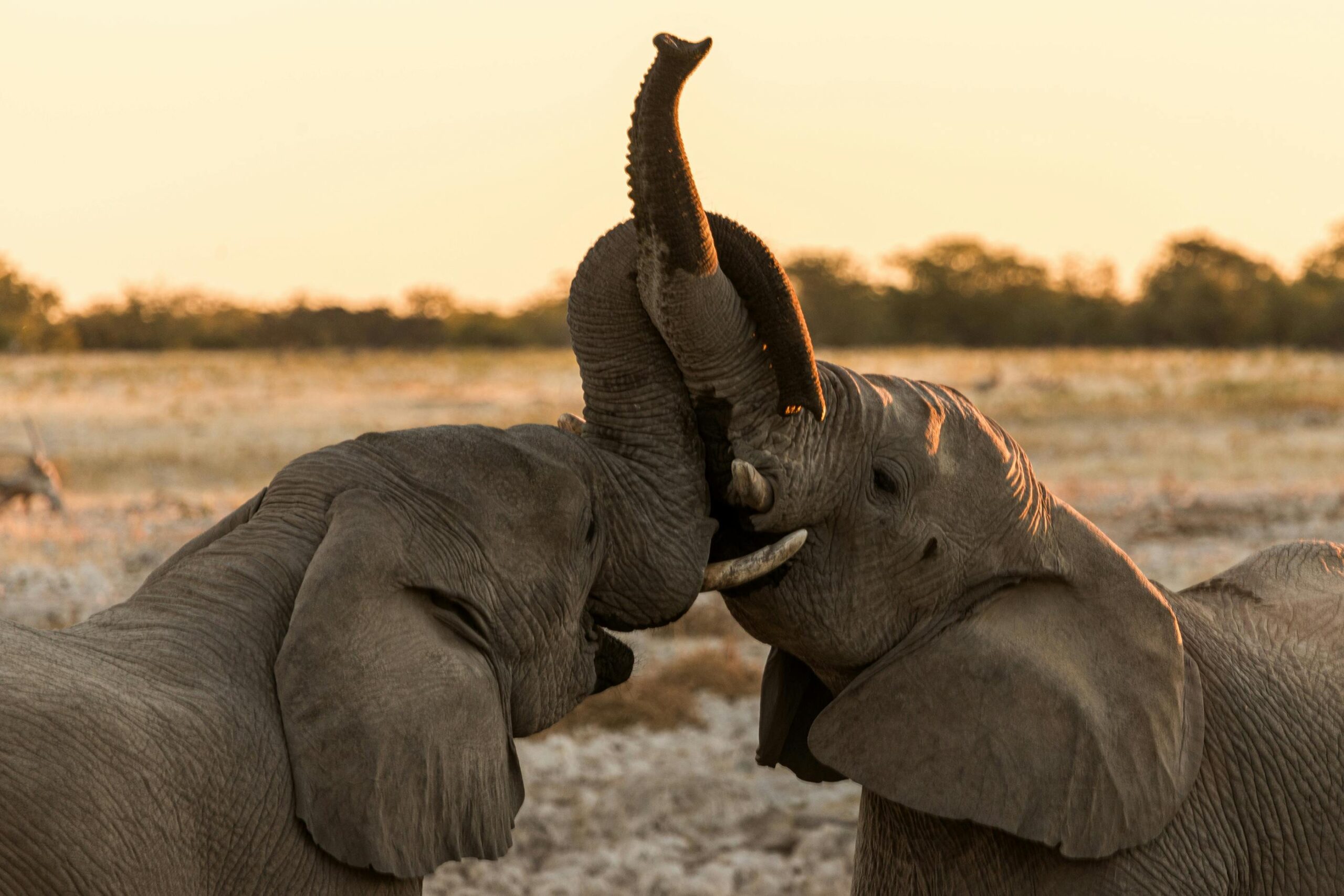
Elephants move through the forest.
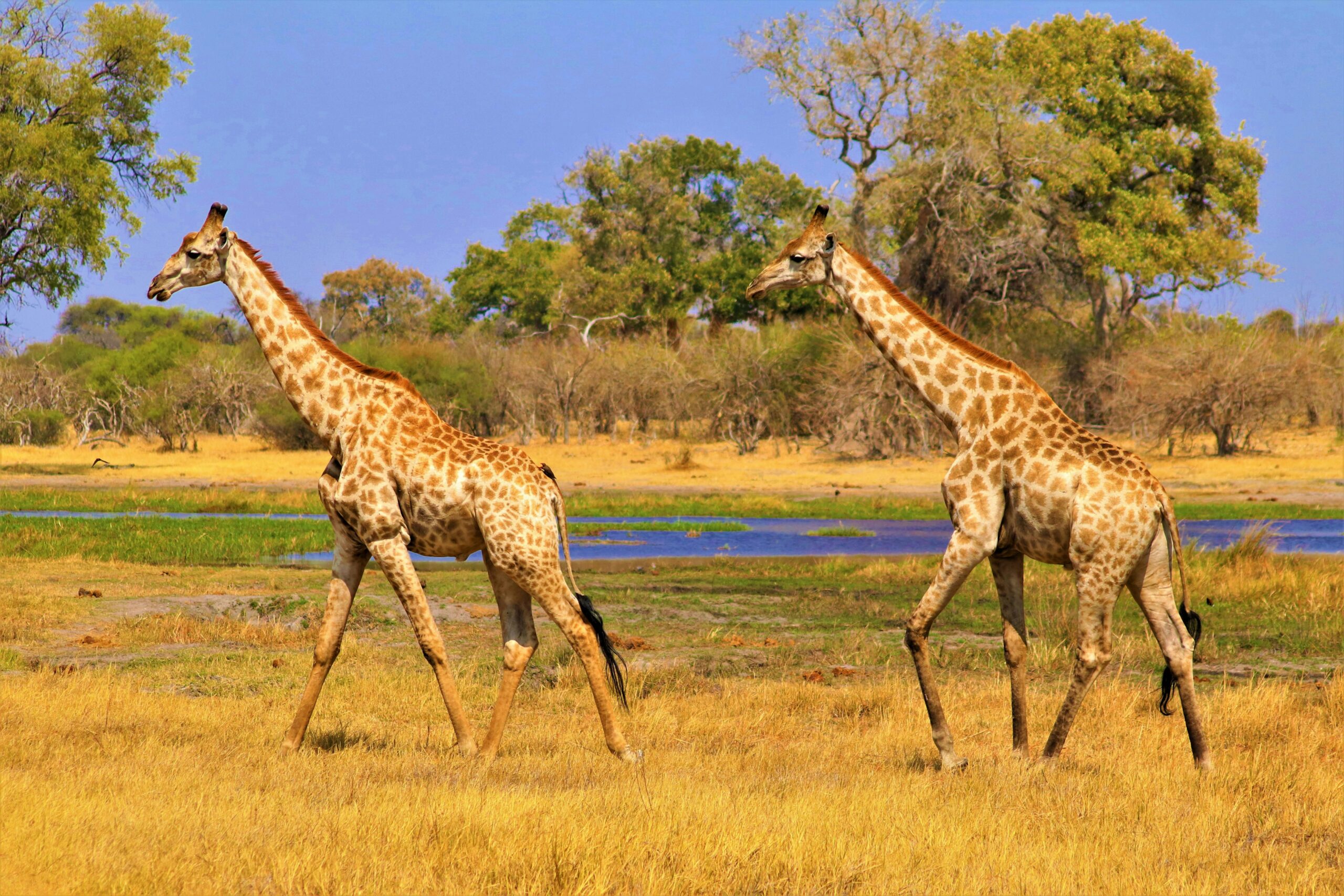
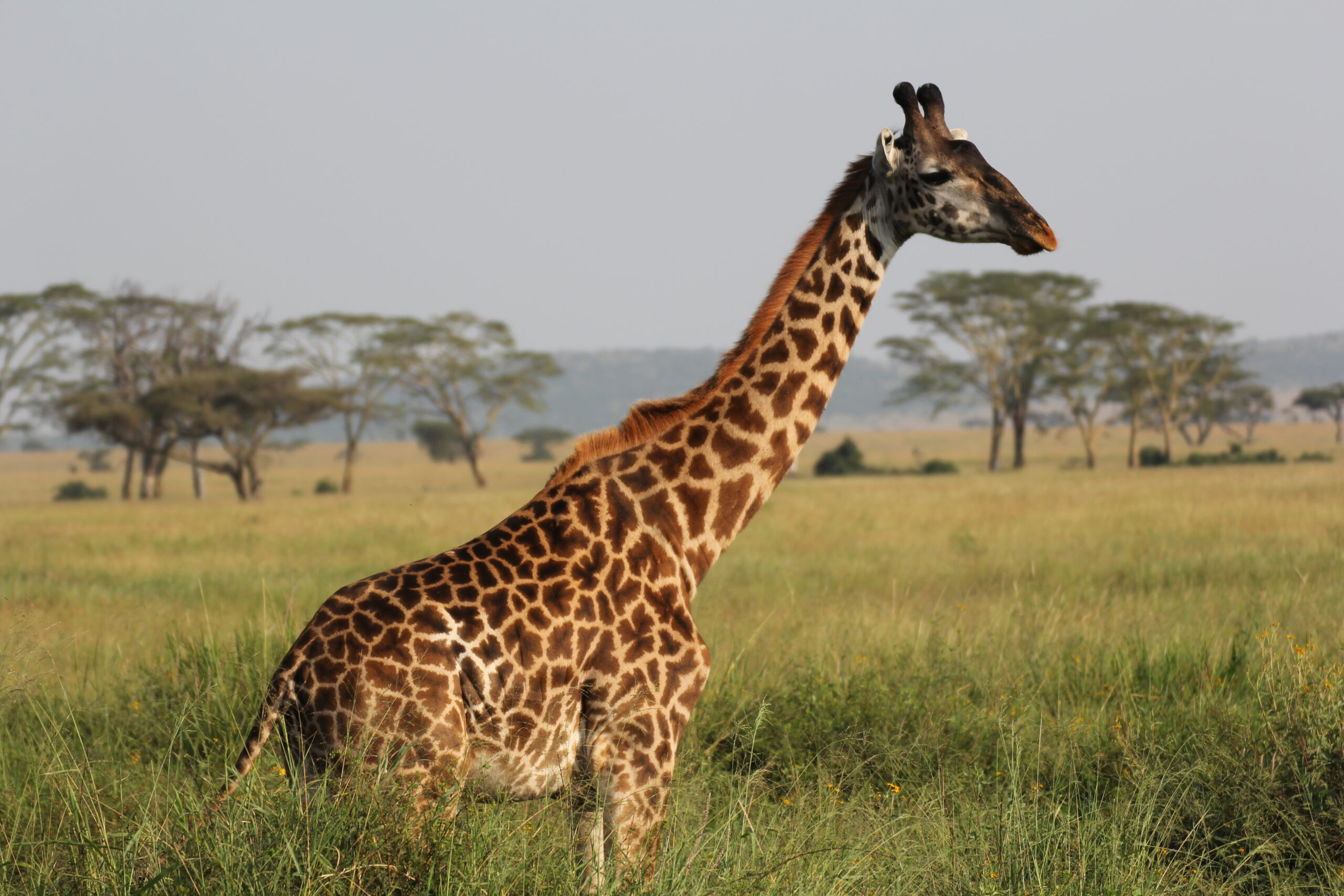
Giraffes browse among acacia trees.
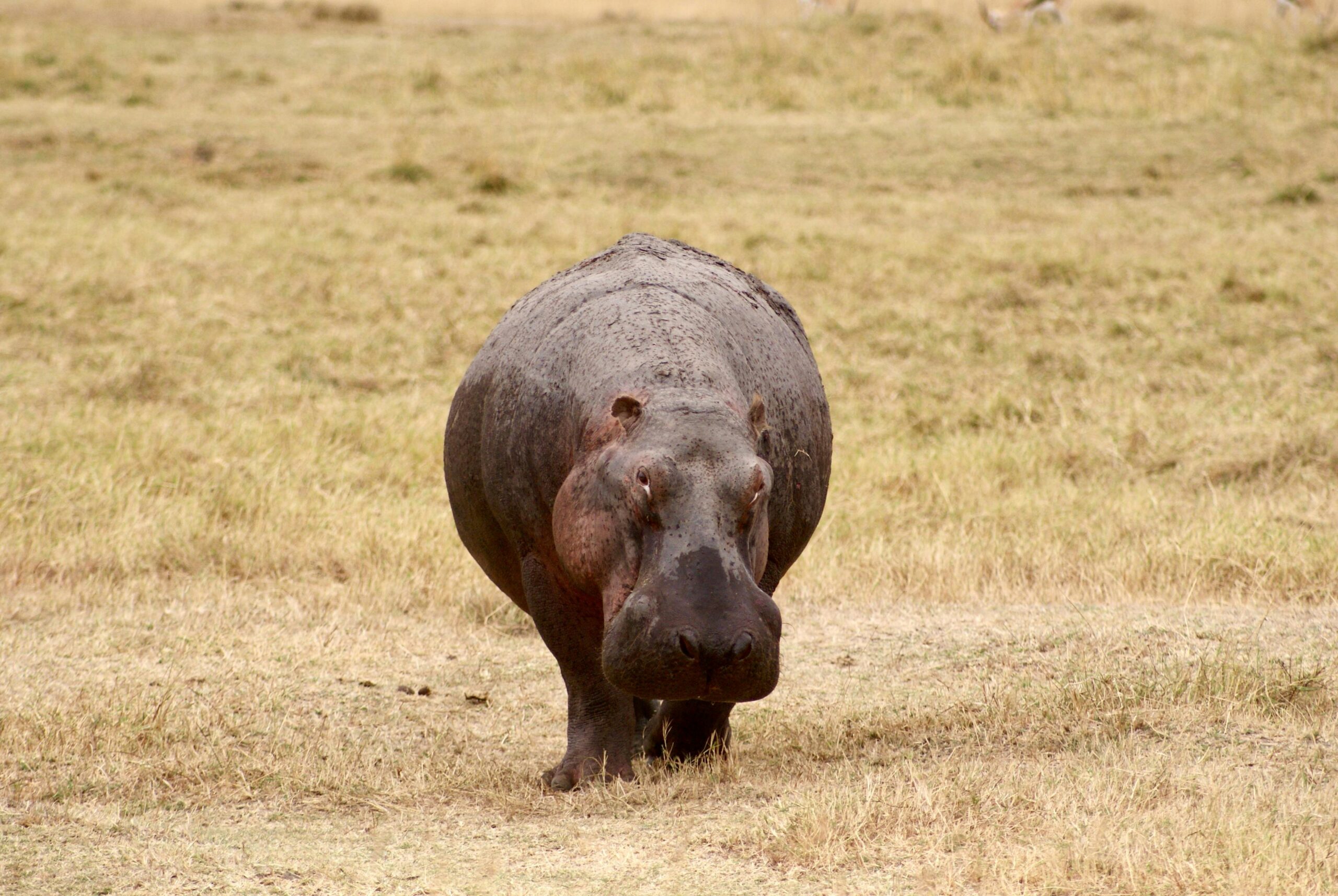
Hippos gather around the lake.
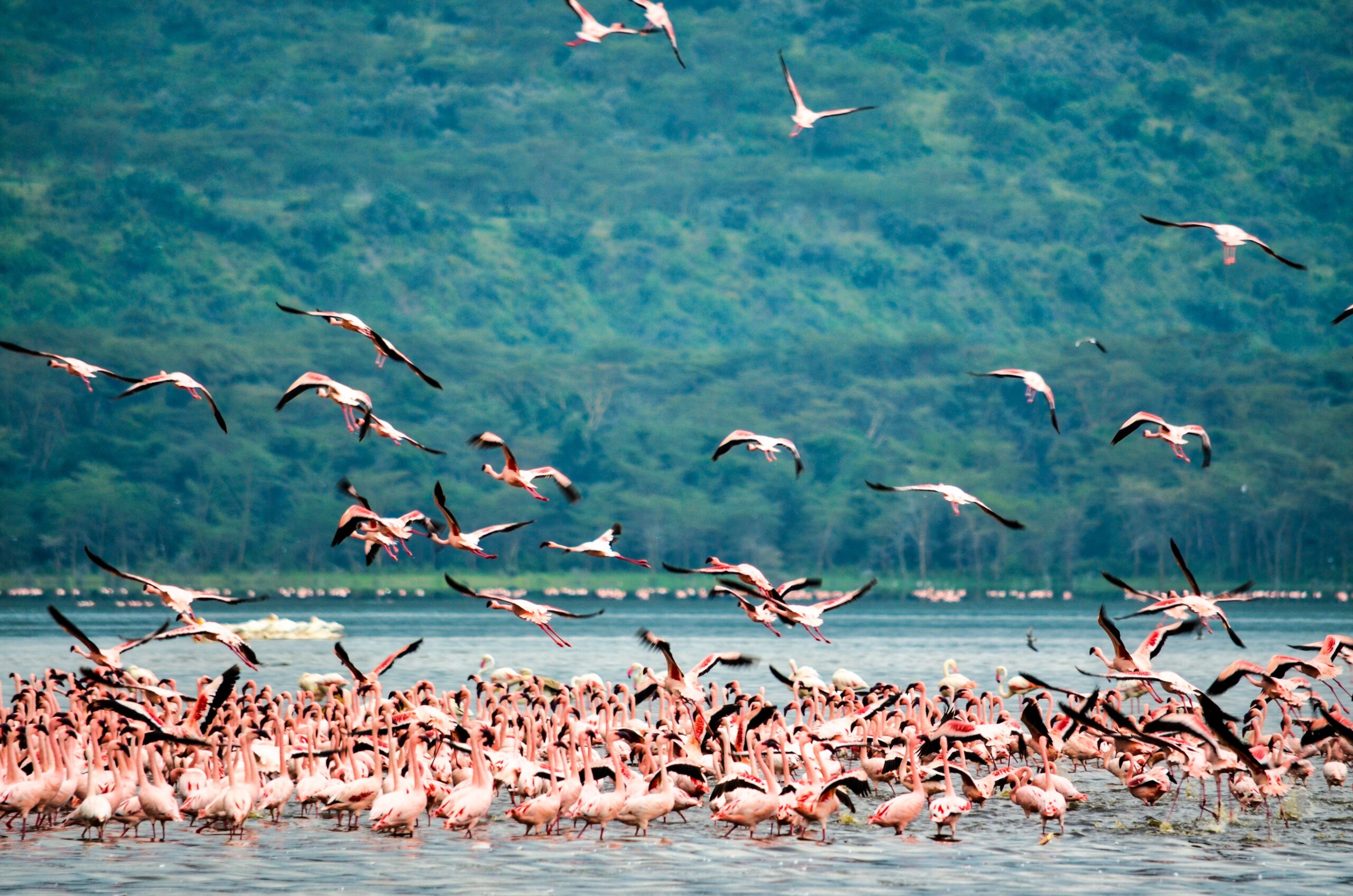
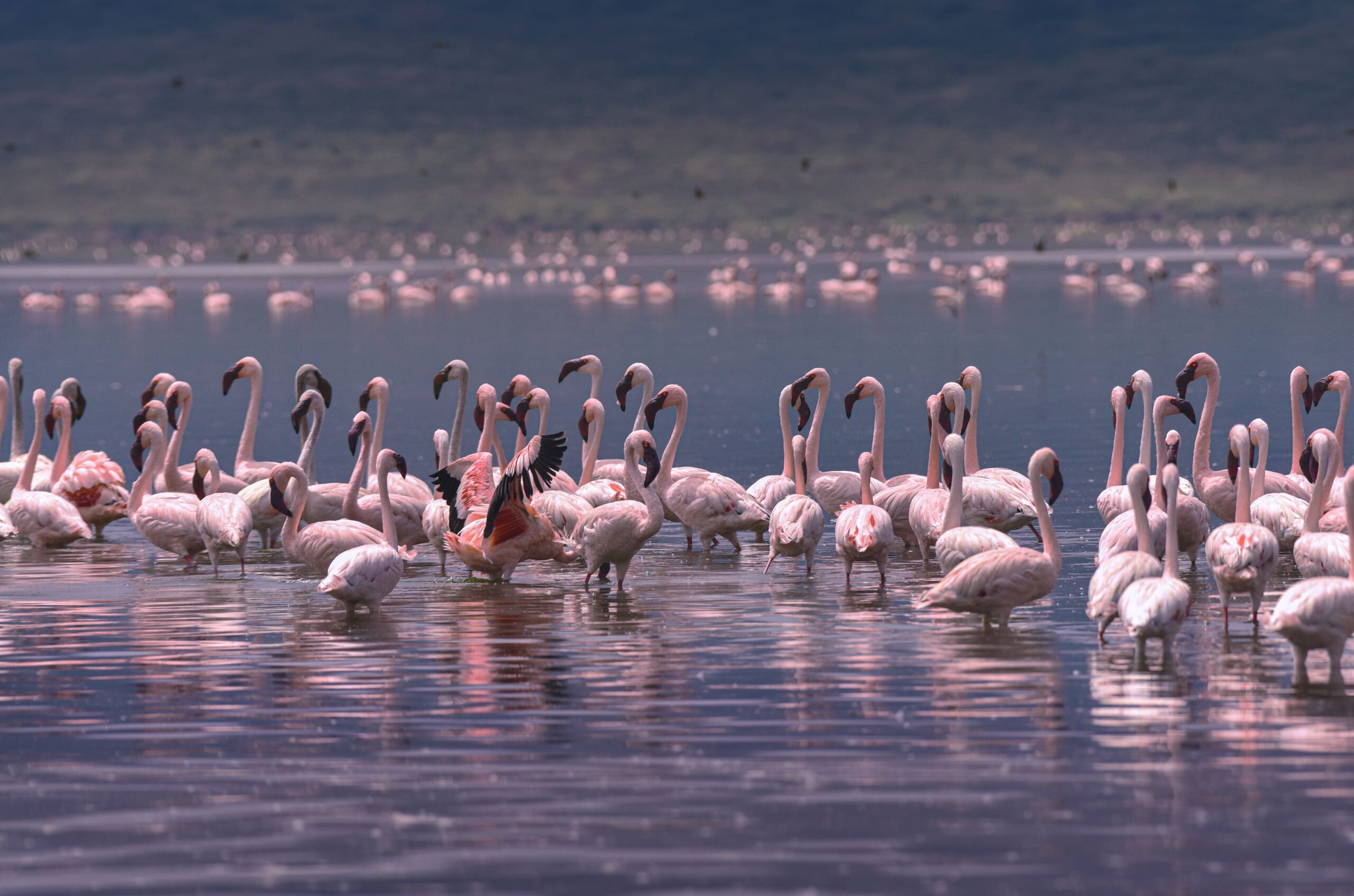
Large flocks of birds fill the shallow waters.
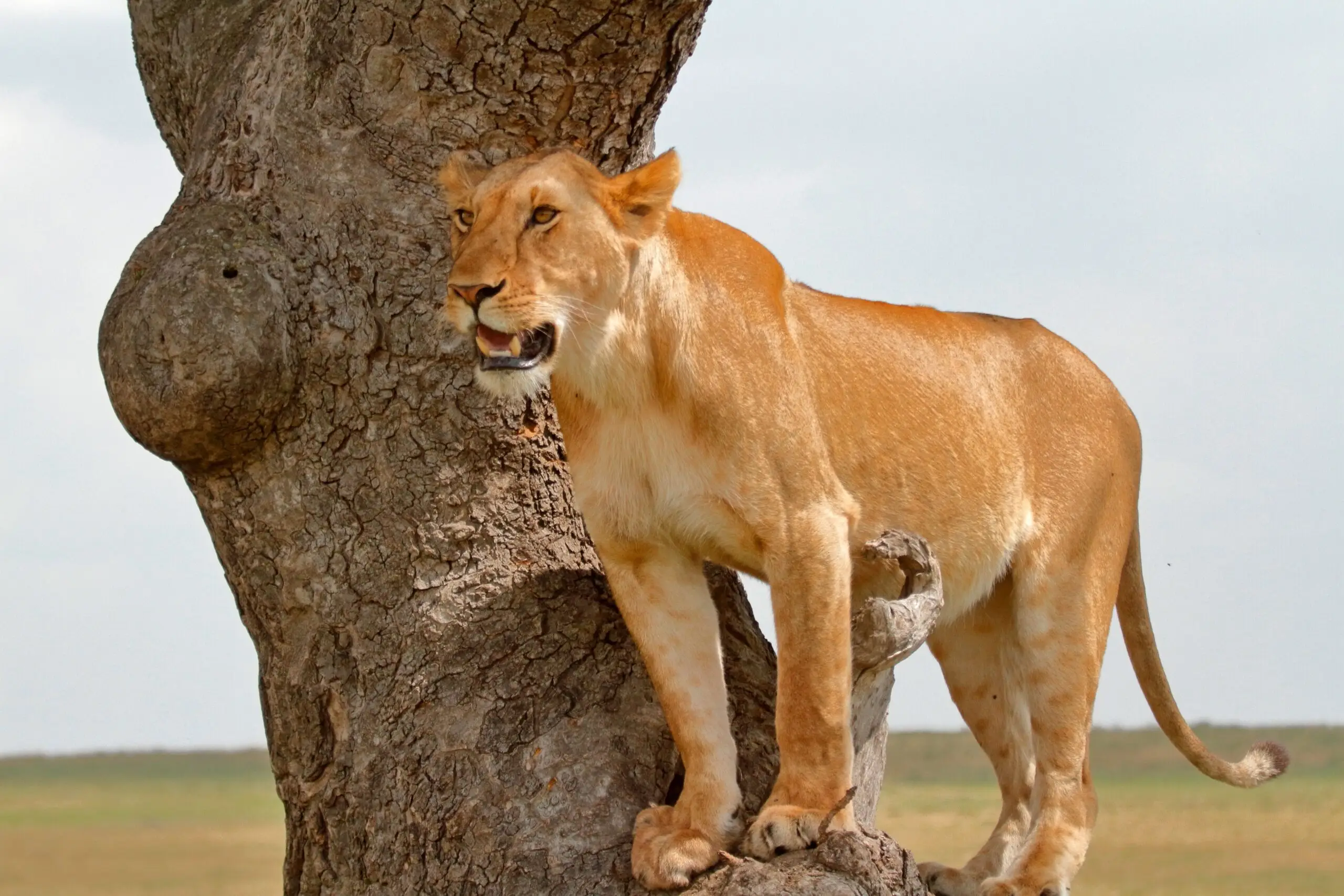
And, with a little luck, visitors may encounter the park’s famous tree-climbing lions resting high above the ground.
Lake Manyara is therefore not simply a stop between larger safari destinations.
It is a destination with a personality of its own.
The Great Rift Valley
A Dramatic Setting for Your Safari
One of the first things that makes Lake Manyara special is its setting.
The park lies beneath the western escarpment of the Great Rift Valley, one of the most dramatic geological features in East Africa.
The escarpment rises above the park, creating a spectacular backdrop as you travel through the landscape.
The combination of cliffs, forest, savannah and lake creates constantly changing scenery.
Unlike the seemingly endless plains of Serengeti, Lake Manyara feels more enclosed and intimate.
The landscape is alive with contrasts:
Forest and grassland.
Mountain and lake.
Water and dry savannah.
Wildlife and dramatic geology.
This makes every game drive visually different.
Lake Manyara
The Heart of the Ecosystem
The lake itself is one of the defining features of the park.
Lake Manyara is a shallow, alkaline lake whose appearance and extent change according to seasonal water levels.
During wetter periods, water can spread across larger areas and attract substantial concentrations of waterbirds.
During drier periods, parts of the lake may recede dramatically, exposing mudflats and creating a very different landscape.
This changing environment supports an impressive variety of birds and other wildlife.
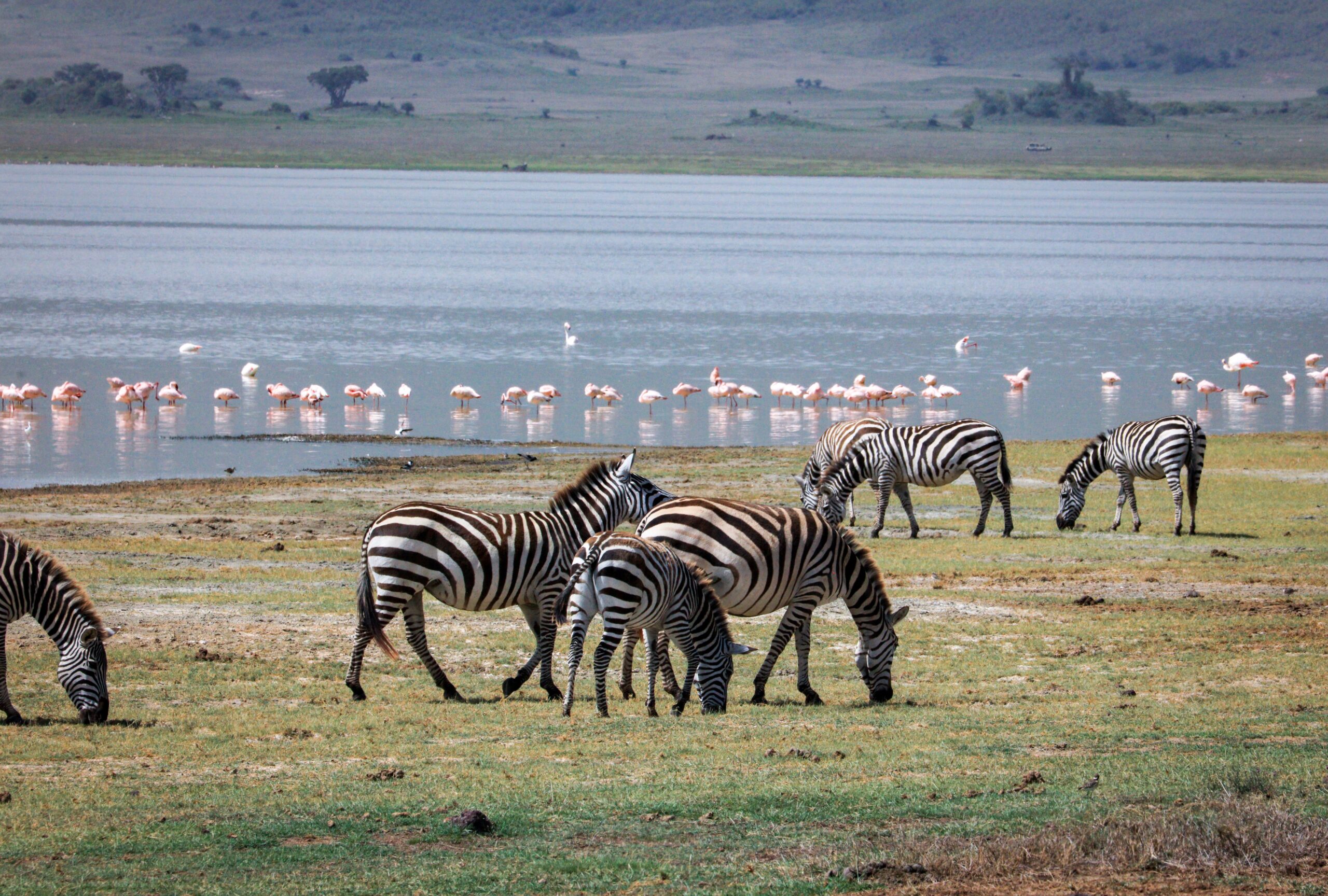
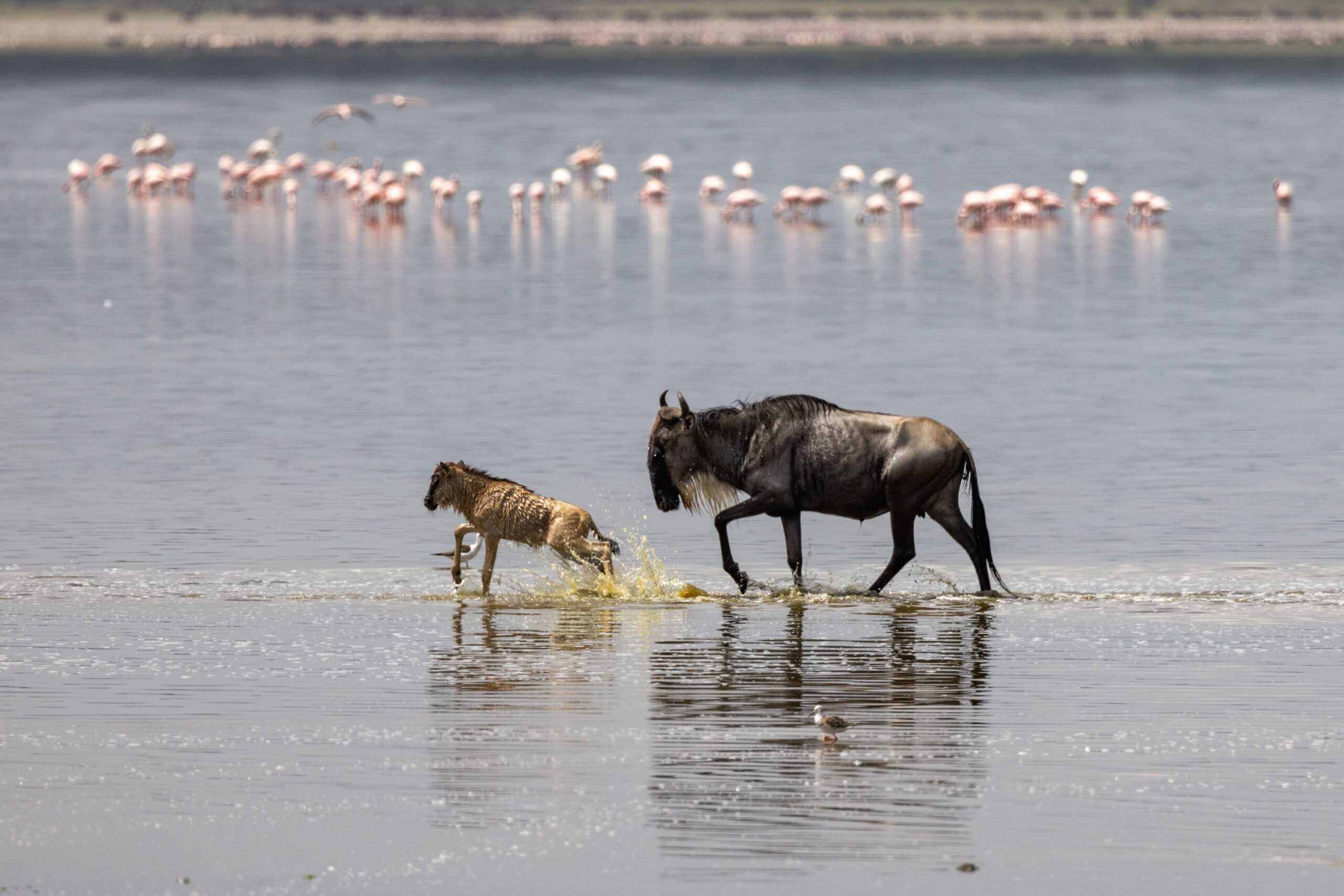
From the edge of the lake, visitors can experience one of the park’s most beautiful scenes: wildlife and birds framed against the water, with the Rift Valley escarpment rising dramatically in the distance.
The Famous Tree-Climbing Lions
One of Lake Manyara’s Most Iconic Experiences
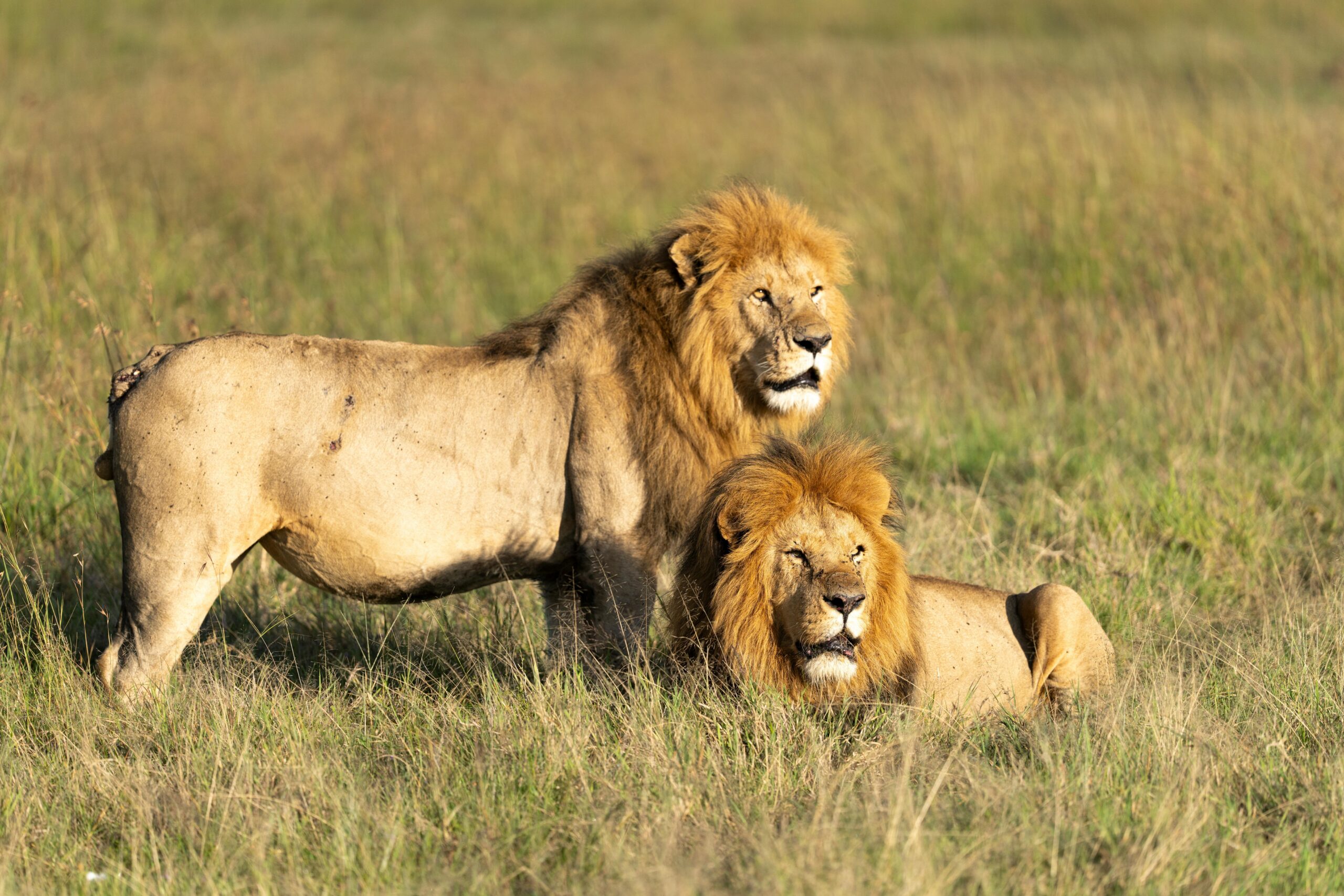
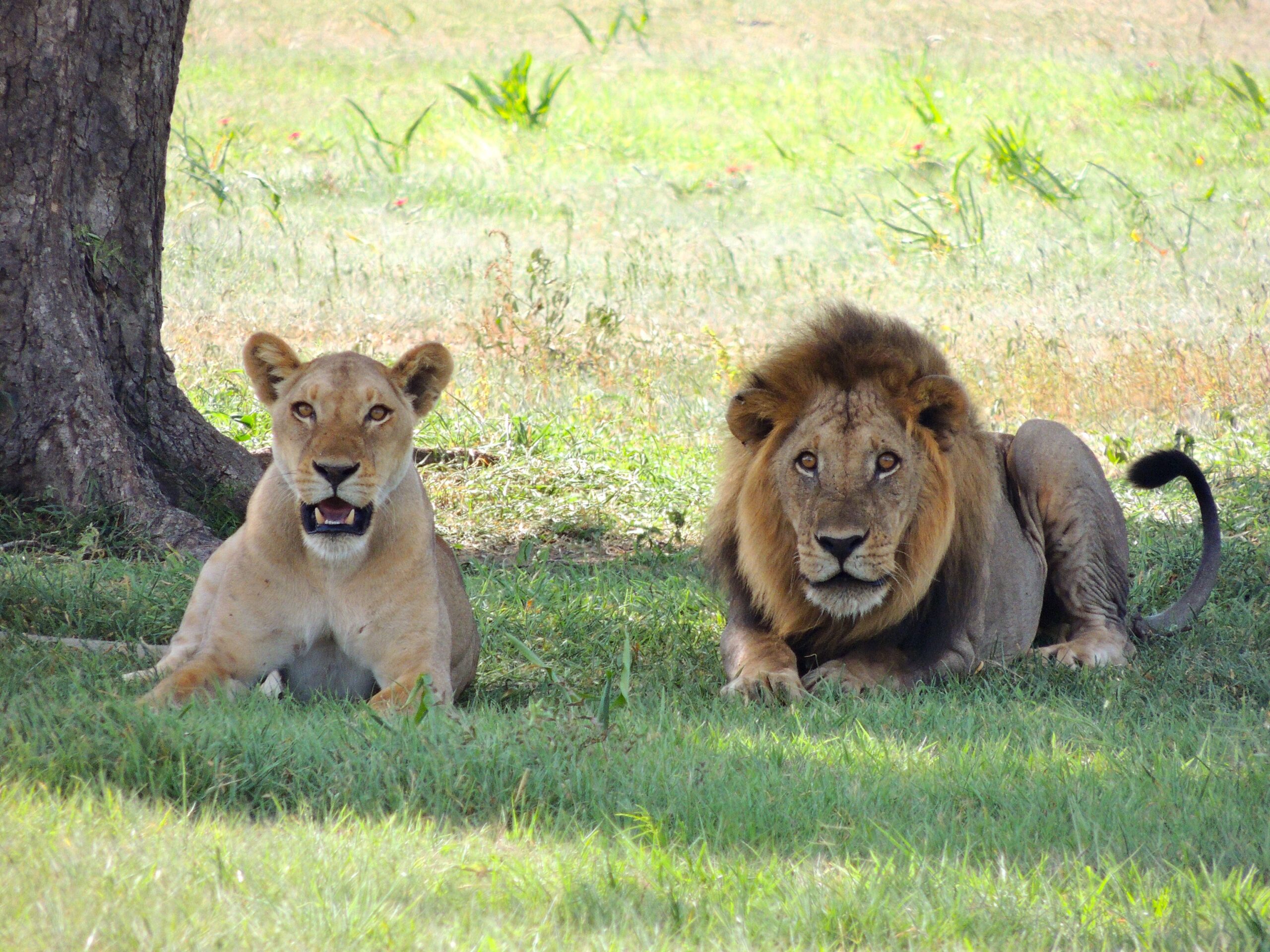
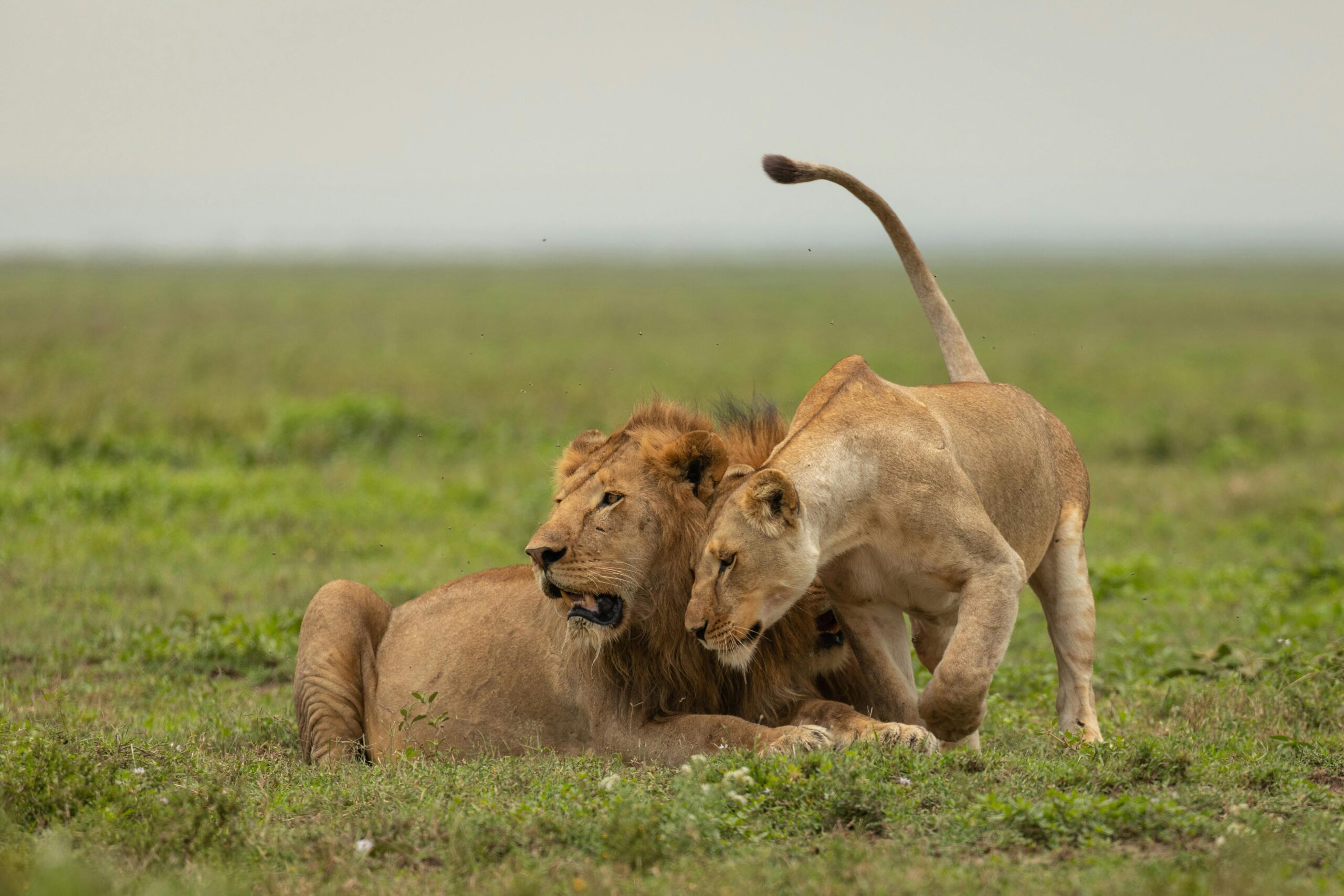
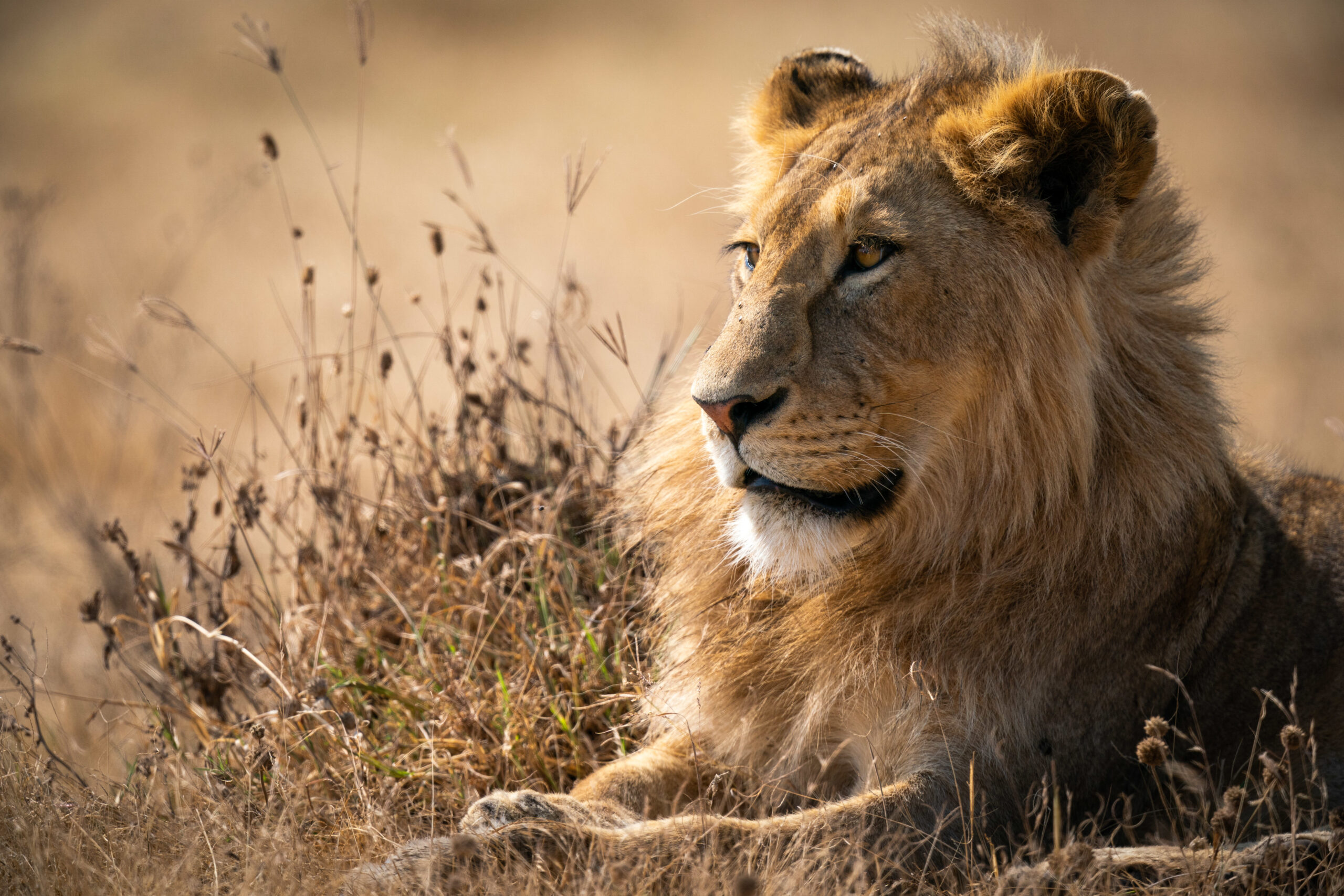
Lake Manyara is particularly famous for its tree-climbing lions.
While lions can climb trees elsewhere in Africa, seeing them resting in the branches is an especially memorable possibility in Manyara.
You may find a lion stretched across a large branch, seemingly relaxed above the ground while surveying the surrounding landscape.
Finding these lions requires patience and good guiding because wildlife behaviour is unpredictable.
But when the opportunity appears, it can become one of the most unforgettable moments of a Lake Manyara safari.
Wildlife of Lake Manyara
Small Park, Remarkable Diversity
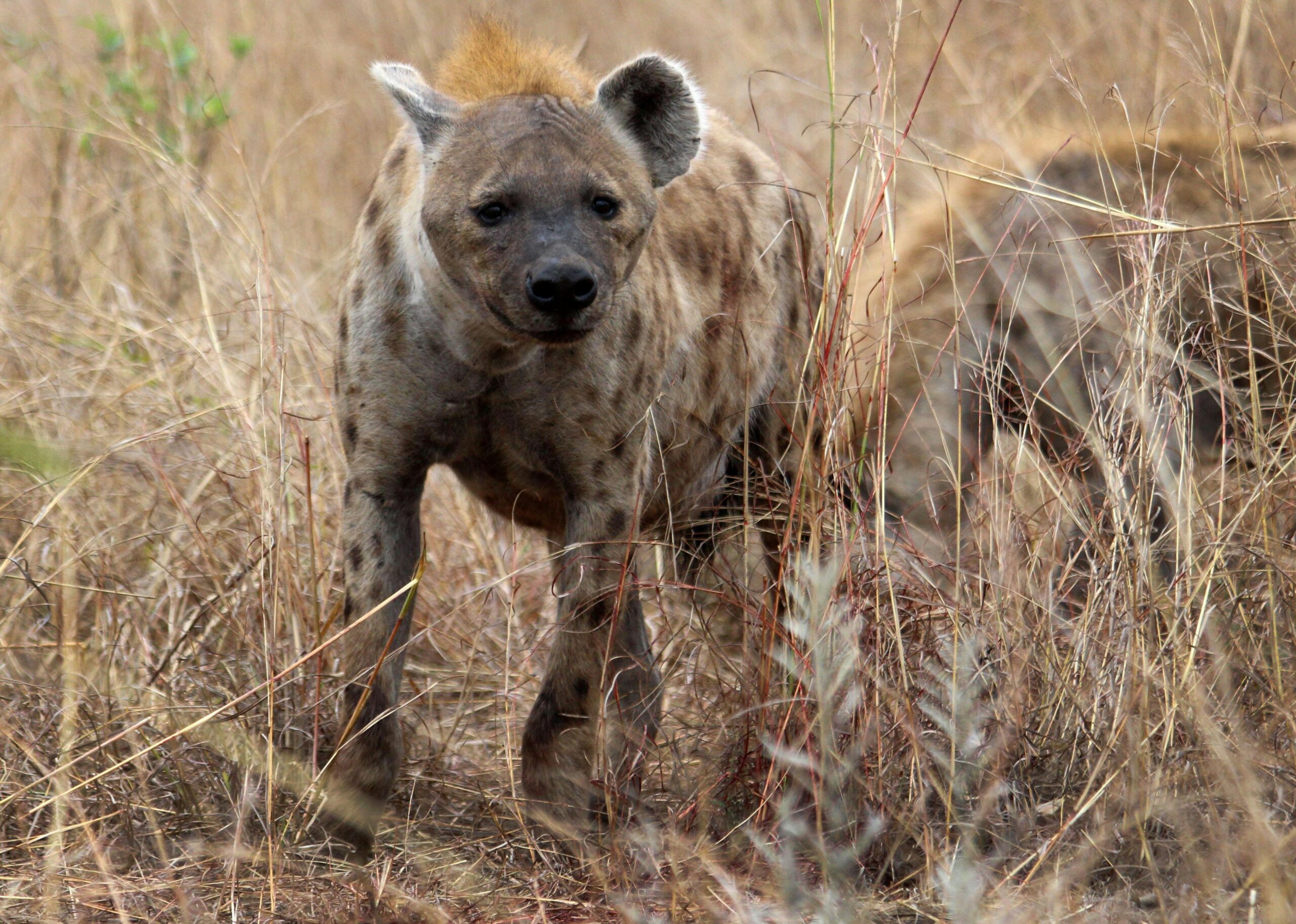
Lake Manyara’s varied habitats support a surprisingly rich collection of wildlife.
During a game drive, visitors may encounter:
- Elephants
- Lions
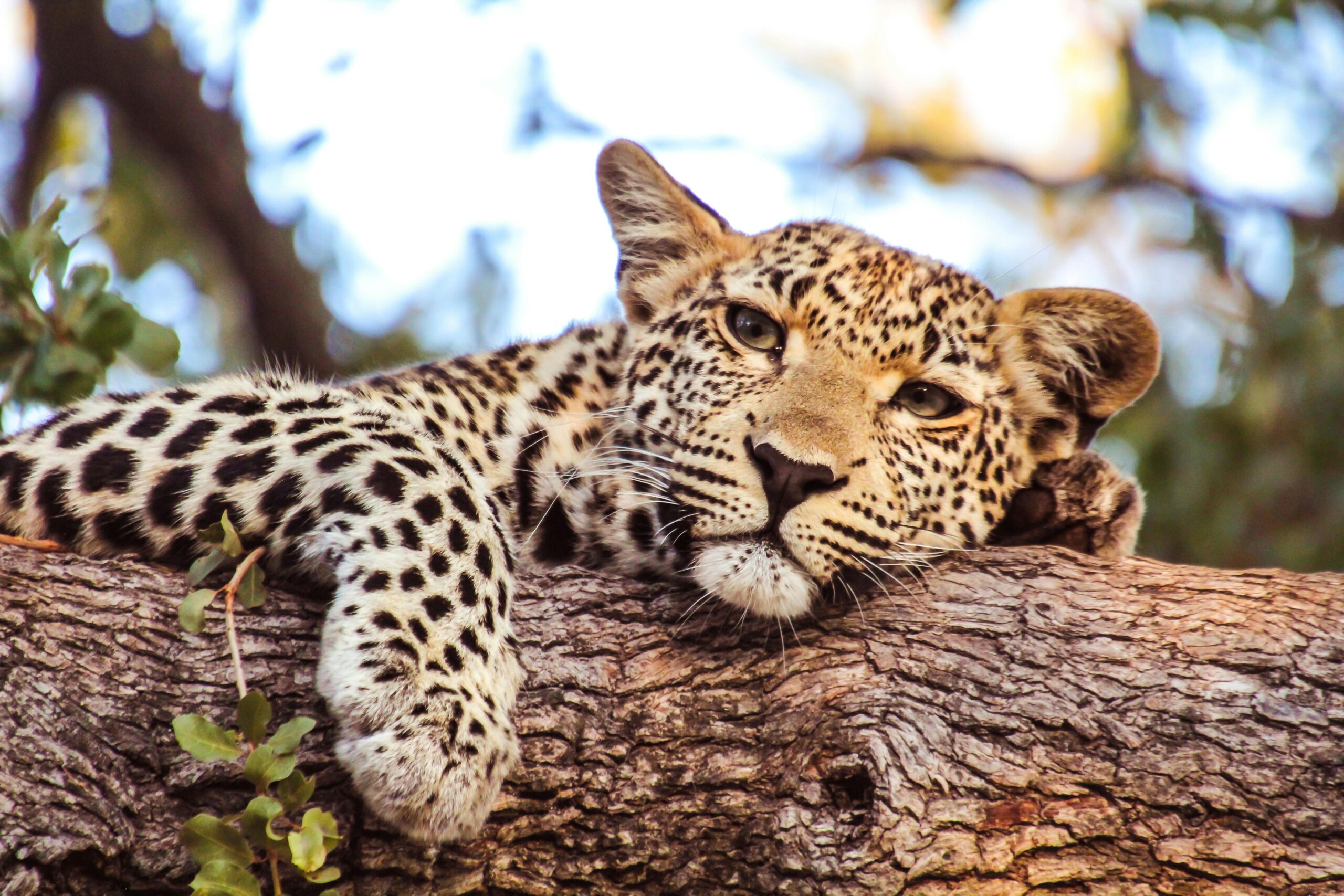
- Leopards
- Giraffes
- Buffaloes
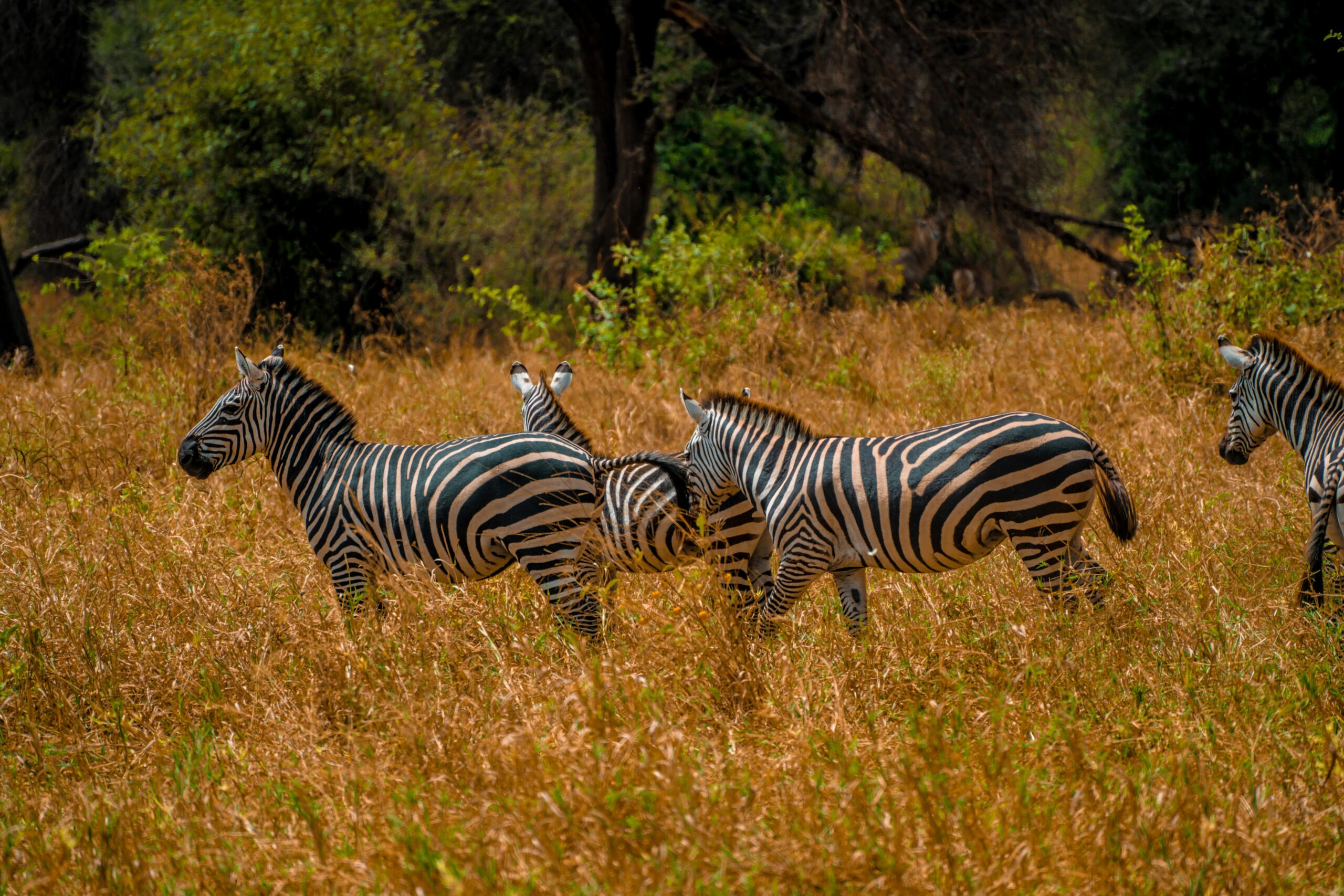
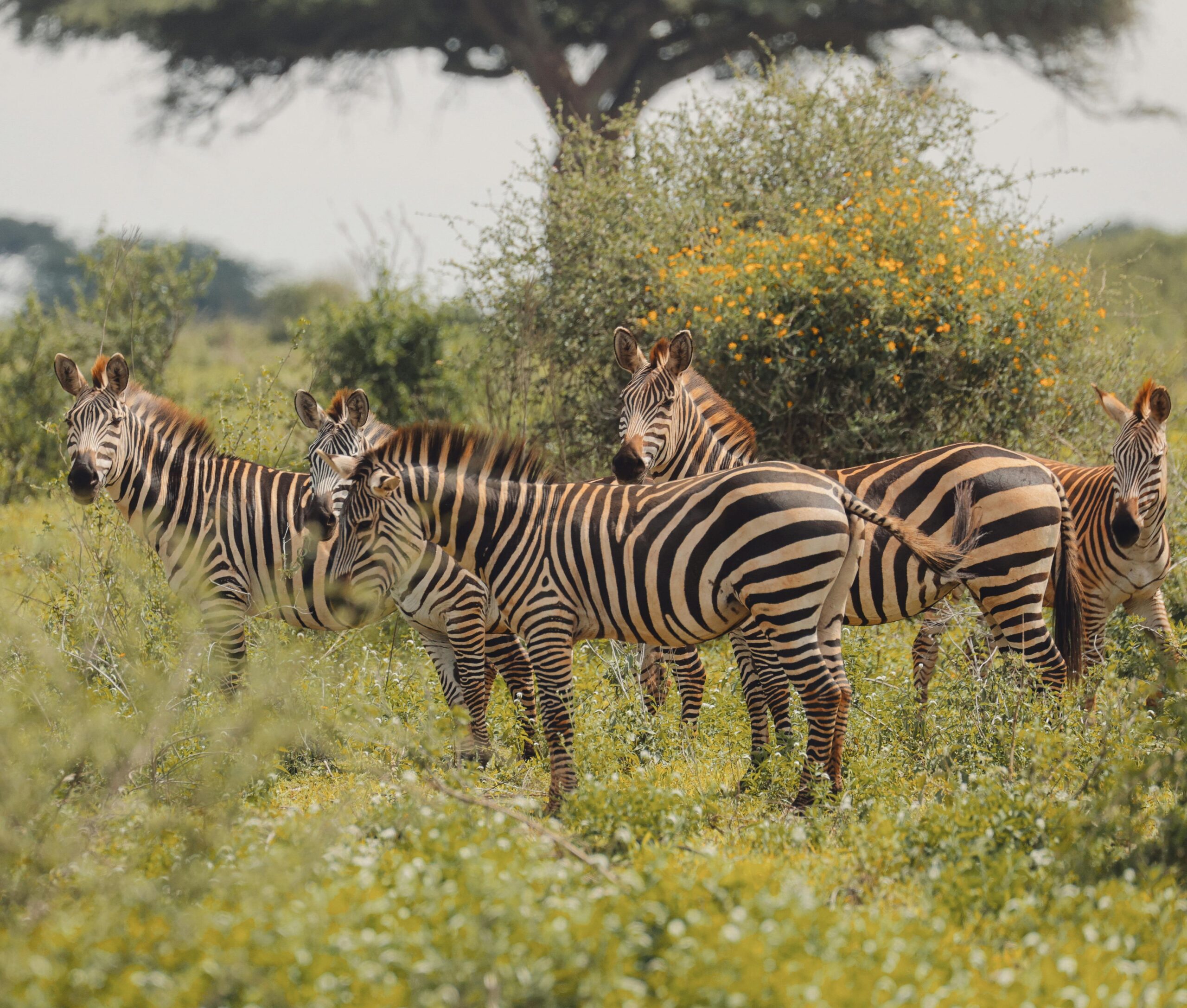
- Zebras
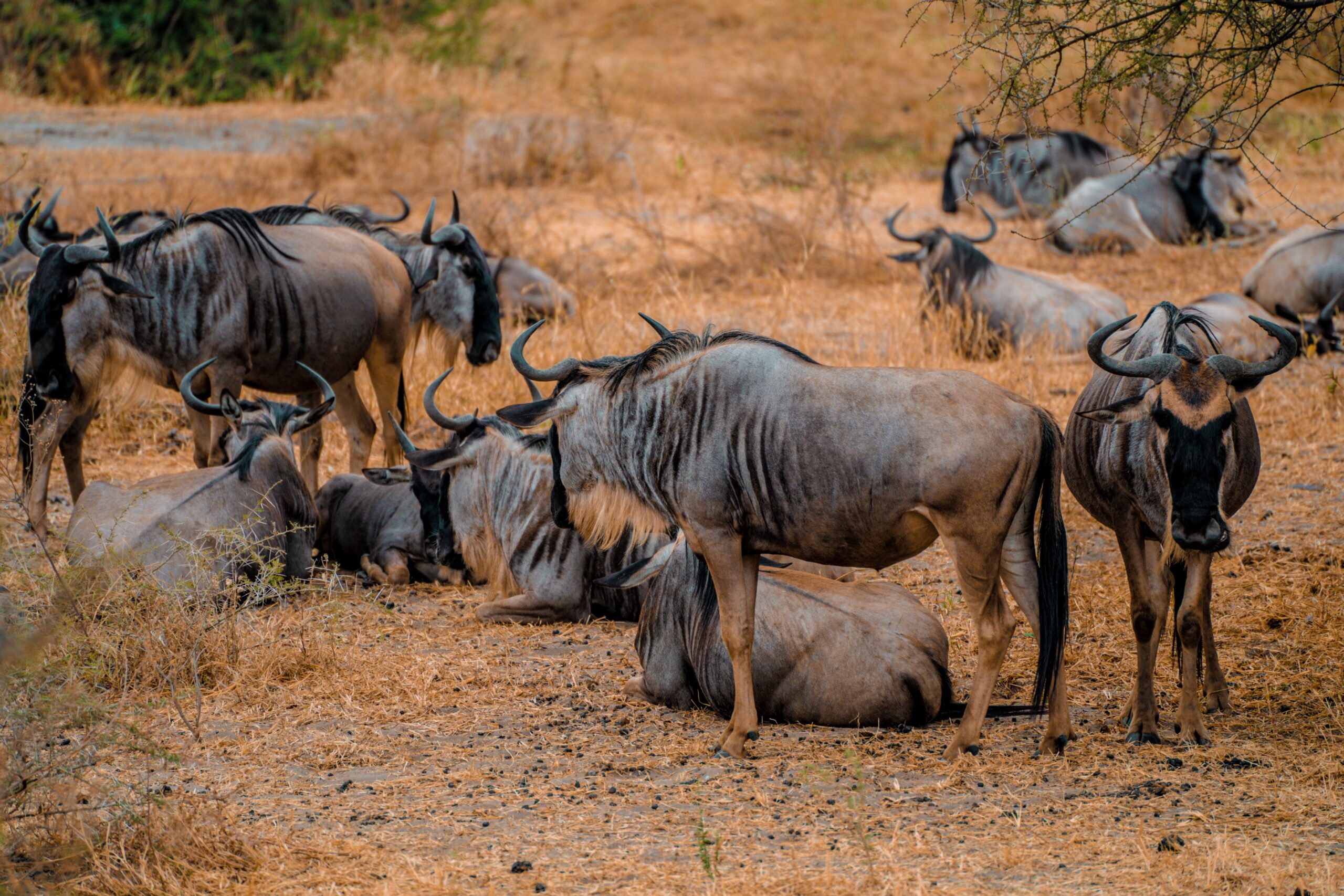
- Wildebeest
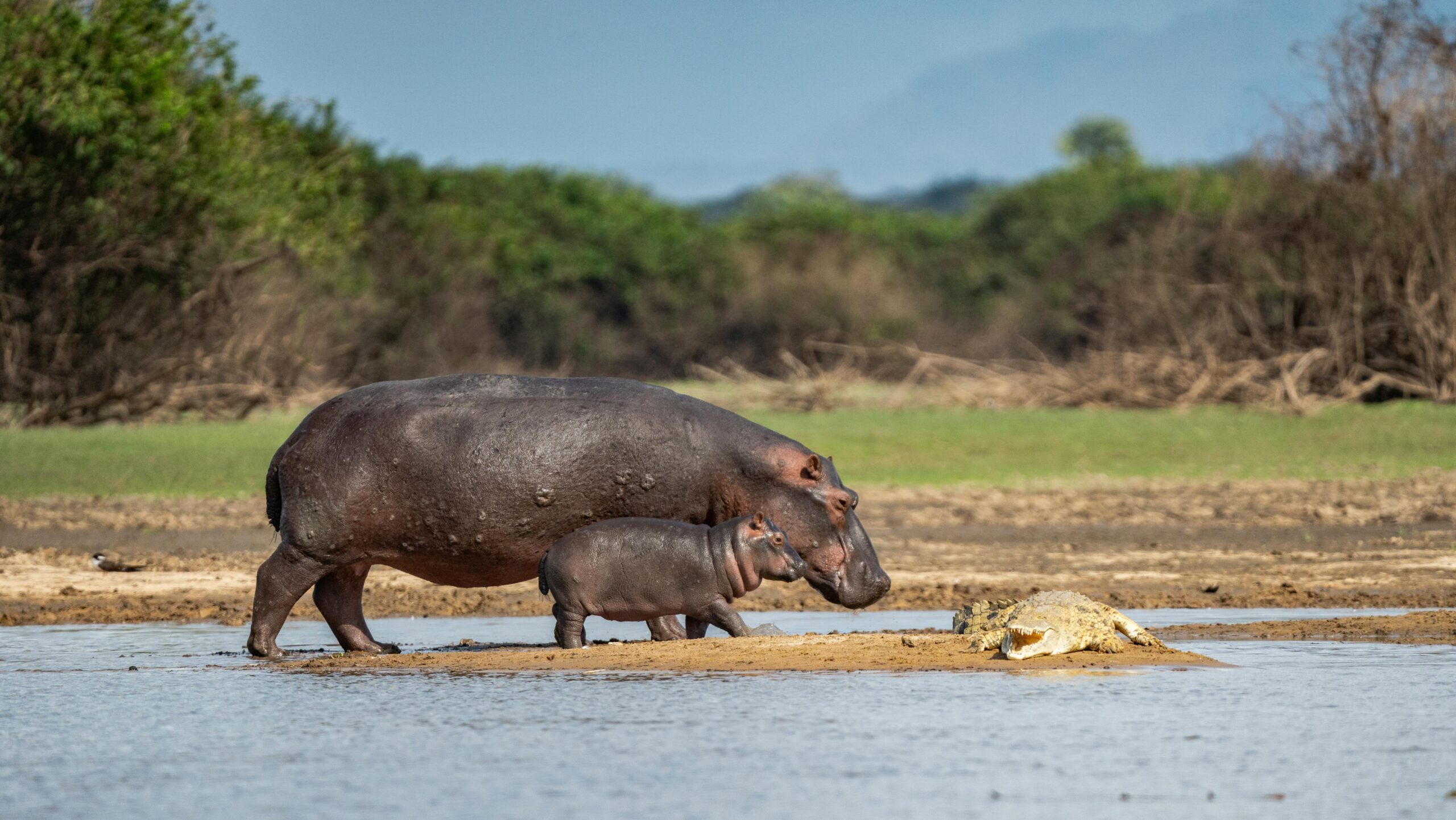
- Hippos
- Warthogs
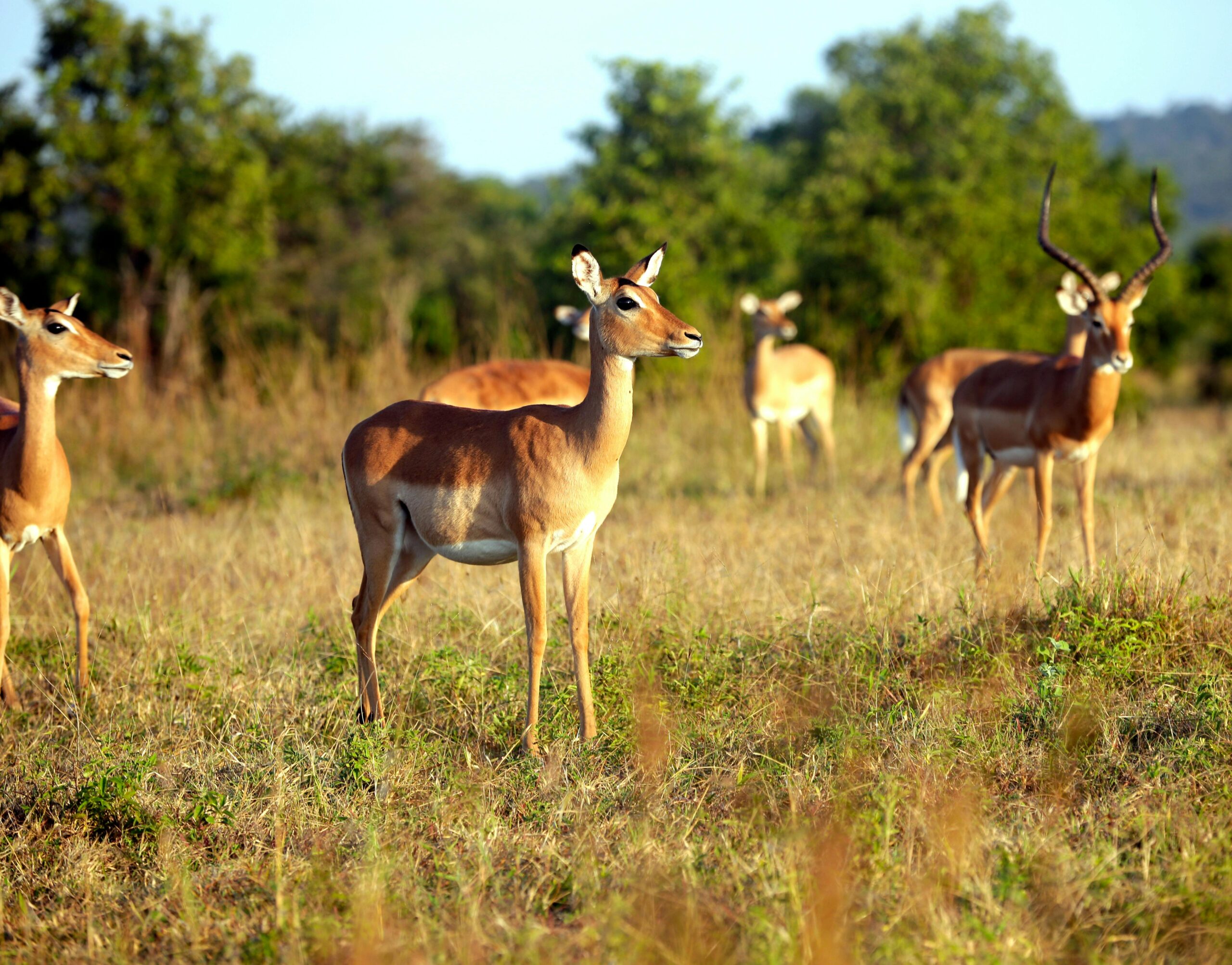
- Impalas
- Baboons
- Monkeys
- Waterbucks
- Bushbucks
- Dik-diks
- Various antelope species
The park is particularly rewarding because animals can be encountered in very different environments.
An elephant may appear in dense forest.
A giraffe may stand against the open plains.
Hippos can be seen in and around water.
Baboons may move along the roadside.
And birds can be present almost everywhere.
The Elephants of Manyara
Giants in the Forest
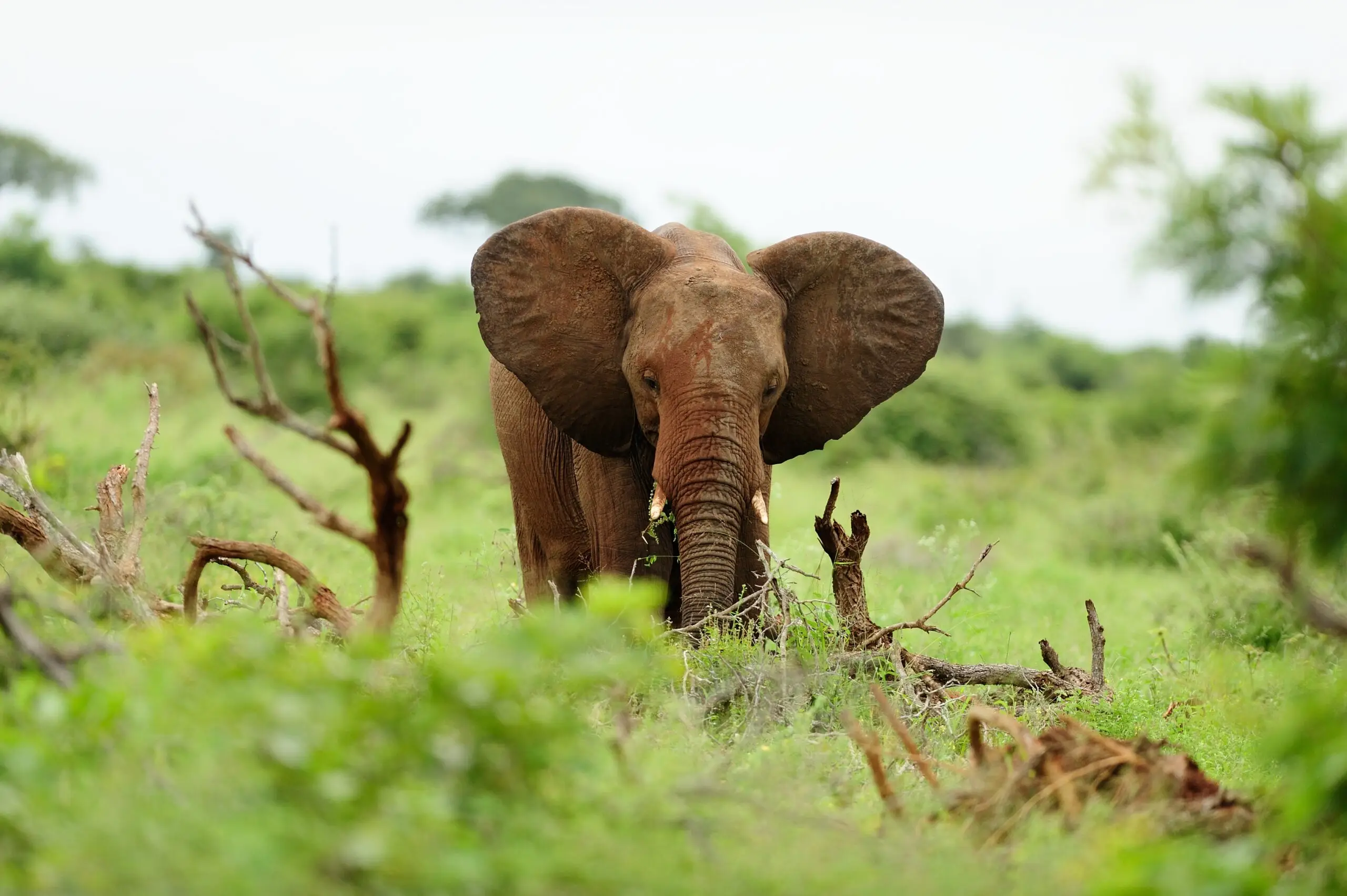
Lake Manyara is well known for its elephants.
Unlike the open plains of Serengeti, Manyara allows visitors to observe elephants moving through forest and woodland habitats.
Watching an elephant emerge from dense vegetation can be a remarkable experience.
The park’s forest environment also provides opportunities to observe elephant behaviour at relatively close range while maintaining a respectful distance.
For travellers visiting Tanzania for the first time, an elephant encounter in Manyara can be one of the highlights of the Northern Circuit.
The Groundwater Forest
A Green World Beneath the Rift Valley
One of Lake Manyara’s most distinctive habitats is its lush groundwater forest.
Fed by underground water sources associated with the escarpment, the forest remains remarkably green even when surrounding areas become considerably drier.
The transition from open savannah into dense forest can feel almost immediate.
Large trees create shade.
Monkeys move through the canopy.
Birds call from the vegetation.
Elephants pass between the trees.
The forest gives Lake Manyara an atmosphere that is completely different from the wide-open landscapes of Serengeti.
It also demonstrates how water availability can transform an environment and create habitat for an extraordinary variety of species.
Birdlife at Lake Manyara
A Paradise for Birdwatchers
Lake Manyara is one of the most rewarding destinations in Tanzania for bird enthusiasts.
The lake, wetlands, forest, woodland and open grasslands create a range of habitats capable of supporting an impressive variety of bird species.
Depending on the season, visitors may encounter:
- Flamingos
- Pelicans
- Storks
- Herons
- Egrets
- African fish eagles
- Hornbills
- Rollers
- Kingfishers
- Bee-eaters
- Weaver birds
- Vultures
- Eagles
- Ostriches
- Secretary birds
The lake itself can become particularly spectacular when large numbers of waterbirds gather along its shores and shallow waters.
For photographers, the combination of birds, reflections, water and the Rift Valley escarpment provides excellent opportunities.
Flamingos of Lake Manyara
A Changing Landscape of Pink
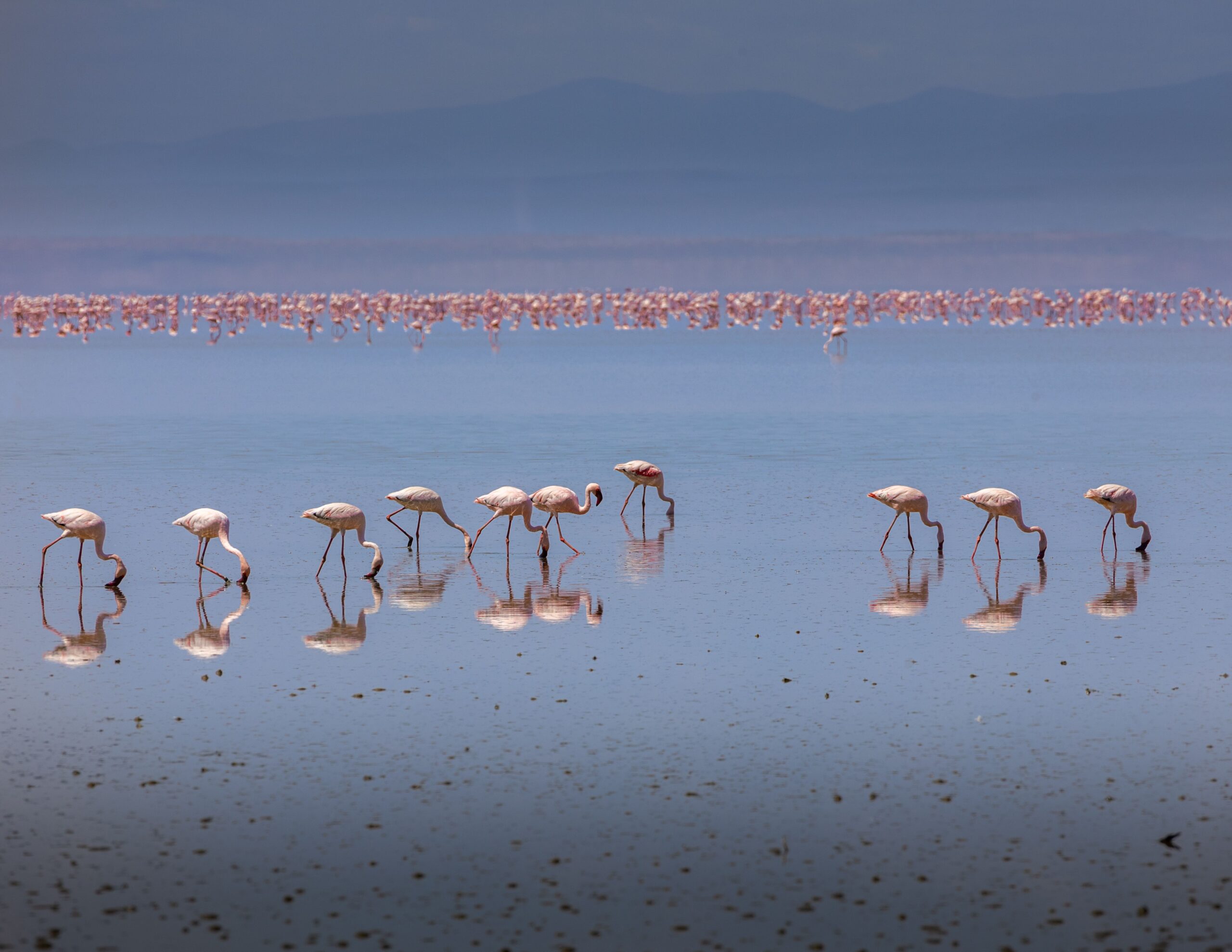
Flamingos are among the birds most closely associated with Lake Manyara.
Their presence can vary according to water levels, food availability and seasonal conditions.
When conditions are favourable, large numbers may gather around the lake, creating striking scenes of pink against the shallow waters and surrounding landscape.
Because Lake Manyara is a dynamic alkaline lake, bird concentrations naturally change throughout the year.
This unpredictability is part of what makes the ecosystem interesting.
Hippos and the Water’s Edge
Life Around the Lake
The lake and associated wetlands create habitat for aquatic wildlife, including hippos.
Hippos spend much of their time in water during the hotter parts of the day and may emerge to graze.
Seeing them gathered around water provides another dimension to the Manyara safari experience.
The wetland environment also attracts numerous bird species, creating an ecosystem where mammals and birds can be observed within the same landscape.
The Wildlife of the Woodland
More Than Open-Savannah Safari
The woodland areas of Lake Manyara are home to species adapted to environments where trees and vegetation provide shade, food and shelter.
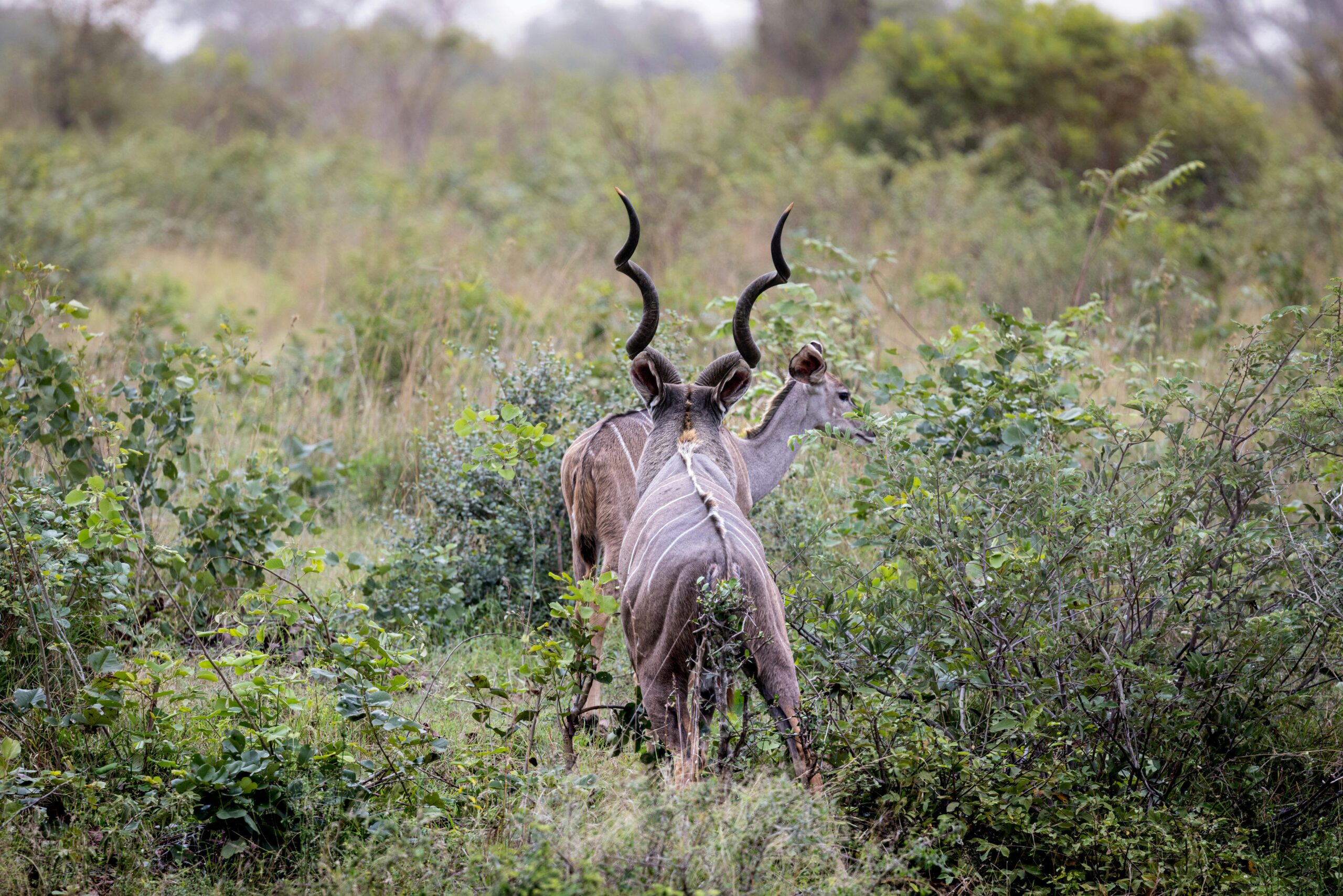
Giraffes feed from taller vegetation.
Elephants move between trees.
Primates occupy the forest canopy.
Antelopes move quietly through the undergrowth.
Predators use vegetation for concealment.
This makes Manyara particularly interesting for travellers who want to experience different forms of wildlife habitat during one safari.
Primates of Lake Manyara
Life in the Canopy
Lake Manyara is also an excellent place to observe primates.
Visitors may encounter:
- Olive baboons
- Blue monkeys
- Vervet monkeys
- Other forest and woodland species
Baboons are particularly noticeable because they often move in large troops.
Their social behaviour can provide fascinating viewing opportunities, especially for families and younger travellers.
Mto wa Mbu
A Gateway to Culture
Near Lake Manyara lies Mto wa Mbu, a lively multicultural community that provides opportunities to experience another side of Tanzania beyond wildlife.
The town is known for its cultural diversity, local agriculture, crafts and food.
A safari itinerary can incorporate cultural experiences in the area, allowing travellers to interact with local communities and gain a deeper understanding of everyday life in northern Tanzania.
Possible experiences may include:
- Local food experiences
- Village walks
- Traditional crafts
- Cycling
- Cultural tours
- Local farming experiences
- Community interactions
For travellers who want to combine wildlife with culture, Mto wa Mbu can add an entirely different dimension to a Lake Manyara journey.
Mto wa Mbu Cultural Experience
Meet Tanzania Beyond the Safari Vehicle
A visit to the area surrounding Lake Manyara can be more than a wildlife experience.
With the right local arrangements, travellers can step beyond the safari vehicle and experience aspects of community life.
This creates an opportunity to understand how people live, farm, create art, prepare food and maintain cultural traditions within the wider Northern Tanzania landscape.
For GoAccess Africa Safaris, these experiences can be incorporated into private itineraries according to the traveller’s interests.
Lake Manyara’s Landscapes
Five Worlds in One Destination
Groundwater Forest
Lush, shaded and rich in primates, elephants and birdlife.
Open Grasslands
Ideal for spotting giraffes, zebras, wildebeest and other grazing animals.
Acacia Woodland
A habitat associated with giraffes, elephants and numerous bird species.
Wetlands
Important for hippos and waterbirds.
Lake Shore
A constantly changing environment shaped by seasonal water levels.
Together, these habitats explain why Lake Manyara can feel much larger and more diverse than its size suggests.
Activities in Lake Manyara
Ways to Experience the Park
1. Wildlife Game Drives
Explore the park with a professional safari guide while searching for elephants, lions, giraffes, buffaloes and other wildlife.
2. Birdwatching
Discover the park’s remarkable diversity of resident and migratory birds.
3. Photography
Capture wildlife, birds, forests, lake scenery and the dramatic Rift Valley escarpment.
4. Cultural Experiences
Combine your safari with cultural activities around Mto wa Mbu.
5. Nature Experiences
Explore the contrasting environments of forest, grassland, wetlands and lake.
6. Canopy Experience
Where available and appropriate, canopy-based activities can offer a different perspective over the forest environment.
Lake Manyara for Photographers
A Different Kind of Safari Photography
Lake Manyara offers photographic opportunities that are different from Serengeti’s open plains.
The forest creates depth and atmosphere.
The lake provides reflections.
The escarpment creates dramatic backgrounds.
Birds provide movement and colour.
Elephants create powerful wildlife portraits.
And the possibility of a lion resting in a tree can produce an unforgettable image.
Early morning and late afternoon light can be particularly beautiful across the lake and escarpment.
Best Time to Visit Lake Manyara
Understanding the Seasons
Lake Manyara can be visited throughout the year, but the experience changes with the seasons.
June – October
The dry season generally provides good conditions for wildlife viewing.
As vegetation becomes less dense and water becomes more limited, animals can become easier to locate in certain areas.
November – December
The short rains bring fresh vegetation and can transform the landscape into a greener environment.
Bird activity can also become particularly rewarding.
January – February
The park can be lush and attractive, with good opportunities for birdwatching and green-season photography.
March – May
The longer rains can bring dramatic skies and beautiful green landscapes.
Travellers should, however, expect wetter conditions and potentially more challenging road conditions.
The best time depends on whether your priority is wildlife viewing, birdwatching, photography, green landscapes or a quieter safari atmosphere.
Lake Manyara in the Dry Season
When Water Shapes Wildlife
During the dry season, the contrast between the lake and surrounding landscapes becomes particularly interesting.
Water availability influences where animals move and where they spend their time.
Some areas become drier while groundwater-fed environments retain their vegetation.
This creates a fascinating ecological contrast within a relatively small area.
It is one of the reasons Manyara can deliver such a varied safari experience within a single day.
Lake Manyara in the Green Season
When the Landscape Comes Alive
Rain transforms Manyara.
The forest becomes lush.
Grasslands become greener.
The air feels fresh.
Bird activity increases.
The scenery becomes particularly attractive for photography.
For travellers who appreciate landscapes and birdlife as much as large mammals, the green season can be a rewarding time to explore the park.
Lake Manyara for Luxury Travellers
Wilderness With a More Intimate Character
Lake Manyara can fit beautifully into a luxury Northern Tanzania safari.
Its compact size allows travellers to experience a diverse range of environments without spending several days travelling between distant regions.
A luxury itinerary can combine:
- Premium accommodation
- Private safari vehicle
- Dedicated guide
- Flexible game drives
- Fine dining
- Bush breakfast
- Sundowner experiences
- Cultural activities
- Photography experiences
- Seamless connections to Tarangire, Ngorongoro and Serengeti
The result is a journey that combines comfort with an authentic connection to the landscape.
Lake Manyara for Families
A Safari Full of Discovery
Lake Manyara can be particularly engaging for families because of its diversity.
Children can encounter elephants, giraffes, monkeys, hippos, zebras and countless birds while moving through several different landscapes.
A private safari allows the itinerary to be adapted to the family’s pace.
You can spend longer at an interesting wildlife sighting, take breaks when necessary and combine the park with cultural experiences around Mto wa Mbu.
Lake Manyara for Honeymooners
A Romantic Wilderness Escape
For couples, Lake Manyara offers a beautiful introduction to Tanzania’s wilderness.
The combination of forest, lake, mountains and wildlife creates a more intimate atmosphere than the vast open plains of Serengeti.
Manyara can form part of a romantic Northern Tanzania itinerary such as:
Tarangire → Lake Manyara → Ngorongoro → Serengeti → Zanzibar
After several days of wildlife adventure, the journey can continue toward Zanzibar for an island retreat beside the Indian Ocean.
Lake Manyara & Ngorongoro
Forest, Lake & Volcano
Lake Manyara and Ngorongoro complement one another beautifully.
Manyara introduces travellers to the Great Rift Valley, lake ecosystem, forest and tree-climbing lions.
Ngorongoro then brings a completely different landscape: a dramatic volcanic caldera with exceptional wildlife concentrations.
Together, they create a diverse Northern Tanzania experience.
Lake Manyara & Tarangire
Two Distinct Safari Experiences
Tarangire and Manyara are geographically close, yet they feel completely different.
Tarangire is characterised by:
Elephants • Baobabs • Dry Savannah • River • Woodland
Manyara is characterised by:
Lake • Forest • Rift Valley • Flamingos • Tree-Climbing Lions
Combining them allows travellers to experience two contrasting ecosystems within a short section of the Northern Safari Circuit.
Lake Manyara & Serengeti
From Rift Valley Landscapes to Endless Plains
For travellers with more time, Manyara can be included before continuing toward Ngorongoro and Serengeti.
The journey gradually changes from:
Rift Valley → Highlands → Crater → Endless Plains
This progression makes the Northern Tanzania safari route feel like a journey through completely different worlds.
Why Visit Lake Manyara?
Small in Size. Rich in Experience.
Tree-Climbing Lions
One of the park’s most distinctive wildlife experiences.
Rift Valley Scenery
The dramatic escarpment creates a spectacular backdrop.
Lake Ecosystem
Waterbirds, hippos and seasonal wildlife make the lake an important part of the safari.
Groundwater Forest
A lush habitat that contrasts sharply with surrounding savannah.
Elephant Encounters
The forest provides a distinctive setting for observing elephants.
Exceptional Birdlife
The combination of lake, wetlands, forest and grassland supports a rich bird community.
Cultural Opportunities
The nearby Mto wa Mbu area allows safari experiences to be combined with local culture.
Easy Northern Circuit Combination
Manyara fits naturally into itineraries featuring Tarangire, Ngorongoro and Serengeti.
Why Choose Lake Manyara With GoAccess Africa Safaris?
At GoAccess Africa Safaris, we believe a Tanzania safari should not simply be a list of parks.
It should be a journey through different landscapes, ecosystems, cultures and experiences.
Lake Manyara is therefore carefully positioned within your itinerary according to what you want to see and how you want to travel.
Established in 2015, GoAccess Africa Safaris creates personalised Tanzania journeys for travellers seeking authentic experiences with thoughtful planning and professional guiding.
Whether you are planning a luxury private safari, family adventure, honeymoon, photography journey or a classic Northern Tanzania safari, we can build Lake Manyara into an itinerary that works for you.
Lake Manyara at a Glance
| Feature | Details |
|---|---|
| Location | Northern Tanzania |
| Famous For | Tree-climbing lions, elephants, birdlife & Rift Valley scenery |
| Main Landmark | Lake Manyara |
| Geological Setting | Great Rift Valley |
| Major Habitats | Forest, woodland, grassland, wetlands & lake |
| Wildlife | Elephants, lions, giraffes, buffalo, hippos, zebra & many others |
| Birdlife | Rich variety of waterbirds, forest birds & savannah species |
| Main Activity | Wildlife game drives |
| Cultural Gateway | Mto wa Mbu |
| Safari Style | Private, luxury, mid-range & budget |
| Nearby Destinations | Tarangire, Ngorongoro & Serengeti |
| Ideal For | Wildlife lovers, birdwatchers, families, couples & photographers |
Frequently Asked Questions
What is Lake Manyara National Park famous for?
Lake Manyara is particularly known for its tree-climbing lions, elephants, diverse birdlife, groundwater forest, alkaline lake and dramatic Great Rift Valley scenery.
Can I see elephants in Lake Manyara?
Yes. Elephants are among the park’s notable wildlife and can often be encountered moving through woodland and forest habitats.
Can I see tree-climbing lions?
There is a possibility of seeing lions resting in trees, which is one of the experiences Lake Manyara is particularly famous for. Wildlife behaviour is unpredictable, so sightings cannot be guaranteed.
Is Lake Manyara good for birdwatching?
Yes. The lake, wetlands, forest and savannah create diverse habitats for a wide variety of bird species.
Can I see flamingos at Lake Manyara?
Flamingos can occur at the lake, but their numbers and exact locations change according to seasonal and ecological conditions.
How many days do I need at Lake Manyara?
A full day can provide a rewarding experience, particularly when Manyara is incorporated into a longer Northern Tanzania safari.
Can Lake Manyara be visited as a day trip?
Yes. Its location makes it practical to visit as part of a Northern Circuit itinerary, including day-trip arrangements depending on the starting point and overall route.
Is Lake Manyara suitable for families?
Yes. Its variety of wildlife and landscapes makes it an engaging destination for family safaris.
Can Lake Manyara be combined with Tarangire?
Yes. The two parks complement each other extremely well because their landscapes and wildlife experiences are noticeably different.
Can Lake Manyara be combined with Ngorongoro and Serengeti?
Yes. Manyara can form part of a classic Northern Tanzania safari route alongside Tarangire, Ngorongoro and Serengeti.
Is Lake Manyara suitable for a luxury safari?
Yes. Luxury accommodation and private safari arrangements can be incorporated into a Lake Manyara itinerary.
Experience Lake Manyara
Where the Rift Valley Meets the Wild
Lake Manyara may not be the largest national park in Tanzania.
But what it lacks in size, it makes up for in diversity.
Here, the Great Rift Valley rises above a shimmering lake.
Elephants move through ancient forest.
Birds gather around the water.
Giraffes cross the open grasslands.
Hippos rest in the wetlands.
And somewhere above the ground, if nature decides to offer you the moment, a lion may be resting quietly in the branches of a tree.
This is Lake Manyara — a destination where water, forest, wildlife and geology come together in one extraordinary landscape.
Discover Lake Manyara With GoAccess Africa Safaris.
Explore Tanzania. Travel Deeper. Experience the Wild.
Escape into the heart of Tanzania on an extraordinary ten-day luxury journey designed for travellers who want to experience the country's wildlife, landscapes and culture...
Duration
10 Days - 9 Nights
$8000
/ person
Next Departures
October 4, 2026 (Available)October 5, 2026 (Available)October 6, 2026 (Available)
Wild Tanzania, Beautifully Yours is an eight-day luxury safari created for travellers who want to experience Tanzania's legendary wilderness in a more personal, comfortable and...
Duration
8 Days - 7 Nights
$6000
/ person
Next Departures
October 4, 2026 (Available)October 5, 2026 (Available)October 6, 2026 (Available)
Go beyond the horizon on an unforgettable seven-day journey through Tanzania's most iconic wilderness landscapes. Beyond the Horizon has been designed for travellers who want...
Duration
7 Days - 6 Nights
$5000
/ person
Next Departures
October 4, 2026 (Available)October 5, 2026 (Available)October 6, 2026 (Available)
Step beyond the ordinary and journey deep into the untamed landscapes of Northern Tanzania on an eight-day safari designed for travellers who want more than...
Duration
8 Days - 7 Nights
$3000
/ person
Next Departures
October 4, 2026 (Available)October 5, 2026 (Available)October 6, 2026 (Available)
Experience the extraordinary contrasts of Northern Tanzania on a seven-day safari that takes you from the land of giants to endless golden plains and into...
Duration
7 Days - 6 Nights
$2800
/ person
Next Departures
October 4, 2026 (Available)October 5, 2026 (Available)October 6, 2026 (Available)
Discover the wild heart of Tanzania on a six-day journey through four of Northern Tanzania’s most remarkable destinations. From ancient baobabs and elephant-filled landscapes to...
Duration
6 Days - 5 Nights
$2100
/ person
Next Departures
October 4, 2026 (Available)October 5, 2026 (Available)October 6, 2026 (Available)
From towering baobabs and wandering elephant herds to the endless golden plains of the Serengeti, this seven-day journey takes you deep into the diverse landscapes...
Duration
7 Days - 6 Nights
$1800
/ person
Next Departures
October 4, 2026 (Available)October 5, 2026 (Available)October 6, 2026 (Available)
Enter the world of Tanzania's great predators on a five-day journey through three remarkable Northern Tanzania ecosystems. From the lush forests and open plains of...
Duration
5 Days - 4 Nights
$1300
/ person
Next Departures
October 4, 2026 (Available)October 5, 2026 (Available)October 6, 2026 (Available)
Step beyond the ordinary and into the endless wilderness of Northern Tanzania on a six-day safari designed to reveal the remarkable diversity of the country's...
Duration
6 Days - 5 Nights
$1500
/ person
Next Departures
October 4, 2026 (Available)October 5, 2026 (Available)October 6, 2026 (Available)