
- 9
- 15
- 15
- 14
serengeti
Where the Wild Has No Boundaries
Few places on Earth capture the spirit of Africa quite like Serengeti National Park. Stretching across vast golden plains, acacia-dotted landscapes, rocky kopjes and wooded valleys, Serengeti is a wilderness shaped by movement, survival and extraordinary natural beauty.
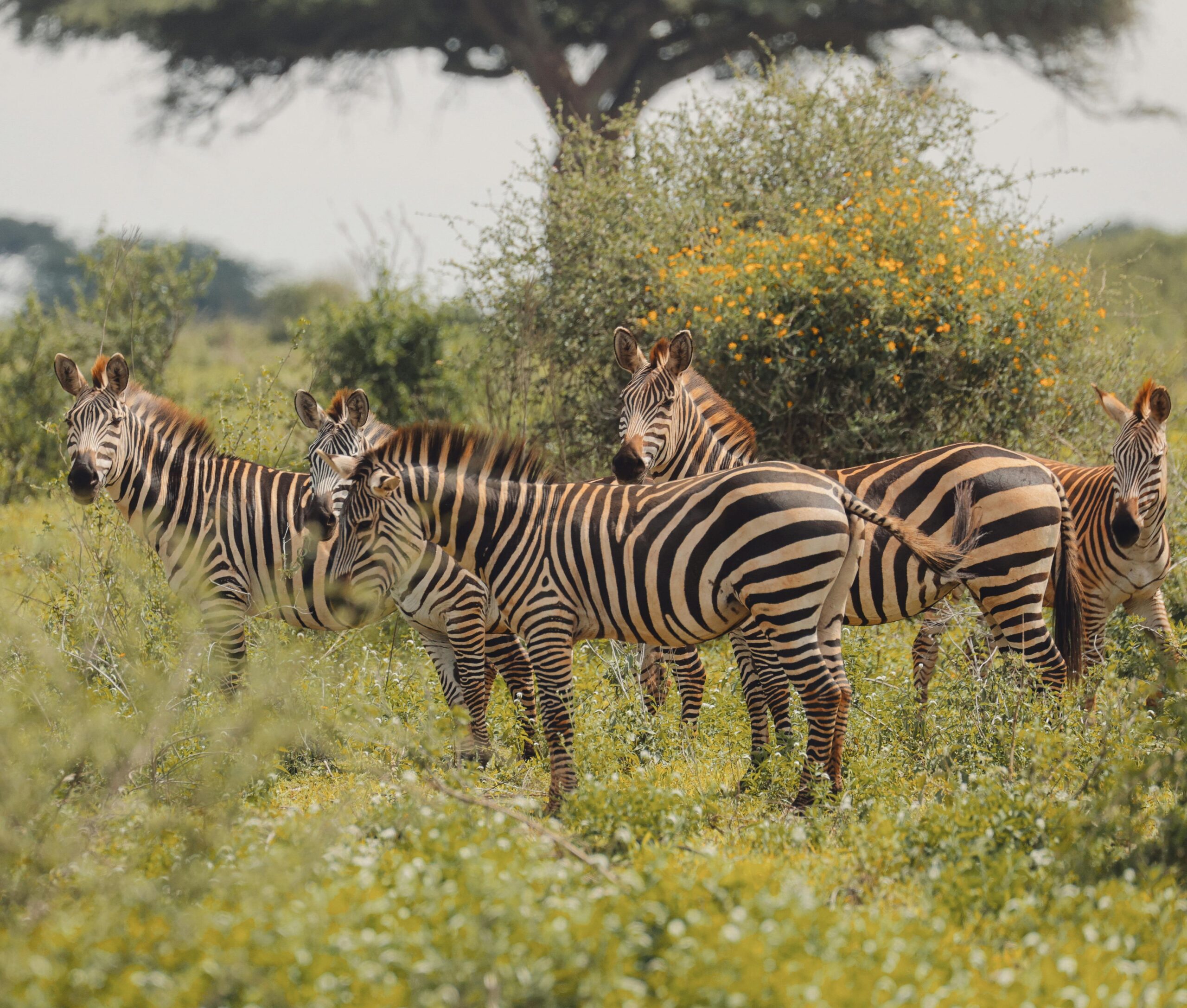
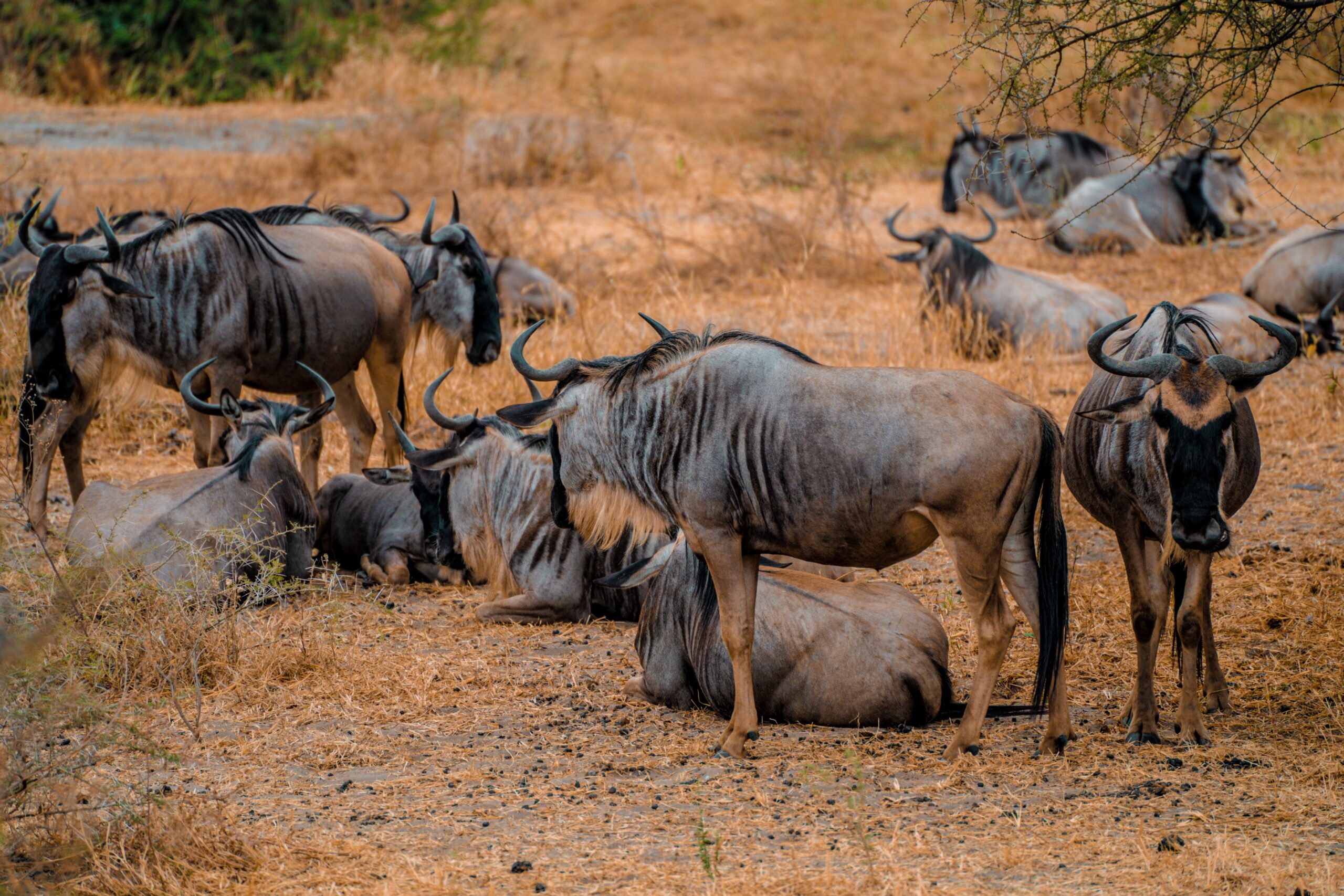
Located in northern Tanzania, the park forms the heart of the wider Serengeti ecosystem and is world-famous for the Great Migration — the extraordinary annual movement of more than a million wildebeest accompanied by hundreds of thousands of zebras and gazelles in search of fresh grazing and water.
But Serengeti is far more than the migration.
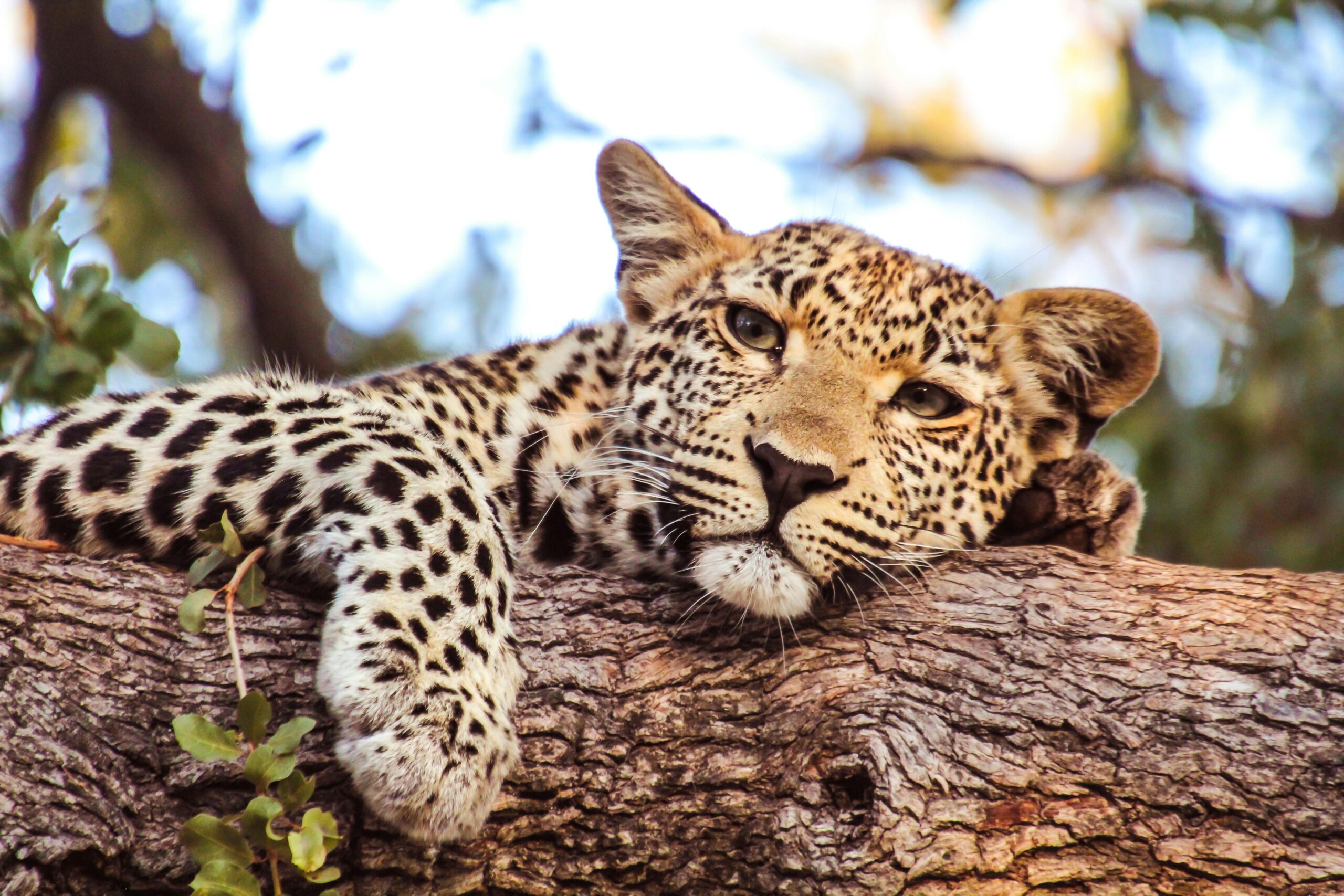
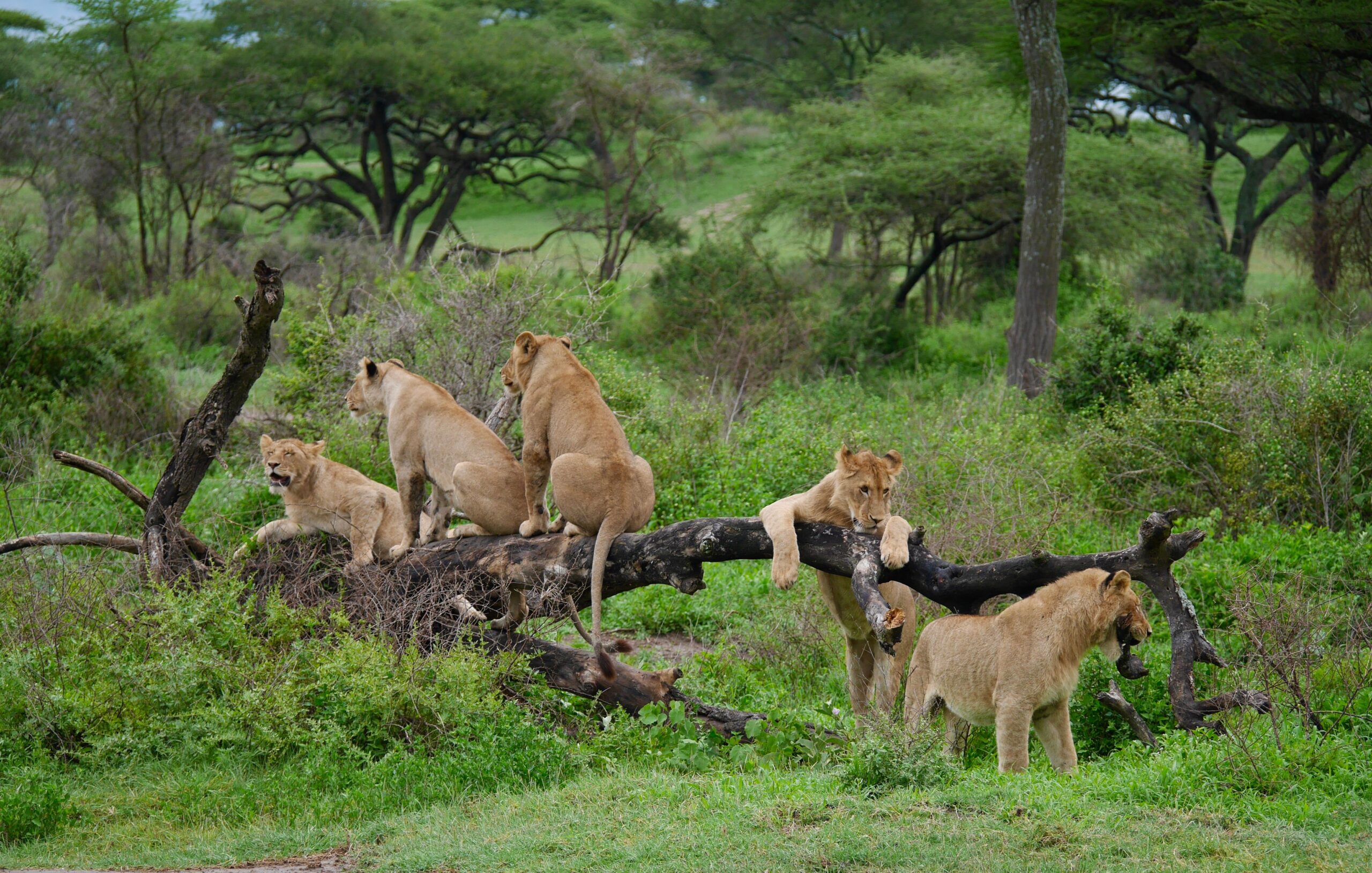
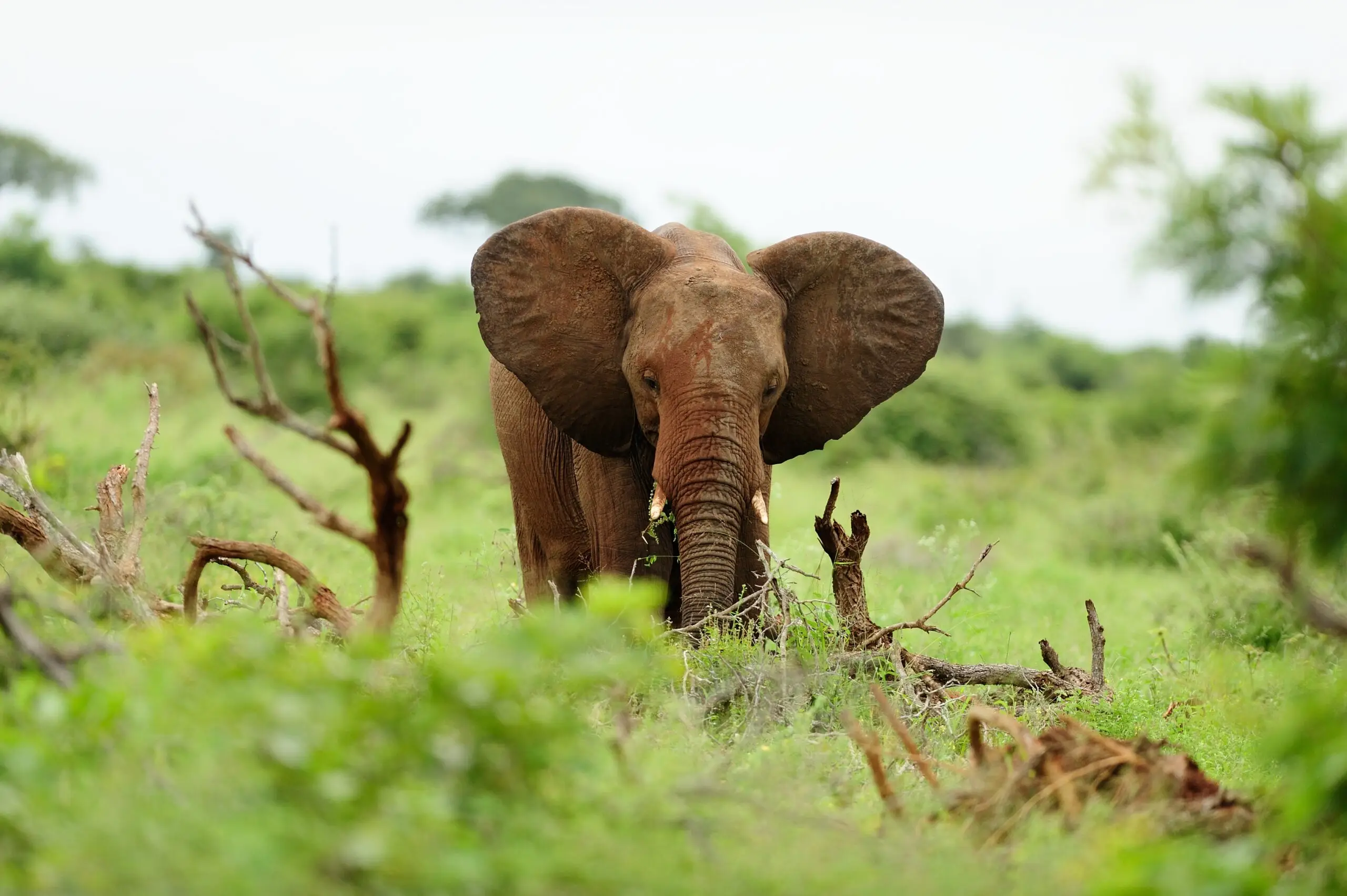
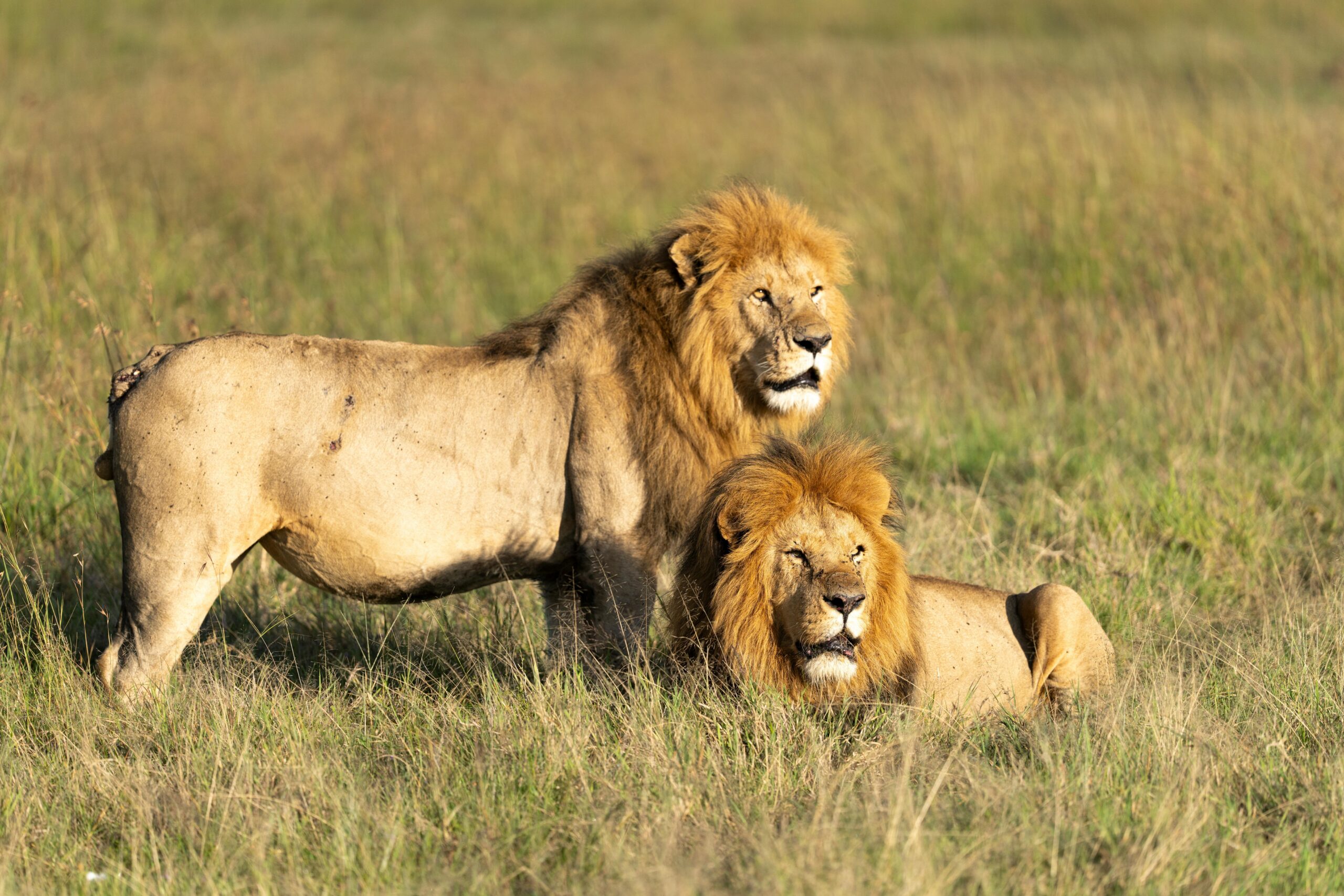
It is a place where lions patrol open grasslands, leopards rest in the branches of ancient trees, cheetahs scan the plains for opportunity, elephants move through woodland, and vast herds create one of the most remarkable wildlife spectacles on the planet.
For travellers seeking an authentic Tanzania safari, Serengeti offers something increasingly rare: the feeling of entering a truly wild world where nature still sets the rhythm.
The Heart of Tanzania’s Wild Country
Serengeti National Park covers approximately 1,476,300 hectares, making it one of Tanzania’s most important protected areas. Its landscapes form part of a much larger ecosystem that includes the Ngorongoro Conservation Area, Maswa Game Reserve, Grumeti and Ikorongo areas, and extends northward into Kenya’s Maasai Mara.
The name Serengeti is strongly associated with the idea of endless plains, and once you experience the landscape, it is easy to understand why.
The horizon seems to stretch indefinitely.
Golden grasslands roll toward distant hills. Rocky outcrops rise from the plains. Seasonal rivers create pockets of life, while woodland and riverine vegetation provide shelter for wildlife.
This extraordinary combination of habitats allows Serengeti to support one of the greatest concentrations of large mammals and predators anywhere in Africa.
The Great Migration
Nature’s Greatest Wildlife Journey
The Great Migration is perhaps the most famous reason travellers dream of visiting Serengeti.
Every year, enormous herds of wildebeest, zebras and gazelles move through the Serengeti ecosystem following seasonal rainfall and the availability of fresh grass and water. The movement forms a continuous ecological cycle rather than a single event that happens on one particular day or month.
More than one million wildebeest participate in this remarkable circular journey, accompanied by hundreds of thousands of other grazing animals.
Their movement attracts predators and creates extraordinary opportunities for wildlife observation.
Lions follow the herds.
Cheetahs search the open plains.
Hyenas exploit opportunities created by the movement of prey.
Crocodiles wait around major river crossings.
And above it all, the ecosystem continues its ancient rhythm.
The Migration Through the Year
January – March | Calving Season
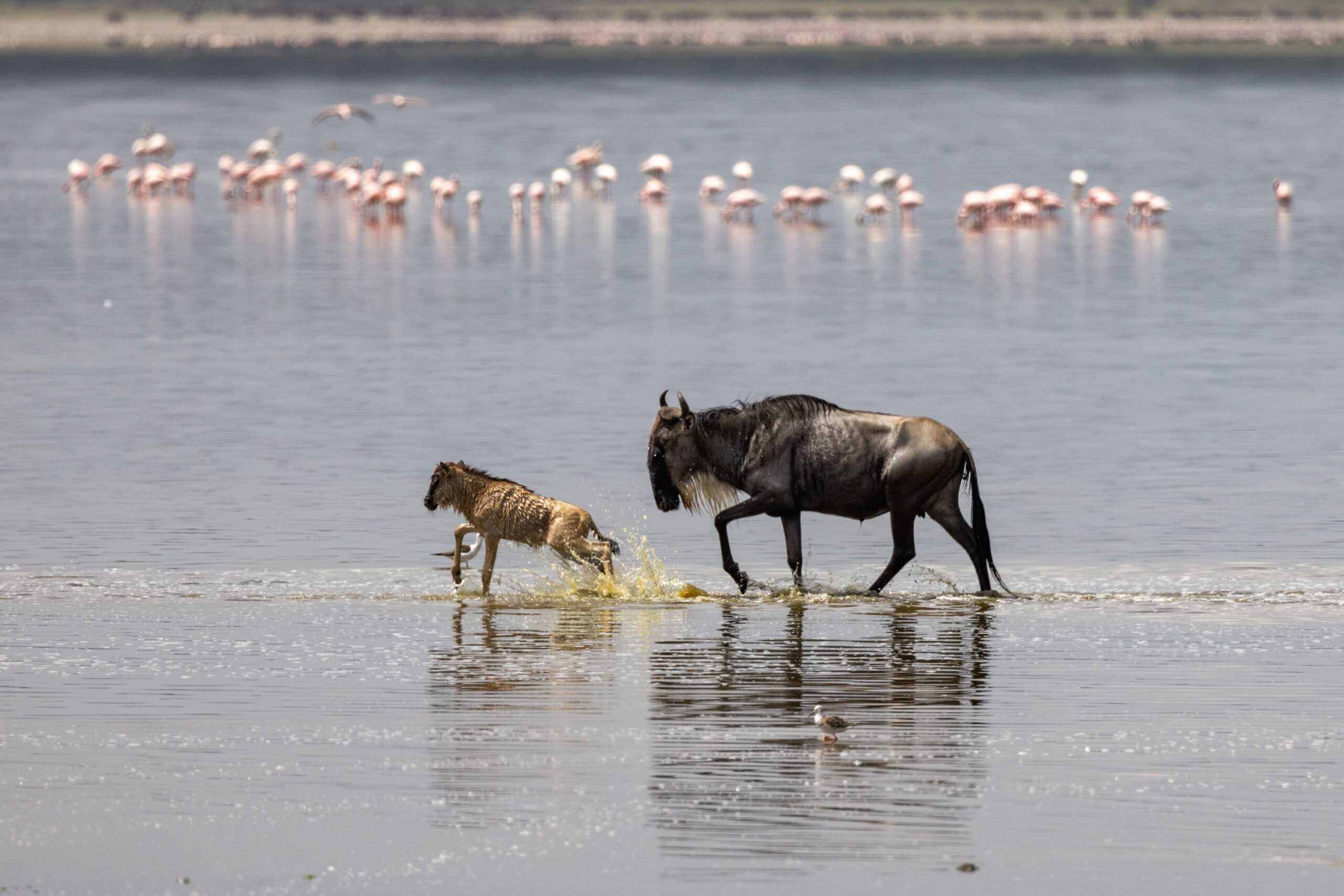
The southern Serengeti and Ndutu area become important during the calving period. Fresh grass provides rich grazing, while thousands of young wildebeest are born during this period.
This is an especially dramatic time for predator sightings because young animals attract lions, cheetahs and hyenas.
April – May | The Movement Begins
As rainfall patterns change and grazing conditions shift, the herds gradually begin moving away from the southern plains.
The landscape becomes greener and the migration starts its long journey north and west.
June – July | Western Serengeti
The herds can move through the Western Corridor, where the Grumeti ecosystem provides a very different landscape from the open southern plains.
This period can offer dramatic wildlife encounters as animals gather around water and river systems.
July – October | Northern Serengeti
The migration generally reaches northern Serengeti and the Mara River region during this broad period.
River crossings can occur when conditions and herd movements align, although the timing and exact locations are naturally unpredictable.
November – December | Return South
With the arrival of seasonal rains, the herds begin moving back toward the southern plains, continuing the cycle into another year.
The important point for travellers is that the Serengeti is a year-round destination. Even when the migration is elsewhere, resident wildlife remains throughout the park.
A Kingdom of Predators
Where the Big Cats Rule
Serengeti is one of Africa’s most celebrated predator habitats.
The abundance of herbivores creates an extraordinary food chain that supports large populations of lions, leopards, cheetahs and spotted hyenas. UNESCO describes the Serengeti as supporting one of the world’s largest and most diverse predator-prey interactions.
Lions
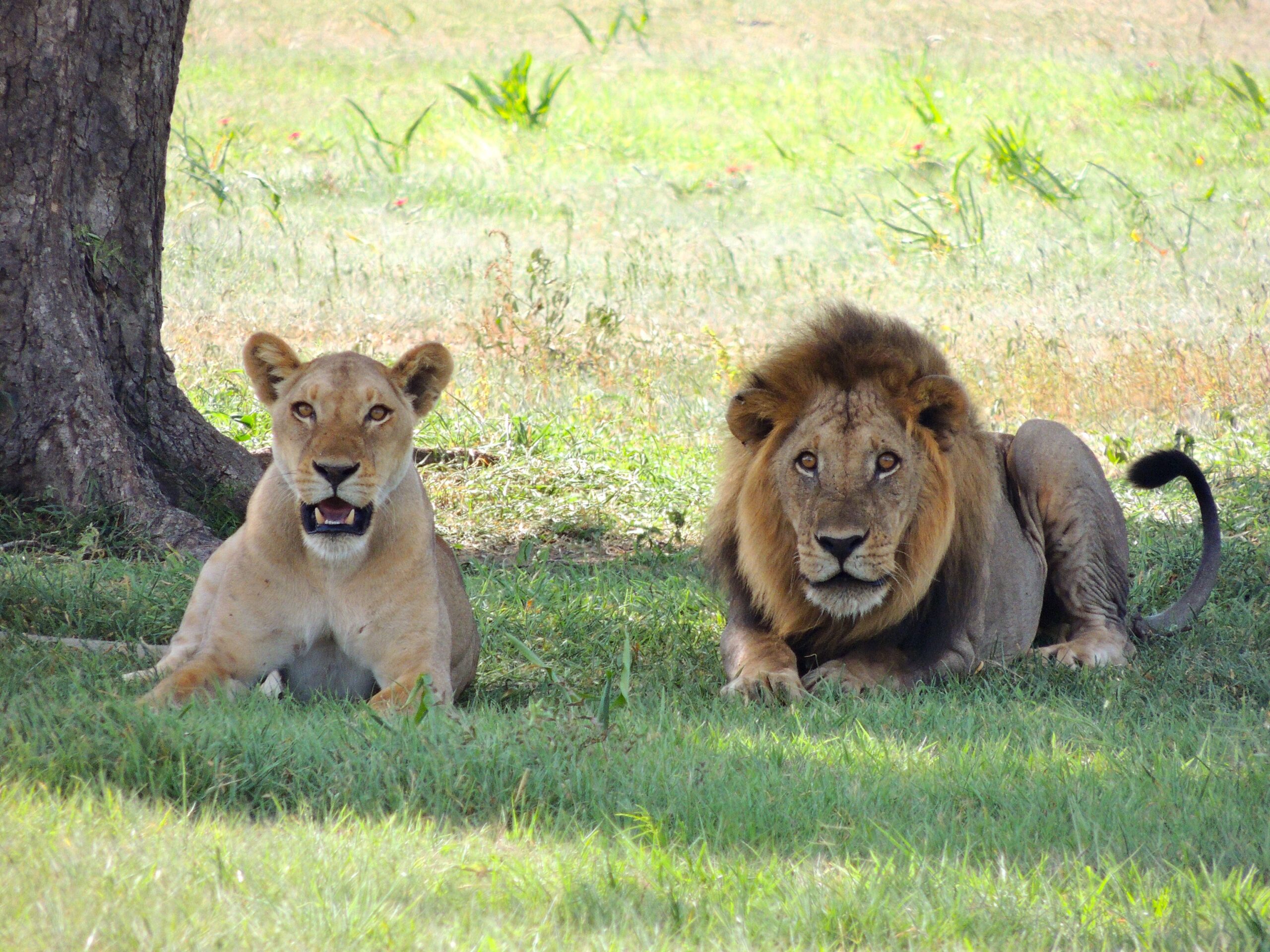
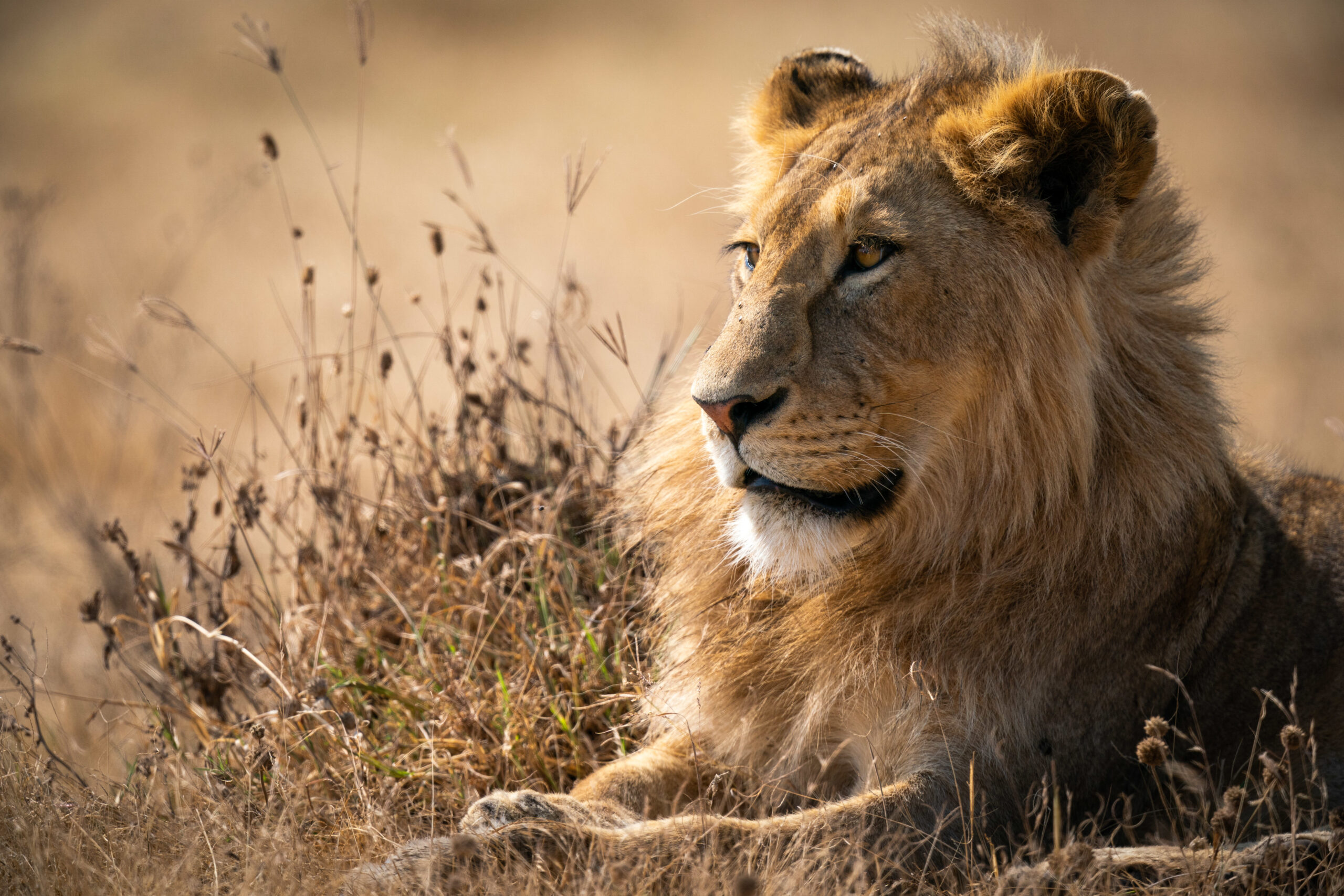
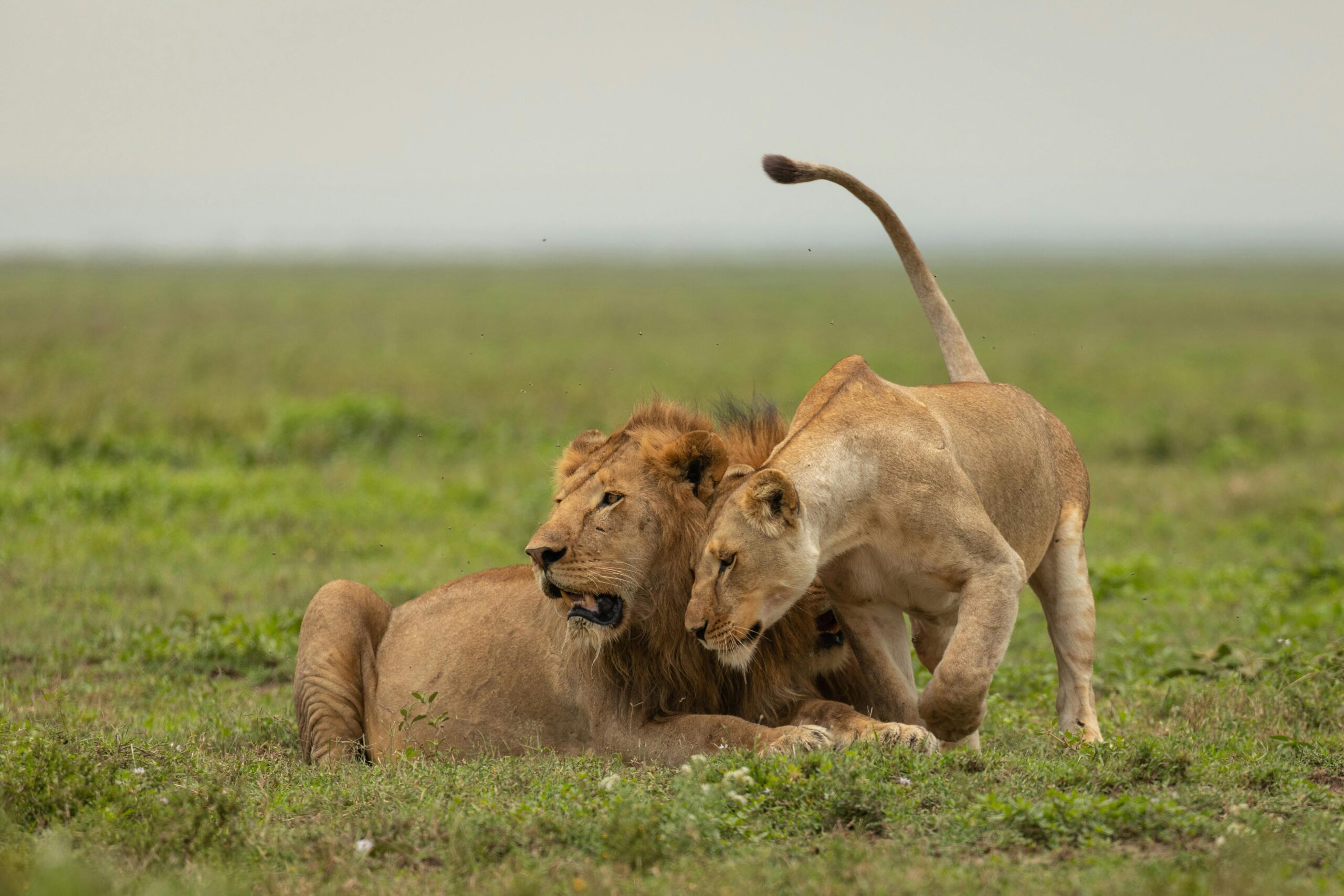
Lions are among Serengeti’s most iconic residents.
They can often be found resting beneath trees during the heat of the day before becoming more active in the cooler morning and evening hours.
Large prides may be seen around areas rich in prey, particularly where resident herbivores and migratory herds concentrate.
Leopards
More secretive than lions, leopards require patience and careful observation.
They often use trees for resting and may be spotted in areas of woodland or along riverine vegetation.
A leopard sighting can be one of the most rewarding moments of a Serengeti safari.
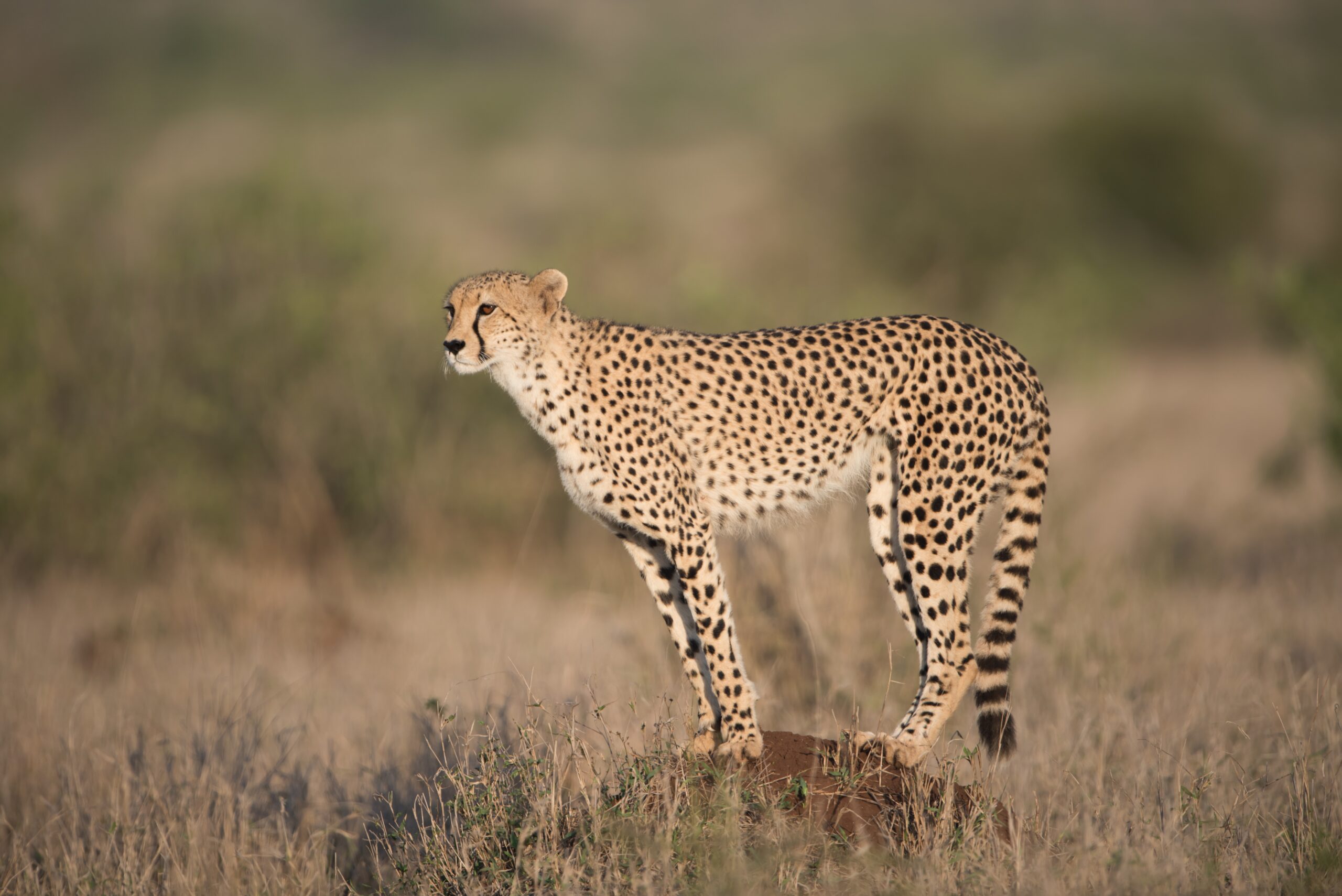
Cheetahs
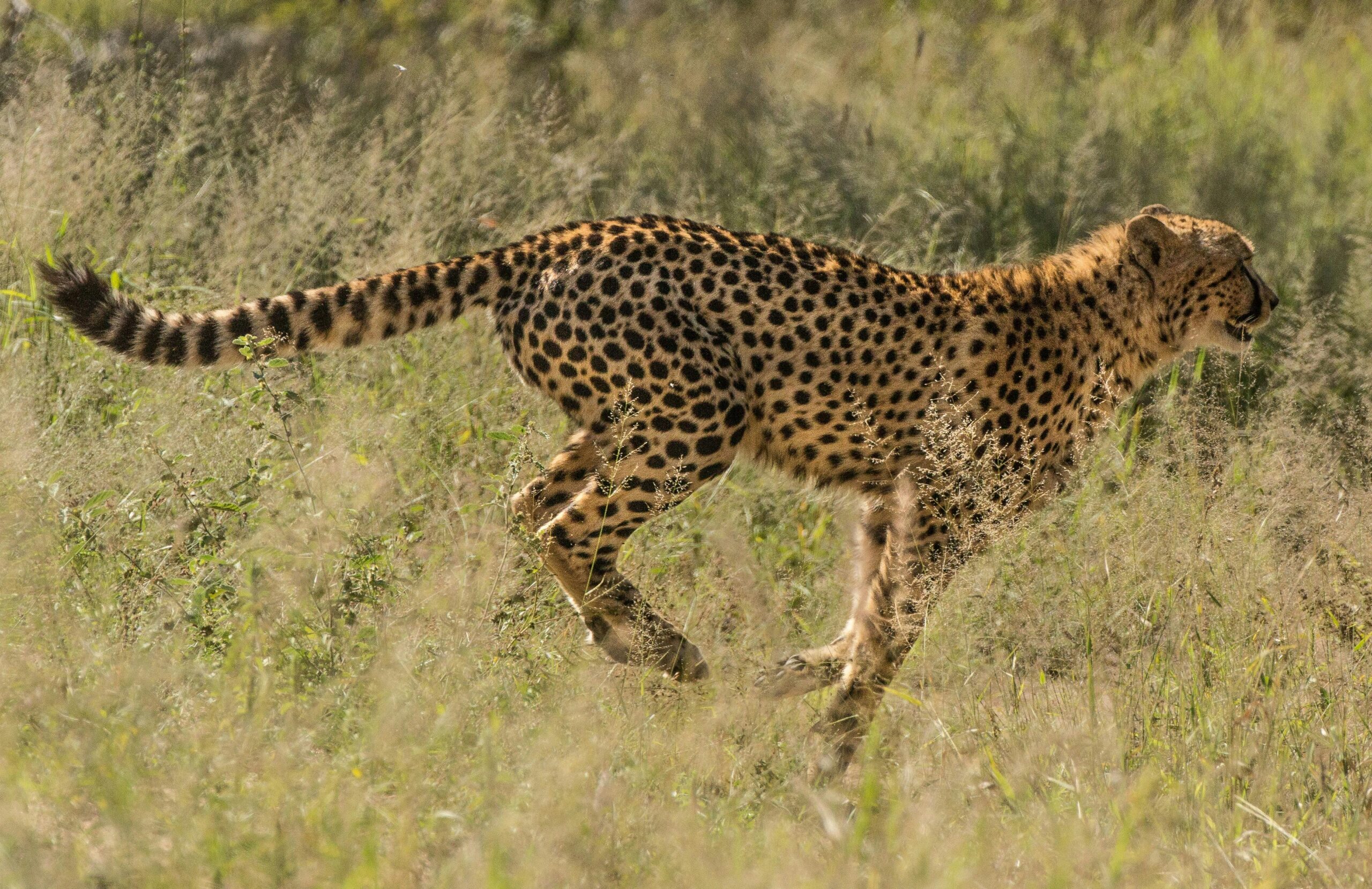
The wide-open plains provide ideal hunting terrain for cheetahs.
Their slender bodies and exceptional speed make them particularly fascinating to watch, especially when they are scanning the grasslands for prey.
Spotted Hyenas
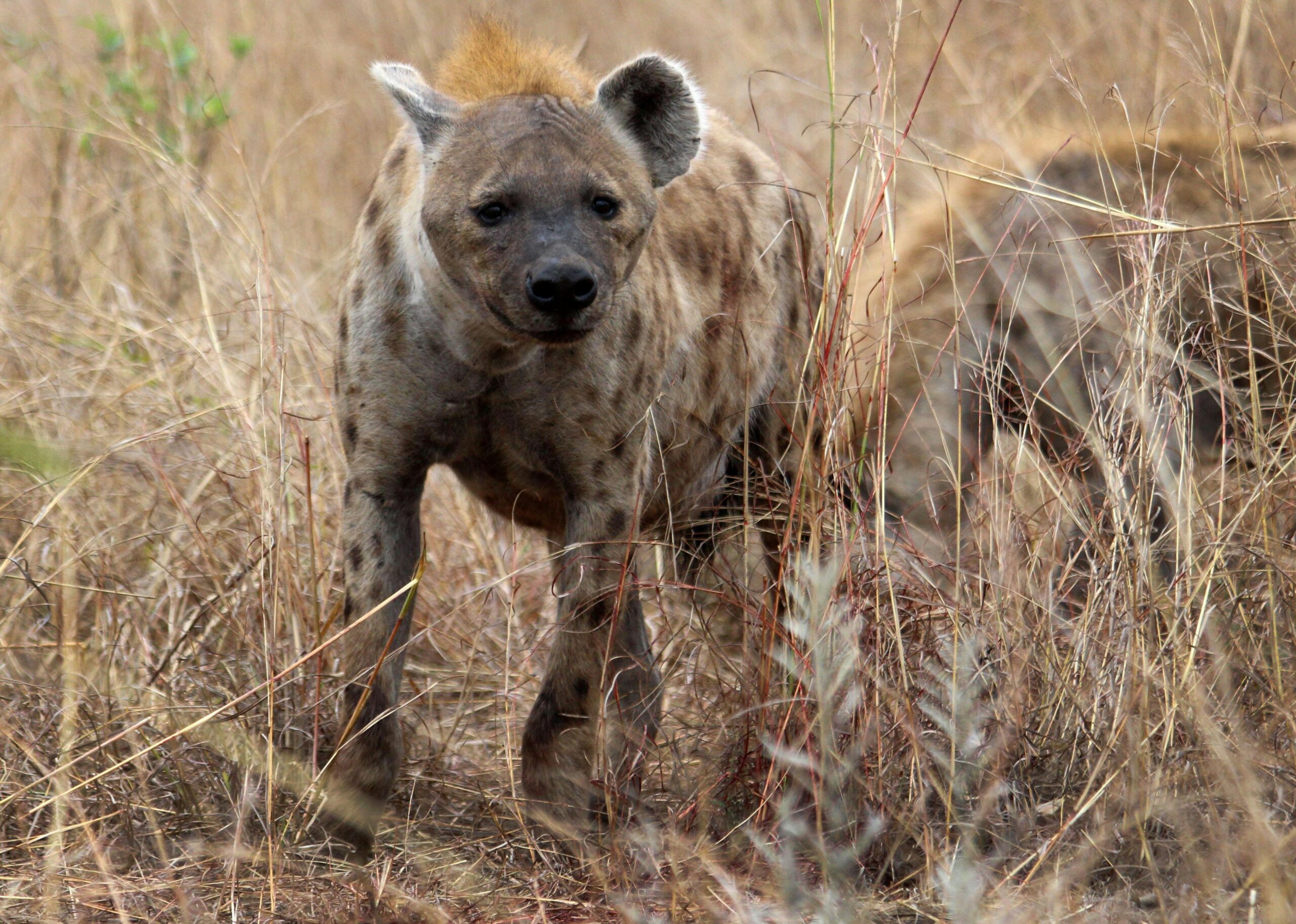
Often misunderstood, spotted hyenas are highly intelligent and socially complex predators.
They play an important ecological role within Serengeti and are regularly encountered during game drives.
The Big Five of Serengeti
Serengeti offers excellent opportunities to encounter Africa’s famous Big Five:
- Lion
- Leopard
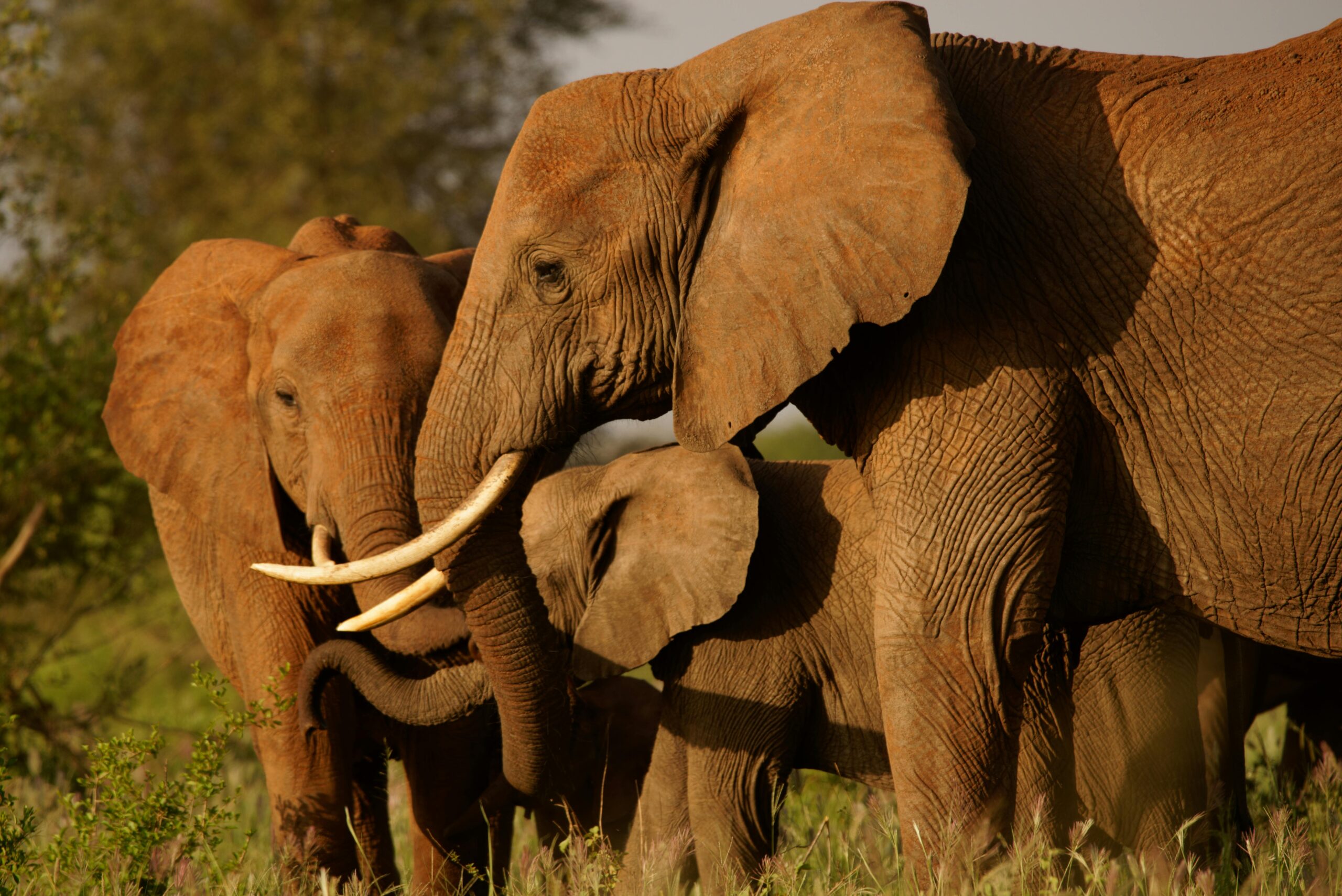
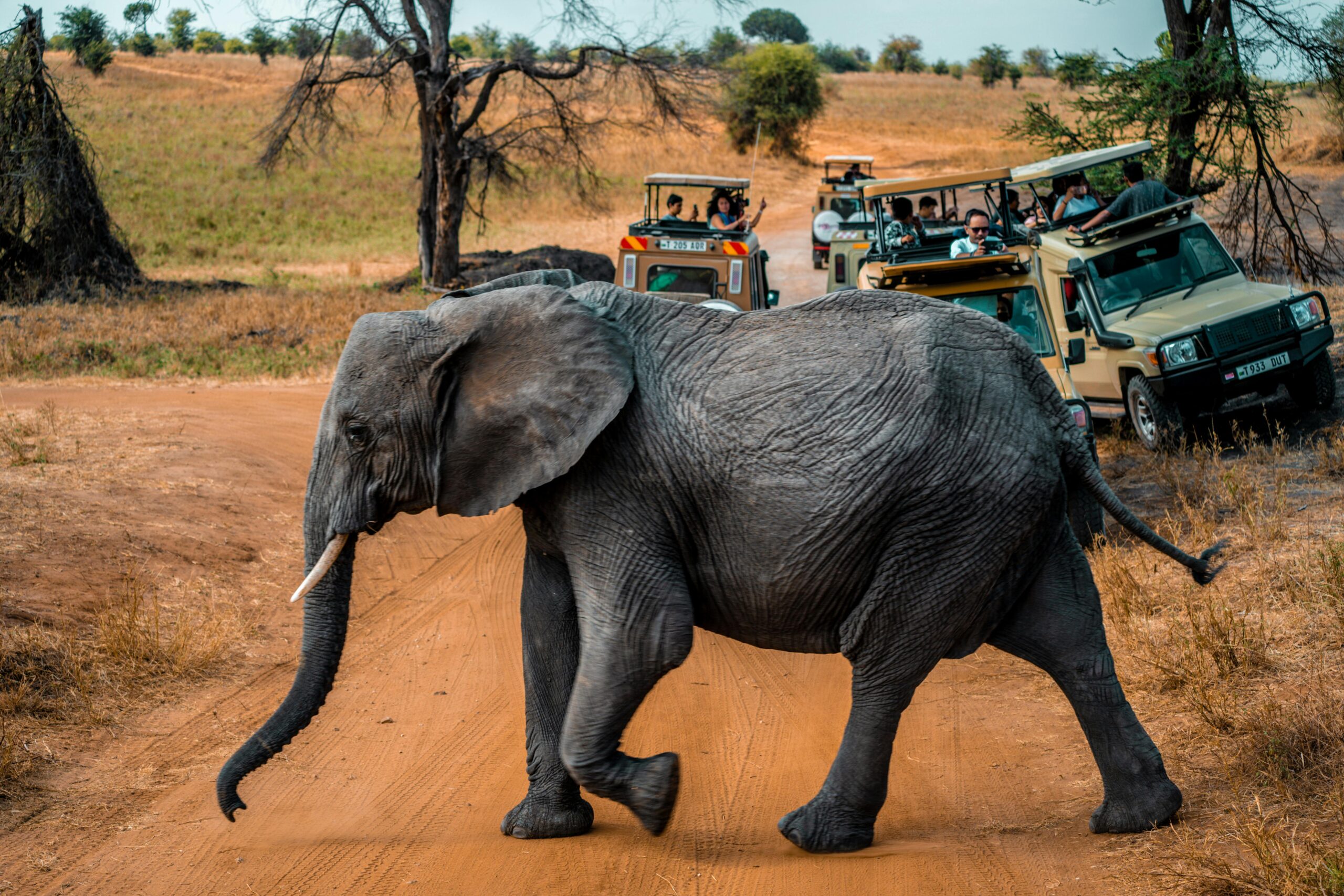
- Elephant
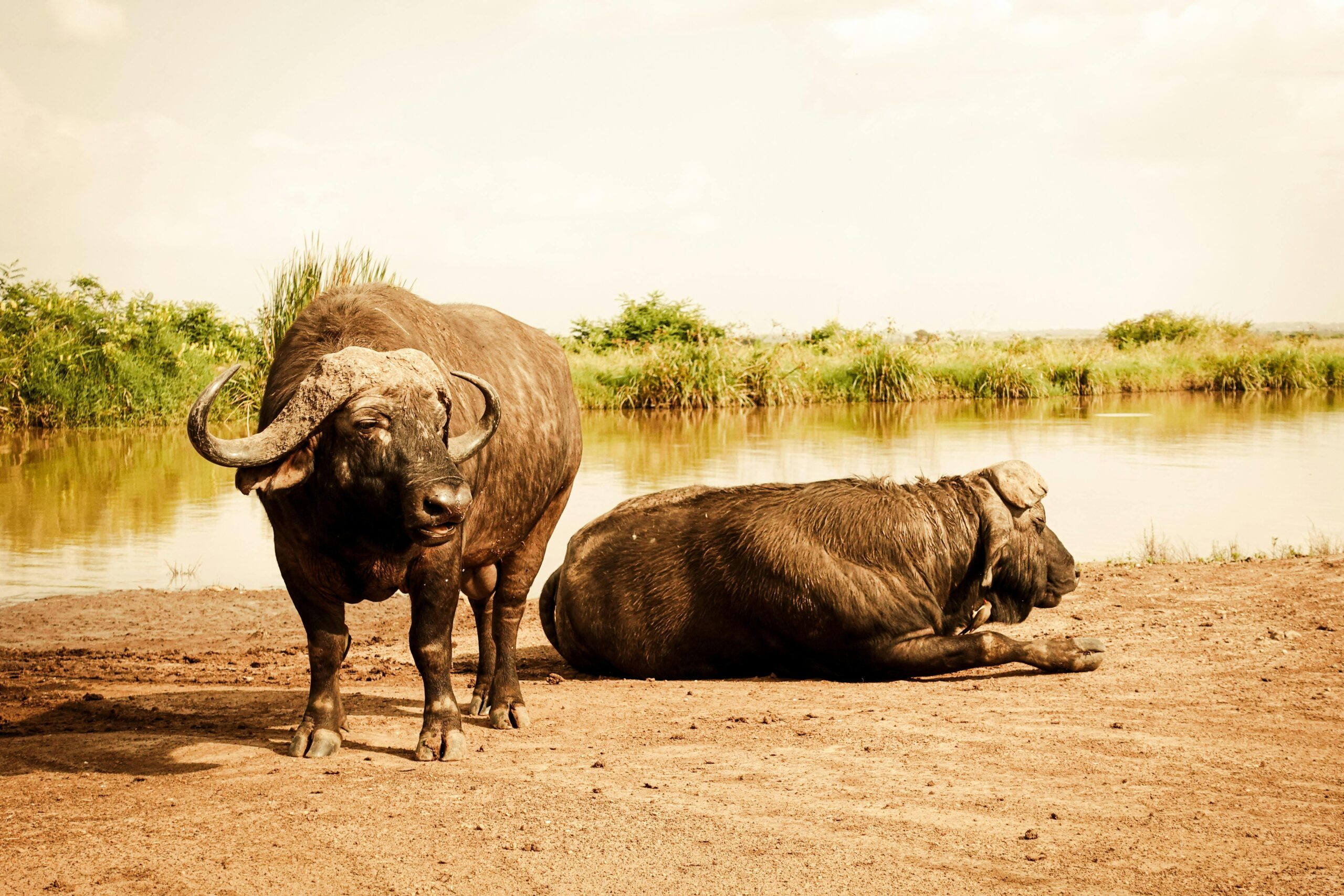
- Buffalo
- Rhinoceros
The park is particularly renowned for lions, elephants, buffaloes and leopards, while black rhinoceros are much rarer and require fortunate timing and good guiding.
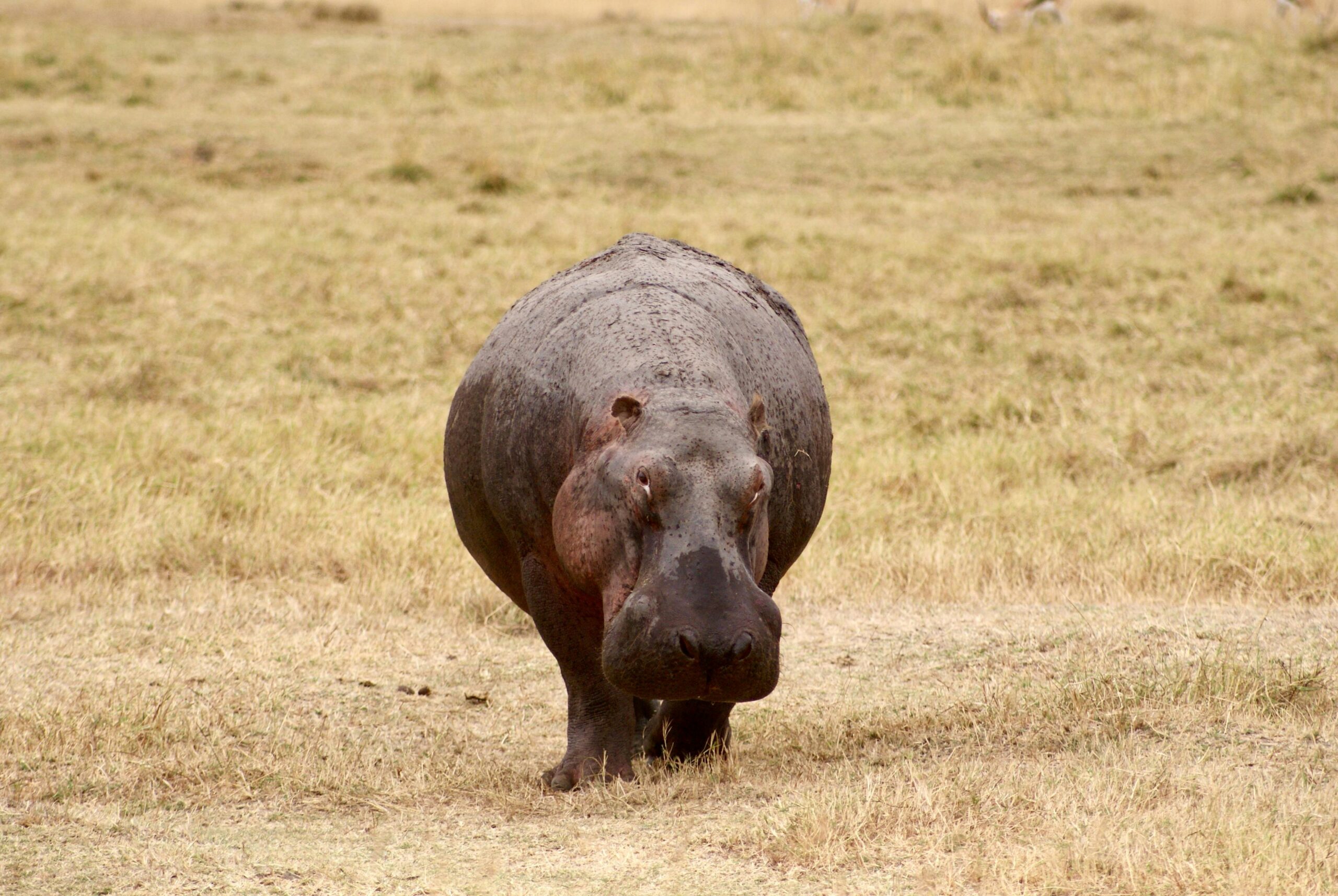
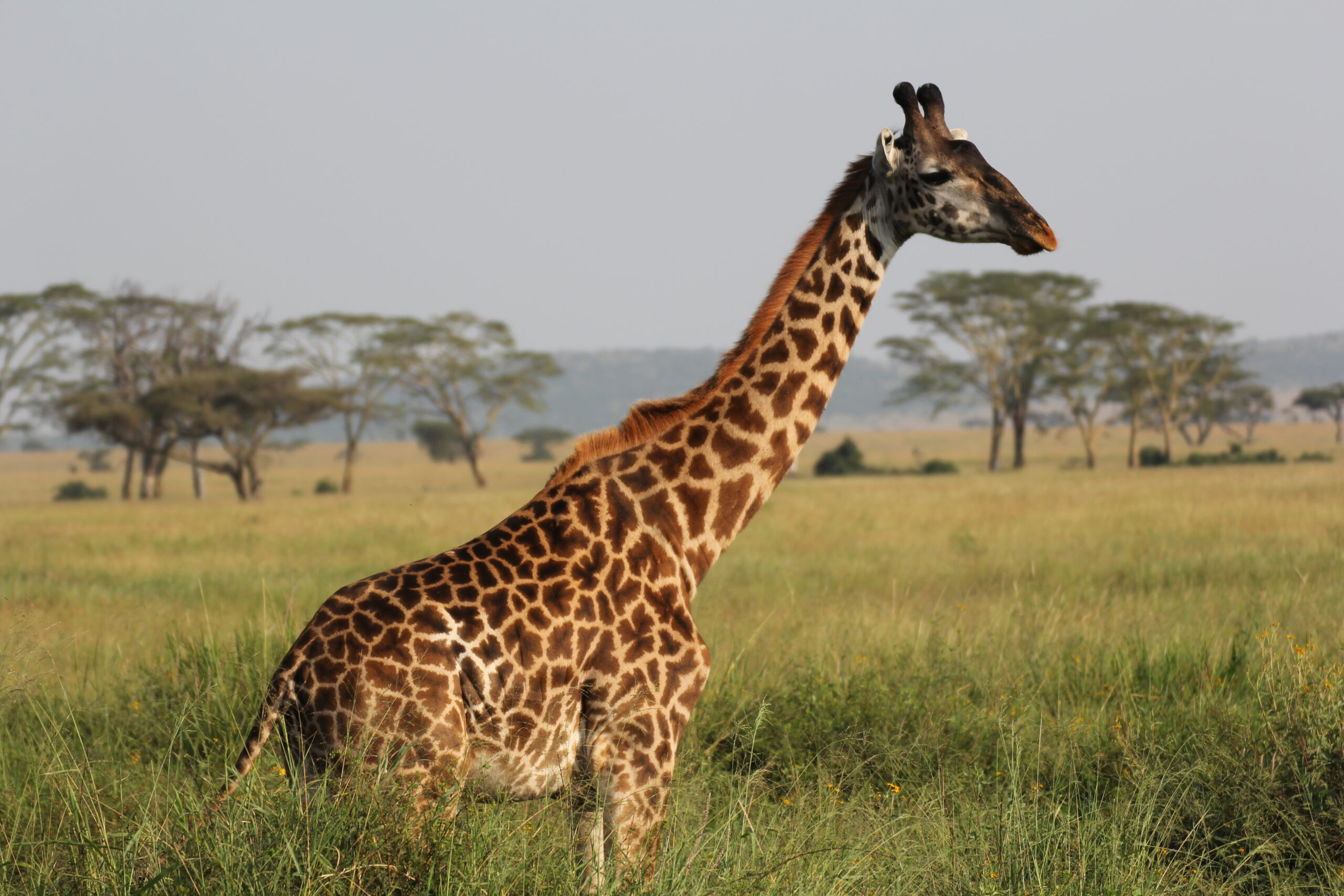
Serengeti also supports cheetahs, giraffes, hippos, zebras, wildebeest, gazelles, eland, topi, hartebeest, warthogs and numerous other species. UNESCO records more than 500 bird species within the park.
Serengeti’s Landscapes
More Than Just Endless Plains
One of Serengeti’s greatest strengths is its variety of landscapes.
The Endless Plains
The iconic grasslands of Serengeti provide some of the most recognisable scenery in Tanzania.
Their open character makes them particularly impressive for wildlife viewing and photography.
Kopjes
Scattered across parts of the Serengeti are granite rock formations known as kopjes.
These ancient rocky islands rise above the surrounding grasslands and create important habitat for reptiles, birds and mammals.
They also provide excellent viewpoints for predators.
Woodlands
Wooded areas provide shade, shelter and food for many species.
They also create a completely different safari atmosphere from the open plains.
Rivers and Water Sources
Seasonal and permanent water sources become important gathering points for wildlife, particularly during drier periods.
The Mara River is especially famous because of its role in the northern Serengeti section of the migration.
The Serengeti Ecosystem
A Wilderness Larger Than the Park
Serengeti National Park should not be viewed as an isolated destination.
It forms the central part of the larger Serengeti-Mara ecosystem, a vast ecological system that continues across northern Tanzania and into Kenya.
The annual migration itself demonstrates how connected this ecosystem is.
Animals do not recognise park boundaries.
They move according to rainfall, grass, water, temperature and instinct.
This is why a Serengeti safari is not simply about visiting a national park. It is about entering one of Africa’s greatest functioning ecosystems.
Different Regions of Serengeti
Experience the Park in Different Ways
Serengeti is enormous, and each region offers a different character.
Central Serengeti – Seronera
The Central Serengeti is one of the most popular safari areas.
The Seronera region combines open plains, riverine vegetation and rocky landscapes, creating excellent habitat for resident wildlife and predators.
It is particularly attractive for travellers who want strong general wildlife viewing.
Western Corridor
The Western Corridor stretches toward Lake Victoria and contains a mixture of grasslands, woodland and river systems.
The region is especially associated with the Grumeti River and can become an important area during the migration season.
Northern Serengeti
Northern Serengeti offers a more remote safari atmosphere.
The landscape becomes more rugged, with hills, woodland and river valleys.
It is particularly important during the northern phase of the Great Migration and provides access to the Mara River region.
Southern Serengeti
The southern plains are especially significant during the wildebeest calving season.
The short-grass plains provide nutritious grazing and create ideal conditions for large concentrations of herbivores.
Wildlife Beyond the Big Five
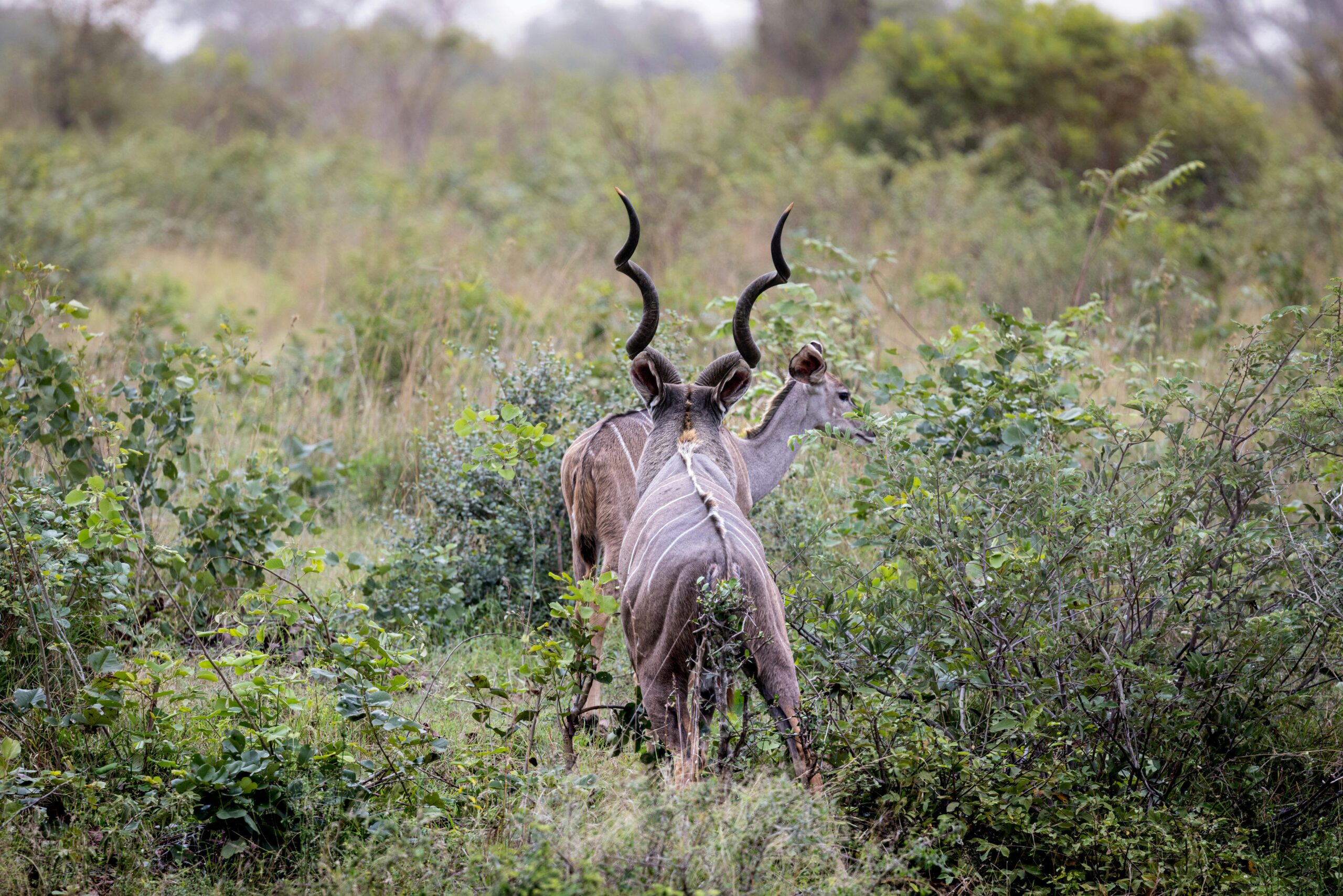
Serengeti’s wildlife experience goes far beyond the animals most commonly associated with safari.
You may encounter:
- Wildebeest
- Zebra
- Thomson’s gazelle
- Grant’s gazelle
- Topi
- Eland
- Hartebeest
- Buffalo
- Giraffe
- Elephant
- Warthog
- Hippopotamus
- Waterbuck
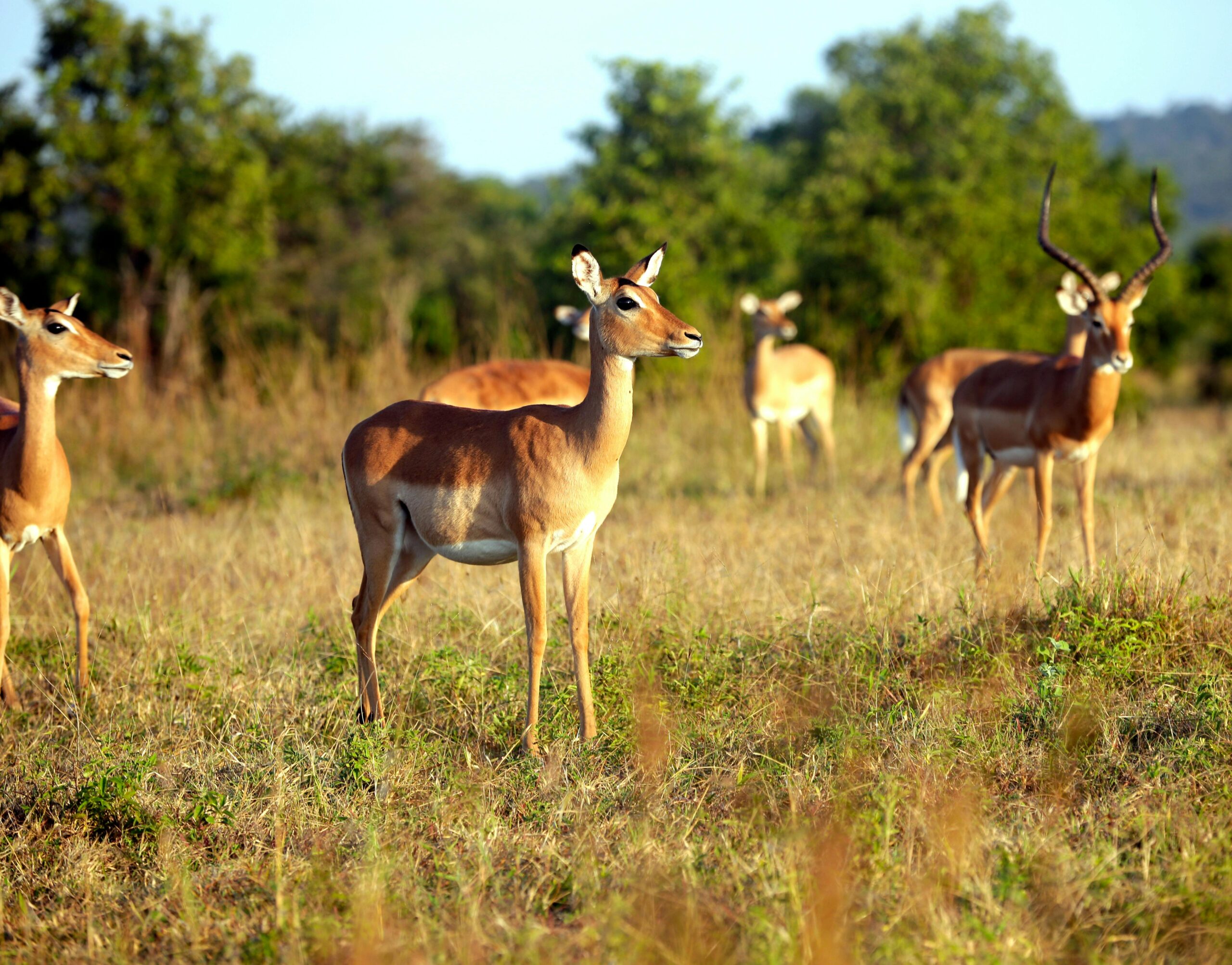
- Impala
- Dik-dik
- Ostrich
- Secretary bird
- Kori bustard
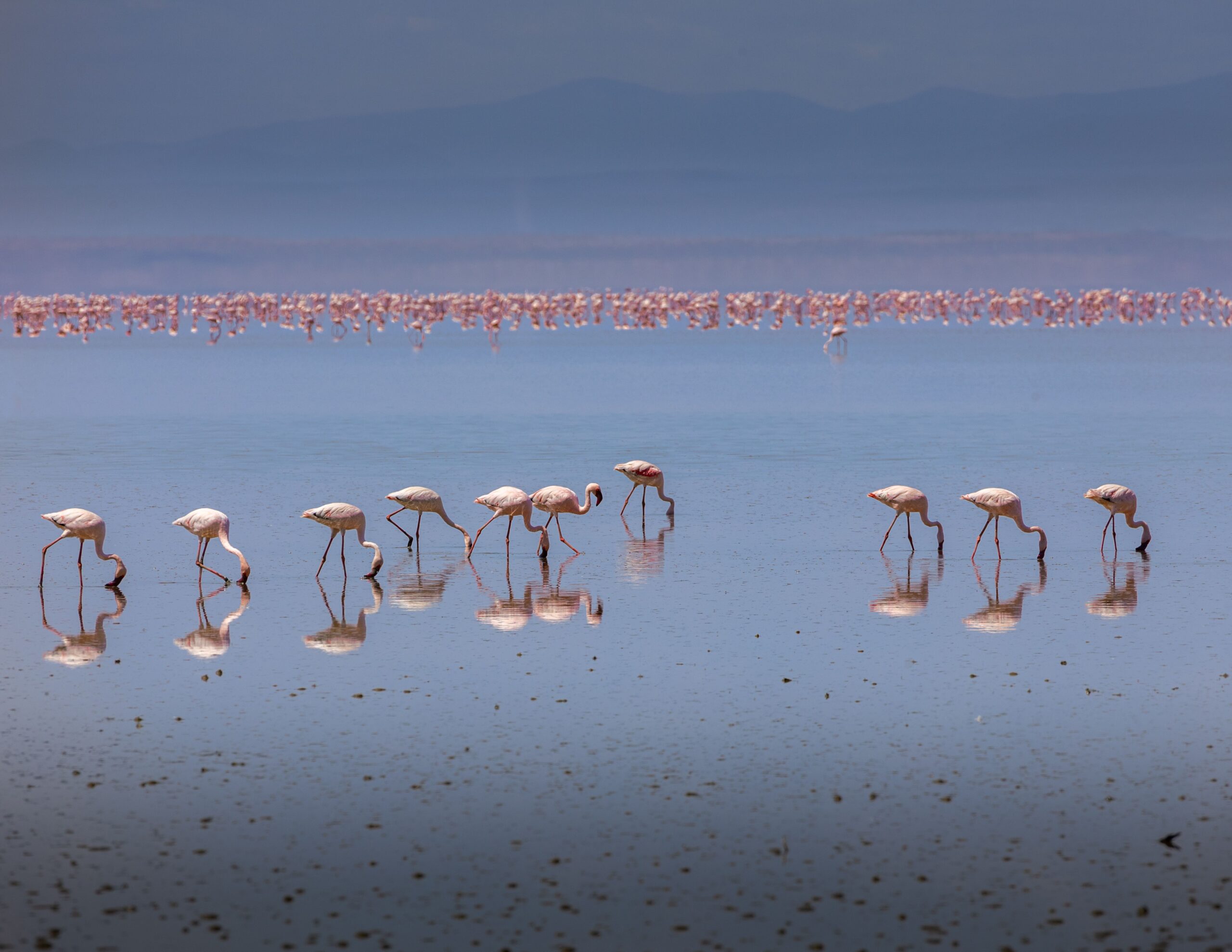
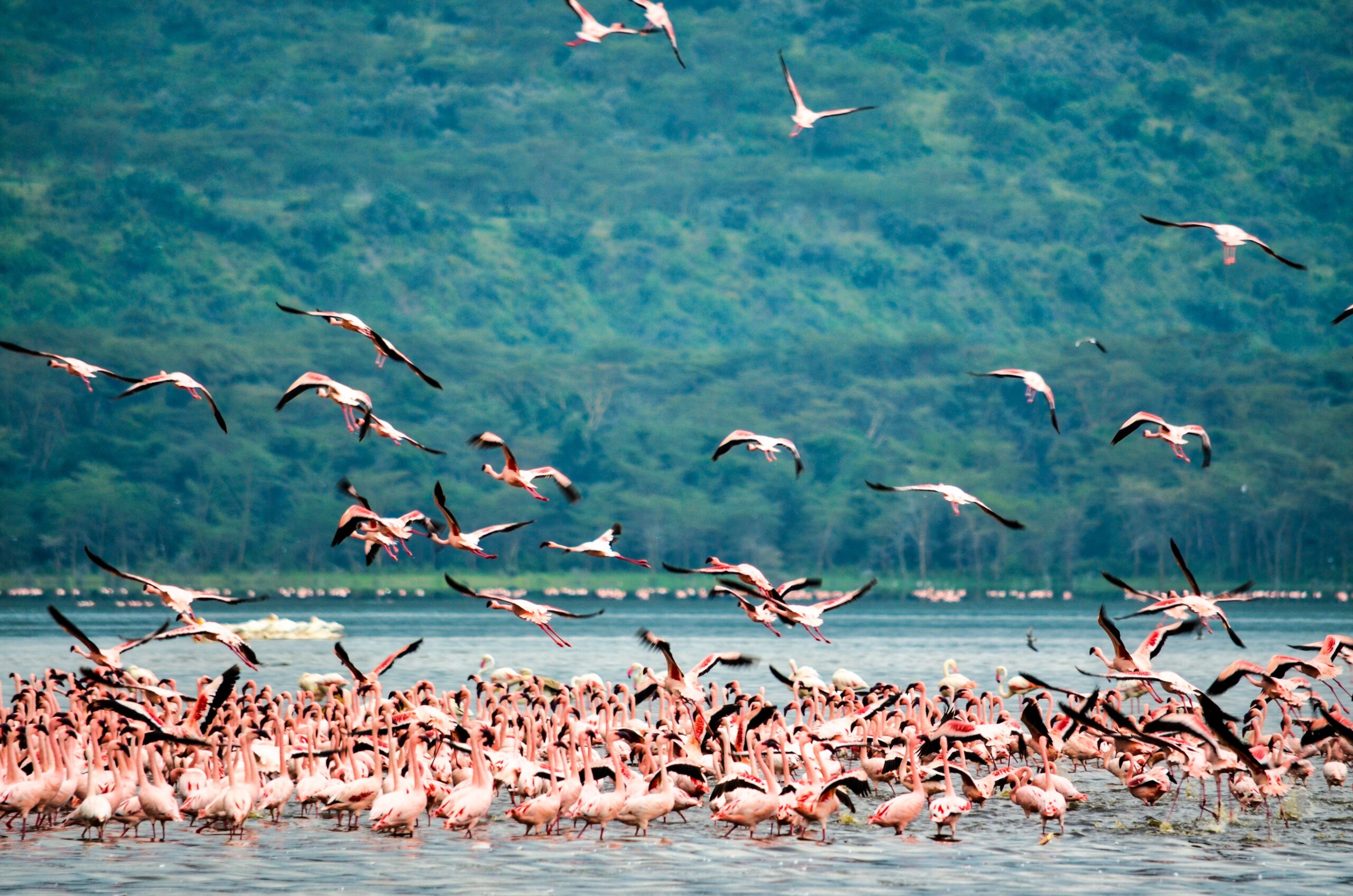
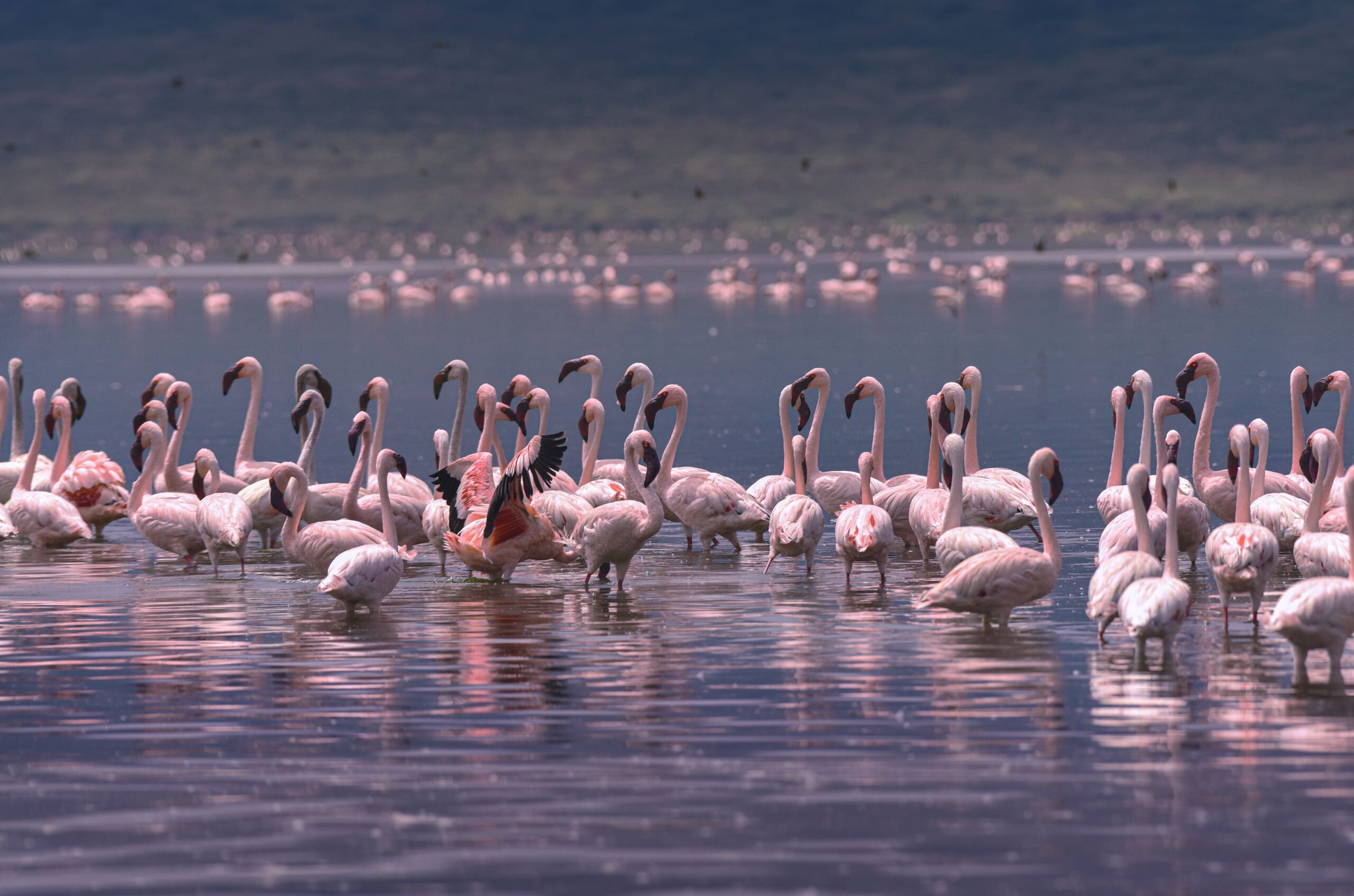
- Flamingos and other seasonal waterbirds
UNESCO records more than 500 bird species occurring seasonally or permanently within Serengeti National Park.
For photographers and bird lovers, this makes Serengeti much more than a Big Five destination.
Birdwatching in Serengeti
A Paradise for Bird Lovers
The Serengeti supports an extraordinary variety of birdlife.
From large ground birds such as ostriches and kori bustards to birds of prey soaring above the plains, birdwatching can become an important part of a safari.
Depending on the habitat and season, visitors may encounter:
- African fish eagles
- Secretary birds
- Ostriches
- Kori bustards
- Marabou storks
- Vultures
- Eagles
- Falcons
- Bee-eaters
- Rollers
- Weavers
- Hornbills
The park’s diverse habitats mean that birdwatching opportunities can appear almost anywhere during a game drive.
Things to Do in Serengeti
Experience the Wild From Every Angle
1. Game Drives
The classic Serengeti experience.
Private game drives allow you to explore different habitats while searching for wildlife with an experienced safari guide.
2. Great Migration Safaris
Travel during the appropriate season and plan your route around the expected movement of the herds.
Migration-focused safaris require careful planning because the animals move naturally rather than according to a fixed schedule.
3. Big Five Wildlife Viewing
Spend time exploring areas known for resident predators and large herbivores.
4. Wildlife Photography
Serengeti’s open landscapes, dramatic skies, golden light and abundant wildlife make it one of Africa’s great photography destinations.
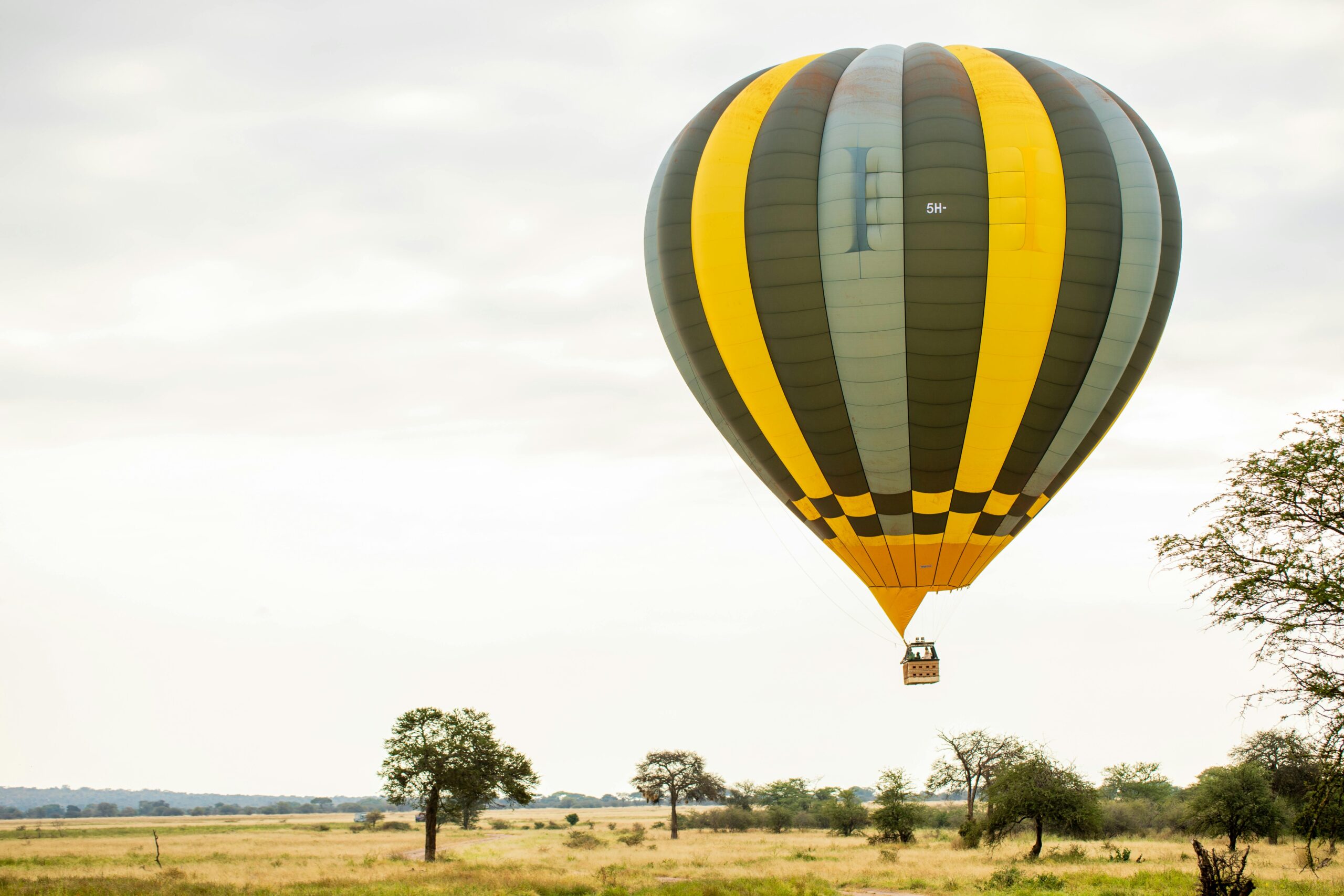
5. Hot-Air Balloon Safari
A balloon safari offers an entirely different perspective of the Serengeti.
Instead of travelling across the plains, you rise above them and watch the landscape unfold beneath you.
6. Birdwatching
Explore grasslands, woodlands, rivers and seasonal wetlands in search of Serengeti’s remarkable birdlife.
7. Cultural Experiences
A Serengeti safari can be combined with cultural experiences in surrounding communities and other northern Tanzania destinations.
When Is the Best Time to Visit Serengeti?
Every Season Tells a Different Story
There is no single “best” month for everyone.
The ideal time depends on what you want to experience.
January – March
Excellent for travellers interested in the southern plains and calving season.
This period can provide spectacular opportunities to see large concentrations of wildebeest and predator activity.
April – May
The landscape can be beautifully green following the rains.
This is often a quieter period and can appeal to travellers seeking fewer crowds and dramatic scenery.
June – October
Generally one of the most popular periods for wildlife-focused safaris.
The weather is typically drier, wildlife can become easier to locate around water sources, and migration movements may take place through western and northern areas.
November – December
Short rains bring fresh vegetation and help initiate the herds’ movement back toward the southern plains.
The scenery can become beautifully green and atmospheric.
Where to Stay in Serengeti
From Elegant Camps to Luxury Lodges
Serengeti offers accommodation ranging from comfortable tented camps to sophisticated luxury lodges.
Depending on your safari style, you can choose:
Luxury Lodges
Designed for travellers seeking exceptional comfort, privacy, fine dining and premium service.
Luxury Tented Camps
These combine the atmosphere of traditional safari camping with high levels of comfort and elegant interiors.
Mid-Range Camps
A balance between comfort, location and value.
Mobile Camps
For travellers who want to follow the rhythm of the migration and experience a more intimate connection with the wilderness.
At GoAccess Africa Safaris, accommodation can be selected according to your preferred comfort level, location and safari experience.
Why Choose a Private Serengeti Safari?
A private safari gives you greater flexibility.
Instead of following a fixed group schedule, your journey can be shaped around your interests.
Want to spend longer watching a pride of lions?
Your guide can allow more time.
Interested in photography?
The pace can be adjusted.
Looking for a specific wildlife experience?
Your route can be planned around the season and region.
For couples, families, honeymooners and luxury travellers, a private safari can transform Serengeti from a standard sightseeing trip into a deeply personal wilderness experience.
Serengeti for Luxury Travellers
Wild at Heart. Refined in Experience.
Serengeti is particularly suited to luxury safari travel because its wilderness can be paired with exceptional accommodation and personalised service.
Imagine waking up to the sounds of the African bush, enjoying breakfast overlooking the plains, spending the day exploring remote wildlife areas with your private guide, and returning to an elegant tented camp as the sun disappears behind the horizon.
A luxury Serengeti journey can include:
- Private 4×4 safari vehicle
- Dedicated professional guide
- Luxury lodges or premium tented camps
- Private dining experiences
- Carefully selected safari locations
- Balloon safari experiences
- Bush breakfasts and sundowners
- Flexible private game drives
- Personalised itineraries
- Seamless connections with Ngorongoro, Tarangire and Zanzibar
Serengeti & Ngorongoro
Two Icons. One Extraordinary Safari.
Serengeti and Ngorongoro are naturally complementary destinations.
Serengeti provides vast open landscapes, exceptional predator viewing and the spectacle of the Great Migration.
Ngorongoro offers a completely different environment — a dramatic volcanic crater containing an extraordinary concentration of wildlife.
Combining the two creates one of the classic Northern Tanzania safari experiences.
For travellers with more time, the journey can also include Tarangire, Lake Manyara and cultural experiences.
Serengeti & Zanzibar
From Endless Plains to the Indian Ocean
For travellers who want to experience both wildlife and relaxation, Serengeti can be combined with Zanzibar.
Begin with days exploring Tanzania’s wilderness, then continue to the Indian Ocean for warm beaches, turquoise waters, Swahili culture and island relaxation.
It is an ideal combination for:
- Honeymoons
- Luxury holidays
- Couples
- Families
- First-time Tanzania travellers
- Long-haul travellers seeking a complete Tanzania experience
Why Serengeti Is Different
A Destination That Stays With You
The Great Migration
One of the world’s greatest wildlife spectacles.
Extraordinary Predator Density
Lions, leopards, cheetahs and hyenas thrive because of the abundance of prey.
Endless Landscapes
The scale of the Serengeti creates a feeling of freedom that few destinations can match.
Year-Round Wildlife
Even outside migration periods, Serengeti supports abundant resident wildlife.
Exceptional Photography
Golden plains, dramatic skies, wildlife and changing light create endless photographic opportunities.
UNESCO World Heritage Status
Serengeti was inscribed on the UNESCO World Heritage List in 1981 for its outstanding natural values.
A Living Ecosystem
The park forms part of a much larger ecosystem where wildlife movements continue beyond protected-area boundaries.
Serengeti at a Glance
| Feature | Details |
|---|---|
| Location | Northern Tanzania |
| Size | Approximately 1,476,300 hectares |
| Ecosystem | Serengeti-Mara Ecosystem |
| UNESCO Status | World Heritage Site |
| UNESCO Inscription | 1981 |
| Famous For | Great Migration & Wildlife |
| Major Wildlife | Wildebeest, zebra, lion, leopard, cheetah, elephant, buffalo |
| Birdlife | 500+ recorded species |
| Main Safari Style | Game drives |
| Luxury Experience | Luxury lodges, tented camps & private safaris |
| Best Known Event | Annual wildebeest migration |
| Nearby Destinations | Ngorongoro, Tarangire, Lake Manyara |
The park’s UNESCO designation, scale and biodiversity are documented by UNESCO; wildlife figures vary over time and across the wider ecosystem, so specific animal counts should be treated as estimates rather than fixed populations.
Frequently Asked Questions
Is Serengeti worth visiting?
Absolutely. Serengeti is one of Tanzania’s flagship safari destinations, offering exceptional wildlife, dramatic landscapes and the possibility of experiencing the Great Migration.
How many days do I need in Serengeti?
For a meaningful experience, 3–4 nights is a strong starting point. Travellers who want to explore different regions or focus heavily on the migration may benefit from longer stays.
Can I see the Big Five in Serengeti?
Yes. Serengeti supports lions, leopards, elephants, buffalo and black rhinoceros, although wildlife sightings are never guaranteed.
When is the Great Migration?
The migration occurs throughout the year as the herds move through the wider Serengeti-Mara ecosystem. Different regions become important at different times depending on rainfall, grazing and water availability.
Is Serengeti only about the Great Migration?
No. Serengeti is a year-round wildlife destination with resident populations of predators, elephants, giraffes, buffaloes, hippos and many other species.
Is Serengeti suitable for a luxury safari?
Yes. The destination offers luxury lodges, premium tented camps, private vehicles, professional guides and highly personalised safari experiences.
Can Serengeti be combined with Ngorongoro?
Yes. Serengeti and Ngorongoro are among the most popular combinations for Northern Tanzania safari itineraries.
Can I combine Serengeti with Zanzibar?
Yes. A Serengeti safari followed by a Zanzibar beach holiday creates an excellent combination of wildlife, adventure and relaxation.
Is Serengeti good for families?
Yes. Family-friendly safari itineraries can be designed around suitable accommodation, driving distances and activities.
Is Serengeti good for honeymooners?
Very much so. Private game drives, luxury camps, bush dinners, sundowners and the extraordinary landscapes of Serengeti create a memorable setting for a romantic Tanzania journey.
Experience the Serengeti With GoAccess Africa Safaris
Serengeti deserves more than a rushed visit.
It deserves time to watch the plains wake beneath the morning light, to follow tracks across the dust, to sit quietly as predators move through the grass, and to witness the extraordinary relationship between wildlife, water, seasons and landscape.
At GoAccess Africa Safaris, we design Serengeti journeys around the way you want to travel — from carefully planned mid-range safaris to sophisticated private luxury experiences.
Whether your dream is to witness the Great Migration, search for the Big Five, photograph Africa’s legendary predators, explore remote corners of the park or combine Serengeti with Ngorongoro and Zanzibar, your journey can be designed around you.
Your Serengeti Story Starts Here.
Explore the Wild. Experience Tanzania. Travel with Purpose.
From towering baobabs and wandering elephant herds to the endless golden plains of the Serengeti, this seven-day journey takes you deep into the diverse landscapes...
Duration
7 Days - 6 Nights
$1800
/ person
Next Departures
October 5, 2026 (Available)October 6, 2026 (Available)October 7, 2026 (Available)
Enter the world of Tanzania's great predators on a five-day journey through three remarkable Northern Tanzania ecosystems. From the lush forests and open plains of...
Duration
5 Days - 4 Nights
$1300
/ person
Next Departures
October 5, 2026 (Available)October 6, 2026 (Available)October 7, 2026 (Available)
Step beyond the ordinary and into the endless wilderness of Northern Tanzania on a six-day safari designed to reveal the remarkable diversity of the country's...
Duration
6 Days - 5 Nights
$1500
/ person
Next Departures
October 5, 2026 (Available)October 6, 2026 (Available)October 7, 2026 (Available)
Experience three of Northern Tanzania’s most iconic landscapes on an unforgettable four-day safari from the elephant-rich wilderness of Tarangire to the golden plains of the...
Duration
4 Days - 3 Nights
$1150
/ person
Next Departures
October 5, 2026 (Available)October 6, 2026 (Available)October 7, 2026 (Available)
Step into the wild heart of Tanzania on a five-day safari through three of Northern Tanzania’s most remarkable wildlife destinations. From the ancient baobabs and...
Duration
5 Days - 4 Nights
$1000
/ person
Next Departures
October 5, 2026 (Available)October 6, 2026 (Available)October 7, 2026 (Available)