
- 8
- 14
- 14
- 14
Tarangire
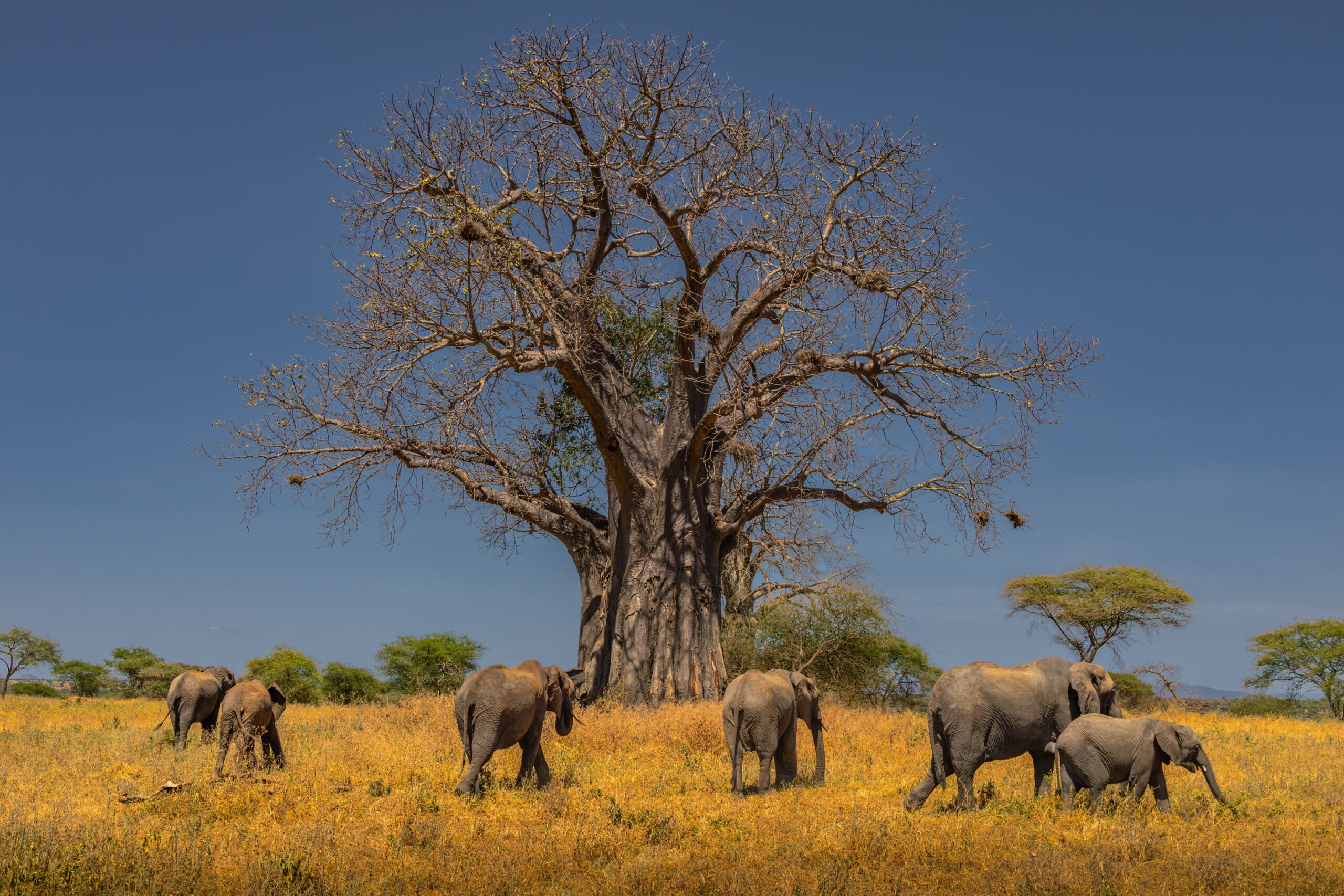
Where Giants Roam Beneath the Baobabs
There are places in Tanzania where wildlife feels abundant, and then there are places where the landscape itself becomes part of the safari.
Tarangire National Park is one of those places.
Known for its enormous elephant herds, ancient baobab trees, seasonal wetlands, open savannahs and the life-giving Tarangire River, the park offers a safari experience that feels both intimate and extraordinary.
Located within Tanzania’s northern safari circuit, Tarangire is often visited alongside Ngorongoro and Serengeti, yet it possesses a character entirely its own.
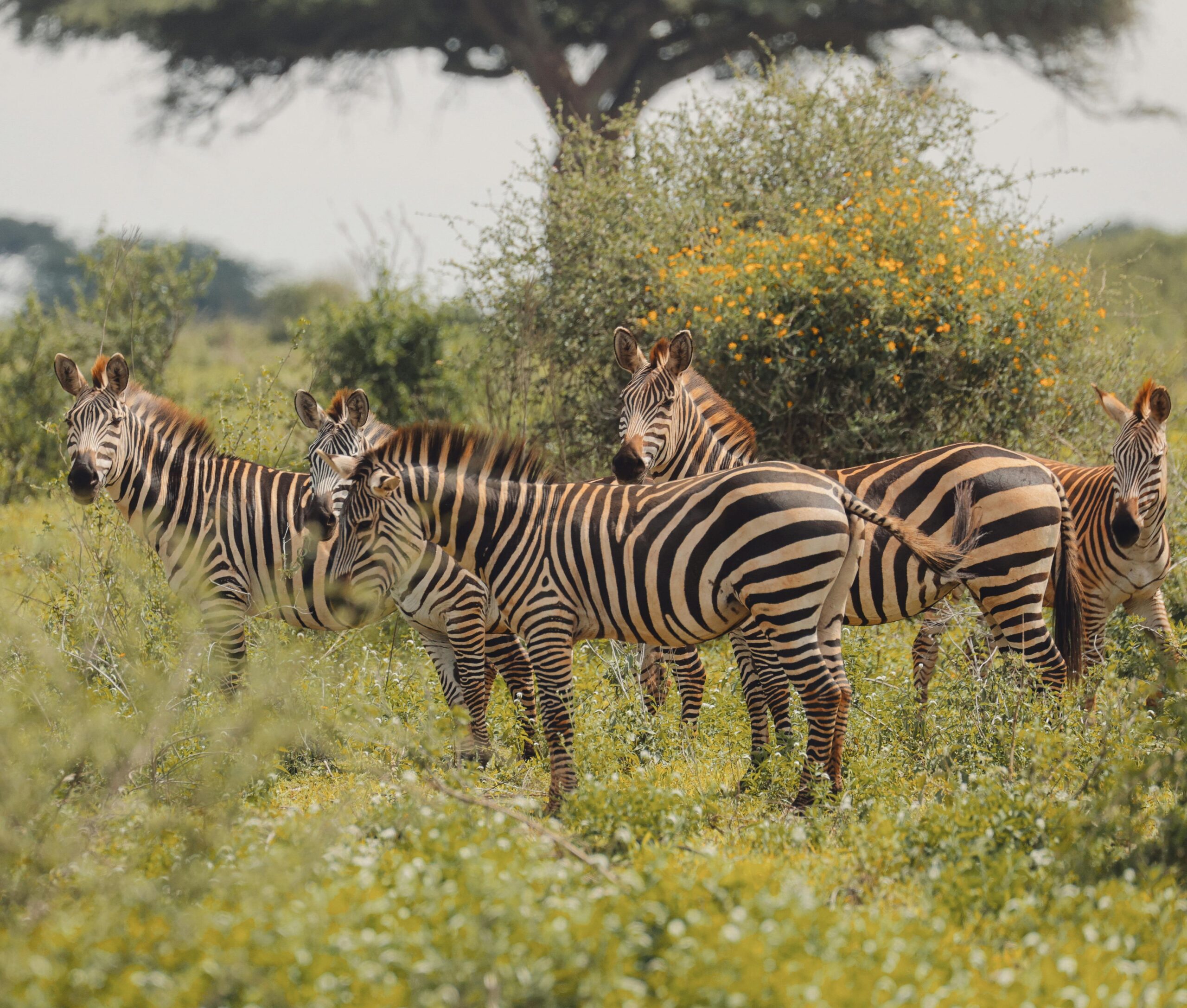
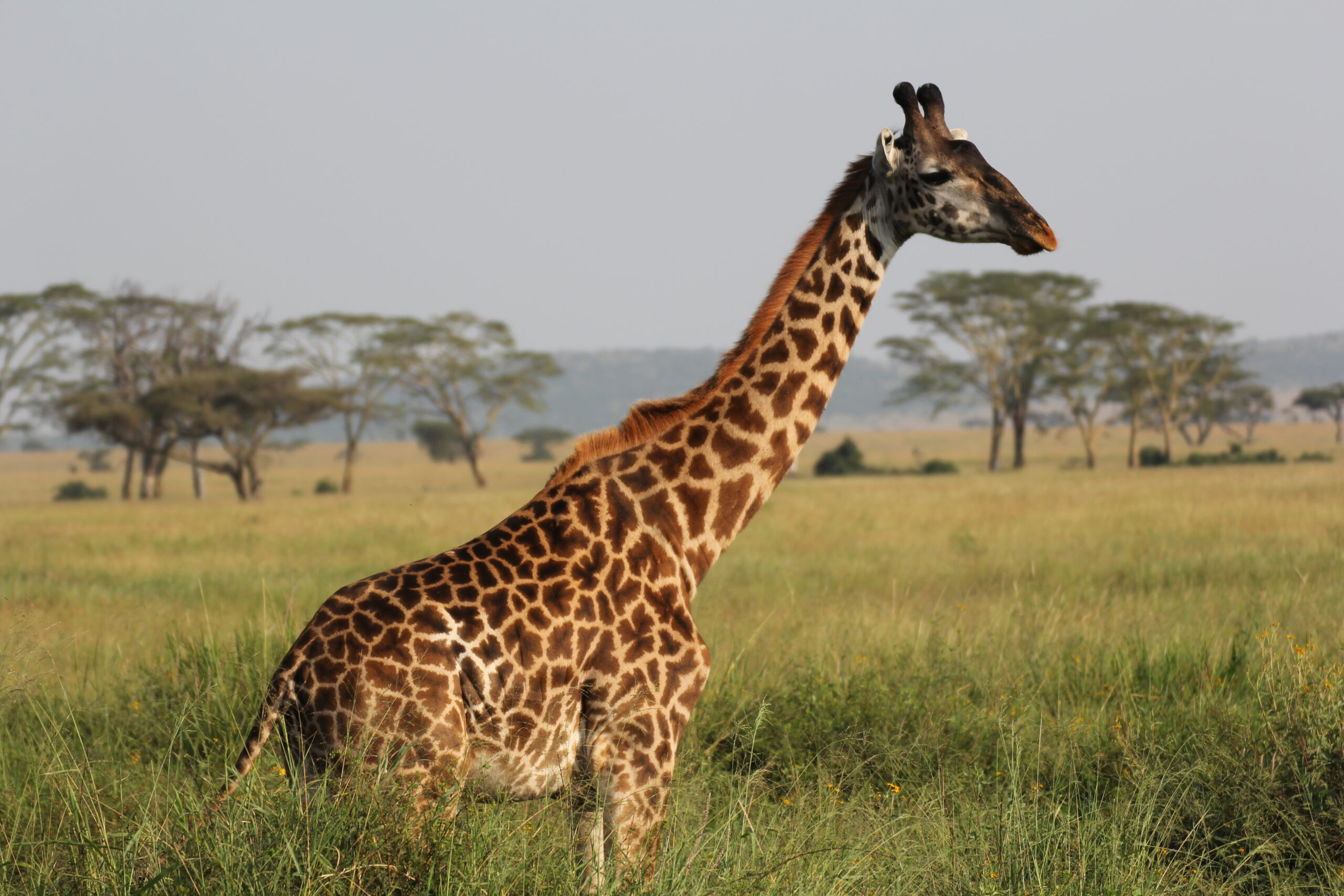
Here, elephants move beneath towering baobabs. Giraffes cross golden grasslands. Lions disappear into the woodland. Herds of buffalo gather around water. Antelopes move through the open plains while hundreds of bird species fill the landscape with colour and sound.
During the dry season, wildlife from surrounding areas is drawn toward the Tarangire River and other remaining water sources, creating remarkable concentrations of animals and some of the most rewarding wildlife viewing in northern Tanzania.
Tarangire is not simply a place to see wildlife.
It is a place to experience the relationship between water, seasons, landscapes and survival.
The Tarangire Landscape
A Different Side of Northern Tanzania
Tarangire is striking because it does not look like a typical open-plains safari destination.
Instead of endless grasslands alone, the park contains a fascinating mixture of:
- Open savannah
- Seasonal wetlands
- Acacia woodland
- Riverine vegetation
- Rocky areas
- Grass-covered plains
- Palm-dotted landscapes
- Ancient baobab trees
This variety creates different habitats for different species and gives every game drive a constantly changing visual experience.
One moment you may be driving through open grassland with elephants in the distance.
A few minutes later, the road may disappear into woodland before opening onto a wide valley filled with giraffes and zebra.
This diversity is one of the reasons Tarangire works so well as part of a Northern Tanzania safari.
The Tarangire River
The Lifeline of the Park
The Tarangire River is central to the park’s ecological story.
During Tanzania’s dry season, water becomes increasingly important to wildlife, and the river serves as one of the key water sources around which animals concentrate.
This creates extraordinary opportunities for wildlife viewing.
Elephants may gather near the water.
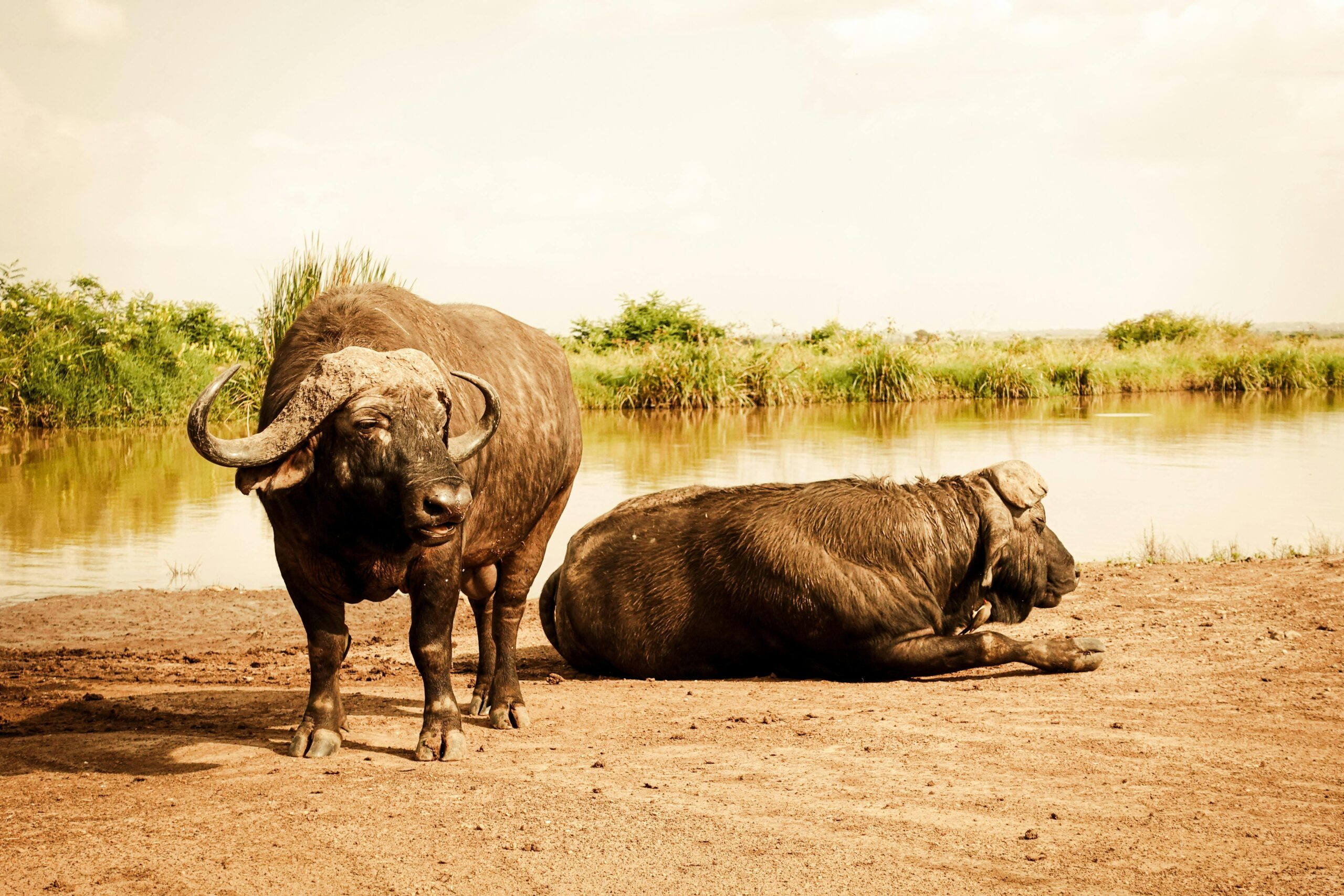
Buffalo can be seen moving in large groups.
Giraffes browse among trees nearby.
Predators search the surrounding landscape for opportunities.
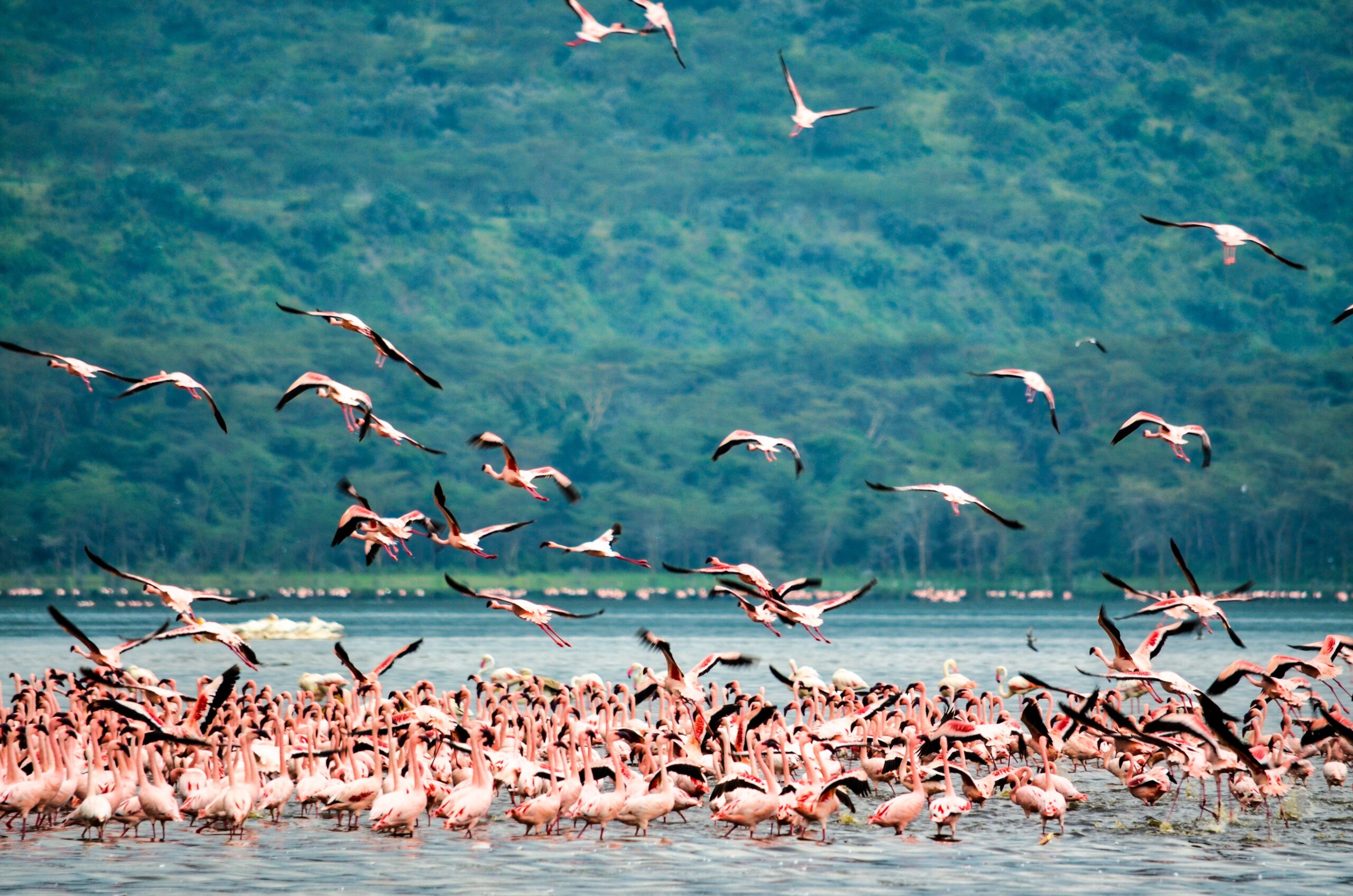
Birds gather around the river and wetlands.
The result is an environment where the simple act of finding water becomes one of the most important forces shaping wildlife movement.
Official Tanzania Tourism identifies the Tarangire River as one of the defining features of the park and highlights its importance to the area’s wildlife experience.
The Elephants of Tarangire
Where Giants Gather
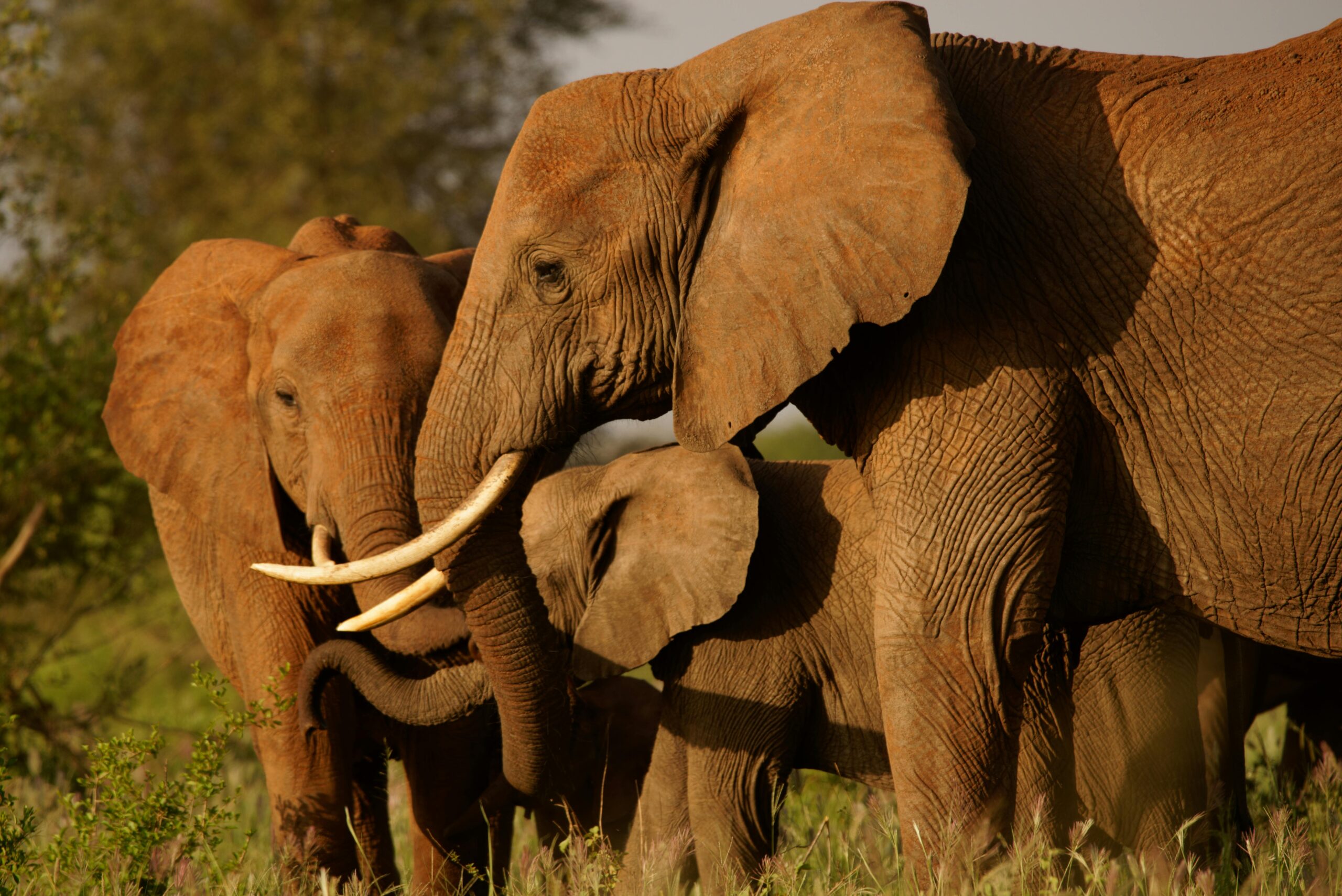
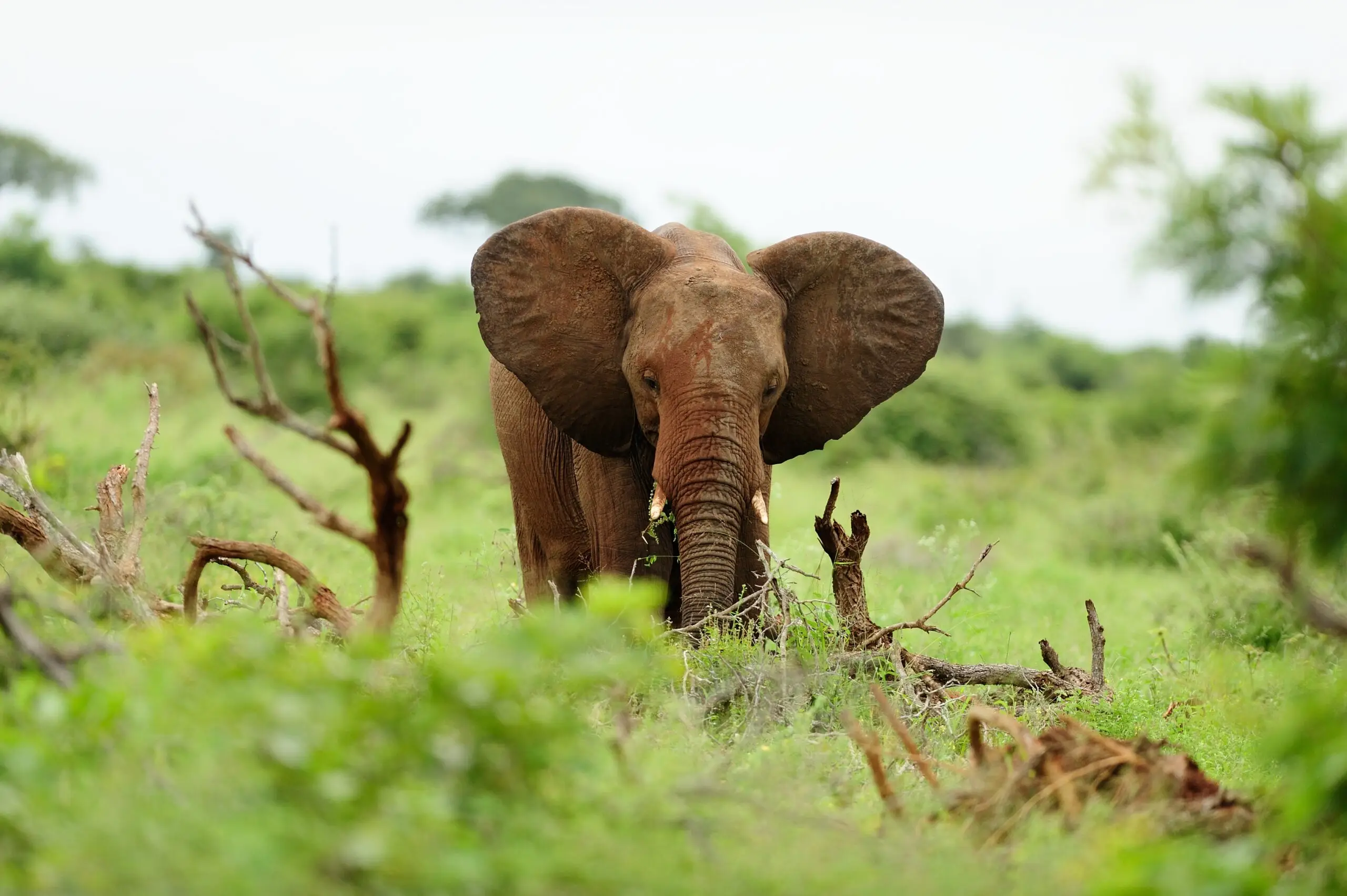
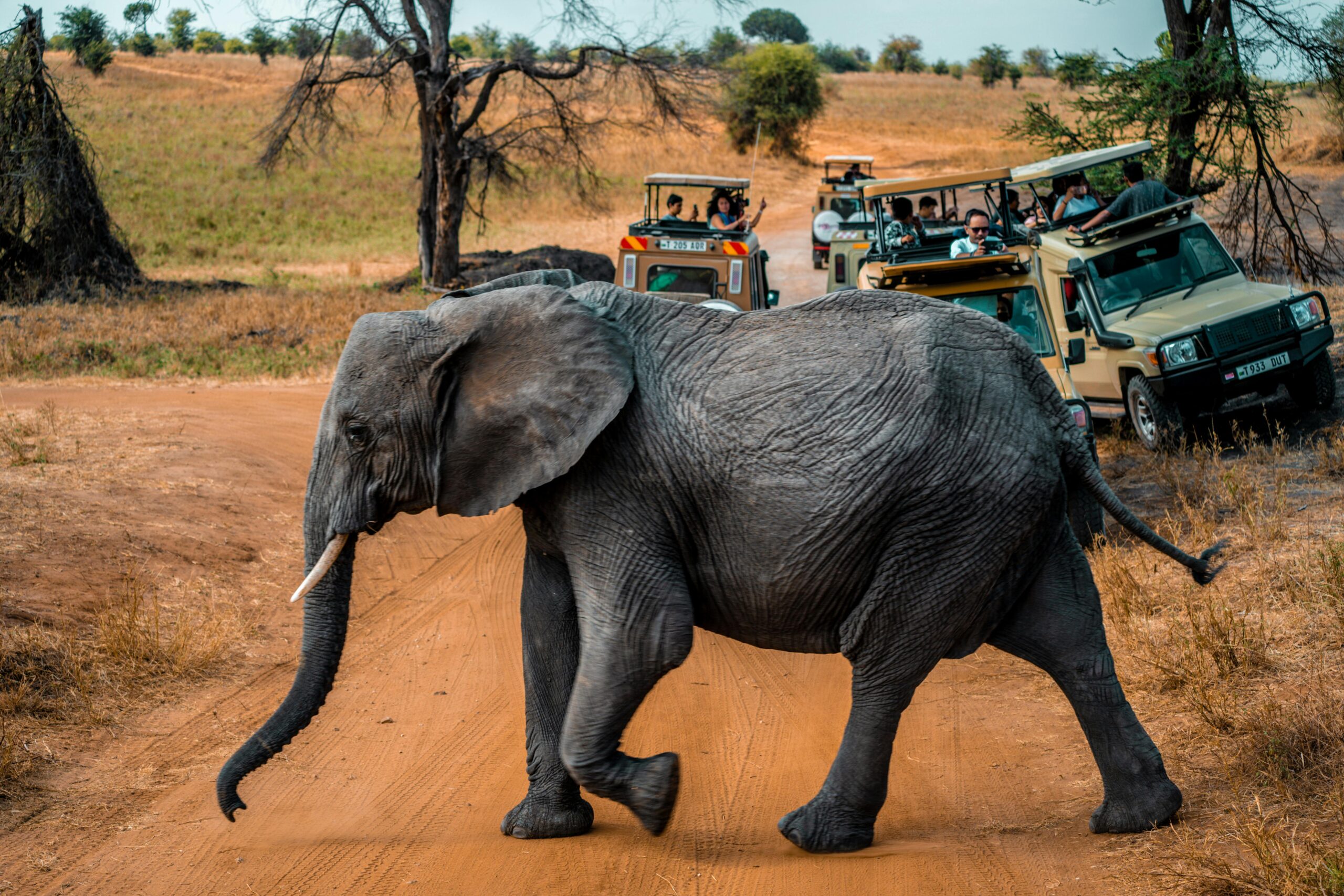
If there is one animal that has become synonymous with Tarangire, it is the African elephant.
The park is famous for its elephant herds, and encountering these enormous animals in Tarangire can be one of the defining moments of a Tanzania safari.
Elephants may be seen walking across open plains, feeding beneath trees, moving along the river or gathering around water.
Watching an elephant herd is not simply about seeing individual animals.
It is about observing an entire social world.
Young calves remain close to adults. Older females guide the herd. Groups communicate through movement and sound while constantly searching for food and water.
The combination of elephants and baobabs creates one of the most recognisable visual experiences in northern Tanzania.
The Baobabs of Tarangire
Ancient Giants of the African Landscape
Tarangire’s baobabs are among its most memorable features.
These extraordinary trees rise dramatically above the surrounding landscape, with enormous trunks and distinctive silhouettes that make them instantly recognisable.
Some stand alone against the horizon.
Others appear in groups across the savannah.
Their presence gives Tarangire an almost timeless atmosphere.
When elephants move beneath them and the late-afternoon sun illuminates the landscape, the scene becomes unmistakably African.
For photographers, baobabs provide powerful natural compositions throughout the day, particularly during the soft morning and evening light.
Wildlife in Tarangire
A Rich and Diverse Wildlife Experience
Tarangire supports a remarkable variety of wildlife.
Among the animals commonly associated with the park are:
- Elephants
- Lions
- Leopards
- Cheetahs
- Buffaloes
- Giraffes
- Zebras
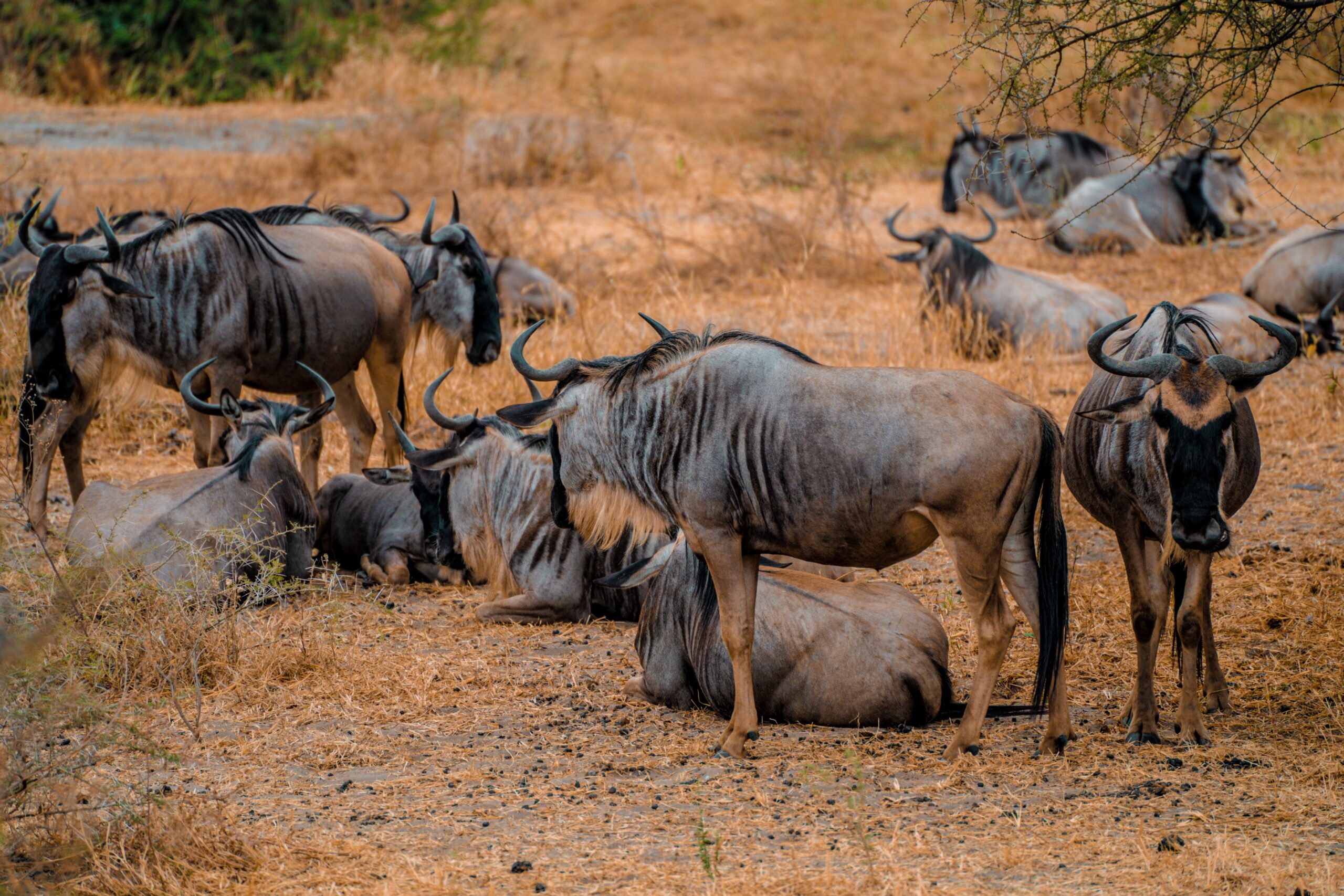
- Wildebeest
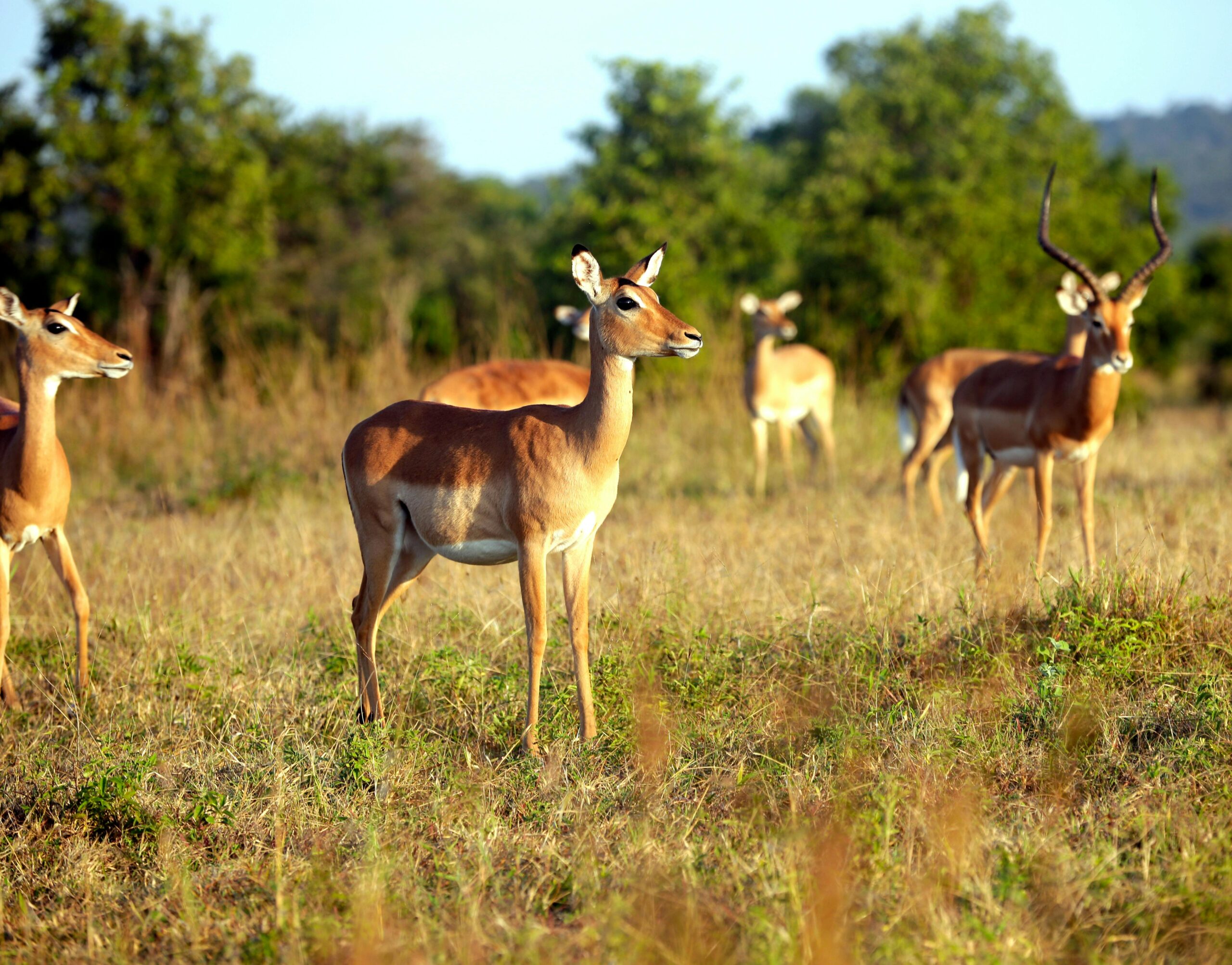
- Impalas
- Gazelles
- Warthogs
- Elands
- Oryx
- Kudus
- Waterbucks
- Baboons
- Monkeys
The park’s combination of woodland, grassland and water sources allows different species to occupy different ecological niches.
This means a game drive in Tarangire can be surprisingly varied.
Predators of Tarangire
Following the Herds
Tarangire may be best known for elephants, but predators are an important part of its ecosystem.
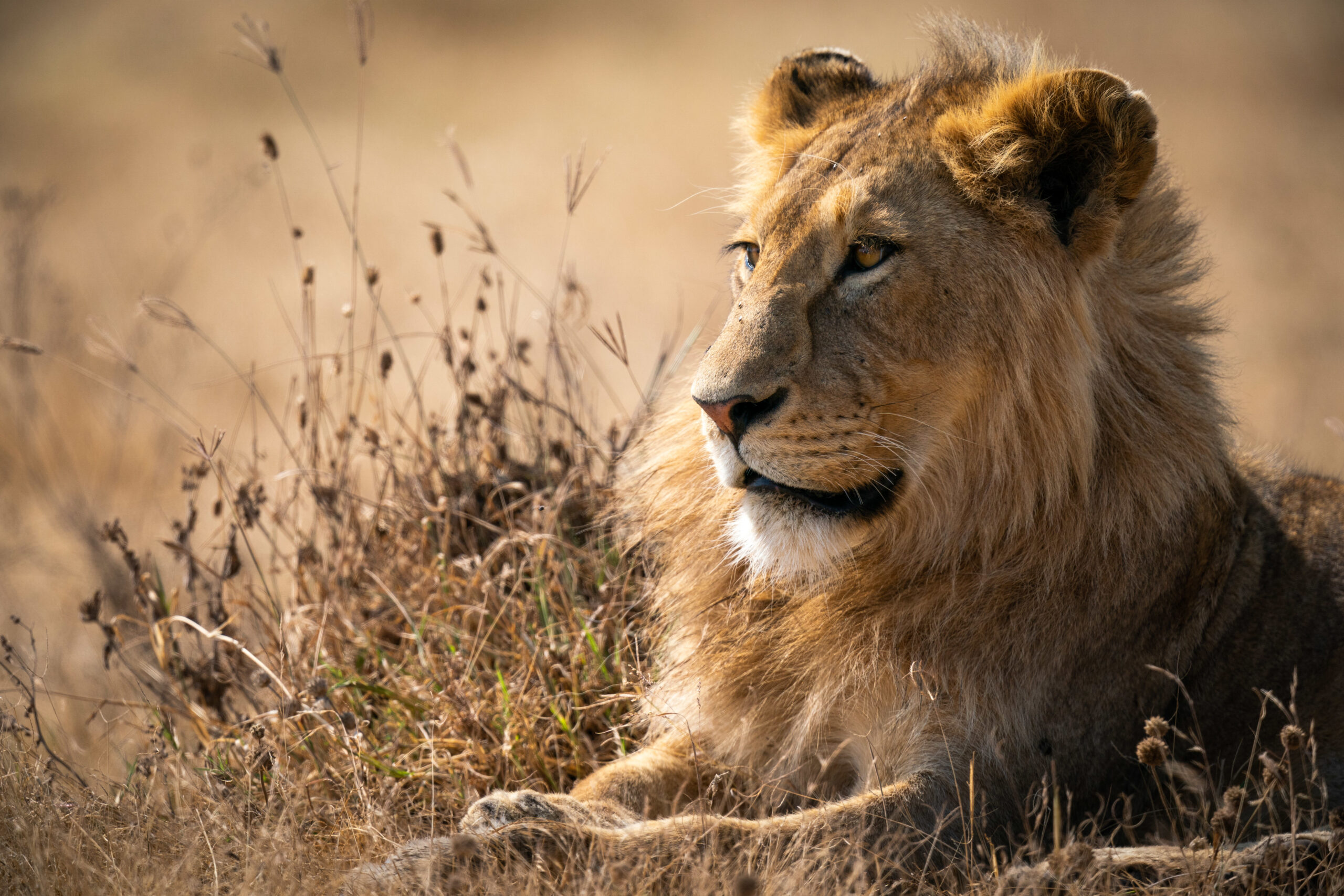
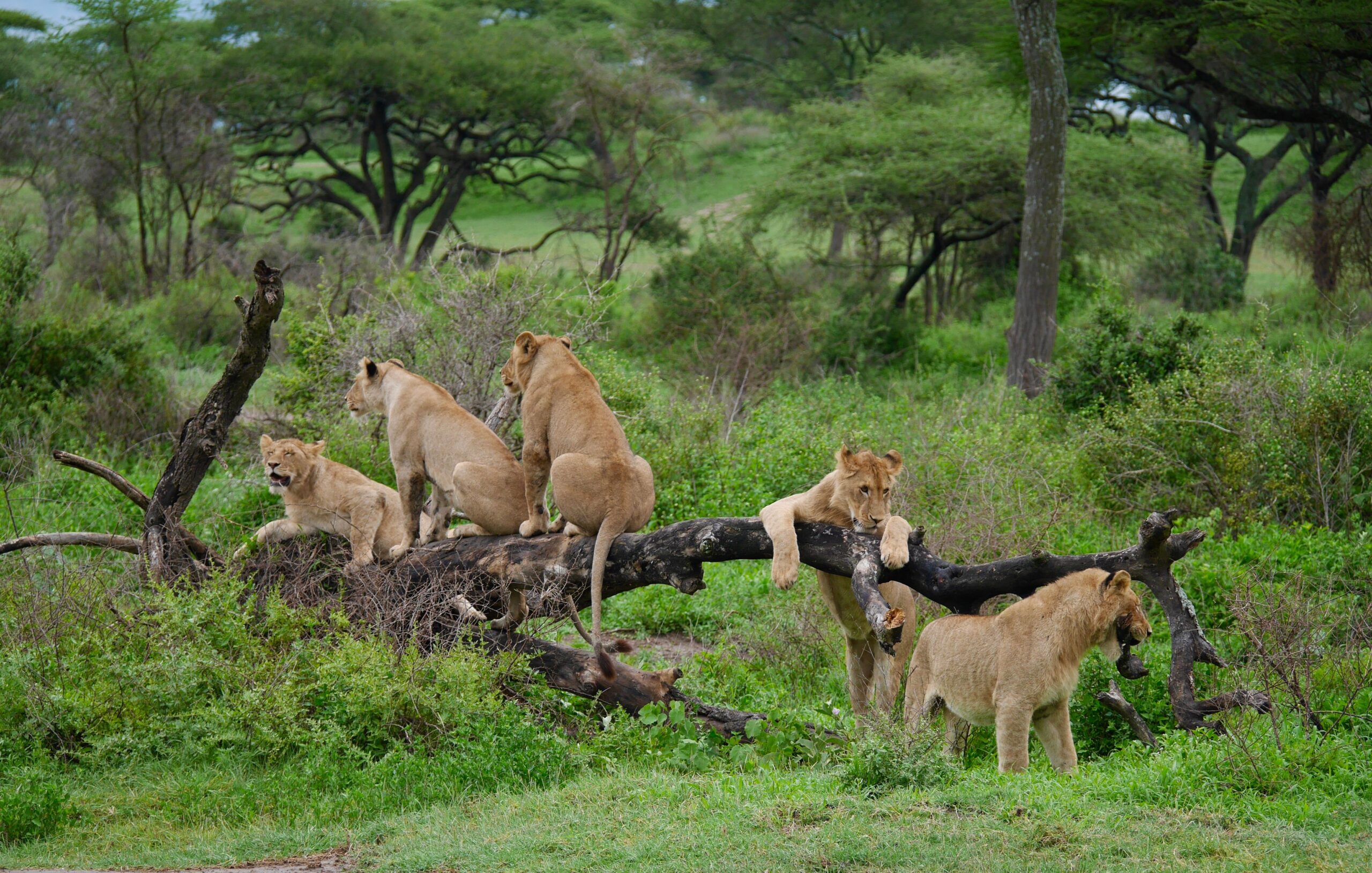
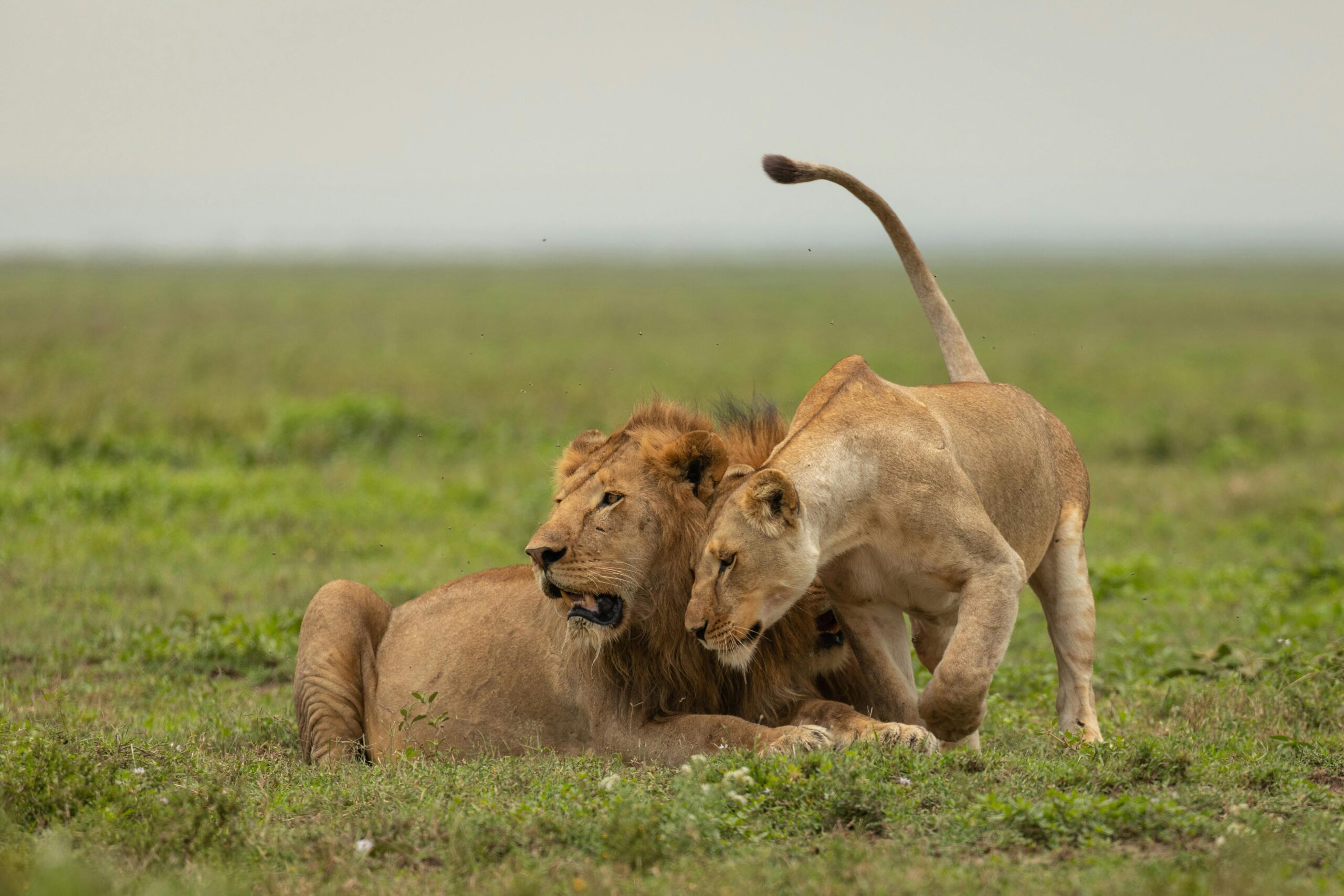
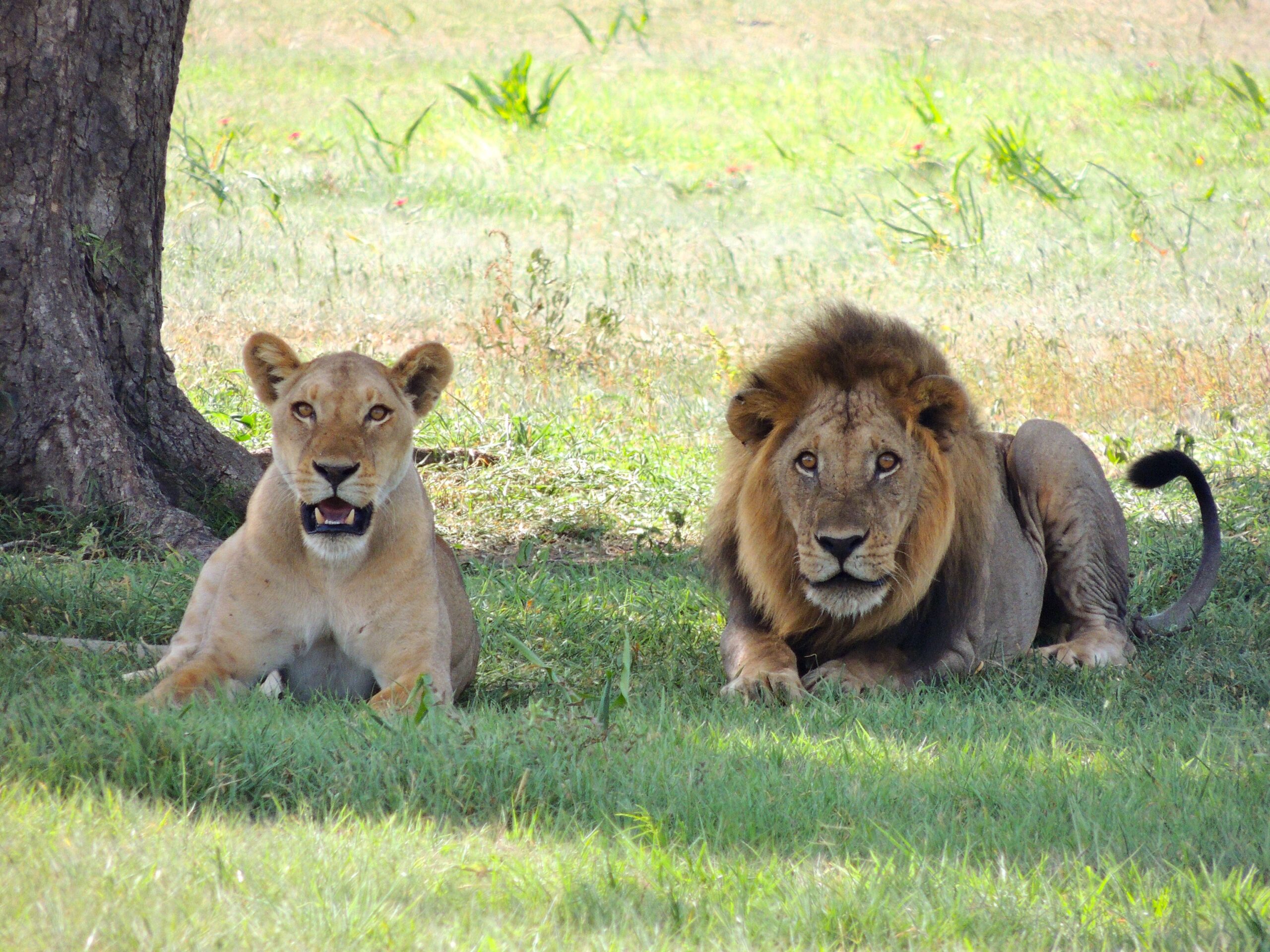
Lions
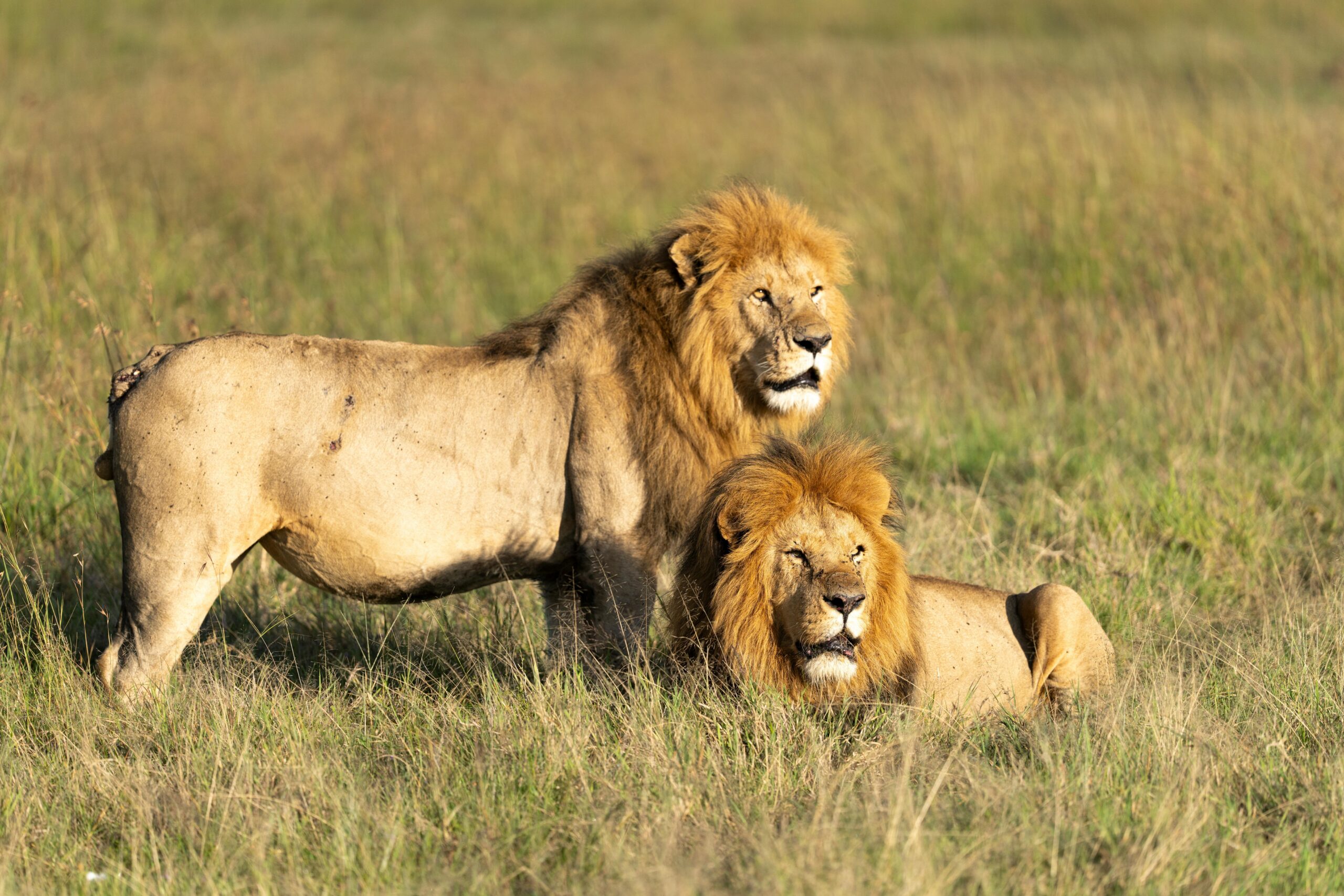
Lions are among the most exciting predators to encounter.
They may be found resting beneath trees during the heat of the day or becoming more active as temperatures fall.
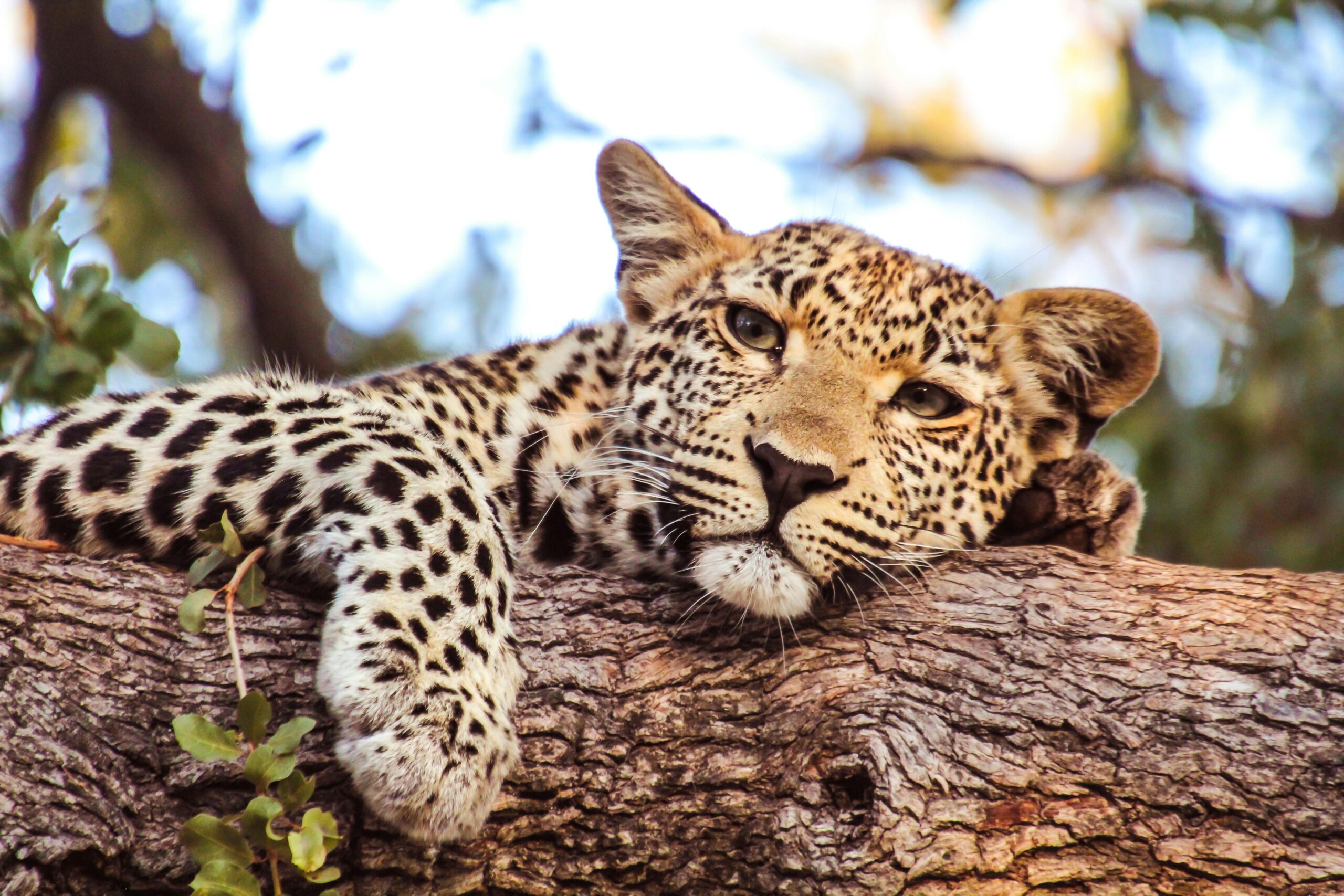
Leopards
Leopards are more elusive and require patience.
They often favour areas with trees and thick vegetation where they can remain concealed.
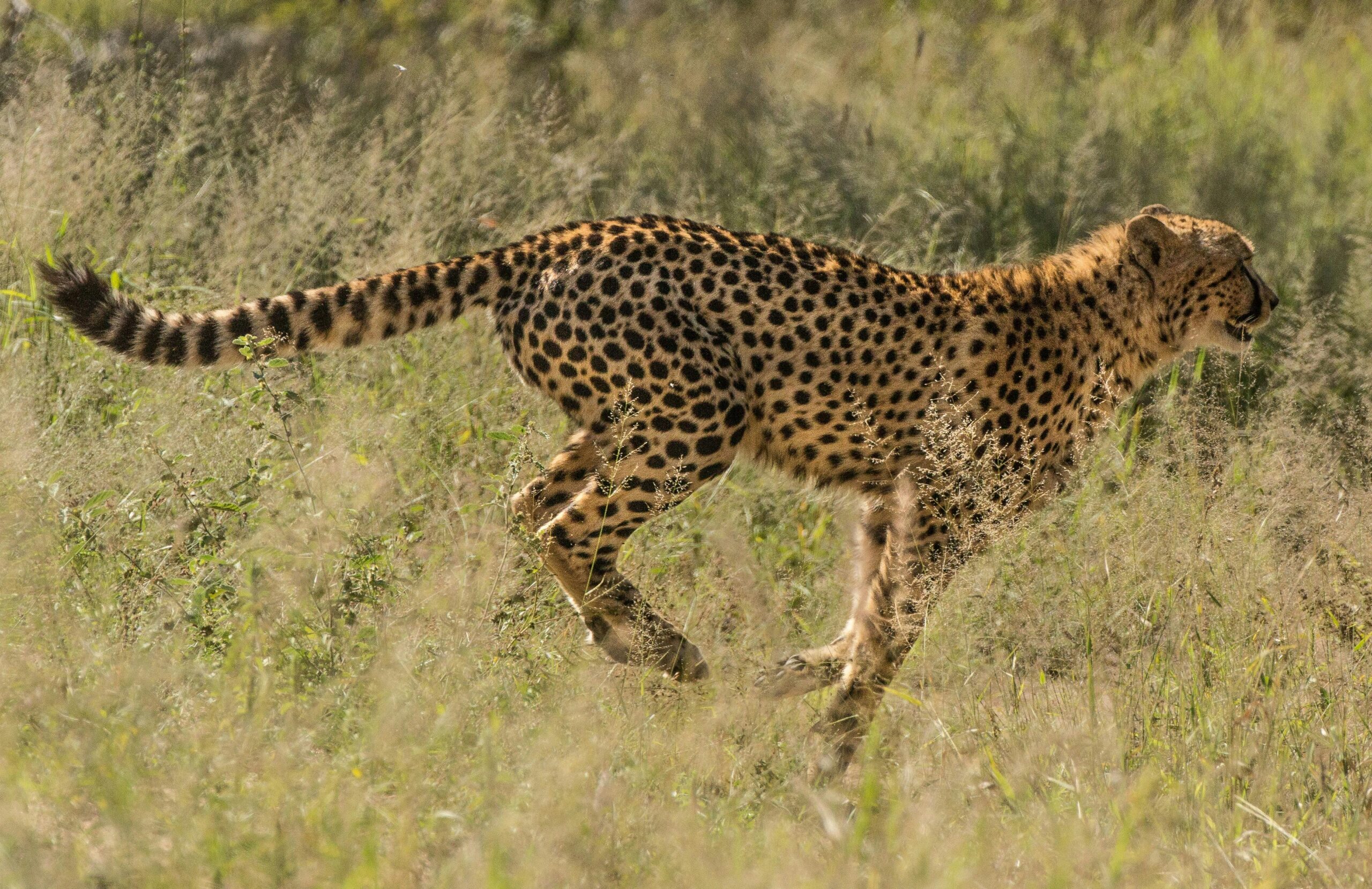
Cheetahs
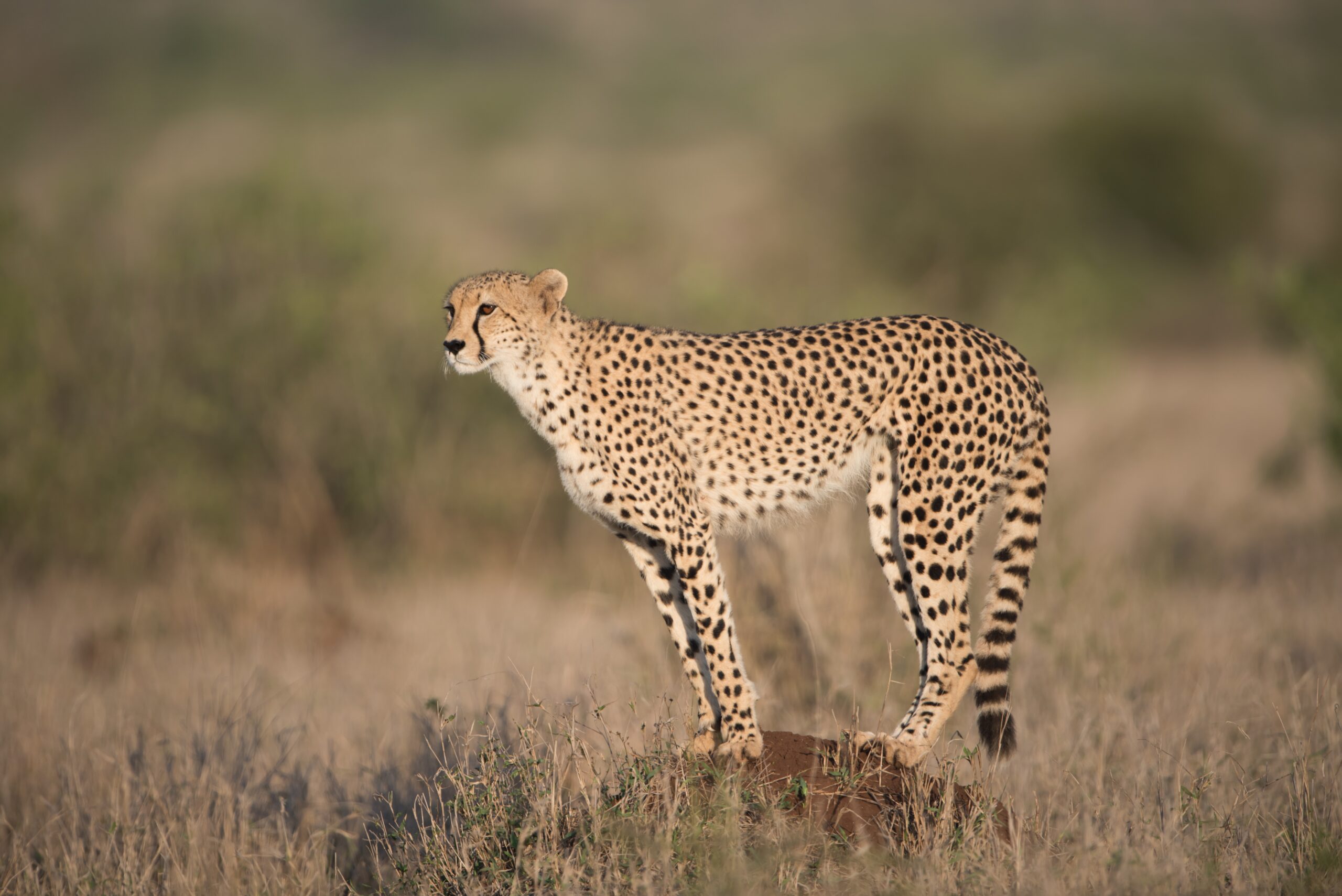
The open areas of Tarangire provide opportunities for cheetah sightings, particularly where visibility across the grasslands is good.
Other Predators
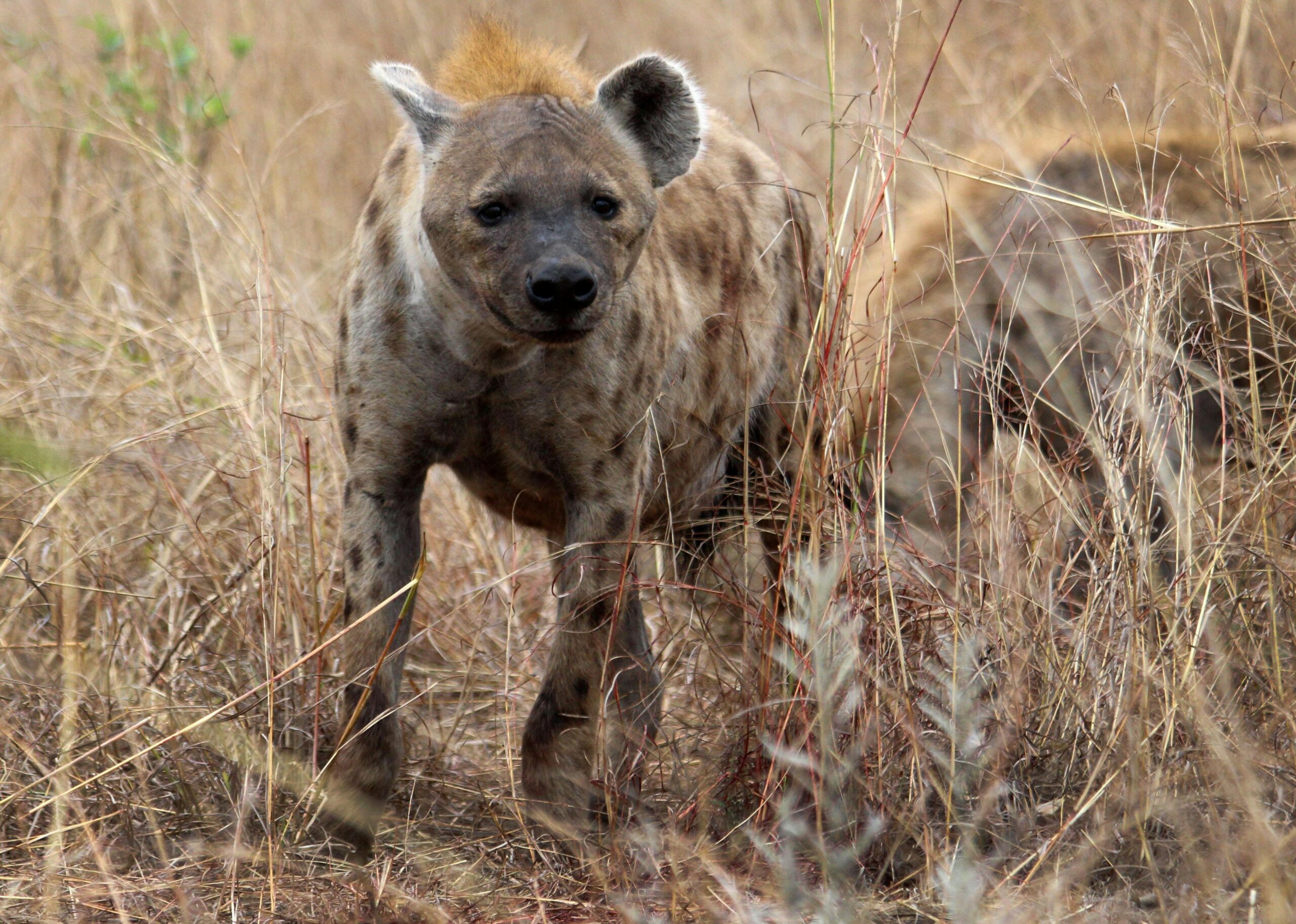
Spotted hyenas and other carnivores also contribute to the park’s complex predator-prey relationships.
A good safari guide understands animal behaviour and tracks to increase the chances of meaningful encounters without disturbing wildlife.
The Dry Season Transformation
When Tarangire Comes Alive
One of Tarangire’s most fascinating characteristics is the seasonal movement of wildlife.
During the dry months, water becomes increasingly scarce across surrounding landscapes.
As conditions become drier, animals move toward reliable water sources and areas where food remains available.
Tarangire becomes especially rewarding during this period because wildlife concentrations can increase around the Tarangire River and other key areas.
This is one reason the park can be particularly attractive for travellers visiting during the dry season.
The landscape may appear dry and golden, but beneath that apparent harshness lies an extraordinary concentration of life.
Tarangire During the Green Season
A Different Face of the Park
When seasonal rains arrive, Tarangire changes dramatically.
The landscape becomes greener.
Fresh vegetation appears.
Bird activity increases.
Migratory birds may be present.
Wildlife spreads into a wider area because water is more readily available.
For travellers who enjoy landscapes, photography, birdwatching and quieter safari experiences, the green season can provide a beautiful alternative perspective.
Rather than thinking of Tarangire as having only one ideal season, it is better to understand that each period reveals a different side of the ecosystem.
Birdlife in Tarangire
A Birdwatcher’s Paradise
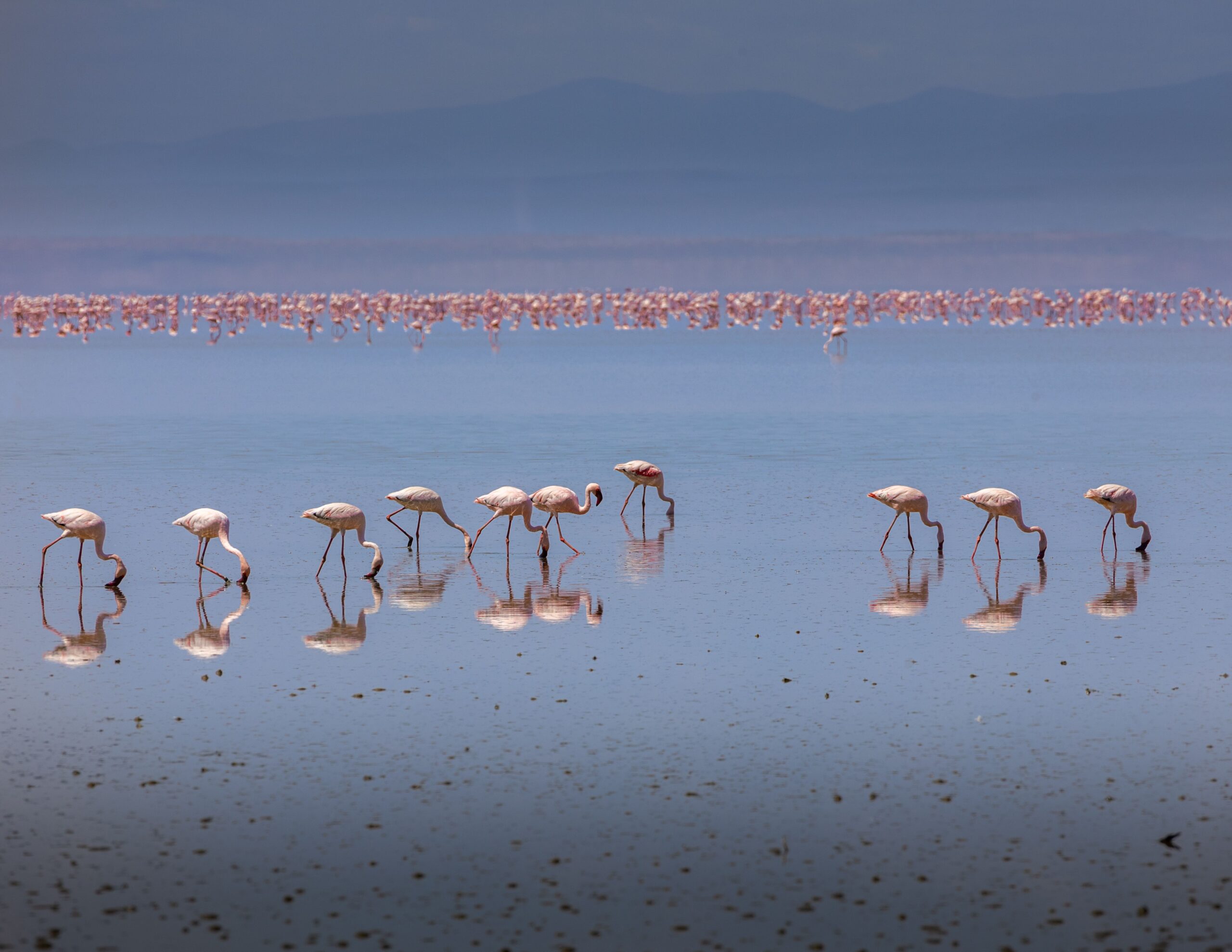
Tarangire is also an excellent destination for bird enthusiasts.
The combination of wetlands, river systems, woodland and open savannah creates habitat for a wide variety of birds.
Depending on the season, visitors may encounter:
- Eagles
- Vultures
- Hornbills
- Kori bustards
- Ostriches
- Secretary birds
- Storks
- Herons
- Egrets
- Rollers
- Bee-eaters
- Weavers
- Kingfishers
The changing water conditions and vegetation make birdlife an important part of the Tarangire experience.
A safari vehicle travelling slowly through the park can reveal birds that might otherwise be missed.
Tarangire’s Unique Wildlife
Beyond the Usual Safari Animals
One of Tarangire’s attractions is the opportunity to encounter species that are not always associated with the classic Northern Tanzania safari.
Depending on the area and season, visitors may have opportunities to see animals such as:
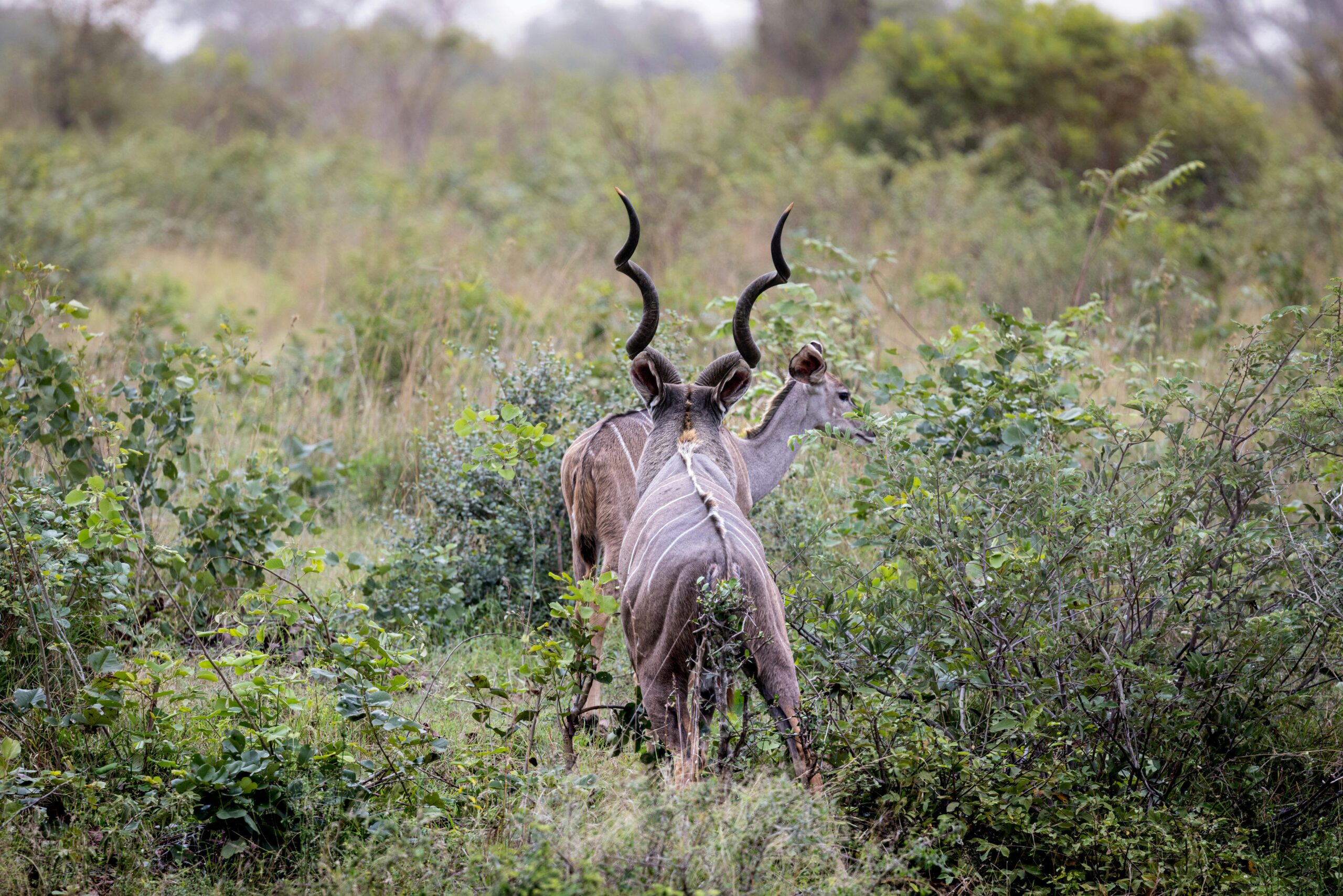
Greater Kudu
One of the park’s more sought-after antelope species.
Its impressive horns and preference for woodland make sightings particularly rewarding.
Oryx
These striking antelopes are adapted to dry environments and can occasionally be encountered in suitable areas.
Eland
Among Africa’s largest antelopes, eland can sometimes be seen moving through open landscapes.
Giraffes
Tarangire’s woodland and savannah provide excellent habitat for giraffes, whose height allows them to feed from vegetation beyond the reach of many other herbivores.
Tarangire and the Northern Safari Circuit
The Perfect Beginning to a Tanzania Safari
Tarangire is ideally positioned for a Northern Tanzania safari.
It can easily be combined with:
Tarangire → Ngorongoro → Serengeti
This classic route creates a progression through very different landscapes.
Tarangire introduces travellers to elephants, baobabs and woodland savannah.
Ngorongoro provides the dramatic volcanic environment and dense wildlife of the crater.
Serengeti then opens into vast plains and the world-famous migration ecosystem.
For travellers with additional time, Lake Manyara and cultural experiences can also be incorporated.
Things to Do in Tarangire
Experience the Park Beyond a Simple Game Drive
1. Wildlife Game Drives
The primary experience is exploring the park in a safari vehicle with an experienced guide.
Game drives can be arranged around wildlife behaviour, season and your interests.
2. Elephant Watching
Spend time observing elephant herds as they move, feed and interact.
3. Wildlife Photography
Tarangire’s combination of elephants, baobabs, golden grasslands and dramatic skies creates exceptional photographic opportunities.
4. Birdwatching
Explore different habitats in search of resident and seasonal bird species.
5. Scenic Safari
Even when wildlife is not immediately visible, Tarangire’s landscapes provide an unforgettable experience.
6. Private Safari
A private vehicle gives you greater flexibility over timing, route and how long you spend at particular sightings.
Tarangire for Photographers
A Landscape Made for Storytelling
Tarangire offers a different photographic style from Serengeti.
Instead of relying only on wide-open plains, photographers can work with:
- Elephants beneath baobabs
- Giraffes against the horizon
- Lions in golden grass
- Herds crossing dusty plains
- Birds around wetlands
- Silhouettes at sunset
- Acacia woodland
- Dramatic clouds during the green season
Early morning and late afternoon are particularly rewarding because the softer light brings out the texture of the landscape.
Tarangire for Luxury Safaris
Intimate Wilderness, Beautifully Experienced
Tarangire is an excellent destination for travellers who want luxury without losing the feeling of being in the wild.
Luxury safari accommodation around and near the park can provide elegant rooms or tented suites, carefully prepared meals, personalised service and views of the surrounding landscape.
A luxury Tarangire experience can include:
- Private 4×4 safari vehicle
- Dedicated professional guide
- Luxury lodge or premium tented camp
- Private game drives
- Bush breakfast
- Sundowner experience
- Wildlife photography
- Carefully selected accommodation
- Personalised safari planning
The goal is not simply to make the safari more comfortable.
It is to create a journey where comfort and wilderness exist together.
Where to Stay in Tarangire
From Comfortable Camps to Luxury Lodges
Accommodation choices can be matched to your preferred safari style and budget.
Luxury Lodges
Ideal for travellers looking for premium accommodation, refined dining, privacy and personalised service.
Luxury Tented Camps
These provide a closer connection to the natural environment while maintaining high levels of comfort.
Mid-Range Camps & Lodges
A practical balance between comfort, location and value.
Budget Camps
Suitable for travellers prioritising the safari experience while keeping accommodation costs more controlled.
At GoAccess Africa Safaris, accommodation can be selected according to your budget, preferred level of comfort and desired safari atmosphere.
Best Time to Visit Tarangire
Choosing the Right Season for Your Safari
June – October
This is generally one of the strongest periods for wildlife viewing.
As the landscape becomes drier, wildlife movements become increasingly influenced by available water.
Elephants and other animals may concentrate around important water sources.
November – December
The arrival of seasonal rains transforms parts of the landscape.
The vegetation becomes greener and bird activity can increase.
January – February
The green season can provide beautiful scenery, fresh vegetation and excellent birdwatching opportunities.
March – May
This is part of the longer rainy period.
The landscape can be lush and atmospheric, although travellers should expect wetter conditions and potentially more challenging road conditions depending on the exact period.
The best time ultimately depends on whether your priority is concentrated wildlife viewing, green landscapes, birdwatching, photography, fewer visitors or a combination of these.
Is Tarangire Worth Visiting?
Absolutely.
Tarangire is sometimes overshadowed by Serengeti and Ngorongoro, but that comparison misses what makes it special.
Serengeti is famous for endless plains and the Great Migration.
Ngorongoro is famous for its volcanic crater and extraordinary concentration of wildlife.
Tarangire has its own signature: elephants, baobabs, seasonal wildlife concentrations and intimate woodland safari landscapes.
For many travellers, Tarangire becomes one of the most memorable parts of their Tanzania journey precisely because it feels different.
Tarangire for Families
Tarangire can be an excellent destination for family safaris.
The combination of elephants, giraffes, zebras, birds and varied landscapes provides plenty of wildlife to discover.
Family itineraries can be designed with:
- Comfortable accommodation
- Suitable driving times
- Flexible game drives
- Child-friendly meal arrangements
- Private safari vehicles
- Educational wildlife experiences
A private safari is particularly useful for families because the itinerary can be adjusted around the group’s pace.
Tarangire for Honeymooners
Romance Beneath the Baobabs
For couples, Tarangire offers a more intimate atmosphere than some of Tanzania’s larger safari destinations.
Imagine spending the day following elephants across the plains, returning to an elegant camp, watching the sunset over the baobabs and ending the evening surrounded by the sounds of the African bush.
Tarangire can form part of a romantic itinerary combining:
Tarangire → Ngorongoro → Serengeti → Zanzibar
This creates a journey that moves from wildlife and adventure to the beaches of the Indian Ocean.
Tarangire & Zanzibar
From African Wilderness to Island Paradise
Tarangire can be combined with Zanzibar for travellers who want both safari and beach experiences.
After exploring elephants, baobabs and wildlife in northern Tanzania, continue to Zanzibar for:
- White-sand beaches
- Indian Ocean scenery
- Stone Town
- Swahili culture
- Island excursions
- Marine experiences
- Relaxation
This combination is particularly attractive for honeymooners and travellers seeking a complete Tanzania holiday.
Why Visit Tarangire With GoAccess Africa Safaris?
A great Tarangire safari is about more than entering the park.
It is about understanding the landscape.
Knowing where animals are likely to move.
Understanding seasonal changes.
Recognising tracks and behaviour.
Knowing when to slow down.
Knowing when to wait.
At GoAccess Africa Safaris, our Tanzania safari experiences are designed around these details.
Established in 2015, we create personalised journeys that combine local knowledge, carefully selected accommodation, professional guiding and thoughtful itinerary planning.
Whether you are looking for a luxury private safari, a comfortable mid-range adventure, a family journey or a broader Northern Tanzania itinerary, Tarangire can be shaped around the way you want to experience Tanzania.
Tarangire at a Glance
| Feature | Details |
|---|---|
| Location | Northern Tanzania |
| Famous For | Elephants & Baobabs |
| Key Water Source | Tarangire River |
| Landscape | Savannah, woodland, wetlands & riverine areas |
| Major Wildlife | Elephants, lions, giraffes, buffalo, zebra, wildebeest |
| Other Wildlife | Kudu, oryx, eland, impala, warthog & many others |
| Birdlife | Rich and diverse |
| Main Activity | Wildlife Game Drives |
| Best Known Season | Dry season for concentrated wildlife viewing |
| Safari Style | Private, luxury, mid-range & budget |
| Nearby Destinations | Ngorongoro, Serengeti & Lake Manyara |
| Ideal For | Couples, families, photographers & wildlife enthusiasts |
Frequently Asked Questions
What is Tarangire National Park famous for?
Tarangire is particularly famous for its large elephant herds, iconic baobab trees, the Tarangire River, diverse wildlife and rich birdlife.
Can I see the Big Five in Tarangire?
Tarangire supports several of the Big Five, including elephants, lions, buffaloes and leopards. Wildlife sightings are naturally never guaranteed, and travellers seeking the widest possible range of large mammals often combine Tarangire with Ngorongoro and Serengeti.
How many days should I spend in Tarangire?
A full day can provide a rewarding introduction to the park. However, spending a night or two allows you to experience the area at a more relaxed pace and gives greater flexibility for morning and afternoon wildlife viewing.
When is the best time to visit Tarangire?
The dry season is particularly attractive for wildlife viewing because animals can become more concentrated around remaining water sources. The green season offers lush scenery and excellent birdwatching opportunities.
Is Tarangire good for photography?
Yes. Elephants, baobabs, giraffes, birds, golden grasslands and changing light provide excellent photographic subjects.
Can Tarangire be combined with Serengeti?
Yes. Tarangire, Ngorongoro and Serengeti form one of the most popular Northern Tanzania safari combinations.
Is Tarangire suitable for a luxury safari?
Yes. Travellers can choose premium lodges and luxury tented camps and explore the park with a private vehicle and dedicated guide.
Can I visit Tarangire as a day trip?
Yes. Tarangire can be visited as a day trip from Arusha, although a longer itinerary allows more time to explore and reduces the feeling of rushing through the destination. Tanzania Tourism currently promotes Tarangire as a day-trip destination from Arusha.
Is Tarangire suitable for families?
Yes. Its diverse wildlife and landscapes make it a strong option for family safaris, particularly when the itinerary is privately planned around the family’s pace.
Experience Tarangire
Where Giants, Baobabs & Wild Landscapes Meet
Tarangire is a reminder that Africa’s greatest stories are not always found in the most famous places.
Sometimes the story is an elephant herd moving slowly beneath an ancient baobab.
Sometimes it is a lion resting in the golden grass.
Sometimes it is a giraffe appearing above the woodland.
And sometimes it is simply the silence of the African landscape stretching toward the horizon.
With GoAccess Africa Safaris, your Tarangire experience can become part of a carefully crafted Tanzania journey designed around your interests, your pace and your style of travel.
Discover the Giants of Tarangire.
Explore Tanzania. Travel Deeper. Experience the Wild.
From towering baobabs and wandering elephant herds to the endless golden plains of the Serengeti, this seven-day journey takes you deep into the diverse landscapes...
Duration
7 Days - 6 Nights
$1800
/ person
Next Departures
October 5, 2026 (Available)October 6, 2026 (Available)October 7, 2026 (Available)
Step beyond the ordinary and into the endless wilderness of Northern Tanzania on a six-day safari designed to reveal the remarkable diversity of the country's...
Duration
6 Days - 5 Nights
$1500
/ person
Next Departures
October 5, 2026 (Available)October 6, 2026 (Available)October 7, 2026 (Available)
Experience three of Northern Tanzania’s most iconic landscapes on an unforgettable four-day safari from the elephant-rich wilderness of Tarangire to the golden plains of the...
Duration
4 Days - 3 Nights
$1150
/ person
Next Departures
October 5, 2026 (Available)October 6, 2026 (Available)October 7, 2026 (Available)
Step into the wild heart of Tanzania on a five-day safari through three of Northern Tanzania’s most remarkable wildlife destinations. From the ancient baobabs and...
Duration
5 Days - 4 Nights
$1000
/ person
Next Departures
October 5, 2026 (Available)October 6, 2026 (Available)October 7, 2026 (Available)